
Straight vs reverse tuck end boxes: which style fits your product?
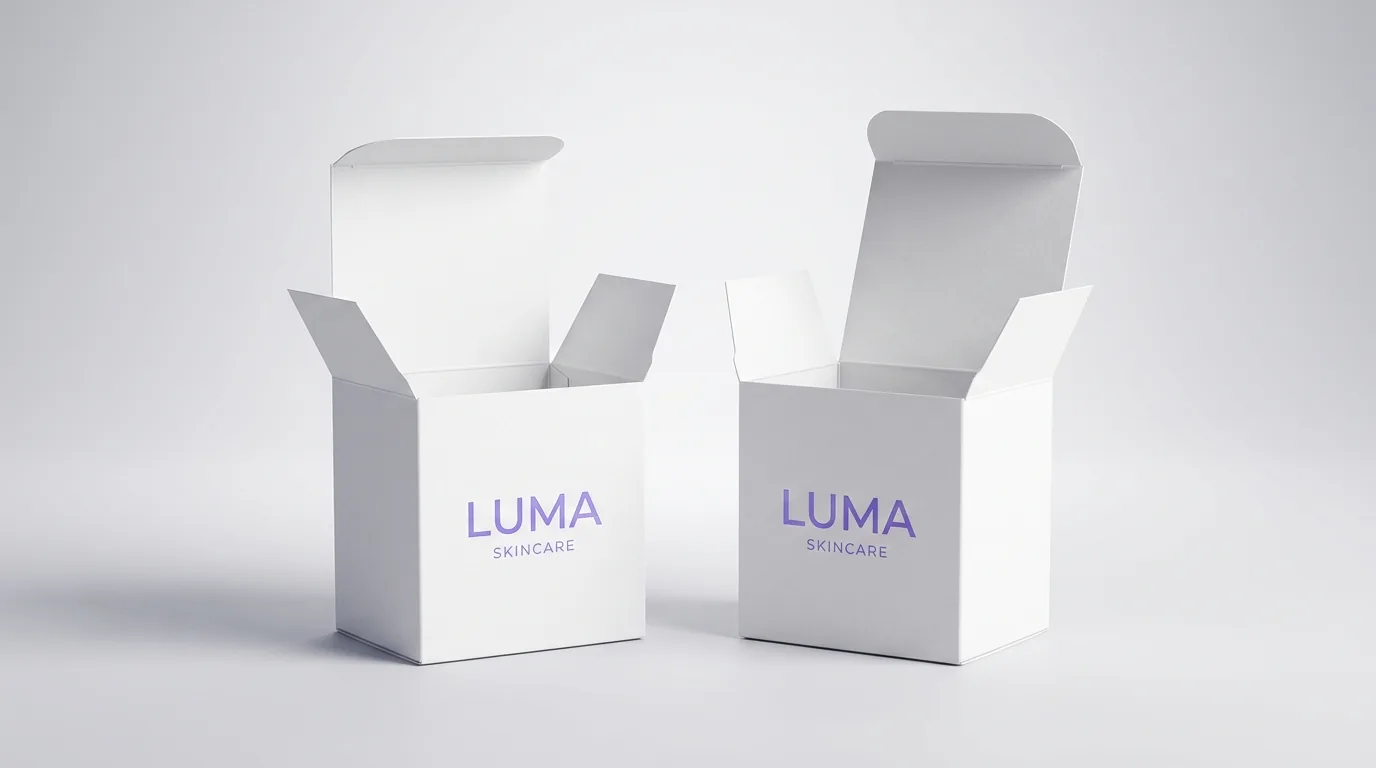
Short answer: On custom straight tuck end boxes, both the top and bottom closures hinge on the front panel and fold toward the back, leaving the front face completely free of cut flap edges. On reverse tuck end boxes, the top and bottom closures hinge on opposite panels so blanks interlock on the printing sheet.
On this page
- How do straight tuck end, reverse tuck end, and auto lock bottom boxes compare
- Why does a straight tuck end box look cleaner on retail shelves
- Why do reverse tuck end boxes nest more tightly on a printing sheet
- Which tuck end style works better with die-cut windows and card inserts
- When should you upgrade from a tuck end box to an auto lock bottom or seal end
- Do straight tuck end and reverse tuck end boxes pack at the same speed by hand
- Common mistakes
- FAQs
Request a custom quoteFree dieline & 3D mockup
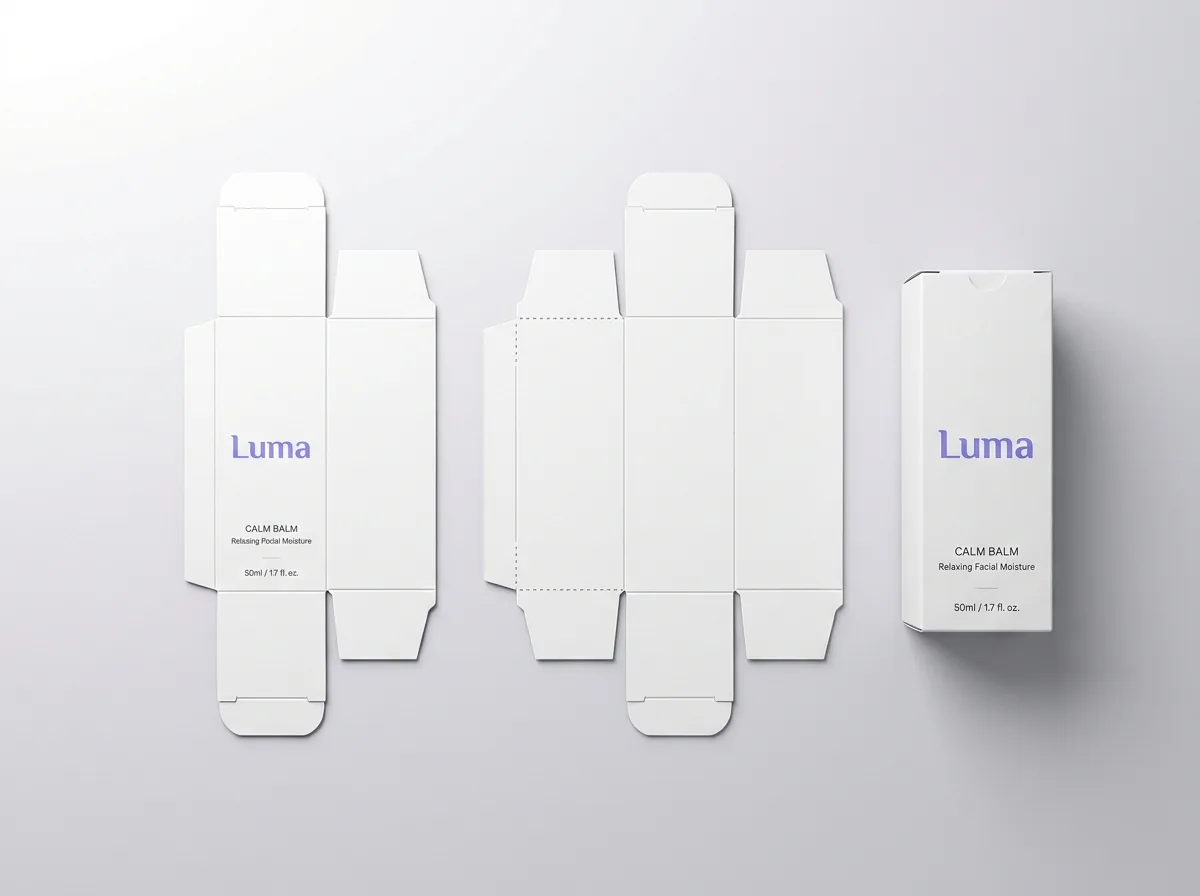
Straight tuck end (STE) and reverse tuck end (RTE) are the two core paperboard folding carton styles used across retail shelves. Both ship folded flat with a pre-glued side seam, pop open by hand or machine, and close with friction or slit-lock tuck flaps over two side dust flaps. The single structural difference is which wall carries the top and bottom closure hinges. On a straight tuck end carton, both closures extend from the same main panel and tuck in the same direction (front to back), giving you crisp folded top and bottom front edges and a clean frame for die-cut windows. On a reverse tuck end box, the top closure hinges on the back panel while the bottom closure hinges on the front panel, allowing adjacent dielines to nest head-to-toe on a press sheet. For heavy jars, an auto lock bottom box replaces the bottom tuck with a pre-glued crash-lock base.
How do straight tuck end, reverse tuck end, and auto lock bottom boxes compare?
When selecting a paperboard carton style for a 1,000-unit or 10,000-unit run, four practical factors separate the three main folding carton closures: how the front display panel looks on the shelf, whether you plan to add a clear front window, how efficiently the flat blanks nest on the press sheet, and how much weight the bottom panel must carry. Use the comparison table below to match your product to the right structure before requesting a quote for straight tuck end cartons.
| Feature | Straight tuck end (STE) | Reverse tuck end (RTE) | Auto lock bottom (ALB) |
|---|---|---|---|
| Top closure direction | Hinges on front, tucks at back | Hinges on back, tucks at front | Tuck flap at top |
| Bottom closure direction | Hinges on front, tucks at back | Hinges on front, tucks at back | Pre-glued base locks flat automatically |
| Front panel edges | Clean folded crease at top & bottom | Clean fold at bottom, tuck seam at top | Clean fold at bottom, tuck seam at top |
| Front window compatibility | Ideal: full front panel is uninterrupted | Good, but top tuck slit sits at front edge | Good for heavier windowed items |
| Press-sheet nesting | Standard layout (closures on same side) | Interlocking layout (alternating flaps) | Larger bottom flaps use more board |
| Product weight support | Light to medium retail items | Light to medium retail items | Medium to heavier bottles and jars |
Why does a straight tuck end box look cleaner on retail shelves?
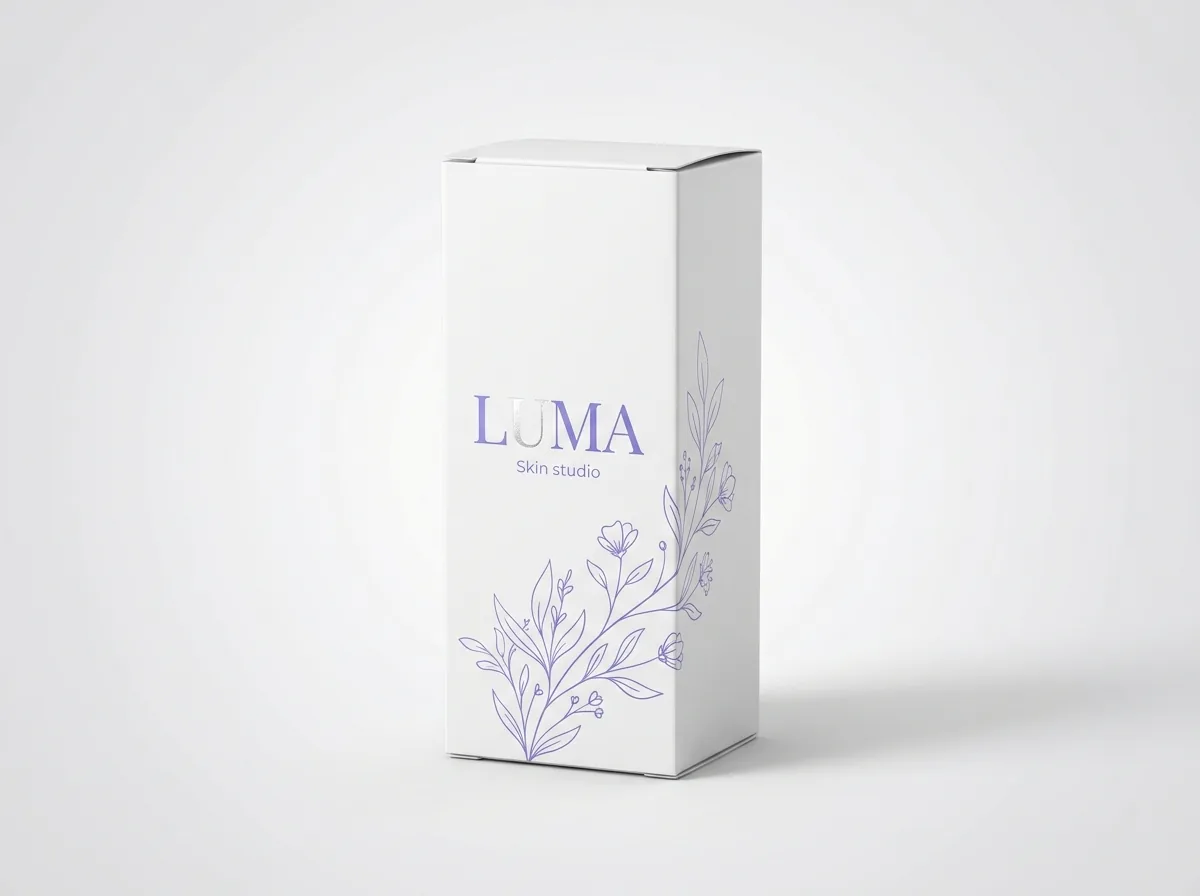
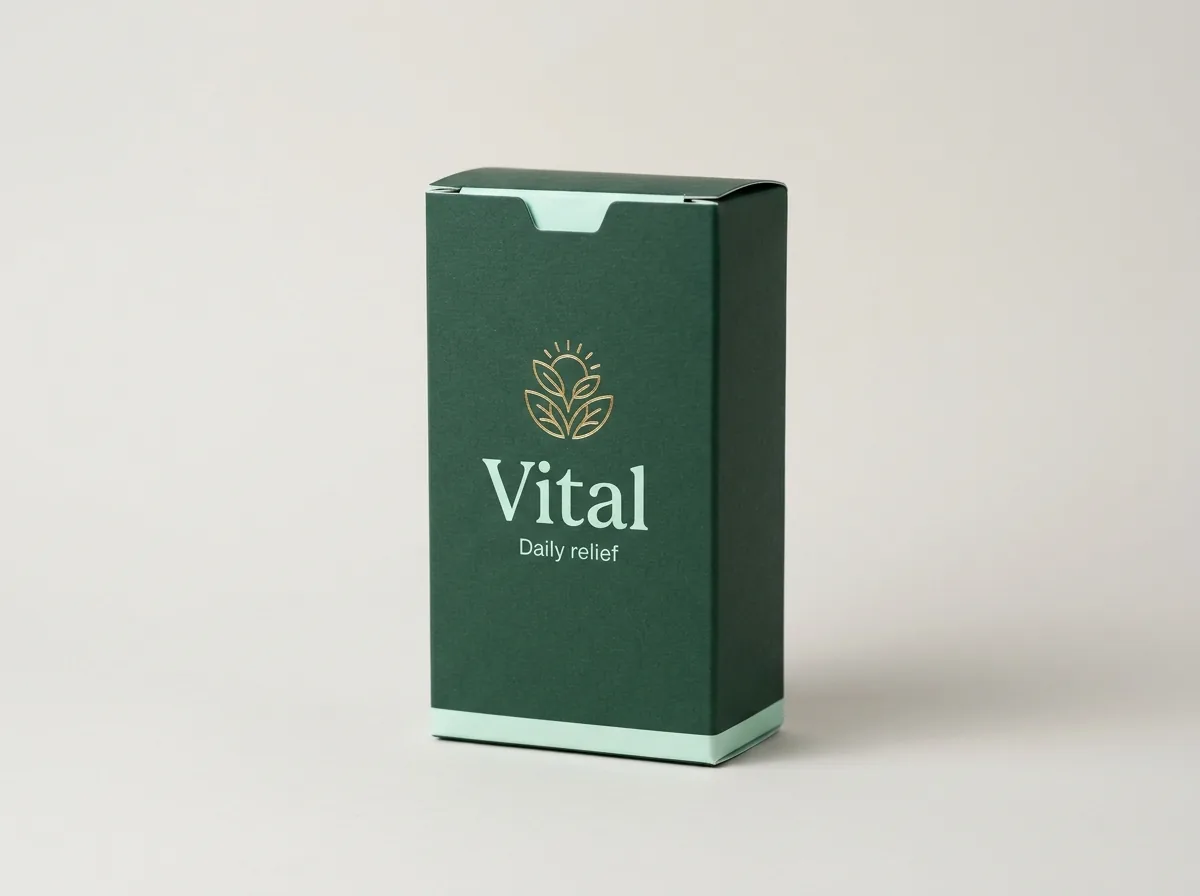
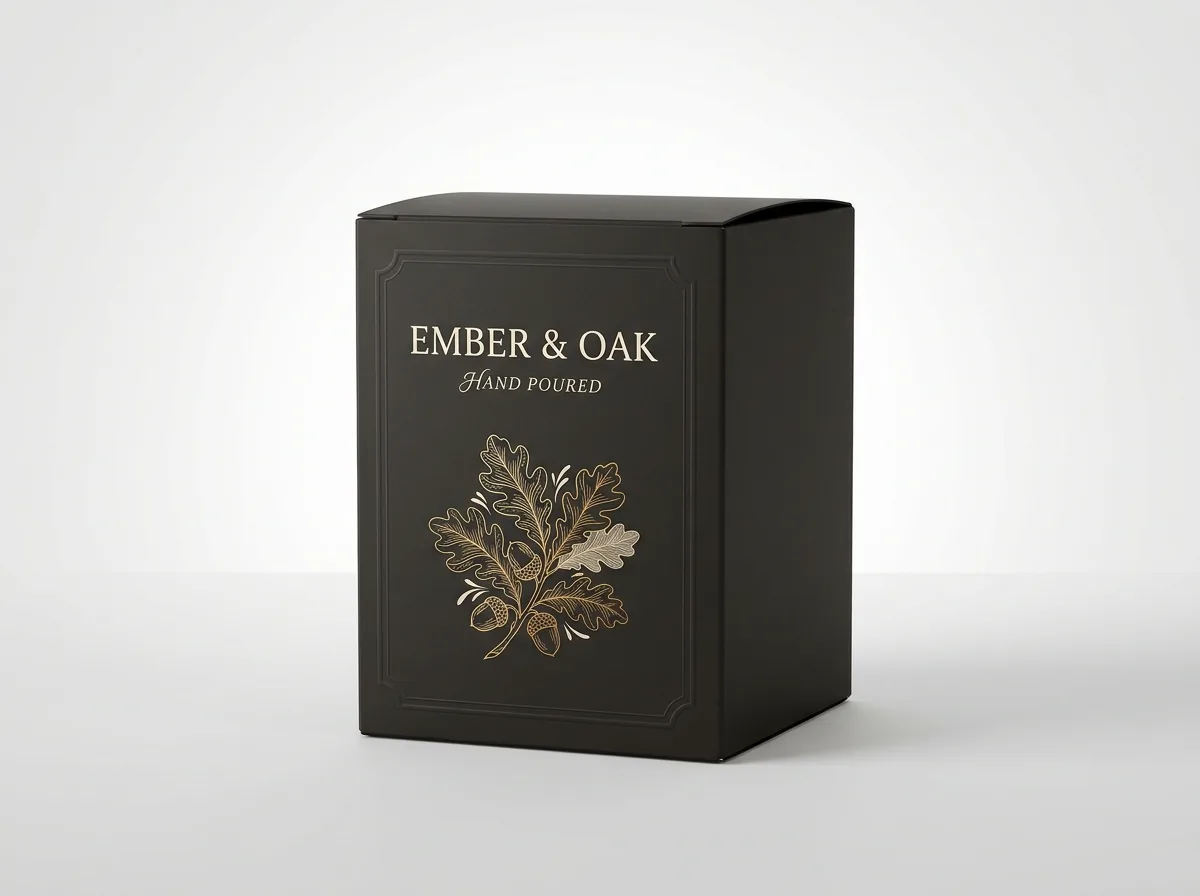
Whenever a closure flap tucks into the front of a carton, a raw cut paperboard edge and a tiny horizontal gap remain visible along that seam, especially when dark flood-coated ink is printed over white paperboard. Because a straight tuck end box hinges both its top and bottom lids directly off the front panel and folds them backward toward the rear panel, the shopper sees only smooth, continuous folded creases at the top and bottom of the front face. That uninterrupted front frame is why custom cosmetic boxes, custom serum boxes, and gift-ready candle cartons overwhelmingly specify straight tuck end construction.
- No raw cut paperboard edge shows along the top or bottom of the front display face.
- Wraparound patterns and foil borders flow smoothly from the front panel onto the top closure lid.
- Die-cut front windows sit inside a four-sided folded frame without intersecting a front tuck slit.
Why do reverse tuck end boxes nest more tightly on a printing sheet?
On a flat straight tuck end dieline, both the top closure and bottom closure protrude from the same panel column (the front panel), leaving open spaces above and below the adjacent back panel. On a reverse tuck end dieline, the top closure protrudes from the back panel while the bottom closure protrudes from the front panel. When a prepress specialist steps and repeats multiple cartons across a large offset printing sheet, those alternating top and bottom flaps interlock like puzzle pieces, reducing paperboard trim waste on high-volume runs of custom medicine boxes, custom playing card boxes, and everyday retail cartons.
- Interlocking flap geometry lets adjacent rows share the space between protruding tuck lids.
- Both straight tuck end and reverse tuck end boxes start at 1,000 units at CubitPack with zero die or plate charges.
- If you want to compare both layouts for your size, ask your account manager to quote both styles side by side.
Know your size? Compare pricing across up to 3 quantities.
Request a Quote →Which tuck end style works better with die-cut windows and card inserts?
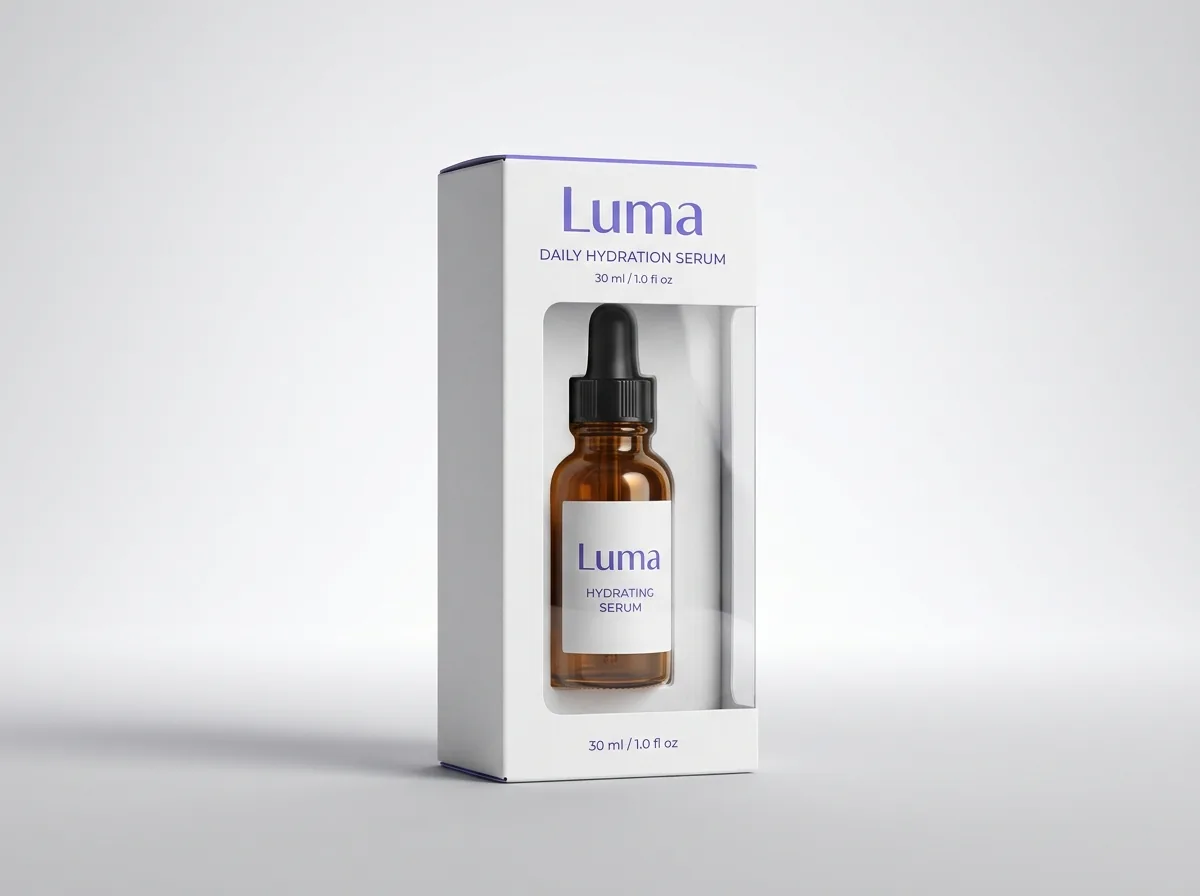
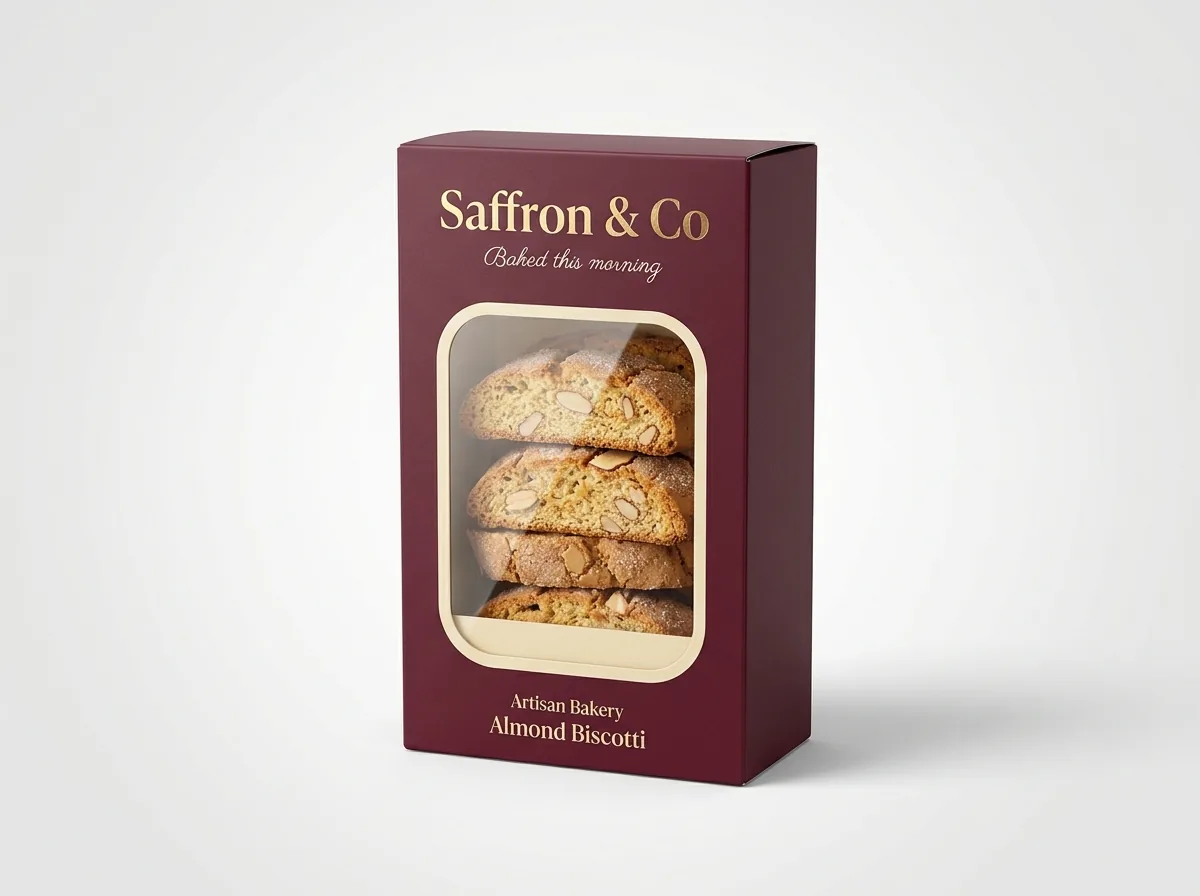
When you cut an aperture into the front panel for a clear film window or an open touch-cutout, the remaining border of paperboard carries the vertical stiffness of the front wall. On a straight tuck end carton, the top closure panel is hinged directly to the top of the front wall, reinforcing that top crease line so the window border does not bow inward when a customer squeezes the box. Both styles accept folded paperboard inserts to hold dropper bottles, blister packs, or jars centered behind the window. You can see window configurations on our custom window boxes page.
When should you upgrade from a tuck end box to an auto lock bottom or seal end?
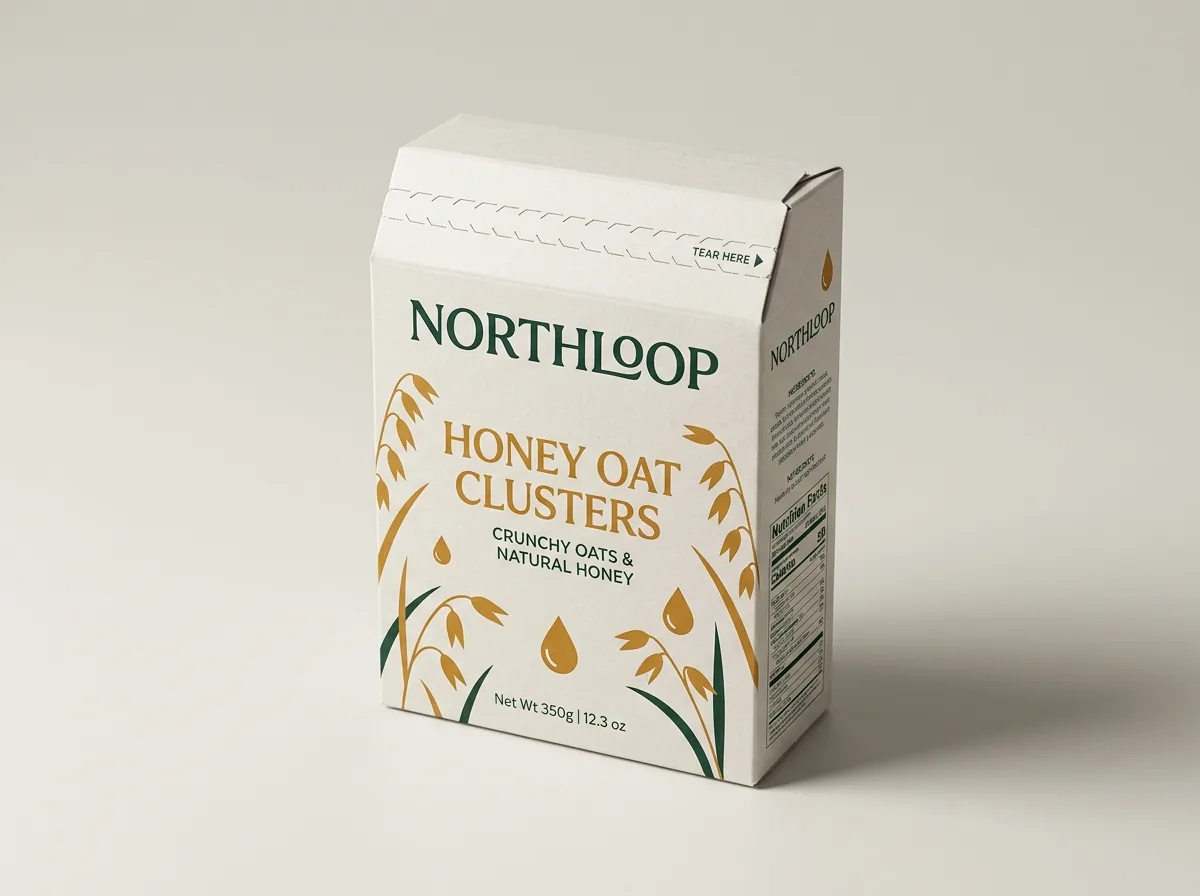
Both straight and reverse tuck end boxes rely on friction or slit-lock tabs at the bottom closure. That holds light to medium items such as a 30 ml serum bottle, a bar of soap, a lip balm, or a box of tea bags securely. However, when a product weighs enough to press down concentrated weight on the base, such as a thick-walled 10 oz glass candle jar or a heavy glass sauce bottle, a bottom tuck flap can bow or unlatch if a shopper lifts the box by its sides. In those cases, switch to an auto lock bottom box whose pre-glued bottom panels lock flat automatically as you pop the carton open, or a seal end box with permanently glued top and bottom flaps for tamper-evident pantry goods.
- Straight Tuck End (STE): Best for light to medium items up to roughly 8 to 12 oz where front shelf presentation and clean window framing come first.
- Reverse Tuck End (RTE): Best for high-volume everyday retail cartons where a top front tuck slit is acceptable and press-sheet nesting matters.
- Auto Lock Bottom (ALB): Best for heavier glass jars, beverage bottles, and multi-packs that need a pre-glued crash-lock floor and fast hand assembly.
Do straight tuck end and reverse tuck end boxes pack at the same speed by hand?
In a manual fulfillment room or contract co-packing line, both straight tuck end and reverse tuck end cartons require the exact same five hand motions: squeeze the pre-glued flat tube open, fold the two bottom dust flaps inward at 90 degrees, tuck the bottom closure panel shut, slide the product inside, and tuck the top closure panel over the top dust flaps. Most hand packers complete a straight or reverse tuck end box in 6 to 8 seconds per unit. If your fulfillment team needs to pack 5,000 units in a single afternoon, an auto lock bottom carton cuts assembly time in half because the bottom floor snaps flat automatically when you squeeze the sides. At CubitPack, every order from 1,000 boxes includes free structural design help, a 2D dieline proof, and an interactive 3D mockup before payment so you can compare Straight Tuck End and Reverse Tuck End side by side.
What mistakes do buyers make when choosing between straight and reverse tuck end?
Avoid these five structural and artwork mismatches before approving your folding carton proof
- Putting heavy glass jars on an unglued tuck bottom. Use an auto lock bottom or add a bottom glue dot when packing heavy glass containers.
- Placing artwork on a reverse tuck dieline using a straight tuck template. Moving the top closure from the front panel to the back panel flips its orientation on the flat sheet.
- Running a front window too close to a reverse tuck slit. A front top tuck slit needs a solid horizontal strip of board so the tuck tab does not catch on the window edge.
- Skipping slit locks on frequently opened cartons. If customers keep the box to store a supplement bottle or tea bags, request slit locks so the lid stays latched.
- Ordering stock sizes that leave products rattling. Every custom tuck end box is cut to your exact L × W × H with no die charges.
Get a straight tuck end dieline at your size
A simplified drawing for planning your design. Your free production dieline comes with your proof, made for your exact size and board.
Packaging for this
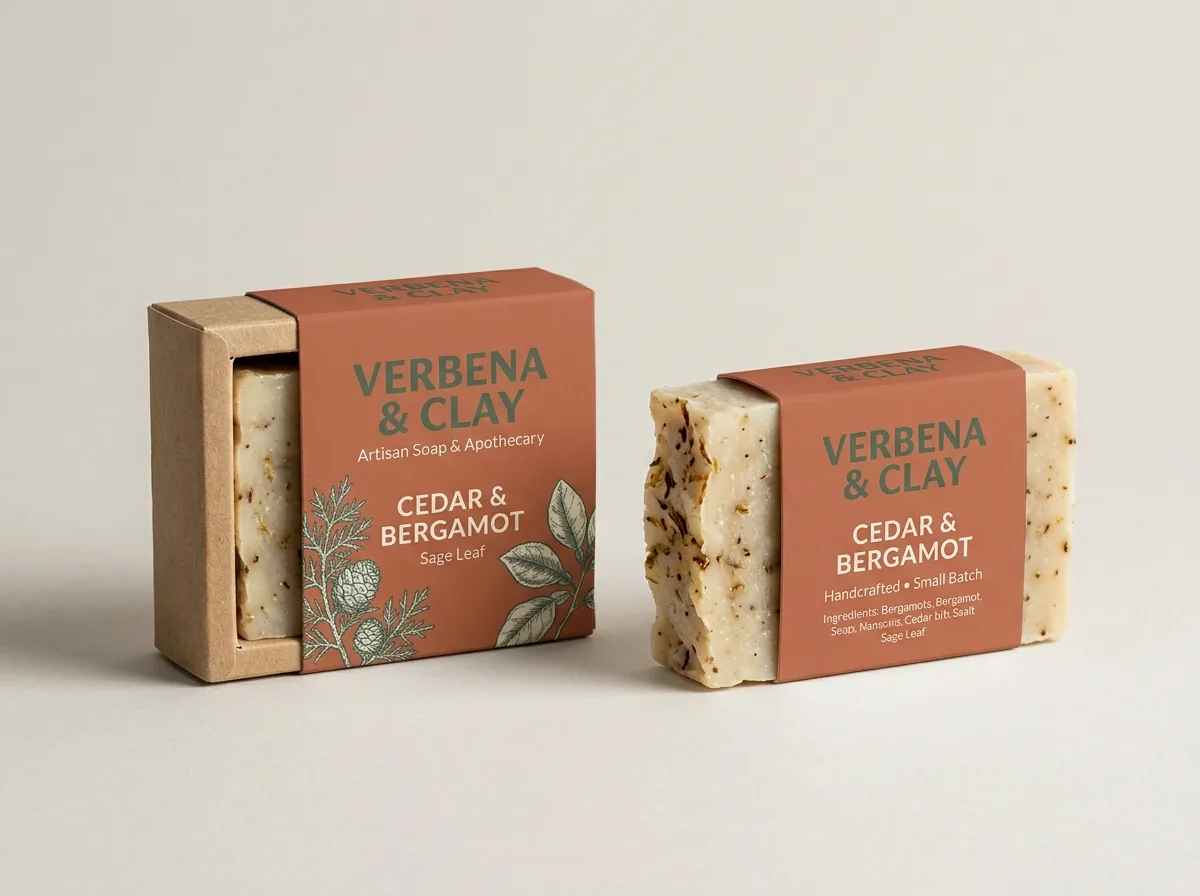
Ready to order straight tuck end boxes? Compare up to 3 quantities with a free 3D mockup.
Request a Quote →Questions about straight tuck end boxes
What is the main difference between straight tuck end and reverse tuck end boxes?
On a straight tuck end (STE) box, both the top and bottom closures hinge on the same panel (usually the front) and fold toward the back. On a reverse tuck end (RTE) box, the top closure hinges on the back panel and tucks in at the front while the bottom hinges on the front and tucks in at the back.
Do straight tuck end boxes cost more than reverse tuck end boxes?
At 1,000 to 2,500 units the unit price is often very close, and neither style has die or plate charges at CubitPack. On larger wholesale runs, reverse tuck end blanks can interlock more tightly on the press sheet, which can slightly reduce board usage depending on your box dimensions.
Which style is better for cosmetics, serums, and retail gifts?
Straight tuck end is the standard choice for cosmetics, skincare serums, perfumes, and retail gifts because both closures fold away from the front face, leaving clean folded creases at the top and bottom of your main branding panel.
Do both straight and reverse tuck end boxes ship flat?
Both styles are one-piece folding cartons glued along the vertical side seam so they collapse flat for shipping and storage. When packing orders, your team simply squeezes the side seams to pop the tube open, folds the side dust flaps in, and tucks the closures shut.
Can I add a slit lock (friction vs lock tuck) to either style?
Yes. Both straight tuck end and reverse tuck end cartons can be cut with standard friction-fit tuck flaps or slit-lock shoulders that catch on the side dust flaps to keep the top and bottom securely closed.
How fast can I get custom straight or reverse tuck end boxes?
Standard production takes 10 to 14 business days after proof approval and payment, and 4 to 5 business day rush production is available. Every order includes free design help, a digital proof, a 3D mockup, and free shipping across all 50 US states.
Still have a question? Ask a packaging specialist.
Request a Quote →Request your straight tuck end boxes quote
Tell us your size and quantities, and one dedicated account manager prepares pricing for each tier.
- Free design & AI-to-print studio + 3D mockup
- No die or plate charges · 4–5 day rush available
- Free shipping to all 50 states
- 10% off your first order
We compared straight tuck end, reverse tuck end, and auto lock bottom carton structures against ECMA folding carton classifications and Paperboard Packaging Council structural specifications. A packaging specialist verified all dieline and closure comparisons. Spot something wrong? Tell us and we fix it.
Sources
What changed
- October 23, 2026: First published.
More guides
New packaging guides by email
Sizes, materials and design tips. Unsubscribe anytime.