
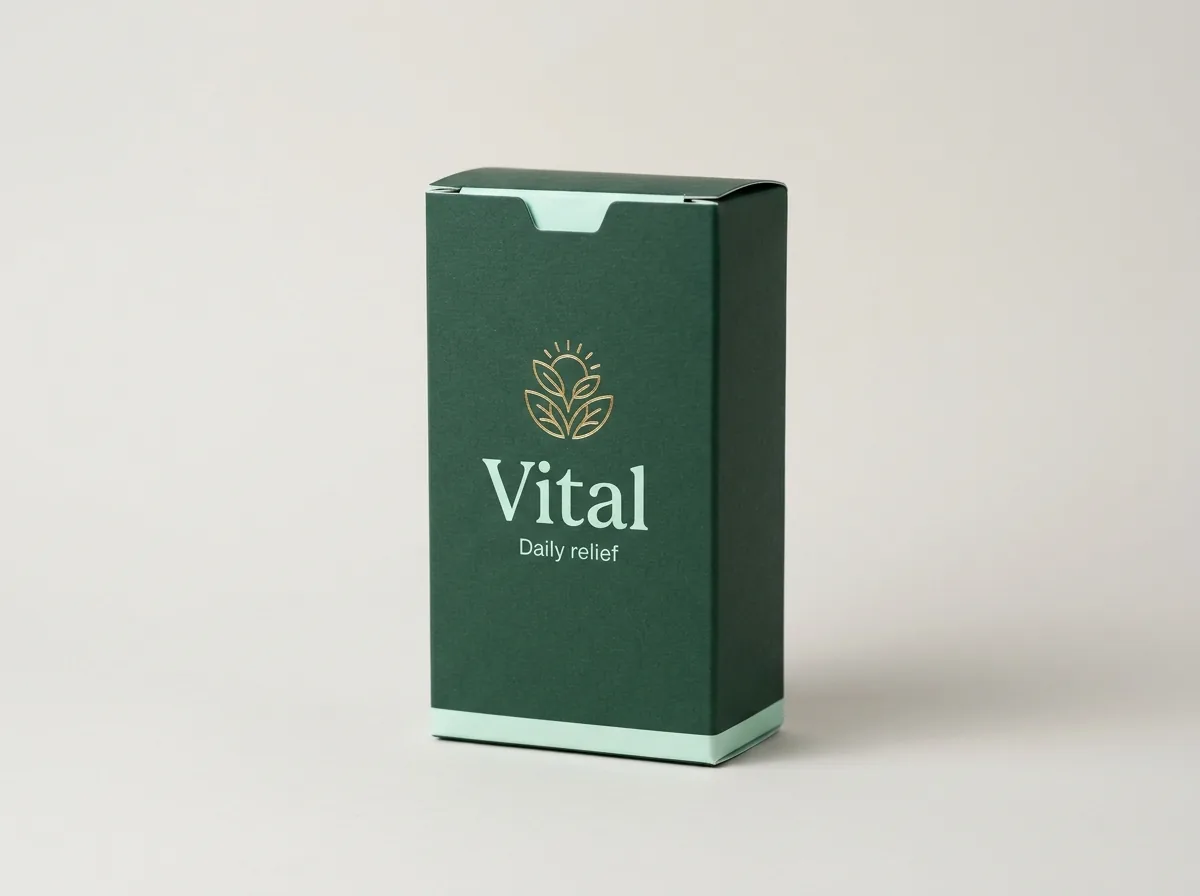
- Top lid hinges on the back panel (folds back to front); bottom base hinges on the front panel (folds front to back).
- Opposite closure flaps interlock head-to-toe on the parent press sheet, reducing paperboard waste by 8% to 15%.
- Starts at 1,000 boxes with 10–14 business days standard production (4–5 business days rush available).
- Includes free design help, zero die or plate charges, a 2D dieline proof, a 3D mockup, and free shipping to all 50 US states.
Custom Reverse Tuck End Boxes
Custom reverse tuck end boxes (RTE, ECMA A20.20.03.01) are one-piece folding cartons where the top closure hinges on the back wall and folds forward, while the bottom closure hinges on the front wall and folds backward. This opposite-panel layout interlocks on the press sheet to cut board waste for medicine, toys, playing cards, tea bags, electronics, and pens. Order from 1,000 boxes in 10–14 days.
What are reverse tuck end boxes?
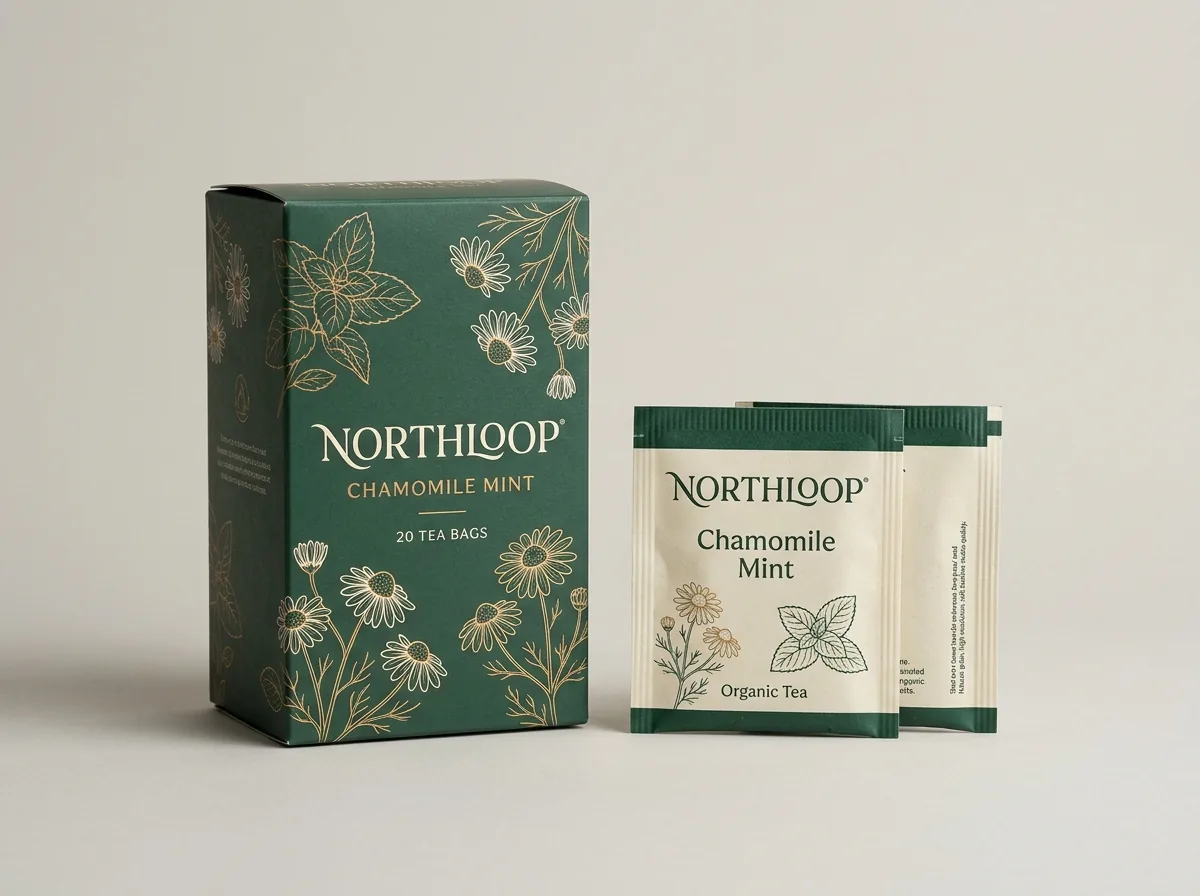
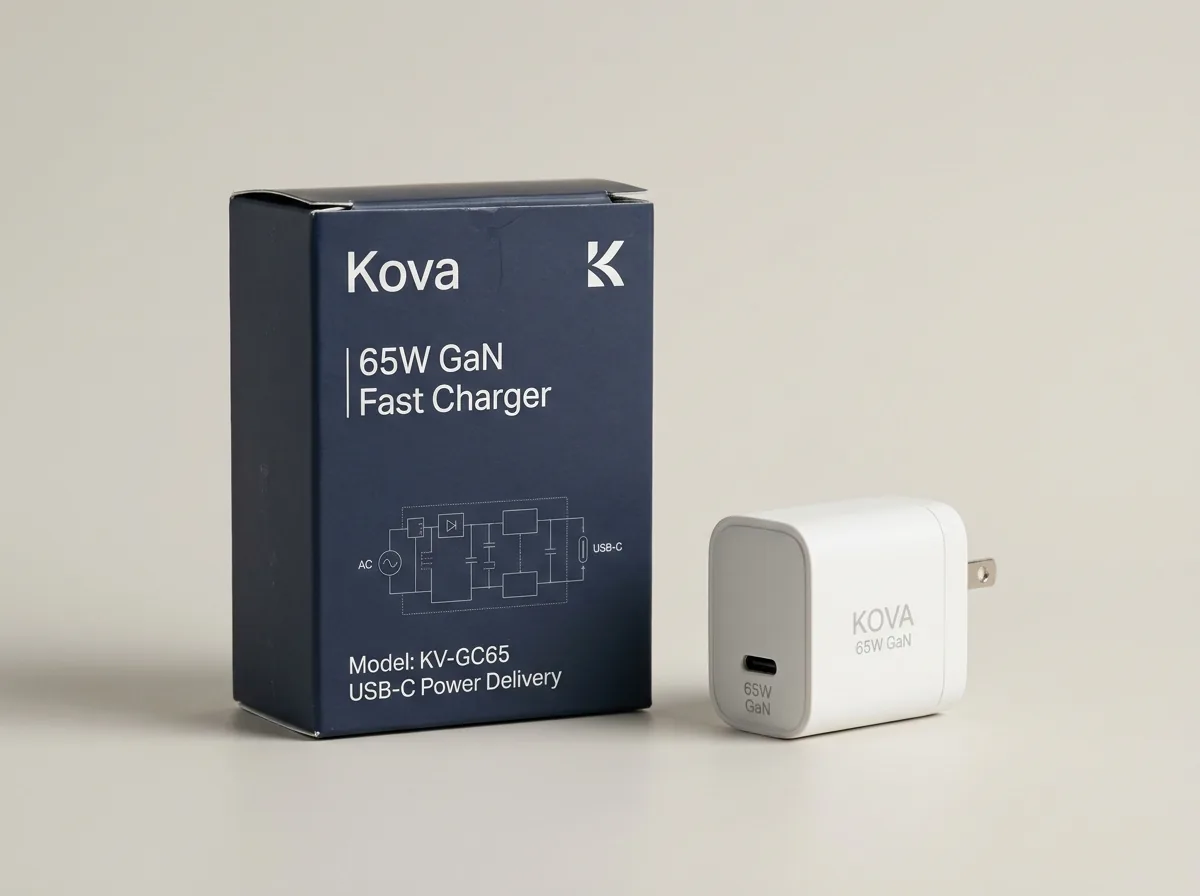
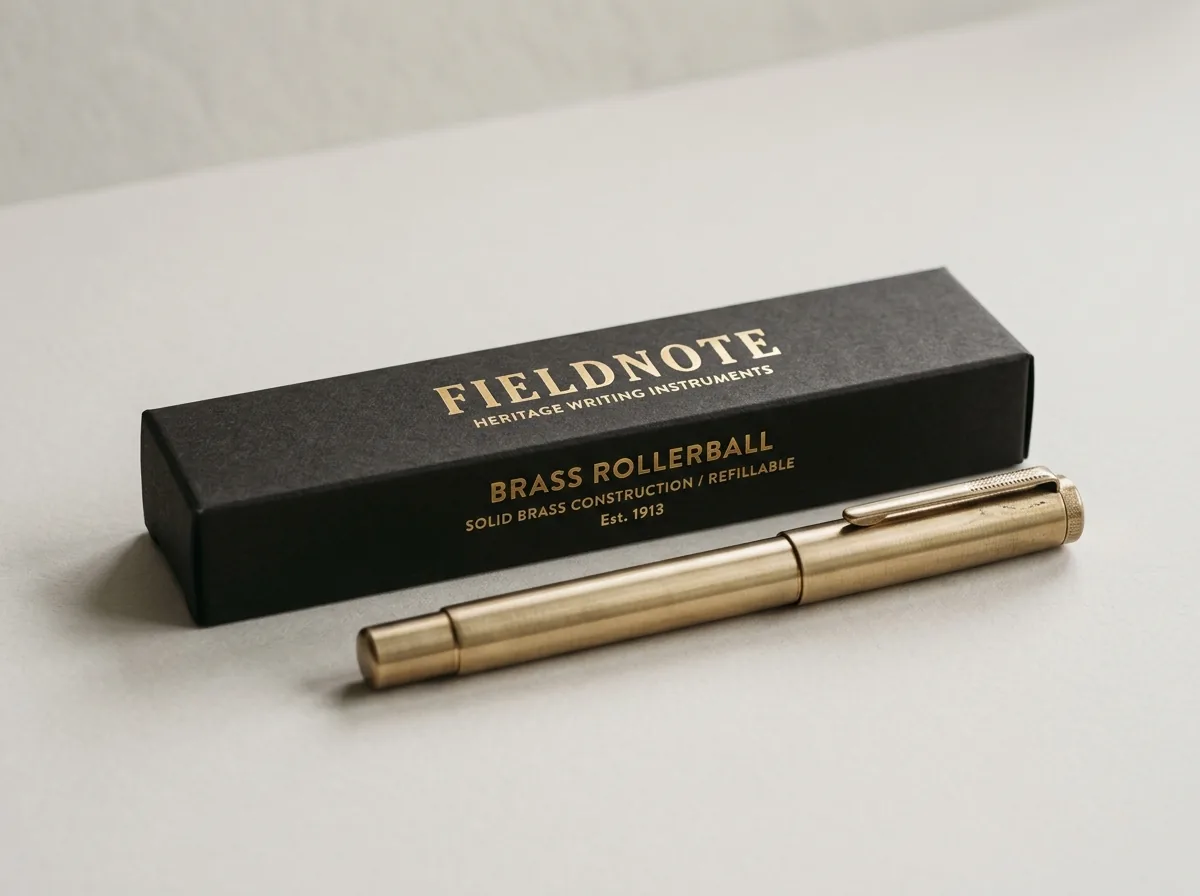
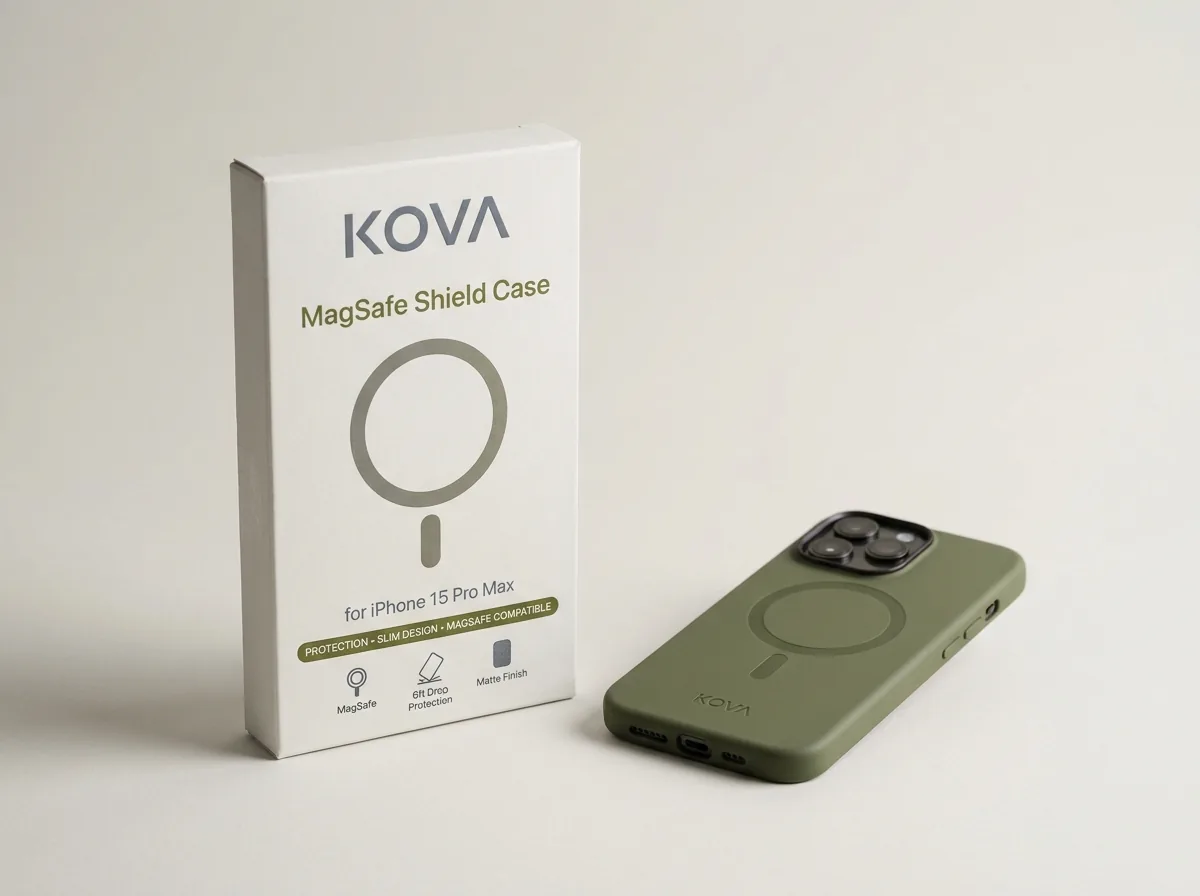
Custom reverse tuck end boxes (known in folding carton engineering as RTE or ECMA code A20.20.03.01) are one-piece paperboard cartons whose top and bottom closure panels hinge on opposite main walls. Specifically, the top lid attaches to the rear wall and tucks into the front, while the bottom base attaches to the front wall and tucks toward the rear. Because the two closure flaps sit diagonally across the flat die-cut blank rather than on the same column, adjacent boxes nest head-to-toe on the parent press sheet, cutting paperboard scrap by 8% to 15% on medium and large runs. That nesting efficiency makes reverse tuck end cartons the workhorse folding box for over-the-counter medicines, playing card decks, tea bags, small toys, USB chargers, pens, phone cases, and cosmetics. At CubitPack, custom reverse tuck end boxes start at 1,000 units, ship in 10–14 business days, and include a digital proof and 3D mockup before payment.
How is a reverse tuck end box built?
Die-cut and creased from a single sheet of paperboard, pre-glued along the vertical side seam so it arrives flat and pops into a rectangular tube for hand or machine cartoning. Whether your team calls them reverse tuck end box dieline, printed reverse tuck boxes, reverse tuck end boxes with logo, branded reverse tuck end boxes, wholesale reverse tuck end boxes, bulk custom reverse tuck end boxes or personalized reverse tuck end boxes, every sheet is cut to your exact inside dimensions.
- 1Back-hinged top closure
Attaches to the rear panel and folds forward over the opening so the top tuck flap slides inside the front wall. - 2Front-hinged bottom closure
Attaches to the front display panel and folds backward so the bottom front shelf edge stays a smooth crease. - 3Slit-lock or friction tuck flaps
Curved lead-in flaps with optional ankle slit locks (cherry locks) that hook onto the dust flaps so the base stays shut. - 4Four side dust flaps
Two top and two bottom side flaps fold inward at 90 degrees beneath the closures to block dust and square the corners. - 5Pre-glued longitudinal seam
A tapered side glue strip bonds the fourth wall to the first wall at the factory so the carton ships flat.
Reverse tuck end box facts
- Closure
- Opposite tuck flaps (top back-to-front, bottom front-to-back)
- Best for
- High-yield runs of light to medium retail goods (up to 12 oz)
- Window
- Yes, die-cut cutout or clear PET film window
- Inserts
- Yes, scored paperboard cradles and dividers
- Minimum
- 1,000 boxes
- Turnaround
- 10–14 business days, rush 4–5
- Materials
- White SBS card, natural brown kraft, corrugated, recycled
- Arrives
- Pre-glued at the side seam, folded flat in cartons
- Size range
- Any inside L × W × H to order
Reverse tuck end vs straight tuck end vs seal end
| Reverse tuck end | Straight tuck end | Seal end | |
|---|---|---|---|
| Top & bottom hinges | Opposite walls (Back top, Front bottom) | Same wall (both hinge on Front or Back) | Full-overlap glued flaps at both ends |
| Press-sheet board yield | Highest (blanks interlock head-to-toe) | Standard (closures sit on same column) | Standard rectangular layout |
| Front panel appearance | Clean bottom fold; top tuck line at upper rim | Clean fold at both top and bottom | Clean fold at both top and bottom |
| Re-closable after opening | Yes, tuck flap re-closes repeatedly | Yes, tuck flap re-closes repeatedly | Glued tamper-evident (opens via tear strip) |
| Safe product weight | Light to medium (up to 12 oz with slit locks) | Light to medium (up to 12 oz with slit locks) | Medium to heavy dry goods and multipacks |
| Primary applications | Medicine, playing cards, tea bags, toys, pens | Cosmetic serums, candles, luxury skincare | Cereal, dry snacks, pharmaceuticals, multipacks |
Save this comparison
The styles on one sheet. Pin it, or share it with whoever packs your boxes.
Still deciding between styles?
Request a Quote →Is a reverse tuck end box right for my product?
- You want the best press-sheet board efficiency on runs of 1,000+ cartons
- Your item weighs under 12 oz (blister packs, tubes, decks of cards, tea sachets, cables, pens)
- Customers need to open and re-close the top tuck flap multiple times
- You fill boxes by hand or on an automatic horizontal/vertical cartoning line
- You want ankle slit locks on the bottom flap so the base never drops open
- You want zero tuck seam along the top front edge: straight tuck end
- You need a permanently glued tamper-evident closure: seal end box
- Your product is a heavy glass jar or bottle over 12 oz: auto lock bottom
- Your product hangs on a retail pegboard hook: hang tab box
- You are mailing orders directly through UPS, FedEx, or USPS: mailer box
What are reverse tuck end boxes used for?
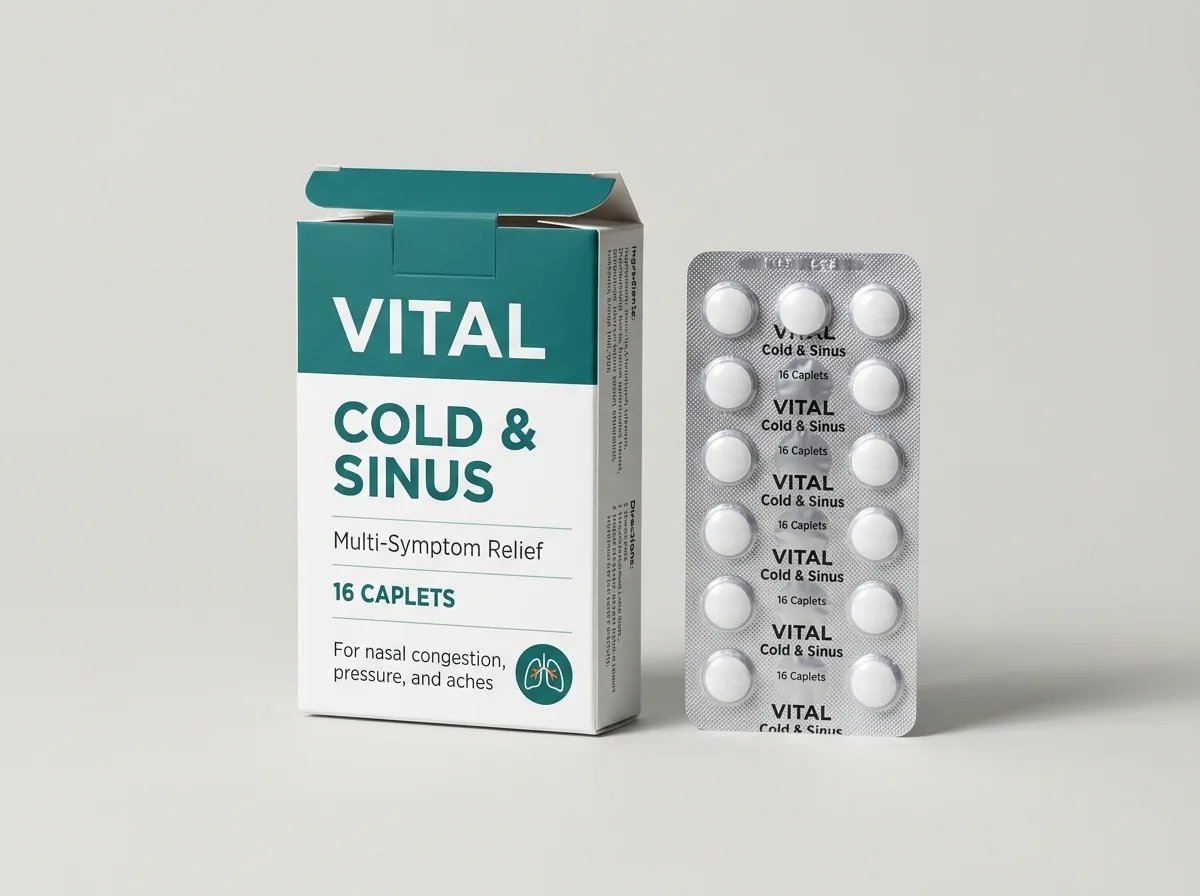
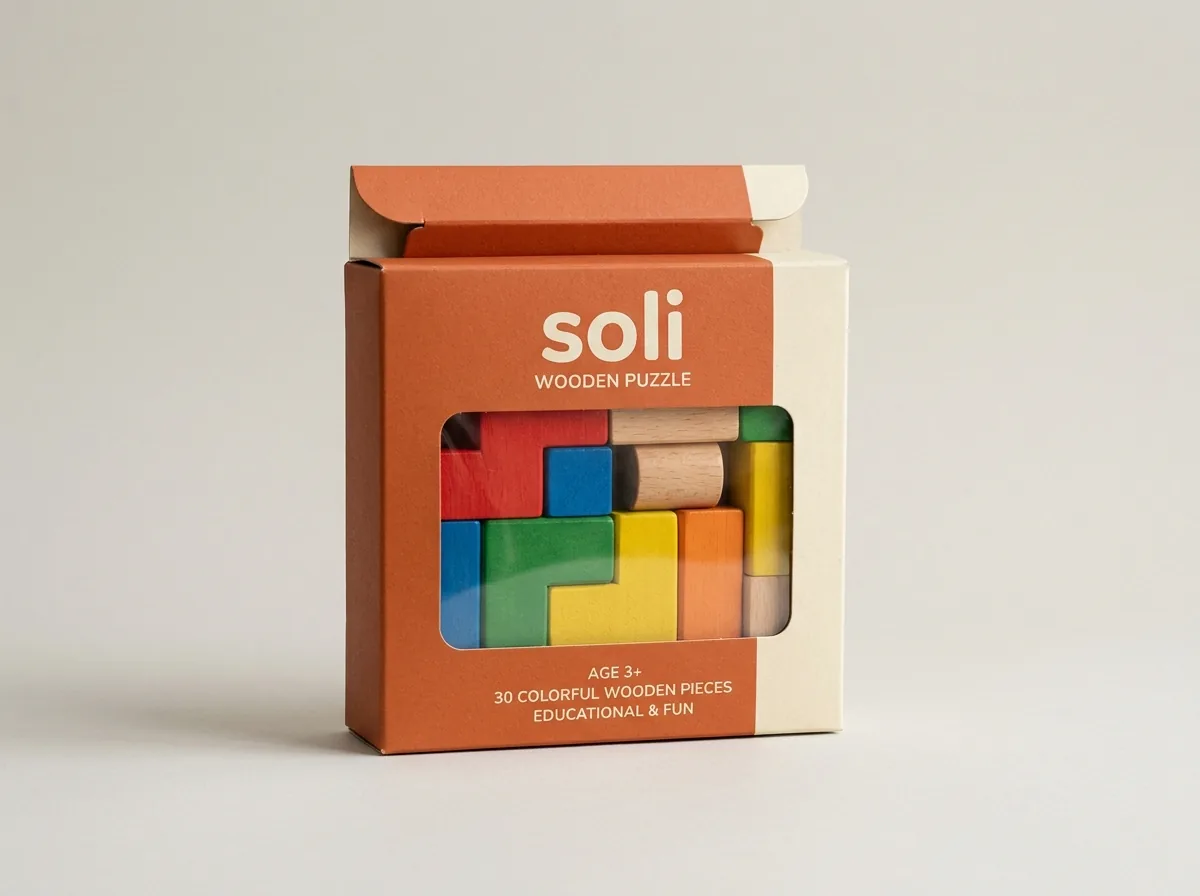
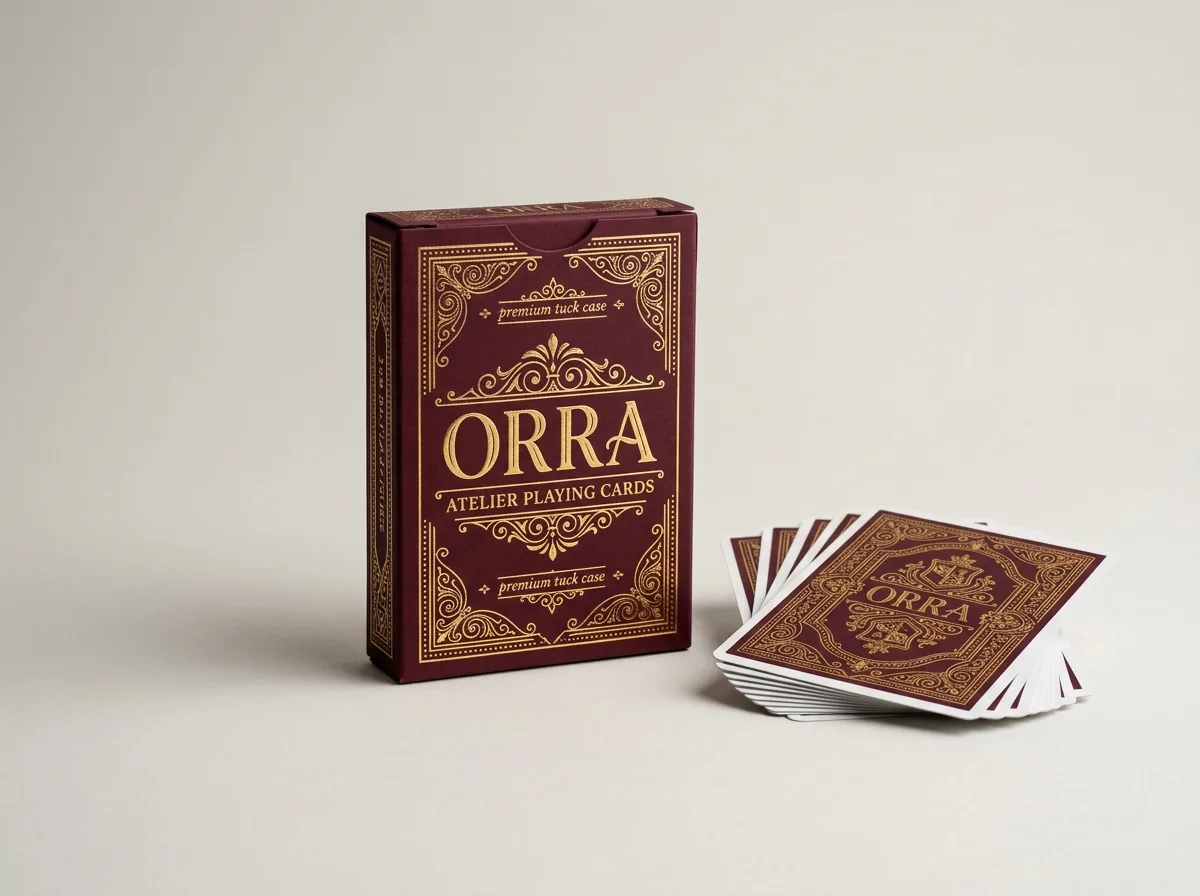
High-volume retail, healthcare, gaming, and consumer goods that pack fast and stack cleanly on shelves. Explore our dedicated product pages

What are reverse tuck end boxes made of?
Choose smooth white SBS paperboard for sharp pharmaceutical text and vibrant retail graphics, or unbleached brown kraft for an organic botanical look.
Which finishes work on a reverse tuck end box?
What can I add to a reverse tuck end box?
Reverse tuck end box specifications
| Spec | Options |
|---|---|
| Construction | One-piece folding carton (ECMA A20.20.03.01), pre-glued side seam, opposite-panel top and bottom tuck closures |
| Board | White SBS card / paperboard, natural brown kraft, E-flute corrugated, recycled board |
| Board thickness | 16 pt to 24 pt paperboard typical |
| Printing | Full-color CMYK, Pantone spot inks, inside printing, opaque white ink on kraft |
| Lamination | Matte, gloss, soft-touch, or unlaminated aqueous coating |
| Finishes | Hot foil stamping, embossing, debossing, spot UV |
| Add-ons | Clear PET window, card insert, thumb cutout, ankle slit locks, custom die-cut shape |
| Size range | Custom die-cut to your exact inside L × W × H; min/max |
| Quantity | From 1,000 boxes; delivered within ±5% of the order |
| Proofs | Free 2D vector dieline proof and 3D mockup before payment; physical sample optional |
| Turnaround | 10–14 business days standard; 4–5 business days rush |
| How boxes ship | Pre-glued at the side seam and shipped flat in master cartons |
Ready to quote reverse tuck end boxes? Compare up to 3 quantities with a free 3D mockup.
Request a Quote →What goes on each panel of a reverse tuck end box?
- 1Front panel
Brand logo, product name, primary claim, net weight, and optional PET display window. - 2Side panels
Drug Facts or nutrition table, ingredients list, usage instructions, and regulatory icons. - 3Back panel
Brand story, product diagram, warnings, company address, and support QR code. - 4Top closure lid
Hinges on the back wall; repeat the brand mark or shade/flavor badge oriented so it reads right-side-up from the front. - 5Bottom closure & inside
Place the UPC barcode or lot/expiry stamp zone on the bottom closure panel; add optional inside printing for unboxing.
Reverse tuck end box design ideas
Example designs with made-up brands. Your box is made to your design.

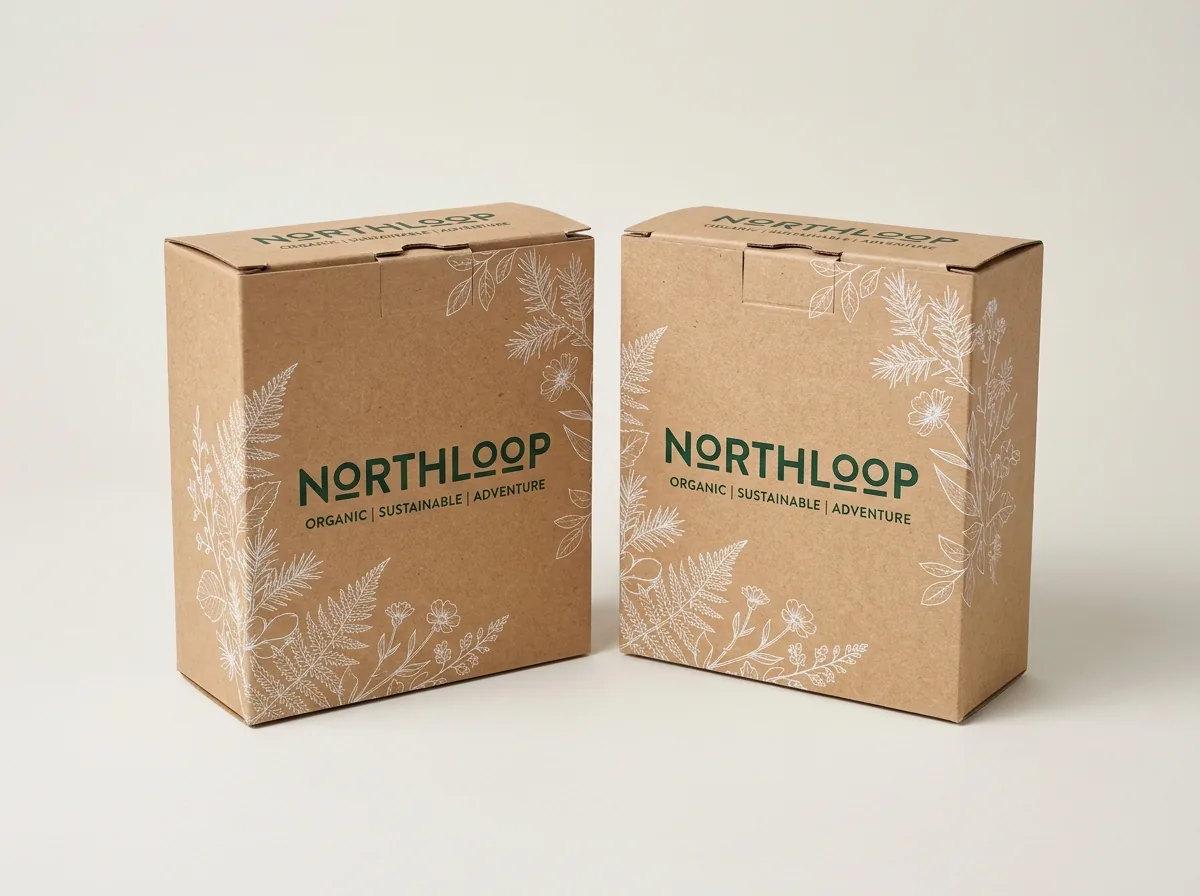
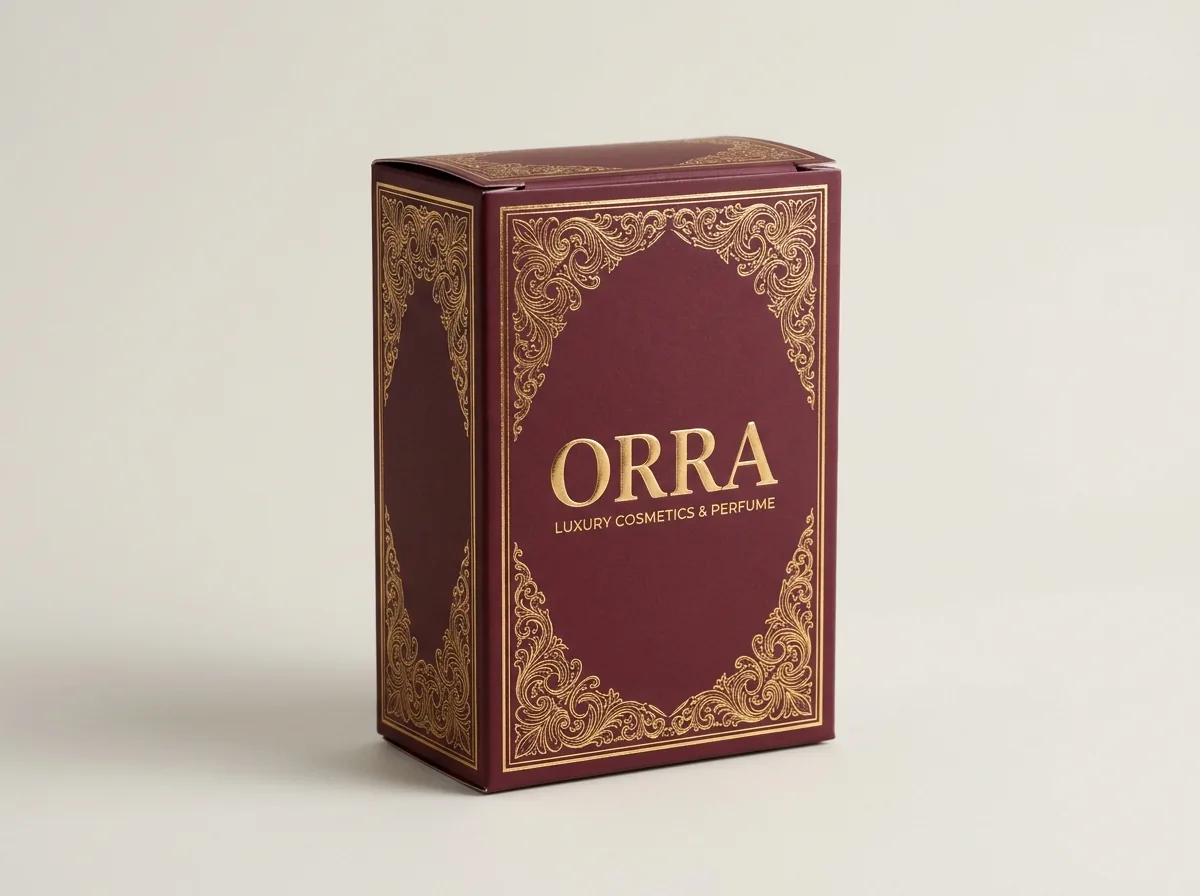
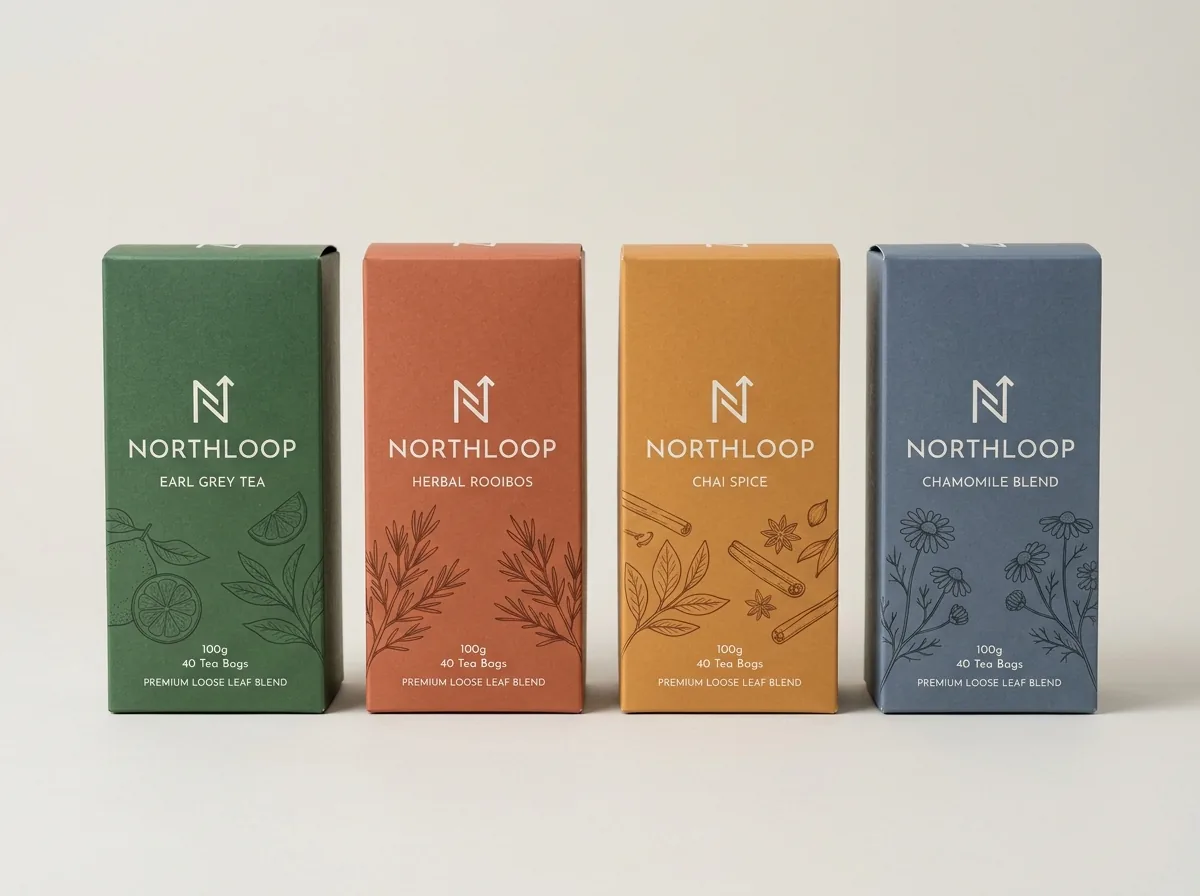
What are the most common reverse tuck end box mistakes?
Avoid these five structural and prepress errors when setting up an RTE folding carton. For buyers ordering custom size reverse tuck end boxes, reverse tuck end boxes with back-hinged top closure or reverse tuck end boxes with four side dust flaps, watch out for these common sizing and artwork mistakes
- Orienting top lid text upside down. Because the top closure hinges on the back panel while the bottom hinges on the front, verify flap text direction on our 3D mockup.
- Using a friction-only bottom flap for a 6–12 oz glass bottle or deck of cards. Always add ankle slit locks on the bottom tuck flap so the base cannot slide open when lifted.
- Packing heavy items over 12–16 oz without upgrading to an auto lock bottom box or adding a corrugated insert.
- Placing a die-cut window closer than 0.375 inches (10 mm) to the vertical fold scores or top tuck crease, which weakens the front panel.
- Forgetting a crescent thumb notch on tight playing card or electronics tuck boxes where customers grip the top flap.
Get a reverse tuck end dieline at your size
A simplified drawing for planning your design. Your free production dieline comes with your proof, made for your exact size and board.
Chat with a designer now
Share your logo, a sketch or an AI image. We'll rebuild every element cleanly onto your box dieline and send a 3D mockup, free.
Made your design with AI?
Generated a concept in Google Gemini, ChatGPT, Claude or Midjourney? Send us your AI image: we rebuild every element onto your box dieline and show you a 3D mockup before you pay, free.Custom vs stock reverse tuck end boxes: which is better?
| Stock (plain) boxes | Custom boxes from CubitPack | |
|---|---|---|
| Branding | Plain, or a label on the front | Your logo and colors, inside and out |
| Fit | Fixed sizes | Made to your exact size |
| Minimum | Any quantity | 1,000 boxes |
| Lead time | Ships right away | 10–14 business days, rush 4–5 |
| Design | None | Free design help, proof and 3D mockup |
Get custom reverse tuck end boxes made to your exact size, with a free 3D mockup before you pay.
Request a Quote →Are reverse tuck end boxes eco-friendly?
Kraft and recycled board
Choose kraft or recycled board for a lower-impact box.FSC paper available
FSC paper and ISO 9001 production are available on request.Food-safe on request
For food, we make it in a certified partner facility. Certificates and lab tests on request.How do I order custom reverse tuck end boxes?
Tell us what you need
Size, quantities or AI conceptCompare volume pricing
Dedicated account managerApprove your proof
Digital proof + 3D mockupMade and shipped
Free to all 50 statesHow much do custom reverse tuck end boxes cost?
The price depends on four things, and every custom quote is free.
Size
Bigger packaging uses more materialQuantity
The unit price drops as you order moreMaterial
The board, film or paper you chooseFinishes
Foil, windows and lamination add costYour first order is 10% off, and we beat written quotes from US competitors for the same specs.
10% off your first order.
Request a Quote →What do I need to send for a quote?
- The product and how many you need
- The inside size, or what goes in it
- A style, or ask us to suggest one
- Your logo or artwork (an AI image is fine)
- Pantone codes, if you have them
- Delivery ZIP code and the date you need it
Can I see a sample first?
Sample kit
Board and finish swatches, sample boxes, labels and bags. Credited to your first order.Digital proof + 3D mockup
See it before you payPrinted sample
Of your own designHow do the boxes ship?
- Free shipping to all 50 states
- Worldwide with DDP prices: duties and taxes included
- Blind and split shipping
- Damaged in transit? We reprint the damaged units free
Why brands choose CubitPack
Dedicated specialist
One account manager from quote to deliveryPantone guaranteed
Clearly off? We reprintReprint or refund
If we get it wrong, you chooseBBB accredited
A US business you can checkReverse tuck end box questions
What is a reverse tuck end (RTE) box?
A reverse tuck end box (ECMA code A20.20.03.01) is a one-piece paperboard folding carton where the top closure panel hinges on the back wall (folding back to front) and the bottom closure panel hinges on the front wall (folding front to back).
Why are reverse tuck end boxes more economical on press sheets than straight tuck end boxes?
Because the top and bottom closures sit on opposite panels of the flat dieline, adjacent reverse tuck blanks can be rotated and interlocked head-to-toe on the parent paperboard sheet. That tighter nesting reduces paperboard waste by 8% to 15% compared to straight tuck end layouts.
Does a reverse tuck end box have a clean bottom edge on the front panel?
Yes. Because the bottom closure panel hinges directly off the bottom of the front wall and folds toward the rear, the lower front edge facing shoppers on a shelf is a continuous folded crease.
What are slit locks on a reverse tuck end box, and should I use them?
Slit locks (also called ankle locks or cherry locks) are small shoulder notches cut where the tuck flap meets the closure panel. They hook into the side dust flaps to lock the bottom base shut. We recommend slit locks on the bottom flap for any item over 3 oz, paired with a friction-tuck top lid for easy opening.
Can reverse tuck end boxes run on automatic cartoning machines?
Yes. Reverse tuck end cartons are the standard folding carton format for high-speed horizontal and vertical automatic cartoners in pharmaceutical, tea, playing card, and consumer electronics packaging.
Can I add a clear window or a thumb cutout to a reverse tuck end box?
Yes. You can add a clear PET film window on the front panel for toys, phone cases, or pens, or a half-moon thumb notch at the top edge for playing card decks.
What is the minimum order quantity for custom reverse tuck end boxes?
Our standard minimum order for custom printed reverse tuck end boxes is 1,000 boxes, and you can combine multiple artwork versions or flavor/SKU designs in one order.
How long does production take for reverse tuck end boxes?
Standard production takes 10–14 business days after you approve your 2D dieline proof and 3D mockup, with a 4–5 business day rush option available. Shipping to all 50 US states is free.
Can you print inside a reverse tuck end box?
Yes. Inside printing adds a welcome message, dosage guide, or brand pattern that customers see as soon as they lift the top tuck flap, and our team quotes it alongside your exterior artwork.
Do reverse tuck end boxes ship flat?
Your account manager confirms the exact packing and delivery format with your written quote before you approve the proof.
Still have a question? Ask a packaging specialist.
Request a Quote →Parts of a reverse tuck end box
- Reverse tuck end (RTE)
- A folding carton (ECMA A20.20.03.01) whose top and bottom closures hinge on opposite main walls
- Press-sheet nesting
- Interlocking adjacent die-cut blanks head-to-toe on a parent sheet to reduce board scrap
- Ankle slit lock (cherry lock)
- Small shoulder cuts on the tuck flap that hook behind the dust flaps to hold the bottom shut
- Friction tuck
- A curved tuck flap held closed by gentle sidewall friction without locking notches
- Dust flaps
- The two side end flaps that fold inward first beneath the main closure panel
- Horizontal grain
- Running paperboard fibers perpendicular to the vertical scores so walls stay crisp and flat
Other box styles
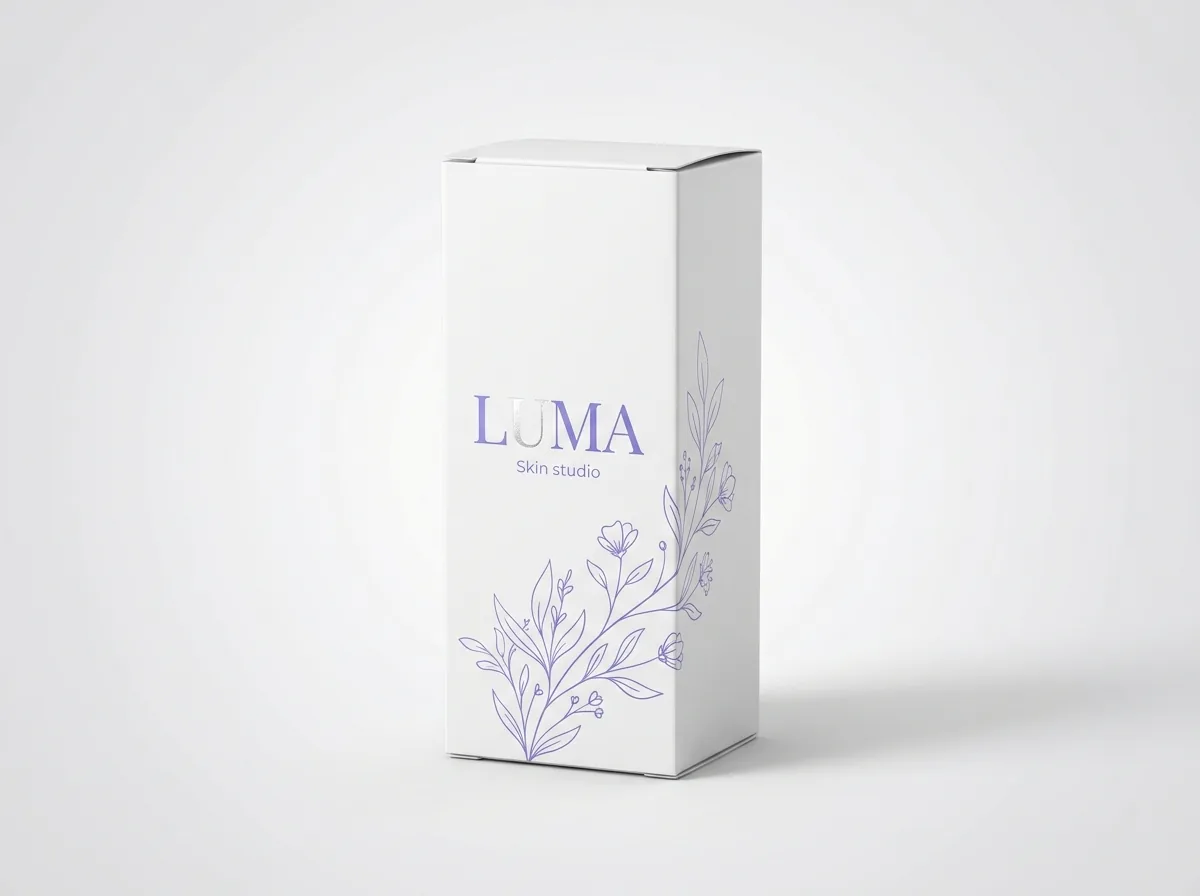
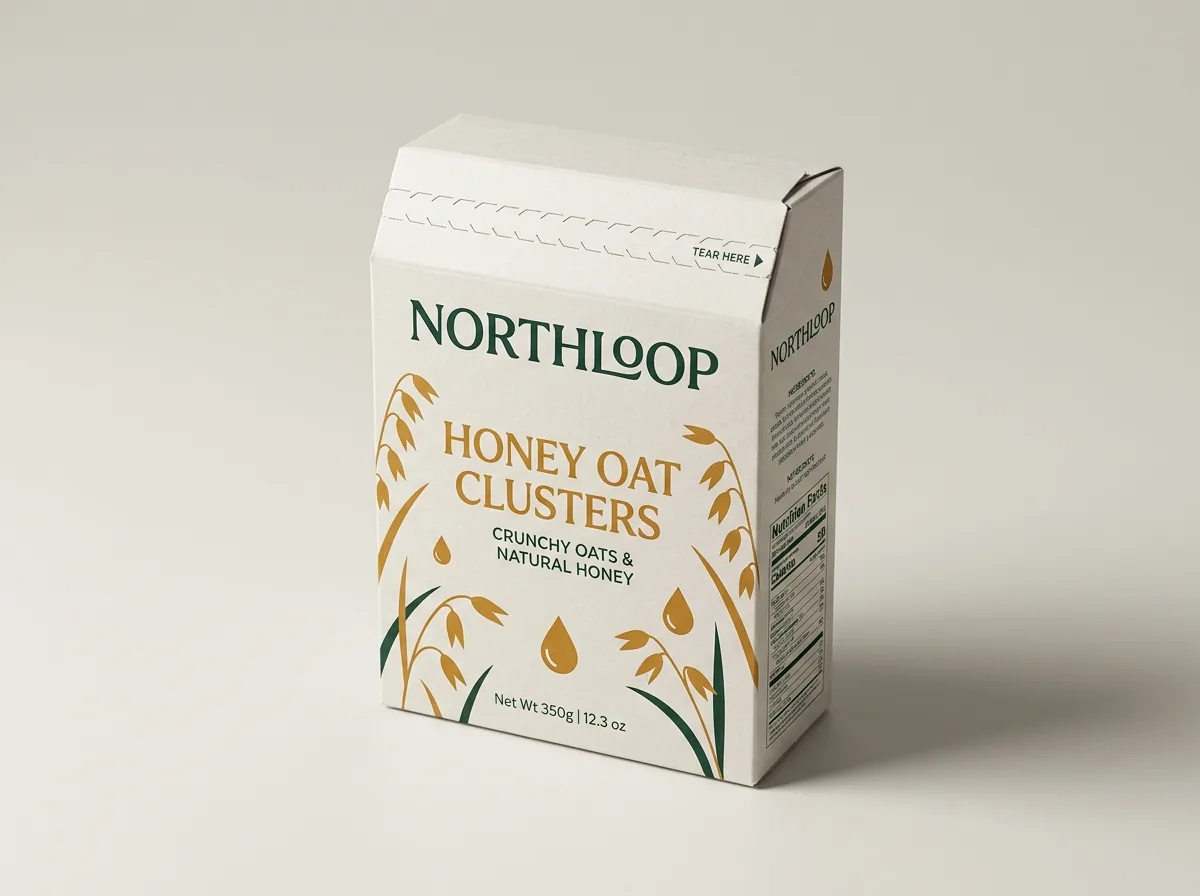
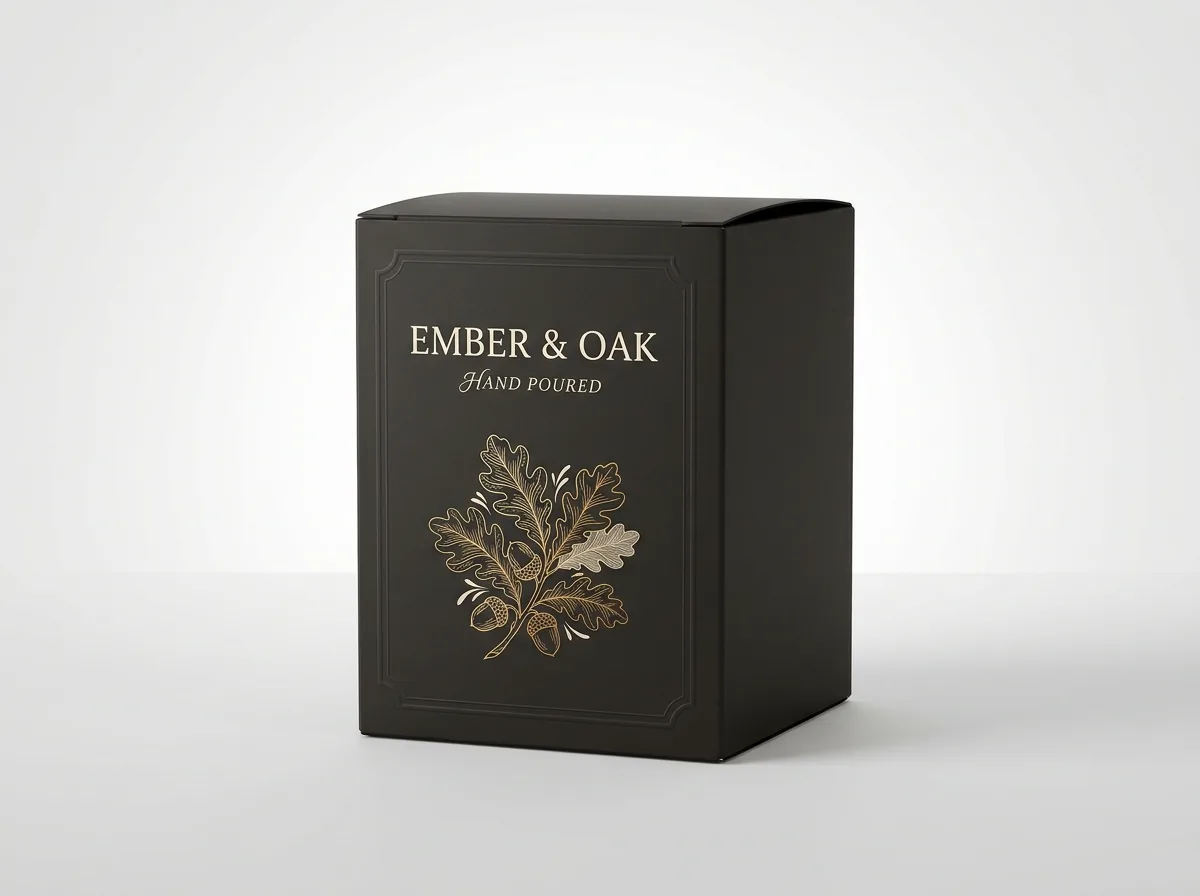
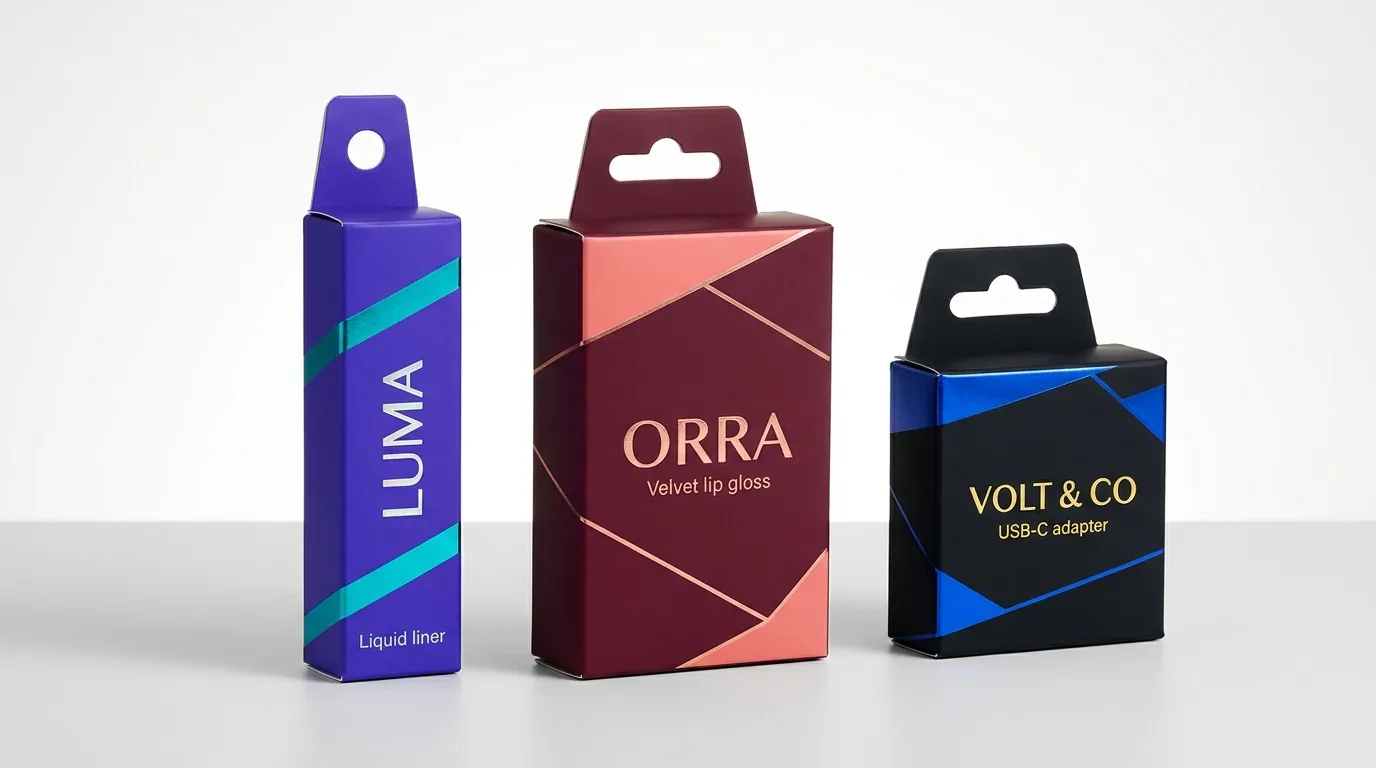
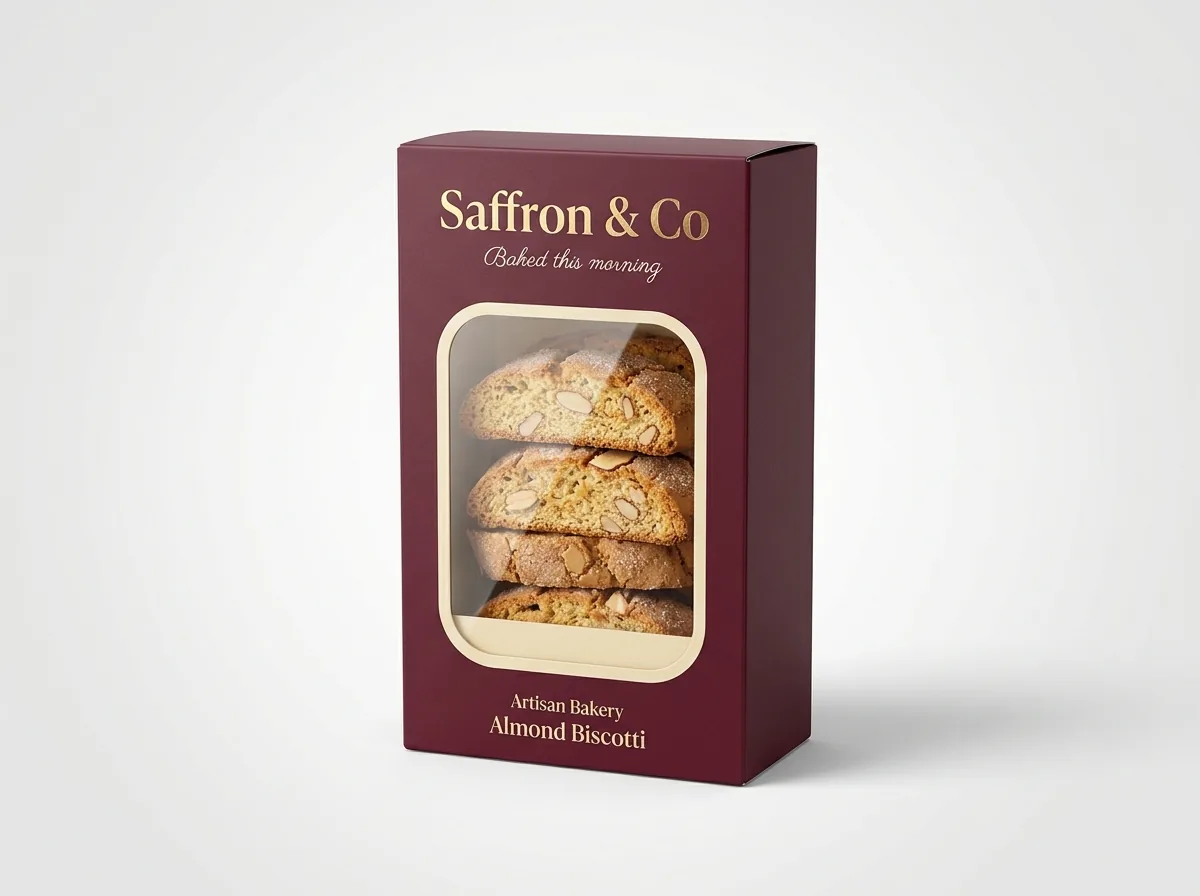
Learn more about reverse tuck end boxes
Get your reverse tuck end boxes price
One dedicated account manager prepares pricing across up to 3 quantities.
- Free design & AI-to-print studio + 3D mockup
- No die or plate charges · 4–5 day rush available
- Free shipping to all 50 states
- 10% off your first order
- Reprint or refund if we get it wrong
We verified ECMA A20.20.03.01 reverse tuck end geometry, opposite-panel closure alternation, press-sheet nesting yield, and ankle slit-lock tolerances against European Carton Makers Association (ECMA) and Paperboard Packaging Council (PPC) handbooks. A packaging specialist checked every specification against CubitPack capabilities. Spot something wrong? Tell us and we fix it. Tell us if something looks wrong.
Sources
- ECMA A20.20.03.01 reverse tuck end (RTE) folding carton geometry, opposite-panel closure alternation, and slit-lock tuck tolerances
- Paperboard Packaging Council specifications for reverse tuck press-sheet nesting yield, dust flap ratios, and automatic cartoning
- Paperboard caliper selection (16-24 pt SBS and kraft), horizontal grain direction stiffness, and score line allowance
What changed
- October 25, 2026: First published with ECMA A20.20.03.01 RTE dieline, 3-step folding diagram, RTE vs STE vs Seal End comparison, 15 studio images, and 3 technical guides.