
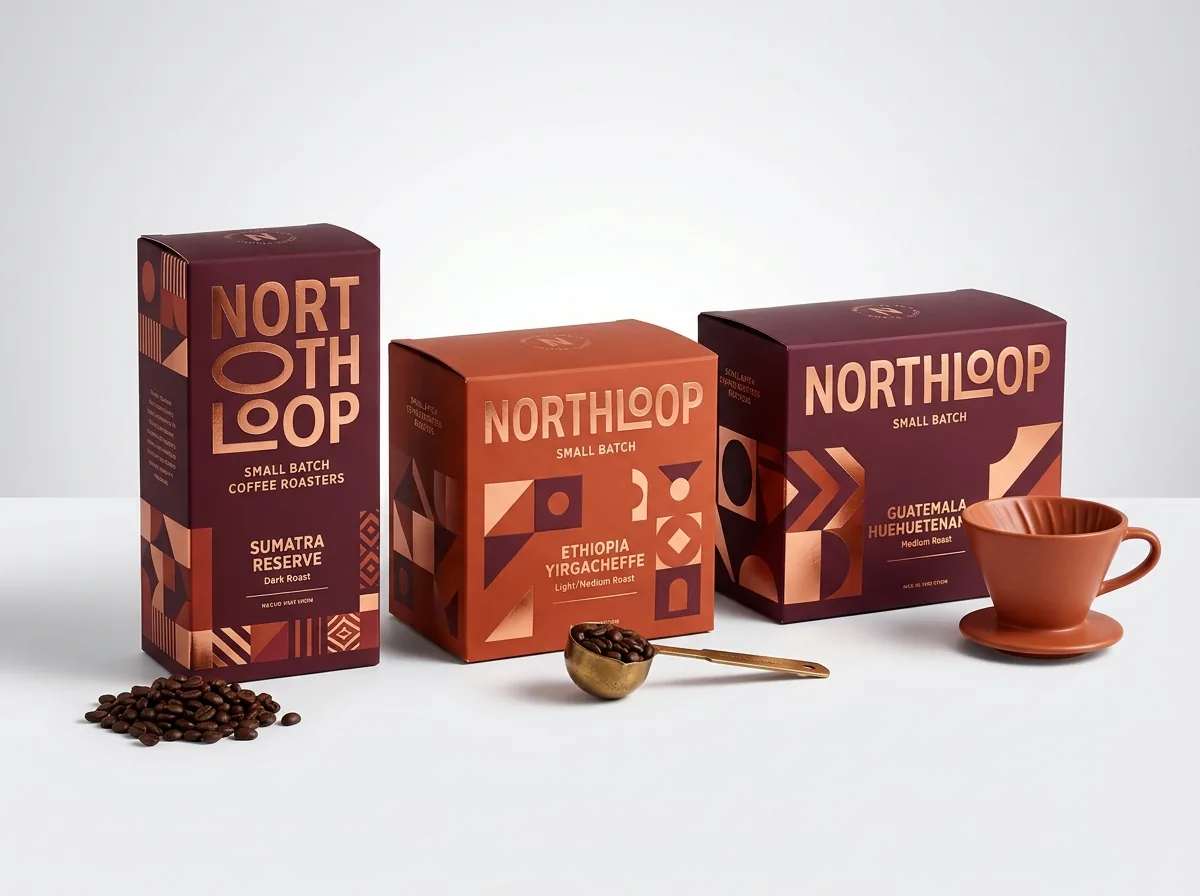
- Sized for 8 oz to 12 oz bag-in-box whole-bean cartons, pour-over drip packets, pods, and multi-bag subscription mailers.
- Minimum order of 1,000 boxes made in 10 to 14 business days, with 4 to 5 business day rush available.
- Four flat panels for origin maps, elevation notes, roast profiles, and interchangeable tasting cards.
- Includes free custom dielines, digital proofs, 3D mockups before payment, and free delivery to all 50 US states.
Custom Coffee Boxes
Custom coffee boxes crafted for 10 oz and 12 oz whole-bean bags, single-serve pour-over drip sachets, instant espresso sticks, brewing capsules, and monthly roaster subscription sets. Orders start at 1,000 boxes with 10 to 14 business day turnaround (rush in 4 to 5), free design help, no die or plate charges, and free shipping across all 50 states.
What are custom coffee boxes?
Custom coffee boxes are printed paperboard, natural kraft, or corrugated cartons and mailers engineered to hold sealed bags of roasted whole-bean or ground coffee, single-serve pour-over drip sachets, instant specialty coffee sticks, brewing pods, or multi-bag roaster tasting flights. In third-wave cafes and specialty grocery aisles, housing a flexible degassing-valve pouch inside a rigid folding carton creates a crisp rectangular silhouette that never slumps on the shelf while giving roasters four flat sides for farm origin stories, varietal notes, and brewing ratios. Many roasters use one shared outer carton with a die-cut front slot or label zone to rotate single-origin lots without reprinting the entire box. At CubitPack, custom coffee boxes start at 1,000 units and take 10 to 14 business days to produce, or 4 to 5 business days with rush service, including free design help, zero die or plate charges, and free US shipping.
Coffee boxes facts
- Minimum
- 1,000 boxes
- Turnaround
- 10–14 business days
- Rush
- 4–5 business days, quoted
- Materials
- White card, kraft board, corrugated, recycled
- Printing
- CMYK, Pantone, inside brew guides, white ink
- Finishes
- Matte, soft-touch, gloss, foil stamping, embossing, spot UV
- Add-ons
- Tasting-card slots, tear-strip dispensers, bag dividers
- Proofing
- Free digital proof & 3D mockup before payment
- Shipping
- Free across all 50 US states
Which coffee box style fits whole-bean bags, pour-over packets, and subscriptions?
| Box style | Best coffee format | Base & structure | Shelf & unboxing | Packing workflow |
|---|---|---|---|---|
| Auto lock bottom | 8 oz, 10 oz, and 12 oz bag-in-box whole-bean cartons | Pre-glued crash-lock base holds 12 oz bag weight | Tall rectangular facing on cafe & grocery shelves | Pops open in one squeeze for roastery packing |
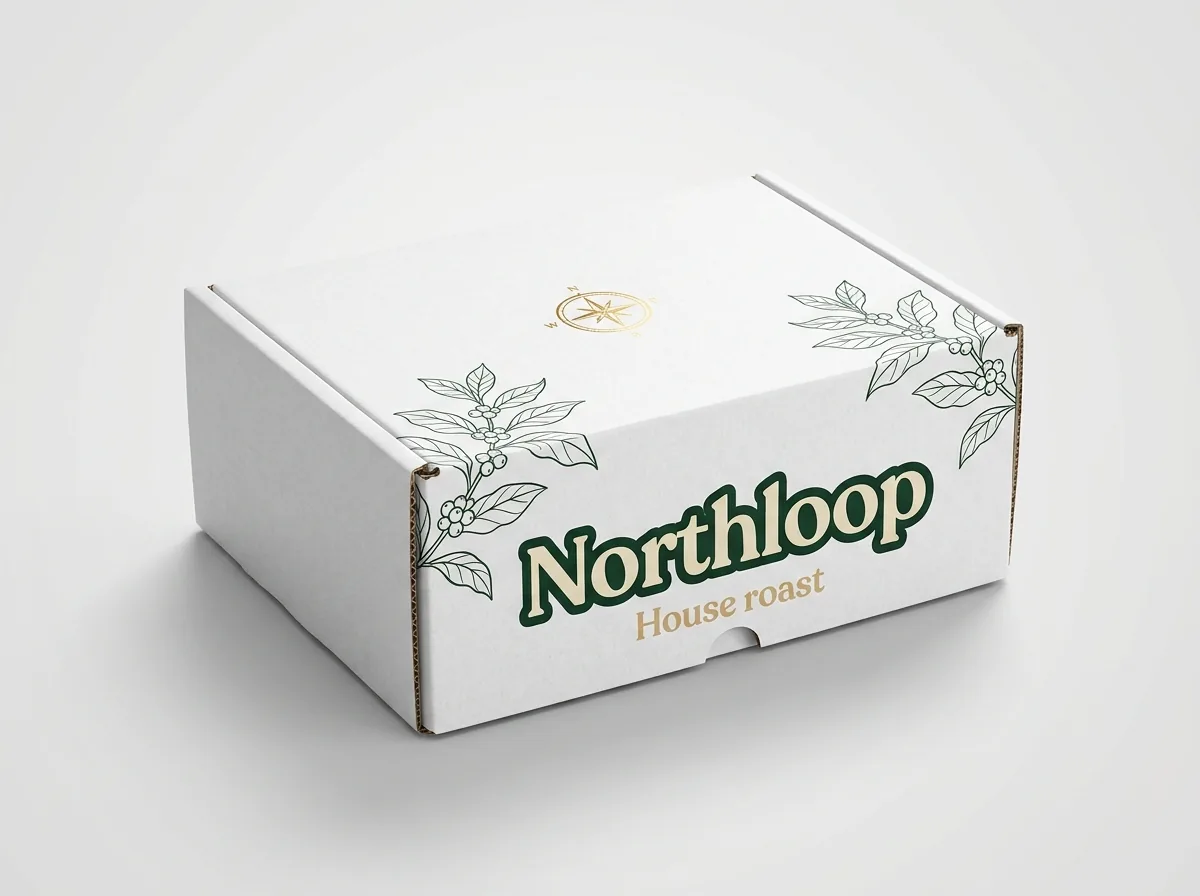
| Mailer box | 2-, 3-, and 4-bag monthly coffee club subscriptions | E-flute corrugated walls resist parcel crush | Inside-lid brewing guide and tasting flight layout | Self-locking front flaps, ships without tape |
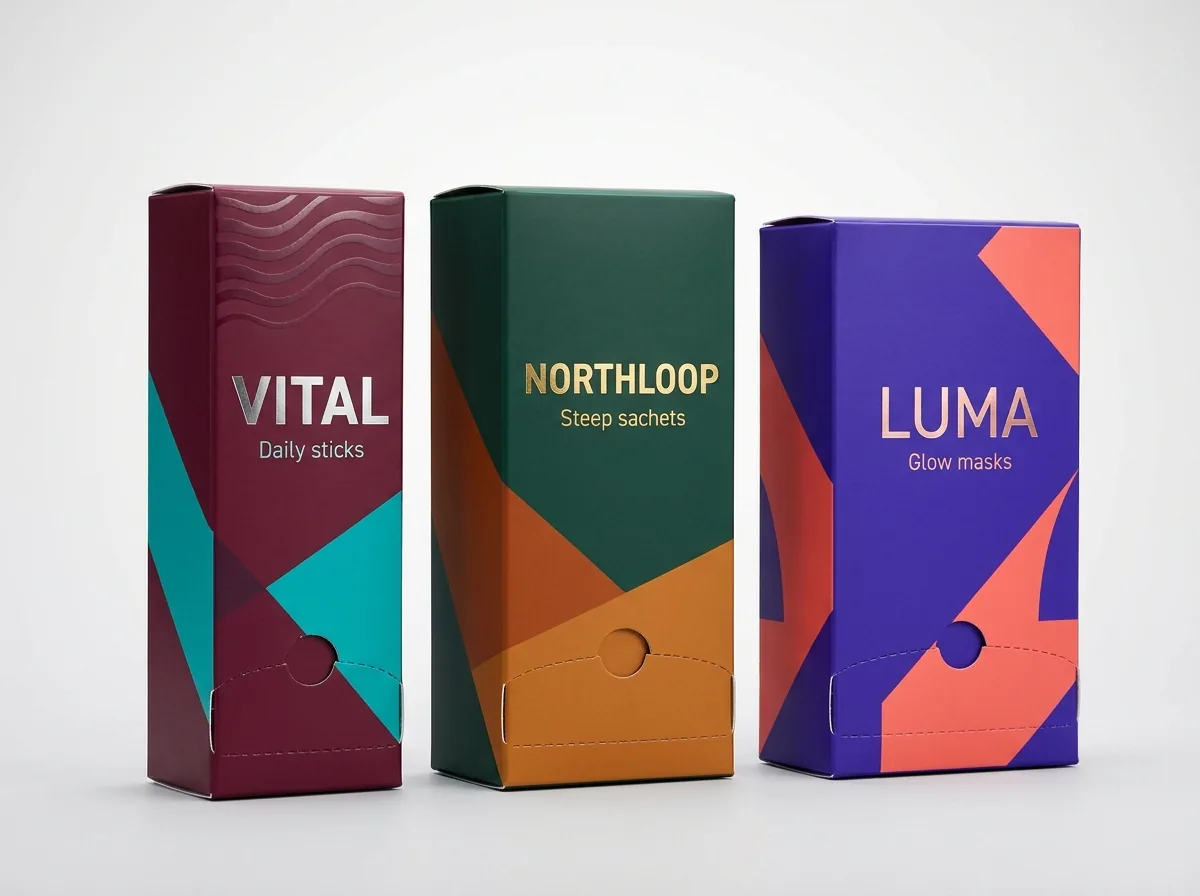
| Dispenser box | Single-serve pour-over drip packets & instant sticks | Tuck or auto-lock base with perforated pull door | Dispenses one sachet or capsule at a time on counters | Top-load fill, zips open at home or office |
| Straight tuck end | 6-pack drip bags, 10-count espresso pods, cold-brew packs | Clean front and back tuck closures | Smooth uncreased front panel for origin artwork | Fast manual or automated cartoning |
| Tray and sleeve | Micro-lot Gesha vials, sample tins, and 3-roast flights | Double-wall tray with custom cavity insert | Horizontal drawer slide reveals roast trio | Drop tins or tubes in tray, slide sleeve on |
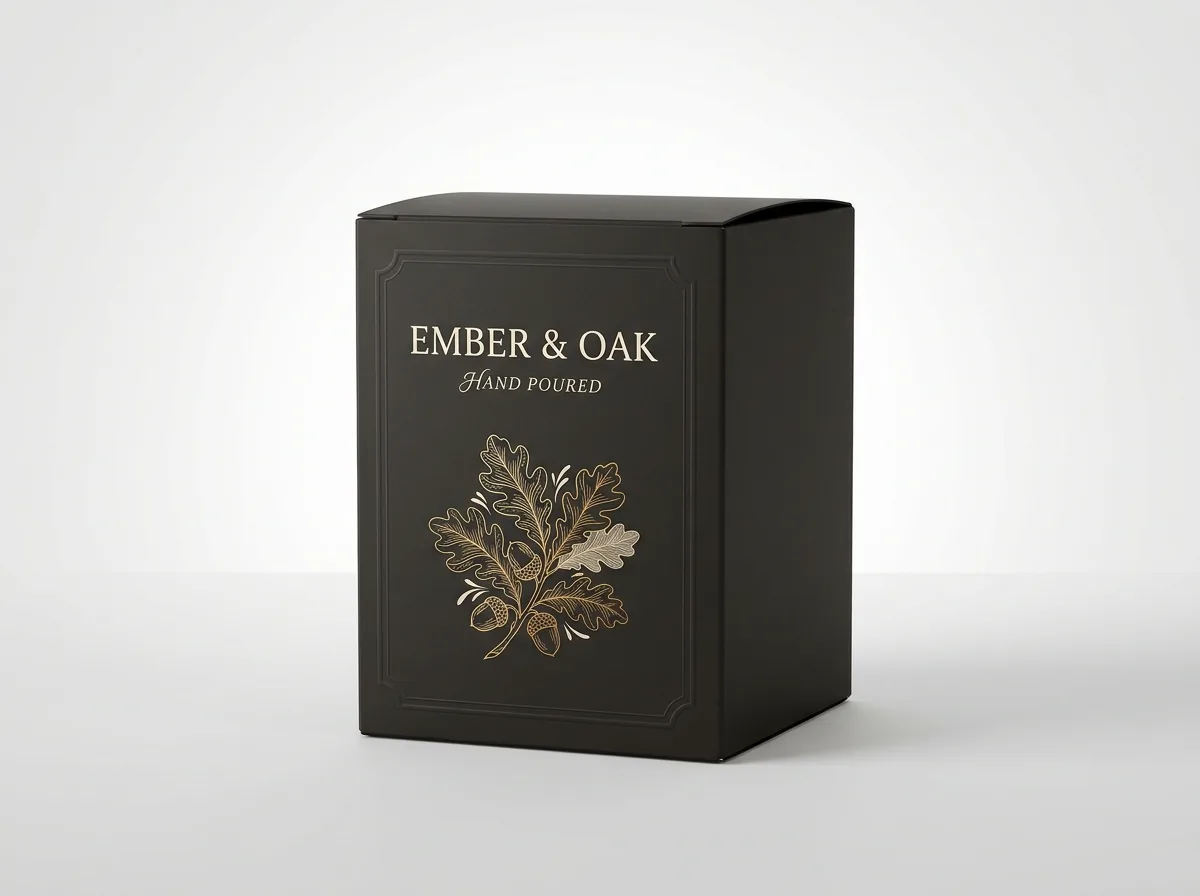
| Window / card-slot box | Rotating single-origin roasts on one shared box | Auto-lock or tuck base with die-cut front frame | Frames inner bag label or slide-in tasting card | One master carton SKU across all origins |
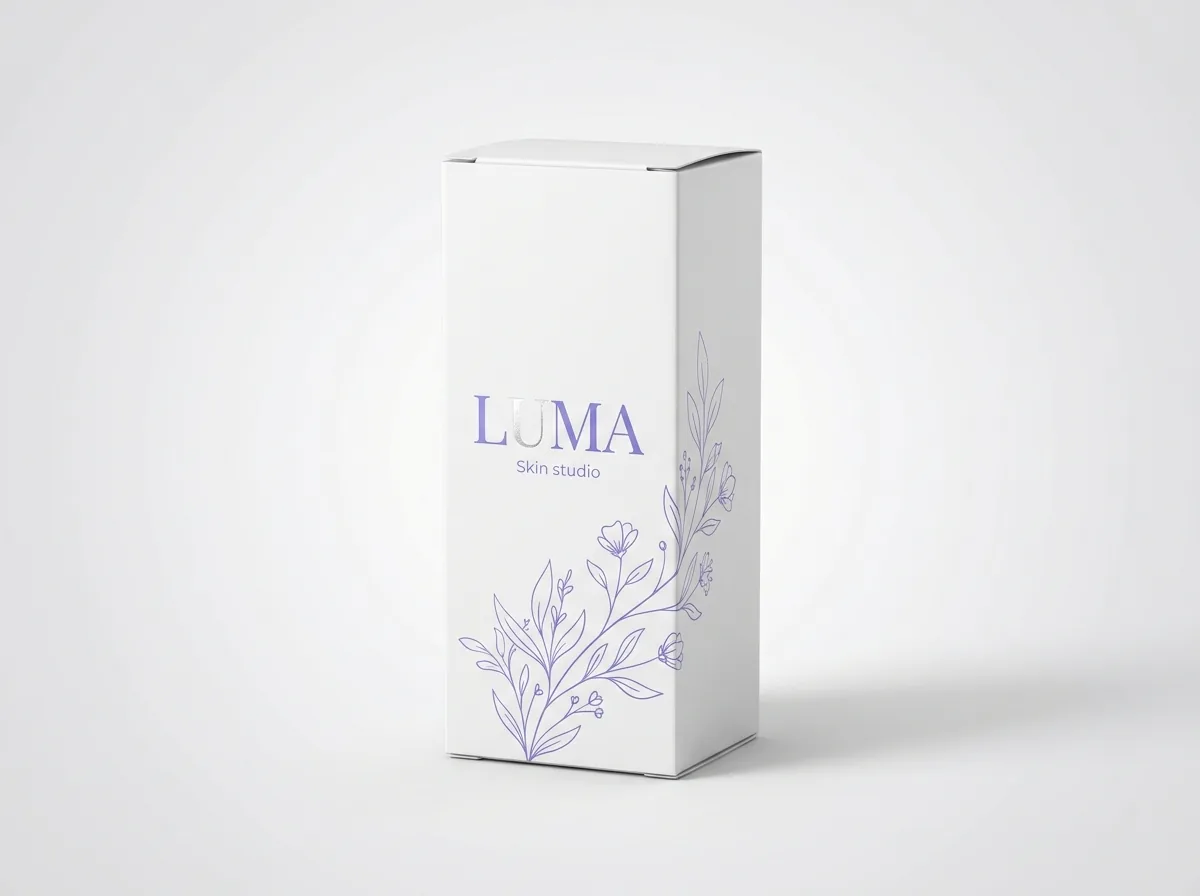
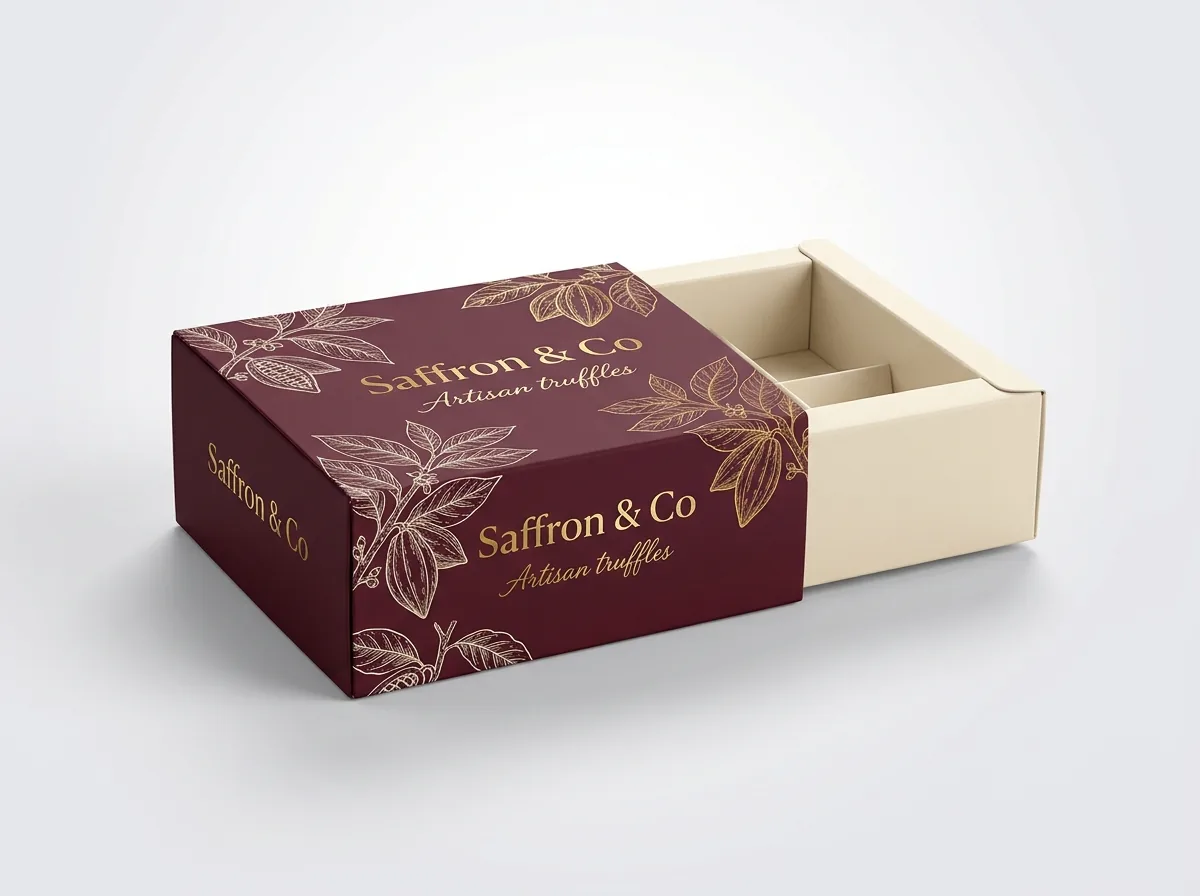
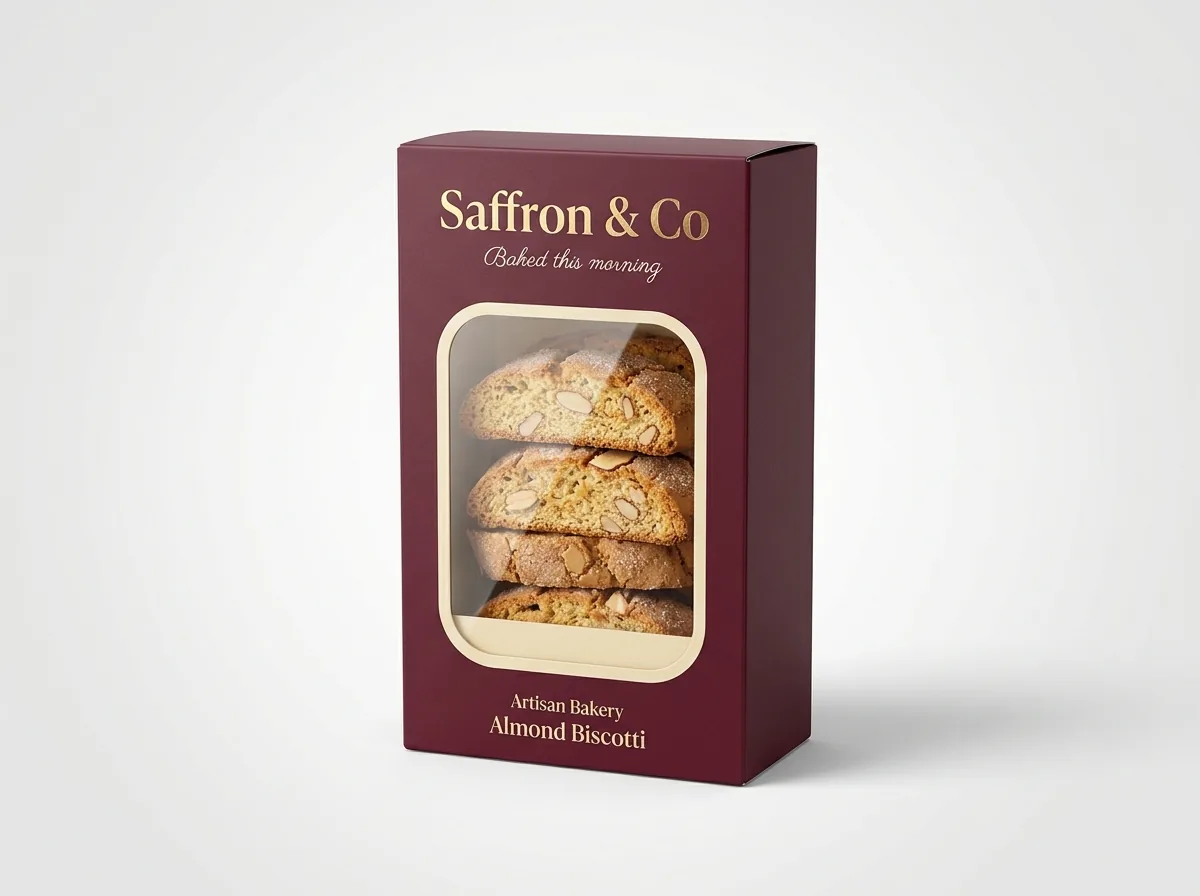
Not sure which style fits?
Request a Quote →What size custom coffee box do I need for 12 oz bags, pods, and mailers?
Every coffee carton is cut to your exact inside dimensions (L × W × H in inches). Remember that dark-roasted whole beans are less dense and puff up more inside an inner bag than medium-roast or ground coffee of the same weight. Whether you are comparing coffee packaging boxes, custom coffee subscription boxes, bag in box coffee cartons, single serve coffee pod and drip boxes or specialty coffee roaster gift boxes, we size the template to your exact container.
| Inside size (in) | Typically fits | Popular style |
|---|---|---|
| 2.75 × 1.75 × 5.25 in | 6- to 10-count instant specialty coffee stick or espresso sachet pack | Straight tuck end or dispenser |
| 4.5 × 3.25 × 5.25 in | 5- to 8-pack single-serve pour-over drip coffee filter sachets | Straight tuck or perforated dispenser |
| 3.75 × 3.75 × 5.5 in | 10- to 12-count single-serve coffee pods or espresso capsules | Auto lock bottom or dispenser |
| 4.25 × 2.75 × 7.0 in | Single 8 oz to 10 oz whole-bean coffee bag (bag-in-box retail carton) | Auto lock bottom with card slot |
| 4.5 × 3.25 × 7.75 in | Single 12 oz gusseted whole-bean coffee bag (bag-in-box) | Auto lock bottom carton |
| 10.5 × 8.0 × 3.5 in | 2 or 3 bags of 10–12 oz coffee (or 4 sample bags) for subscriptions | E-flute corrugated mailer box |
Suggested inside size: 2.75 × 1.75 × 5.25 in
A starting point. Your account manager confirms the size with you before the proof.
Quote this size →Know your product's size? Work out the inside box size with our free box size calculator.
Have your inside dimensions ready? Request pricing across up to 3 quantities.
Request a Quote →How do I choose coffee boxes?
- Measure a filled dark-roast bagDark roasts expand more than light roasts; size your bag-in-box carton around your fullest 10 oz or 12 oz pouch.
- Allow degassing spaceFreshly roasted beans release CO2 through the inner bag valve; leave 1/8 to 1/4 inch of carton breathing room.
- Use one master carton + tasting cardsPrint one shared carton for all origins and use a die-cut slot or label for varietal, elevation, and roast date.
- Add tear-away dispensers for sachetsFor pour-over drip packets and instant sticks, a perforated front dispenser tab keeps packets neat on kitchen counters.
- Pick E-flute for mail-order clubsMulti-bag coffee subscriptions need corrugated mailer walls so heavy bean bags do not crush corners in the mail.
- Print brewing ratios inside the lidUse inside printing for V60, French press, and espresso grind guides instead of loose paper inserts.
What are coffee boxes made of?
Which finishes can coffee boxes have?
Which add-ons can I get?
Coffee boxes specifications
| Spec | Options |
|---|---|
| Board stocks | Bleached white paperboard, natural brown kraft, E-flute corrugated, recycled board |
| Board thickness | Sized for pour-over sachets, 12 oz bean bags, or multi-bag mailers |
| Food-contact options | Food-safe materials on request via certified partner facilities when required |
| Printing | CMYK, Pantone (PMS) spot matching, inside brew guides, white ink on kraft |
| Lamination & finishes | Soft-touch, matte, gloss; gold/copper/silver foil stamping, embossing, spot UV |
| Structural features | Perforated dispenser doors, tasting-card slots, roast-date windows, card dividers |
| Minimum order | From 1,000 boxes; delivered within ±5% of ordered quantity |
| Proofing | Free digital proof and 3D mockup before payment; paid sample credited |
| Turnaround | 10–14 business days standard; 4–5 business days rush quoted |
| Shipping | Free across all 50 US states; shipped flat to save roastery space |
Ready to quote your coffee boxes? Compare up to 3 quantities with a free 3D mockup.
Request a Quote →How do specialty coffee roasters, cafes, and subscription clubs use them?
Today's coffee brands sell far more than a standard gusseted bag on a hook: from 10 oz single-origin cartons on boutique cafe shelves to single-serve pour-over drip boxes and monthly tasting flights delivered to subscribers' doors. Tell us your bag size, sachet count, or capsule format and we will build the exact dieline.
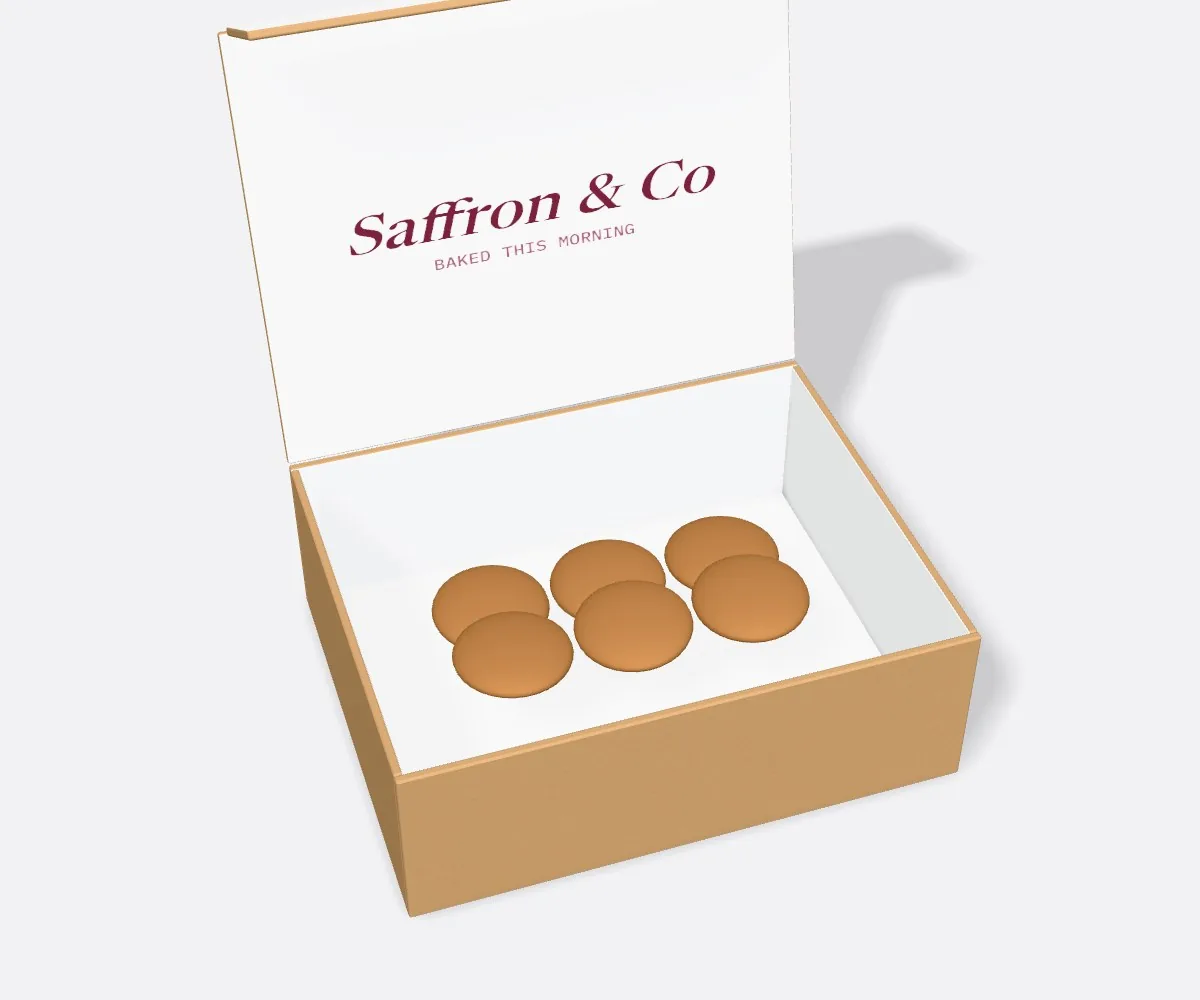
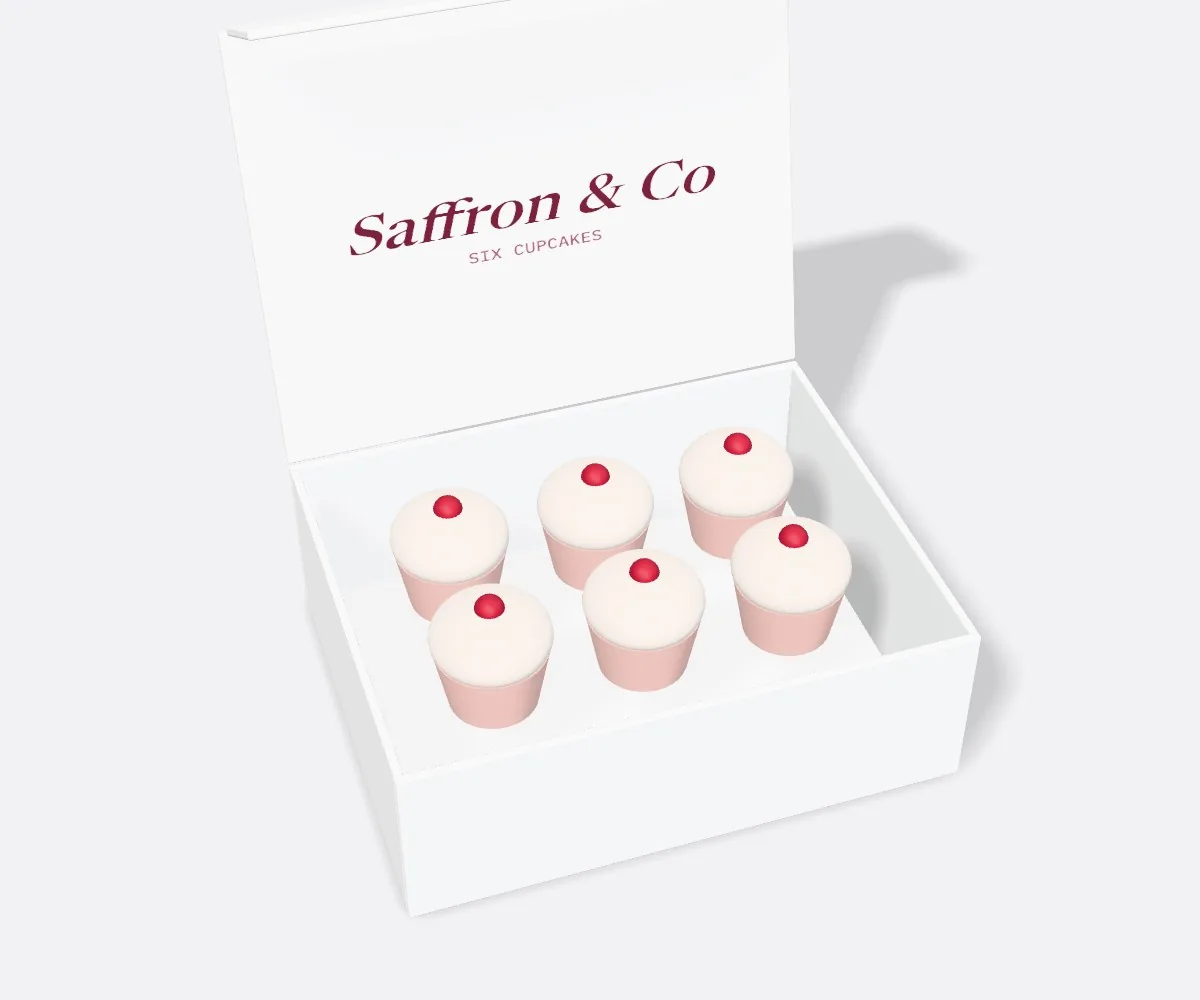
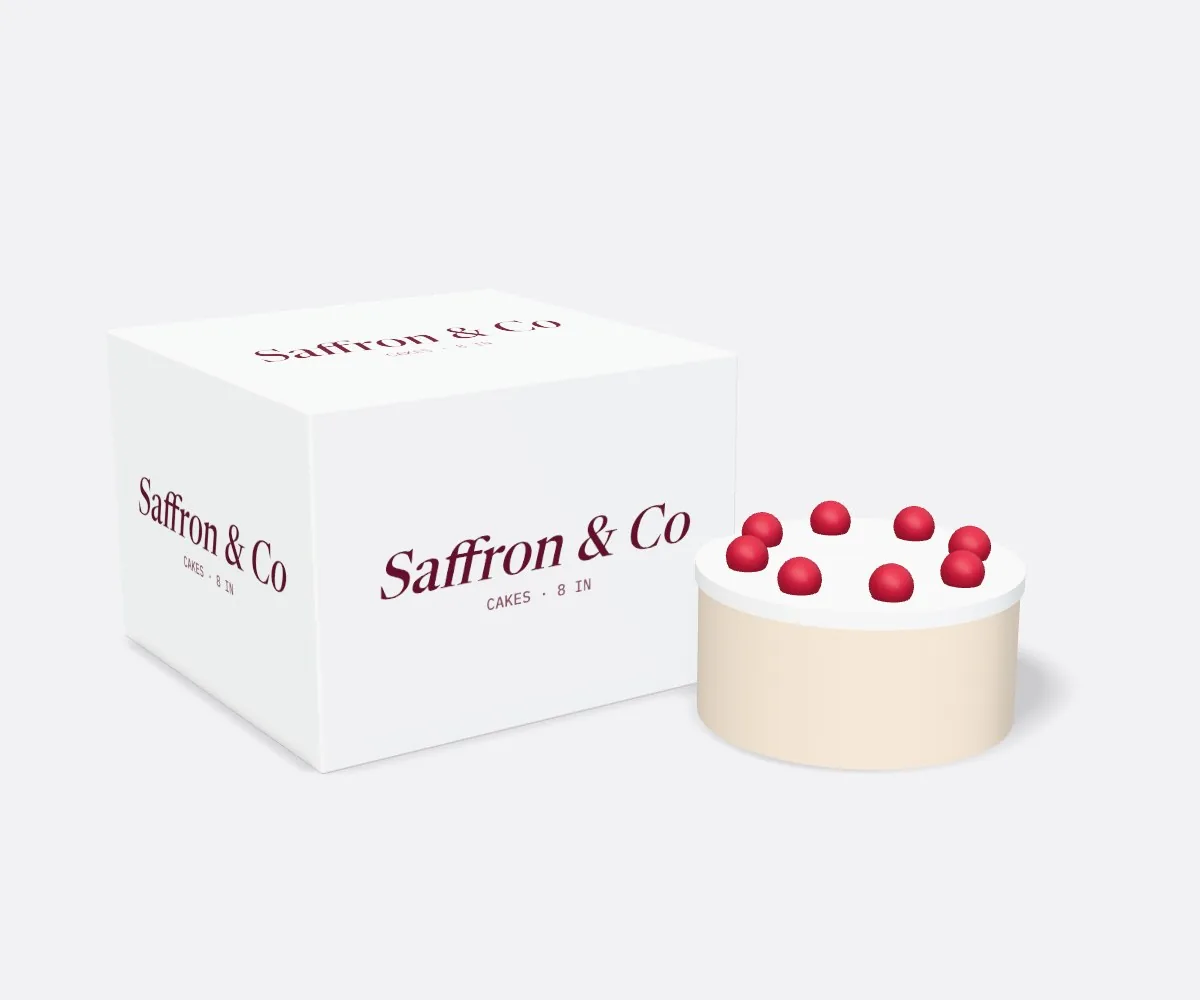
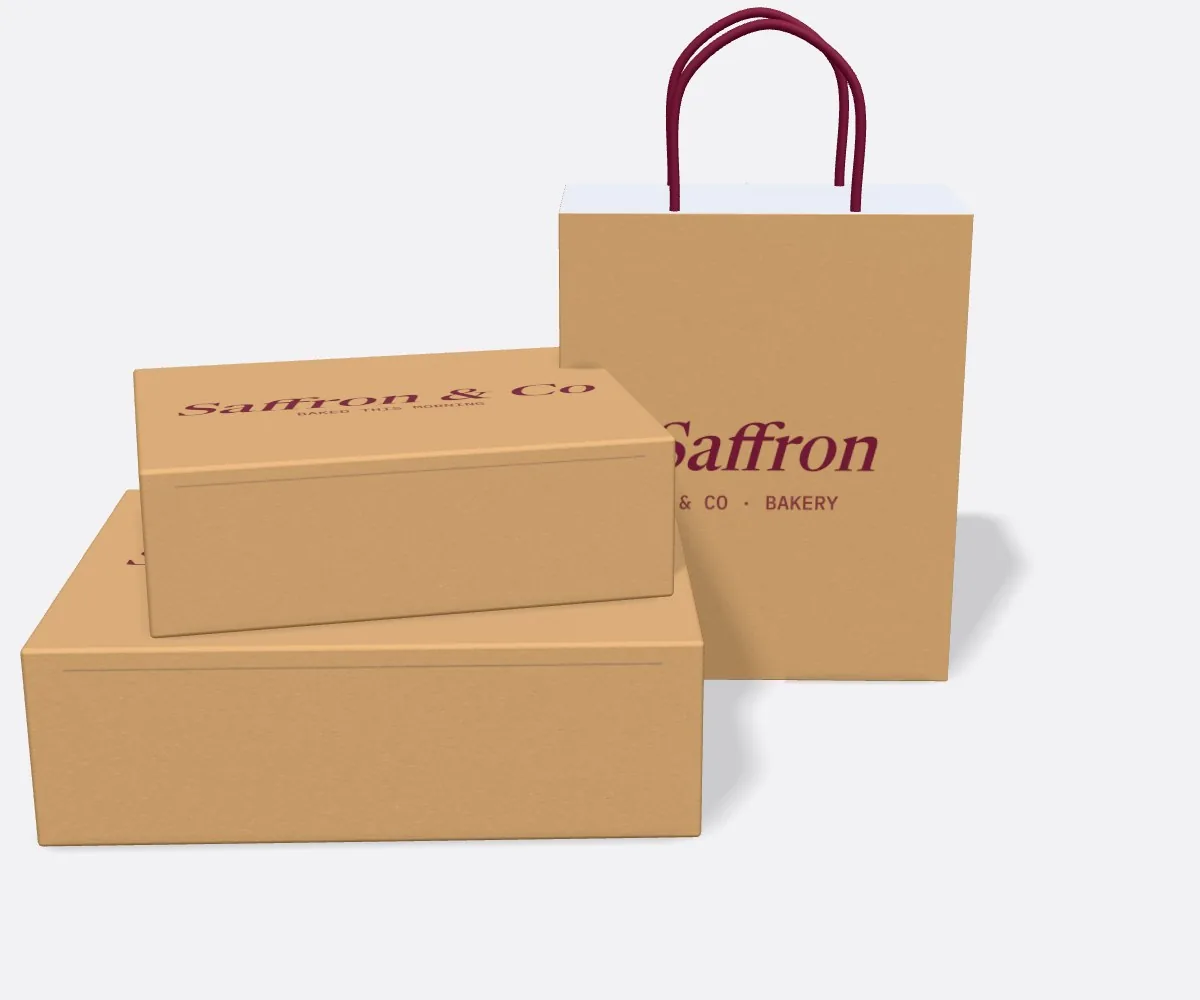
Coffee boxes design ideas
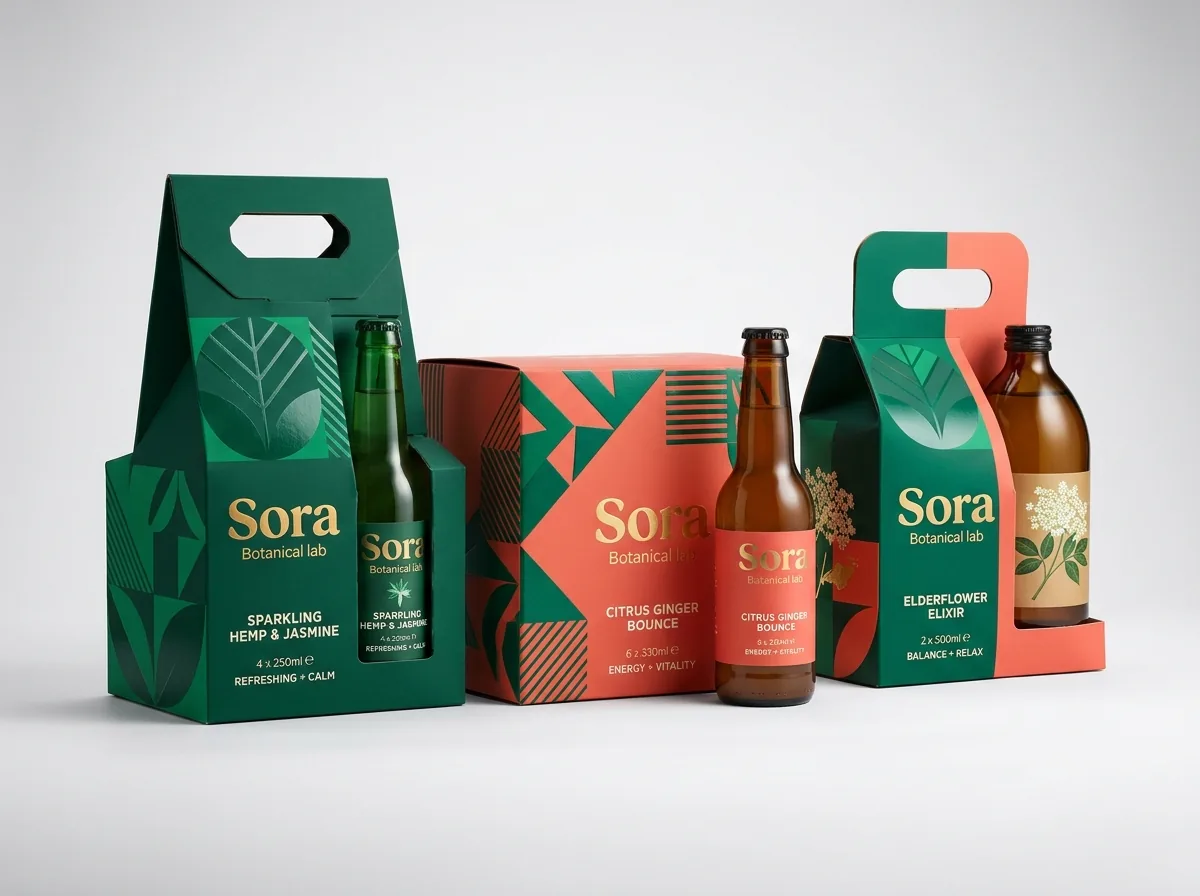
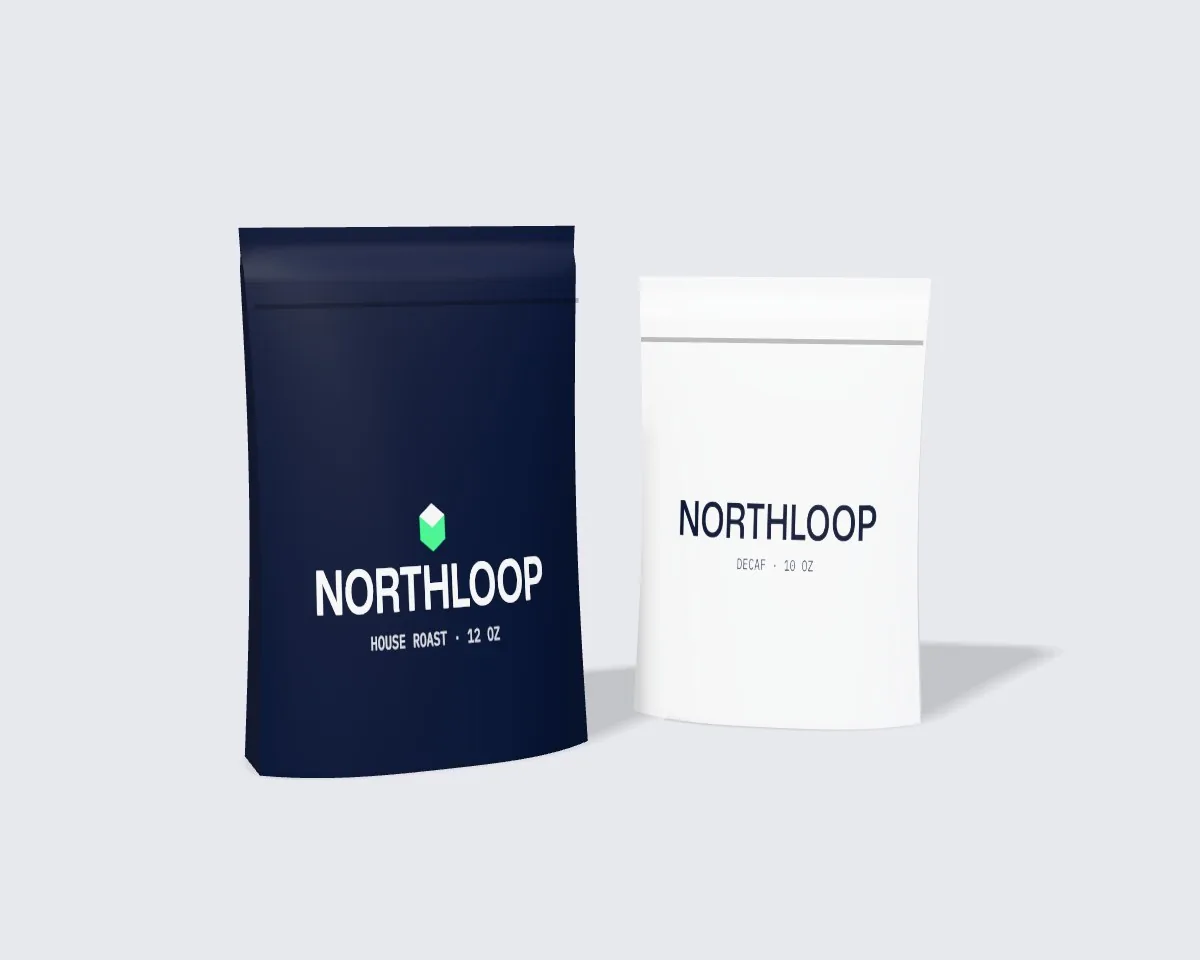
Example designs with made-up brands. Your packaging is made to your design.
What are the most common custom coffee box mistakes?
Bean density shifts, roast-date ink smudging, and floppy shelf posture trip up many specialty roasters. Avoid these five mistakes before approving your proof. When specifying coffee boxes with logo, branded coffee boxes, wholesale coffee boxes, bulk custom coffee boxes and personalized coffee boxes, avoid these common production mistakes
- Sizing a 12 oz bag-in-box carton from a dense light roast, leaving no room for bulkier dark-roasted or decaf whole beans.
- Applying full soft-touch or gloss lamination over the roast-date stamp box, which causes rubber-stamp ink to smear.
- Printing separate small box runs for 12 micro-lot origins instead of using one master carton with a tasting-card slot or label zone.
- Using a weak tuck bottom on 12 oz whole-bean cartons where bag weight pushes the bottom flap open when lifted.
- Shipping 2 or 3 bags of coffee in a thin paperboard folding carton instead of a crush-resistant E-flute corrugated mailer.
Chat with a designer now
Share your logo, a sketch or an AI image. We'll rebuild every element cleanly onto your box dieline and send a 3D mockup, free.
Made your design with AI?
Generated a concept in Google Gemini, ChatGPT, Claude or Midjourney? Send us your AI image: we rebuild every element onto your box dieline and show you a 3D mockup before you pay, free.Custom vs stock coffee boxes: which is better?
| Stock (plain) | Custom from CubitPack | |
|---|---|---|
| Shelf posture & fit | Bulging gusseted bags that lean over or generic boxes with loose space | Crisp rectangular carton tailored to your exact 10 oz or 12 oz inner bag |
| Single-origin flexibility | Plain kraft boxes requiring oversized hand-applied stickers on every side | Master branded carton with a built-in slot for slide-in origin tasting cards |
| Brewing & roast storytelling | No room for elevation maps, varietal history, or V60 pour ratios | Four exterior panels plus inside-lid printing for complete origin storytelling |
| Minimum order | Small plain bundles | From 1,000 custom printed boxes |
| Structural & artwork help | None | Free custom dieline, design help, digital proof, and 3D mockup |
Get custom coffee boxes sized to your product, with a free 3D mockup before you pay.
Request a Quote →Are coffee boxes safe and sustainable?
Designed for valve bags & sealed sachets
Whole-bean coffee, ground coffee, instant sticks, and capsules sit inside airtight inner foil bags, nitrogen-flushed sachets, or pods. When direct food-contact board is needed, we produce orders in a certified partner facility on request.Roast date & FDA panel space
Our dielines leave clean unvarnished or die-cut zones for batch and roast-date ink stamping alongside FDA 21 CFR 101 net weight declarations.FSC paperboard & recyclable cartons
FSC-certified kraft and white paperboard are available on request, letting roasters pair a thin inner barrier pouch with a Curbside-recyclable outer paperboard box.How do I order custom coffee boxes?
Tell us what you need
Size, quantities or AI conceptCompare volume pricing
Dedicated account managerApprove your proof
Digital proof + 3D mockupMade and shipped
Free to all 50 statesWhat drives the price of custom coffee boxes?
The price depends on four things, and every custom quote is free.
Carton vs corrugated mailer
A single 12 oz folding carton uses less board than a 3-bag E-flute subscription mailerMaster carton strategy
Running one shared box design with interchangeable tasting cards consolidates volumeOrder quantity
Ordering 2,500 or 5,000 boxes lowers the per-box cost compared with 1,000Finishes & die-cuts
Soft-touch lamination, copper foil, and card-slot cutouts add a finishing stepInstead of printing 10 separate box SKUs for 10 rotating single-origin farms, print one larger run of your master roastery carton with a front die-cut frame that shows the label on the inner bag or holds a slide-in tasting card. First orders get 10% off, and we beat written US competitor quotes. Buyers ordering custom size coffee boxes or straight tuck end coffee boxes can compare up to three quantities in one quote.
10% off your first order.
Request a Quote →What do I need to send for a quote?
- The product and how many you need
- The inside size, or what goes in it
- A style, or ask us to suggest one
- Your logo or artwork (an AI image is fine)
- Pantone codes, if you have them
- Delivery ZIP code and the date you need it
Can I see a sample first?
Sample kit
Board and finish swatches, sample boxes, labels and bags. Credited to your first order.Digital proof + 3D mockup
See it before you payPrinted sample
Of your own designHow does shipping work?
- Free shipping to all 50 states
- Worldwide with DDP prices: duties and taxes included
- Blind and split shipping
- Damaged in transit? We reprint the damaged units free
Why brands choose CubitPack
Dedicated specialist
One account manager from quote to deliveryPantone guaranteed
Clearly off? We reprintReprint or refund
If we get it wrong, you chooseBBB accredited
A US business you can checkCoffee boxes questions
What size box fits a standard 10 oz or 12 oz bag of whole-bean coffee?
A single 8 oz to 10 oz whole-bean coffee pouch typically fits inside a 4.25 × 2.75 × 7.0 inch auto-lock bottom carton, while a 12 oz gusseted bag typically fits a 4.5 × 3.25 × 7.75 inch carton. Always measure a filled bag of your darkest roast, since dark beans have lower density and take up more volume.
Why do specialty roasters put a sealed coffee bag inside a paperboard box?
A bag-in-box coffee carton solves two problems for specialty roasters: first, it turns a lumpy gusseted pouch into a crisp rectangular block that stacks neatly on cafe shelves; second, it lets you buy plain unprinted inner valve bags in bulk and do all your branding on the recyclable outer carton.
Does a bag-in-box carton block the one-way degassing valve on my coffee pouch?
No. Folding cartons are not hermetic seals; the tiny 1/8 inch air space between the inner pouch and the carton walls allows carbon dioxide vented from the one-way degassing valve to escape harmlessly through the top and bottom tuck flaps without bloating the box.
How can I use one custom coffee box across 12 rotating single-origin coffees?
We design your master carton with either a die-cut front window frame (so the origin sticker on your inner coffee bag shows through) or two small die-cut corner slits on the front panel that hold a replaceable printed tasting card for each farm, elevation, and roast date.
What box style works best for single-serve pour-over drip coffee bags?
A 5-pack to 8-pack of single-serve pour-over drip coffee sachets fits cleanly in a 4.5 × 3.25 × 5.25 inch straight-tuck-end carton or a perforated front-dispenser box. The tear-away dispenser opening lets customers pull out one filter packet each morning.
What size mailer box holds 2 or 3 bags of coffee for a monthly subscription?
A 10.5 × 8.0 × 3.5 inch E-flute corrugated mailer box comfortably holds two or three 10 oz to 12 oz coffee bags lying side by side (or four 4 oz sample bags). We can add a folded cardboard divider so bags stay in neat lanes during shipping.
Can I stamp my roast date directly onto a laminated coffee box?
Quick-drying ink stamps can smudge on slick gloss or soft-touch lamination. Tell our prepress team where you stamp your roast date and batch code, and we will leave a clean knock-out rectangle free of coating so your ink stamp dries instantly.
What is the minimum order quantity for custom coffee boxes?
The minimum order is 1,000 boxes. If you are launching a micro-roastery or seasonal holiday tasting flight, ask your account manager about case-by-case trial runs, or request quotes for 1,000, 2,500, and 5,000 units to compare price breaks.
How long does production take for custom printed coffee cartons and mailers?
Standard production takes 10 to 14 business days after you approve your digital dieline proof and complete payment. If you have an upcoming cafe opening, coffee expo, or holiday release, 4 to 5 business day rush production is available. Shipping to all 50 states is free.
Will I see a digital proof and 3D mockup before my coffee boxes are printed?
Yes. Every order includes a free digital dieline proof and a 3D mockup showing your panel layout, window cutout, and inside print before you pay. You can also order our $50 sample kit (credited toward your order) or a paid physical sample.
Still have a question? Ask a packaging specialist.
Request a Quote →Coffee boxes terms, explained
- Bag-in-box coffee carton
- A rigid printed paperboard carton that houses an inner sealed foil or poly coffee bag with a degassing valve
- One-way degassing valve
- A tiny valve on the inner coffee bag that lets freshly roasted beans release CO2 without letting oxygen in
- Tasting-card slot / frame
- Die-cut slits or a front window cutout that lets one master carton display rotating single-origin cards
- Pour-over drip sachet
- A single-serve filter packet with fold-out paper hangers that brews directly over a mug
- Stamp knock-out zone
- An unlaminated, unvarnished patch on the carton where roasters ink-stamp the roast date
- Auto lock bottom
- A pre-glued crash-lock base that snaps flat automatically to hold 10 oz and 12 oz bean bags
More for your coffee & tea packaging
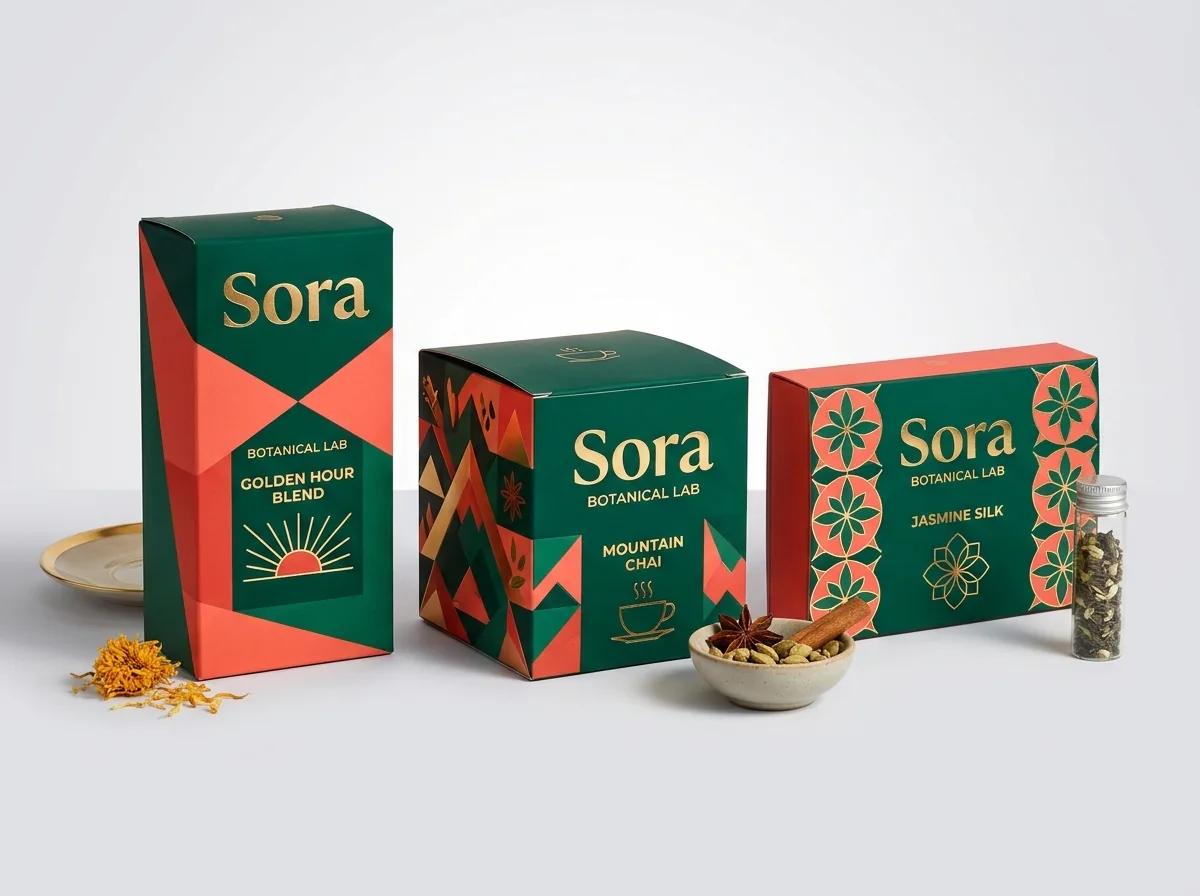
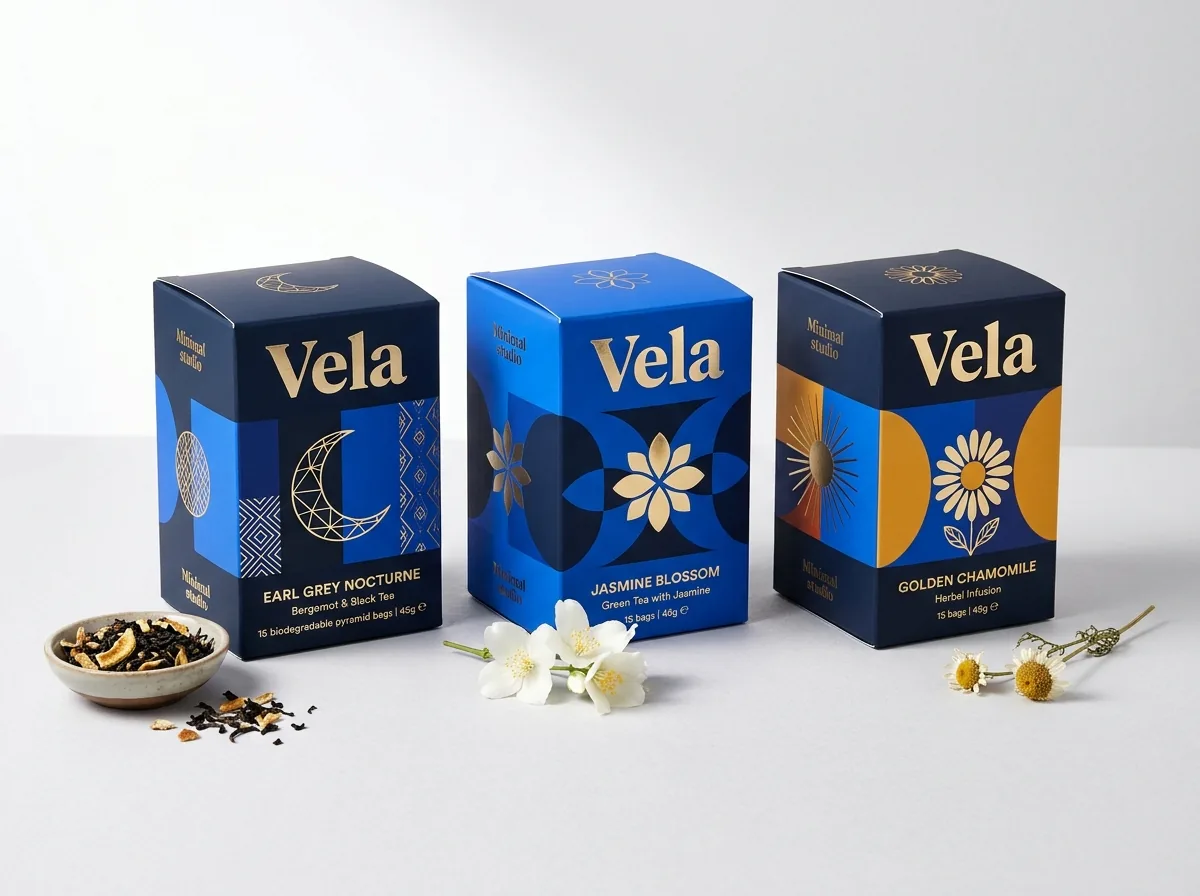
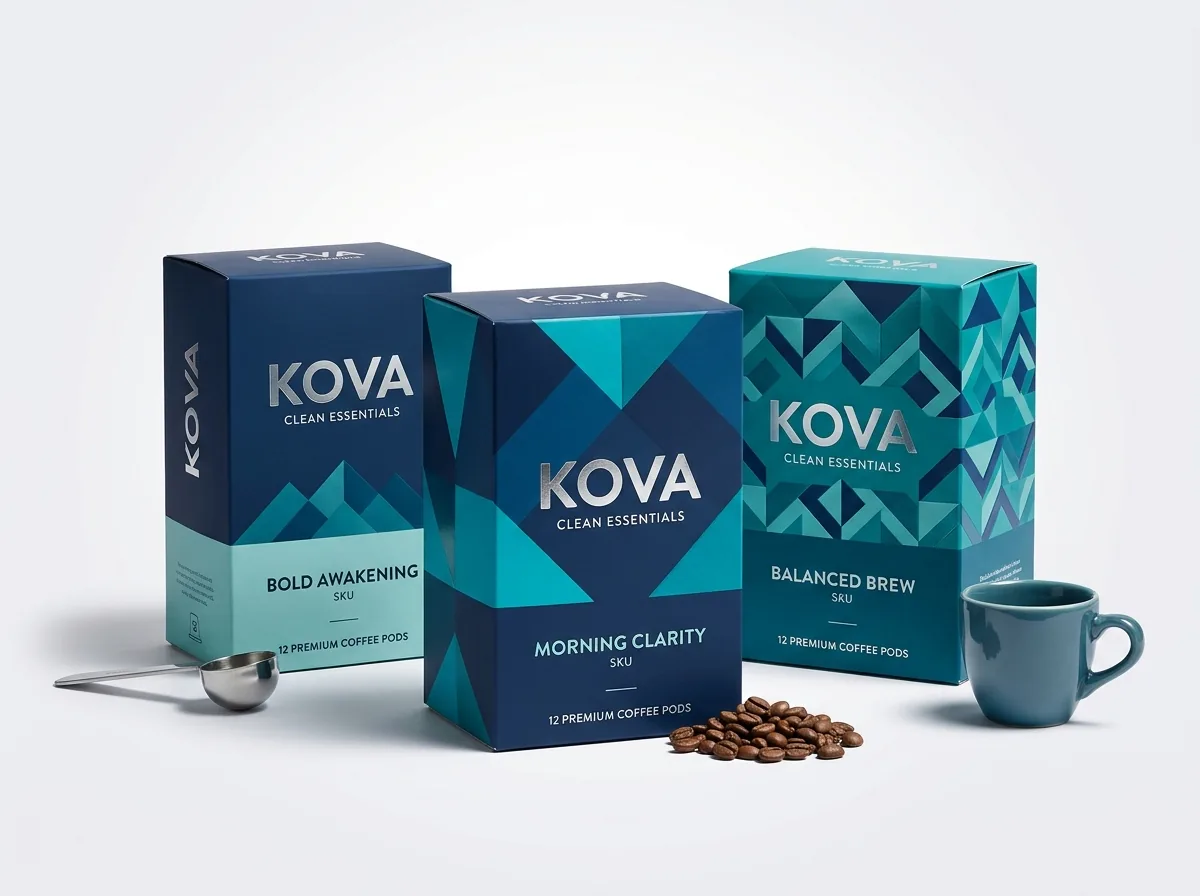
Learn more
Get your coffee boxes price
One dedicated account manager prepares pricing across up to 3 quantities.
- Free design & AI-to-print studio + 3D mockup
- No die or plate charges · 4–5 day rush available
- Free shipping to all 50 states
- 10% off your first order
- Reprint or refund if we get it wrong
Every CubitPack minimum, production window, material option, and service rule on this page comes from our confirmed project facts and was verified by a packaging specialist. Typical 10 oz and 12 oz bag-in-box carton, pour-over sachet box, pod sleeve, and subscription mailer dimensions are starting benchmarks confirmed against your filled bags on a digital proof and 3D mockup before payment. Spot an error? Tell us and we will fix it. Tell us if something looks wrong.
Sources
- CubitPack minimums (1,000 boxes), turnaround (10–14 business days, rush 4–5), food-safe materials on request, free design help, no die/plate fees, free 50-state shipping
- FDA 21 CFR 101 net weight placement and retail coffee carton labeling rules
- ISTA drop, vibration, and compression test procedures for bottled and canned beverage carriers
What changed
- October 22, 2026: First published.
- October 22, 2026: Updated specifications, terminology, and verified source links.