
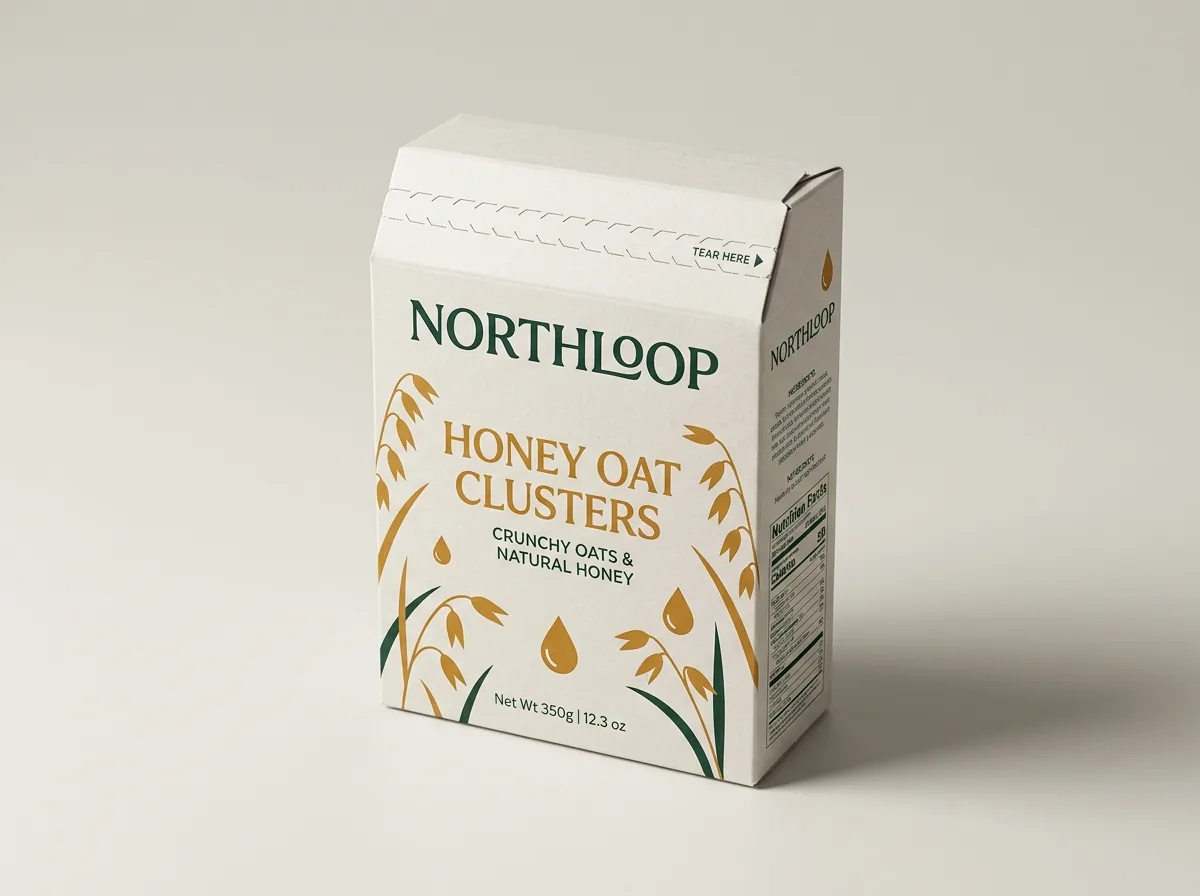
- Four overlapping flaps at the top and bottom glue shut after filling for a tamper-evident, sift-resistant seal.
- Optional perforated zipper tear strip and re-closable tab-in-slot top let shoppers open and re-close the box cleanly.
- Starts at 1,000 boxes with 10–14 business days standard turnaround (4–5 business days rush available).
- Includes free prepress help, zero die or plate fees, a 2D dieline proof, a 3D mockup, and free US shipping.
Custom Seal End Boxes
Custom seal end boxes (ECMA A10.10.01.01, Full-Overlap Seal End) are one-piece folding cartons where four overlapping flaps at both the top and bottom are glued shut after filling for built-in tamper evidence and sift resistance. Add a perforated zipper tear strip and re-closable pantry tab for cereal, granola, protein bars, cookies, popcorn, and snacks. Order from 1,000 boxes in 10–14 days.
What are seal end boxes?
Custom seal end boxes (known in folding carton engineering as Full-Overlap Seal End or ECMA code A10.10.01.01) are one-piece paperboard cartons designed to be glued shut at both the top and bottom after filling. Unlike tuck end boxes that close with a friction flap, each end of a seal end box features two minor side dust flaps that fold inward first, followed by an inner major flap and an outer major cover flap that bond together with hot-melt adhesive, cold PVA glue, or double-sided tape. That double-walled glued floor and ceiling gives the carton superior vertical stacking strength, prevents heavy multipacks from dropping through the bottom, and provides immediate fiber-tear tamper evidence on grocery shelves. To make opening simple at home, we die-cut a perforated zipper pull strip and re-closable tab into the top flap. At CubitPack, custom seal end boxes start at 1,000 units and ship in 10–14 business days.
How is a seal end box built?
Die-cut from a single sheet of food-safe paperboard, pre-glued along the longitudinal side seam so it arrives flat and erects on hand benches or automated horizontal/vertical cartoning lines. Whether your team calls them full overlap seal end cartons, seal end box dieline, printed seal end food cartons, seal end boxes with logo, branded seal end boxes, wholesale seal end boxes or bulk custom seal end boxes, every sheet is cut to your exact inside dimensions.
- 1Outer major cover flaps
Hinged to the front wall at the top and bottom; fold last over the inner major flaps to create a clean exterior face. - 2Inner major glue flaps
Hinged to the back wall with unvarnished glue-assist knockout strips where hot-melt or cold PVA glue bonds. - 3Four minor side dust flaps
Two top and two bottom side flaps fold in first at 90 degrees to square the carton and block dust or crumbs. - 4Perforated zipper tear strip
Optional parallel nicks on the top outer flap that pull away cleanly to reveal a re-closable pantry tab and slot. - 5Pre-glued longitudinal side seam
Joins the fourth wall to the first wall at the factory so the flat carton pops open into a rectangular tube.
Seal end box facts
- Closure
- Glued full-overlap flaps top and bottom (+ optional zipper tear strip)
- Best for
- Dry foods, multipack bars, cereal, granola, snacks (up to 3–5 lb)
- Window
- Yes, clear PET film window for pasta, granola, or cookies
- Inserts
- Yes, paperboard dividers for bar or pouch multipacks
- Minimum
- 1,000 boxes
- Turnaround
- 10–14 business days, rush 4–5
- Materials
- White SBS card, natural brown kraft, E-flute corrugated, recycled
- Arrives
- Pre-glued at the side seam, folded flat in cartons
- Size range
- Any inside L × W × H to order
Seal end vs reverse tuck end vs auto lock bottom
| Seal end | Reverse tuck end | Auto lock bottom | |
|---|---|---|---|
| Top closes | Glued overlap flaps (+ zipper tear strip) | Tuck flap, back to front | Tuck flap |
| Bottom closes | Glued full-overlap flaps | Tuck flap, front to back | Pre-glued crash-lock base pops flat |
| Tamper-evident seal | Built-in 100% fiber-tear glue bond | Requires external wafer seal sticker | Requires external wafer seal on top |
| Safe product weight | Up to 3–5 lb (double-layer glued base) | Light to medium (up to 12 oz) | Heavy jars and bottles (up to 3–5 lb) |
| Packing workflow | Glue gun, double-sided tape, or cartoning line | By hand or cartoner, tuck both ends | Pop base open by hand in 3 seconds, tuck top |
| Primary applications | Cereal, granola, protein bars, cookies, snacks | OTC medicine, playing cards, tea bags, pens | Glass candle jars, heavy skincare bottles |
Save this comparison
The styles on one sheet. Pin it, or share it with whoever packs your boxes.
Still deciding between styles?
Request a Quote →Is a seal end box right for my product?
- You pack dry foods, bagged cereal, granola, cookies, popcorn, candy, or protein bar multipacks
- Retailers require a tamper-evident glued closure that shows visible fiber tear if opened
- You want a perforated zipper tear strip, re-closable pantry tab, or side pour spout
- Your product weighs between 8 oz and 5 lb and needs a strong double-layered bottom
- You seal cartons on an automated glue cartoner or at a bench with hot-melt glue or tape
- You want a re-closable tuck flap at both ends without glue: reverse tuck end
- You pack heavy jars by hand and want a pre-glued bottom with a tuck top: auto lock bottom
- You want a tear-away retail counter display lid for protein bars or candy: display box
- You want a built-in carry handle for takeaway food or bakery treats: gable box
- You are mailing heavy subscription orders directly via UPS or USPS: mailer box
What are seal end boxes used for?
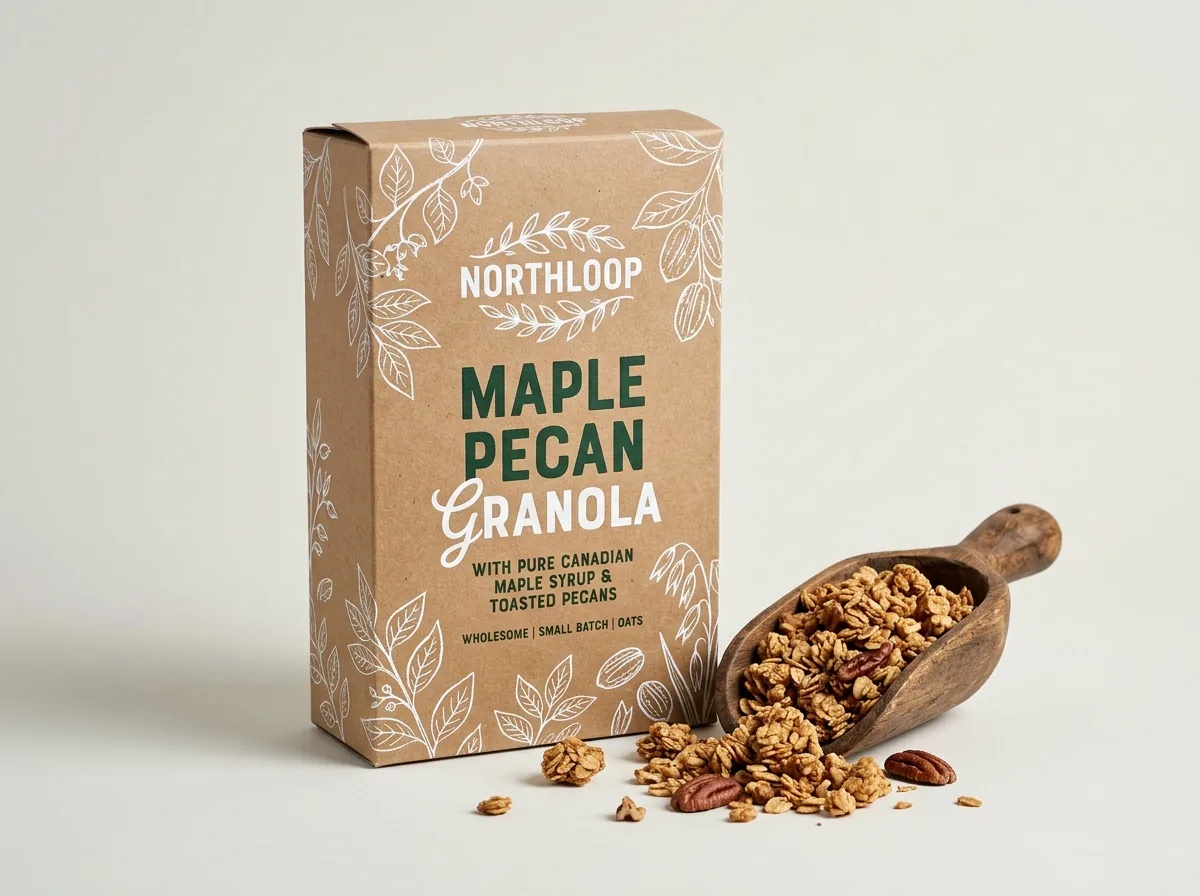
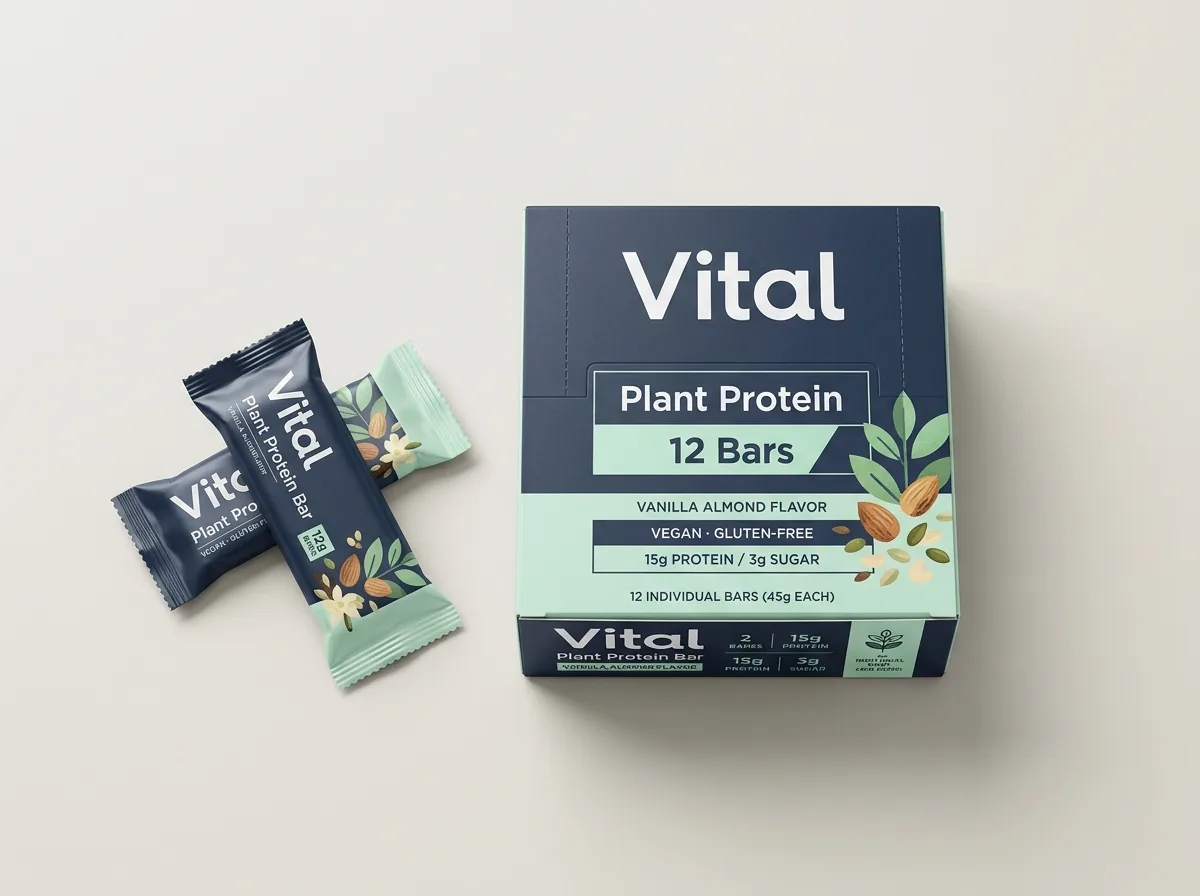
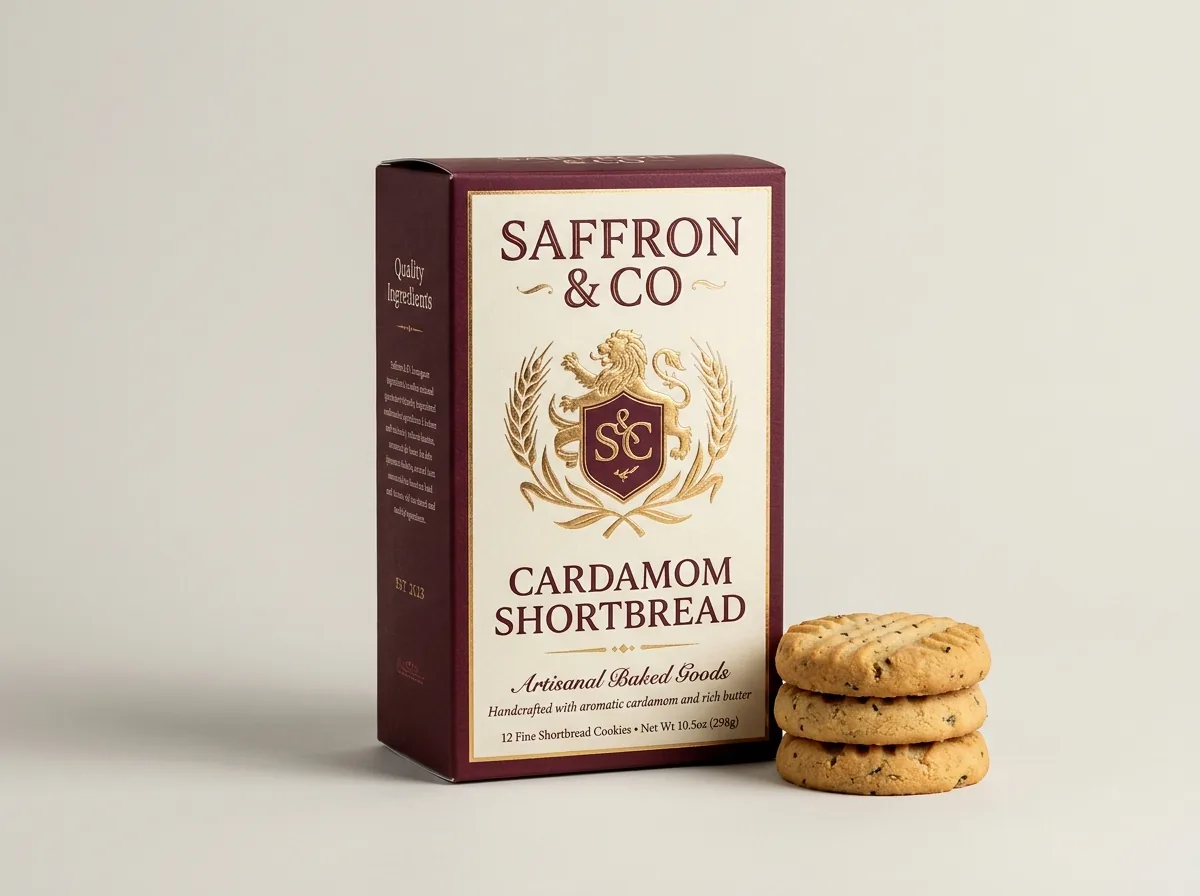
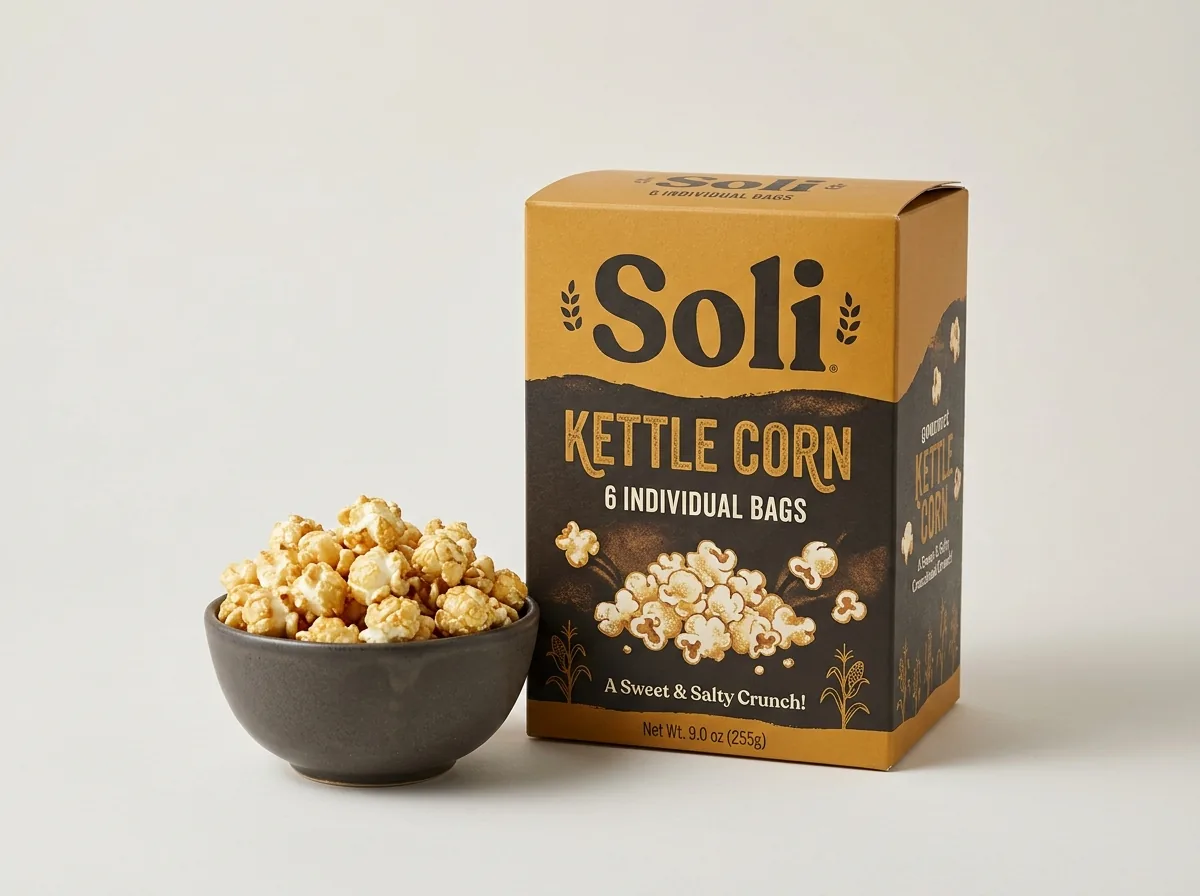
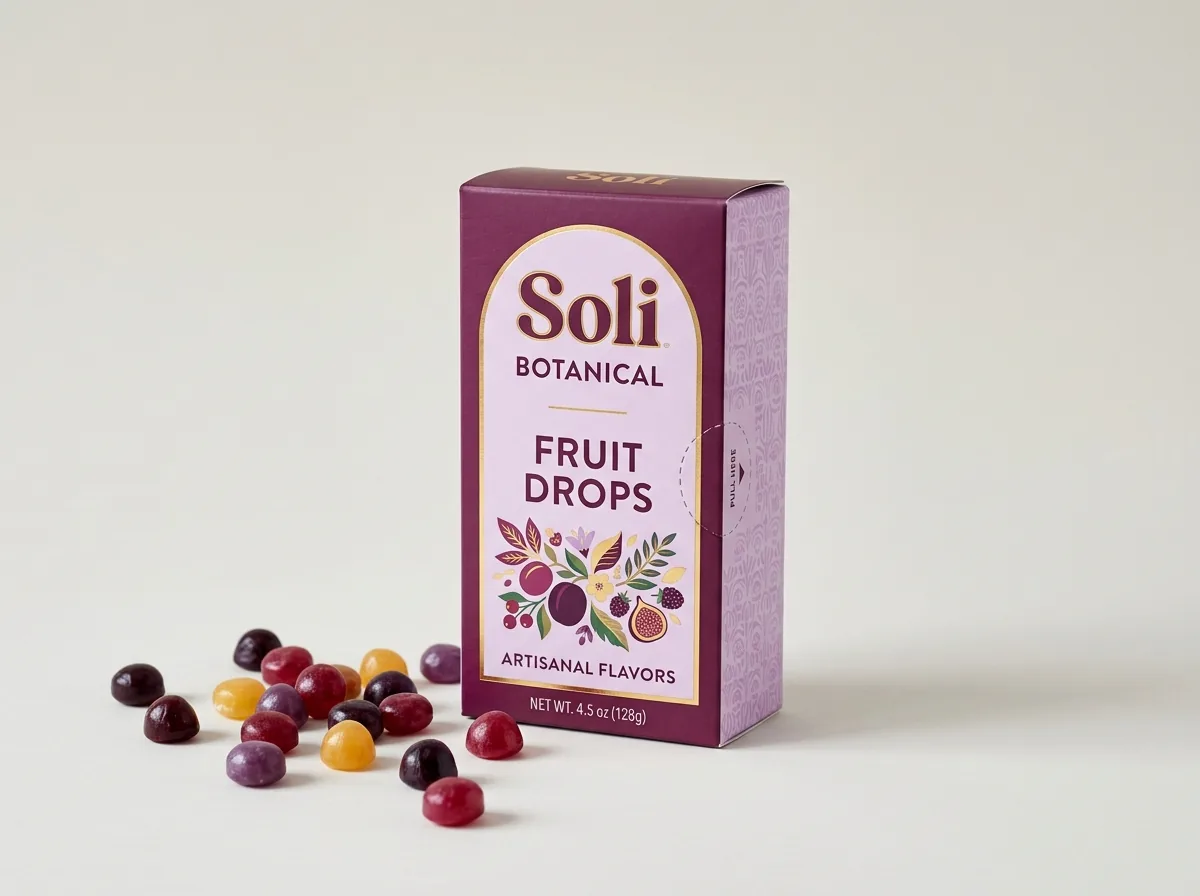
Center-store grocery, bakery, nutrition, and confectionery products that demand tamper-evident retail protection and bright shelf graphics
What are seal end boxes made of?
Choose bright white SBS paperboard for appetizing food photography and crisp Nutrition Facts panels, or unbleached brown kraft for artisan granola and organic snacks.
Which finishes work on a seal end box?
What can I add to a seal end box?
Seal end box specifications
| Spec | Options |
|---|---|
| Construction | One-piece folding carton (ECMA A10.10.01.01), pre-glued side seam, four overlapping glue flaps at top and bottom |
| Board | White SBS card / paperboard, natural brown kraft, E-flute corrugated, recycled board |
| Board thickness | 18 pt to 24 pt paperboard or E-flute typical |
| Printing | Full-color CMYK, Pantone spot inks, inside printing, white ink on kraft |
| Lamination | Matte, gloss, soft-touch, or food-grade aqueous coating (with glue-flap knockouts) |
| Finishes | Hot foil stamping, embossing, debossing, spot UV |
| Add-ons | Zipper tear strip, re-closable tab-in-slot lid, side pour spout, clear PET window, card divider |
| Size range | Custom die-cut to your exact inside L × W × H; min/max |
| Quantity | From 1,000 boxes; delivered within ±5% of the order |
| Proofs | Free 2D vector dieline proof and 3D mockup before payment; physical sample optional |
| Turnaround | 10–14 business days standard; 4–5 business days rush |
| How boxes ship | Pre-glued at the side seam and shipped flat in master cartons |
Ready to quote seal end boxes? Compare up to 3 quantities with a free 3D mockup.
Request a Quote →What goes on each panel of a seal end box?
- 1Front panel
Brand logo, flavor name, hero food photography or clear PET window, and net weight statement. - 2Right side panel
FDA Nutrition Facts table, ingredient list, allergen statement, and distributor address. - 3Left side panel
Preparation instructions, dietary badges, sustainability icons, or side pour spout. - 4Back panel
Brand story, recipes, games/illustrations for cereal boxes, and cross-sell flavor lineup. - 5Top & bottom outer flaps
Top flap holds the perforated zipper tear strip and best-by date stamp zone; bottom flap holds the UPC barcode.
Seal end box design ideas
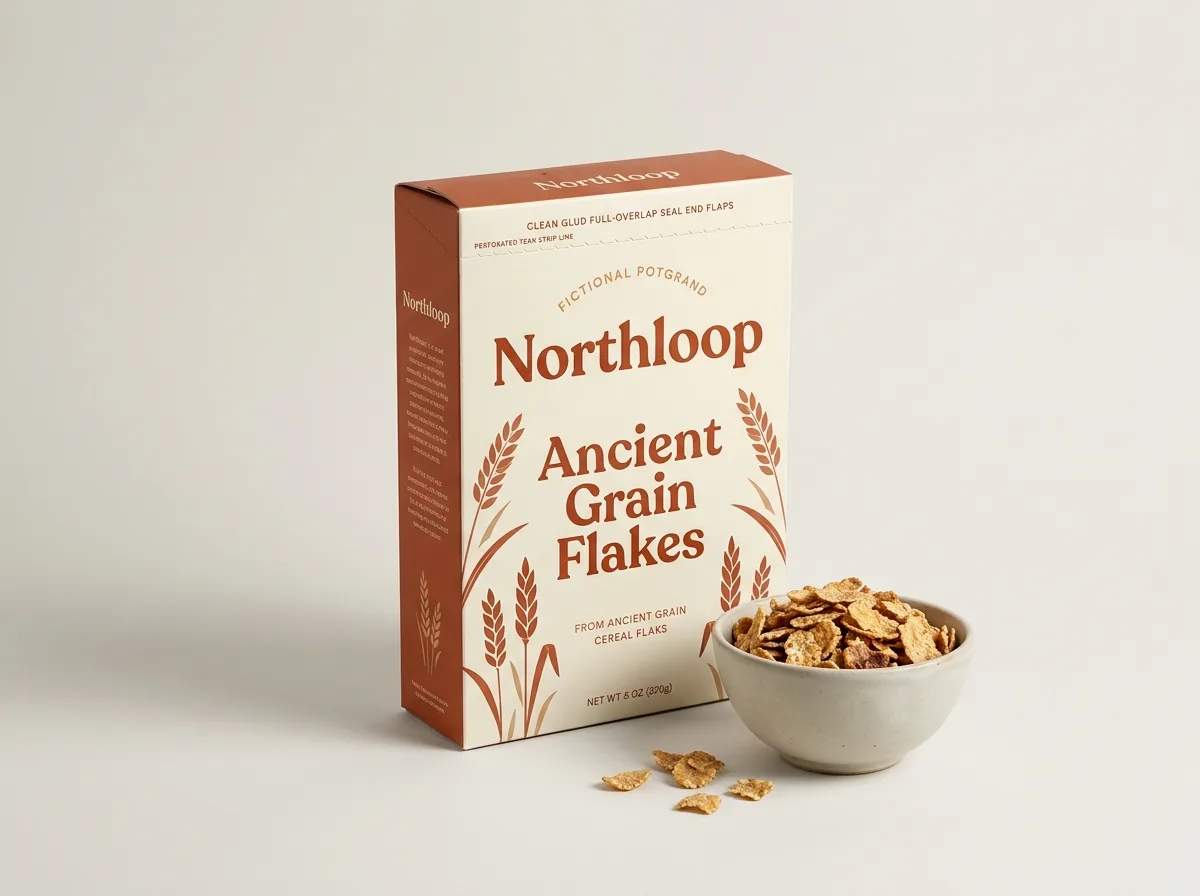
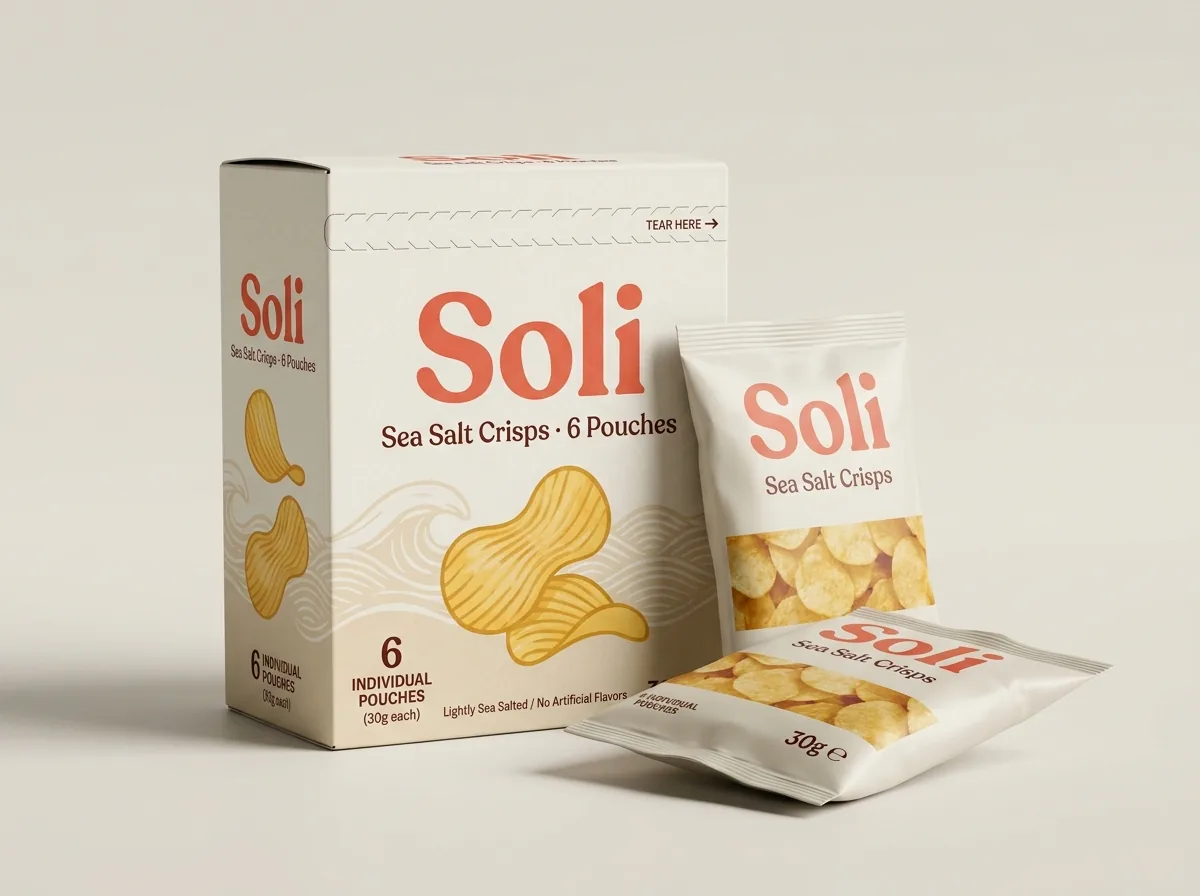
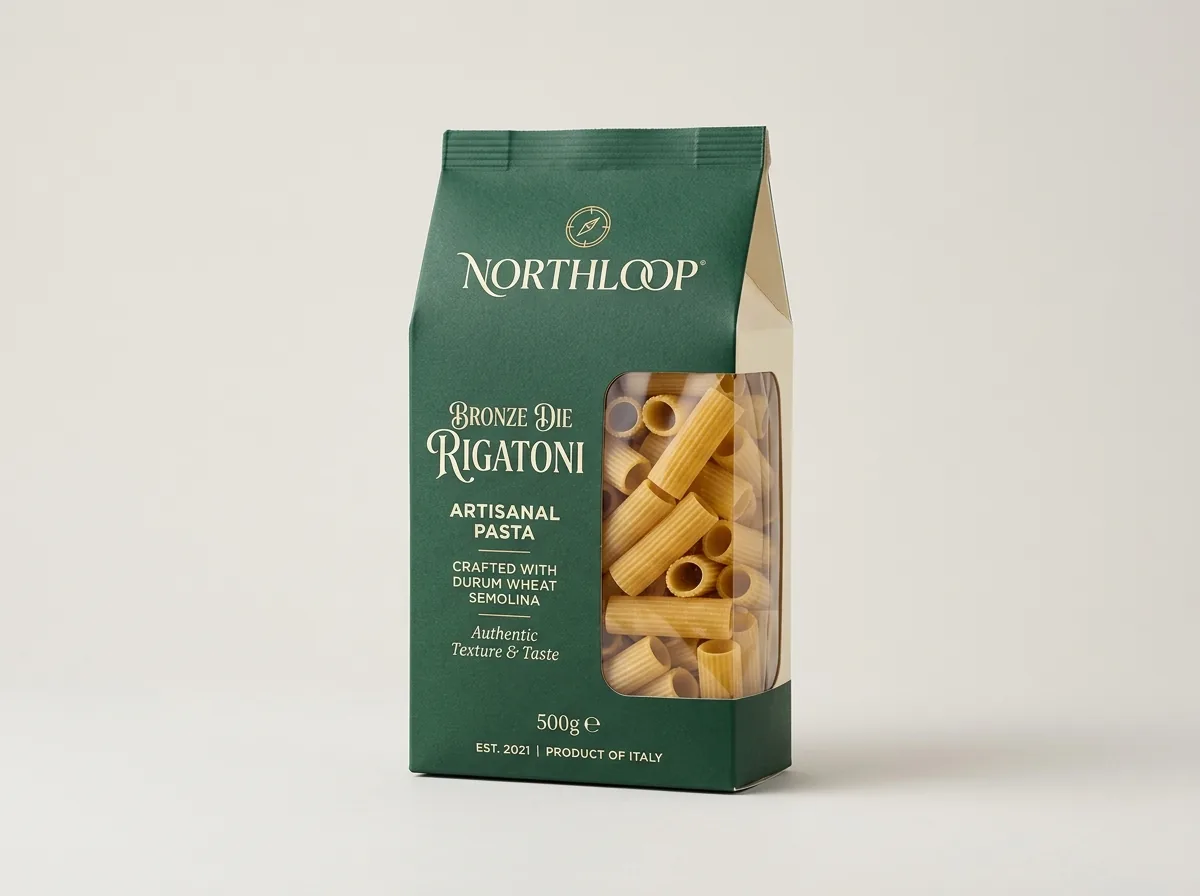
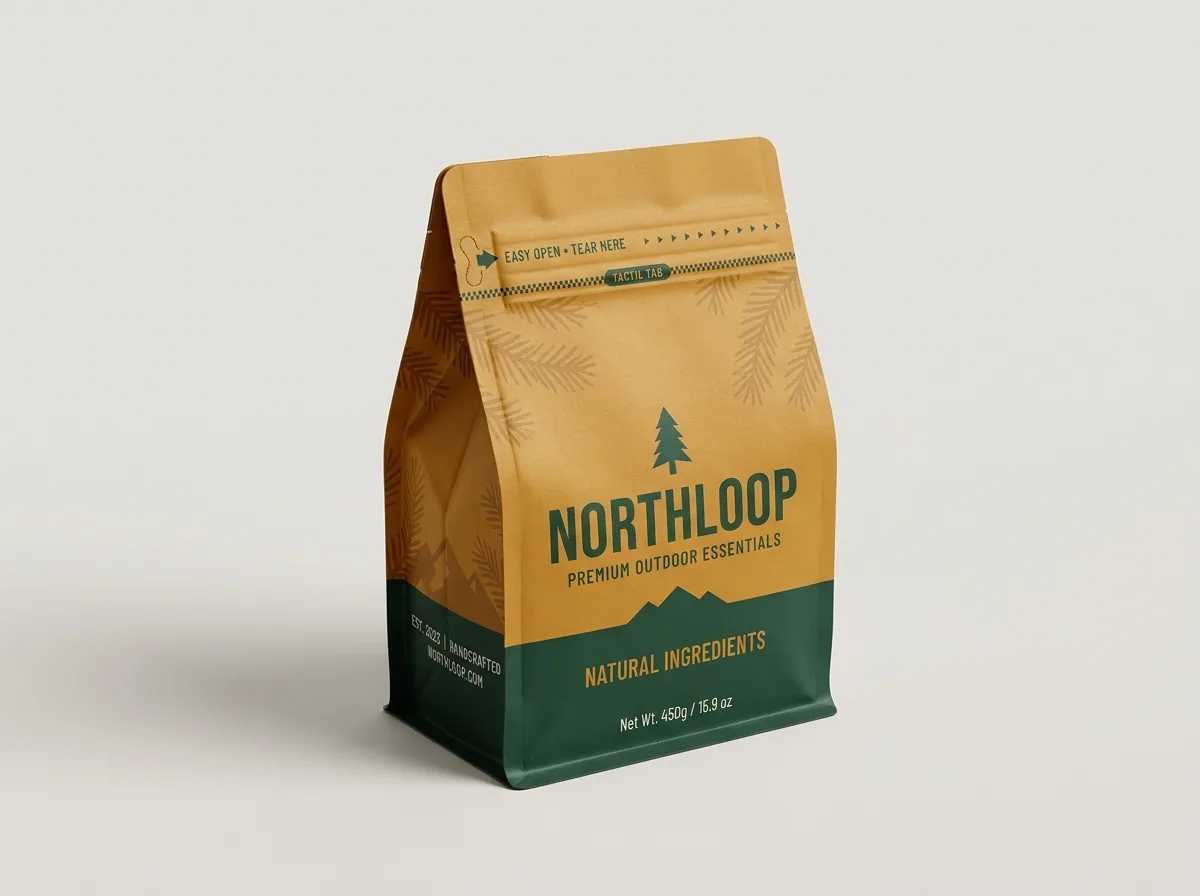
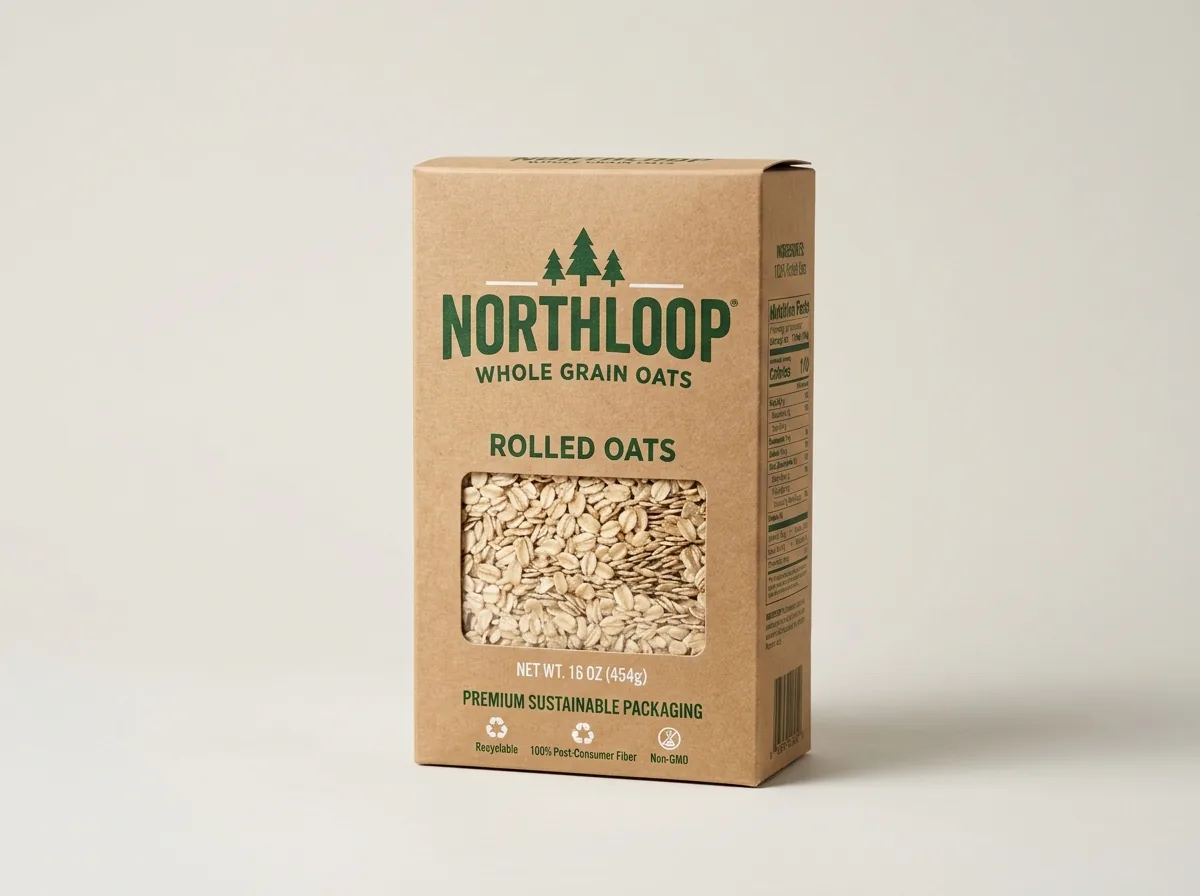
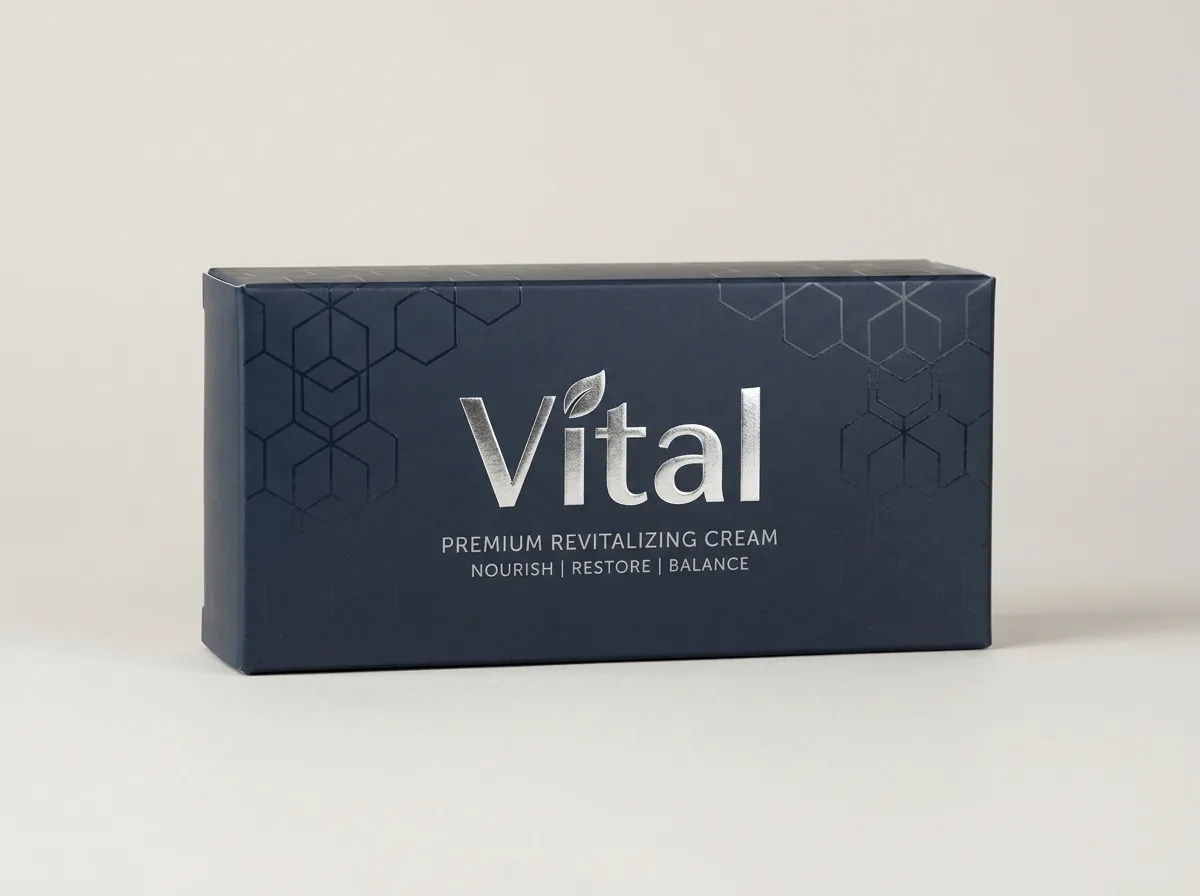
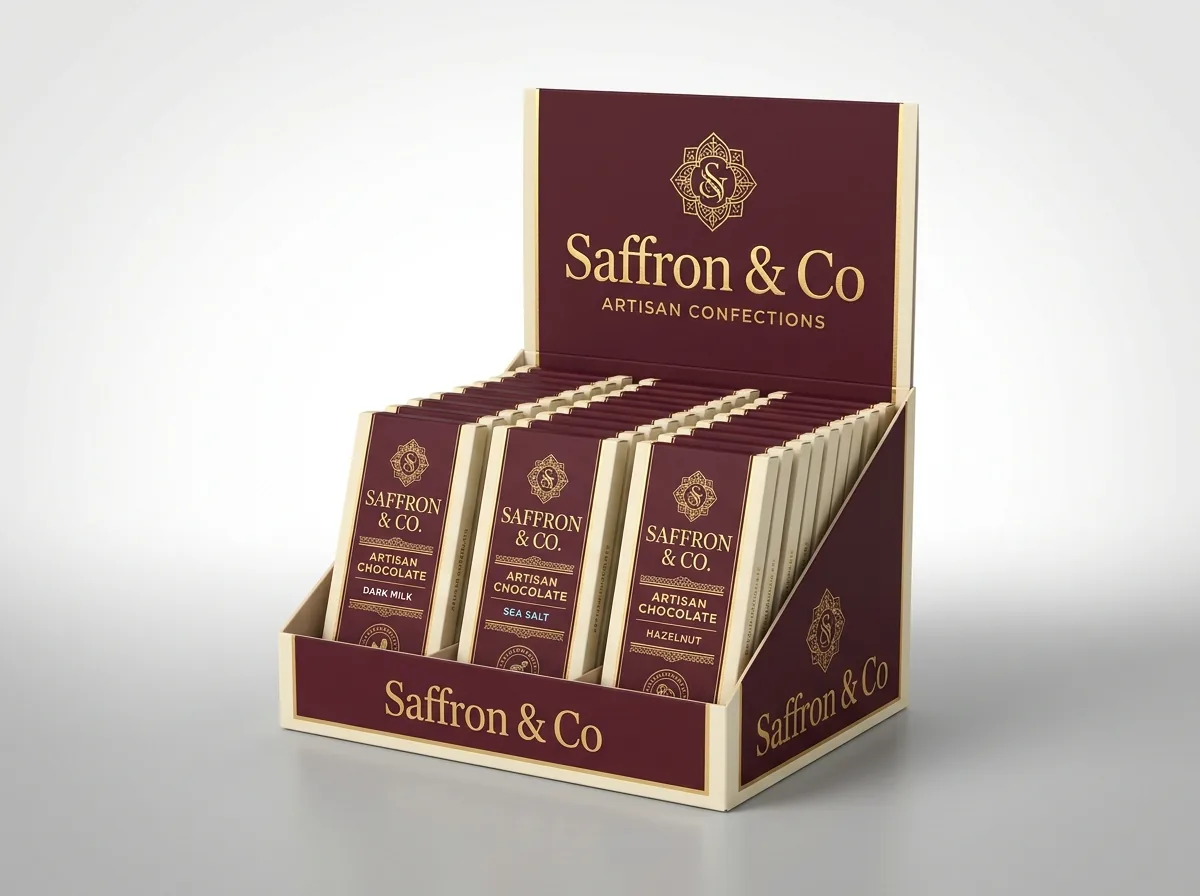
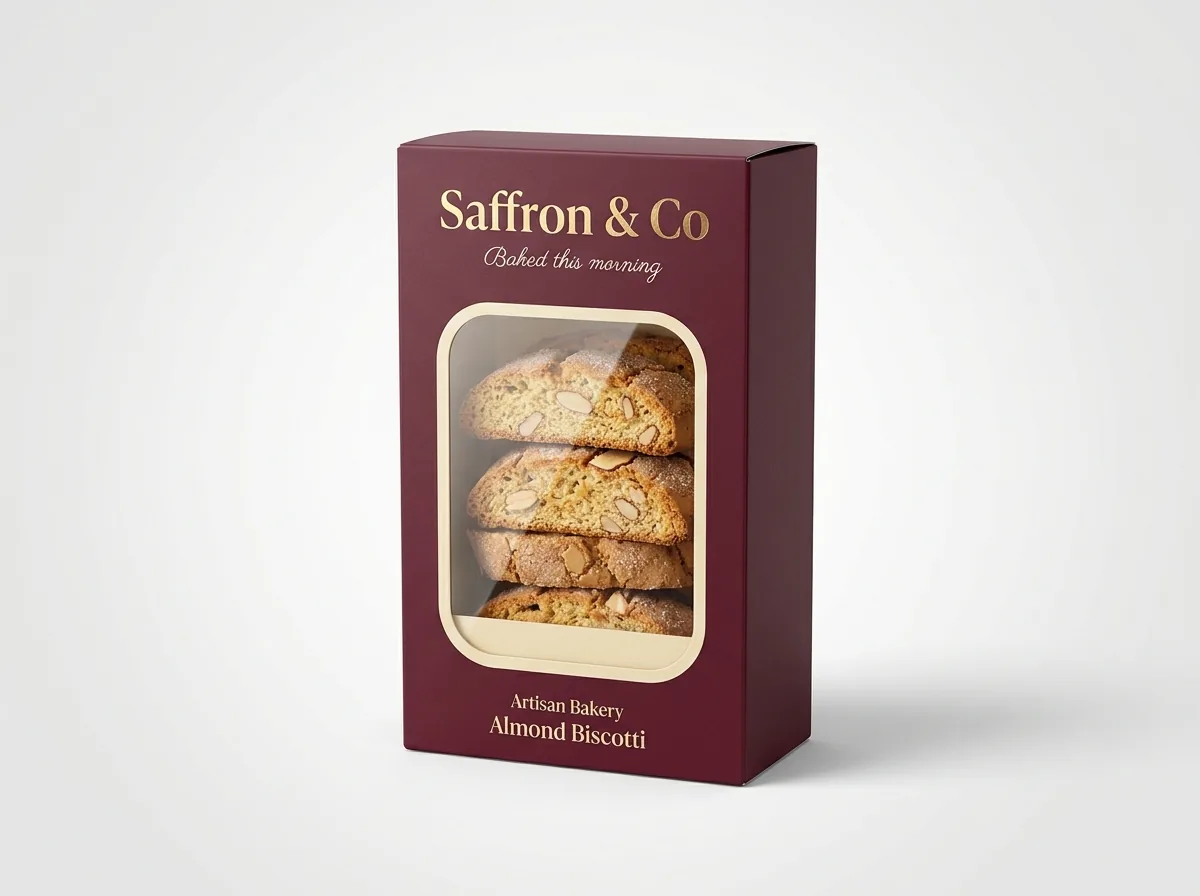
Example designs with made-up brands. Your box is made to your design.
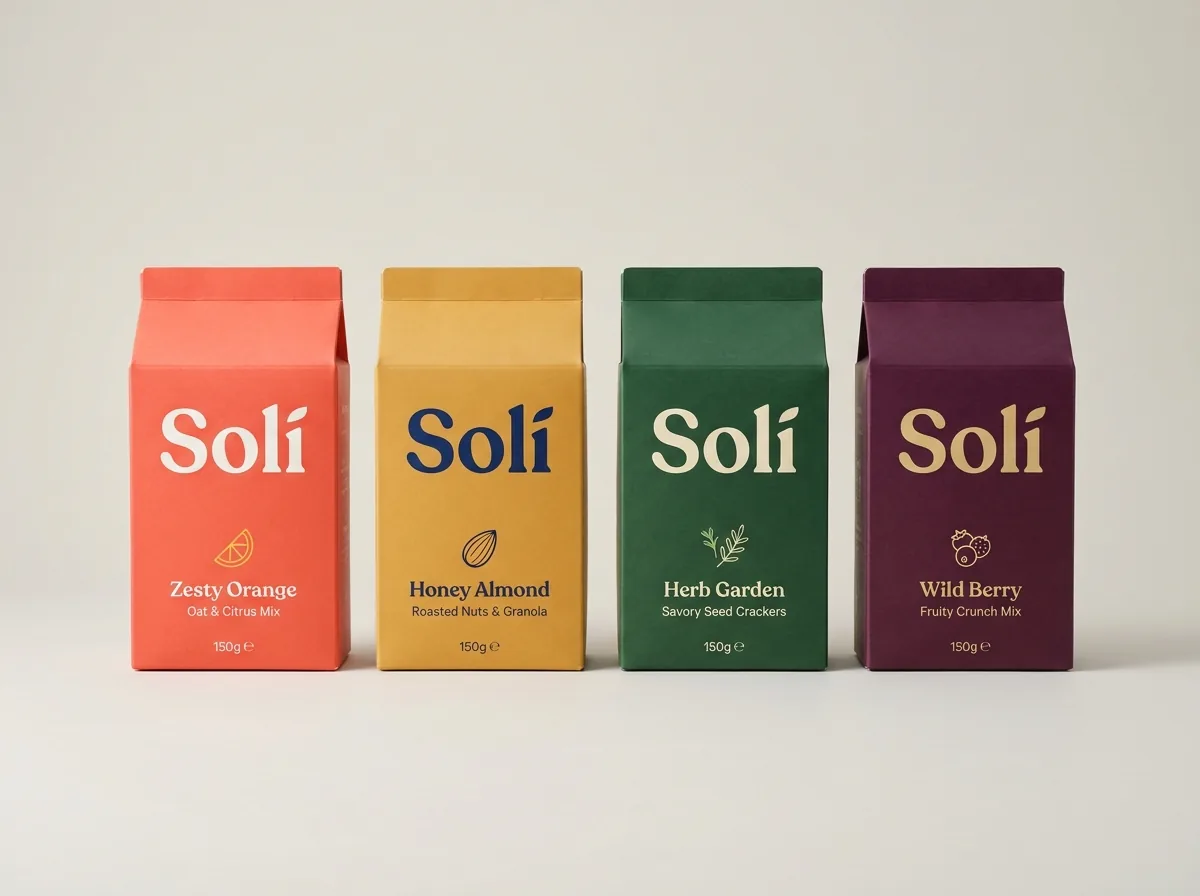
What are the most common seal end box mistakes?
Avoid these five structural and prepress errors when ordering custom seal end cartons. For buyers ordering personalized seal end boxes, custom size seal end boxes, seal end boxes with outer major cover flaps or seal end boxes with inner major glue flaps, watch out for these common sizing and artwork mistakes
- Flooding UV gloss or film lamination across the inner major glue flaps without a glue-assist knockout mask, which prevents hot-melt or cold glue from bonding to the paperboard fibers.
- Omitting a perforated zipper tear strip or finger pull tab on the top outer flap, forcing customers to pry open the glued lid with a knife.
- Pouring fine granular powders directly into a standard seal end box without an inner pouch or sift-proof Van Buren corner folds.
- Sizing the carton strictly to the flat empty bag dimensions instead of measuring the natural settled bulge of filled cereal, granola, or snack pouches.
- Placing the date/lot inkjet coding zone over a dark, high-gloss varnished area instead of leaving a clean unvarnished white or kraft stamp window on the top or bottom flap.
Get a seal end dieline at your size
A simplified drawing for planning your design. Your free production dieline comes with your proof, made for your exact size and board.
Chat with a designer now
Share your logo, a sketch or an AI image. We'll rebuild every element cleanly onto your box dieline and send a 3D mockup, free.
Made your design with AI?
Generated a concept in Google Gemini, ChatGPT, Claude or Midjourney? Send us your AI image: we rebuild every element onto your box dieline and show you a 3D mockup before you pay, free.Custom vs stock seal end boxes: which is better?
| Stock (plain) boxes | Custom boxes from CubitPack | |
|---|---|---|
| Branding | Plain, or a label on the front | Your logo and colors, inside and out |
| Fit | Fixed sizes | Made to your exact size |
| Minimum | Any quantity | 1,000 boxes |
| Lead time | Ships right away | 10–14 business days, rush 4–5 |
| Design | None | Free design help, proof and 3D mockup |
Get custom seal end boxes made to your exact size, with a free 3D mockup before you pay.
Request a Quote →Are seal end boxes eco-friendly?
Kraft and recycled board
Choose kraft or recycled board for a lower-impact box.FSC paper available
FSC paper and ISO 9001 production are available on request.Food-safe on request
For food, we make it in a certified partner facility. Certificates and lab tests on request.How do I order custom seal end boxes?
Tell us what you need
Size, quantities or AI conceptCompare volume pricing
Dedicated account managerApprove your proof
Digital proof + 3D mockupMade and shipped
Free to all 50 statesHow much do custom seal end boxes cost?
The price depends on four things, and every custom quote is free.
Size
Bigger packaging uses more materialQuantity
The unit price drops as you order moreMaterial
The board, film or paper you chooseFinishes
Foil, windows and lamination add costYour first order is 10% off, and we beat written quotes from US competitors for the same specs.
10% off your first order.
Request a Quote →What do I need to send for a quote?
- The product and how many you need
- The inside size, or what goes in it
- A style, or ask us to suggest one
- Your logo or artwork (an AI image is fine)
- Pantone codes, if you have them
- Delivery ZIP code and the date you need it
Can I see a sample first?
Sample kit
Board and finish swatches, sample boxes, labels and bags. Credited to your first order.Digital proof + 3D mockup
See it before you payPrinted sample
Of your own designHow do the boxes ship?
- Free shipping to all 50 states
- Worldwide with DDP prices: duties and taxes included
- Blind and split shipping
- Damaged in transit? We reprint the damaged units free
Why brands choose CubitPack
Dedicated specialist
One account manager from quote to deliveryPantone guaranteed
Clearly off? We reprintReprint or refund
If we get it wrong, you chooseBBB accredited
A US business you can checkSeal end box questions
What is a seal end box?
A seal end box (ECMA code A10.10.01.01, also called a Full-Overlap Seal End or FOSE carton) is a one-piece paperboard folding carton whose top and bottom openings are closed by four overlapping flaps that are glued shut after the product is loaded.
How do I seal a seal end box if I pack by hand?
While high-volume food brands seal cartons on automated horizontal or vertical cartoning lines with hot-melt glue nozzles, small and mid-sized brands easily seal 1,000 to 5,000 boxes by hand using a commercial benchtop hot-melt glue gun or high-tack double-sided ATG transfer tape.
How does a customer open and re-close a glued seal end box?
We die-cut a double-rule perforated zipper tear strip (or finger pull tab) across the top outer major flap. When the customer pulls the tear strip, the top lid lifts open and a built-in tongue tab slots into the inner major flap to re-close the box between uses.
What is the difference between a seal end box and a tuck end box?
A tuck end box closes with a single folding flap that slides inside the box by friction or slit locks, whereas a seal end box glues two overlapping major flaps over two dust flaps at both ends. Seal end boxes hold heavier loads (up to 3–5 lb) and provide built-in tamper evidence.
Why do seal end boxes need unvarnished glue-assist zones on the inner flaps?
Hot-melt and water-based PVA adhesives bond by gripping bare paperboard fibers. By masking UV varnish and lamination off the glue contact strips on the inner major flaps (and optionally adding rotary debossed glue teeth), the adhesive forms a permanent fiber-tear seal.
Can I add a clear window or a side pour spout to a seal end box?
Yes. You can add a clear PET film window on the front panel to display granola, cookies, or pasta, or add a perforated press-and-pull pour spout on the narrow side panel for candy, popcorn, or dry grains.
What is the minimum order quantity for custom seal end boxes?
Our standard minimum order for custom printed seal end boxes is 1,000 boxes, and you can split your run across multiple flavor colorways or SKU designs in one order.
How long does production take for seal end boxes?
Standard production takes 10–14 business days after you approve your 2D dieline proof and 3D mockup, with a 4–5 business day rush option available. Shipping to all 50 US states is free.
Can you print inside a seal end box?
Yes. Inside printing is popular on protein bar, cookie, and cereal cartons that convert into countertop display trays or feature games, recipes, and brand stories inside the top flaps.
Do seal end boxes ship flat?
Your account manager confirms the exact packing and delivery format with your written quote before you approve the proof.
Still have a question? Ask a packaging specialist.
Request a Quote →Parts of a seal end box
- Full-Overlap Seal End (FOSE)
- A folding carton (ECMA A10.10.01.01) where the inner and outer major flaps overlap and glue shut
- Zipper tear strip
- Two parallel perforated cut lines that pull away cleanly to open a glued top lid
- Glue-assist knockout
- An unprinted, unvarnished bare-board strip on a flap where adhesive bonds directly to fibers
- Fiber-tear bond
- A tamper-evident glue joint strong enough that opening it tears paper fibers rather than peeling cleanly
- Minor dust flaps
- The two narrow side end flaps that fold inward first under the major glue flaps
- Van Buren ears
- Creased corner gussets that heat-seal against the sidewall to make a carton sift-proof
Other box styles
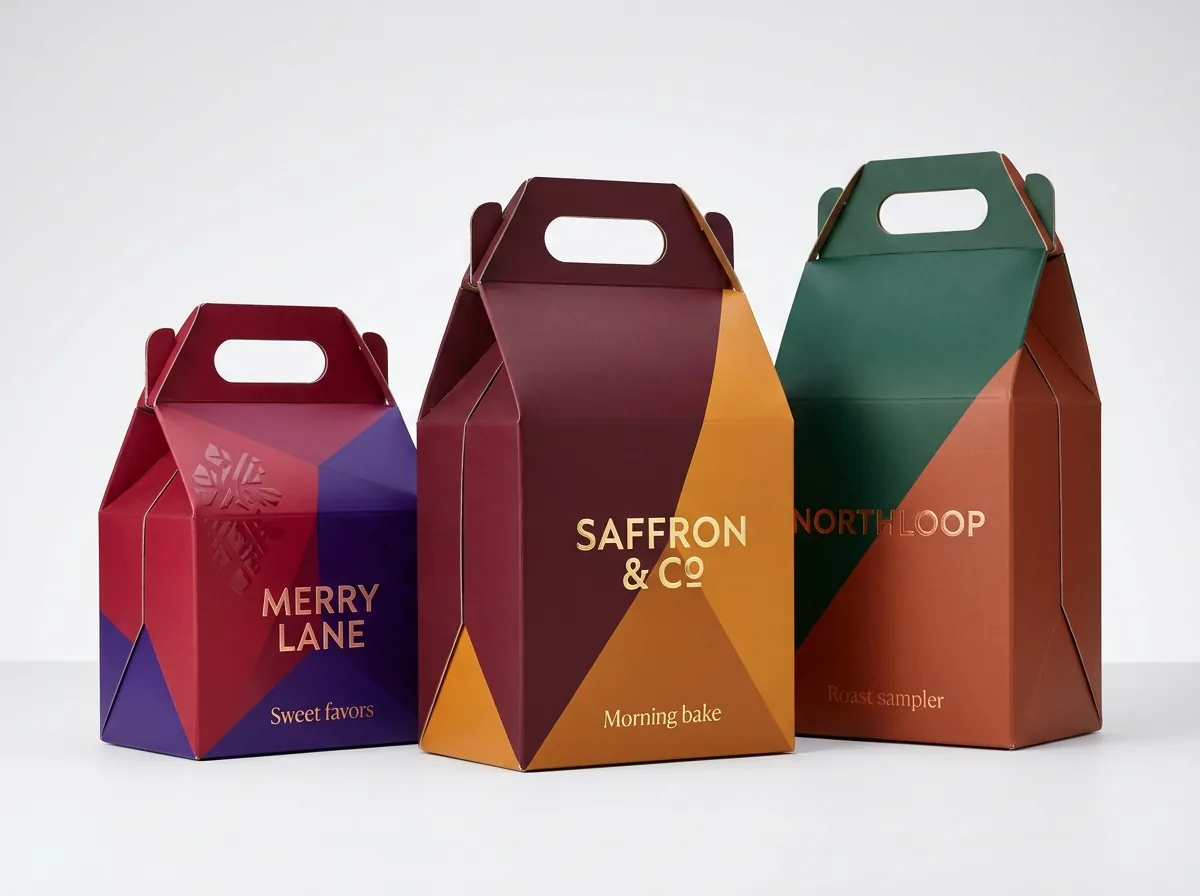
Learn more about seal end boxes
Get your seal end boxes price
One dedicated account manager prepares pricing across up to 3 quantities.
- Free design & AI-to-print studio + 3D mockup
- No die or plate charges · 4–5 day rush available
- Free shipping to all 50 states
- 10% off your first order
- Reprint or refund if we get it wrong
We verified ECMA A10.10.01.01 full-overlap seal end geometry, minor/major flap ratios, zipper tear-strip rules, and glue-assist varnish knockout tolerances against European Carton Makers Association (ECMA) and Paperboard Packaging Council (PPC) handbooks. A packaging specialist checked every specification against CubitPack capabilities. Spot something wrong? Tell us and we fix it. Tell us if something looks wrong.
Sources
- ECMA A10.10.01.01 full-overlap seal end (FOSE) carton geometry, minor/major flap ratios, and zipper tear-strip perforations
- Paperboard Packaging Council specifications for glue-assist varnish knockouts, sift-proof corner folds, and cartoning line sealing
- Paperboard caliper selection (18-24 pt SBS, kraft, and CUK), fiber-tear bond strength, and score stiffness
What changed
- October 25, 2026: First published with ECMA A10.10.01.01 FOSE dieline, 3-step gluing & tear-strip diagram, Seal End vs RTE vs Auto Lock comparison, 15 studio images, and 3 technical guides.