
Should I choose a seal end box, a tuck end box, or an auto lock bottom box?
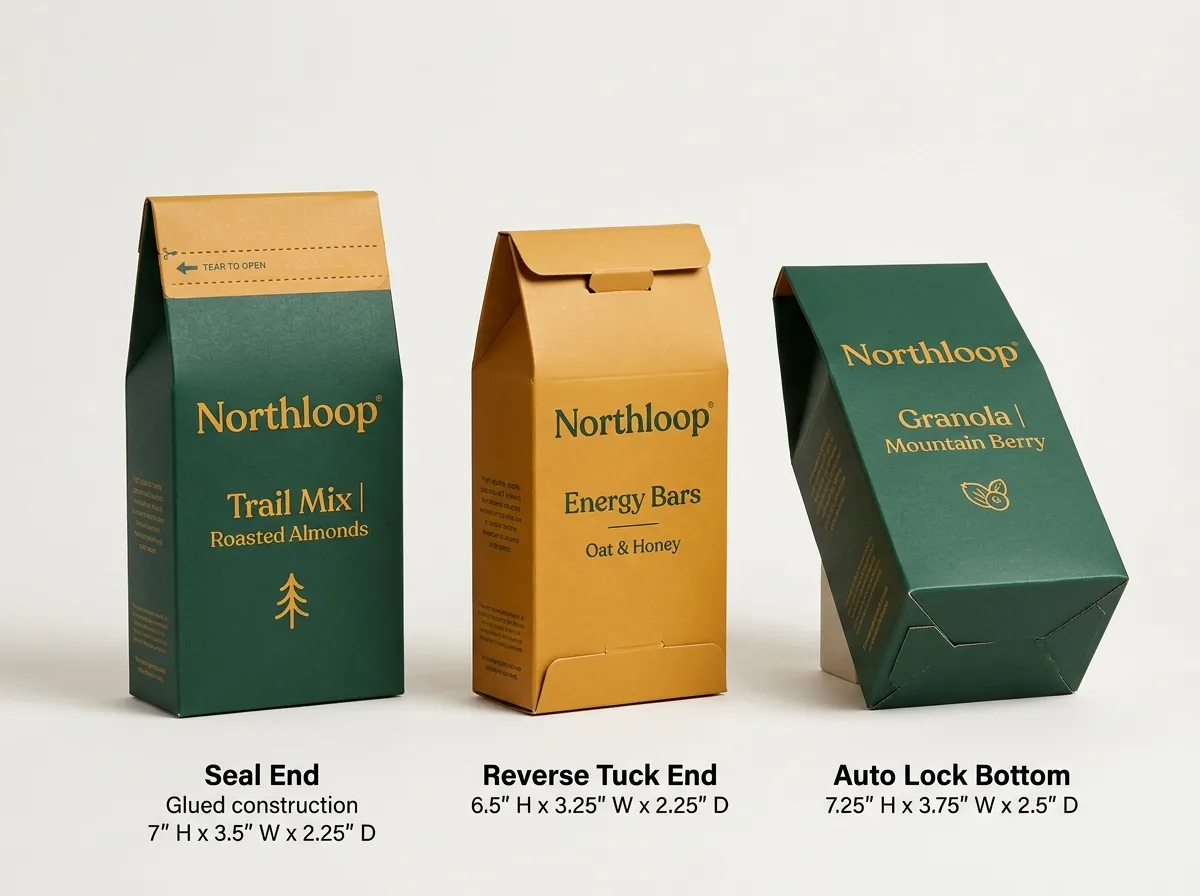
Short answer: Choose a seal end box when you need a permanently glued, tamper-evident folding carton for dry foods, cereal, granola, cookies, or bar multipacks up to 5 lb. Choose a reverse tuck end box for light items under 12 oz that re-close without glue, or an auto lock bottom box when hand-packing heavy jars.
On this page
- How do standard seal end, sift-proof seal end, tuck end, and auto lock bottom boxes compare
- What is the difference between a standard bag-in-box seal end carton and a sift-proof seal end box
- How do brands seal 1,000 to 50,000+ seal end boxes by hand vs on an automated cartoning line
- Can a seal end box double as a tear-away retail shelf caddy
- How do I choose the right seal end configuration for my product
- Common mistakes
- FAQs
Request a custom quoteFree dieline & 3D mockup
When comparing custom seal end boxes (ECMA A10.10.01.01) against reverse tuck end (ECMA A20.20.03.01) and auto lock bottom (ECMA A60.20) cartons, the decisive factors are tamper evidence, payload weight, sift protection, and how your fulfillment line closes the box. A tuck end carton closes via a single friction or slit-lock flap at each end, making it fast to close without glue for light items under 12 oz, but it requires external stickers for tamper evidence. A seal end carton folds two minor dust flaps and glues two overlapping major flaps shut at both the top and bottom. That double-thick glued floor and ceiling supports 3 to 5 lb, delivers a 100% fiber-tear tamper-evident bond for supermarket compliance, and pairs with a perforated zipper tear strip and pantry tab so consumers can still re-close the box at home.
How do standard seal end, sift-proof seal end, tuck end, and auto lock bottom boxes compare?
All four structures start as flat-packed, side-seam-glued folding cartons starting at 1,000 units, but they solve very different food, beverage, and retail packaging challenges across custom seal end boxes, custom reverse tuck end boxes, and custom auto lock bottom boxes
| Structural feature | Standard Seal End (FOSE) | Sift-Proof Seal End | Reverse Tuck End (RTE) | Auto Lock Bottom |
|---|---|---|---|---|
| Top closure mechanism | Glued overlap + zipper tear strip | Heat/hot-melt glued Van Buren ears | Re-closable tuck flap (back-to-front) | Re-closable tuck flap |
| Bottom closure mechanism | Glued full-overlap major flaps | Glued webbed corner gussets + flaps | Tuck flap with ankle slit locks | Pre-glued 4-flap crash-lock base |
| Tamper-evident security | Built-in 100% fiber-tear glue bond | Built-in 100% fiber-tear glue bond | Requires external wafer seal label | Requires external wafer seal on top |
| Direct loose food contact? | Uses inner pouch/tray (cereal, bars) | Yes, holds loose grains, pasta, candy | Uses inner blister, bottle, or wrapper | Holds heavy glass jars & containers |
| Safe payload weight | Up to 3–5 lb (double-layer ends) | Up to 3–5 lb (reinforced corners) | Up to 12 oz (340 g) | Up to 3–5 lb (interlocked base) |
| Closing equipment needed | Hot-melt gun, ATG tape, or glue cartoner | Automated hot-melt cartoner | None (hand or machine tuck) | None (pops open in 3 seconds) |
What is the difference between a standard bag-in-box seal end carton and a sift-proof seal end box?
Food buyers ordering custom cereal boxes, custom granola boxes, and custom food boxes often ask whether they can pour loose flakes, grains, or sprinkles directly into a standard seal end box without an inner plastic bag. Here is how standard Full-Overlap Seal End (FOSE) and Sift-Proof Seal End cartons differ
- Standard Full-Overlap Seal End (FOSE, for bagged foods and wrapped multipacks): On a standard seal end dieline, vertical slots separate the two minor dust flaps from the two major glue flaps so each flap folds independently at 90 degrees. While the glued overlap is rock-solid and tamper-evident for bagged cereal, granola pouches, flow-wrapped protein bars, and cookie trays, tiny 0.5 mm pinholes remain at the four corners where the fold scores meet.
- Sift-Proof Seal End with Van Buren ears (for direct-fill pasta, rice, candy, and powders): To seal those corner pinholes for unwrapped dry goods, a sift-proof dieline replaces the open corner slots with diagonal webbed gussets (or extended corner ears on the minor dust flaps that fold around onto the outside of the inner major flap and bond in double-ribbon hot-melt glue).
- When an inner barrier pouch is still best: Even if a box is sift-proof, crispy foods like toasted cereal flakes, granola clusters, cookies, and crackers require a moisture- and oxygen-barrier inner liner bag so they never go stale on grocery shelves.
How do brands seal 1,000 to 50,000+ seal end boxes by hand vs on an automated cartoning line?
You do not need a six-figure packaging machine to launch a product in a tamper-evident seal end carton. Here is how emerging and national food brands seal custom protein bar boxes and custom snack boxes at every growth stage
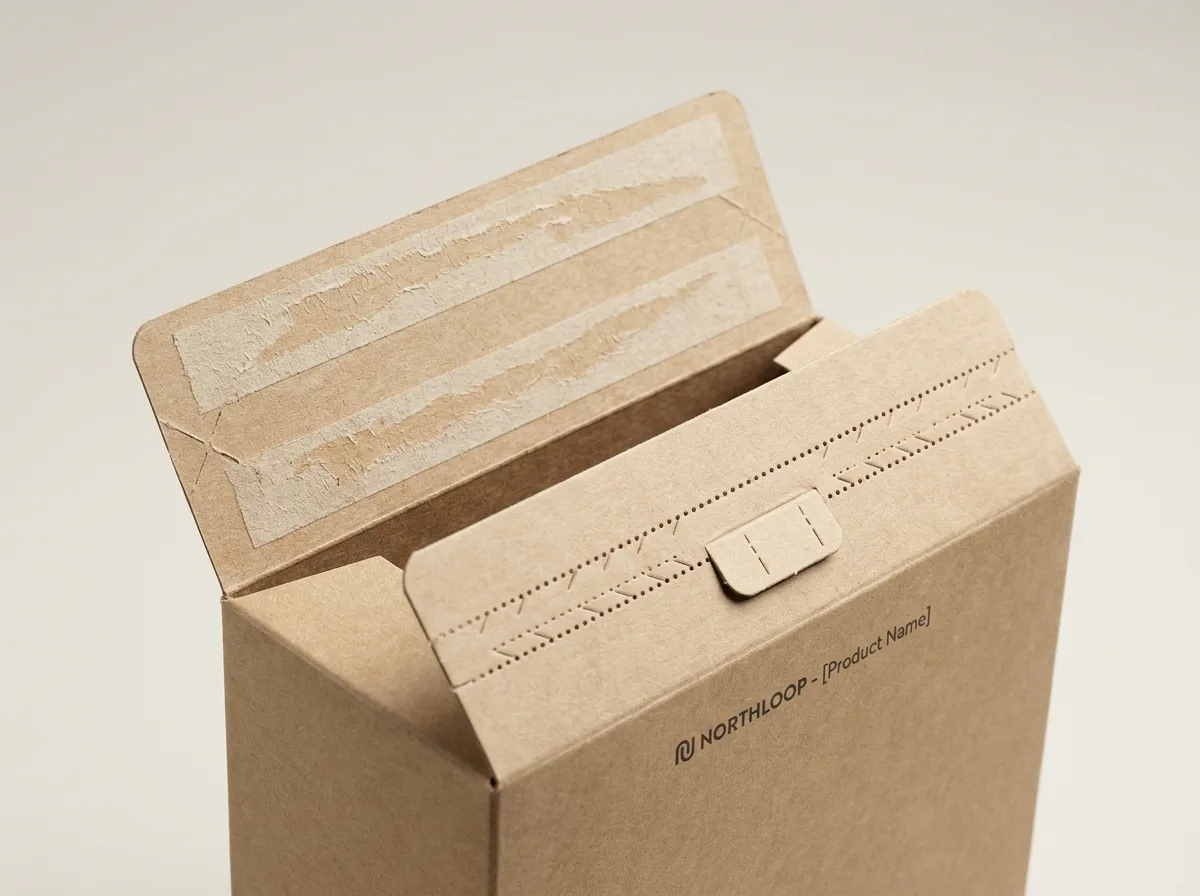
- Stage 1: Hand bench sealing for 1,000 to 5,000 cartons (Hot-melt glue gun or ATG tape): At a co-packer table or commercial kitchen bench, workers pop the flat tube open, fold the minor dust flaps in, run two beads of fast-setting food-packaging hot-melt glue (or two strips of high-tack 3M ATG double-sided transfer tape) across the unvarnished glue-assist strips on the inner major flap, and press the outer major flap flat for 2 seconds.
- Stage 2: Hybrid Auto Lock Bottom + Seal End Top (cuts hand gluing in half): If you pack by hand and want a glued tamper-evident top lid with zero bottom gluing, ask our team for a hybrid carton that combines a pre-glued Auto Lock Bottom base with a Seal End zipper-strip top!
- Stage 3: Automated horizontal or vertical glue cartoners for 5,000 to 100,000+ cartons: On automated CPG lines, rotary suction cups erect the pre-broken carton, push the inner bag or bar array inside, plough the minor flaps in, fire timed beads of hot-melt adhesive onto the glue-assist knockouts, and compress the major flaps shut at 40 to 200+ cartons per minute.
Know your size? Compare pricing across up to 3 quantities.
Request a Quote →Can a seal end box double as a tear-away retail shelf caddy?
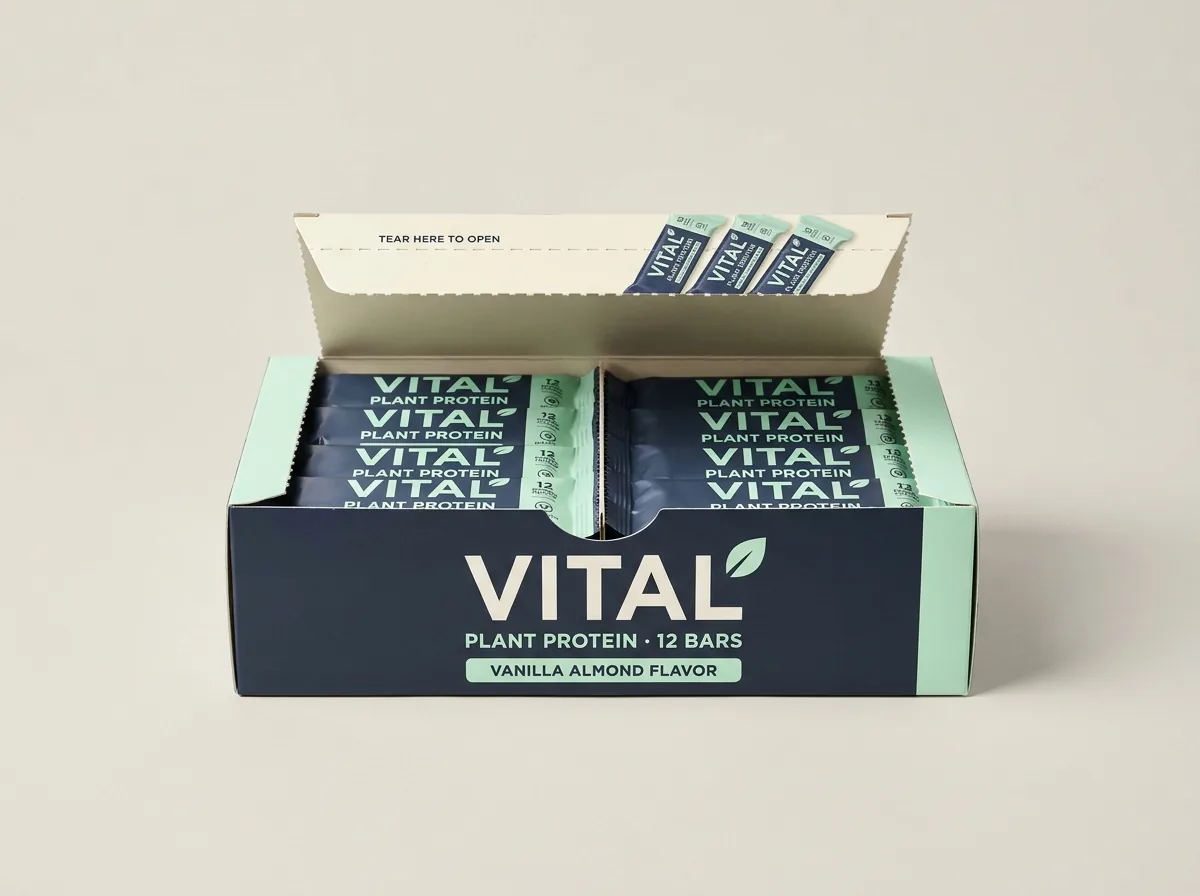
One of the biggest advantages of a seal end carton for custom protein bar boxes, custom cookie boxes, and custom candy boxes is that the glued body remains 100% rigid even when a large section of the top and front wall is removed
- Caddy-style perforated hood: Because the bottom flaps and rear top corners are permanently glued, we can add a U-shaped perforation line across the top panel and halfway down the front panel. Store clerks or consumers pull off the perforated hood in one piece, turning the sealed shipping box into an open-front shelf dispenser tray.
- Vertical vs horizontal shelf blocking: You can print the narrow end flap for warehouse club-store stacking while printing the wide front panel for upright grocery shelf display.
How do I choose the right seal end configuration for my product?
Before requesting your quote, check our companion guides on how to measure and choose board for seal end boxes and seal end box dieline, tear strips, and glue flaps explained. When you order printed seal end cartons from CubitPack starting at 1,000 units, our specialists match the flap geometry, score pre-breaking, and glue-assist knockout layout to your exact product weight and sealing workflow. Because we charge zero die or plate fees, switching from a standard slotted Full-Overlap Seal End carton to a Sift-Proof corner-ear carton or a hybrid Auto Lock Bottom + Seal End Top adds no custom tooling surcharge. Use this 5-step decision checklist to lock in the right structural spec before approving your free 2D dieline and 3D mockup
- Step 1: Choose Standard Full-Overlap Seal End (FOSE) for bagged cereal, granola pouches, cookie trays, microwave popcorn bags, and flow-wrapped nutrition bars, or Sift-Proof Seal End with webbed corner ears for unwrapped dry pasta, rice, grains, sprinkles, and hard candy.
- Step 2: Match your bottom closure to your fulfillment setup: choose standard glued seal end flaps if you run an automated horizontal or vertical cartoner (or seal both ends with a hot-melt gun or ATG tape dispenser), or ask for a hybrid pre-glued Auto Lock Bottom base with a Seal End top to cut hand-gluing time in half.
- Step 3: Select your board caliper by payload weight and stacking height: 18 pt SBS or Kraft for light 3.5 to 10 oz cartons, 20 pt for standard 10 to 20 oz cereal and granola boxes, 24 pt for heavy 12-count protein bar multipacks up to 2.5 lb, or E-flute corrugated board up to 5 lb.
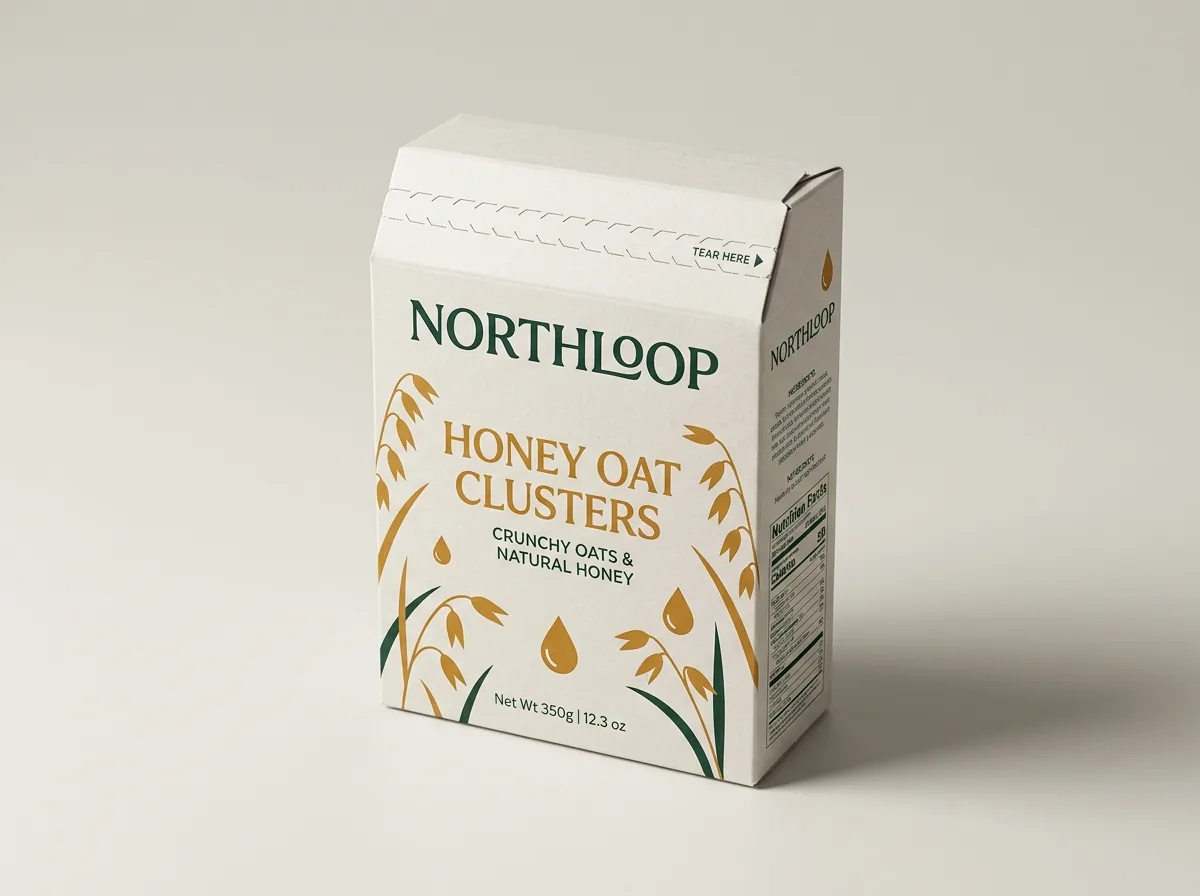
- Step 4: Add a consumer-friendly opening mechanism to the top or side panel, such as a double-rule perforated zipper tear strip with a tab-in-slot pantry reclosure, a side press-in gusset pour spout, or a U-shaped perforated retail shelf caddy hood.
- Step 5: Review your free 2D vector dieline proof and interactive 3D mockup before payment to verify that bare, unvarnished glue-assist knockout strips are positioned on the inner major flaps and side glue seam.
What are the most common mistakes when choosing between seal end, tuck end, and auto lock boxes?
Avoid these five structural mismatches when planning your food or retail packaging run
- Using a light friction-tuck carton for a heavy 12-count protein bar multipack or 18 oz cereal bag whose weight can pop an unglued bottom flap open in transit.
- Ordering a standard slotted seal end carton for loose unwrapped powders or tiny sprinkles without either an inner barrier pouch or sift-proof Van Buren corner ears.
- Using low-tack craft glue or standard cellophane tape on coated paperboard instead of packaging-grade hot-melt adhesive or high-tack ATG transfer tape on bare glue-assist knockouts.
- Forgetting to specify pre-broken longitudinal crease lines when ordering seal end cartons for a high-speed automatic horizontal cartoner.
- Gluing the top flaps shut without adding a perforated zipper tear strip, thumb pull tab, or side pour spout for the consumer.
Get a seal end dieline at your size
A simplified drawing for planning your design. Your free production dieline comes with your proof, made for your exact size and board.
Packaging for this
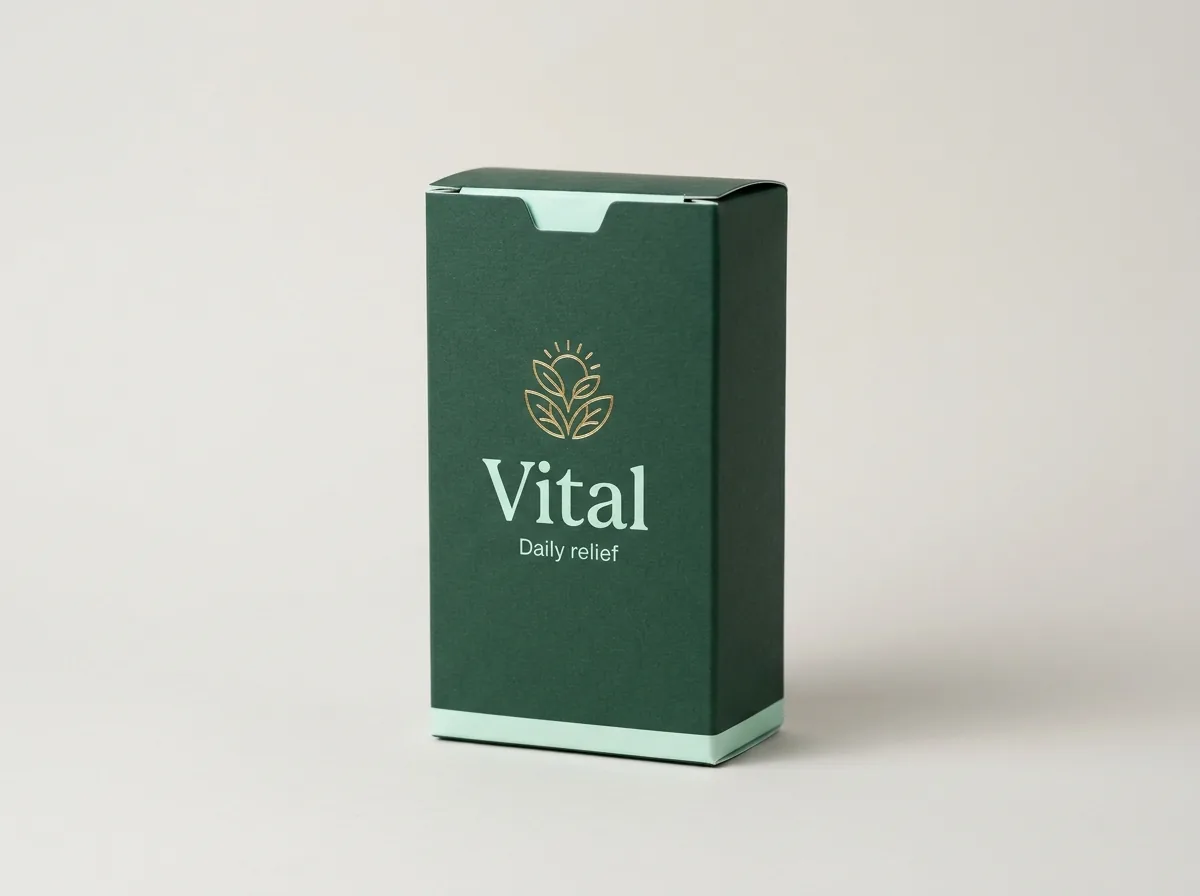
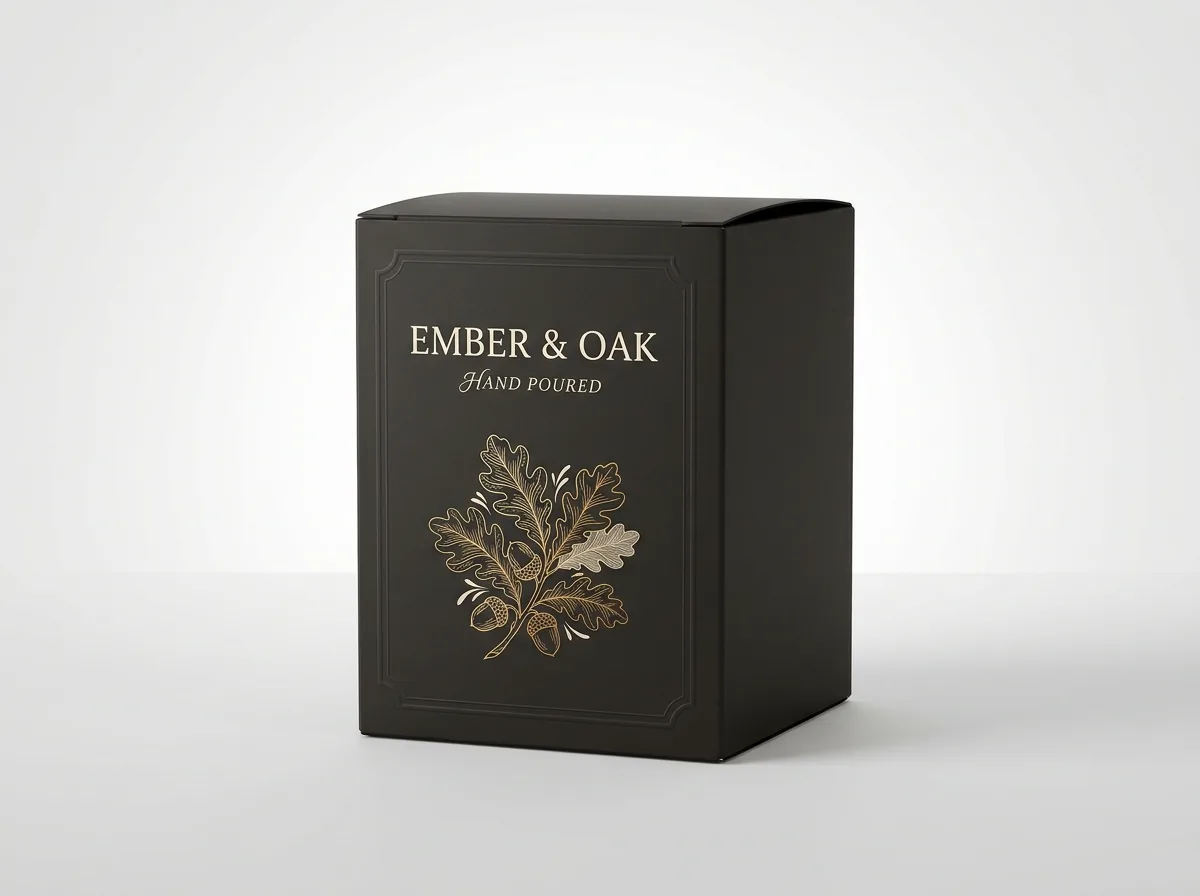
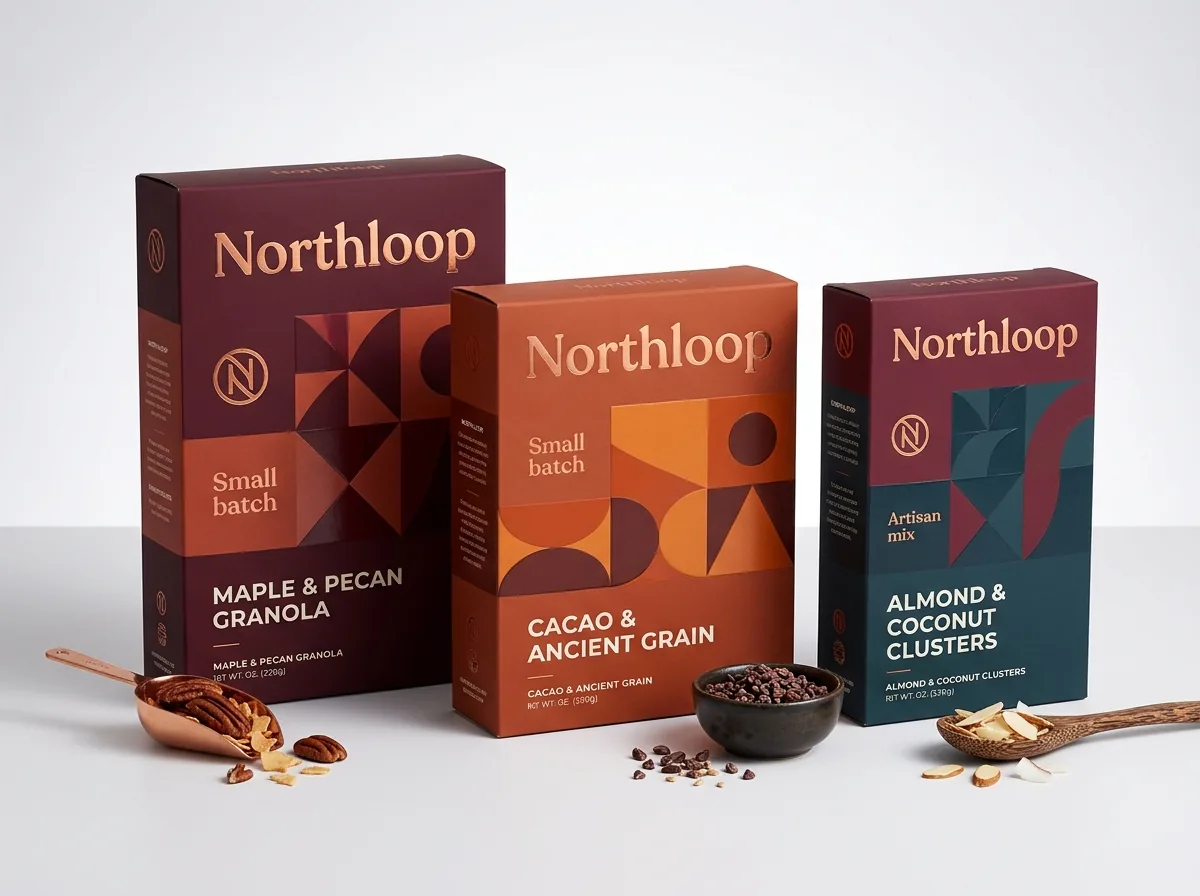
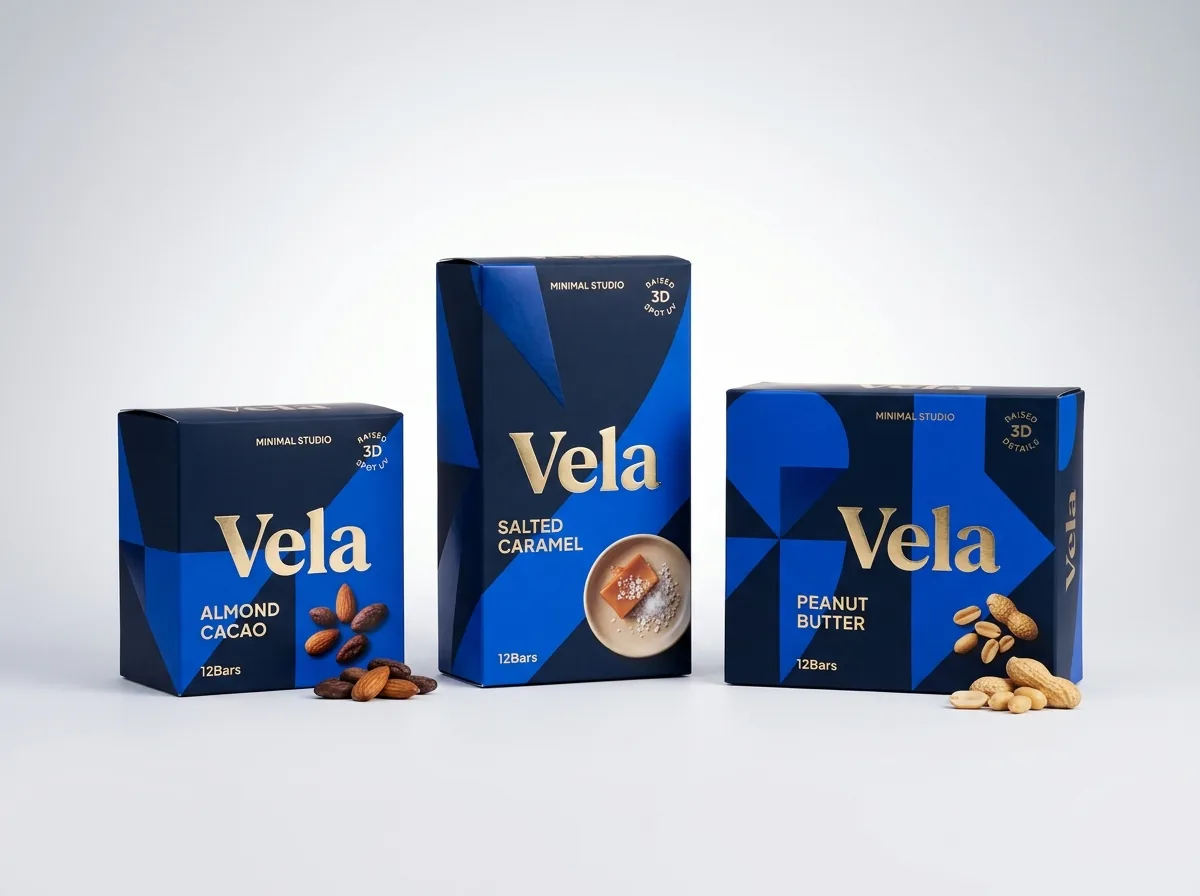
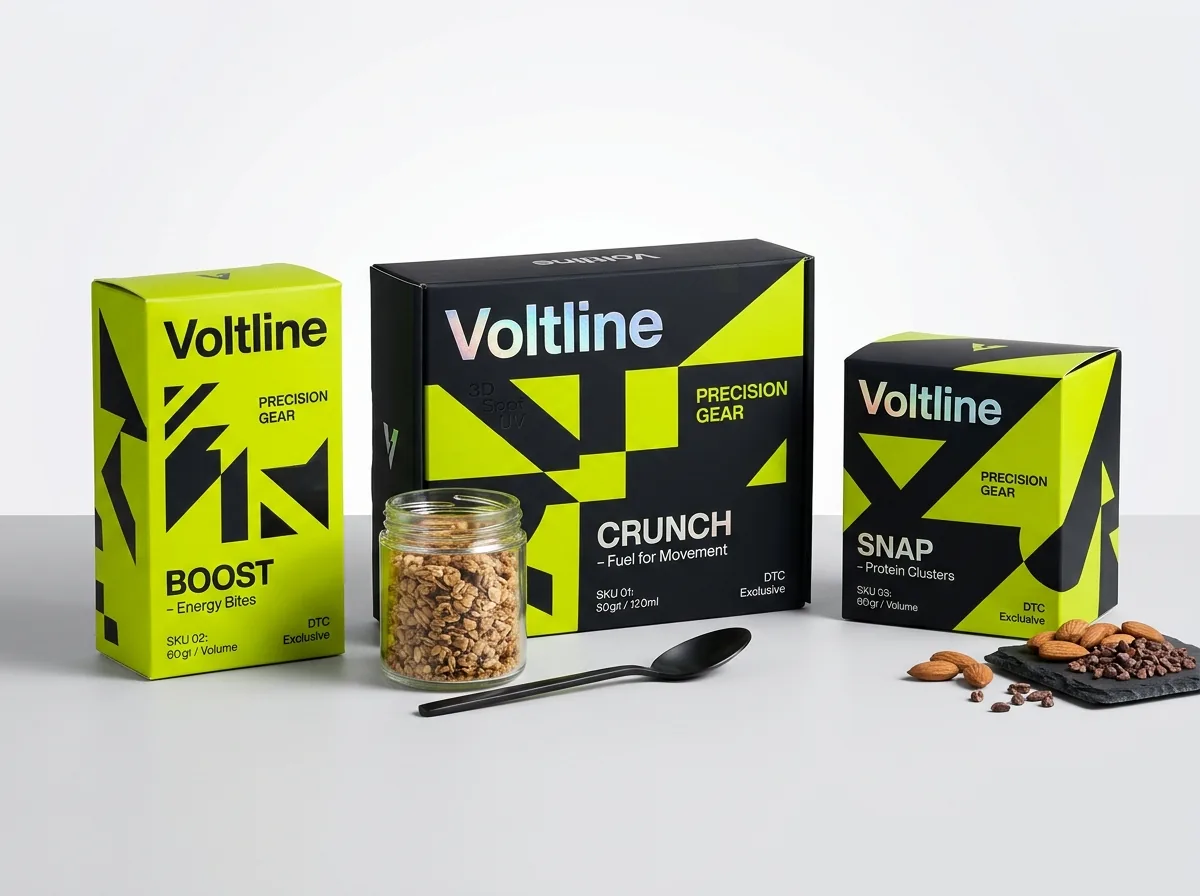
Ready to order seal end boxes? Compare up to 3 quantities with a free 3D mockup.
Request a Quote →Questions about seal end boxes
Why do grocery retailers prefer seal end boxes over tuck end boxes for cereal, snacks, and bars?
Grocery chains prefer glued seal end boxes because the bonded major flaps provide immediate, visible fiber-tear tamper evidence without extra plastic shrink wrap or sticker labels, and the double-layered glued bottom resists crushing on stacked supermarket pallets.
Can I seal 1,000 seal end boxes by hand without buying a cartoning machine?
Yes. Thousands of emerging food and nutrition brands seal runs of 1,000 to 5,000 cartons at a hand packing table using a commercial hot-melt glue gun or a 3M ATG double-sided transfer tape dispenser.
What is a hybrid Auto Lock Bottom with a Seal End Top?
It is a folding carton whose bottom base is pre-glued in a 4-flap crash-lock pattern (so it pops flat in 3 seconds by hand with zero bottom gluing) while the top opening uses four overlapping seal end flaps with a zipper tear strip.
When do I need a sift-proof seal end box?
You only need a sift-proof seal end box (with webbed gussets or Van Buren corner ears) if you pour loose, unwrapped dry granules (such as rice, short pasta, hard candy, or powdered detergent) directly into the paperboard carton without an inner bag.
Can a seal end box have both a zipper tear strip for consumers and a perforated caddy hood for stores?
Yes. We can die-cut a top zipper tear strip for single-box buyers or a front-and-top perforated caddy window so convenience stores and gyms can display individual protein bars or snack packs right inside the carton.
Still have a question? Ask a packaging specialist.
Request a Quote →Request your seal end boxes quote
Tell us your size and quantities, and one dedicated account manager prepares pricing for each tier.
- Free design & AI-to-print studio + 3D mockup
- No die or plate charges · 4–5 day rush available
- Free shipping to all 50 states
- 10% off your first order
We verified ECMA A10.10.01.01 (Seal End), Sift-Proof Van Buren ear geometry, A20.20.03.01 (RTE), and A60.20 (Auto Lock) specifications against European Carton Makers Association (ECMA) and Paperboard Packaging Council (PPC) food packaging handbooks. A packaging specialist checked every comparison row. Spot something wrong? Tell us and we fix it.
Sources
What changed
- October 25, 2026: First published with 4-way structural comparison matrix, Standard vs Sift-Proof diagram, hand bench vs automated cartoner guide, and caddy options.
More guides
New packaging guides by email
Sizes, materials and design tips. Unsubscribe anytime.