
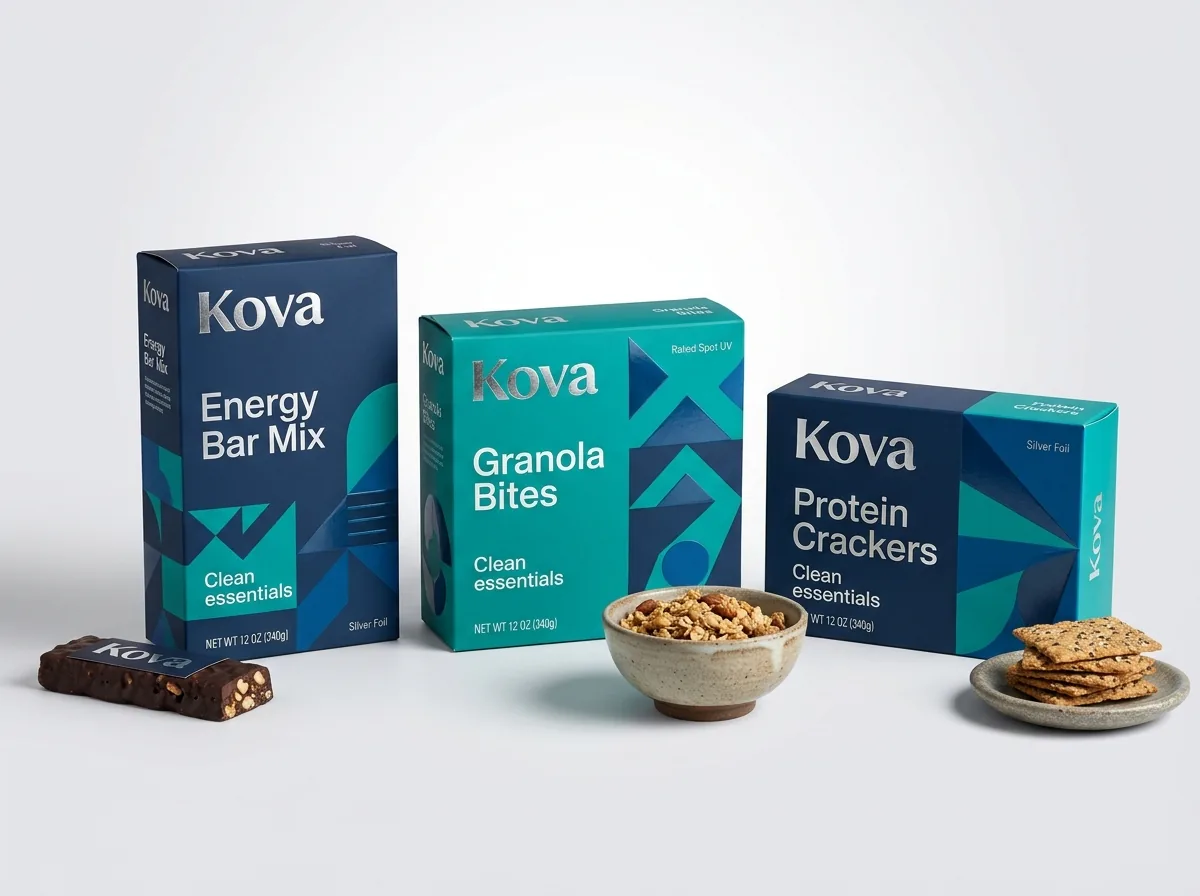
- Built to order for dry pantry cartons, bag-in-box groceries, frozen meal sleeves, and restaurant takeout.
- Orders start at 1,000 boxes with 10 to 14 business day production and 4 to 5 day rush options.
- Food-contact liners, grease barriers, and low-migration inks available on request through partner facilities.
- Free dielines, artwork setup, digital proofs, 3D mockups before payment, and free shipping to all 50 states.
Custom Food Boxes
Custom food boxes printed with your branding and Nutrition Facts for dry groceries, frozen trays, gourmet jar sets, and restaurant carryout. Starting at 1,000 boxes in 10 to 14 business days (rush in 4 to 5), with free design help, zero die charges, and free 50-state delivery. Food-safe liners and barriers are available on request.
What are custom food boxes?
Custom food boxes are printed paperboard, kraft, or corrugated cartons sized around packaged pantry staples, chilled or frozen meal trays, specialty jars, or prepared carryout foods. In grocery and foodservice packaging, cartons fall into two groups: secondary outer boxes that hold a sealed inner pouch, flow-wrap, or jar (such as crackers, tea bags, pancake mix, or hot sauce), and direct-contact boxes where unwrapped dry or warm foods touch the inner wall. Secondary cartons focus on stacking strength, clean barcode scannability, and freeze-thaw moisture resistance, while direct-contact orders can be produced on request in certified partner facilities with food-contact liners or grease-resistant barriers. At CubitPack, custom food boxes start at 1,000 units and ship in 10 to 14 business days (4 to 5 days rush), with free design help, no die or plate fees, a digital proof and 3D mockup before payment, and free 50-state shipping.
Food boxes facts
- Minimum
- 1,000 boxes
- Turnaround
- 10–14 business days
- Rush
- 4–5 business days, quoted
- Materials
- White card, unbleached kraft, corrugated, recycled
- Printing
- CMYK, Pantone, inside print, white ink on kraft
- Finishes
- Matte, gloss, soft-touch, foil stamping, embossing, spot UV
- Add-ons
- Clear windows, tear strips, carry handles, jar dividers
- Food contact
- Food-contact liners & barriers on request
- Shipping
- Free across all 50 US states
Which food box style fits grocery shelves, freezers, and takeout?
| Box style | Best food application | Closure security | Window or handle | Packing method |
|---|---|---|---|---|
| Seal end | Dry pasta, rice, grains, crackers, and pantry mixes | Glued top and bottom flaps (tamper-evident) | Optional front window or pour spout | Hand glue, tape, or automated line |
| Straight tuck end | Bag-in-box snacks, spice tins, and frozen meal trays | Friction tuck flaps with slit locks | Optional clear window patch | Fast manual or machine cartoning |
| Auto lock bottom | Heavy glass sauce jars, honey, olive oil, and multi-packs | Pre-glued crash-lock floor | Optional window or cardboard divider | 2-second pop-open hand assembly |
| Gable box | Hot or cold carryout combos, box lunches, market packs | Interlocking top tab with auto lock base | Built-in top carry handle | Pop-open base, fold-shut top |
| Tray and sleeve | Ready-to-heat meal trays, sushi, and gourmet tastings | Open-ended slide sleeve over a tray | Top cutout or full-wrap print | Slides directly over sealed tray |
| Window box | Artisan pasta shapes, tea sachets, and charcuterie kits | Tuck or auto lock bottom | Clear film window patch | Standard fold |
Not sure which style fits?
Request a Quote →What size custom food box do I need for pantry, frozen, or takeout packs?
We cut every food carton to your exact inside Length × Width × Height in inches with no die fees. Use these common grocery and foodservice dimensions as a starting benchmark before measuring your filled inner pouch, tray, or jar. Whether you are comparing printed food packaging boxes, food boxes with logo, retail grocery folding cartons, takeout and pantry food boxes or custom paperboard food cartons, we size the template to your exact container.
| Inside size (in) | Typically fits | Popular style |
|---|---|---|
| 5.5 × 2.0 × 5.75 in | 6-count to 8-count granola bars, protein packets, or broth sachets | Straight tuck end or dispenser perforated front |
| 4.5 × 2.25 × 7.25 in | 12 oz to 16 oz dry short-cut pasta, rice, quinoa, or baking mix | Seal end with clear pasta window |
| 6.0 × 2.5 × 8.25 in | 6 oz to 8 oz cracker, biscuit, or pretzel pillow bag (bag-in-box) | Seal end or straight tuck end |
| 7.5 × 6.0 × 1.75 in | Single-serve frozen meal tray or chilled heat-and-eat entree | Straight tuck end or slide sleeve |
| 9.0 × 5.0 × 5.0 in | Restaurant carryout lunch combo, sandwich + side + drink | Gable box with built-in carry handle |
| 10.5 × 3.75 × 6.5 in | Three 8 oz gourmet jam, salsa, or spice jars with divider | Auto lock bottom or corrugated mailer |
Suggested inside size: 5.5 × 2.0 × 5.75 in
A starting point. Your account manager confirms the size with you before the proof.
Quote this size →Know your product's size? Work out the inside box size with our free box size calculator.
Have your inside dimensions ready? Request pricing across up to 3 quantities.
Request a Quote →How do I choose food boxes?
- Confirm direct vs indirect contactTell us if food is sealed inside a pouch or jar, or if it touches the board directly so we quote the right barrier.
- Measure the filled pouch or trayFilled pillow bags bulge at the center; measure the thickest point of a filled bag, not an empty flat pouch.
- Match board to storage temperatureDry pantry shelves use standard card or kraft; chilled and frozen cases need laminated board that resists condensation.
- Pick the closure for your lineTuck ends and auto lock bottoms close by hand in seconds; seal-end flaps glue shut for tamper-evident grocery shelves.
- Plan your Nutrition Facts & allergen panelsReserve the right side panel for your FDA Nutrition Facts table, ingredient list, and bold allergen statement.
- Approve your 3D mockup before paymentCheck every panel crease, window cutout, and barcode zone on your digital proof and 3D mockup before paying.
What are food boxes made of?
Which finishes can food boxes have?
Which add-ons can I get?
Food boxes specifications
| Spec | Options |
|---|---|
| Board stocks | White paperboard, unbleached kraft, E-flute and B-flute corrugated, recycled board |
| Board thickness | Matched to net weight and stacking load |
| Food-contact options | Food-safe materials, grease/moisture barriers, and low-migration inks on request via certified partner facilities |
| Printing | Full-color CMYK, Pantone (PMS) spot matching, interior printing, white ink on kraft |
| Lamination & finishes | Matte, gloss, soft-touch lamination; foil stamping, embossing, debossing, spot UV |
| Windows & tear strips | Clear patched windows or open cutouts; zipper tear strips |
| Inserts | Custom cardboard and corrugated dividers for jars, bottles, and multi-packs |
| Minimum order | From 1,000 boxes; delivered within ±5% of ordered quantity |
| Proofing | Digital dieline proof and 3D mockup before payment; paid physical sample credited to order |
| Turnaround | 10–14 business days standard; 4–5 business days rush quoted on request |
| Shipping | Free shipping to all 50 US states; delivered flat for warehouse storage |
Ready to quote your food boxes? Compare up to 3 quantities with a free 3D mockup.
Request a Quote →What types of food products are packed in custom food boxes?
From center-aisle grocery staples to refrigerated heat-and-eat trays and restaurant carryout combos, the carton structure adapts to how your food is sealed, stored, and served. Tell us whether your food sits inside a pouch, tray, jar, or directly against the board, and we will recommend the right caliper and closure.
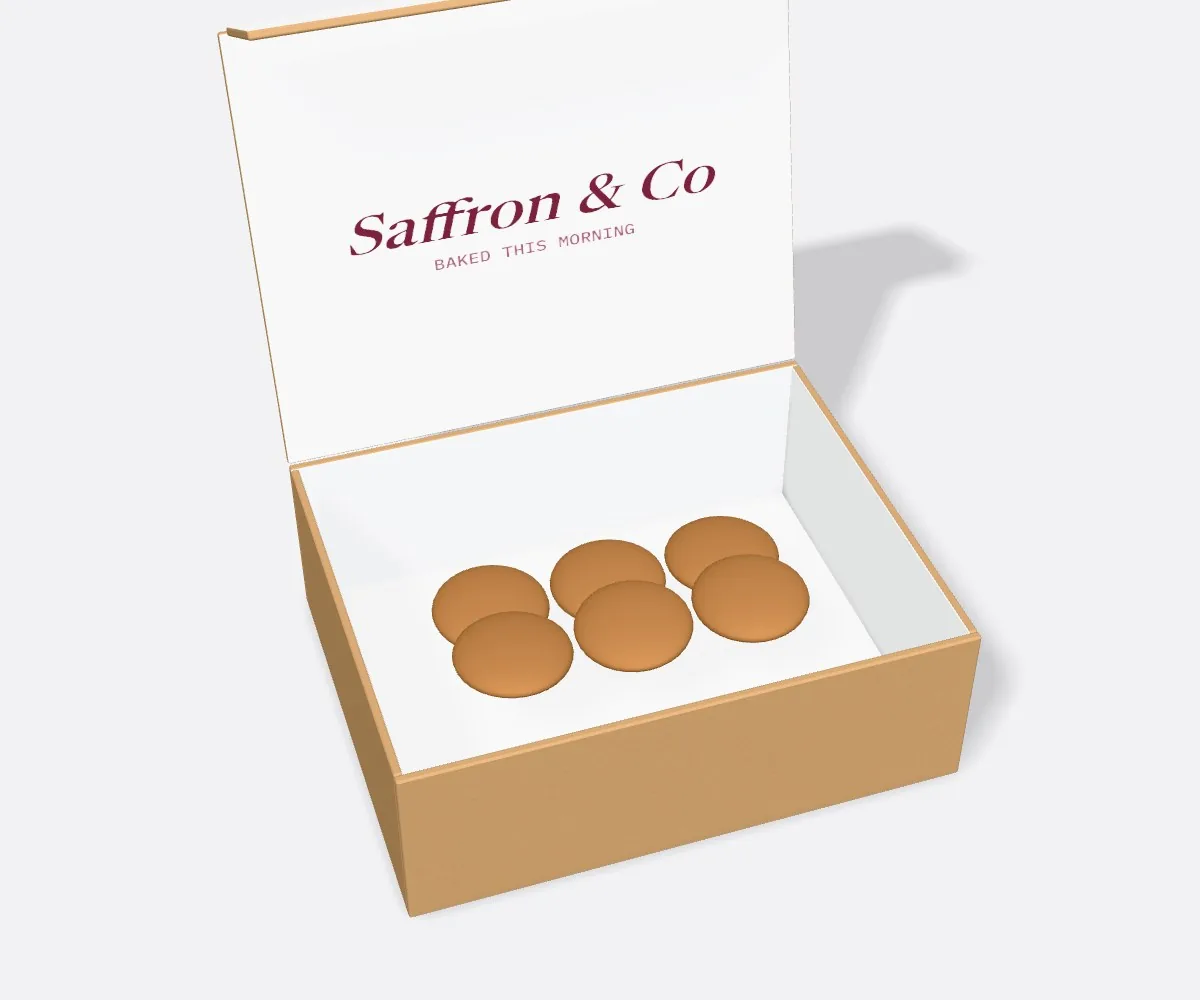
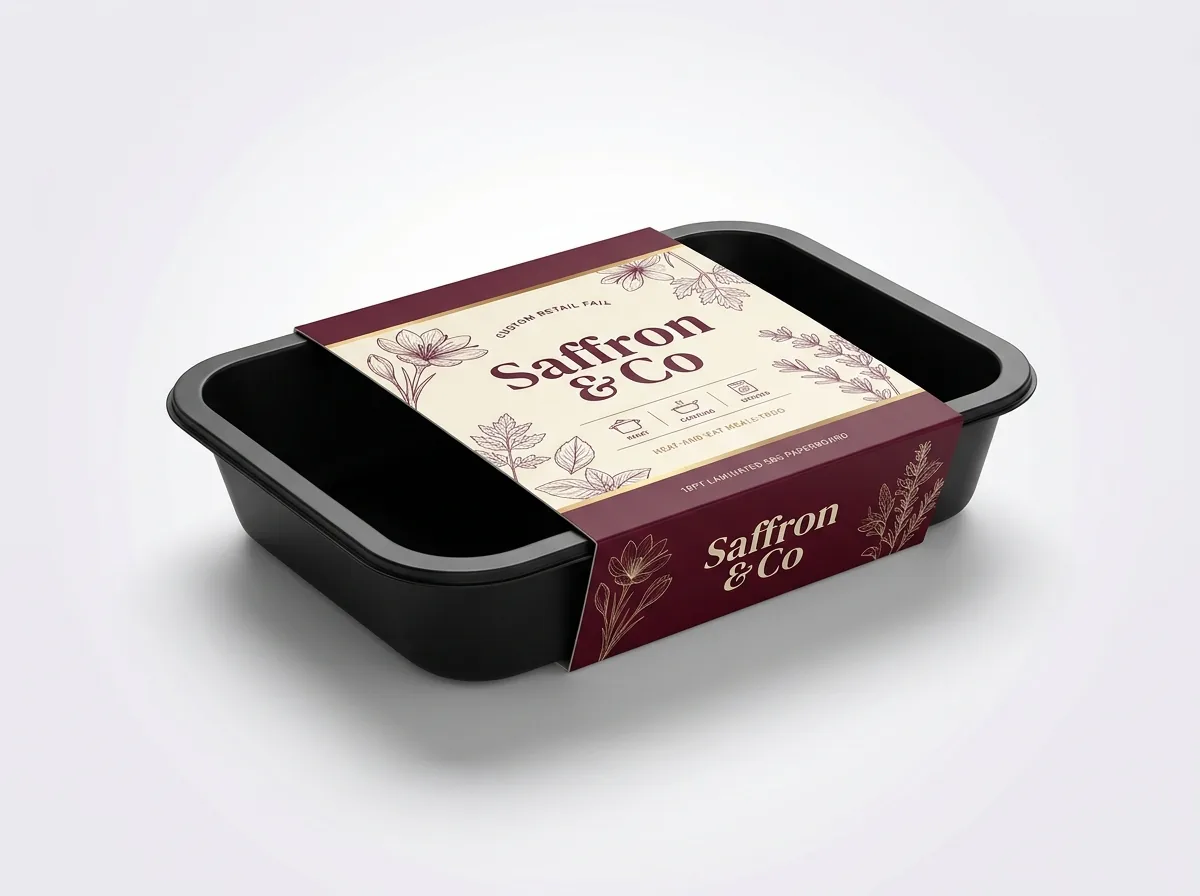
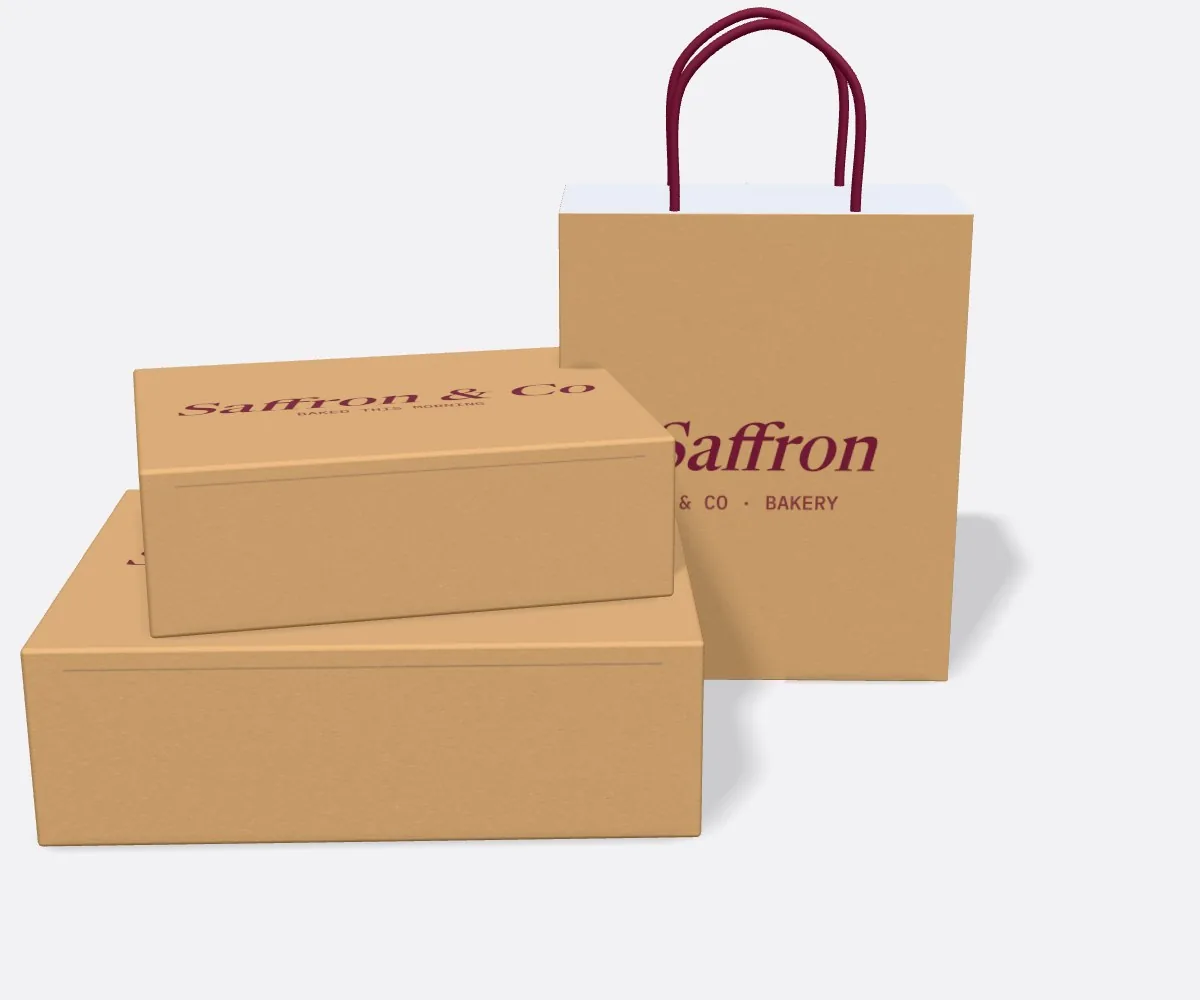
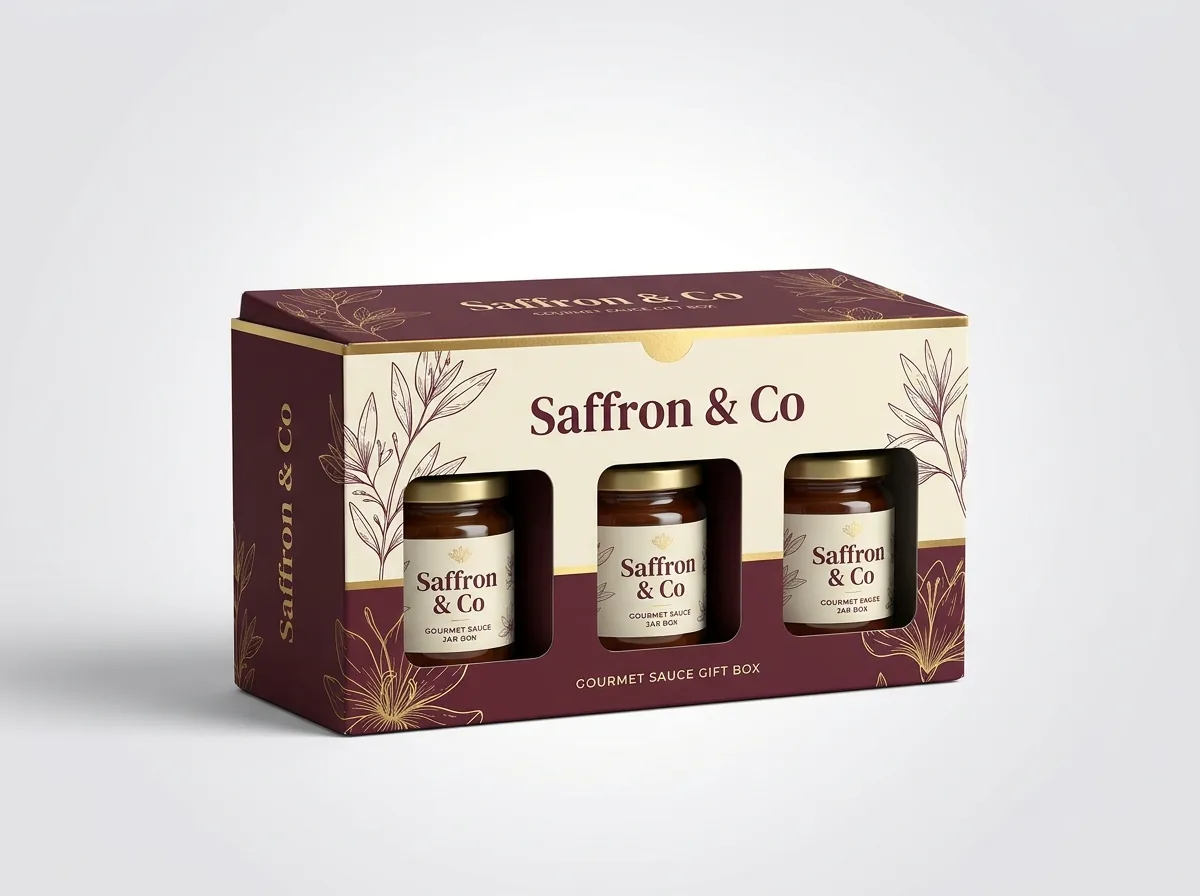
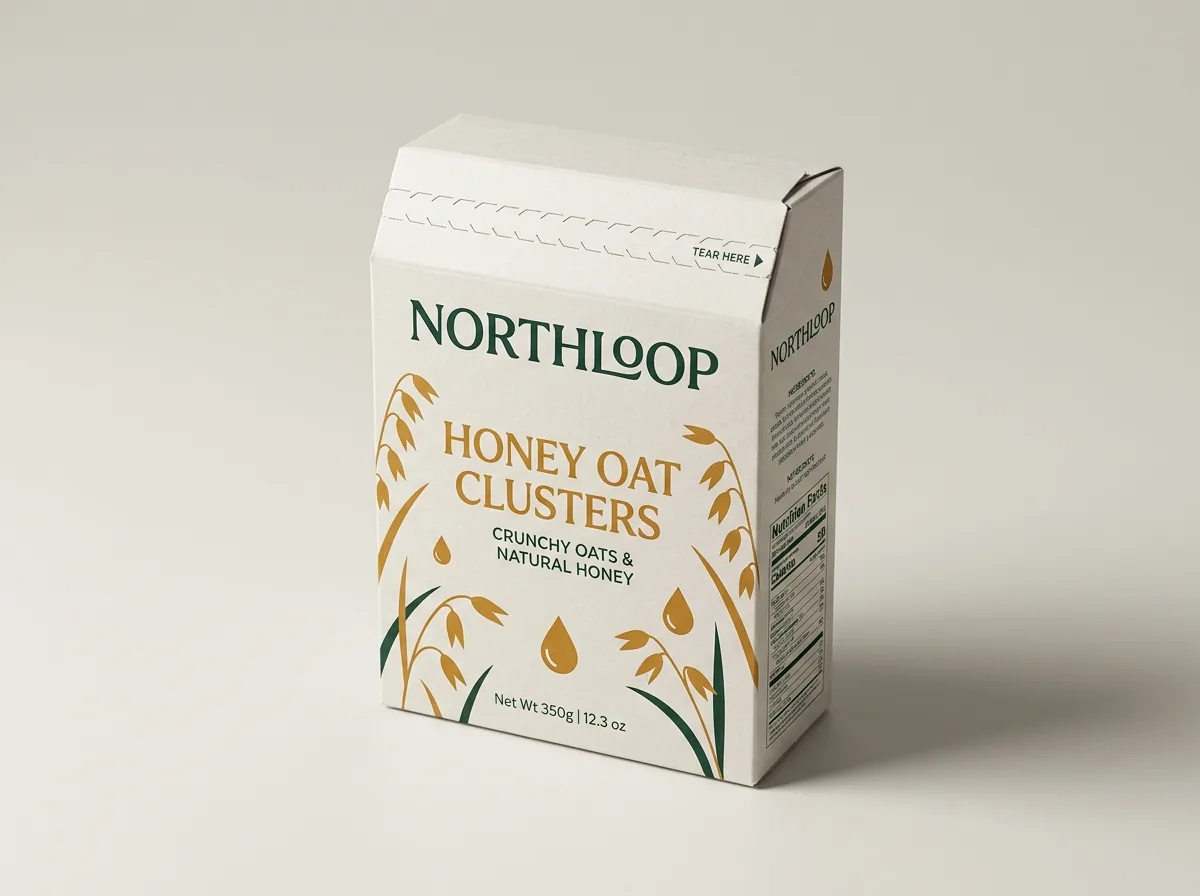
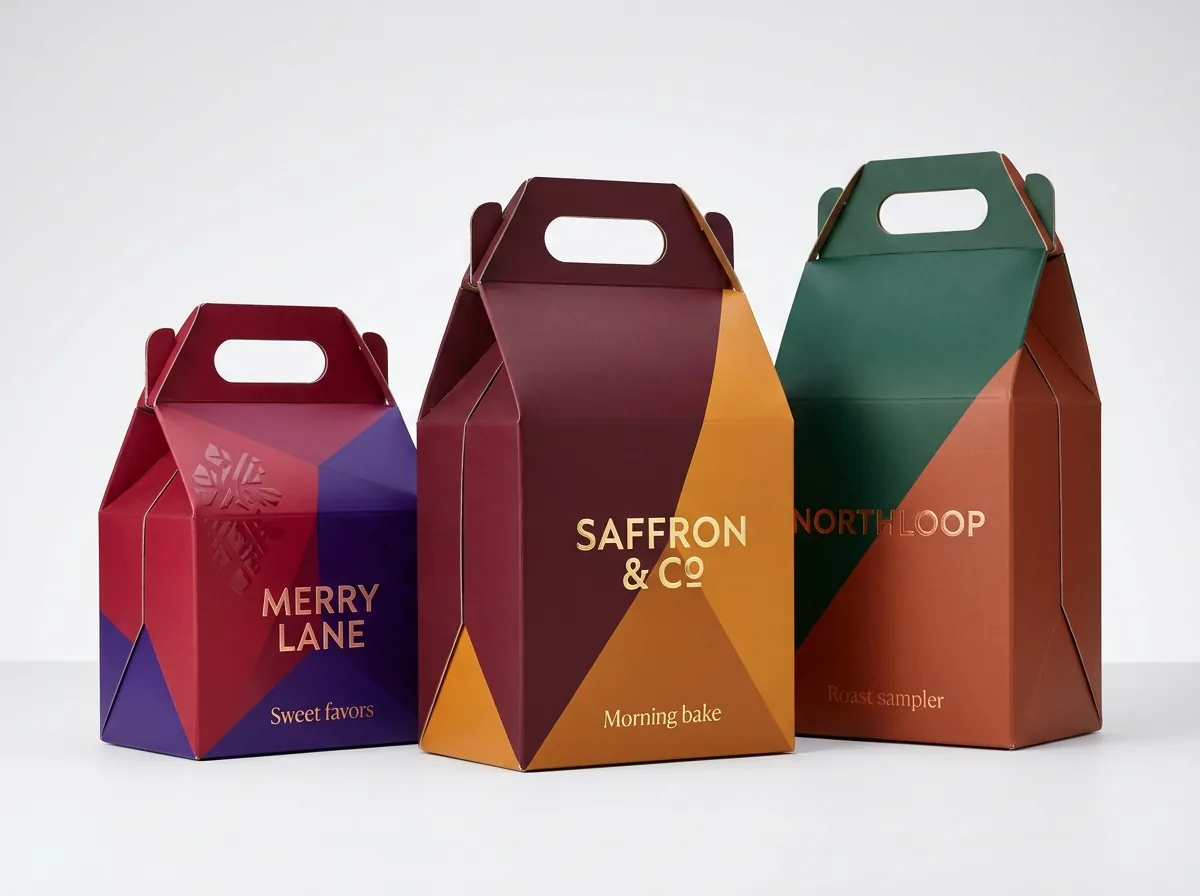
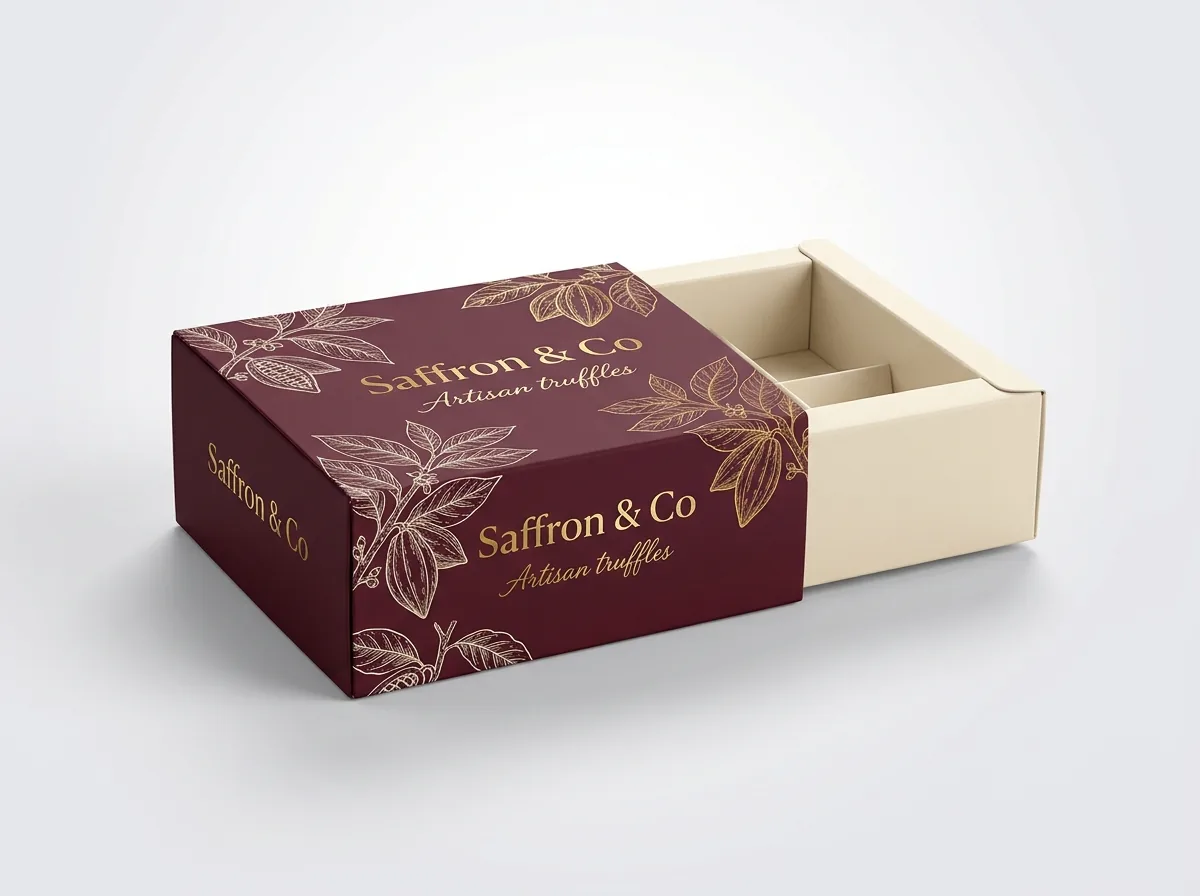
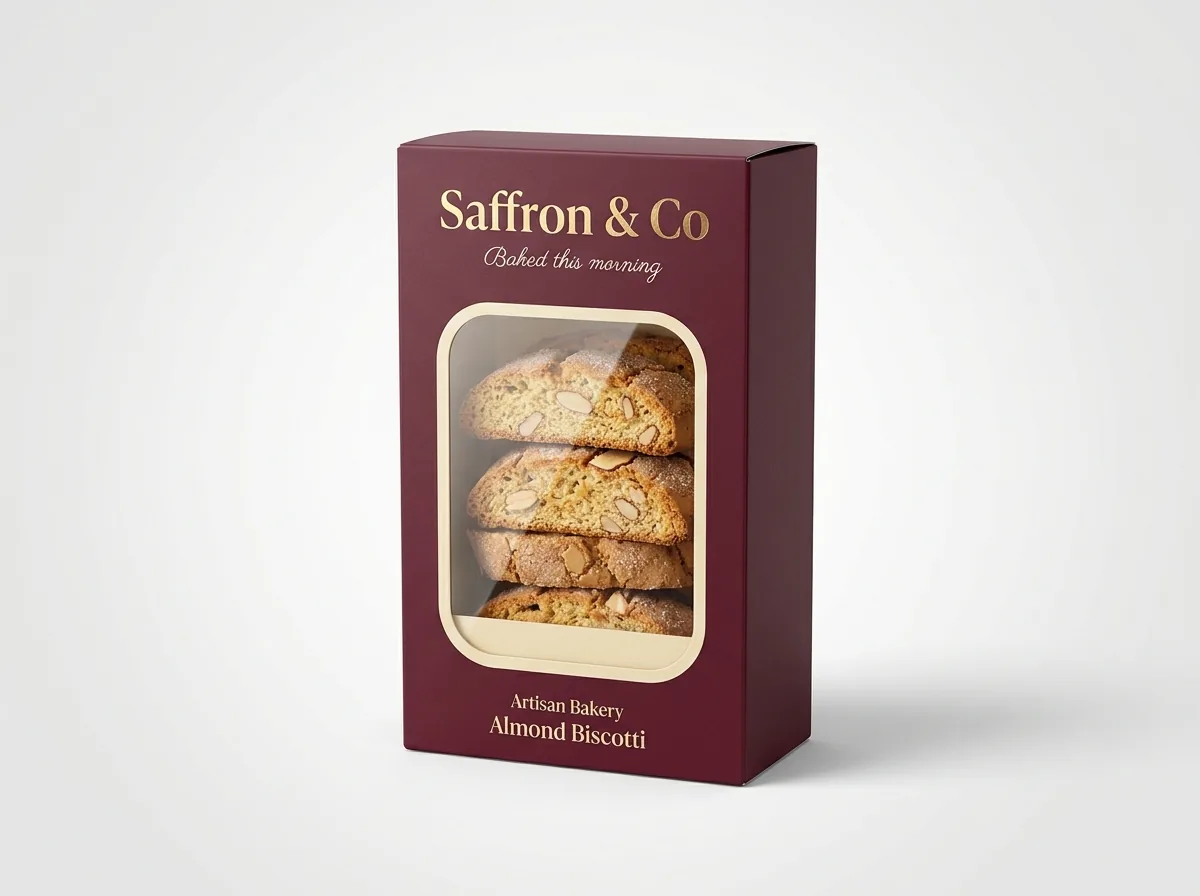
Food boxes design ideas
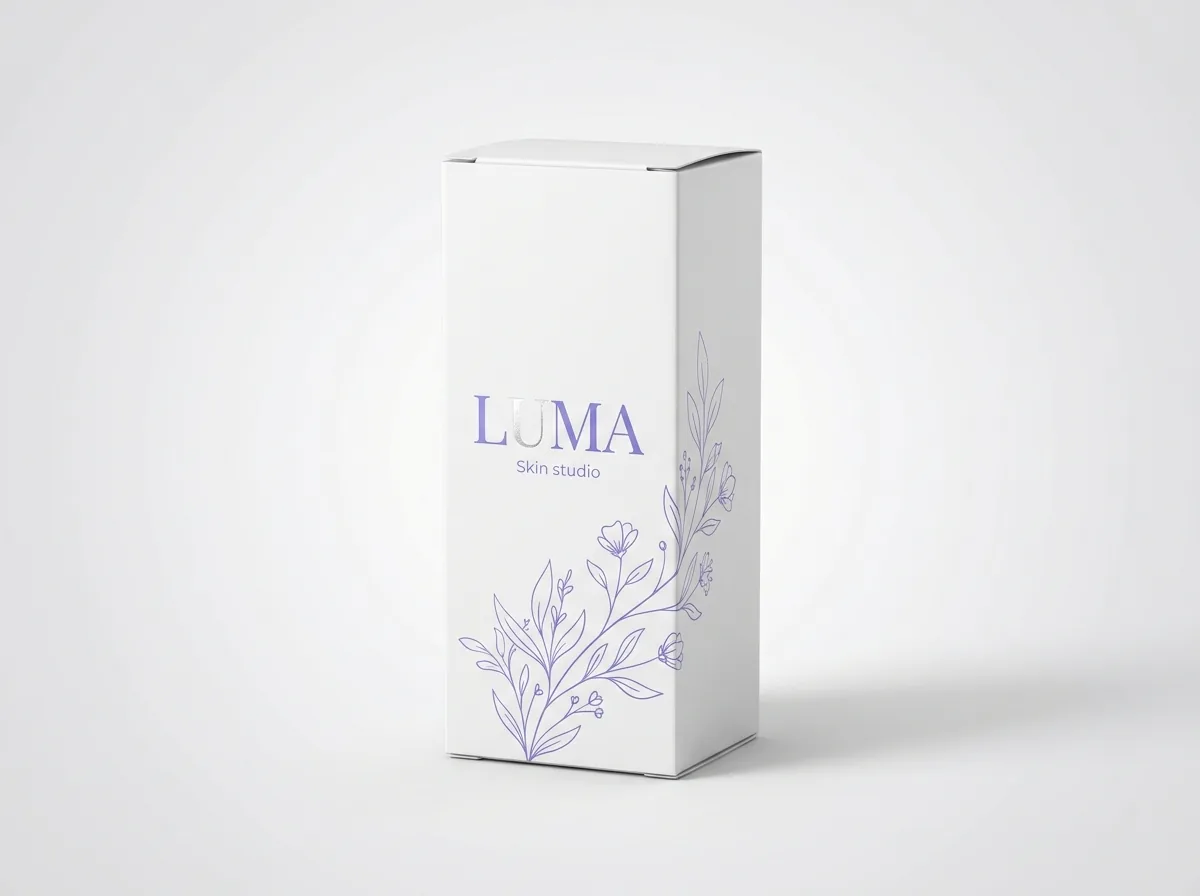
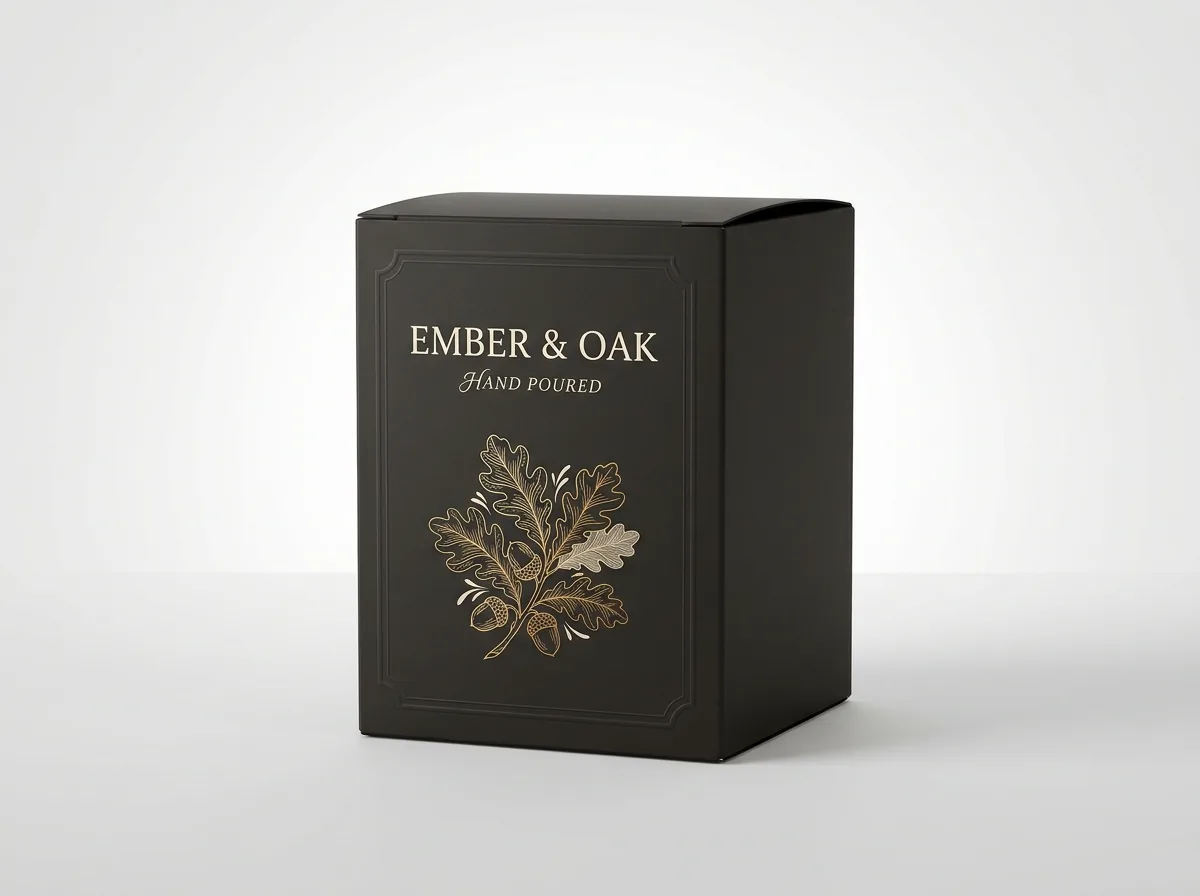
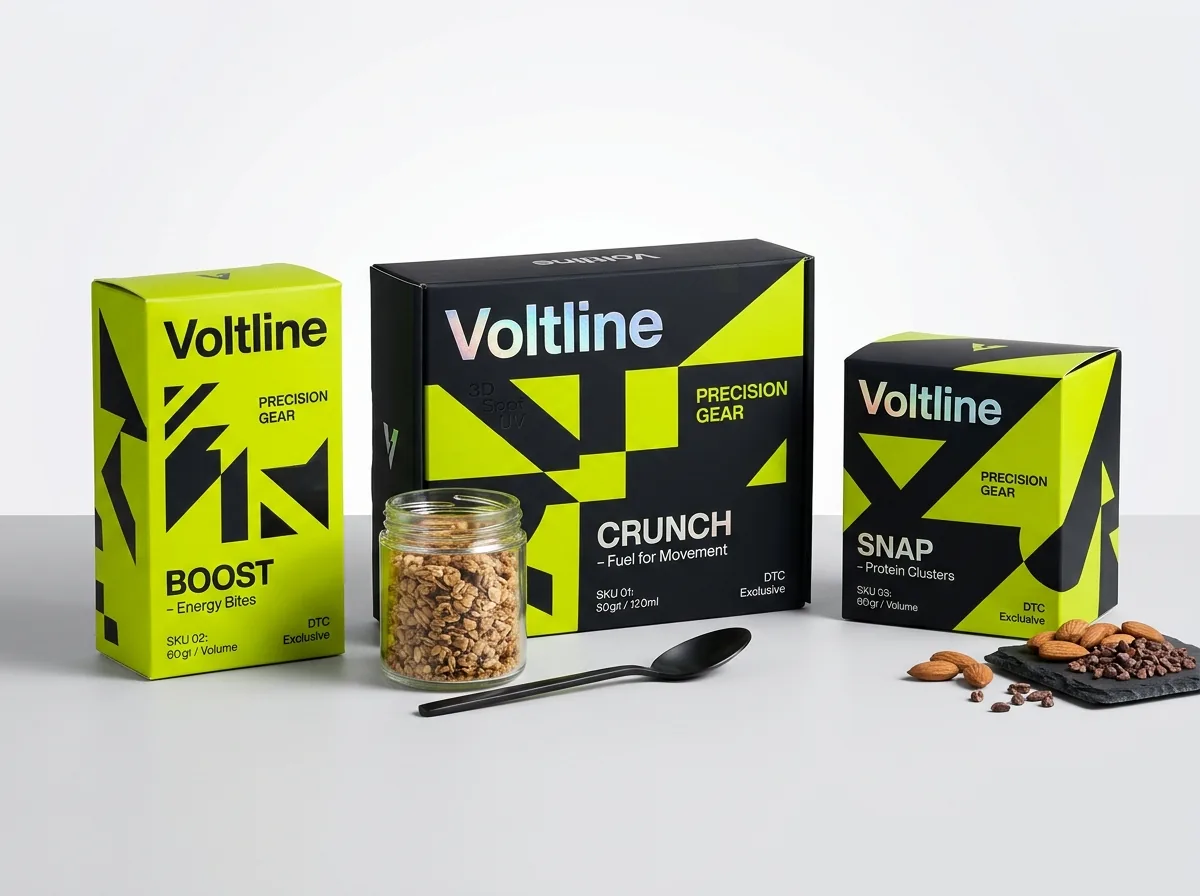
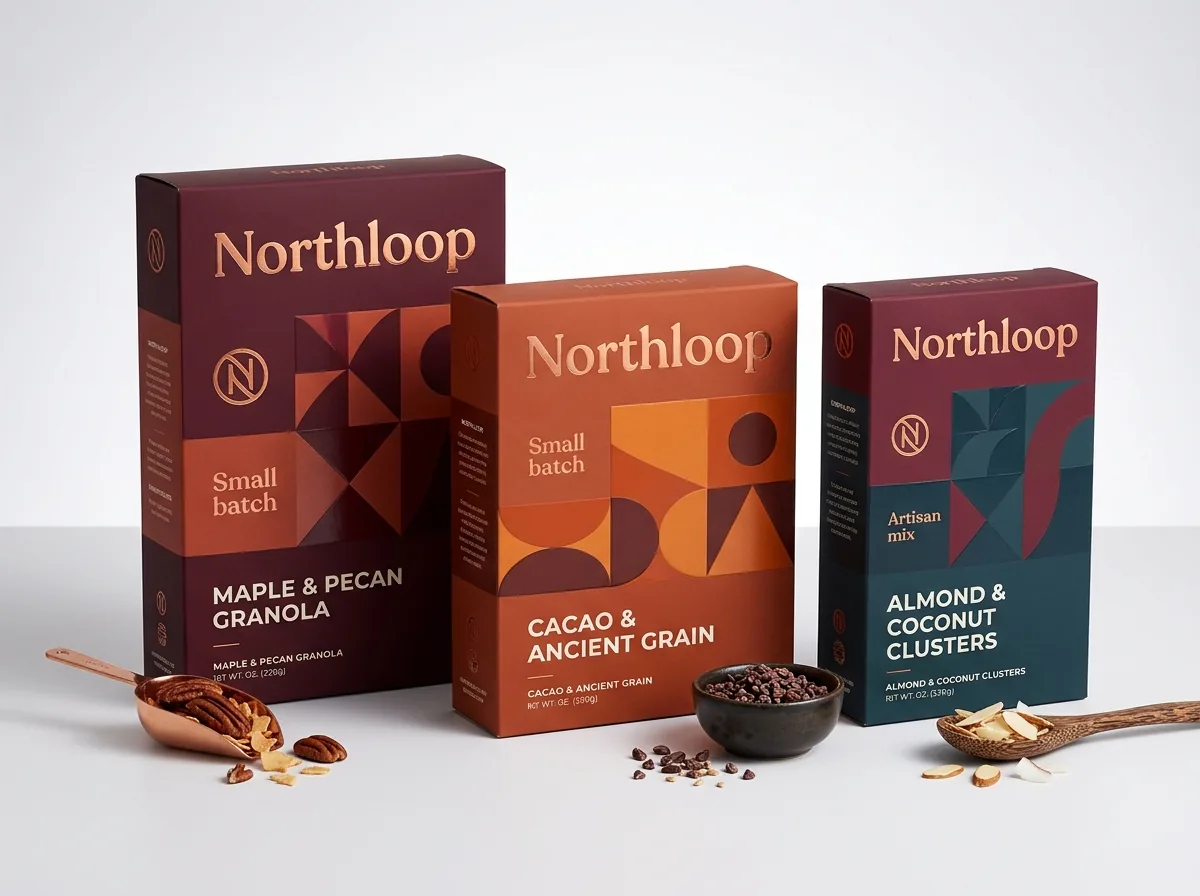
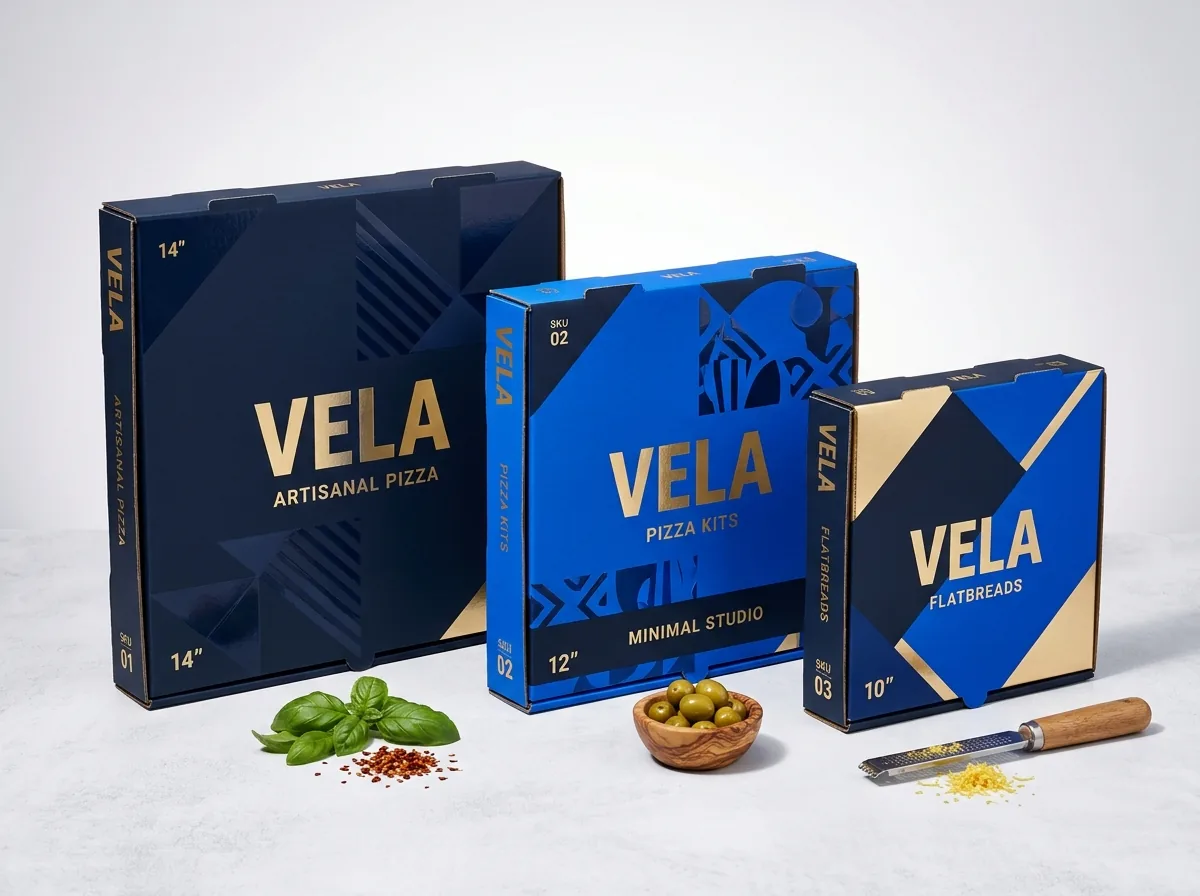
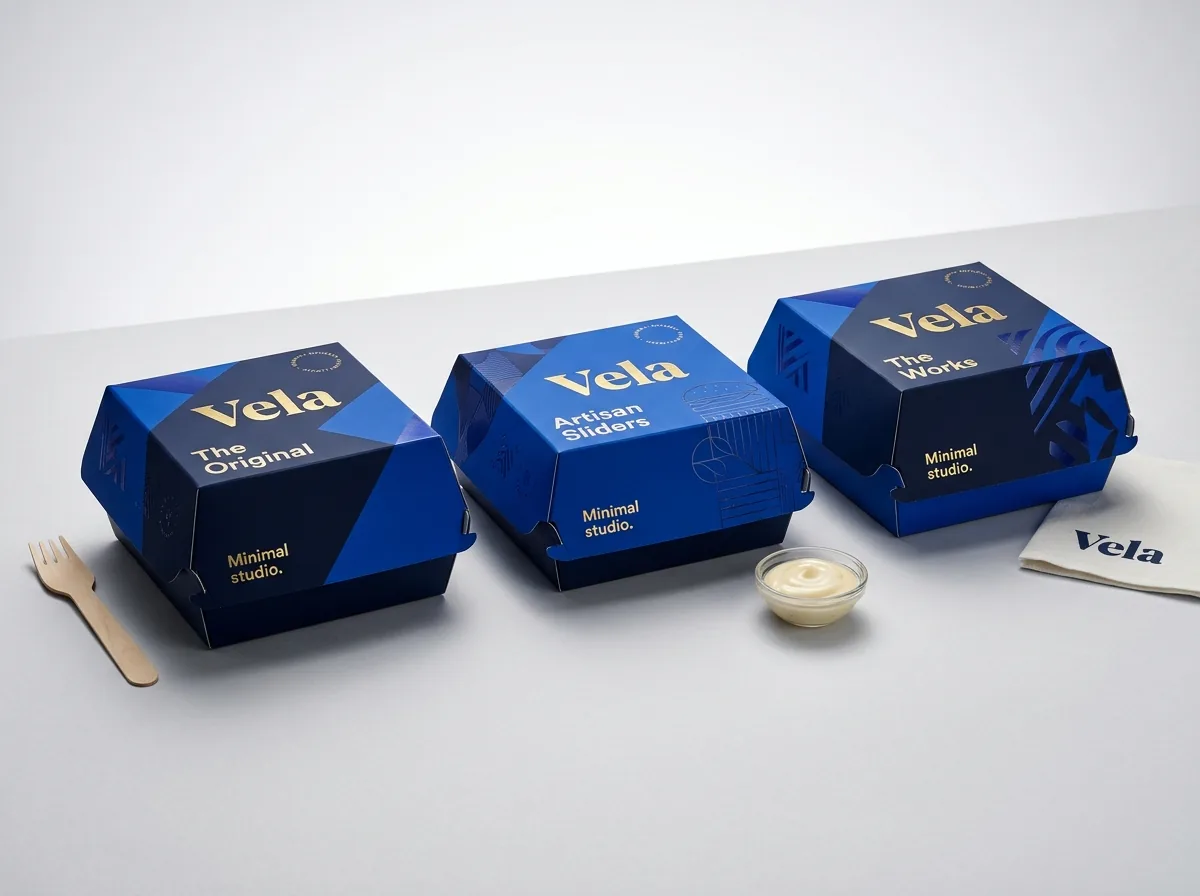
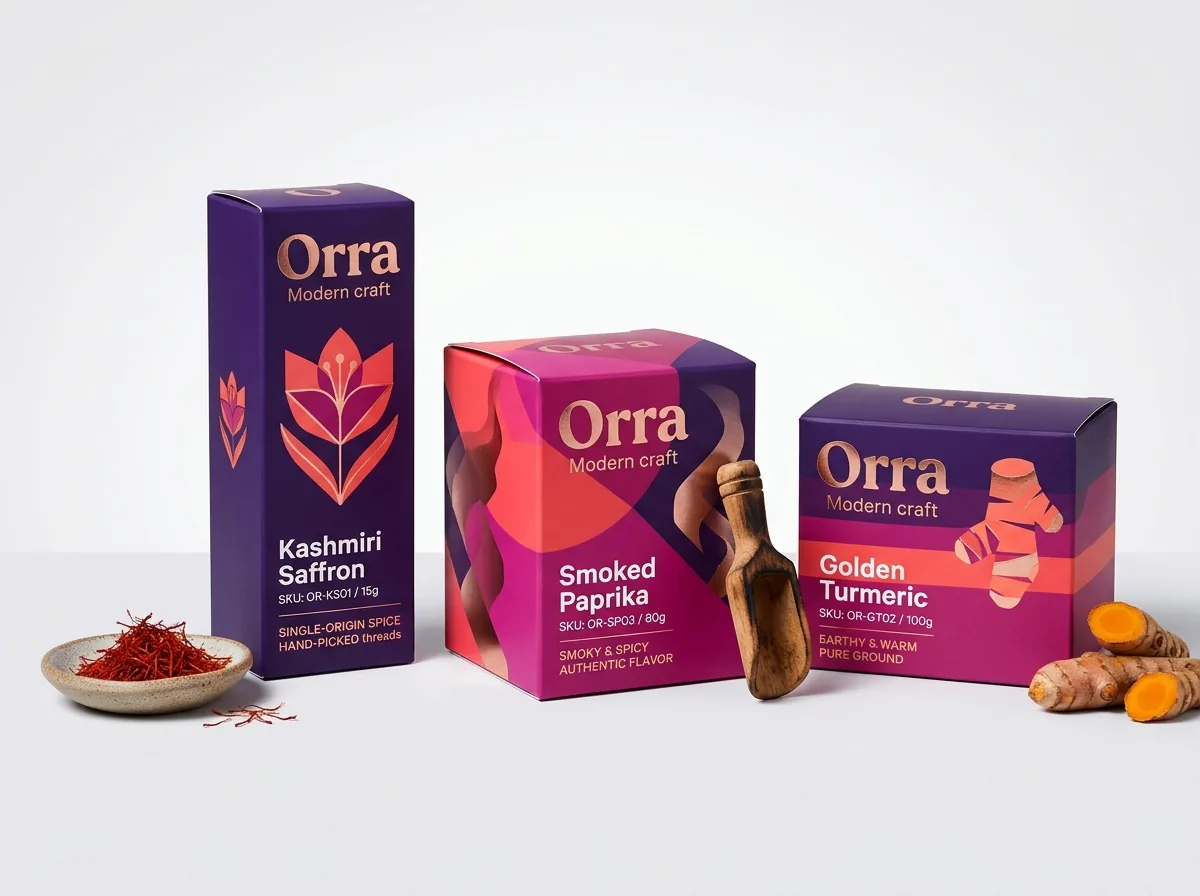
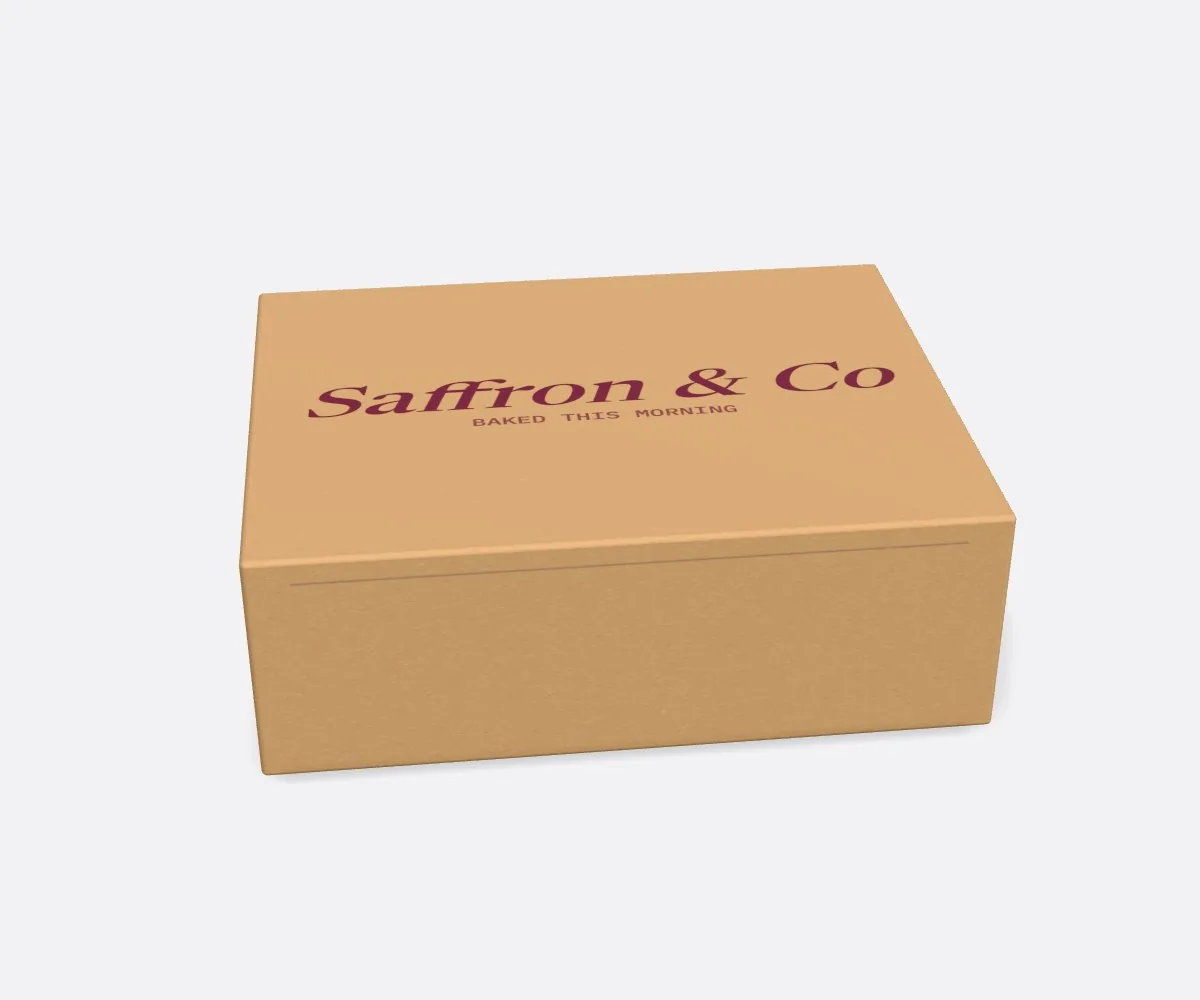
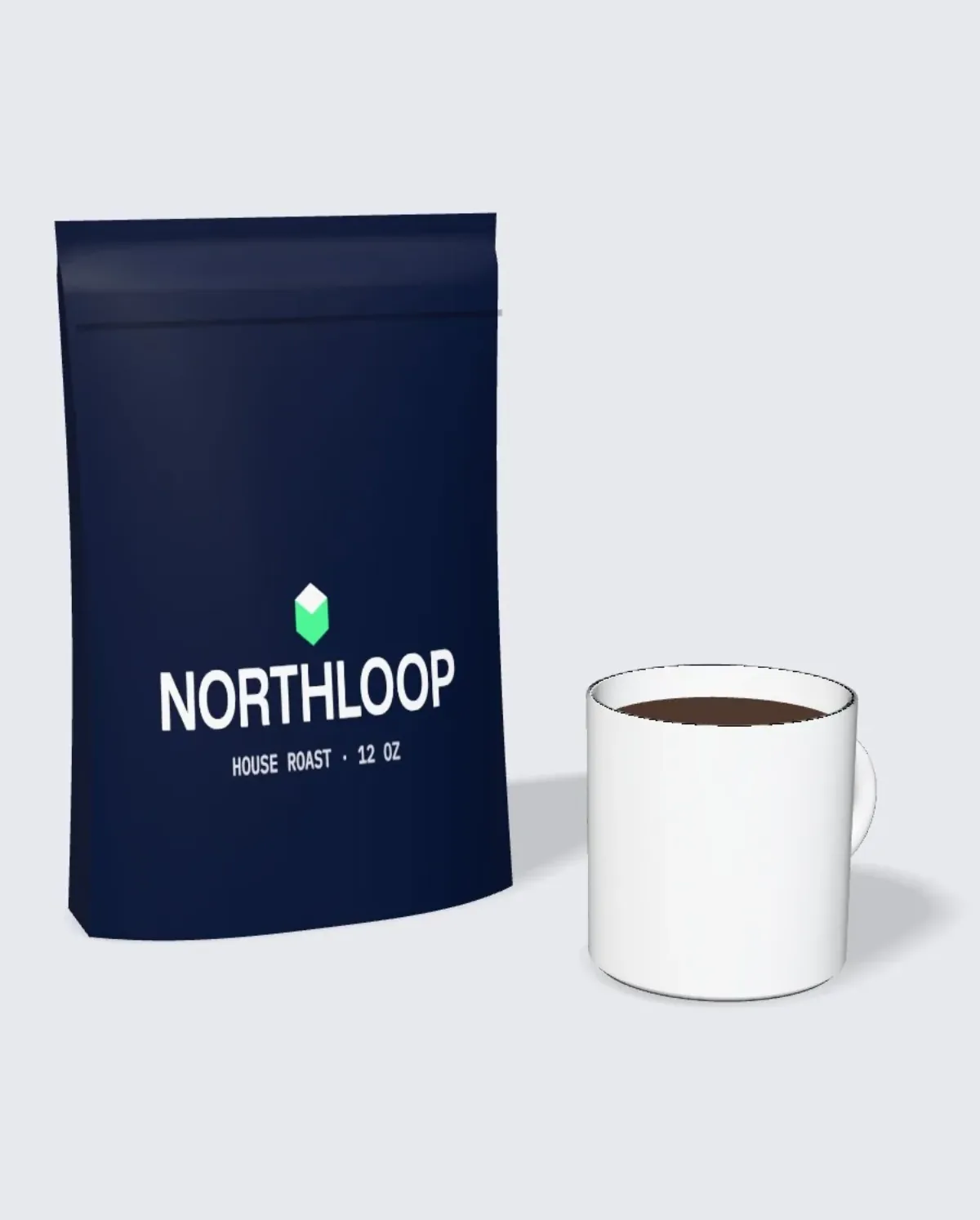
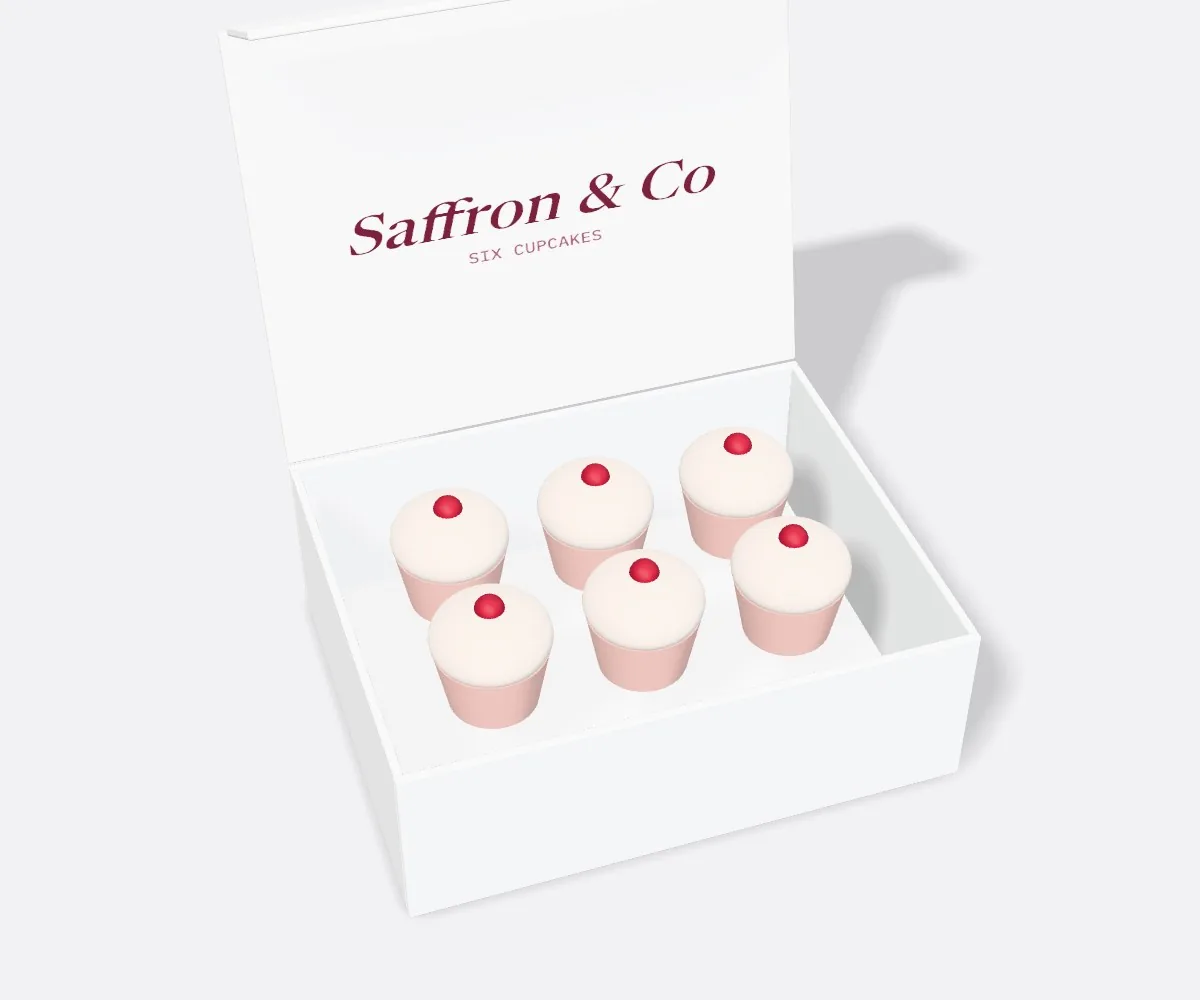
Example designs with made-up brands. Your packaging is made to your design.
What are the most common custom food box mistakes?
Food cartons have to survive filling lines, cold cases, and supermarket scanners. Check these five frequent mistakes before approving your proof. When specifying branded food boxes, wholesale food boxes, bulk custom food boxes, personalized food boxes and custom size food boxes, avoid these common production mistakes
- Sizing a bag-in-box carton from an empty flat pouch instead of a filled pouch, which makes the front and back walls bulge once packed.
- Forgetting to specify food-contact materials on your quote when unwrapped dry or oily food touches the inside of the board directly.
- Using unlaminated board for refrigerated or frozen foods, where freezer frost and condensation soften uncoated paper fibers.
- Placing the Nutrition Facts table or ingredient text across a fold score line or glue lap where part of the copy gets hidden.
- Using a light friction tuck bottom for heavy glass jars of sauce, honey, or salsa instead of a pre-glued auto lock bottom.
Chat with a designer now
Share your logo, a sketch or an AI image. We'll rebuild every element cleanly onto your box dieline and send a 3D mockup, free.
Made your design with AI?
Generated a concept in Google Gemini, ChatGPT, Claude or Midjourney? Send us your AI image: we rebuild every element onto your box dieline and show you a 3D mockup before you pay, free.Custom vs stock food boxes: which is better?
| Stock (plain) | Custom from CubitPack | |
|---|---|---|
| Shelf & freezer presence | Plain brown or white box needing separate front and back labels | Full-wrap branding, flavor color coding, and Nutrition Facts printed directly |
| Pouch & tray fit | Loose stock sizes that crush on grocery shelves when stacked | Engineered around your exact pouch billow, tray flange, or jar height |
| Food-contact options | Uncertified general board or limited stock liners | Food-safe materials and barriers on request via partner facilities |
| Minimum order | Small plain bundles | From 1,000 custom printed boxes |
| Dieline & prepress | Self-serve only | Free custom dieline, design help, digital proof, and 3D mockup |
Get custom food boxes sized to your product, with a free 3D mockup before you pay.
Request a Quote →Are food boxes safe and sustainable?
Food-safe materials on request
When your food touches the carton directly or requires grease and moisture barriers, we produce your order in a certified partner facility and share partner test documentation on request.Clear FDA Nutrition Facts & allergen space
Flat side and back panels give you ample high-contrast space for FDA Nutrition Facts tables, ingredient lists, and FALCPA / FASTER Act major allergen statements.FSC paperboard & recycled options
FSC-certified virgin board, unbleached kraft, and recycled paperboard (for secondary cartons holding sealed pouches) are available on request.How do I order custom food boxes?
Tell us what you need
Size, quantities or AI conceptCompare volume pricing
Dedicated account managerApprove your proof
Digital proof + 3D mockupMade and shipped
Free to all 50 statesWhat drives the price of custom food boxes?
The price depends on four things, and every custom quote is free.
Carton flat area
A compact spice or tea carton uses less paperboard per unit than a wide frozen meal or gable boxDirect vs secondary barrier
Secondary cartons holding a sealed pouch cost less than direct-contact board with grease or moisture linersOrder quantity & SKU splits
Higher quantities reduce the unit price, especially when several flavors share one dieline sizeWindows & dividers
Patched film windows, tear strips, and multi-jar corrugated partitions add a finishing stepKeep all your flavors - such as Original, Garlic Herb, and Spicy - in the exact same box size so they share one dieline and pack in the same master shipping cases. You get 10% off your first order, and we beat written quotes from US competitors for identical specs. Buyers ordering seal end food boxes or dry pantry groceries food boxes can compare up to three quantities in one quote.
10% off your first order.
Request a Quote →What do I need to send for a quote?
- The product and how many you need
- The inside size, or what goes in it
- A style, or ask us to suggest one
- Your logo or artwork (an AI image is fine)
- Pantone codes, if you have them
- Delivery ZIP code and the date you need it
Can I see a sample first?
Sample kit
Board and finish swatches, sample boxes, labels and bags. Credited to your first order.Digital proof + 3D mockup
See it before you payPrinted sample
Of your own designHow does shipping work?
- Free shipping to all 50 states
- Worldwide with DDP prices: duties and taxes included
- Blind and split shipping
- Damaged in transit? We reprint the damaged units free
Why brands choose CubitPack
Dedicated specialist
One account manager from quote to deliveryPantone guaranteed
Clearly off? We reprintReprint or refund
If we get it wrong, you chooseBBB accredited
A US business you can checkFood boxes questions
Do I need food-contact board if my product is sealed inside an inner bag or jar?
No. If your crackers, cereal, tea, or sauces are already sealed inside a primary pouch, flow-wrap, or glass jar, the outer carton is a secondary package and can use standard white card, kraft, or recycled board. If unwrapped food touches the board directly, request food-safe materials on your quote.
Are food-safe liners and grease-resistant coatings available?
Yes, food-safe materials and barriers are available on request through our certified partner facilities. Tell your account manager whether the food is dry, oily, chilled, or warm, and whether it touches the carton directly, so we can specify the right stock and share partner documentation.
Which material holds up best for refrigerated and frozen food boxes?
When a frozen or chilled carton moves from a cold case into a humid grocery cart, condensation forms on the outside. Virgin paperboard paired with exterior gloss or matte lamination prevents moisture from softening the board fibers and keeps corners crisp in the freezer.
How do I size a food box around a flexible inner pillow bag?
Never measure an empty flat pouch. Fill and seal the pouch to its target net weight, lay it on a table, and measure the widest belly of the filled bag as well as its settled upright height. Add about 1/4 inch to the carton depth so the puffed bag slides in without bulging the front panel.
Can you add a clear window to show dry pasta, grains, or snacks?
Yes. A patched clear film window lets shoppers inspect the shape and texture of dry pasta, rice, crackers, or tea sachets right on the shelf. If your food is already inside a clear inner bag or tray, you can even use an open die-cut window without film at zero extra cost.
What is the minimum order quantity for custom food boxes?
Our minimum order is 1,000 boxes. If you need a small trial batch for a regional grocery pitch or farmers market test, ask your account manager about case-by-case trial runs, or request three quantities on your quote to compare price breaks.
How long does it take to produce and ship custom food boxes?
Standard production takes 10 to 14 business days after you approve your digital proof and complete payment. Rush production in 4 to 5 business days is available when you have an upcoming distributor deadline or trade show. Shipping is free to all 50 US states.
Can you make boxes with dividers for heavy glass sauce, jam, or honey jars?
Yes. For single heavy jars or multi-jar tasting sets, we pair an auto lock bottom carton or E-flute corrugated box with custom cardboard partitions. The divider keeps glass walls separated so jars cannot strike each other during shipping.
Where do the Nutrition Facts table, ingredient list, and barcode go on a food box?
Under FDA food labeling rules (21 CFR 101), the Principal Display Panel (front face) shows the product identity and net weight in the bottom 30%, while the Information Panel immediately to the right of the front panel typically holds the Nutrition Facts table, ingredient list, allergen statement, and manufacturer address.
Can I see a proof and 3D mockup of my food box before I pay?
Yes. You receive a free digital dieline proof and an interactive 3D mockup showing every panel, window, and fold before you pay a cent. You can also order our $50 sample kit (credited to your first order) or a paid physical prototype of your custom design.
Still have a question? Ask a packaging specialist.
Request a Quote →Food boxes terms, explained
- Bag-in-box
- A sealed inner plastic or foil pillow pouch packed inside a printed outer paperboard carton
- Seal end carton
- A grocery box whose top and bottom flaps are glued shut for a tamper-evident retail seal
- Principal Display Panel (PDP)
- The front-facing retail panel where FDA rules require product identity and net weight
- Information Panel
- The panel immediately to the right of the PDP, reserved for Nutrition Facts, ingredients, and allergens
- Auto lock bottom
- A pre-glued carton floor that snaps locked when opened to support heavy jars and multi-packs
- Window patching
- Bonding a clear film sheet over a die-cut hole so shoppers can see the food inside
More for your food packaging
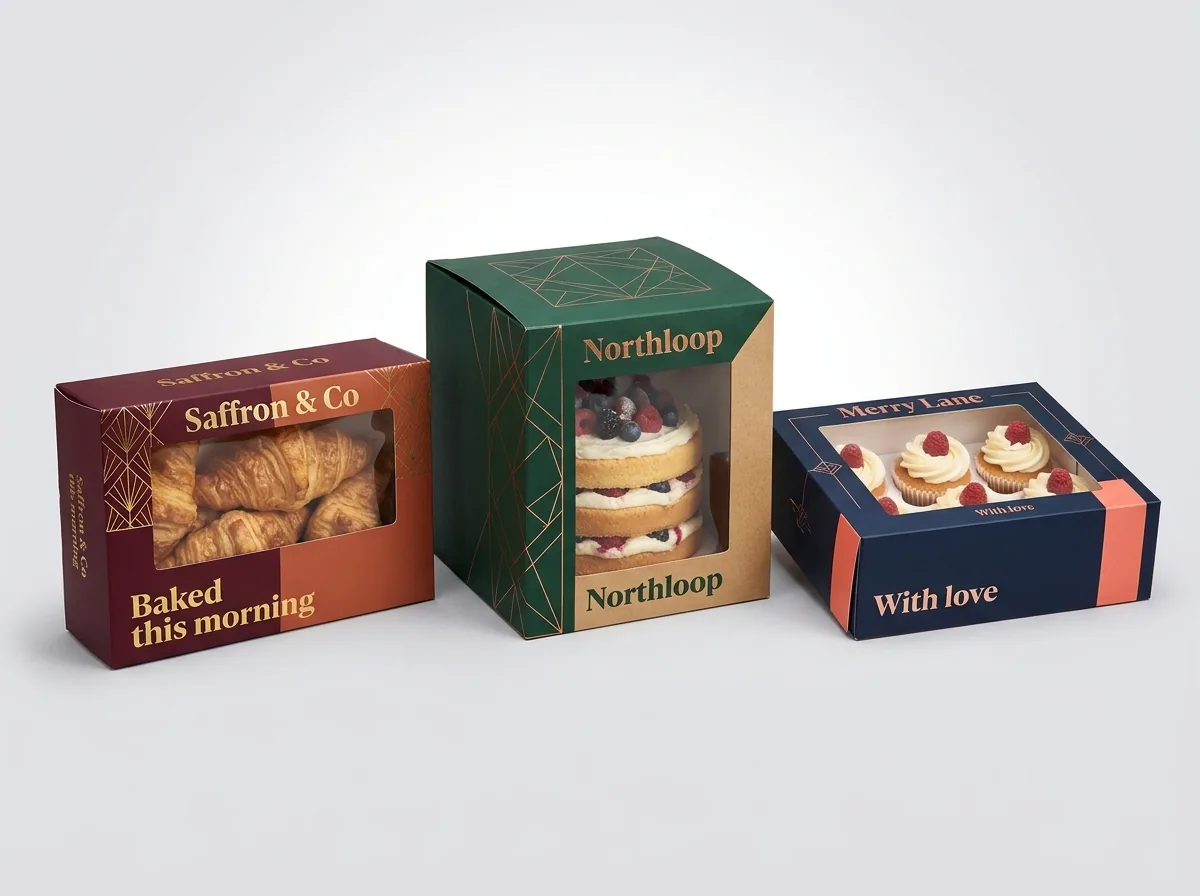
Learn more
Get your food boxes price
One dedicated account manager prepares pricing across up to 3 quantities.
- Free design & AI-to-print studio + 3D mockup
- No die or plate charges · 4–5 day rush available
- Free shipping to all 50 states
- 10% off your first order
- Reprint or refund if we get it wrong
All CubitPack minimums, turnaround times, materials, finishes, and food-safe partner production rules on this page come from our approved project decisions and were verified by a packaging specialist. Typical grocery and takeout carton dimensions are starting benchmarks confirmed on your custom dieline and 3D mockup before payment. Spot something that needs fixing? Let us know and we will update it right away. Tell us if something looks wrong.
Sources
- CubitPack minimums (1,000 boxes), turnaround (10-14 business days, rush 4-5), food-safe materials on request via certified partner facilities, free design help, no die/plate fees, free 50-state shipping
- FDA Principal Display Panel and Information Panel layout standards for retail food boxes
- TAPPI paperboard caliper, stiffness, and grease/moisture barrier testing methods
What changed
- October 22, 2026: First published.
- October 22, 2026: Updated specifications, terminology, and verified source links.