
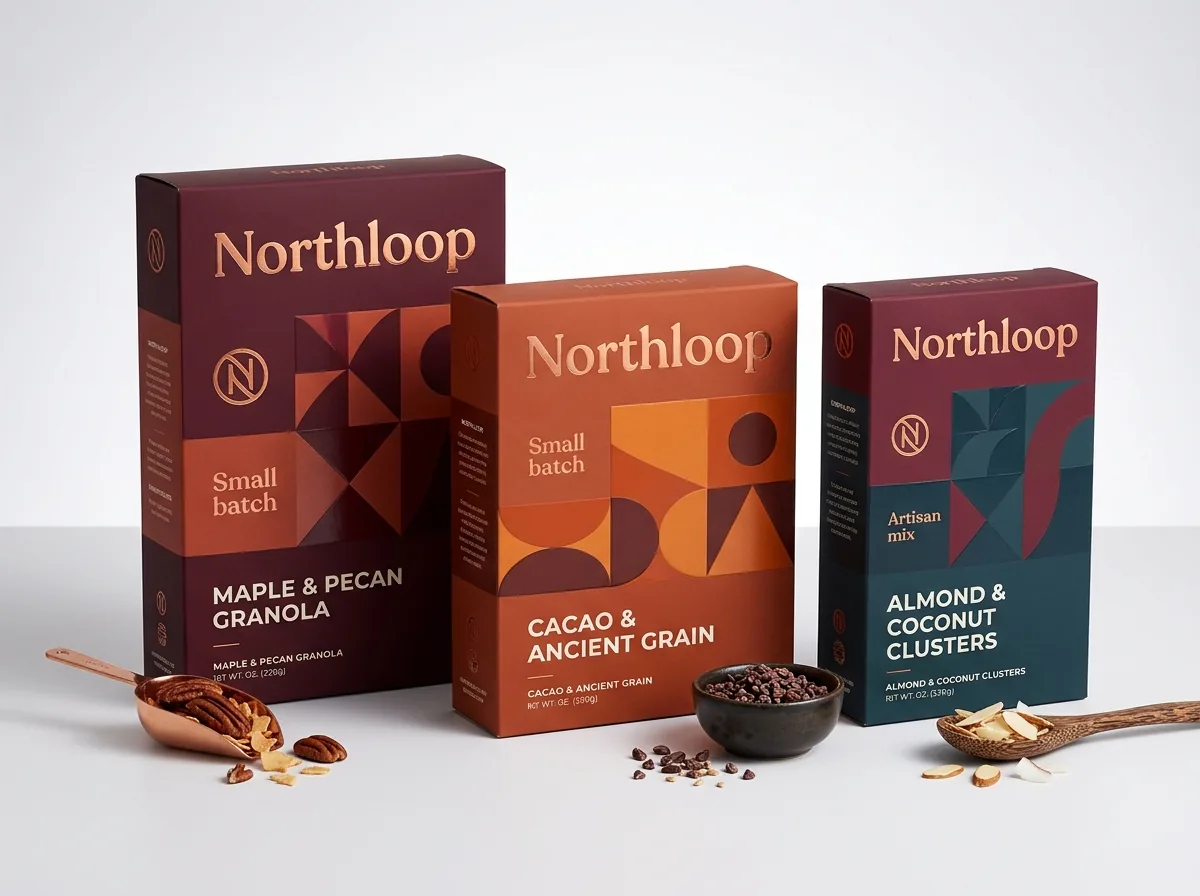
- Sized for 1.5 oz mini packs, 8 to 9 oz keto cereals, 12 oz grocery cartons, and 18 oz family boxes.
- Order from 1,000 boxes in 10 to 14 business days, with 4 to 5 business day rush available.
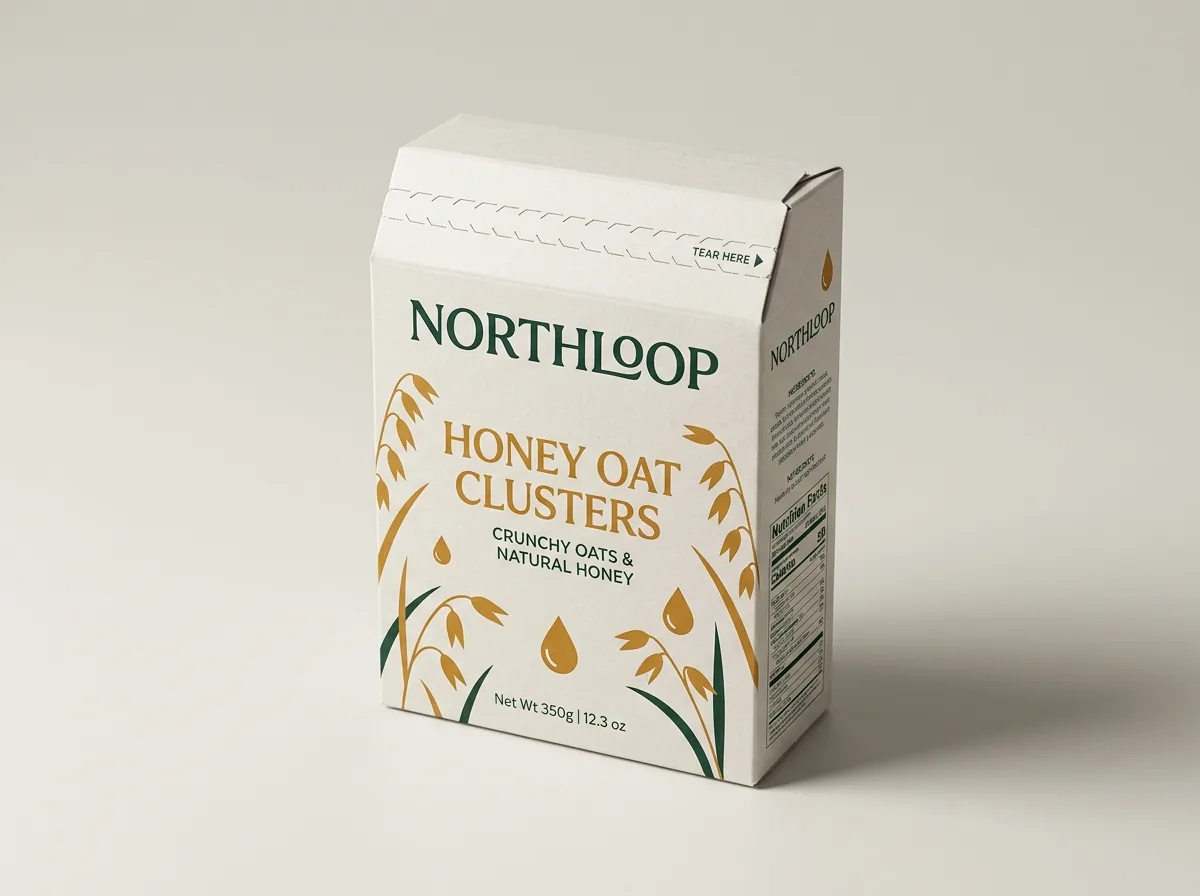
- Available with glue-sealed ends, reclosable tab-lock tops, reverse tuck ends, and front windows.
- Free custom dielines, design help, digital proof, 3D mockup before payment, and free 50-state delivery.
Custom Cereal Boxes
Custom cereal boxes printed across every outer and inner panel for breakfast flakes, extruded protein puffs, toasted oat clusters, and novelty promotional packs. Orders start at 1,000 boxes with 10 to 14 business day turnaround (4 to 5 days rush), free design help, zero die charges, and free 50-state delivery. Food-safe board options are available on request.
What are custom cereal boxes?
Custom cereal boxes are tall, slim folding cartons engineered to hold a sealed inner pillow bag of toasted flakes, grain puffs, granola clusters, or muesli upright on supermarket shelves and inside multi-pack e-commerce shippers. Because a cereal carton is wide across the front face and narrow along the side gusset, it acts as a vertical billboard in the breakfast aisle while leaving dedicated room on the side panel for FDA Nutrition Facts, ingredient lists, and allergen statements, plus space on the back panel for brand storytelling, recipes, or puzzles. Brands can choose full seal-end cartons for automated hot-melt glue lines, tuck-top cartons with a reclosable tab-and-slot lock for hand-packed pouches, or crash-lock bottoms for heavy oat blends. At CubitPack, custom cereal boxes start at 1,000 units and ship in 10 to 14 business days (rush 4 to 5 days), with free design help, no die fees, free 50-state shipping, and food-safe options on request.
Cereal boxes facts
- Minimum
- 1,000 boxes
- Turnaround
- 10–14 business days
- Rush
- 4–5 business days, quoted
- Materials
- White card, unbleached kraft, recycled board, E-flute corrugated
- Printing
- CMYK process, Pantone spot ink, inside box print, white ink on kraft
- Finishes
- Gloss, matte, soft-touch lamination, spot UV, embossing, foil stamping
- Carton features
- Reclosable top tab-lock, tear strip, front window patch, auto-lock base
- Food contact
- Food-safe materials on request
- Shipping
- Free across all 50 US states
Which cereal box closure fits your packing line and inner bag?
| Carton style | Best cereal format | Closure | Packing method | Reclosable |
|---|---|---|---|---|
| Seal end + top tab | 10 to 18 oz grocery flakes and puffs | Glued flaps + tab-and-slot | Auto or semi-auto glue | Yes, top tab locks |
| Reverse tuck end | 7 to 10 oz keto and protein cereals | Slit-lock tuck flaps | Hand or machine erect | Yes, slit-lock tuck |
| Straight tuck end | Collector editions and mini packs | Both flaps tuck to back | Hand packing pouches | Yes, clean front edge |
| Auto lock bottom | Heavy 14 to 24 oz oat and muesli mixes | Pre-glued floor + tuck lid | Pops open by hand | Yes, top flap recloses |
| Window cereal carton | Artisanal granola and berry clusters | Tuck or auto lock + window | Hand or semi-auto | Yes, shows real clusters |
| Multipack display tray | 4 or 6 single-serve mini boxes | Perforated hood or tray | Shelf-ready multipack | Individual mini boxes |
Not sure which style fits?
Request a Quote →What size cereal box fits single-serve, keto, standard, and family packs?
Puffed grains take up nearly twice the volume of dense oat granola at the same weight. Measure your filled inner bag and add 1/4 inch to depth. We cut any inside Length × Width × Height with zero die fees. Whether you are comparing personalized cereal boxes with logo, mini single serve cereal boxes, seal end cereal cartons, protein and keto cereal packaging or cereal boxes with logo, we size the template to your exact container.
| Inside size (in) | Typically fits | Popular style |
|---|---|---|
| 3.5 × 1.5 × 4.75 in | 1.25 to 1.75 oz single-serve hotel, school, or variety mini cereal | Reverse tuck end |
| 6.5 × 2.25 × 9.5 in | 7 to 9 oz high-protein, keto, or boutique DTC cereal pouch | Reverse tuck end |
| 7.5 × 2.5 × 10.75 in | 10 to 12 oz dense oat clusters, muesli, or ancient-grain cereal | Auto lock + window |
| 7.75 × 2.5 × 11.25 in | 10 to 12 oz standard supermarket flake or toasted-O cereal | Seal end + top tab |
| 8.0 × 2.75 × 12.0 in | 12 to 14 oz extruded puffs or marshmallow cereal | Seal end + top tab |
| 8.5 × 3.0 × 12.5 in | 16 to 18 oz family-size cereal or twin inner pouches | Seal end or auto lock |
Suggested inside size: 3.5 × 1.5 × 4.75 in
A starting point. Your account manager confirms the size with you before the proof.
Quote this size →Know your product's size? Work out the inside box size with our free box size calculator.
Have your inside dimensions ready? Request pricing across up to 3 quantities.
Request a Quote →How do I choose cereal boxes?
- Measure the filled inner bagFill your liner pouch to target weight and measure its natural belly depth.
- Match side gusset to nutrition panelKeep side panels at least 2.25 to 3.0 in wide so FDA Nutrition Facts stay readable.
- Pick seal-end or tuck-topChoose seal-end flaps for glue lines, or reverse tuck / auto-lock bottom for hand packing.
- Add a reclosable top tabA die-cut top lock tab lets families close the carton in the pantry.
- Size board for tall front facesTall 11 to 12.5 in cartons need stiff card so the front face stays flat.
- Check all six panels on a 3D proofReview front art, back games, side nutrition tables, and bottom barcode before payment.
What are cereal boxes made of?
Which finishes can cereal boxes have?
Which add-ons can I get?
Cereal boxes specifications
| Spec | Options |
|---|---|
| Paperboard options | White paperboard, unbleached kraft, recycled board, E-flute corrugated |
| Board caliper | Sized to prevent wide front-panel bowing |
| Food-contact options | Food-safe boards and liners on request via certified partner facilities |
| Printing | Full-color CMYK, Pantone (PMS), inside carton printing, white ink on kraft |
| Finishes | Gloss, matte, soft-touch lamination; spot UV, embossing, debossing, foil stamping |
| Closures | Seal-end glue flaps, reclosable tab-lock top, reverse or straight tuck, auto-lock base |
| Windows | Clear window patching or open die-cut window |
| Minimum order | From 1,000 boxes; delivered within ±5% quantity tolerance |
| Proofs & samples | Free digital proof and 3D mockup before payment; paid physical sample credited |
| Turnaround | 10–14 business days standard; 4–5 business days rush available |
| Delivery | Free shipping to all 50 US states; cartons ship flat and pre-glued |
Ready to quote your cereal boxes? Compare up to 3 quantities with a free 3D mockup.
Request a Quote →What do food brands and marketers pack in custom cereal boxes?
Whether you are launching a low-sugar keto cereal in 4-box DTC variety packs, stocking natural food co-ops with organic granola, or sending a full-size novelty cereal box to 1,000 creators, the carton structure adapts to your fill weight and packing setup.
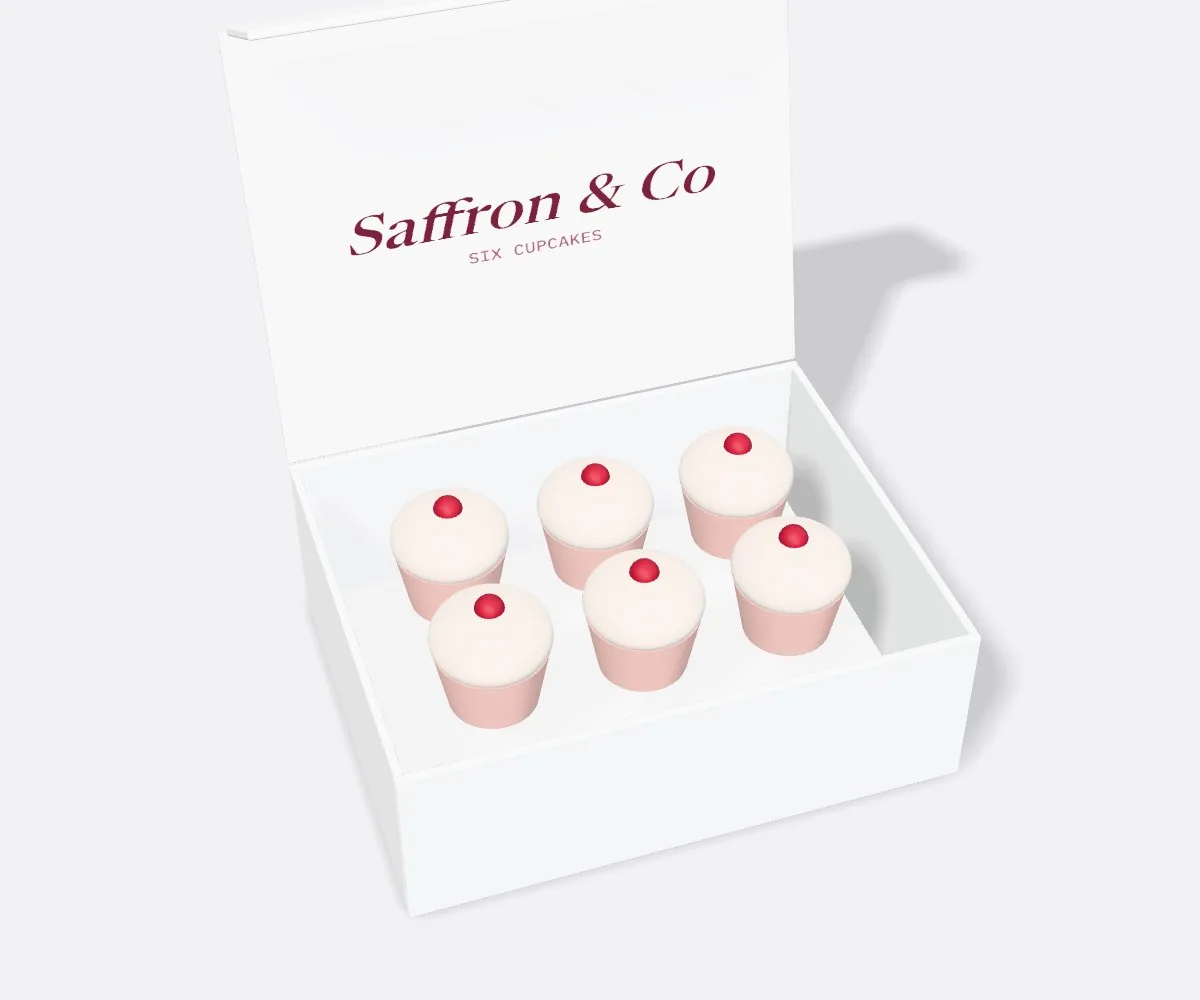
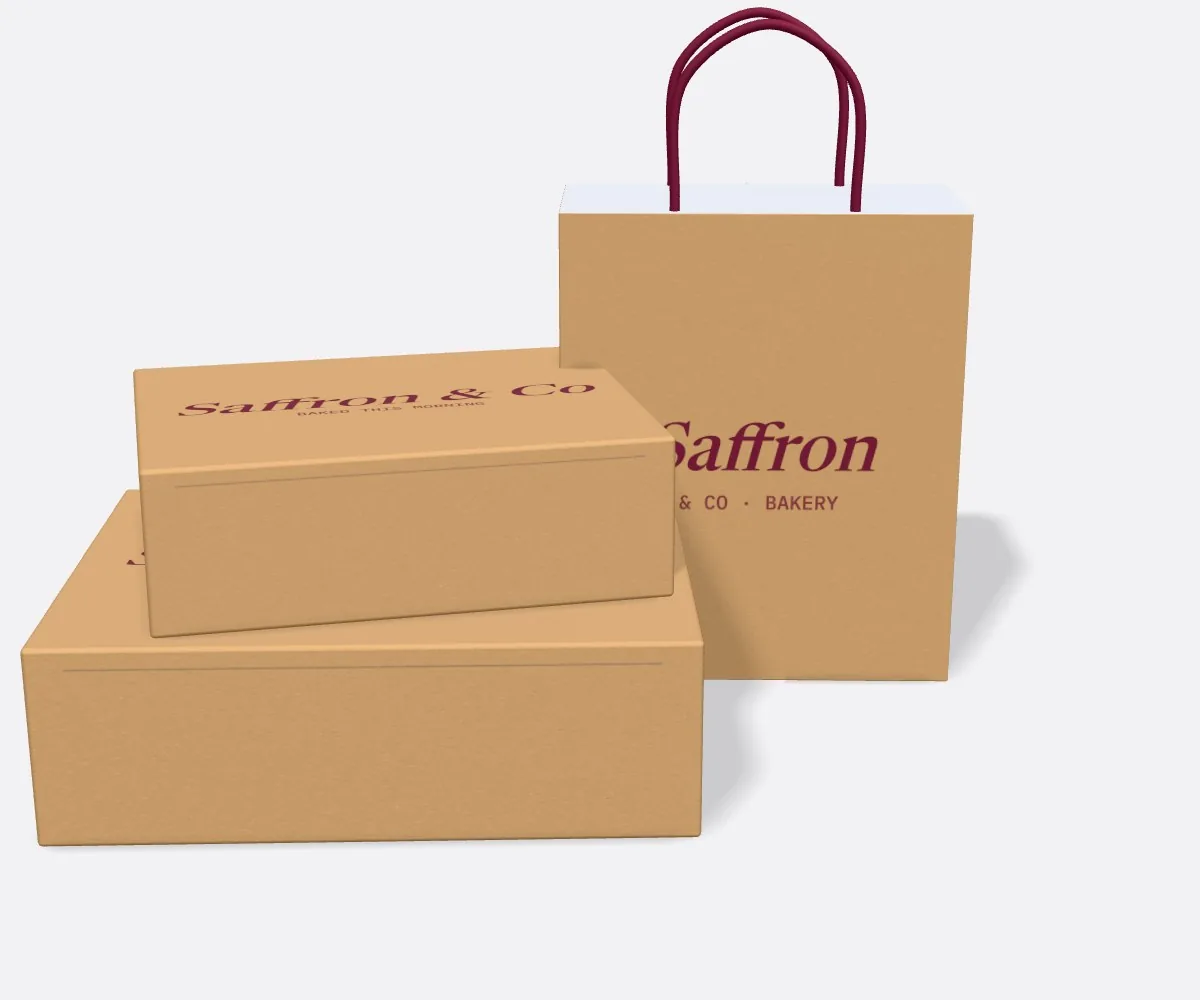
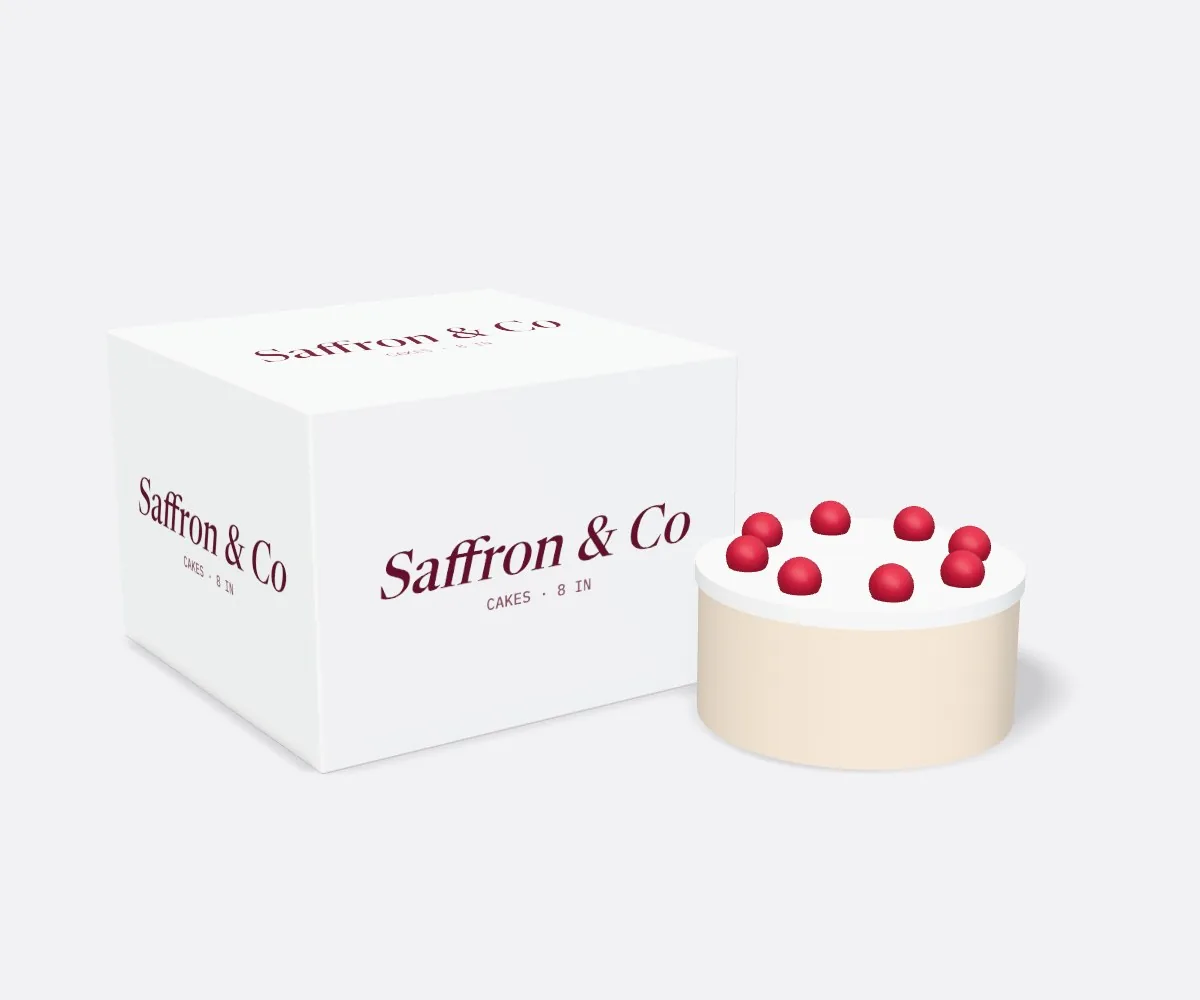
Cereal boxes design ideas
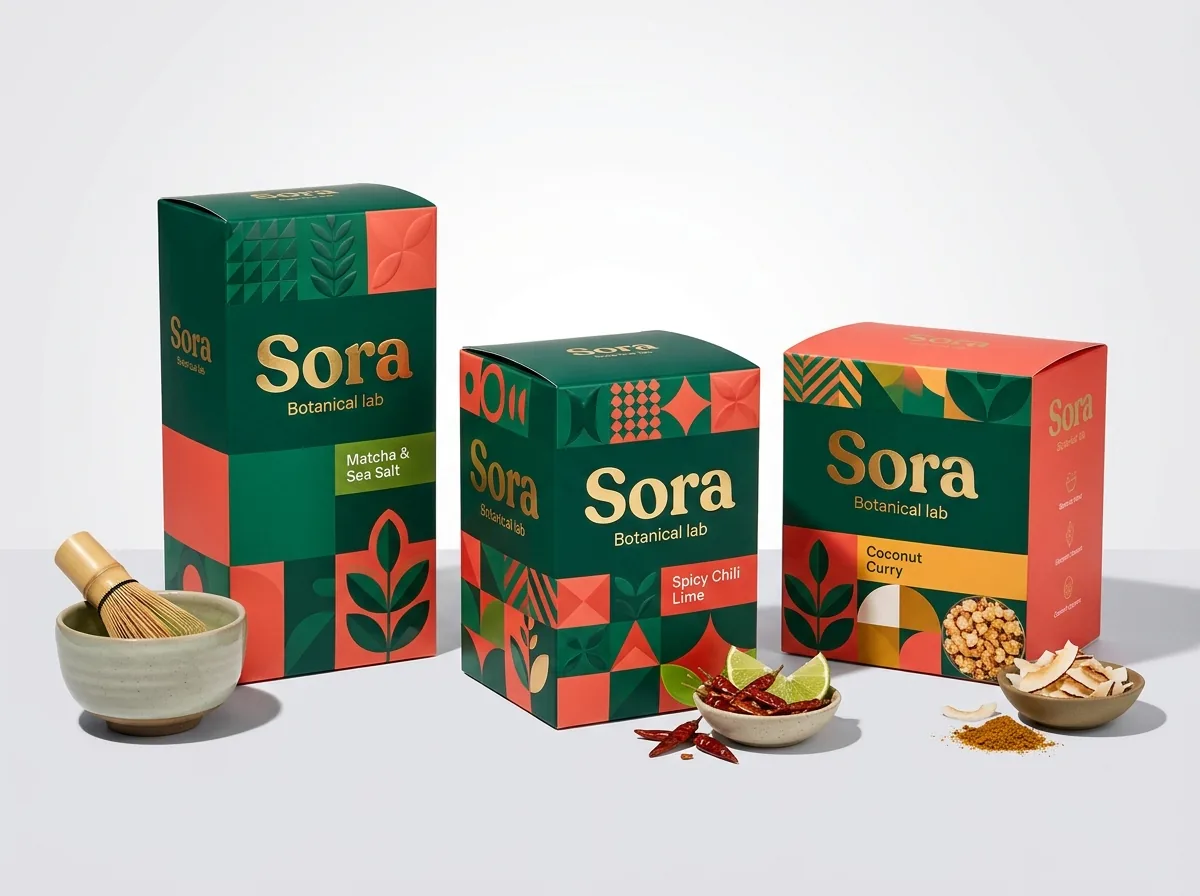
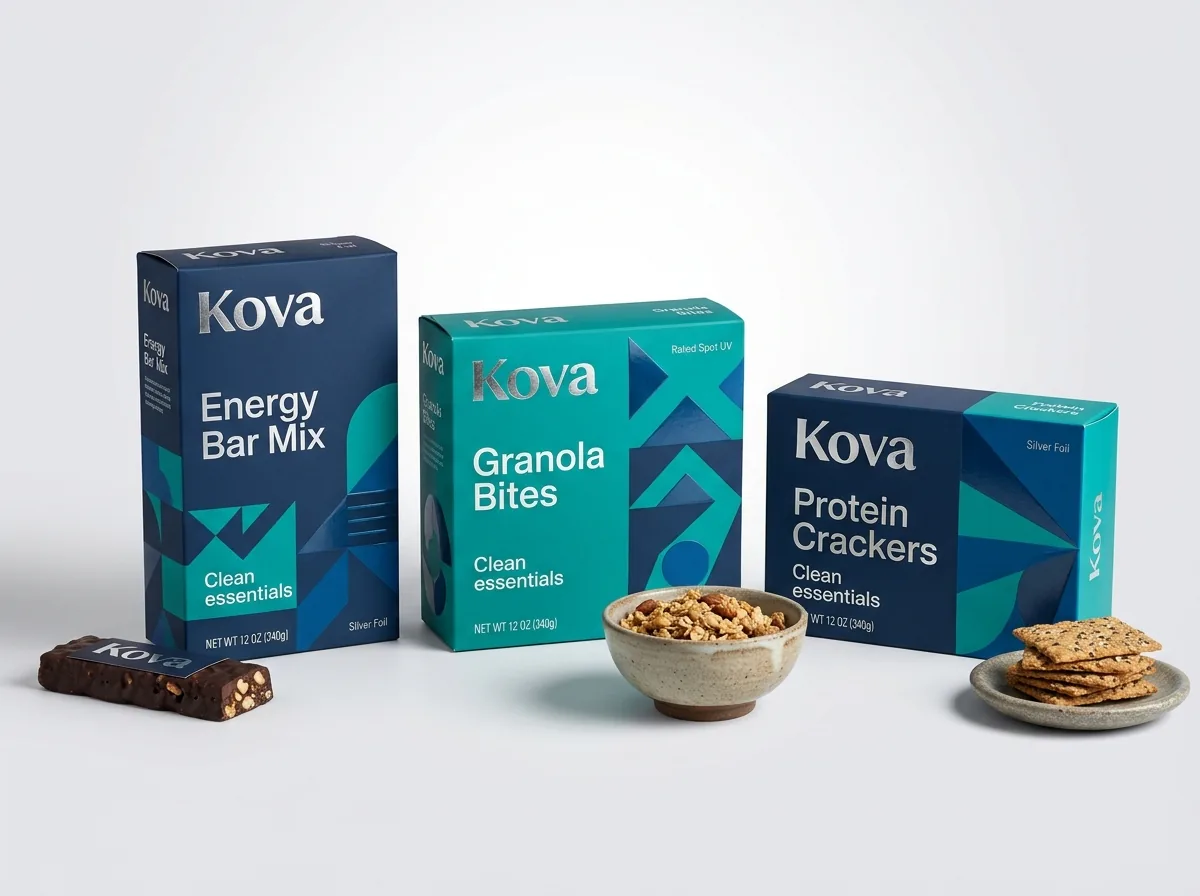
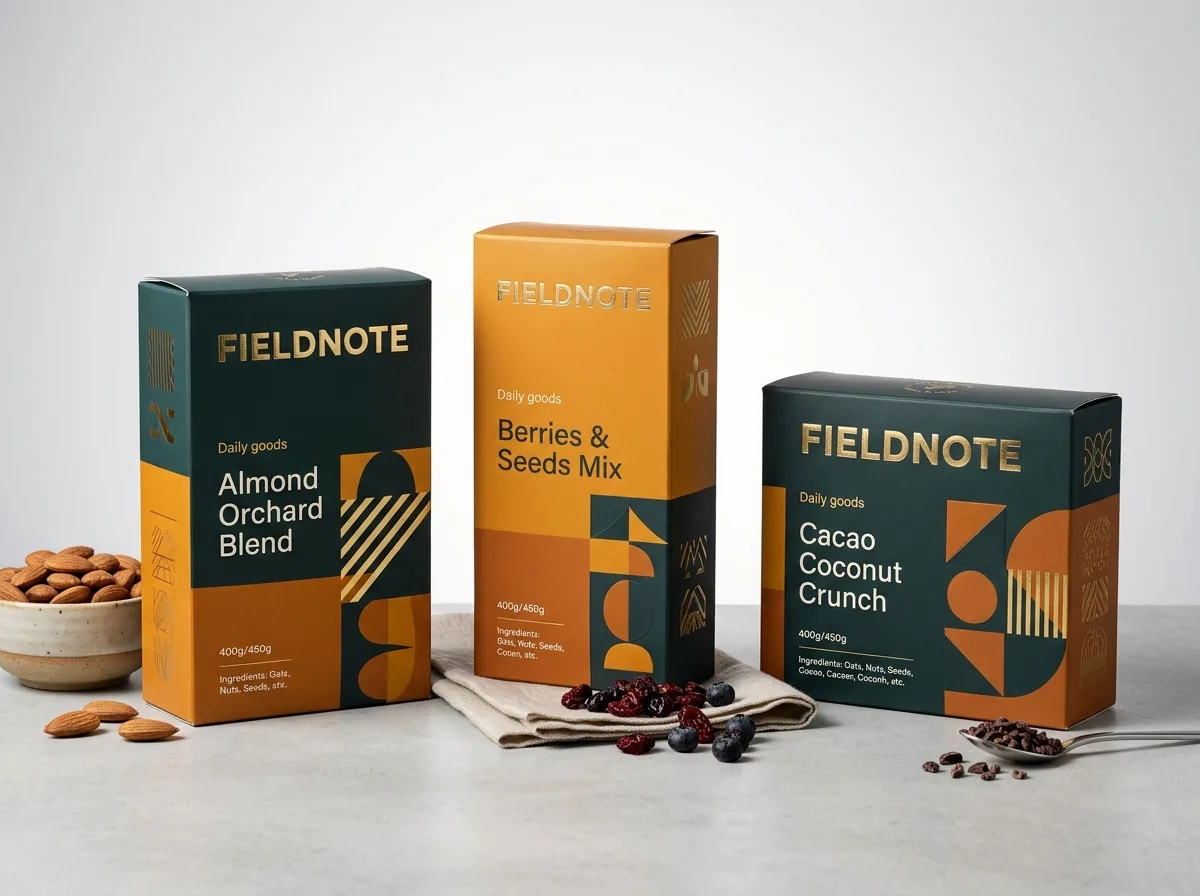
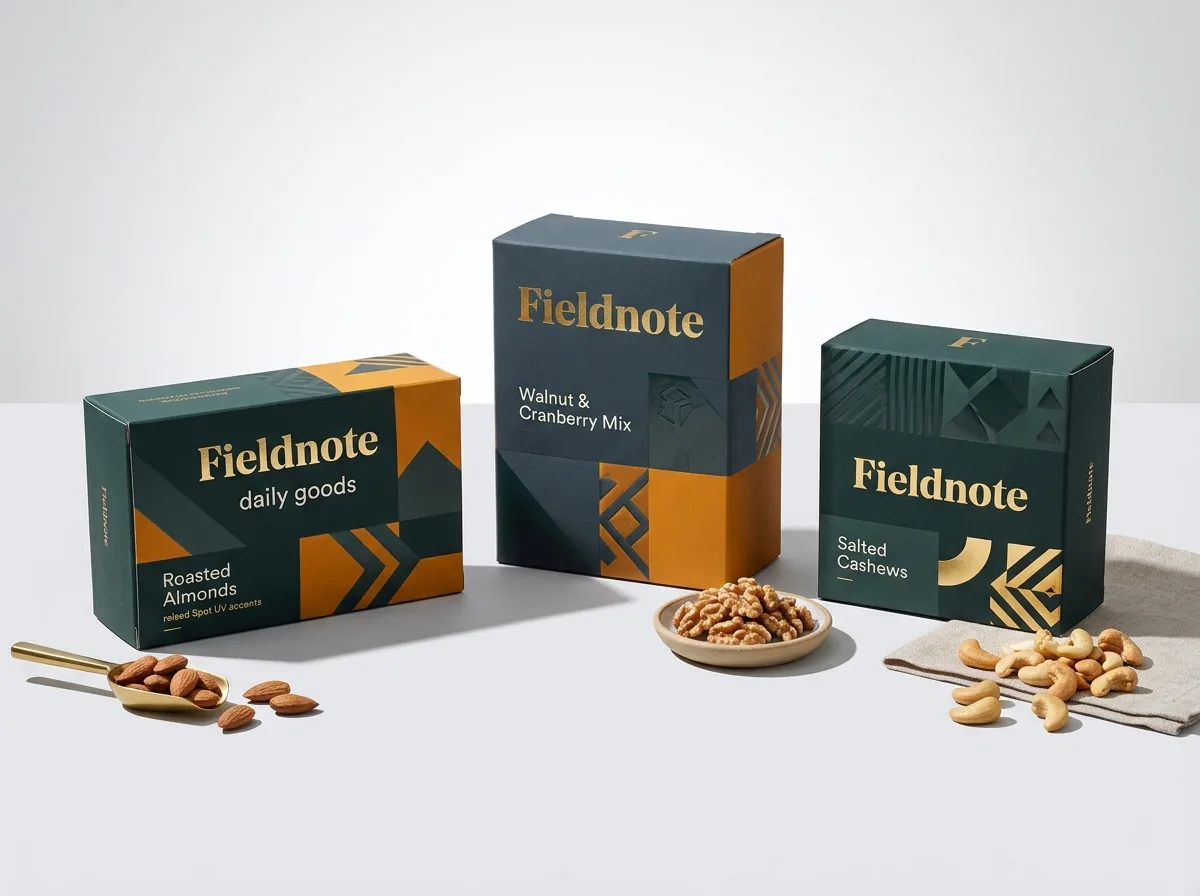
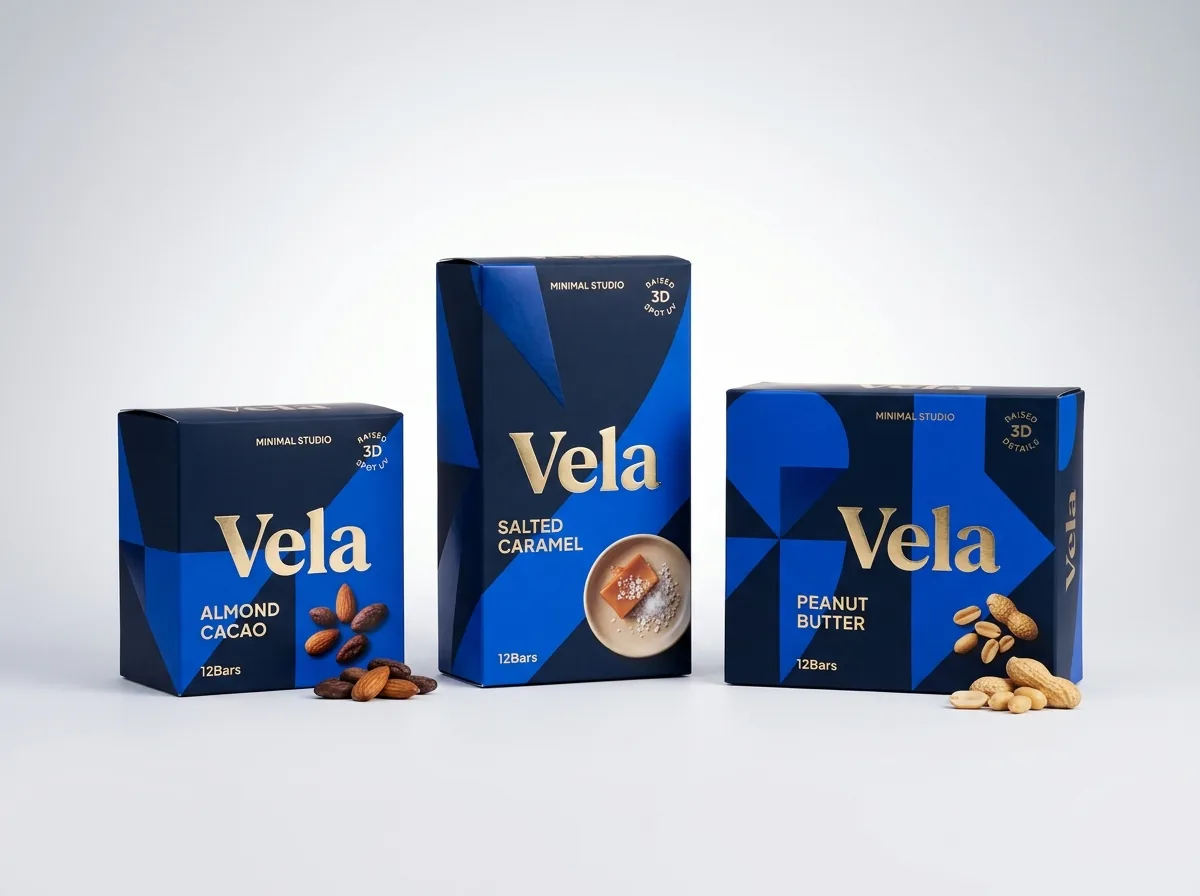
Example designs with made-up brands. Your packaging is made to your design.
What are the most common custom cereal box mistakes?
Bowing front faces and crushed top flaps usually trace back to one of these five oversights. When specifying branded cereal boxes, wholesale cereal boxes, bulk custom cereal boxes, personalized cereal boxes and custom size cereal boxes, avoid these common production mistakes
- Making the side gusset too narrow for the filled inner bag, pushing the front and back panels outward.
- Designing the side panel narrower than 2.25 inches without checking how your FDA Nutrition Facts table fits.
- Ordering full seal-end glue flaps when you plan to hand-pack 1,000 boxes without a hot-melt glue gun.
- Forgetting a reclosable tab-and-slot lock on the top flap so the lid stays open in the pantry.
- Using thin board on a tall 12-inch family carton, letting top corners crush in shipping cases.
Chat with a designer now
Share your logo, a sketch or an AI image. We'll rebuild every element cleanly onto your box dieline and send a 3D mockup, free.
Made your design with AI?
Generated a concept in Google Gemini, ChatGPT, Claude or Midjourney? Send us your AI image: we rebuild every element onto your box dieline and show you a 3D mockup before you pay, free.Custom vs stock cereal boxes: which is better?
| Stock (plain) | Custom from CubitPack | |
|---|---|---|
| Shelf billboard | Plain box needing oversized stickers | Full print across all six panels |
| Bag belly fit | Fixed depth that lets pouches bulge | Exact L × W × H for your inner bag |
| Pantry reclosure | Flaps pop open once unrolled | Reclosable tab-and-slot top lock |
| Minimum order | Small plain packs | From 1,000 custom printed boxes |
| Design & proof | None | Free dieline, design, proof & 3D mockup |
Get custom cereal boxes sized to your product, with a free 3D mockup before you pay.
Request a Quote →Are cereal boxes safe and sustainable?
Bag-in-box & direct food-safe options
Most cereals sit inside a sealed inner pillow pouch. When dry grains touch the board directly, we produce your boxes on request in a certified partner facility with food-safe materials.Crisp nutrition & allergen legibility
High-resolution printing keeps 6-point to 8-point FDA Nutrition Facts tables, ingredients, and allergen callouts sharp on narrow side gussets.FSC & recycled paperboard available
FSC paperboard, unbleached kraft, and post-consumer recycled paperboard are available on request.How do I order custom cereal boxes?
Tell us what you need
Size, quantities or AI conceptCompare volume pricing
Dedicated account managerApprove your proof
Digital proof + 3D mockupMade and shipped
Free to all 50 statesWhat drives the price of custom cereal boxes?
The price depends on four things, and every custom quote is free.
Carton size & board area
A 3.5 in mini box uses far less paperboard than an 8.5 × 3 × 12.5 in family cartonClosure style
Reverse tuck and seal-end cartons require less gluing than auto-lock basesOrder quantity & flavors
Unit price drops at 2,500 and 5,000 boxes across shared-size flavorsFinishes & windows
Spot UV, foil stamping, inside print, and window patching add a passKeep all cereal flavors in the same net weight on one shared Length × Width × Height dieline so you can combine flavors in one order for a lower unit cost. Your first order is 10% off, and we beat written quotes from US competitors for the same specs. Buyers ordering reverse tuck end cereal boxes or auto lock + window cereal boxes can compare up to three quantities in one quote.
10% off your first order.
Request a Quote →What do I need to send for a quote?
- The product and how many you need
- The inside size, or what goes in it
- A style, or ask us to suggest one
- Your logo or artwork (an AI image is fine)
- Pantone codes, if you have them
- Delivery ZIP code and the date you need it
Can I see a sample first?
Sample kit
Board and finish swatches, sample boxes, labels and bags. Credited to your first order.Digital proof + 3D mockup
See it before you payPrinted sample
Of your own designHow does shipping work?
- Free shipping to all 50 states
- Worldwide with DDP prices: duties and taxes included
- Blind and split shipping
- Damaged in transit? We reprint the damaged units free
Why brands choose CubitPack
Dedicated specialist
One account manager from quote to deliveryPantone guaranteed
Clearly off? We reprintReprint or refund
If we get it wrong, you chooseBBB accredited
A US business you can checkCereal boxes questions
What are the dimensions of a standard grocery store cereal box?
A 10 to 12 oz US supermarket cereal box measures around 7.75 × 2.5 × 11.25 inches or 8.0 × 2.75 × 12.0 inches (inside Length × Width × Height). High-protein and keto DTC brands often pick a 6.5 × 2.25 × 9.5 inch carton for 4-box subscription mailers.
Should I choose a seal-end cereal box or a tuck-top cereal box?
Pick a seal-end box for automated or semi-auto lines with hot-melt glue or tape, since overlapping glue flaps form a tamper-evident grocery seal. Pick a reverse tuck end or auto-lock bottom with a tuck top when your team packs inner cereal pouches by hand.
How do I stop my cereal box from bulging once the inner bag is inside?
A sealed pillow bag settles into a wider tear-drop belly at the bottom when filled with loose cereal. Fill a test pouch to target weight, lay it inside a slot matching your carton width, and add 1/4 inch of clearance to the side gusset depth.
Can you add a reclosable tab-and-slot lock to the top of a cereal box?
Yes. On both glue-sealed and tuck-top cartons, we die-cut a locking tab on the upper major flap and a matching slot below. After opening the seal at home, customers tuck the tab into the slot to close the box.
Do custom cereal boxes come with the inner bag, or do I pack my own pouch?
Most brands heat-seal cereal in an inner pillow bag on a form-fill-seal line and slide that sealed bag into the folding carton. We can also quote custom pouches alongside your cartons so both fit together cleanly.
Are your custom cereal boxes food-safe?
When cereal is sealed inside an inner liner bag, standard virgin or recycled paperboard works cleanly. If dry cereal touches the board directly, we make your boxes on request in a certified partner facility using food-safe boards.
What is the minimum order quantity and turnaround time for custom cereal boxes?
The minimum order is 1,000 boxes. Standard production takes 10 to 14 business days after proof approval and payment, with 4 to 5 business day rush available. Shipping is free to all 50 US states, and cartons ship flat.
Can I order 4 different cereal flavors in a single 1,000-box or 2,500-box run?
Yes. Select 2 designs or 3+ designs in the quote form and list your flavors in the notes. Keeping the exact same inside Length × Width × Height across flavors lets us run your artwork on one shared dieline with no die charges.
Can you make custom cereal boxes for a promotional event or influencer merch kit?
Yes. Agencies, gaming studios, and sports teams order 1,000+ custom printed cereal boxes with nostalgic mascots, back-panel puzzles, inside print, and custom cardboard inserts built to hold a t-shirt, mug, or collector prize.
Will I see a digital proof and 3D mockup before paying for my cereal boxes?
Yes. Every order includes free design help, a flat dieline proof showing all six panels, and a 3D mockup before you pay. You can also order our $50 sample kit (credited to your first order) or a paid custom printed prototype.
Still have a question? Ask a packaging specialist.
Request a Quote →Cereal boxes terms, explained
- Seal-end carton
- A folding box whose top and bottom flaps overlap and glue shut
- Reclosable tab-lock
- A die-cut tongue and slot on the top flaps for closing the box in the pantry
- Bag-in-box
- A sealed inner barrier pillow bag packed inside a printed outer paperboard carton
- Side gusset (depth)
- The narrow Width (W) panel holding the FDA Nutrition Facts table
- Bulk density
- Weight per volume; light puffs need a deeper box than dense oat granola
- Slit-lock tuck
- Corner notches on a tuck flap that stop the lid or base from popping open
More for your food packaging
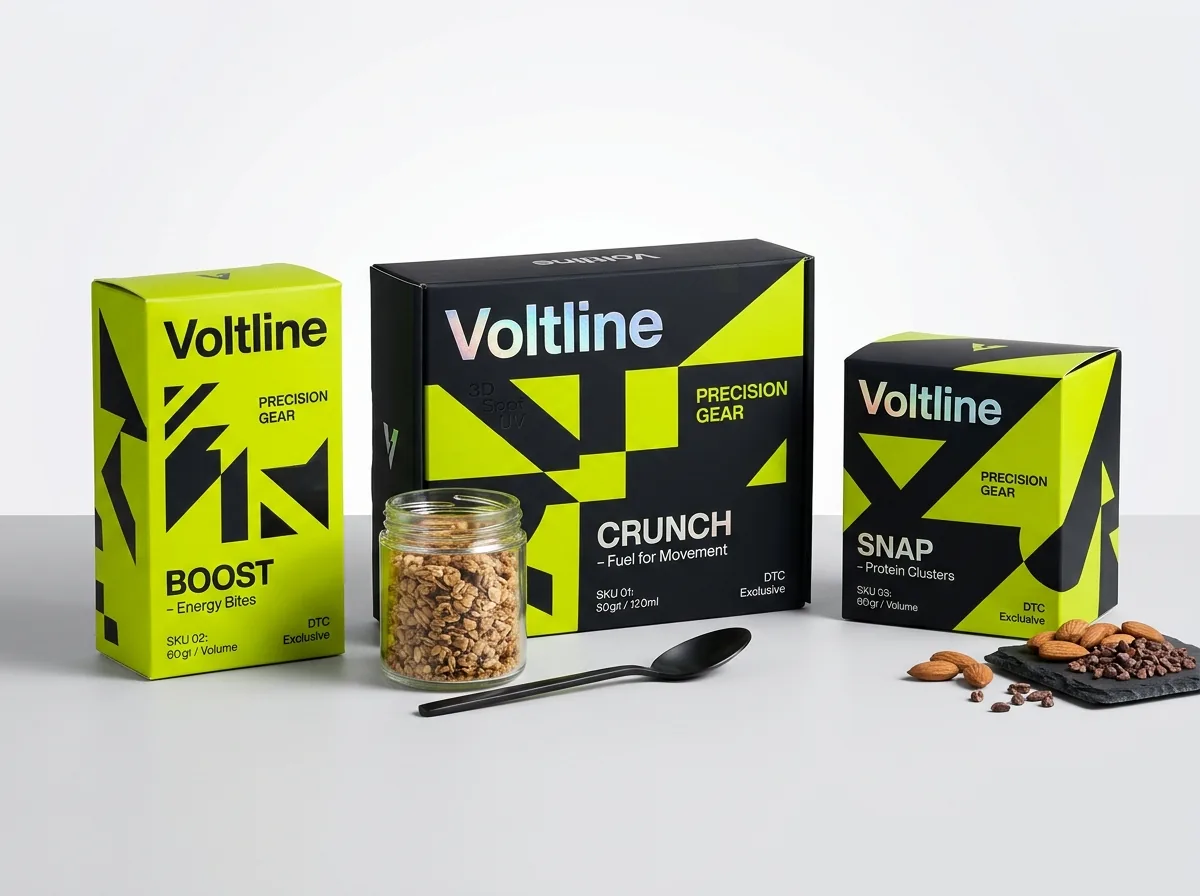
Learn more
Get your cereal boxes price
One dedicated account manager prepares pricing across up to 3 quantities.
- Free design & AI-to-print studio + 3D mockup
- No die or plate charges · 4–5 day rush available
- Free shipping to all 50 states
- 10% off your first order
- Reprint or refund if we get it wrong
Every CubitPack minimum order quantity, turnaround window, material, finish, and food-safe partner detail on this page comes from our approved project decisions and was verified by a packaging specialist. Dimensions are confirmed on your custom dieline and 3D mockup before payment. Spot something wrong? Let us know and we will fix it. Tell us if something looks wrong.
Sources
- CubitPack minimums (1,000 boxes), turnaround (10-14 business days, rush 4-5), food-safe materials on request via certified partner facilities, free design help, no die/plate fees, free 50-state shipping
- Side-panel FDA Nutrition Facts and allergen declaration layout rules for retail cereal cartons
- TAPPI paperboard caliper, stiffness, and grease/moisture barrier testing methods
What changed
- October 22, 2026: First published.
- October 22, 2026: Updated specifications, terminology, and verified source links.