
Auto lock bottom vs reverse tuck end foundation boxes: which holds glass bottles better?
Short answer: Choose an auto lock bottom carton for heavy 30 ml thick-walled glass foundation bottles (over 4 oz / 115 g filled), because its pre-glued crash-lock base cannot spring open. Choose reverse or straight tuck end custom foundation boxes for lighter airless pumps, plastic tubes, sticks and powder compacts.
On this page
- How do auto lock bottom, straight tuck and reverse tuck foundation boxes compare
- When does a glass foundation bottle require an auto lock bottom
- What is the difference between straight tuck end and reverse tuck end for cosmetics
- Can slit locks and internal neck collars strengthen a straight tuck box
- How does your filling and kitting workflow affect the box style
- What carton style works best for cushion compacts and stick foundations
- Common mistakes
- FAQs
Request a custom quoteFree dieline & 3D mockup
The bottom closure of a foundation carton determines both whether a glass bottle survives shipping and how fast your fulfillment team can pack orders. A reverse tuck end (RTE) or straight tuck end (STE) carton relies on a friction-fit bottom flap with dust flaps and a slit lock. That works cleanly for foundation sticks, squeeze tubes, cushion compacts and lightweight airless pumps, and it uses less paperboard per unit. However, a prestige 30 ml liquid foundation in a heavy square glass bottle often weighs 120 to 170 grams once filled. When a shopper lifts that carton off a shelf or a parcel box drops in transit, the narrow glass heel concentrates downward force on the bottom flap. An auto lock bottom (crash-lock) carton solves this with pre-glued interlocking bottom panels that pop flat in one motion and hold heavy glass securely.
How do auto lock bottom, straight tuck and reverse tuck foundation boxes compare?
When selecting a folding carton structure for custom printed foundation boxes, you are balancing four practical variables: bottom load capacity, front-panel visual cleanliness, hand-packing speed and paperboard efficiency. While all three styles ship flat in bundles and start at the same 1,000-box minimum at CubitPack, their bottom flaps fold and bear weight very differently. Use the side-by-side table below to match your primary container (whether it is a thick-bottomed glass pump, a serum dropper bottle or a pressed powder compact) to the right folding carton base.
| Carton feature | Auto lock bottom (ALB) | Reverse / Straight tuck end (RTE / STE) |
|---|---|---|
| Bottom closure mechanism | Pre-glued interlocking crash-lock base | Friction-tuck flap with optional slit locks |
| Ideal filled container weight | Over 4 oz (115 g); heavy 30 ml glass bottles | Under 4 oz (115 g); compacts, sticks, plastic tubes |
| Hand-packing assembly speed | Fastest: pops open and locks in 1 second | Standard: requires folding 2 dust flaps + bottom tuck |
| Front panel edge seam | Clean front bottom edge | STE has clean front; RTE shows one raw edge at bottom or top |
| Board usage & unit cost | Slightly higher (extra bottom glue + overlapped flaps) | Lowest board footprint (nested layout on press sheet) |
| Best foundation formats | Square & round glass pumps, multi-bottle duo boxes | Cushion compacts, stick tubes, airless pumps, droppers with inserts |
When does a glass foundation bottle require an auto lock bottom?
Empty 30 ml glass foundation bottles often weigh more than the liquid makeup inside them. Square bottles with thick sham bases (the solid glass block at the bottom of the vessel) concentrate all that mass onto a 1.5-inch square footprint. If a fulfillment worker forgets to engage the slit tabs on a standard tuck bottom, or if repeated parcel vibration loosens the tuck flap, the bottle can slide straight through the bottom of the carton when lifted. With custom auto lock bottom boxes, the bottom flaps are folded and glued on a folder-gluer machine during box production. When your packing team squeezes the side walls to pop the flat carton open, the diagonal glue tabs pull the bottom floor into a locked cross-brace automatically. No one has to fold bottom dust flaps by hand, and the floor cannot unlatch from downward bottle weight.
- Thick-walled 30 ml square or cylindrical glass pump bottles weighing 115 g (4 oz) or more.
- Retail shelf cartons where shoppers pick up and set down boxes repeatedly to inspect shade names.
- High-volume hand-packing runs where cutting 3 to 4 seconds of bottom folding per box saves hours of labor.
- Tall duo cartons holding both a glass foundation bottle and a primer or brush.
What is the difference between straight tuck end and reverse tuck end for cosmetics?
If your foundation comes in a frosted airless pump, a plastic squeeze tube, a twist-up cream stick or a hinged compact, a tuck-end carton is plenty strong. Your next decision is between custom straight tuck end boxes (STE) and custom reverse tuck end boxes (RTE). On a straight tuck end carton, both the top flap and the bottom flap hinge from the front panel and tuck into the back panel. Because both folds wrap away from the viewer, the front face of the carton has four smooth, uninterrupted folded creases with zero raw paperboard edges showing. That makes STE the favorite for prestige compacts, serum tints and bottles with a front die-cut window. On a reverse tuck end carton, the top flap tucks to the back while the bottom flap hinges from the back and tucks to the front. Because the flaps alternate, the flat dielines interlock tightly on the parent press sheet, reducing paperboard waste on large multi-shade runs.
Know your size? Compare pricing across up to 3 quantities.
Request a Quote →Can slit locks and internal neck collars strengthen a straight tuck box?
Many luxury beauty brands love the clean four-sided look of a straight tuck end carton but still pack a medium-weight glass dropper or cylindrical pump bottle. You can bridge that gap in two ways without switching to an auto lock base. First, ask our design team to add friction slit locks (also called cherry locks) to the bottom tuck flap. The ears of the bottom tuck hook into small notches at the base of the side dust flaps so the bottom cannot swing open casually. Second, add a folded custom cardboard insert inside the carton. A U-shaped base cradle or top shoulder collar spreads the bottle's load across the side walls instead of letting the glass heel rest solely on the bottom tuck flap.
How does your filling and kitting workflow affect the box style?
Before locking in your dieline, ask whether your foundation bottles will be boxed by hand at your studio, kitted by a 3PL warehouse, or loaded on an automated cartoner at a contract filler. Automated horizontal and vertical cartoners at cosmetic labs are usually calibrated for reverse tuck end or straight tuck end blanks and use mechanical plows to fold and lock the flaps at high speed. By contrast, if your team or co-packer erects cartons by hand for launch quantities of 1,000 to 10,000 units, an auto lock bottom cuts assembly time nearly in half because the bottom snaps into place as soon as the flat carton is squeezed open. Whichever style fits your line, CubitPack supplies a free custom dieline and 3D mockup before payment so your filler can sign off on the flap specs.
- Hand packing (1,000 to 10,000 units): auto lock bottom eliminates three manual bottom-flap folds on every bottle.
- Semi-automatic vertical loading: operator pops the crash-lock base, drops in the neck collar and bottle, and tucks the top flap.
- High-speed horizontal cartoning: check whether your contract filler prefers reverse tuck end or straight tuck end machine blanks.
- Retail shelf restocking: auto lock bottoms stay flat and square on gondola shelves without rocking on bowed tuck flaps.
What carton style works best for cushion compacts and stick foundations?
While liquid glass pumps demand heavy-duty bottom support, pressed powder compacts, hinged cushion compacts and twist-up foundation sticks weigh a fraction as much and distribute their weight across a wider footprint. Putting an auto lock bottom on a shallow 3 × 3 × 1 inch compact carton is unnecessary and leaves diagonal glue seams across the narrow 1-inch bottom spine. Instead, pack cushion and powder compacts in a straight tuck end carton or a custom tray and sleeve box where the compact slides out like a drawer. For twist-up cream foundation sticks around 1.25 × 1.25 × 3.75 inches, a reverse tuck end carton with a bottom slit lock holds the plastic barrel securely while keeping your unit cost as low as possible across a 25-shade stick lineup.
What mistakes do brands make when choosing a foundation box bottom?
Most structural failures happen when a carton style chosen for a light plastic tube is reused for a heavy glass bottle. Avoid these five mistakes
- Packing a heavy 150 g square glass foundation bottle into an unlocked reverse tuck box, allowing the bottom flap to give way when lifted.
- Putting the raw bottom tuck seam of a reverse tuck carton on the front panel where it interrupts metallic foil borders or bottom text.
- Using aggressive slit locks on the top opening flap, which causes shoppers to tear the soft-touch top flap when opening the box.
- Putting a UPC barcode on the bottom panel of an auto lock bottom box where the diagonal crash-lock seam crosses through the bars.
- Ordering a tall window carton without an internal neck collar, letting the bottle tilt away from the front window.
Find your size
Suggested inside size: 1.5 × 1.5 × 4.75 in
A starting point. Your account manager confirms the size with you before the proof.
Quote this size →Packaging for this
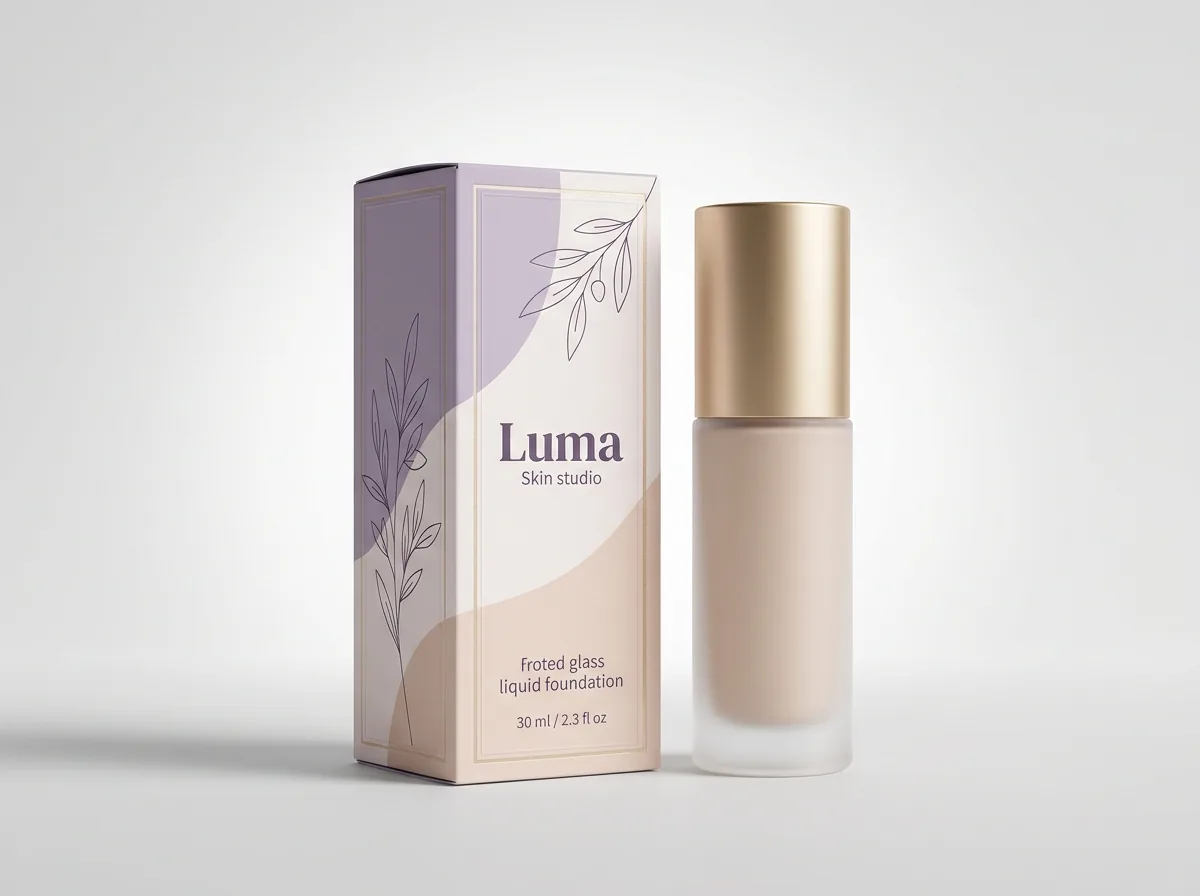
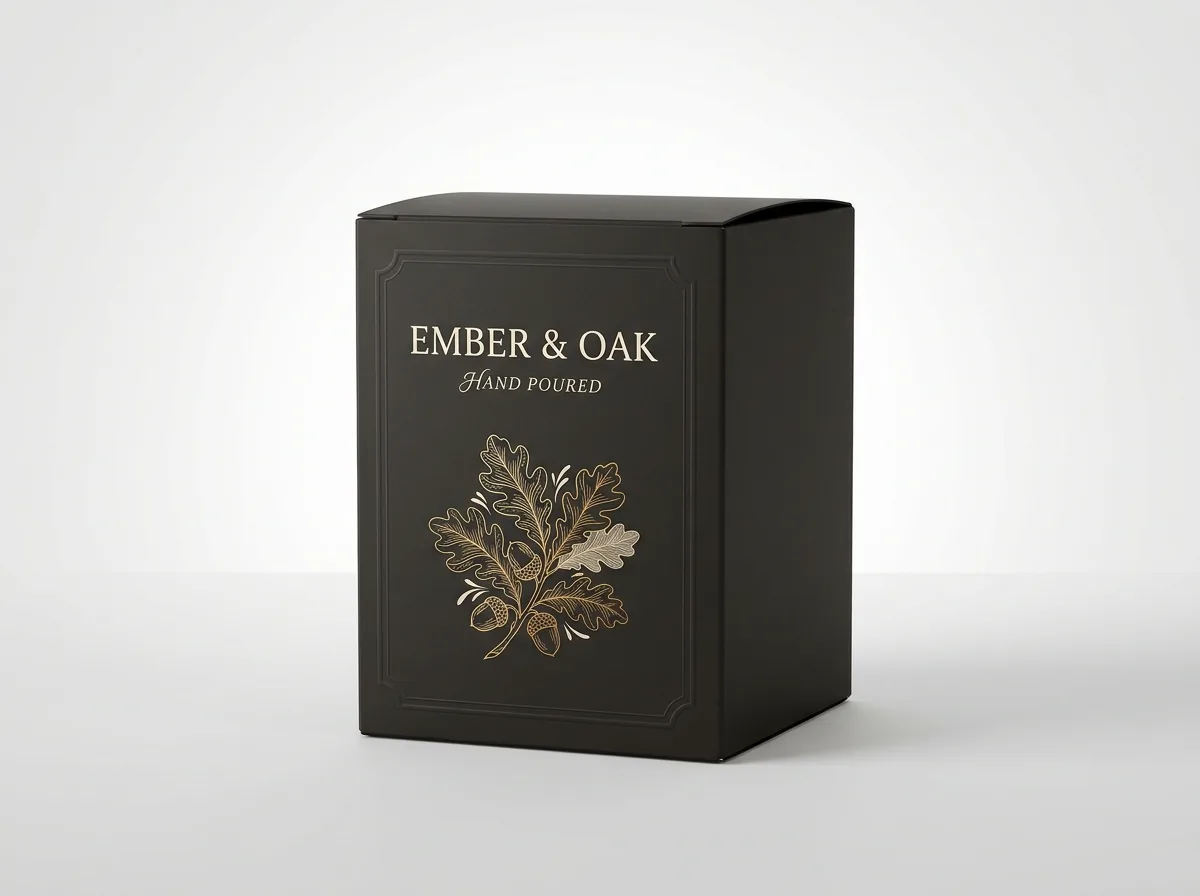
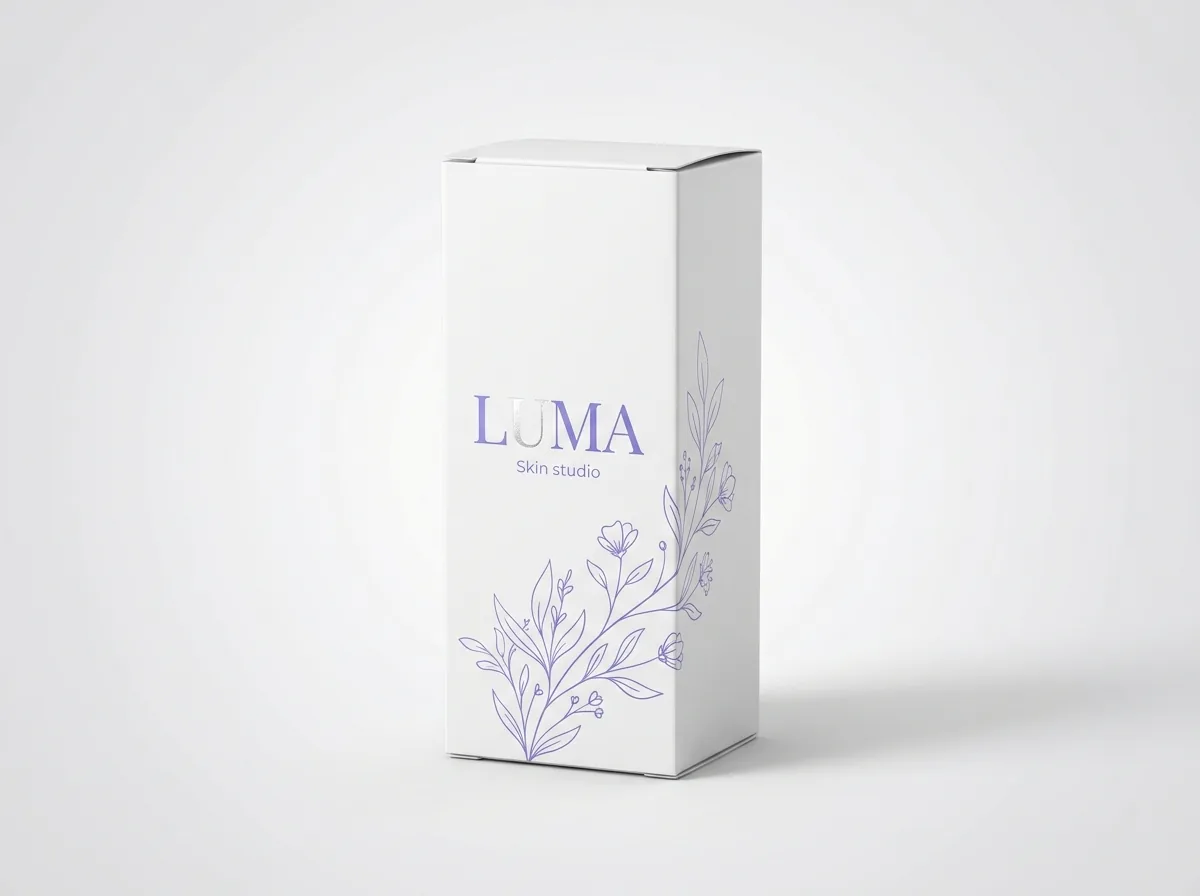
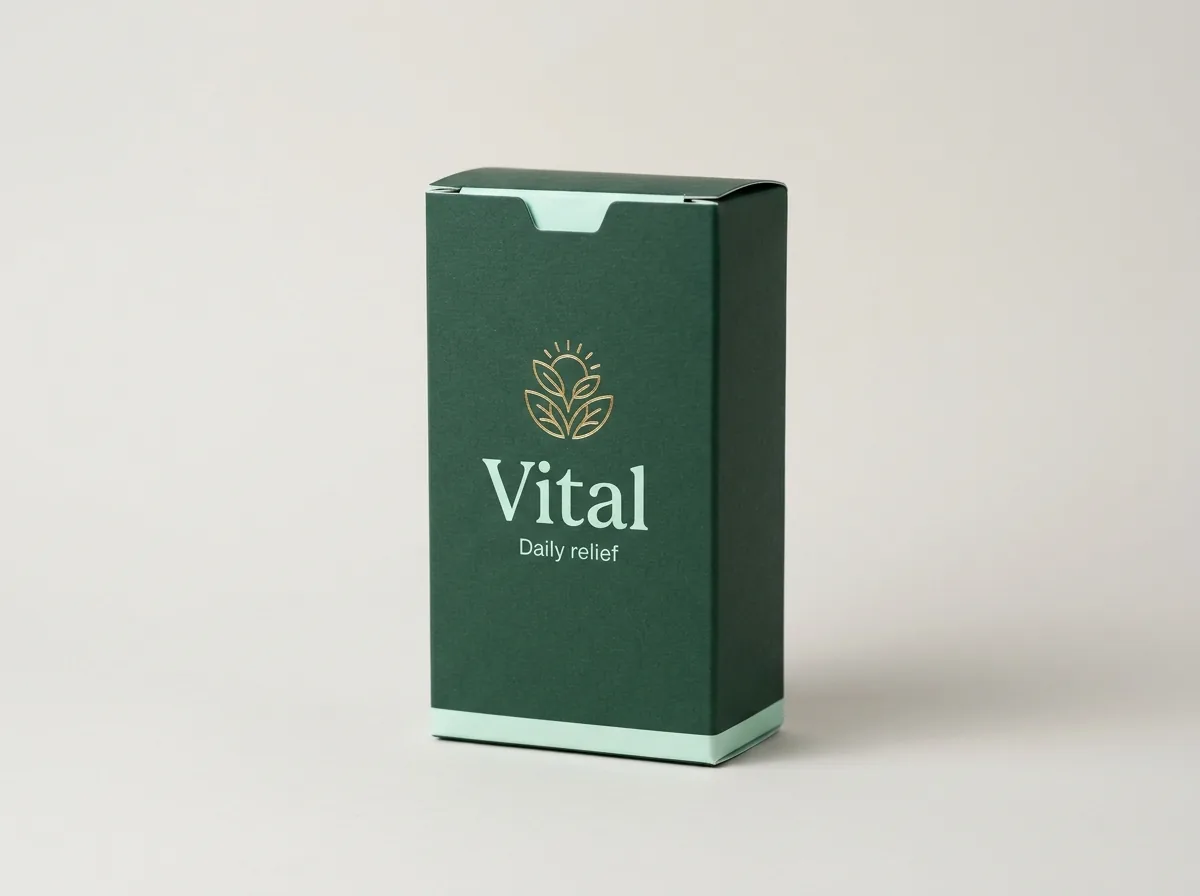
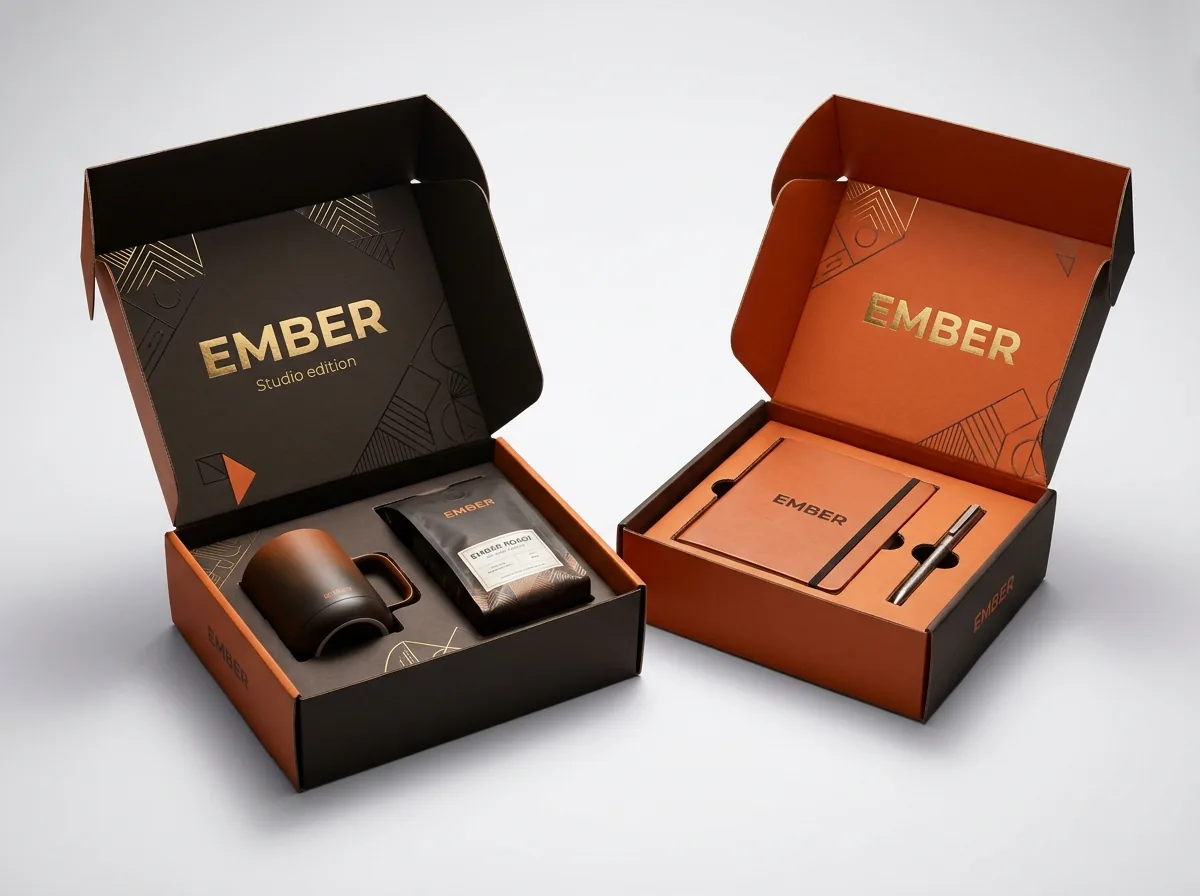
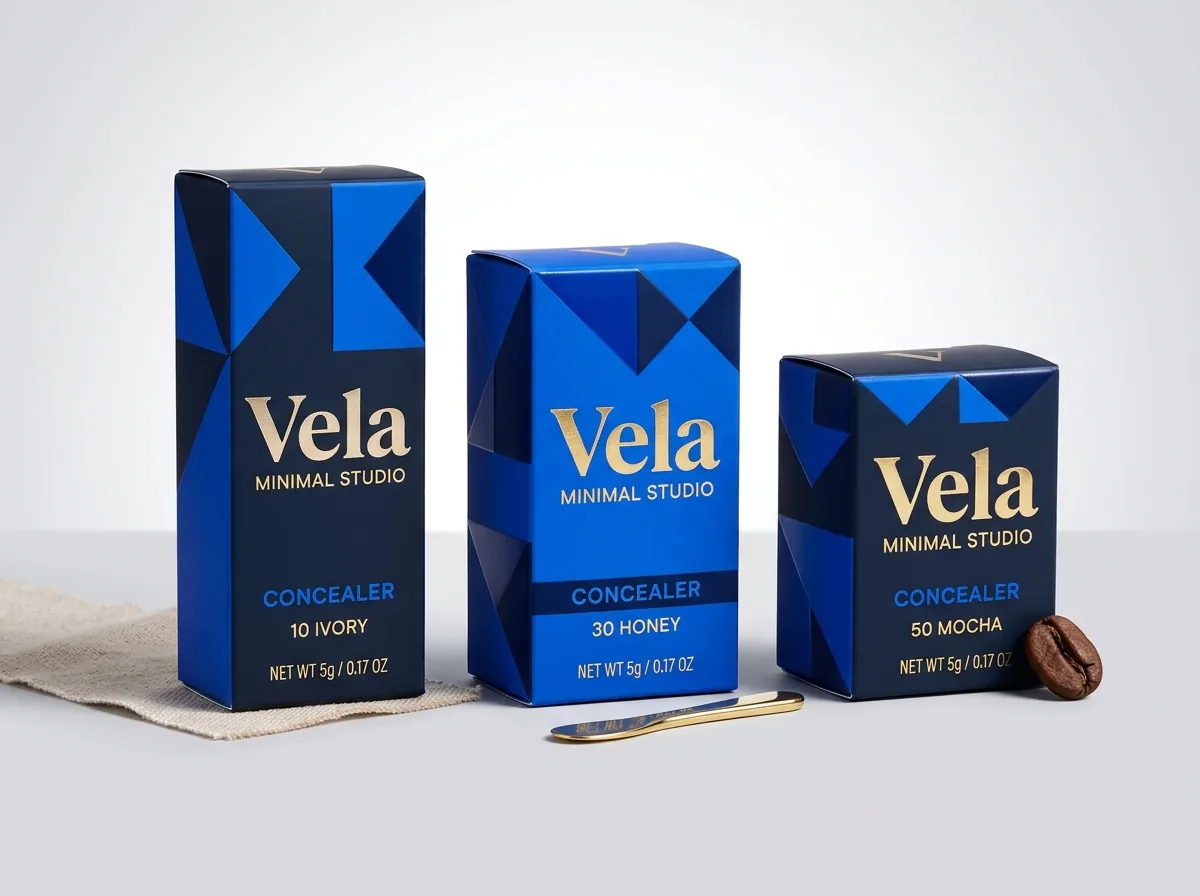
Ready to order foundation boxes? Compare up to 3 quantities with a free 3D mockup.
Request a Quote →Questions about foundation boxes
Can I put a barcode on the bottom of an auto lock bottom foundation box?
An auto lock bottom has a diagonal overlap seam across the bottom floor where the flaps interlock. Unless your box base is wide enough for the barcode to sit entirely on the main floor flap, place your UPC barcode on the lower back or side panel instead.
Does an auto lock bottom box ship flat like a tuck end box?
Yes. Both auto lock bottom and tuck end cartons are pre-glued along their side seam (and bottom tabs on auto lock) and ship completely flat in stacked bundles so they take up minimal storage space.
Are there extra die charges if I choose an auto lock bottom with a neck insert?
No. CubitPack never charges die or plate fees on any folding carton style or internal card insert. You only pay the unit price of the boxes, and we build the custom dielines for free.
Which style is best for a flat powder or cushion foundation compact?
A straight tuck end (STE) carton or a tray-and-sleeve box is ideal for flat compacts. Because a compact is light and wide, it does not need a crash-lock base, and STE keeps all four front edges clean.
What is a seal end box and is it used for liquid foundation?
A seal end carton has bottom flaps that are glued shut permanently on your filling line. It is rarely used for prestige cosmetics unless tamper-evident glued flaps are required by a mass-market chain.
Can I test both an auto lock bottom and a straight tuck end prototype?
Yes. Ask your account manager for physical prototypes of both styles sized to your 30 ml bottle so you can drop-test and time hand assembly before approving your production proof.
Still have a question? Ask a packaging specialist.
Request a Quote →Request your foundation boxes quote
Tell us your size and quantities, and one dedicated account manager prepares pricing for each tier.
- Free design & AI-to-print studio + 3D mockup
- No die or plate charges · 4–5 day rush available
- Free shipping to all 50 states
- 10% off your first order
This structural comparison draws on TAPPI paperboard folding standards and cosmetic fulfillment testing across glass pump bottles, droppers and compacts. Checked by a CubitPack packaging specialist. Spot an error? Tell us and we will fix it.
Sources
What changed
- October 22, 2026: First published.
- October 22, 2026: Updated specifications, terminology, and verified source links.
More guides
New packaging guides by email
Sizes, materials and design tips. Unsubscribe anytime.