
Full soap boxes vs open soap sleeves vs scent cutouts: which should you choose?
Short answer: Choose a full tuck box with an open die-cut sniff window when you want all eight bar corners protected for shipping while letting shoppers smell and see the soap. Choose open-ended sleeves for farmer's markets or high-top bars, or fully enclosed custom soap boxes for retail chains.
On this page
- How do full soap boxes, sniff-window boxes and open sleeves compare
- Why do most handmade soap makers prefer an open cutout over a plastic window
- When is an open-ended soap sleeve better than a full tuck box
- When should you use a fully enclosed tuck-end soap box
- What about slide-out tray and sleeve boxes for luxury soap bars
- When do pillow boxes and gable boxes make sense for bar soap
- Common mistakes
- FAQs
Request a custom quoteFree dieline & 3D mockup
Bar soap buyers shop with their noses and eyes first: at a market booth or boutique shelf, the first thing a customer does is lift the bar to smell the essential oils and check the natural color swirl. That habit creates a three-way trade-off between sensory access, corner protection and unit cost. An open-ended soap sleeve (belly band) wraps the center of the bar using the least paperboard, leaving both textured ends completely open to smell and touch, but leaves the eight soft soap corners exposed to dents during shipping. A full six-sided tuck carton protects every corner and stacks like a brick on retail shelves, yet hides the bar unless you add an aperture. A tuck carton with an open die-cut sniff window gives you the middle path: full eight-corner protection plus an unpatched cutout for scent, sight and curing airflow.
How do full soap boxes, sniff-window boxes and open sleeves compare?
When choosing a structure for custom printed soap packaging, start with where your customers buy the bar and how the soap is formulated. A bar sold in person at a craft fair has very different protection needs from a bar tossed into a poly mailer or stocked on a grocery store gondola. Review the comparison table below to see how closed tuck cartons, open-cutout window cartons, film-patched window cartons and slide-on soap sleeves stack up across protection, scent access, curing breathability and board cost.
| Feature | Tuck box + open sniff cutout | Open-ended soap sleeve (belly band) | Closed tuck box (or film window) |
|---|---|---|---|
| Corner & edge protection | Full 8-corner enclosure | Center only; bar ends exposed to dents | Full 8-corner + full surface protection |
| Scent & sniff appeal | High through front die-cut opening | Highest across both open bar ends | Low (sealed inside board or film) |
| Breathability for cold-process cure | High (air circulates through cutout) | Highest (open on both sides) | Moderate on plain card; low if laminated |
| Protection from customer fingers | Good (recessed behind board edge) | Low (customers hold the exposed bar ends) | Highest (no direct skin contact) |
| Paperboard usage & unit cost | Standard carton board area (no film fee) | Lowest board footprint (no end flaps) | Standard carton (+ film patch if windowed) |
| Best soap types & channels | Cold-process & botanical bars in retail + DTC | High-piped artisan bars & craft markets | Shrink-wrapped glycerin & triple-milled bars |
Why do most handmade soap makers prefer an open cutout over a plastic window?
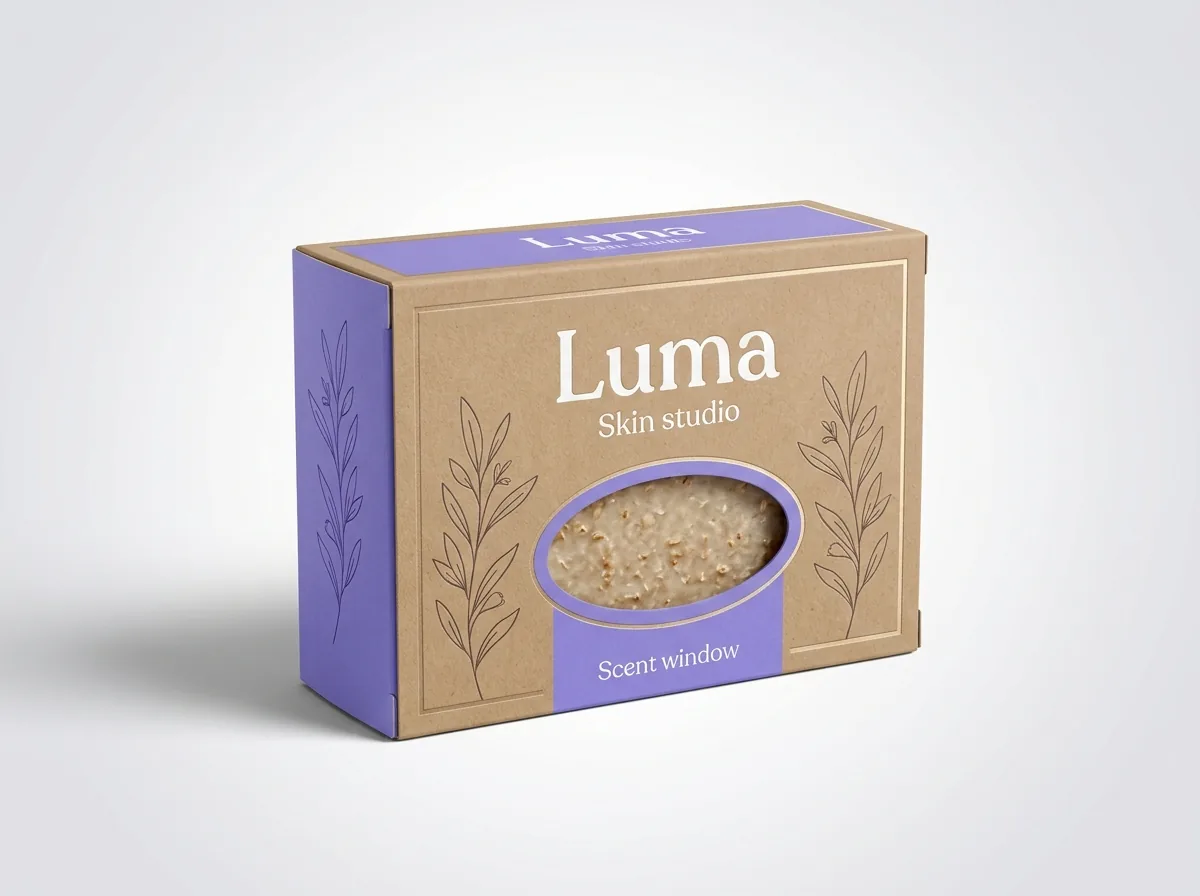
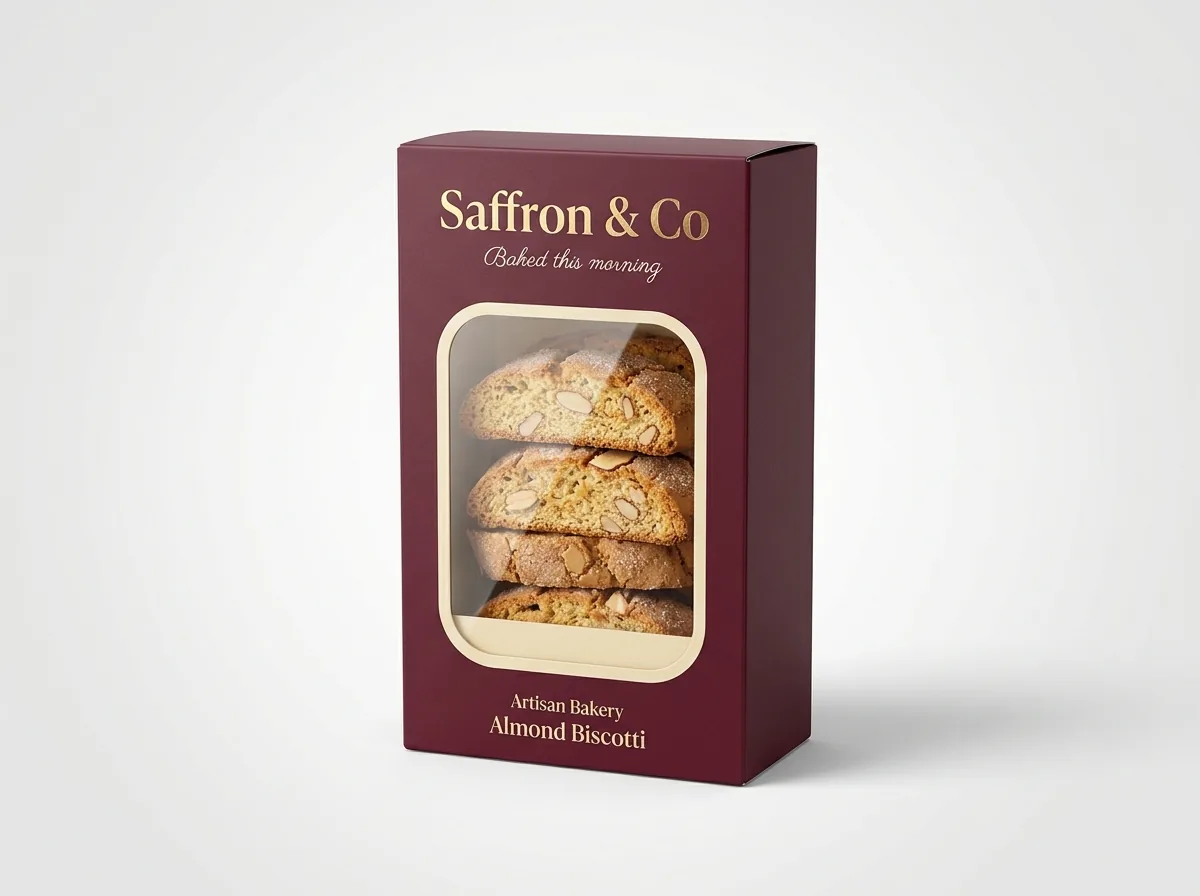
On bakery and food packaging, a window almost always has a clear film patch glued behind the aperture. On handmade soap cartons, the opposite is true: roughly four out of five artisan soap brands order custom window boxes as an open die-cut hole with no plastic film at all. Skipping the plastic window patch gives soap makers four practical advantages. First, customers can hold the box up and smell the lavender, lemongrass or cedarwood essential oil right through the opening without opening the top tuck flap. Second, cold-process soap continues to off-gas trace moisture for months; an open cutout prevents humidity from trapping inside the carton. Third, eco-conscious bath shoppers strongly prefer 100% paperboard packaging without a plastic film patch that has to be peeled off before recycling. Fourth, because the die cutter punches the window hole in the same stroke that cuts the box outline, an open sniff window adds zero extra cost and has no die fee at CubitPack.
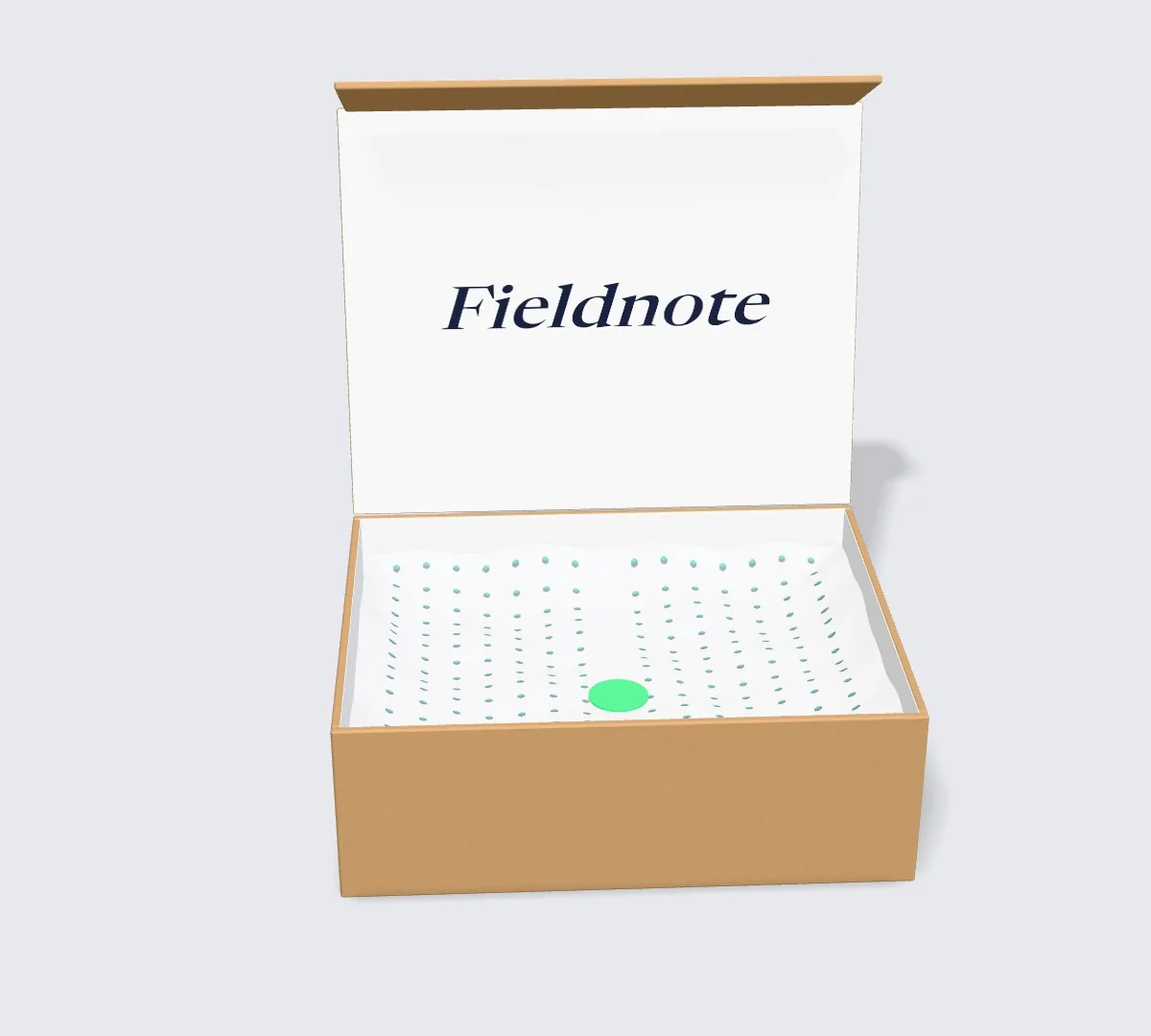
- Open die-cut sniff hole: best for naked cold-process, hot-process, goat milk and clay soaps.
- Clear film-patched window: best for dusty retail environments or shrink-wrapped glycerin soaps with delicate embeds.
- Custom window shapes: circles, ovals, arches, leaves, raindrops or your brand monogram icon at no die charge.
- Structural margin: keep the cutout at least 3/8 inch away from the vertical fold scores so the front panel stays stiff.
When is an open-ended soap sleeve better than a full tuck box?
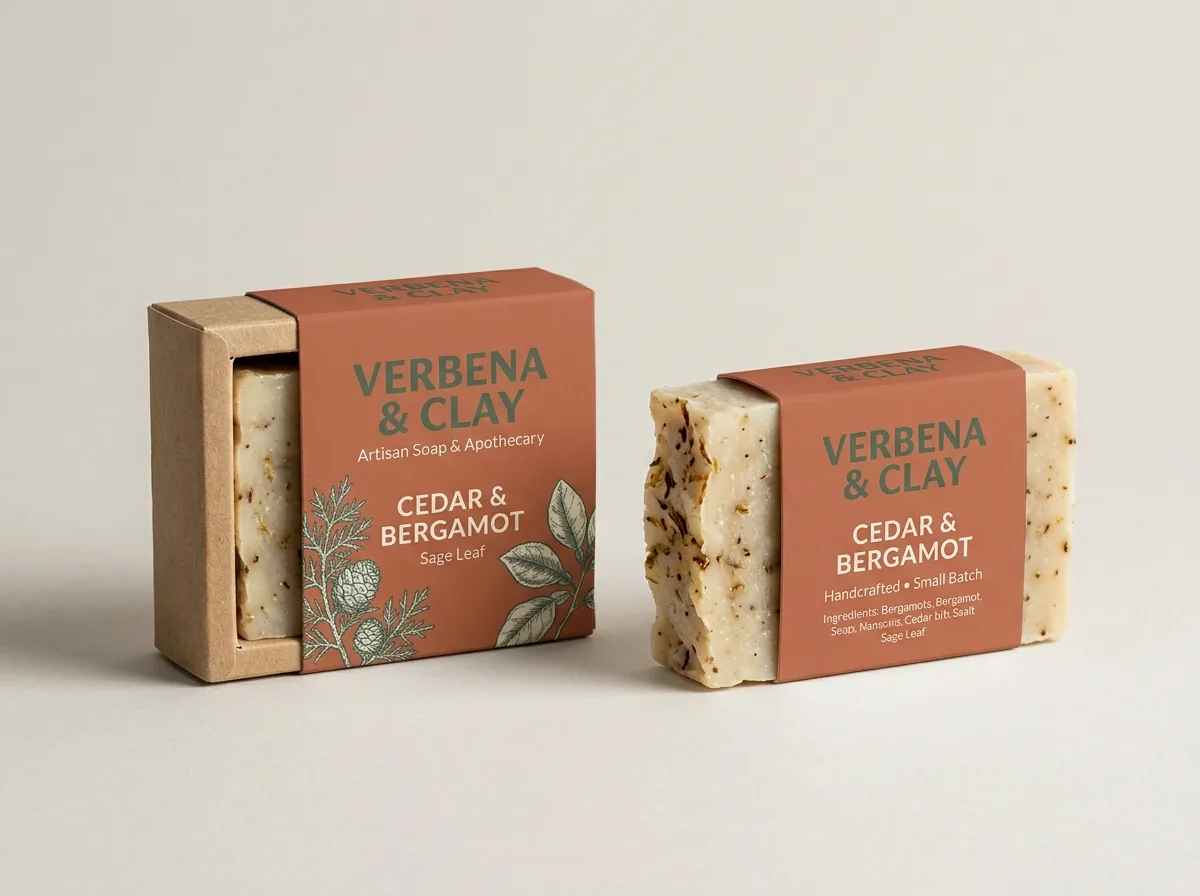
If you pour cold-process loaves with tall piped soap frosting, swirled peaks, sea-salt crusts or whole dried botanicals on top, fitting the bar into a rectangular six-sided box means sizing the carton to the tallest peak, which leaves empty air space around the rest of the bar. Wrapping custom sleeve boxes around the lower rectangular body solves that problem completely: the decorative top sits proudly outside the band while the 2-inch-wide paperboard sleeve carries your brand logo, scent name, weight, INCI ingredients and barcode. Soap sleeves also use 35% to 45% less paperboard than a full reverse tuck end carton because they eliminate the two side dust flaps and both tuck flaps. The main limitation is e-commerce shipping: if you mail sleeved bars in a padded mailer without an outer box, parcel sorting rollers will mash the exposed soap corners. Always pack sleeved bars inside a rigid shipping carton or wrap them in protective honeycomb or tissue paper for mail orders.
Know your size? Compare pricing across up to 3 quantities.
Request a Quote →When should you use a fully enclosed tuck-end soap box?
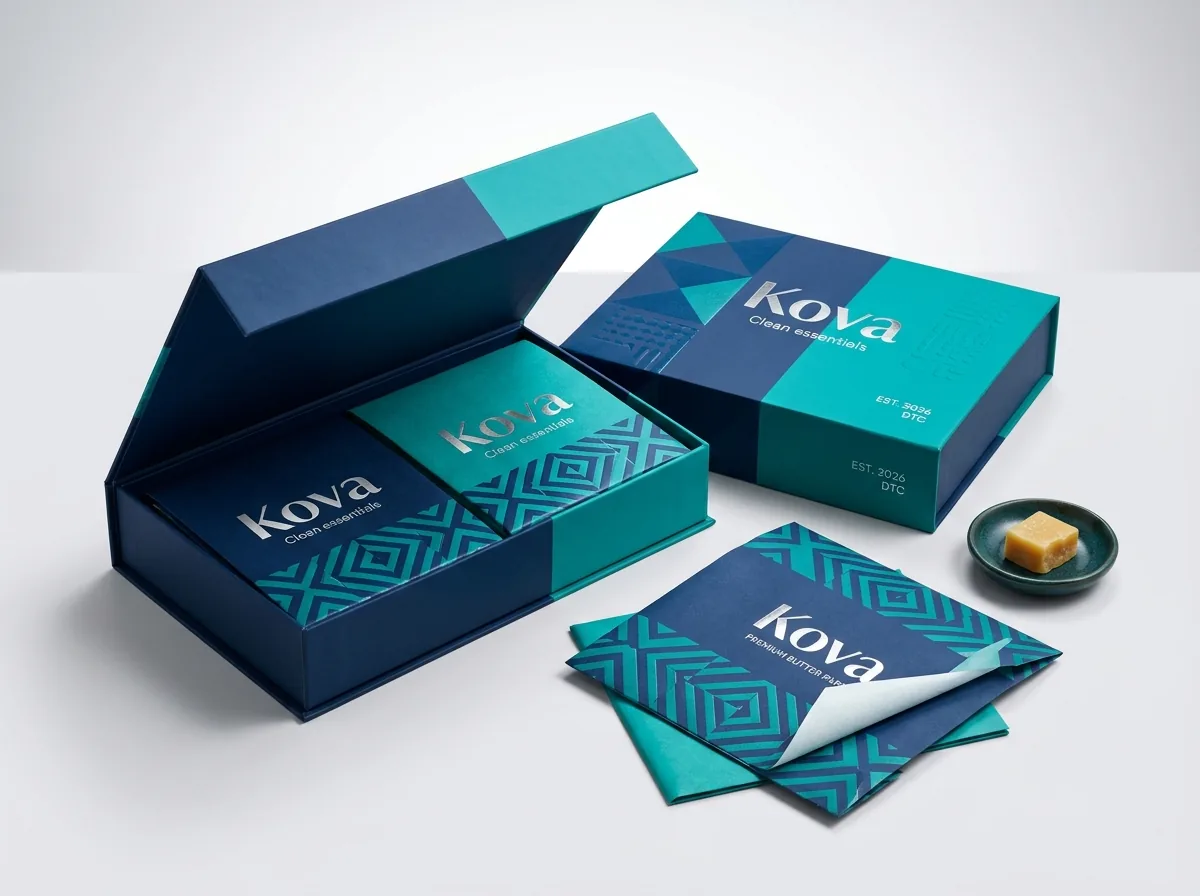
Triple-milled French soaps, hotel amenity bars, medicated acne bars (such as salicylic acid or sulfur soaps) and syndet facial cleansing bars almost always use a fully enclosed custom reverse tuck end box or custom straight tuck end box with no window cutout. In pharmacies, grocery chains and department stores, bright overhead LED lighting can fade natural plant colorants (like spirulina green, alkanet root purple or turmeric yellow) if the bar sits exposed through a window for months. A solid six-sided carton blocks UV and store light completely, keeps dust and shopper fingernails off the bar, and gives you four full unbroken walls for regulatory text, drug facts, directions and brand storytelling. Inside the closed carton, brands often wrap the bar in custom butter paper or pleated tissue sealed with a logo sticker.
What about slide-out tray and sleeve boxes for luxury soap bars?
If you want the unboxing feel of a drawer gift box with the full corner protection of a carton, a custom tray and sleeve box (matchbox style) combines both. An inner paperboard tray holds the soap bar on all four sides and the bottom, while an outer printed sleeve slides over the tray. Shoppers can slide the tray out half an inch at the counter to smell the bar and admire the swirl without ever touching the soap with their fingers, then slide it shut cleanly without bending a tuck flap. Tray and sleeve structures are also the top choice for 3-bar discovery sets where three mini or full-size bars sit side by side in a partitioned tray.
- Single-bar drawer: inner tray cradles the bar corners while the outer sleeve acts as a rigid protective band.
- Three-bar sampler: integrated folded card dividers keep Lavender, Peppermint and Unscented bars separated inside one slide-out tray.
- Hotel & spa gifting: add a thumb notch or ribbon pull tab on the end of the tray for a boutique presentation.
When do pillow boxes and gable boxes make sense for bar soap?
Beyond standard 3.5 × 2.25 × 1.0 inch rectangular cartons and 2.0-inch sleeves, two specialty folding structures solve unique merchandising needs for soap makers: custom pillow boxes and custom gable boxes. Curved pillow boxes pop into shape in 2 seconds by folding in the 2 crescent end flaps, making them a favorite for 1.5 oz to 2.5 oz hotel guest soaps, wedding favors, bridal shower gifts and travel mini bars. Because the arched walls resist crushing in luggage and gift baskets, a small kraft or foil-stamped pillow box turns a tiny 2 oz sample bar into a gift-ready item. Larger 6 × 4 × 4 inch gable boxes with built-in carry handles work as market bundle carriers where customers can mix and match 4 or 5 sleeved soap bars at a farmers market booth.
What mistakes do soap brands make when choosing between boxes and sleeves?
Matching the wrong carton style to your soap formula or sales channel leads to dented bars or faded natural colors. Watch out for these five mistakes
- Shipping soaps in open-ended belly sleeves inside soft poly mailers, which crushes the exposed soap corners in transit.
- Using a large window box for spirulina, chlorophyll or turmeric-colored soaps that sit under bright store lights or market sun and fade.
- Putting a sealed plastic window film over freshly made cold-process soap, trapping moisture and blocking the scent.
- Using a loose soap sleeve on melt-and-pour bars that have been shrink-wrapped, where the slick plastic film makes the paper sleeve slide off.
- Making an open die-cut sniff window so large that the bar's corner pokes out and catches during fulfillment.
Find your size
Suggested inside size: 3.5 × 2.25 × 1.0 in
A starting point. Your account manager confirms the size with you before the proof.
Quote this size →Packaging for this
Ready to order soap boxes? Compare up to 3 quantities with a free 3D mockup.
Request a Quote →Questions about soap boxes
Does an open die-cut window cost more than a plain soap box?
No. At CubitPack there are never any die or plate charges, and an open sniff window is punched in the same die-cutting pass as the outer box outline. Only adding a glued plastic film patch adds a finishing step.
Can I order both full soap boxes and open soap sleeves from CubitPack?
Yes. Many brands use open-ended soap sleeves for farmers markets and wholesale boutiques, and full reverse tuck end boxes for online orders and Amazon fulfillment. We can quote both styles so you can compare unit costs side by side.
How do I keep a soap sleeve from sliding off a shrink-wrapped glycerin bar?
Shrink-wrapped melt-and-pour soap has a slick plastic surface with less friction than naked cold-process soap. Either size the sleeve tightly around the bar, add a small clear seal sticker on the back, or switch to a full tuck-end window box.
Do soap sleeves ship flat or pre-glued?
Custom soap sleeves are pre-glued along their back overlap seam on our folder-gluer lines and ship folded flat along two score lines. To pack, you simply squeeze the edges to pop the sleeve open and slide the soap bar through.
Which soap box style is best for solid shampoo and conditioner bars?
Solid shampoo and conditioner bars are usually used in the shower and sold in zero-waste shops, so a plastic-free reverse tuck end carton or an open-cutout window box on kraft or recycled board is the most popular choice.
Can I get a custom-shaped sniff window like a leaf, honeycomb or heart?
Yes. Because we make a custom dieline for every order at no charge, your sniff cutout can be a botanical leaf, a bee hexagon, an apothecary arch, a teardrop or your brand icon at no extra cost.
Still have a question? Ask a packaging specialist.
Request a Quote →Request your soap boxes quote
Tell us your size and quantities, and one dedicated account manager prepares pricing for each tier.
- Free design & AI-to-print studio + 3D mockup
- No die or plate charges · 4–5 day rush available
- Free shipping to all 50 states
- 10% off your first order
This comparison draws on structural packaging standards from TAPPI and ISTA parcel transit practices for bar soaps and bath products. Checked by a CubitPack packaging specialist. Spot something wrong? Tell us and we will fix it.
Sources
What changed
- October 22, 2026: First published.
- October 22, 2026: Updated specifications, terminology, and verified source links.
More guides
New packaging guides by email
Sizes, materials and design tips. Unsubscribe anytime.