
Daily sachet dispenser vs bottle carton vs blister vitamin boxes: which should you choose?
Short answer: Choose a roll-feed sachet dispenser cube for 30-day personalized daily pill packets, a reverse or straight tuck-end carton for lightweight plastic single-letter vitamin bottles, an auto-lock bottom carton for heavy amber glass multivitamins and 300-400 cc gummy jars, and a calendar blister wallet for 30-day prenatal or iron custom vitamin boxes.
On this page
- How do the five main vitamin box structures compare side by side
- How does a 30-day roll-feed daily vitamin sachet dispenser box work
- When should a vitamin bottle use reverse tuck, straight tuck or auto-lock bottom
- Why do prenatal, iron and probiotic vitamins use calendar blister wallets
- Common mistakes
- FAQs
Request a custom quoteFree dieline & 3D mockup
Match your vitamin box structure to two real-world factors: how the customer takes their dose each morning and how much the primary container weighs. If you sell a 30-day personalized or condition-specific regimen where each day's capsules and softgels are sealed in a dated cellophane pouch, use a 4.5 × 4.0 × 5.25 inch roll-feed dispenser cube with a lower-front zipper perforation and an internal core so the carton sits on the kitchen counter for 30 days. If you pack single-letter vitamins or multivitamins in round bottles, use a reverse or straight tuck-end carton for lightweight PET or HDPE bottles (under 6 ounces) and a pre-glued auto-lock bottom carton for heavy amber glass bottles or 300-400 cc gummy jars (8 to 14 ounces). For daily iron, methylated folate or probiotic capsules that need individual foil moisture barriers and Day 1 to Day 30 tracking, choose a flat calendar blister wallet. CubitPack produces every style from 1,000 folding cartons.
How do the five main vitamin box structures compare side by side?
Unlike a single-format sports powder brand, a comprehensive vitamin company often sells four or five distinct container types across its catalog: a colorful retail wall of single-letter plastic bottles, a heavy amber glass prenatal multivitamin, a wide jar of kids' fruit pectin gummies, a 30 ml liquid Vitamin D3 dropper, and a 30-day personalized packet subscription. Each container puts completely different mechanical loads on the carton base and opening flaps. Use the comparison matrix below to match each product in your line to the right structural style on our printed vitamin cartons production line. All five folding carton structures start at 1,000 units (with corrugated mailers from 250 units and rigid gift sets from 50 units) and include free structural dielines and zero die or plate charges.
| Carton structure | Best primary vitamin container | Safe container weight | Daily user experience |
|---|---|---|---|
| Roll-feed dispenser cube | 30 connected daily pill sachets wound on a core | Up to 12 oz (full coil) | Tear front slot once; pull 1 packet every morning |
| Reverse tuck end (RTE) | 100–200 cc PET/HDPE single-letter vitamin bottles | Up to 6 oz | Economical top-tuck opening for light plastic bottles |
| Straight tuck end (STE) + neck ring | 30 ml glass D3/K2 dropper vials & premium bottles | Up to 6 oz (add glue seal for glass) | Frameless front face; dust-flap collar centers dropper |
| Auto-lock bottom (crash-lock) | 150–250 cc amber glass bottles & 300–400 cc gummy jars | 6 oz to 24 oz+ | Pre-glued base pops open in 1 sec and holds heavy glass |
| Calendar blister wallet / carton | 28-day or 30-day PVC/foil push-through blister cards | Under 4 oz | Push 1 pill through dated Day 1–30 grid each morning |
How does a 30-day roll-feed daily vitamin sachet dispenser box work?
Popularized by direct-to-consumer personalized vitamin subscriptions and clinical longevity packs, the 30-day roll-feed dispenser box transforms a folding carton into a 30-day countertop appliance. Inside a 4.5 × 4.0 × 5.25 inch paperboard or printed E-flute corrugated cube, a continuous perforated strip of 30 dated cellophane or foil-laminate pill sachets is wound around a lightweight cardstock cylinder core so Day 1 sits on the outside circumference of the coil. When the subscriber unboxes their monthly shipment, they pull a double-knifed zipper tear strip across the lower front panel to open a 3.5 × 0.875 inch dispensing slot. As they pull the Day 1 packet out through the slot and tear it along the horizontal pouch perforation, the internal coil rotates smoothly around the cardstock core and leaves the leading edge of Day 2 resting right inside the window for tomorrow morning. Without an internal core tube or properly angled slot corners, the last 10 packets in the box collapse into a tangled heap at the bottom of the carton and jam against the front wall. Because a daily sachet dispenser sits on a kitchen counter next to the sink or coffee maker for a full month, we recommend finishing the exterior in scuff-resistant matte or soft-touch lamination so morning steam and damp hands never soften the tear slot.
When should a vitamin bottle use reverse tuck, straight tuck or auto-lock bottom?
For bottled vitamins, choosing between reverse tuck end, straight tuck end and auto-lock bottom comes down to three practical questions: how much does the filled container weigh, does the front panel have dark full-bleed ink coverage, and does a narrow vial need internal neck centering? If you pack single-letter vitamins (such as Vitamin C 1,000 mg, Vitamin D3 5,000 IU, Vitamin B12, Biotin and Zinc) in lightweight 120 cc or 150 cc plastic PET or HDPE packer bottles weighing 3 to 5 ounces, a reverse tuck end carton gives you the lowest unit board cost because alternating top and bottom flaps nest tightly together on the press sheet. When your artwork uses dark or saturated Pantone color bands on the front panel, step up to a straight tuck end carton so both the top and bottom flaps hinge from the rear panel, hiding the raw white paperboard edge away from the front shelf face. Straight tuck cartons also let us die-cut an extended dust-flap neck collar to hold a slim 30 ml liquid Vitamin D3 dropper bottle dead-center. Whenever you pack a 150 cc to 250 cc heavy amber glass multivitamin bottle or a 300 cc to 400 cc jar of 60 to 90 pectin gummies weighing 8 to 14 ounces, always specify a pre-glued auto-lock bottom. A friction-tuck bottom flap can bow or unlatch under a half-pound glass bottle when a shopper lifts the box off a pharmacy shelf, whereas a pre-glued crash-lock bottom locks into a rigid four-corner base in one second on your co-packer's line.
- Reverse tuck end (RTE): lowest unit board cost for lightweight plastic PET and HDPE single-letter vitamin bottles.
- Straight tuck end (STE): hides raw board edges on the back panel and integrates dust-flap neck rings for 30 ml droppers.
- Auto-lock bottom: pre-glued crash-lock base required for heavy amber glass multivitamins and 300-400 cc gummy jars.
Know your size? Compare pricing across up to 3 quantities.
Request a Quote →Why do prenatal, iron and probiotic vitamins use calendar blister wallets?
Certain micronutrients degrade rapidly if exposed to warm bathroom humidity every time a bottle cap is opened, or require strict once-daily dose tracking so the user knows immediately whether they took today's tablet. Prenatal vitamins with methylated folate, gentle chelated iron regimens, and high-potency sublingual B12 melts are frequently sealed in 28-day or 30-day PVC/PVDC or cold-form aluminum push-through blister cards. We manufacture both slim tuck-end blister cartons (which hold two or three 15-pill blister sheets stacked flat) and book-fold paperboard blister wallets where the foil blister card is heat-sealed between two layers of printed SBS board with registered die-cut pill push holes on the back cover. Inside the front cover of the wallet, you can print a Day 1 to Day 30 compliance calendar and morning vs evening food pairing notes. For impulse checkout vitamins such as 10-tablet effervescent Vitamin C tubes, single-day immunity packs or kids' vitamin trial sachets, pair your unit cartons with a perforated counter display box that ships pre-loaded and converts into a pharmacy register tray in seconds. Every CubitPack order includes free structural design support, guaranteed Pantone color matching across all your vitamin SKUs, free shipping across all 50 US states, a 10% first-order discount, and a free flat digital proof and 3D mockup to review before payment. For exact container clearance rules, see what size vitamin box do I need for bottles, jars and daily packs and our panel design guide on how to design vitamin boxes for letter hierarchy and Daily Value panels.
What are the most common mistakes when choosing a vitamin box style?
Avoid these five structural mismatches when specifying packaging for your vitamin catalog so heavy glass bottles stay secure and 30-day packet rolls dispense smoothly
- Packing a 10-ounce amber glass multivitamin bottle or 90-count gummy jar in an unglued reverse tuck carton whose bottom flap can pop open.
- Designing a 30-day daily vitamin sachet dispenser without an internal roll core or angled slot corners, causing the packet strip to tangle halfway through the month.
- Using an unlaminated paperboard dispenser cube on a kitchen countertop where morning coffee steam and wet fingers soften the tear-out slot.
- Putting a narrow 30 ml glass Vitamin D3 dropper bottle inside a wide carton without an extended dust-flap neck collar to stop glass breakage.
- Choosing a reverse tuck carton for a dark navy or forest-green vitamin box where the raw white paperboard edge shows across the top of the front face.
Find your size
Suggested inside size: 1.625 × 1.625 × 4.25 in
A starting point. Your account manager confirms the size with you before the proof.
Quote this size →Packaging for this
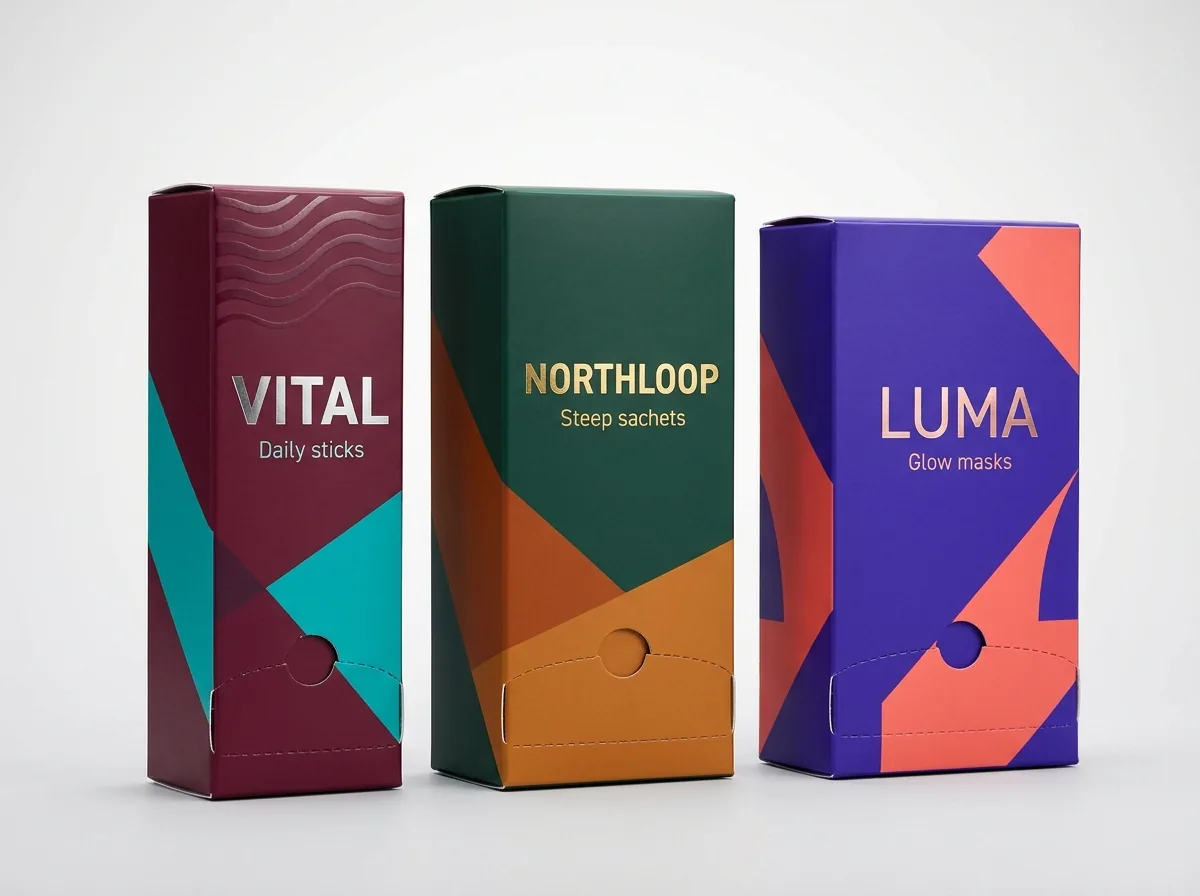
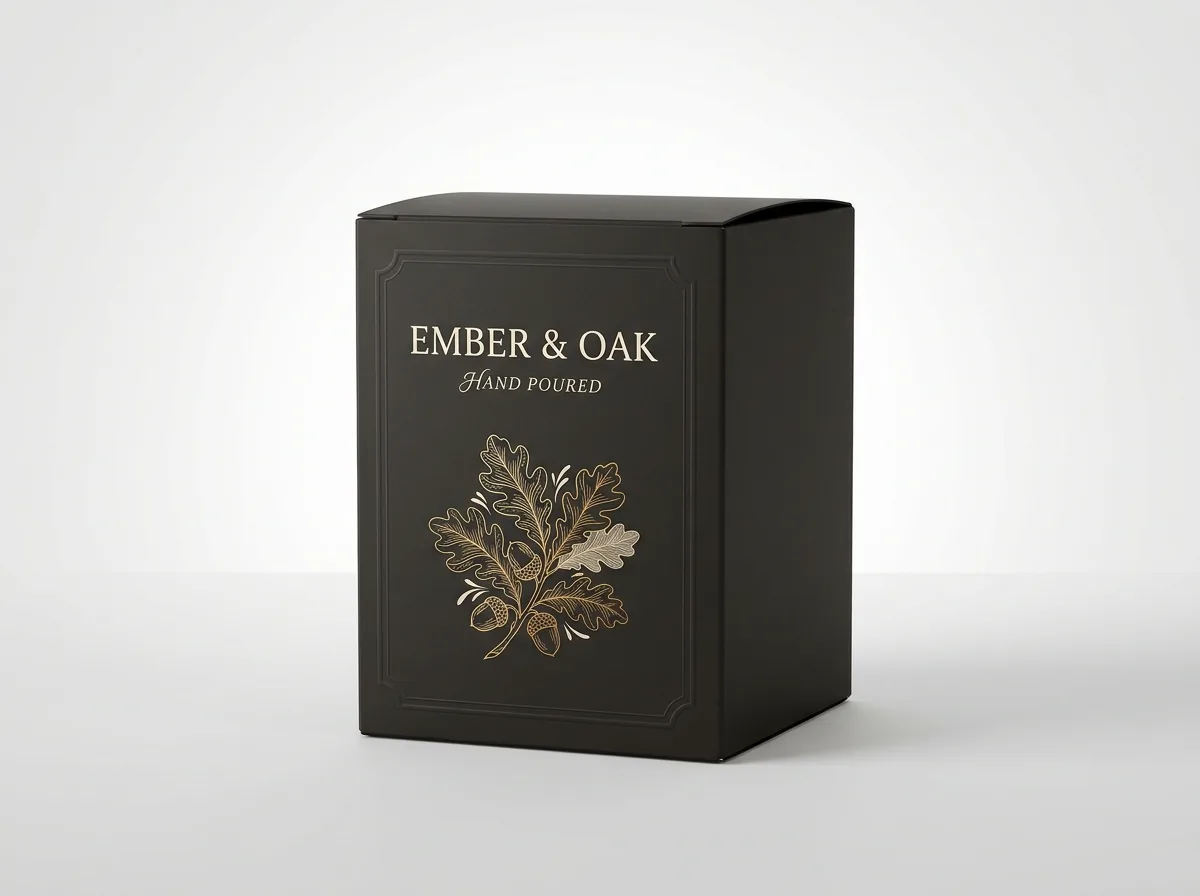
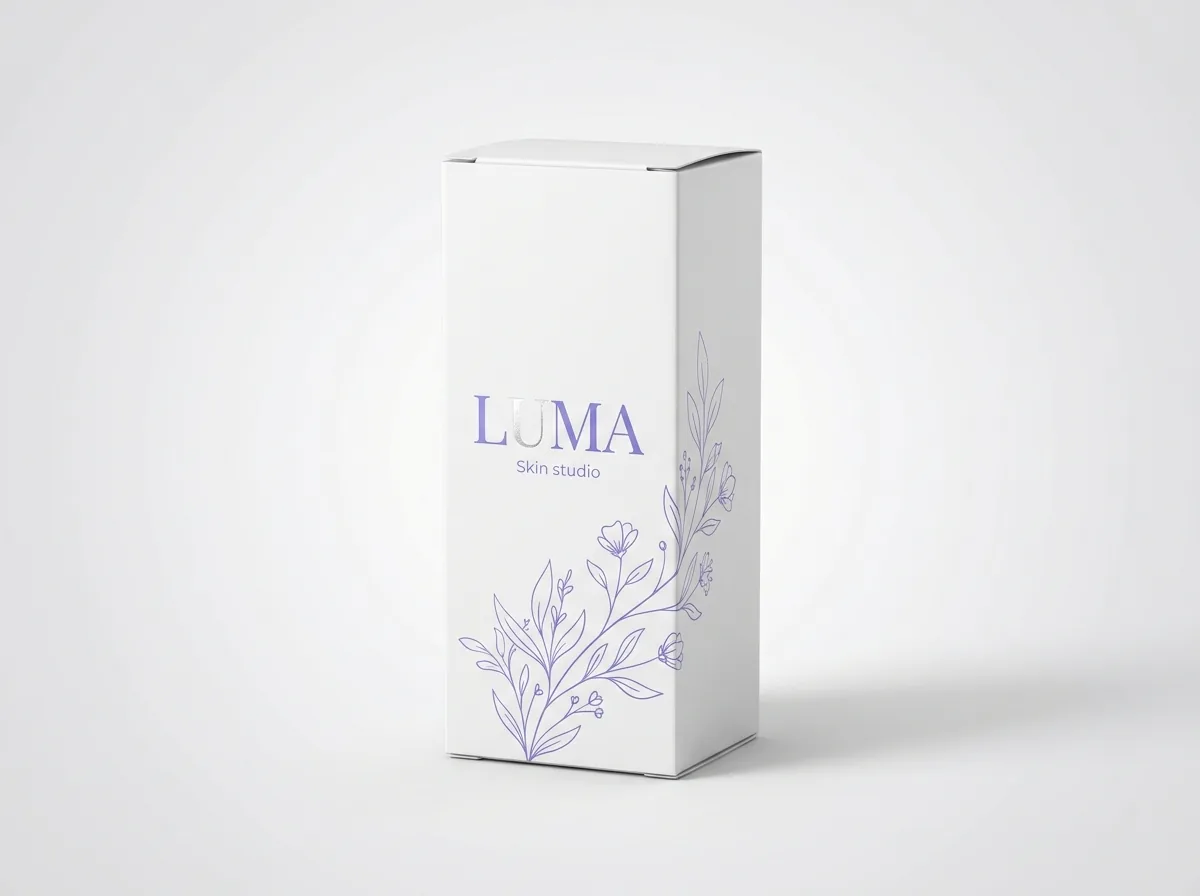
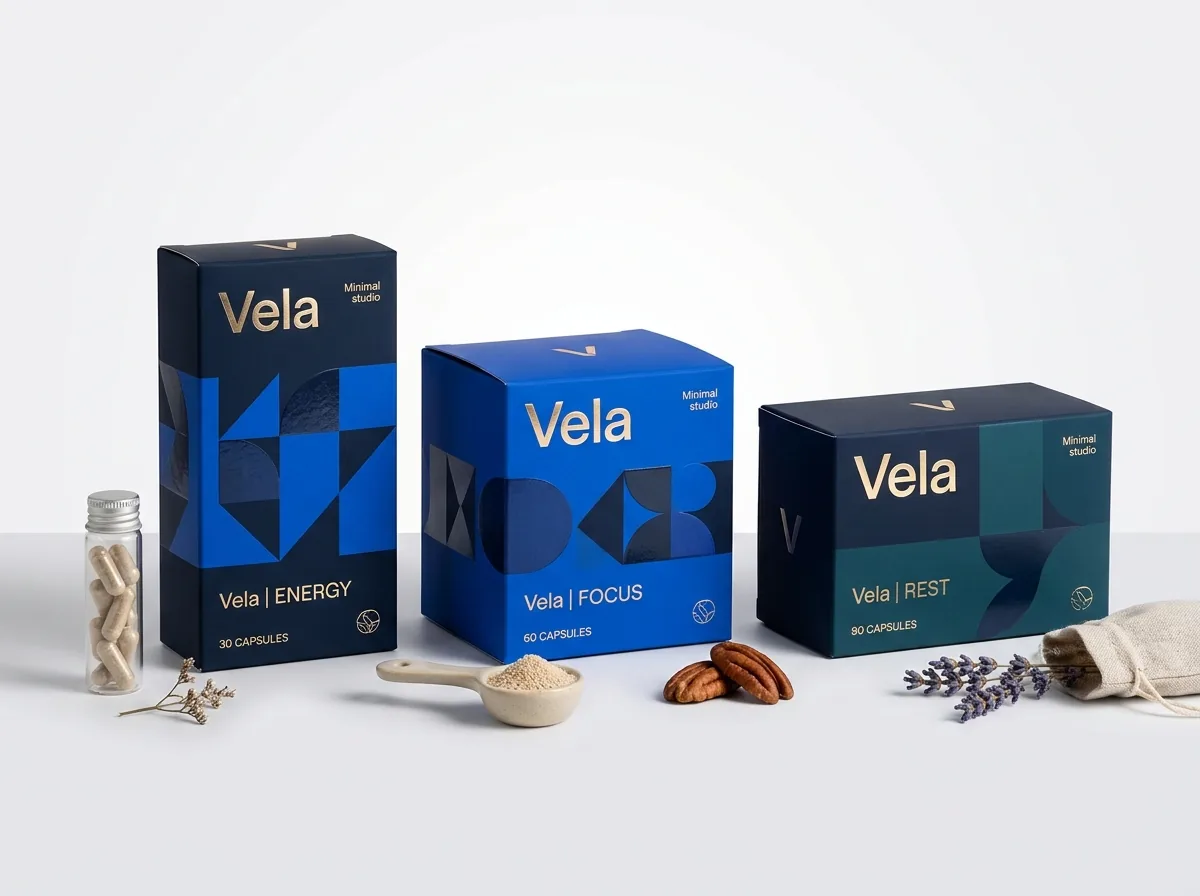
Ready to order vitamin boxes? Compare up to 3 quantities with a free 3D mockup.
Request a Quote →Questions about vitamin boxes
When do I need an auto-lock bottom instead of a tuck-end vitamin box?
Switch from a standard reverse or straight tuck bottom to a pre-glued auto-lock bottom whenever your filled container weighs more than 6 ounces, such as a 150 cc to 250 cc amber glass multivitamin bottle or a 300 cc to 400 cc jar of 60 to 90 pectin gummies.
How does the roll stay untangled inside a 30-day daily vitamin sachet dispenser?
The strip of 30 connected sachets is wound around a lightweight cardstock cylinder core inside the 4.5 × 4.0 × 5.25 inch cube. As you pull one packet through the lower-front slot, the coil rotates smoothly around the core without collapsing onto itself.
What is the difference between reverse tuck end and straight tuck end for vitamin bottles?
On a reverse tuck end carton, the top flap hinges from the back and the bottom flap hinges from the front, allowing closer nesting on press sheets for lower cost. On a straight tuck end carton, both flaps hinge from the back so no raw paperboard cut edge interrupts the front panel.
Can you make book-fold blister wallets for 30-day prenatal vitamins?
Yes. We die-cut both flat tuck-end blister cartons and heat-sealable book-fold paperboard blister wallets with registered pill push-through holes and printed Day 1 to Day 30 compliance calendars.
What is the minimum order quantity for each vitamin box style?
All folding carton vitamin box styles (reverse tuck, straight tuck, auto-lock bottom, cardstock sachet dispensers and blister wallets) start at 1,000 boxes. Corrugated e-commerce mailers start at 250 boxes, and rigid gift boxes start at 50 boxes.
Still have a question? Ask a packaging specialist.
Request a Quote →Request your vitamin boxes quote
Tell us your size and quantities, and one dedicated account manager prepares pricing for each tier.
- Free design & AI-to-print studio + 3D mockup
- No die or plate charges · 4–5 day rush available
- Free shipping to all 50 states
- 10% off your first order
The structural comparisons, container weight thresholds and roll-feed sachet dispensing mechanics in this guide were compiled from standard folding carton engineering practices for 100 cc to 400 cc bottles/jars and 30-day personalized vitamin packs. A CubitPack packaging specialist checked every row. Spot an error? Tell us and we will fix it.
Sources
What changed
- October 22, 2026: First published.
- October 22, 2026: Updated specifications, terminology, and verified source links.
More guides
New packaging guides by email
Sizes, materials and design tips. Unsubscribe anytime.