
What size health product box do I need for test kits, sprays and patches?
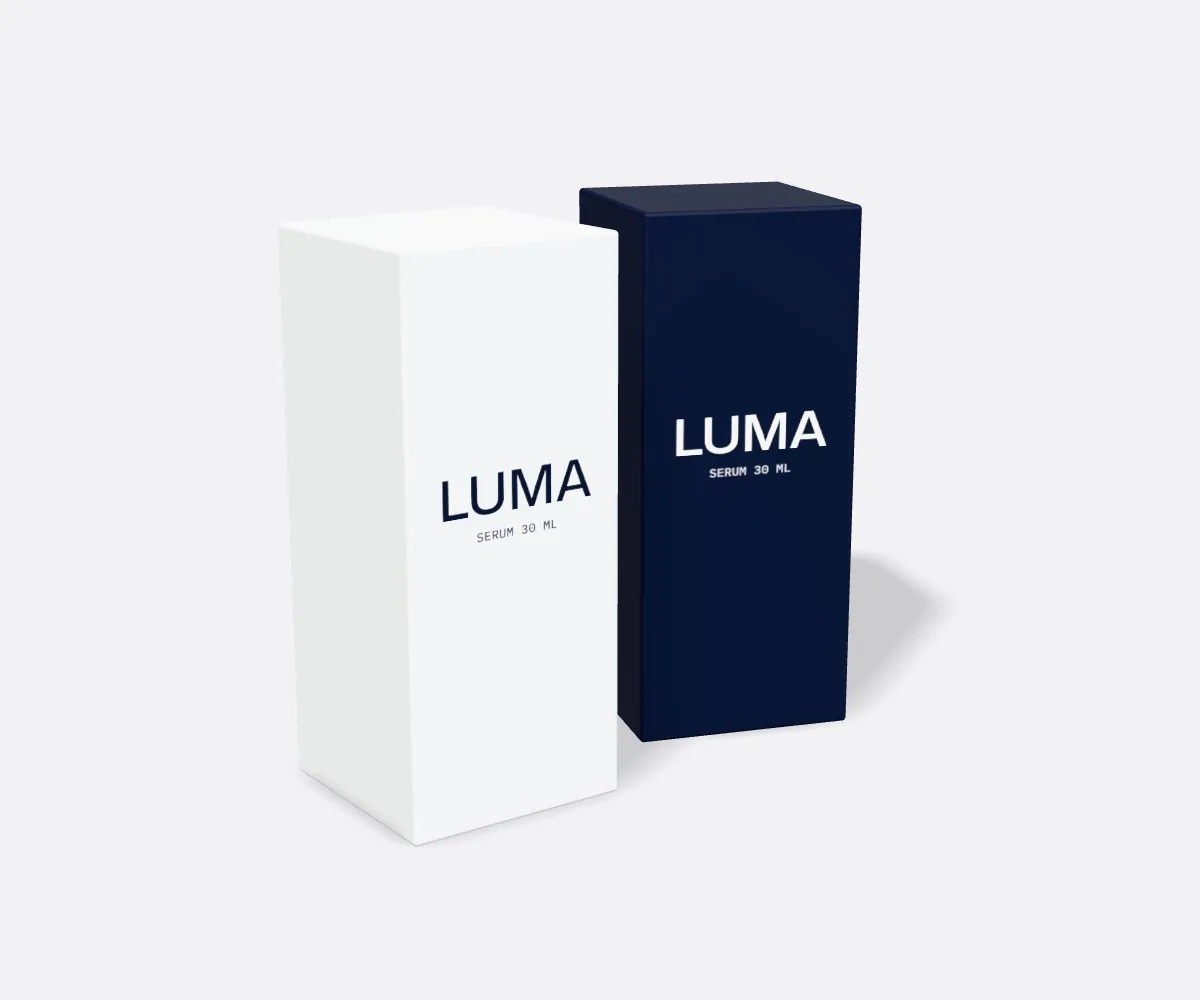
Short answer: Measure your primary container, pouch stack or device tray alongside its folded Instructions for Use (IFU) leaflet, then add 1/16 to 1/8 inch of clearance. Standard 30 ml nasal sprays fit 1.625 × 1.625 × 4.5 inch cartons. Order custom health product boxes cut to any size.
On this page
- What are the standard box sizes for sprays, patches, devices and test kits
- How do you measure spray bottles and folded IFU leaflets together
- How do you size slim cartons and hang-tab boxes for wellness patches
- How do you size an E-flute mailer and insert tray for at-home health test kits
- How do you size cartons for handheld health devices and sterile dispenser packs
- Common mistakes
- FAQs
Request a custom quoteFree dieline & 3D mockup
To determine the exact inside dimensions for a health product box, always measure your physical product together with its folded Instructions for Use (IFU) pamphlet and any interior cradle or partition, then add 1/16 inch (1.5 mm) of clearance on length and width and 1/8 inch (3 mm) on height. Standard 30 ml (1 oz) nasal sprays and throat mists use a 1.625 × 1.625 × 4.5 inch straight tuck carton, 10 to 30 flat foil transdermal patch pouches use a slim 3.75 × 0.75 × 5.25 inch envelope or hang-tab carton, handheld digital thermometers and pulse oximeters use a 2.5 × 1.75 × 5.75 inch carton, and at-home saliva or blood-spot diagnostic test kits typically use a 7.5 × 5.5 × 2.0 inch E-flute corrugated mailer. CubitPack cuts every carton to your exact inside dimensions from 1,000 units with no die charges.
What are the standard box sizes for sprays, patches, devices and test kits?
Personal healthcare products span five distinct physical shapes: tall narrow metered-dose spray bottles, flat heat-sealed foil patch envelopes, molded plastic diagnostic devices, gravity-fed sterile bandages or wipes, and multi-component at-home lab collection kits. Because each format behaves differently on retail shelves and kitting lines, using a generic stock box leaves fragile actuators or sample vials rattling loose. Use the benchmark table below to match your primary health format to proven inside carton dimensions (length × width × height in inches) before measuring your exact physical components for custom printed health product cartons.
| Health product or kit format | Typical inside box size (L × W × H) | Recommended box style |
|---|---|---|
| 30 ml (1 oz) nasal spray, throat mist or ear drop bottle | 1.625 × 1.625 × 4.5 in | Straight tuck end with neck collar |
| 60 ml (2 oz) saline mist or topical analgesic roll-on | 1.875 × 1.875 × 5.0 in | Straight tuck end or auto lock bottom |
| 10 to 30 transdermal patch or hydrocolloid strip pouches | 3.75 × 0.75 × 5.25 in | Straight tuck end or 5-panel hang tab |
| Digital fever thermometer or fingertip pulse oximeter | 2.5 × 1.75 × 5.75 in | Auto lock bottom or hang tab box |
| 30 to 50 sterile bandages, alcohol wipes or nasal strips | 4.0 × 2.75 × 5.5 in | Perforated dispenser box |
| At-home blood-spot card test kit (lancets, gauze, card) | 6.0 × 4.5 × 1.5 in | E-flute mailer box |
| At-home saliva or swab test kit (tube, funnel, return bag) | 7.5 × 5.5 × 2.0 in | E-flute mailer with die-cut tray |
| Red-light therapy wand or blood pressure monitor kit | 6.5 × 4.5 × 2.5 in | Auto lock bottom or sleeve & tray |
How do you measure spray bottles and folded IFU leaflets together?
The number-one sizing oversight in personal healthcare packaging is measuring the bottle or device by itself before the regulatory team finalizes the folded Instructions for Use (IFU) leaflet. While a single cross-folded 60 lb paper insert adds only 1/16 inch (1.5 mm) of thickness, a multi-panel accordion outsert or saddle-stitched multi-language booklet can measure 1/8 inch (3 mm) to 3/16 inch (4.5 mm) thick. If you do not add that booklet thickness to the inside width (front-to-back depth) of the carton, kitting operators have to force the booklet in, bowing the front panel of the box. On 30 ml and 60 ml nasal or throat spray bottles, the wide plastic finger-rest actuator sits atop a narrow neck, while the cylindrical bottle base carries all the liquid weight at the bottom. To keep the nozzle from tilting sideways against the folded IFU leaflet, we extend the top inner dust flaps of a custom straight tuck end box and die-cut a circular hole that locks around the spray collar.
- Measure bottle base diameter and check whether the finger-rest spray actuator wings are wider than the bottle body.
- Measure the folded thickness of your final printed IFU leaflet or multi-language booklet with calipers.
- Set inside Length (L) to the bottle diameter + 1/16 in (1.5 mm).
- Set inside Width/Depth (W) to the bottle diameter + folded IFU thickness + 1/16 in (1.5 mm).
- Set inside Height (H) to the total bottle height from base to overcap tip + 1/8 in (3 mm).
How do you size slim cartons and hang-tab boxes for wellness patches?
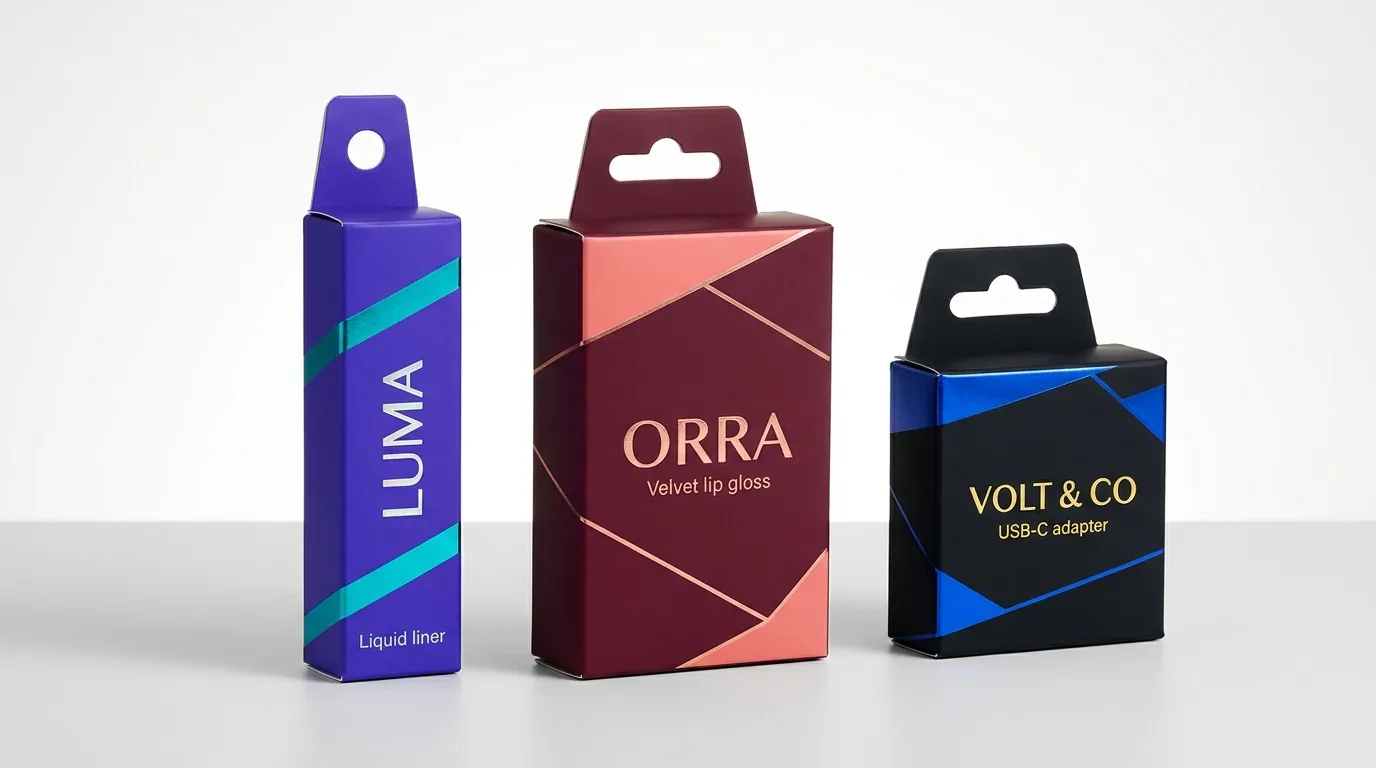
Transdermal vitamin patches, melatonin sleep patches, hydrocolloid blemish dots, menstrual warming pads and nasal breathing strips are sealed inside flat 3.25 × 4.75 inch or 3.5 × 5.0 inch foil-laminate pouches. Because each flat sachet is only 0.5 to 1.5 mm thick, packing 10, 15 or 30 pouches inside a deep box causes the envelopes to slump diagonally toward the bottom, making the carton feel half-empty and allowing the front wall to cave in when squeezed. Instead, stack the exact count of filled patch pouches plus your instruction card on a flat table, measure the natural resting stack thickness, and add just 1/16 inch (1.5 mm) for inside depth. Most 15-count and 30-count patch boxes measure only 0.625 to 0.875 inch deep. Because a 0.75-inch-deep carton has a narrow bottom footprint on a shelf, adding a reinforced five-panel Euro hang tab lets pharmacies display your custom hang tab boxes on eye-level pegboard hooks.
Know your size? Compare pricing across up to 3 quantities.
Request a Quote →How do you size an E-flute mailer and insert tray for at-home health test kits?
Direct-to-patient diagnostics (saliva hormone panels, gut microbiome swabs, finger-prick dried blood spot cards and genetic kits) require an outer box that works as both a clean clinical unboxing stage and a crush-resistant postal container. To size a custom mailer box for a diagnostic kit, lay out every component on your desk in the order the patient uses them: alcohol prep pad, lancets or collection funnel, barcoded sample tube, absorbent sleeve, biohazard return bag and prepaid return mailer. Leave at least 3/8 inch (9.5 mm) of paperboard bridge width between each die-cut cavity in your custom cardboard insert so the tray stays rigid when patients press the capped sample tube back into its slot. Set the inside height of the E-flute mailer to the diameter of your thickest component (usually the 16 mm to 25 mm cap of the collection tube) plus 0.5 inch (12 mm) for the raised insert platform and top clearance.
- Blood-spot card kits (flat lancets + filter card + return envelope): 6.0 × 4.5 × 1.5 in inside E-flute mailer.
- Single saliva or swab tube kits (10 ml tube + funnel + biohazard bag): 7.5 × 5.5 × 2.0 in inside E-flute mailer.
- Multi-vial hormone or metabolic kits (4 time-point tubes + cold pack): 8.5 × 6.5 × 2.5 in inside E-flute mailer.
- Allow 1/4 in (6 mm) around the outer perimeter of the insert tray to clear the double side walls of a roll-end mailer.
How do you size cartons for handheld health devices and sterile dispenser packs?
Handheld wellness and monitoring devices (infrared forehead thermometers, fingertip pulse oximeters, TENS recovery units and red-light wands) combine an irregular plastic housing with a USB charging cable or AAA batteries and a thick user manual. We build a two-tier paperboard cradle inside an auto-lock bottom carton: the upper recessed platform centers the device behind an optional front window, while the hidden lower void under the platform holds the coiled charging cord and manual. For sterile wound-care bandages, alcohol prep pads and blister cushions packed in custom dispenser boxes, set the inside width and depth to the flat packet dimensions plus 1/8 inch (3 mm), and position the lower perforated tear slot 0.75 inch above the floor of the carton so the bottom packet stays retained in the tray.
What are the most common health product box sizing mistakes?
A 2 mm miscalculation on an IFU booklet or vial insert can halt a medical or wellness kitting line. Check these five dimensional pitfalls before approving your dieline
- Finalizing the carton depth before measuring the folded Instructions for Use (IFU) leaflet, leaving zero room for a 2.5 mm multi-panel pamphlet.
- Ordering a deep 1.5-inch carton for 10 flat transdermal patch pouches, allowing the thin foil envelopes to slump and crease inside the box.
- Sizing an E-flute diagnostic test kit mailer by outside dimensions instead of inside dimensions, which steals 3/8 inch of width at the double side walls.
- Packing a top-heavy nasal or throat spray bottle in a square carton without a die-cut dust-flap neck collar to keep the nozzle centered.
- Spacing vial cutouts closer than 3/8 inch apart on a cardboard test-kit insert tray, causing the paperboard bridges to tear during assembly.
Find your size
Suggested inside size: 1.625 × 1.625 × 4.5 in
A starting point. Your account manager confirms the size with you before the proof.
Quote this size →Packaging for this
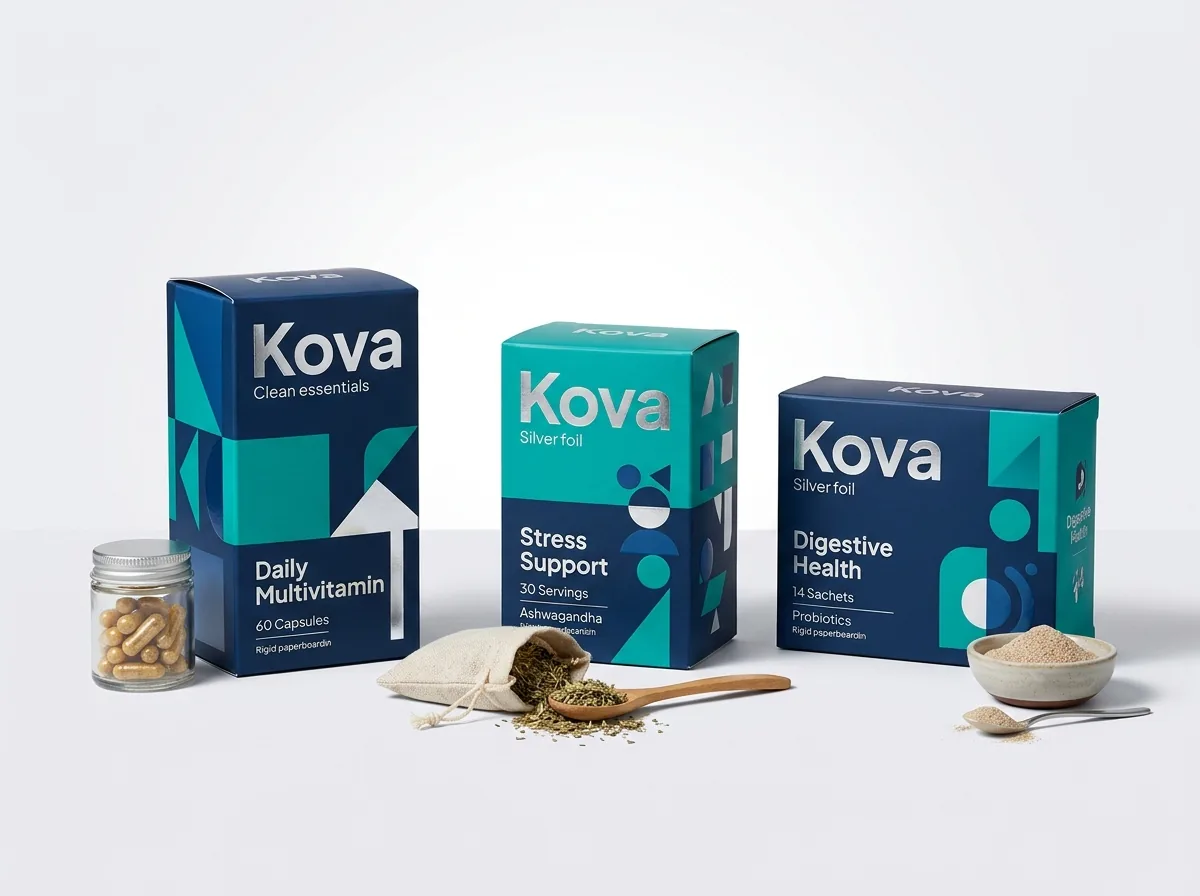
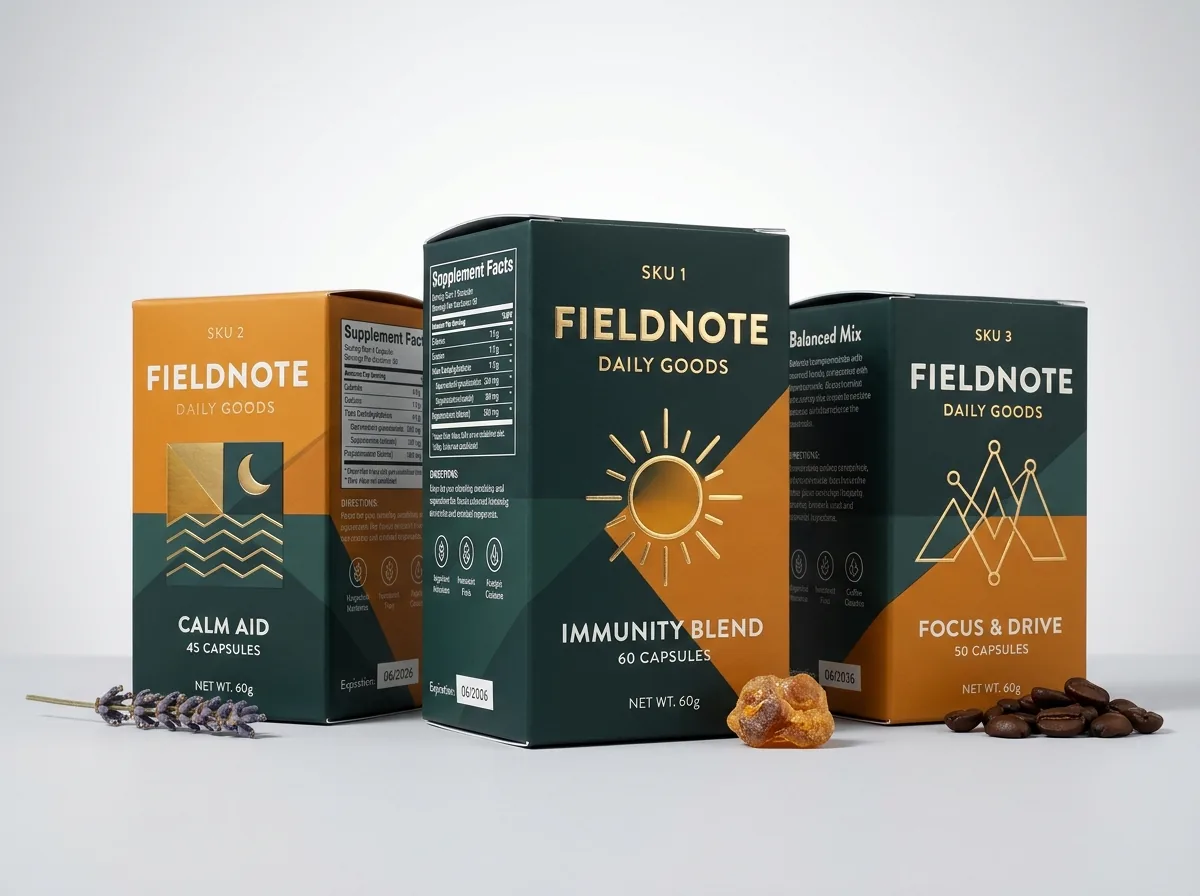

Ready to order health product boxes? Compare up to 3 quantities with a free 3D mockup.
Request a Quote →Questions about health product boxes
What size carton fits a standard 30 ml (1 oz) nasal or throat spray bottle?
A standard 30 ml nasal spray or throat mist bottle with a finger-rest pump actuator and a folded IFU leaflet typically fits a 1.625 × 1.625 × 4.5 inch inside straight tuck end carton. Larger 60 ml saline spray bottles usually use around 1.875 × 1.875 × 5.0 inches.
What size box is best for an at-home saliva or blood-spot diagnostic test kit?
Compact dried blood-spot card kits usually fit a 6.0 × 4.5 × 1.5 inch inside E-flute mailer box, while saliva or swab collection kits with a 10 ml barcoded tube, funnel and biohazard return bag typically use a 7.5 × 5.5 × 2.0 inch E-flute mailer with a die-cut card tray.
How much clearance should I add for a folded Instructions for Use (IFU) sheet?
Add 1/16 inch (1.5 mm) to your inside carton depth for a standard cross-folded paper leaflet, or 1/8 inch (3 mm) for a thicker multi-language accordion outsert or saddle-stitched booklet. Always measure a physical folded dummy of the leaflet with calipers.
How do you keep a slim transdermal patch box standing upright on pharmacy shelves?
Because a 0.75-inch-deep patch carton has a narrow base, we either add a five-panel integrated hang tab with a Euro slot for pegboard hooks or pack 12 slim patch boxes upright inside a perforated PDQ shelf display tray.
Can you engineer the custom insert tray if we send you our test kit vials or health device?
Yes. Send us your sample collection tubes, swabs, spray bottle or handheld monitor (or their 3D CAD / caliper specs), and our design team will create the outer box and inner cradle dieline for free before payment.
What is the minimum order for custom-sized health product boxes?
CubitPack manufactures custom folding cartons and E-flute health kit mailers to any exact inside dimension starting at 1,000 boxes, with no die or plate charges and free shipping to all 50 US states.
Still have a question? Ask a packaging specialist.
Request a Quote →Request your health product boxes quote
Tell us your size and quantities, and one dedicated account manager prepares pricing for each tier.
- Free design & AI-to-print studio + 3D mockup
- No die or plate charges · 4–5 day rush available
- Free shipping to all 50 states
- 10% off your first order
The inside carton dimensions, IFU booklet thickness allowances and diagnostic vial tray clearances in this guide come from standard US OTC spray bottle molds, pouch specs and direct-to-patient lab kitting tolerances. A CubitPack packaging specialist verified every row. Spot an error? Tell us and we will fix it.
Sources
What changed
- October 22, 2026: First published.
- October 22, 2026: Updated specifications, terminology, and verified source links.
More guides
New packaging guides by email
Sizes, materials and design tips. Unsubscribe anytime.