
What size flat pouch or single-serve sachet do I need?
Short answer: Flat pouches are measured by outside Width × Height in inches with no bottom gusset. Use 2.5 × 3.5 in for liquid serum sachets, 3 × 4.5 in for single-serve drink powders, 5 × 7 in for facial sheet masks, and 6 × 9 in for jerky slabs in custom flat pouches.
On this page
- How do I calculate usable interior space from outer flat pouch dimensions
- What are the most common flat pouch and sachet sizes by product
- How does pillow bulge change flat pouch sizing for powders, gummies and masks
- How do I size flat pouches for sheet masks, trading cards and seed packets
- How do I size flat pouches to fit USPS flat mailers and counter display boxes
- Common mistakes
- FAQs
Request a custom quoteFree dieline & 3D mockup
Because a flat pouch has no folded bottom gusset, every cubic inch of product volume comes from the front and back sheets bowing outward like a pillow between the perimeter heat seals. Flat pouches and sachets are always specified by their outside flat Width (left to right) × Height (top to bottom) in inches. To find the true usable interior cavity, subtract 0.5 to 0.75 inches from the outer width for the left and right vertical weld seams, and subtract 0.625 inches (for tear-open sachets) or 1.5 inches (for resealable zipper pouches) from the outer height. Then add at least half of your product's filled thickness to both width and height so the center pillow bulge does not pull the edges inward and jam your top impulse heat sealer during filling on your production bench.
How do I calculate usable interior space from outer flat pouch dimensions?
When you order 3-side-seal flat pouches or 4-side-seal sachets, the dimensions on your quote and dieline always refer to the outside trim edges of the flat packet. Around the perimeter sit heated crimp or flat-bar weld seams that fuse the inner sealant layers together to lock out air, humidity and liquid leaks. On small sachets under 4 inches wide, each side seal is typically 0.25 inches (¼ inch) wide; on larger 5 × 7 inch or 6 × 9 inch flat pouches, each side seal is 0.3125 to 0.375 inches (⅜ inch) wide. At the top of the pouch, you also need clearance for either a simple tear-open header or a reclosable press-to-close zipper track. A tear-open single-serve sachet needs about 0.625 to 0.75 inches at the top for the impulse seal and side V-cut tear notches. A resealable flat pouch needs 1.25 to 1.5 inches at the top to house the top weld, tear notches and zipper ribs. Always deduct those perimeter zones first before checking whether your folded sheet mask, trading card stack or powder scoop fits inside.
- Usable Interior Width = Outer Width minus 0.5 in (small sachets) to 0.75 in (large flat pouches) for left and right side seals.
- Usable Interior Height (tear-open sachet) = Outer Height minus 0.875 in (bottom seal + top impulse seal and tear notch).
- Usable Interior Height (zipper flat pouch) = Outer Height minus 1.625 in (bottom seal + 1.375 in top zipper header).
- Pillow-bulge allowance: add 0.5 × Item Thickness to both usable width and usable height so the film wraps around 3D contents.
- Filling clearance: add at least 0.375 inches of extra mouth width so cards, wipes or funnels slide in without snagging.
What are the most common flat pouch and sachet sizes by product?
CubitPack builds custom flat pouches to any exact Width × Height in inches with zero die or plate charges, whether you need a miniature square wipe packet or a tall narrow electrolyte stick-style pouch. Across health supplements, cosmetics, specialty foods, seeds and collectibles, six proven sizes handle the vast majority of flat packaging projects. Use the benchmark table below to compare outer dimensions, usable interior cavity measurements, and typical dry or liquid fill capacities.
| Outer size (W × H) | Usable cavity (approx.) | Typical fill & common flat pouch uses |
|---|---|---|
| 2.5 × 3.5 in (no zipper) | 2.0 × 2.6 in | 2–10 ml serum/lotion sample, lens wipe, 2 vitamin capsules |
| 3 × 4.5 in (no zipper) | 2.5 × 3.6 in | 5–15 g drink powder, tea bag envelope, trading card pack |
| 3.5 × 5 in (no zipper) | 2.9 × 4.1 in | 0.5–1 oz trail sample, garden seeds, 4–6 supplement gummies |
| 4 × 6 in (tear or zipper) | 3.3 × 4.4 in (zip) | 1–2 oz single-pot coffee, spice rub, travel bath salt sample |
| 5 × 7 in (tear or zipper) | 4.25 × 5.4 in (zip) | Folded facial sheet mask, under-eye patches, flat cocoa bar |
| 6 × 9 in (with zipper) | 5.25 × 7.3 in (zip) | 2–4 oz beef jerky slabs, dried mango slices, hardware kit |
How does pillow bulge change flat pouch sizing for powders, gummies and masks?
On a stand up pouch, the W-folded bottom gusset unfolds to create front-to-back depth. On a flat pouch, all four edges are locked flat, so the only way the bag can hold volume is by bowing outward in the middle like a stuffed pillow. As the center of the packet puffs out to a thickness of $T$ inches, the front and back films travel along a curved arc rather than a straight line, which pulls the top, bottom and side edges inward. If you pack a 0.5 inch thick stack of beef jerky strips or a 0.5 inch mound of hydration powder inside a flat pouch without accounting for pillow bulge, the effective interior width and height shrink by roughly 0.25 to 0.375 inches, leaving your top impulse seal riding right over the product. Whenever your filled packet will puff out more than ¾ inch to 1 inch thick, either widen the flat pouch by 0.5 inches so the contents spread out into a flatter bed, or step up to custom stand up pouches with an expanding bottom gusset.
Know your size? Compare pricing across up to 3 quantities.
Request a Quote →How do I size flat pouches for sheet masks, trading cards and seed packets?
Many flat pouch products are solid flat items rather than loose powders: folded non-woven facial sheet masks soaked in 25 ml of serum, standard 2.5 × 3.5 inch collectible trading cards, enamel lapel pins on backing cards, or inner glassine seed envelopes. For these rigid or semi-rigid inserts, corner clearance is the critical measurement. A standard 8-card foil booster pack of 2.5 × 3.5 inch trading cards is about 0.15 inches thick. Adding 0.5 inches for side seals plus 0.35 inches of sliding clearance gives a 3.35 to 3.5 inch outer width and a 4.75 to 5 inch outer height. For a folded hydrogel facial sheet mask measuring 3.5 × 4.75 inches in its plastic tray, a 5 × 7 inch foil-lined flat pouch leaves clean room around the tray so liquid serum never splashes into the top heat-seal jaw during filling.
How do I size flat pouches to fit USPS flat mailers and counter display boxes?
One of the biggest advantages of single-serve flat pouches is that they mail flat in referral envelopes and pack upright in checkout display cartons. Under USPS Domestic Mail Manual standards, a flat-rate envelope or machinable marketing mailer must stay uniform in thickness and under 0.75 inches thick. Sizing a 10-gram sample powder into a wider 3.5 × 5 inch or 4 × 6 inch flat pouch spreads the powder into a thin, flat layer under 0.25 inches thick instead of a fat round ball. If your flat pouches sell on retail shelves or cafe counters, coordinate your outer pouch width with custom display boxes. For example, twenty-four 3.5 × 5 inch sachets stand neatly in two rows inside a 7.5 × 6 × 5 inch pop-top counter display carton, giving your brand a tidy billboard right next to the cash register. When packing multi-day supplement kits, make the inner carton cavity 0.25 inches wider than your outer sachet width so customers can slide single packets out without catching the side heat seals on the paperboard.
What are the most common flat pouch and sachet sizing mistakes?
Avoid jammed filling funnels and leaky top seals by checking these five flat pouch sizing mistakes before you lock your dieline
- Using outer Width × Height as interior cavity dimensions and forgetting to subtract 0.5 to 0.75 inches for the left and right side heat seals.
- Forgetting to add half of the item's 3D thickness for pillow bulge, which leaves puffy powder or jerky packets too short to heat-seal.
- Putting a bulky press-to-close zipper track on a tiny 3 inch or 3.5 inch tall single-serve sachet where V-cut tear notches work far better.
- Leaving too little vertical headspace above wet facial sheet masks or liquid serums, allowing liquid to contaminate the top weld zone.
- Making a mail-sample sachet too narrow and thick (over 0.75 inches puffed out) instead of widening the packet so it mails flat.
Packaging for this
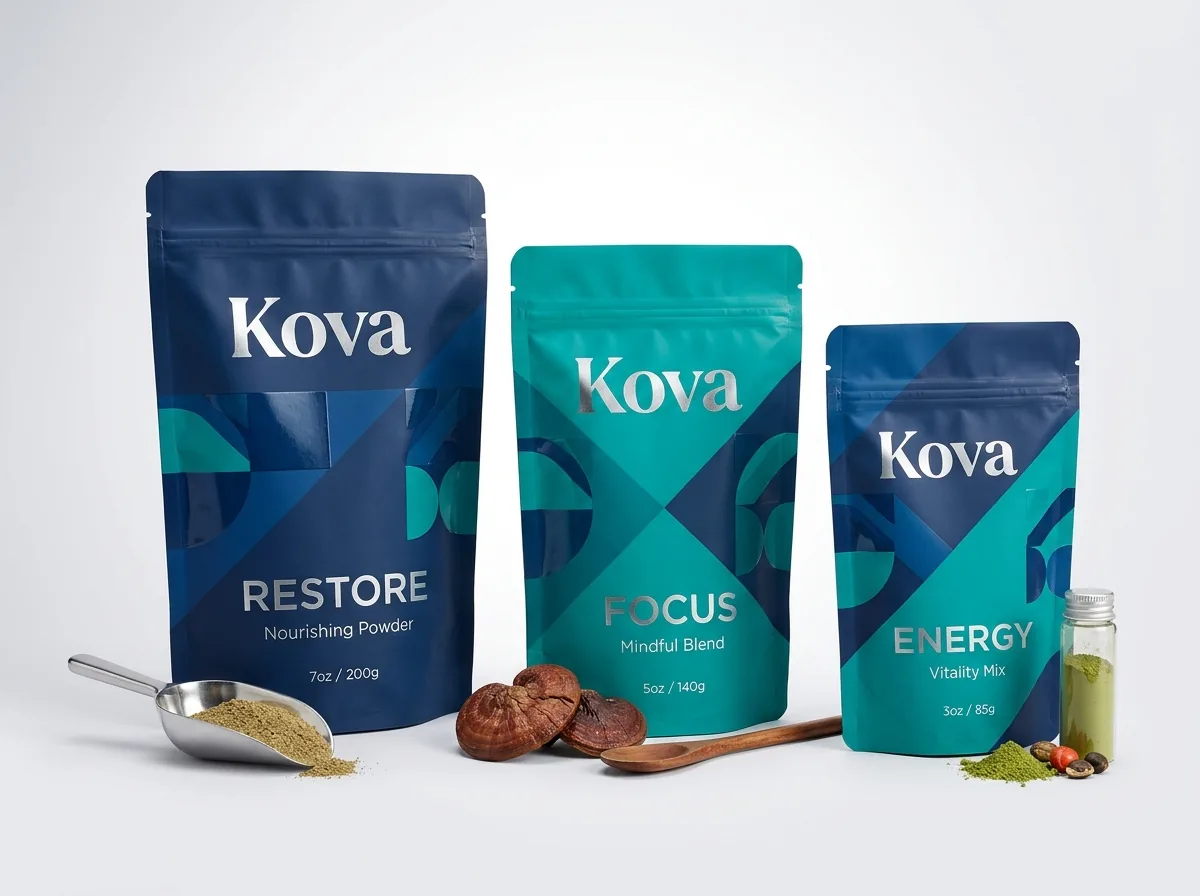
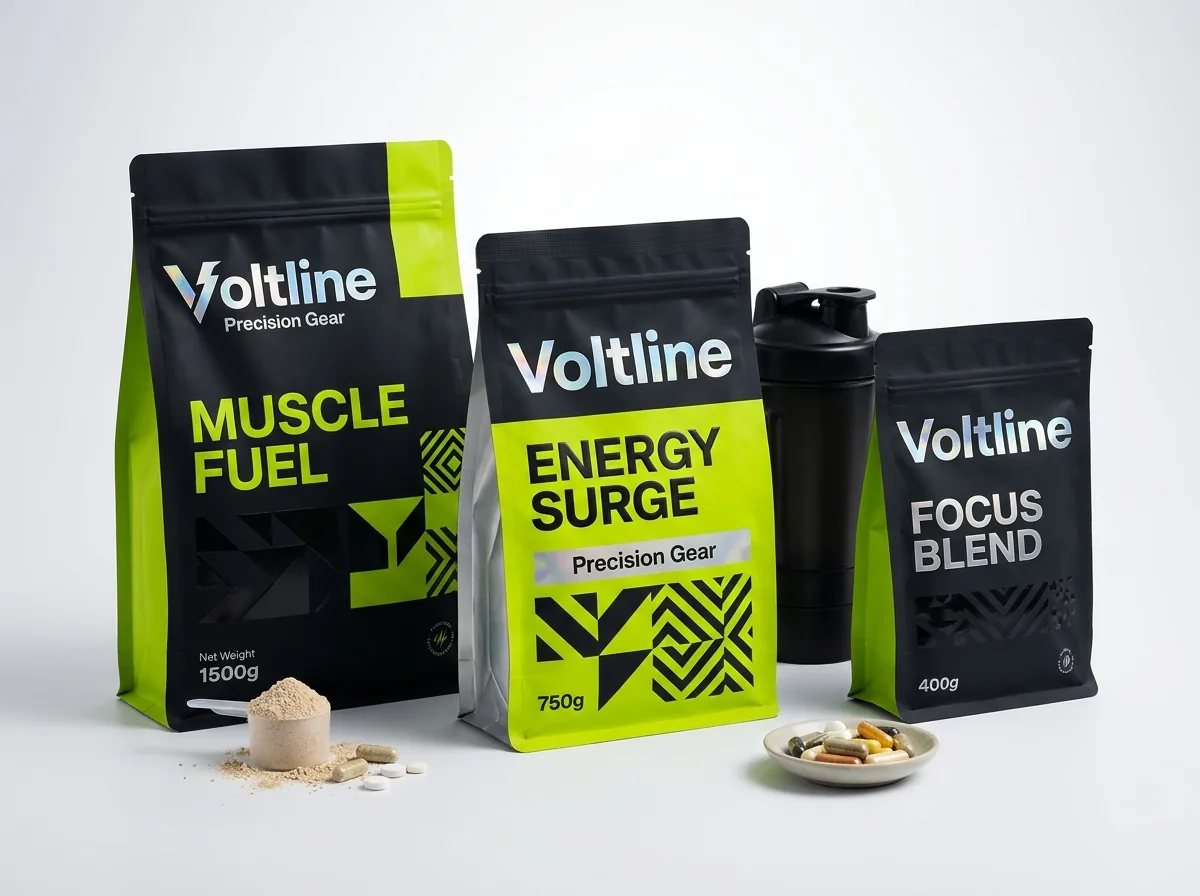

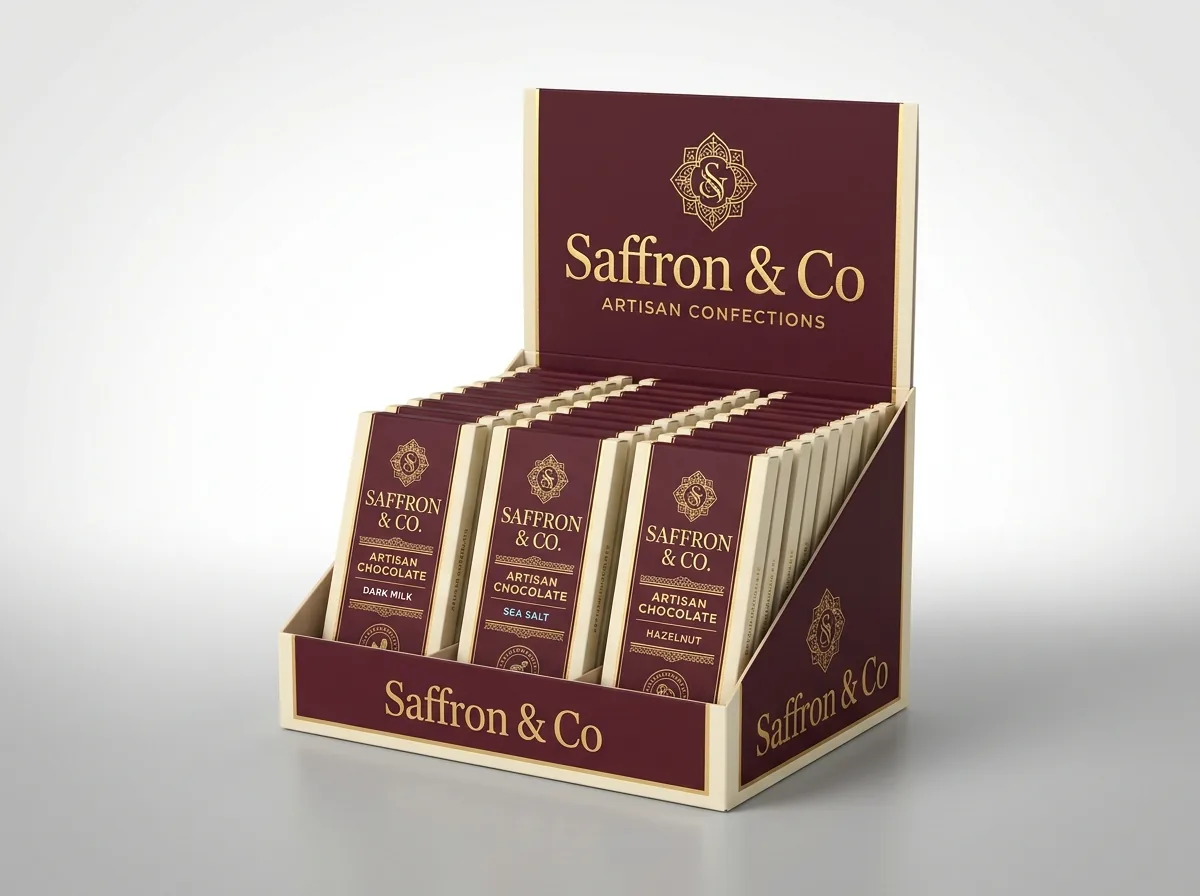
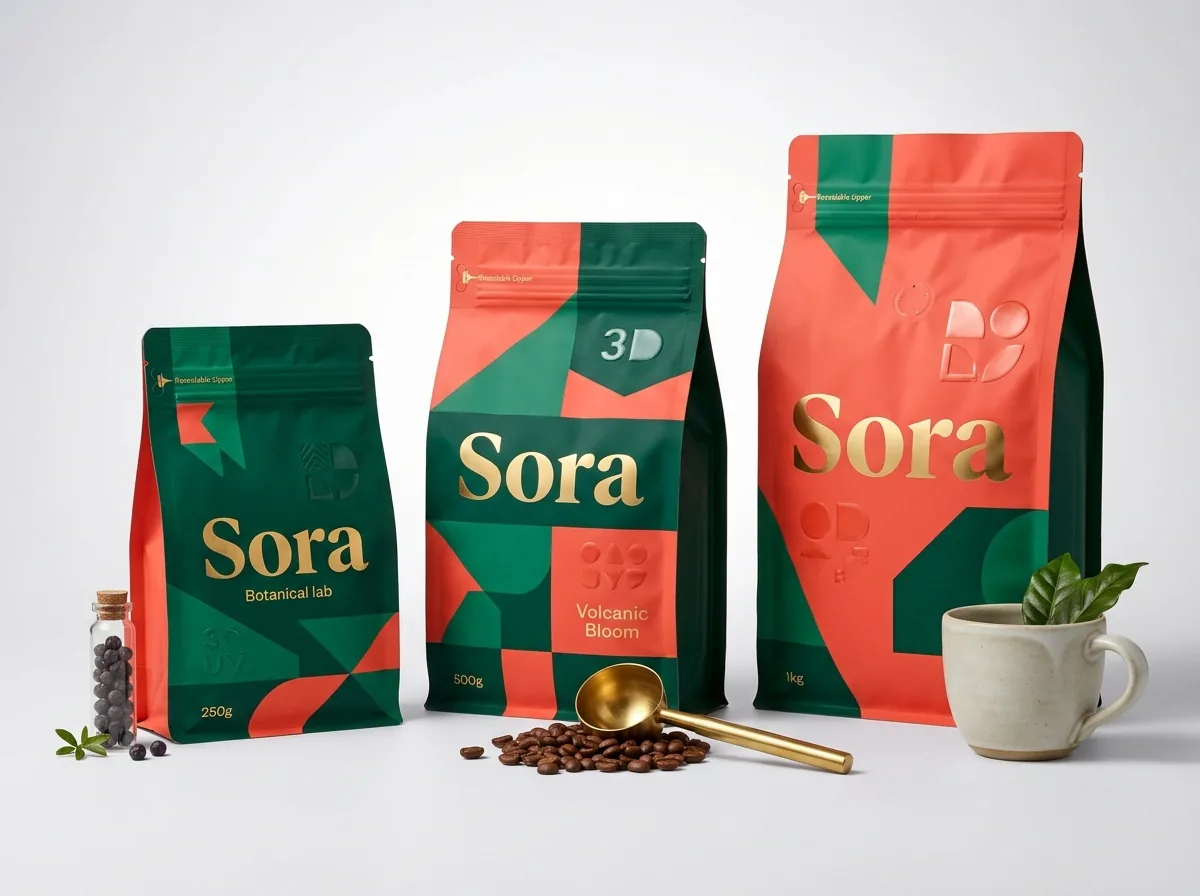
Ready to order flat pouches? Compare up to 3 quantities with a free 3D mockup.
Request a Quote →Questions about flat pouches
Why is the bottom gusset listed as 0 on a flat pouch quote?
A flat pouch (3-side-seal or 4-side-seal sachet) is sealed flat along the bottom edge with no folded gusset, so its only two dimensions are outer Width × Height in inches. In the quote form, simply select Flat (3-side seal) or enter 0 for the gusset.
What size flat pouch fits a single serving of protein or electrolyte powder?
A 5 to 10 gram hydration or electrolyte serving typically fits a 3 × 4.5 inch or 3.5 × 5 inch flat sachet. A larger 25 to 35 gram single scoop of whey or plant protein powder typically needs a 4 × 6 inch or 4.5 × 6.5 inch flat pouch.
What size flat pouch is standard for a facial sheet mask?
Most single-use facial sheet masks folded with 20 to 30 ml of serum use a 4.75 × 6.75 inch or 5 × 7 inch foil-lined flat pouch with side V-cut tear notches. Smaller under-eye hydrogel patch pairs typically use a 3.5 × 5 inch sachet.
How wide are the side and bottom heat seals on a custom flat pouch?
Small single-serve sachets (under 4 inches wide) typically have 0.25 inch (¼ in) side and bottom seals. Medium and large flat pouches (4 × 6 inches up to 6 × 9 inches) typically use 0.3125 to 0.375 inch (5/16 to ⅜ in) seals for extra burst strength.
Do you charge extra for custom flat pouch sizes or non-standard ratios?
No. CubitPack never charges die or plate fees. We slit and seal every flat pouch order to your exact Width × Height in inches, whether you want a square wipe packet, a tall drink stick or a wide jerky bag.
Can I test flat pouch sizes with my powder or mask before ordering?
Yes. You can order our $50 sample kit to inspect barrier films and test-fill pouches on your bench, or order a paid custom-printed sample of your exact sachet size, both credited toward your full order.
Still have a question? Ask a packaging specialist.
Request a Quote →Request your flat pouches quote
Tell us your size and quantities, and one dedicated account manager prepares pricing for each tier.
- Free design & AI-to-print studio + 3D mockup
- No die or plate charges · 4–5 day rush available
- Free shipping to all 50 states
- 10% off your first order
The cavity and pillow-bulge calculations in this guide use standard ¼ to ⅜ inch side-weld allowances, 1.375 inch zipper header heights and USPS 0.75 inch flat mailpiece rules. Checked by a CubitPack packaging specialist. Spot an error? Tell us and we will fix it.
Sources
What changed
- October 22, 2026: First published.
- October 22, 2026: Updated specifications, terminology, and verified source links.
More guides
New packaging guides by email
Sizes, materials and design tips. Unsubscribe anytime.