
Flat pouches vs stand up pouches: which should you choose?
Short answer: Choose custom flat pouches for single-serve sachets, sheet masks, seed packets, trading cards and flat jerky slabs under 4 oz that hang on peg hooks or mail flat. Choose bottom-gusset stand up pouches for 4 oz to 5 lb multi-serving products that must stand upright on shelves.
On this page
- How do flat pouches and bottom-gusset stand up pouches compare side by side
- What is the difference between a 3-side-seal flat pouch and a 4-side-seal sachet
- When is a flat pouch better than a bottom-gusset stand up pouch
- How do you display flat pouches on retail shelves if they cannot stand
- How do brands pair flat sample sachets with full-size stand up pouches
- Common mistakes
- FAQs
Request a custom quoteFree dieline & 3D mockup
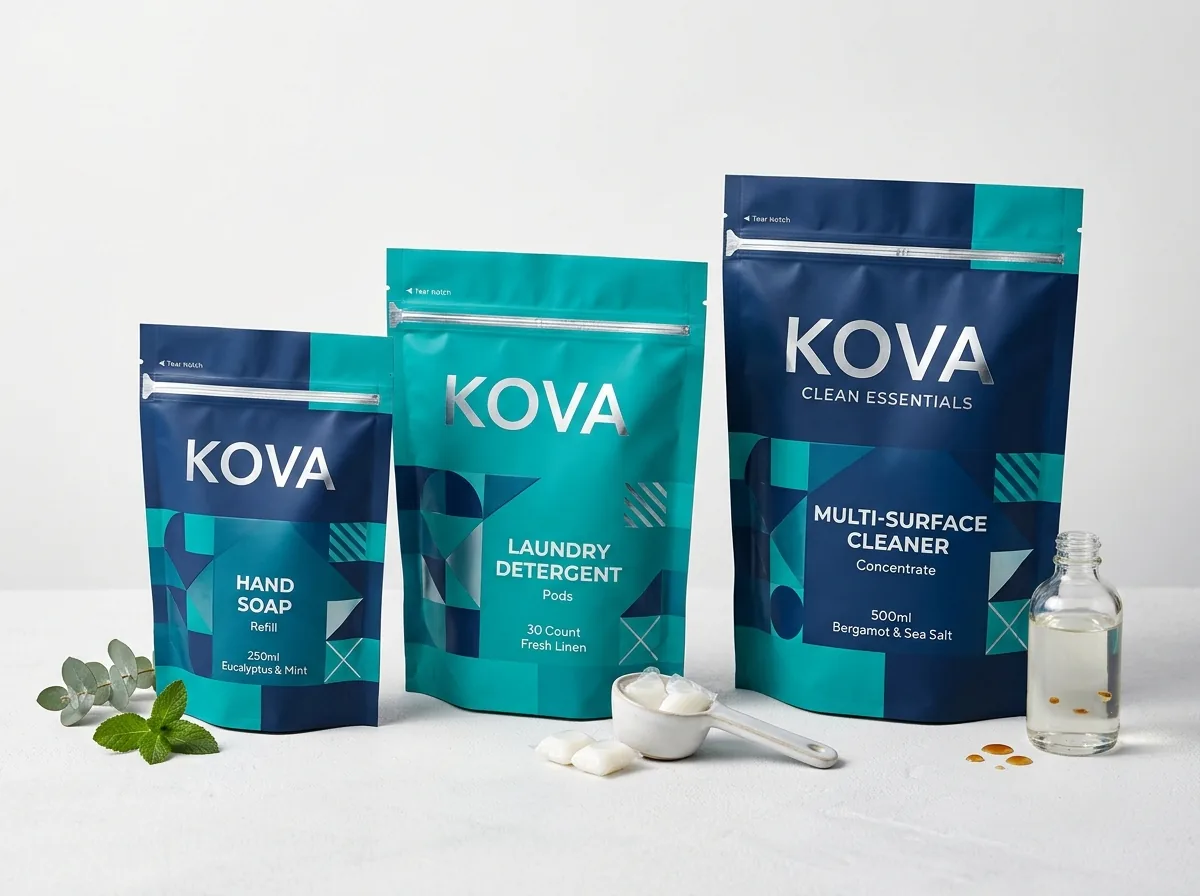
The structural difference between a flat pouch and a stand up pouch is the bottom edge. A flat pouch (also called a 3-side-seal pouch or 4-side-seal sachet) welds two flat sheets of barrier film straight across the bottom with zero gusset fold, creating a slim, envelope-like packet that uses less material per unit, slips inside thin mailers, and hangs cleanly from pegboard hooks or sits inside a counter display box. A stand up pouch adds a tucked W-shaped bottom gusset that expands into a flat oval floor when filled, letting multi-serving bags of granola, coffee, protein powder or bath salts stand unassisted on store shelves. Many brands pair both formats together: selling their full-size 8 oz to 2 lb retail SKU in a stand up pouch while packing 0.25 oz to 1 oz single-serve trial samples in matching flat pouches.
How do flat pouches and bottom-gusset stand up pouches compare side by side?
Both 3-side-seal flat pouches and custom stand up pouches are laminated from the same high-barrier films (metallized foil, clear oxide or natural kraft), printed with the same CMYK and Pantone inks, and finished with matte, gloss, soft-touch or spot UV coatings. Where they diverge is how they hold 3D volume, how much film each bag consumes on press, and how retailers merchandise them on the shelf. Because a flat pouch eliminates the bottom W-fold web entirely, it requires less barrier film per thousand units, ships lighter on pallets, and stacks twice as densely inside outbound shipping cartons and fulfillment warehouse bins. Review the comparison table below to match your target fill weight, closure preference, shipping method and retail sales channel to the right custom pouch structure.
| Packaging factor | Flat pouch (3-side / 4-side seal) | Stand up pouch (bottom gusset) |
|---|---|---|
| Bottom construction | Flat welded or folded bottom edge (no gusset) | W-folded bottom gusset opens into oval base |
| Ideal fill weight | 2 ml / 3 g single servings up to 4 oz flat goods | 2 oz multi-use packs up to 5 lb bulk fills |
| Retail merchandising | Hangs from peg hole or stands in display caddy | Stands upright unassisted on flat shelves |
| Film usage & unit cost | No gusset web; lower film area per packet | Extra bottom gusset film + folding step |
| Direct-mail profile | Stays under 0.75 in thick for flat postal rates | Expands 2 to 5 in deep at the base when filled |
| Closure options | Tear-open V-notches or press-to-close zipper | Press-to-close zipper, pocket zipper or spout |
What is the difference between a 3-side-seal flat pouch and a 4-side-seal sachet?
Within the flat pouch family, you will hear two technical terms: 3-side-seal pouches and 4-side-seal sachets. A 3-side-seal pouch is formed by taking a single continuous web of barrier film, folding it in half along the bottom edge (or one side edge), and heat-welding the left and right vertical margins while leaving the top mouth open for you to fill and seal. Because the bottom edge is a smooth continuous fold of film rather than a crimped seam, the front and back artwork can wrap smoothly around the bottom fold. A 4-side-seal sachet is made by bringing two separate flat webs of film together and heat-welding all four outer edges (three edges sealed at the factory, with the top edge left open for filling). Because all four borders have the exact same ¼ to ⅜ inch heat-weld flange, a 4-side-seal sachet lies dead-flat without twisting and gives extra seam security for liquid cosmetic serums, hydrogel sheet masks, alcohol wipes and single-dose gels. It also allows you to combine two different substrates on one packet, such as a clear front film paired with a metallic foil back film.
- 3-side-seal flat pouch: folded bottom edge + welded left/right sides; popular for dry powders, jerky, seeds, tea and trading cards.
- 4-side-seal sachet: welded on all four outer margins; popular for liquid serums, creams, wet wipes and facial sheet masks.
- Center-fin pillow pouch: welded down the center of the back panel plus top and bottom crimps; used on high-speed flow wrappers.
When is a flat pouch better than a bottom-gusset stand up pouch?
A bottom-gusset stand up pouch only stands upright when there is enough heavy product inside to push the W-folded floor open. If you pour 5 grams of electrolyte powder, two vitamin capsules or a single flat strip of beef jerky into a bottom-gusset pouch, the base never expands and the empty gusset just adds unnecessary cost and bulk. Flat pouches outperform stand up pouches in four specific scenarios: single-serve consumables (drink sticks, collagen sachets, condiment packets, hotel coffee packs), naturally flat items (facial sheet masks, eye patches, jerky slabs, seaweed snacks, seeds, trading cards), low-postage referral samples that mail inside flat envelopes or custom mailer boxes, and multi-pack kit cartons where 7, 14 or 30 daily sachets stack like file folders inside a box. Because there is no folded floor web at the bottom, each flat packet stacks uniformly in your master shipping cases and feeds smoothly through tabletop impulse sealers and automated rotary band sealers without gusset-corner wrinkles.
Know your size? Compare pricing across up to 3 quantities.
Request a Quote →How do you display flat pouches on retail shelves if they cannot stand?
Because a flat pouch has no bottom gusset, laying loose packets flat on a grocery shelf hides your front panel from shoppers walking down the aisle. Retailers use two proven display methods to keep flat pouches standing face-out at eye level. First, for larger 4 × 6 inch, 5 × 7 inch and 6 × 9 inch flat pouches holding jerky, dried fruit, nuts, candy or hardware, we punch a 0.25 inch round hole or a wide euro-slot (sombrero) cutout centered in the top header above the zipper track so the bags hang straight on pegboard hooks and clip strips. Second, for small single-serve supplement sachets, tea envelopes and cosmetic sheet masks, we pair your pouches with a matching custom display box that holds 12 to 30 packets upright like a card file on checkout counters and pharmacy shelves. When the retail buyer opens the perforated lid of the display caddy, the front artwork of your first sachet faces the customer directly at the point of purchase.
How do brands pair flat sample sachets with full-size stand up pouches?
One of the highest-converting retention plays in e-commerce food, coffee, pet and supplement brands is dropping a free single-serve sample of a new flavor into every customer's outbound order. Instead of giving away a full-size bag, brands order a 30-serving custom supplement pouch or custom coffee bag for their main store SKU, and order a matching 3 × 4.5 inch flat 3-side-seal sachet for single-serving flavor trials. Because both formats use the same barrier film family and Pantone color specifications at CubitPack, the trial sachet looks and feels like a miniature version of your flagship bag, while costing a fraction as much to produce and adding almost zero weight to your outbound parcel. You can even print a dedicated QR code and reorder discount code on the back of the flat sample sachet that links directly to the full-size stand up pouch product page.
What are the most common mistakes when choosing between flat and stand up pouches?
Avoid wasted film and awkward shelf displays by steering clear of these five structure mistakes
- Ordering a bottom-gusset stand up pouch for a tiny 5-gram or 10-gram powder fill that is too light to push the bottom gusset open.
- Putting 8 oz or 12 oz of loose granola or bath salts into a gusset-free flat pouch, which balloons into an unstable pillow that rolls off shelves.
- Shipping flat pouches to brick-and-mortar stores without either a punched top hang hole or a pop-open counter display box.
- Using a dry-goods 3-side-seal laminate for liquid cosmetic serums or alcohol wipes instead of specifying a liquid-grade 4-side-seal foil barrier.
- Adding a heavy press-to-close zipper to a one-time-use sample sachet where simple V-cut tear notches are cleaner and less expensive.
Packaging for this
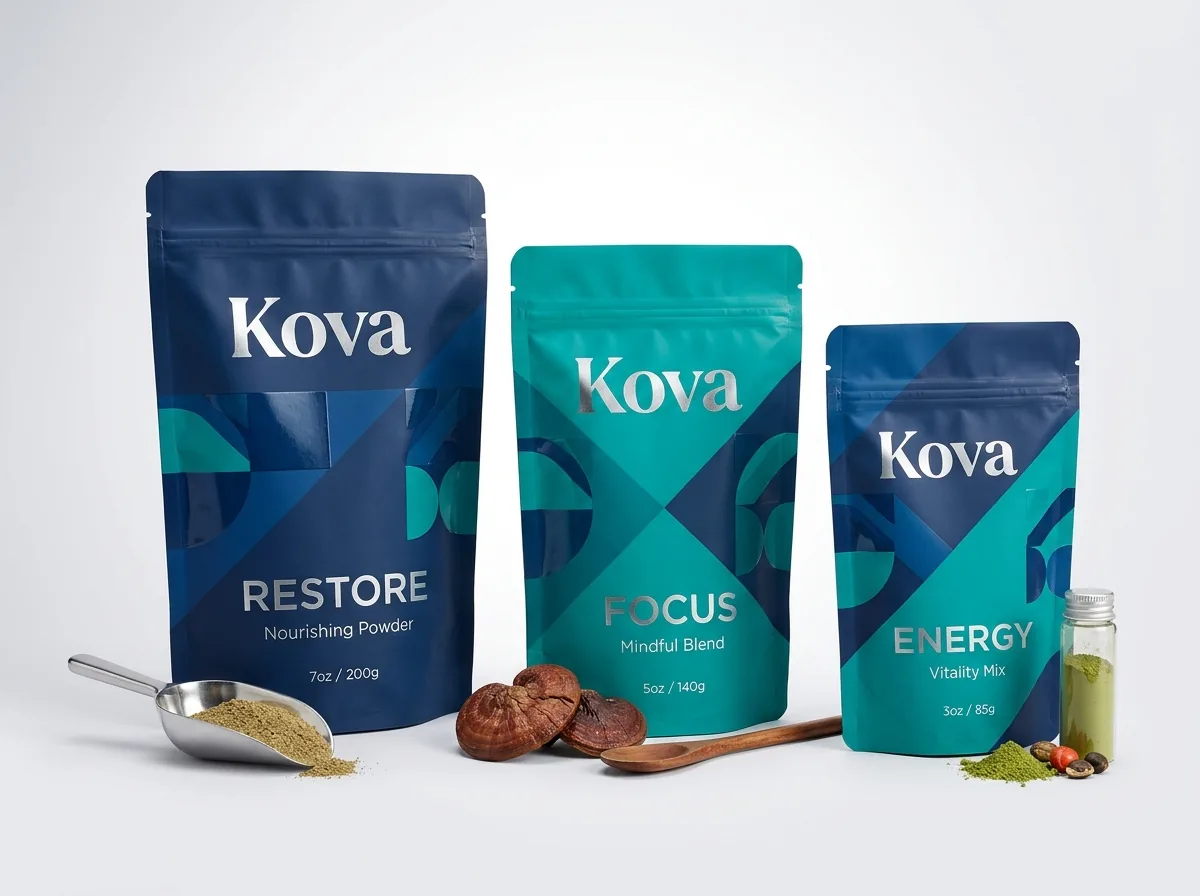
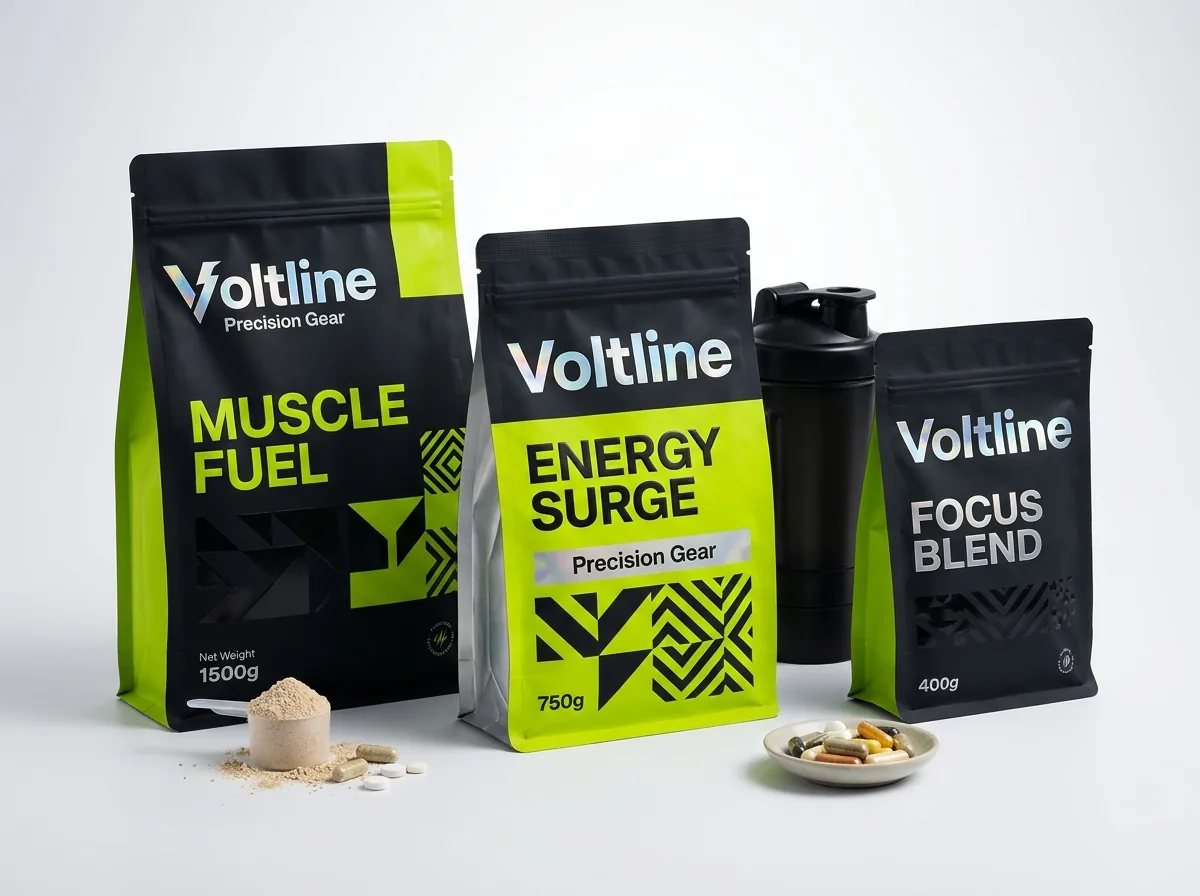
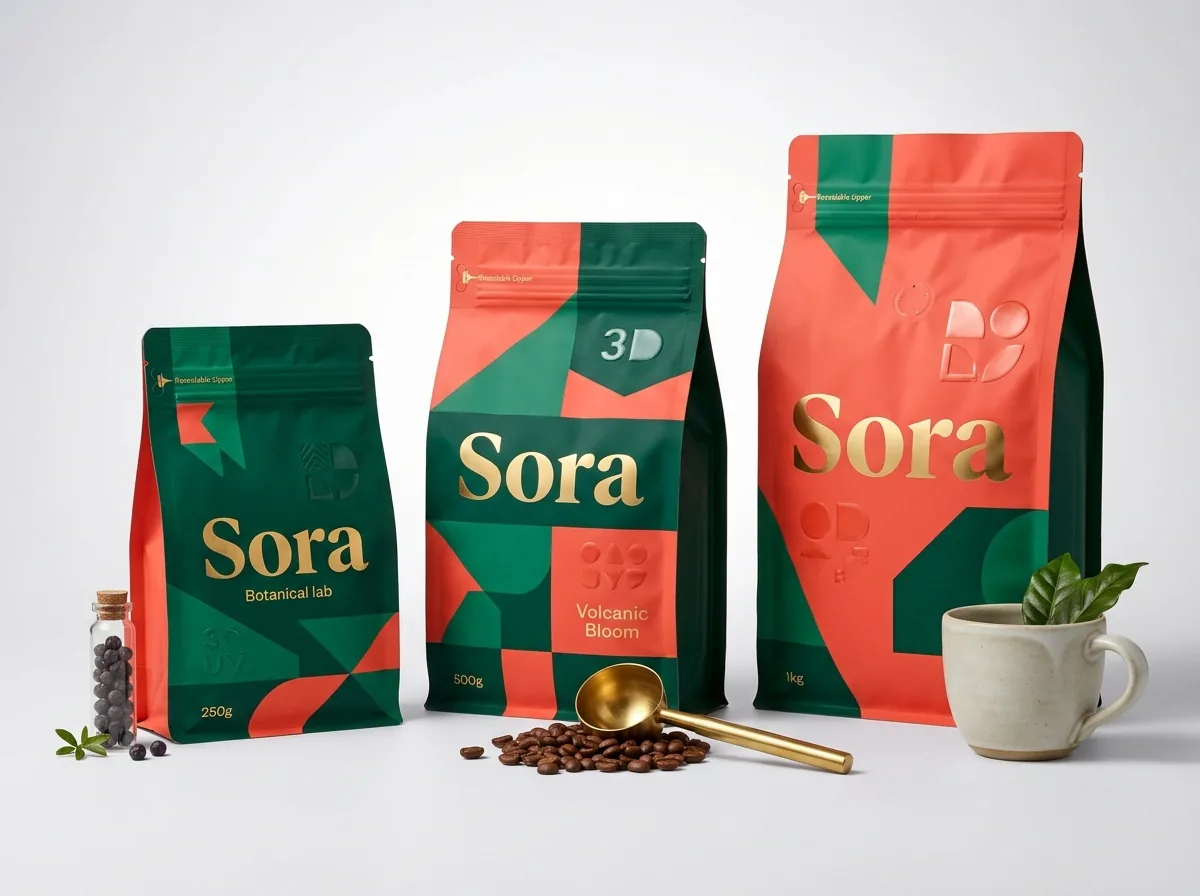
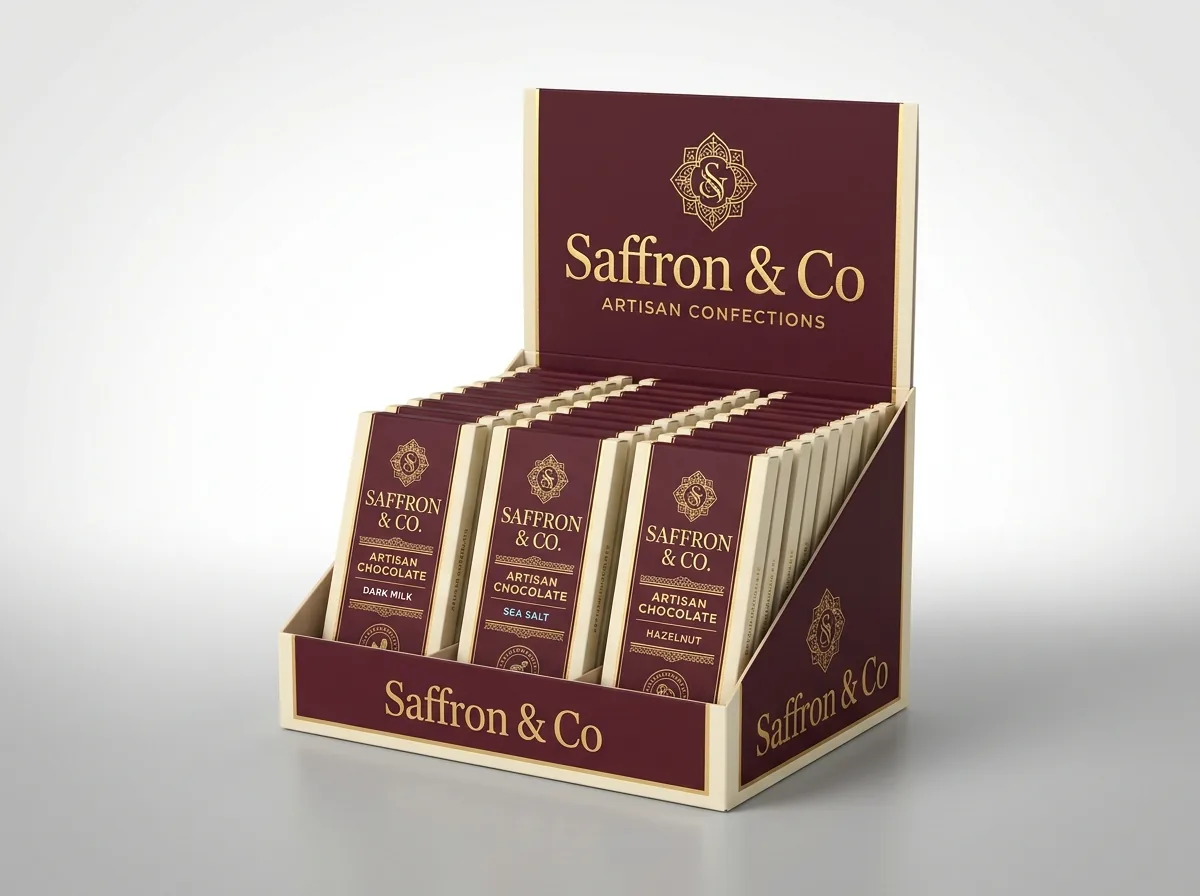
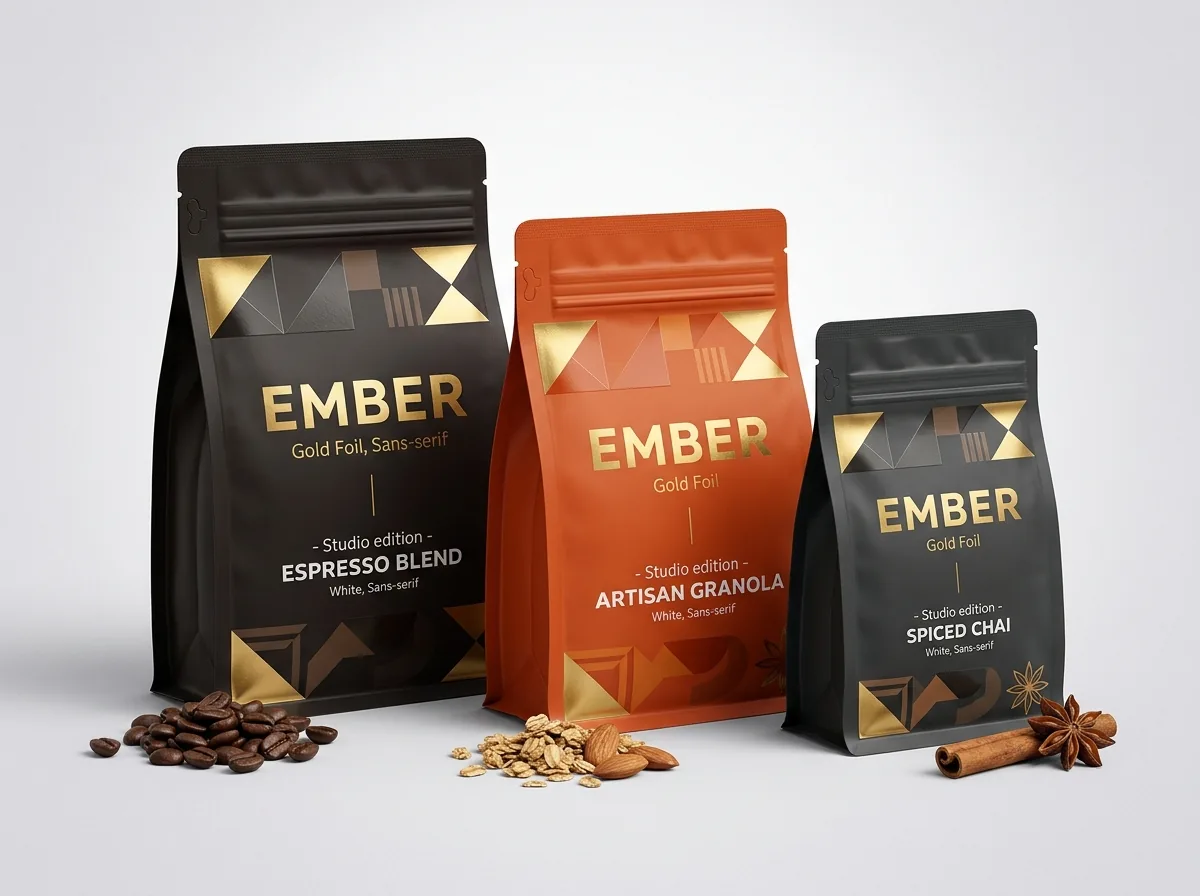
Ready to order flat pouches? Compare up to 3 quantities with a free 3D mockup.
Request a Quote →Questions about flat pouches
At what fill weight should I switch from a flat pouch to a stand up pouch?
For loose dry powders, granules, tea or snacks, 2 oz to 4 oz is the usual crossover point. Below 2 oz, a flat 3-side-seal pouch is cleaner and more compact; above 4 oz, a bottom-gusset stand up pouch holds the volume upright on a shelf.
Why is beef jerky often packed in a flat pouch instead of a stand up pouch?
Long, flat slabs of beef jerky, biltong or dried mango stack flat like cards and do not settle into the bottom gusset of a Doypack. A 6 × 9 inch flat zipper pouch with a euro hang hole displays the wide slabs face-out on peg hooks.
Do flat pouches use the same impulse heat sealers as stand up pouches?
Yes. Both flat pouches and stand up pouches weld shut across the top header using any standard tabletop impulse sealer or continuous rotary band sealer. Flat pouches are actually even easier to seal because there is no thick gusset fold.
Can I get a clear window on a flat 3-side-seal pouch?
Yes. Just like our stand up pouches, we can leave an unprinted clear window in any oval, rectangle or custom outline on the front of a flat barrier pouch or natural kraft flat pouch with zero die charges.
Can I order a 30-pack folding carton to hold 30 single-serve flat sachets?
Yes. Many wellness and beverage brands pack 7, 14 or 30 flat sachets inside a custom tuck-end folding carton or Perforated Dispenser Box (PDQ) so customers can pull one packet out each morning.
Can I quote both a full-size stand up pouch and a flat sample sachet together?
Yes. Submit your main pouch in the quote form and note your companion sample sachet dimensions in Step 2 so your account manager quotes both formats together with matched Pantone colors.
Still have a question? Ask a packaging specialist.
Request a Quote →Request your flat pouches quote
Tell us your size and quantities, and one dedicated account manager prepares pricing for each tier.
- Free design & AI-to-print studio + 3D mockup
- No die or plate charges · 4–5 day rush available
- Free shipping to all 50 states
- 10% off your first order
This comparison draws on standard flexible pouch converting mechanics (3-side seal vs 4-side sachet vs W-gusset Doypack), retail pegboard and PDQ display standards, and CubitPack's decided specifications. Spot an error? Tell us and we will fix it.
Sources
What changed
- October 22, 2026: First published.
- October 22, 2026: Updated specifications, terminology, and verified source links.
More guides
New packaging guides by email
Sizes, materials and design tips. Unsubscribe anytime.