
Stand up pouches vs flat pouches vs jars: which should you choose?
Short answer: Choose custom stand up pouches for multi-serving retail products (2 oz to 5 lb) that need to stand upright on shelves without the weight or breakage of jars. Choose flat 3-side-seal pouches for single-serve samples, and choose jars for wet spoonable foods.
On this page
- How do stand up pouches, flat pouches and rigid jars compare side by side
- When should I pick a bottom-gusset stand up pouch over a flat pouch
- Why are e-commerce and retail brands switching from jars to stand up pouches
- Do flexible stand up pouches protect freshness as well as rigid canisters
- When is a rigid jar or bottle still better than a flexible pouch
- Common mistakes
- FAQs
Request a custom quoteFree dieline & 3D mockup
Picking between a bottom-gusset stand up pouch, a flat 3-side-seal pouch and a rigid glass or plastic jar comes down to how your customer uses the product and how you ship it. A stand up pouch uses a tucked W-shaped bottom gusset that ships flat to your warehouse, then expands under product weight so the bag stands upright on retail shelves with a wide front billboard and a resealable zipper. A flat pouch seals on three edges with no bottom gusset, making it ideal for single-serve drink sticks, flat sample sachets, sheet masks and jerky packs that hang on peg hooks or slip into slim envelopes. Rigid glass jars and plastic tubs suit wet sauces, creams or heavy table canisters, but they cost far more to ship and store empty because you are paying freight on air and heavy walls.
How do stand up pouches, flat pouches and rigid jars compare side by side?
Before locking in your packaging format, look at the entire lifecycle of the container: how many pallets of empty packaging sit in your warehouse, how fast your crew packs and labels each unit, how much parcel carriers charge to ship a filled order, and how the package sits in the customer's pantry. When you order printed stand up pouches, your artwork is printed edge to edge across the front, back and bottom gusset before the bag is formed, eliminating separate label application. Use the comparison matrix below to weigh all three formats across capacity, shelf posture, transit durability and fulfillment steps.
| Comparison factor | Stand up pouch (bottom gusset) | Flat pouch (3-side seal) vs Rigid jar / tub |
|---|---|---|
| How it sits on a shelf | Stands upright unassisted on oval base | Flat pouch lies flat or hangs; jar stands rigid |
| Typical fill range | 2 oz up to 5 lb multi-use fills | Flat: 0.1–4 oz single/flat fills · Jar: 2–32 oz |
| Empty warehouse space | Ships flat; ~15–20x less cube than jars | Flat: ultra-compact · Jar: bulky pallets of air |
| Parcel breakage & weight | Light, shatterproof, no bubble wrap needed | Flat: mails in flat flats · Jar: heavy, fragile |
| Branding area | Full front, back and bottom gusset print | Flat: full front & back · Jar: wrap sticker only |
| Reclosure & barrier | Press-to-close zipper + heat seal + barrier film | Flat: tear-open or zipper · Jar: screw cap + liner |
When should I pick a bottom-gusset stand up pouch over a flat pouch?
Both stand up pouches and custom flat pouches are made from the same multi-layer barrier laminates, print with the same CMYK and Pantone inks, and accept tear notches, hang holes and clear windows. The structural difference is the bottom edge. A flat pouch is sealed flat along the left, right and bottom margins (a 3-side-seal construction), so its interior volume is limited to the slight pillow bulge between the two face sheets. A stand up pouch adds a fourth web fold (the W-shaped bottom gusset) that opens into a deep oval floor. Choose a flat 3-side-seal pouch when your fill is under 2 to 4 ounces, when customers consume the entire packet in one sitting (like electrolyte powders, single-pot coffee samples or cosmetic face masks), or when you want the package to stay under ¾ inch thick to qualify for flat mailer postal rates. Step up to a bottom-gusset stand up pouch as soon as your product exceeds 2 to 4 ounces, needs to stand upright on a retail shelf without a display caddy, or requires a wide opening so customers can scoop or pour across multiple weeks.
- Pick a stand up pouch for: 4 oz to 5 lb pantry foods, granola, roasted coffee, protein powders, bath salts and resealable pet treats.
- Pick a flat 3-side-seal pouch for: single-serve samples, tea sachets, seed packets, flat jerky slabs, sheet masks and subscription box inserts.
- Pair both together: use a 6 × 9 × 3 in stand up pouch for your flagship retail SKU and a matching 3.5 × 5 in flat pouch for trial packs.
Why are e-commerce and retail brands switching from jars to stand up pouches?
Glass jars and rigid HDPE plastic canisters have a classic apothecary look, but they create three major operational bottlenecks for growing brands: inbound freight, warehouse storage and outbound parcel damage. A single pallet of empty 8 oz glass jars holds only a few thousand containers because every jar ships full of empty air. The same pallet footprint holds tens of thousands of flat, un-filled stand up pouches stacked neatly in cartons. On the outbound shipping line, a glass jar requires corrugated dividers, honeycomb paper or foam wraps to survive parcel drops, and its dead weight pushes e-commerce orders into higher carrier weight brackets. A multi-layer stand up pouch weighs a fraction of an ounce empty, will not shatter if dropped on a concrete porch, and packs tightly inside custom mailer boxes or custom poly mailers. Even brands that still sell glass jars on vanity counters now offer 16 oz or 32 oz stand up pouch refills so repeat customers can top up their jar at home.
Know your size? Compare pricing across up to 3 quantities.
Request a Quote →Do flexible stand up pouches protect freshness as well as rigid canisters?
A rigid plastic tub or glass jar with a loose screw lid actually lets a surprising amount of room air and humidity enter every time the wide mouth is unscrewed. Modern stand up pouches engineered with metallized polyester (VMPET) or aluminum foil cores achieve very low oxygen transmission rates (OTR) and water vapor transmission rates (WVTR), blocking UV light and moisture across the entire wall of the bag. Before the customer opens the pouch, the top header is hermetically impulse-sealed above the press-to-close zipper track, giving tamper-evident protection without needing a separate neck band or induction foil liner. After the customer tears off the top strip at the V-notches, they can press out excess air from the flexible walls before zipping the track shut, something you can never do with a rigid half-empty canister. That squeezed-air advantage keeps roasted nuts, beef jerky, crispy cookies and aromatic teas fresher through the final serving of the bag.
When is a rigid jar or bottle still better than a flexible pouch?
Flexible pouches are not the right fit for every formula. If your product is a thick, spoonable wet condiment like peanut butter, jam, salsa or heavy body butter where a knife or spoon has to scrape the bottom corners daily, a rigid straight-sided glass jar is much cleaner for the customer to use. Similarly, carbonated beverages, hot-filled pasta sauces bottled above boiling temperatures, or fragile stacked crackers that would crush without a rigid outer wall belong in glass, cans or folding cartons. For viscous liquids like baby food purees, cocktail mixers, liquid hand soap refills and laundry detergent, you can bridge the gap between bottles and bags by choosing custom spout pouches, which combine a bottom-gusset stand up pouch with a threaded plastic pour spout and screw cap. Many household, cosmetic and culinary brands also launch a hybrid program: selling a refillable glass vessel for the kitchen counter and shipping lightweight stand up pouches for every repeat subscription delivery.
What are the most common mistakes when choosing between pouches and jars?
Switching formats changes how you fill, seal and ship your product. Watch out for these five common transition mistakes
- Choosing a flat 3-side-seal pouch for a 8 oz or 12 oz retail product that needs to stand upright on flat grocery shelves without peg hooks.
- Assuming a stand up pouch can only hold dry snacks, when high-barrier K-seal and spout pouches safely hold powders, bath salts and liquid refills.
- Shipping heavy glass jars in e-commerce subscription boxes without calculating the extra void-fill labor, breakage replacements and parcel weight surcharges.
- Putting fragile wafers or long brittle crackers into an un-boxed flexible pouch without an inner tray or outer folding carton to prevent crushing.
- Ordering custom printed jars and custom printed pouches from separate vendors without locking a shared Pantone color specification.
Packaging for this
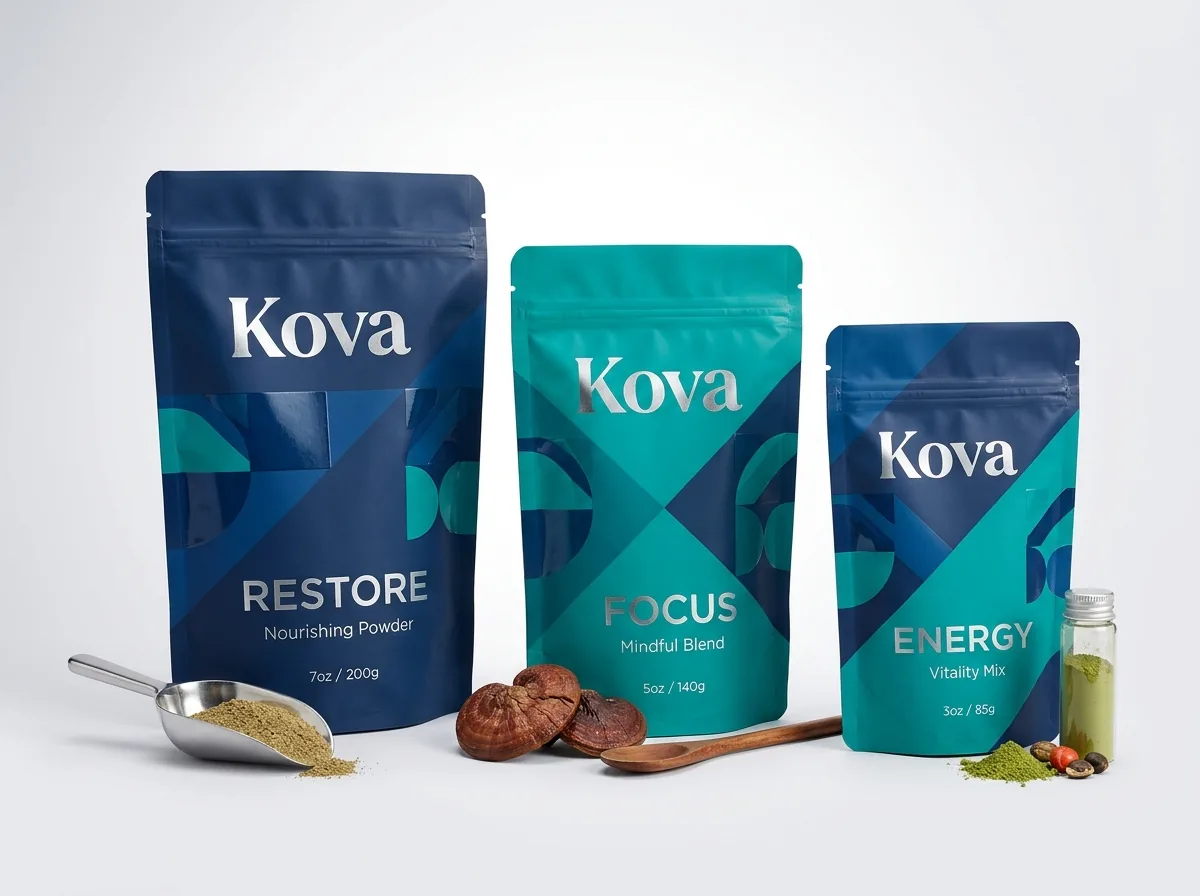
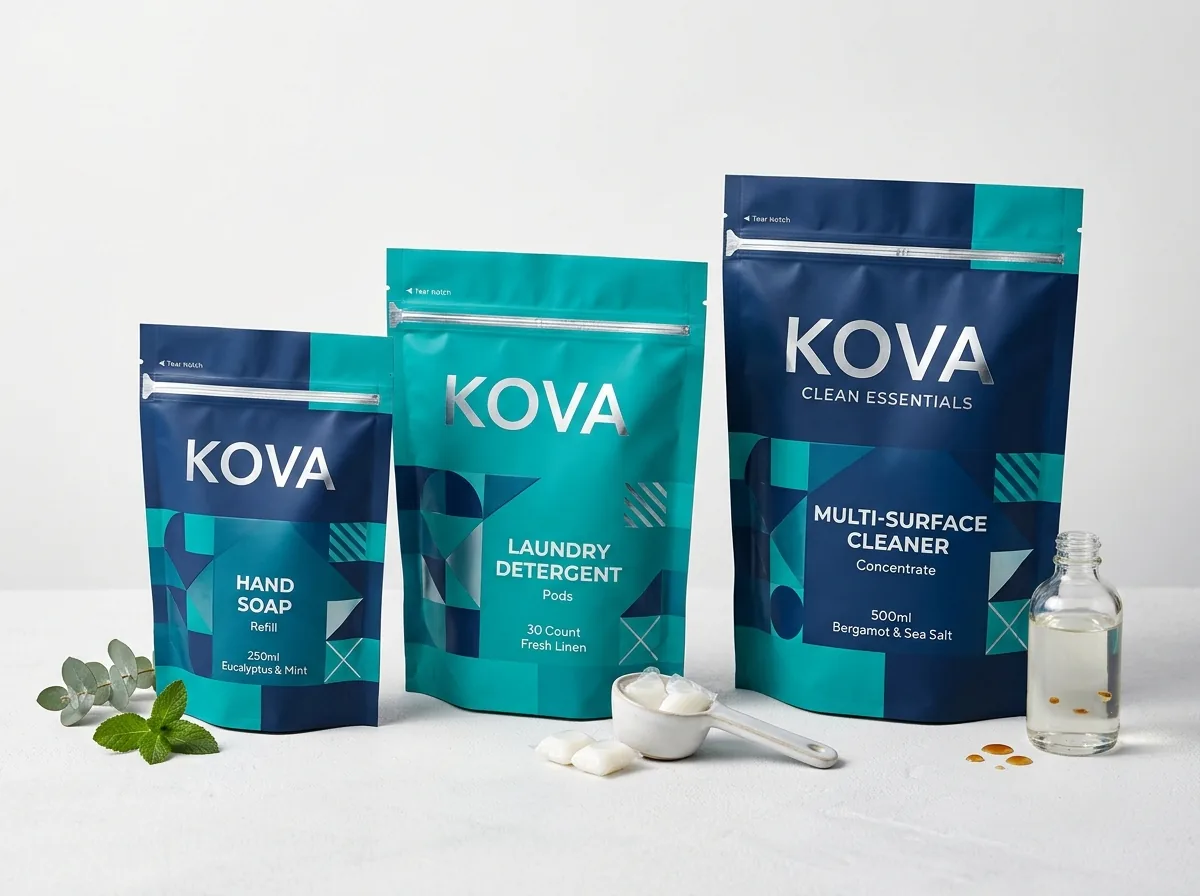
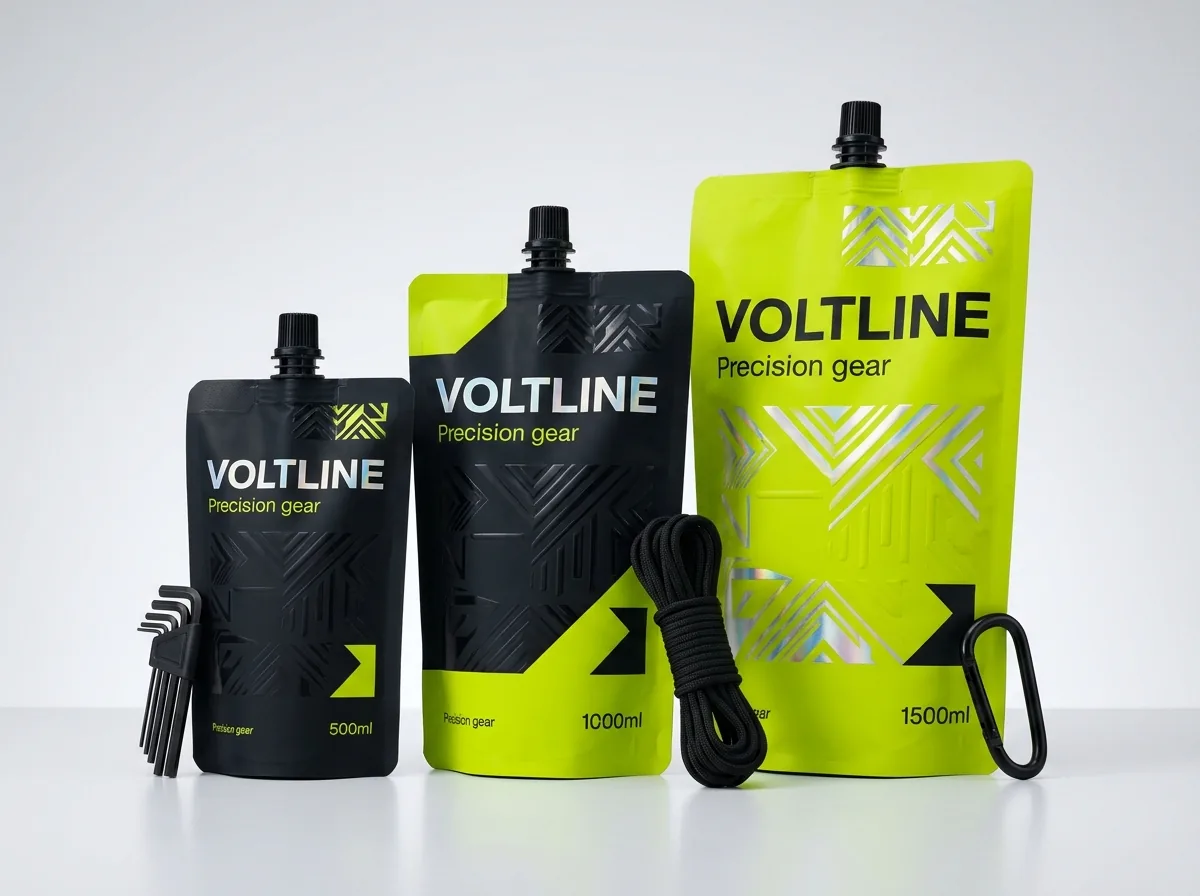
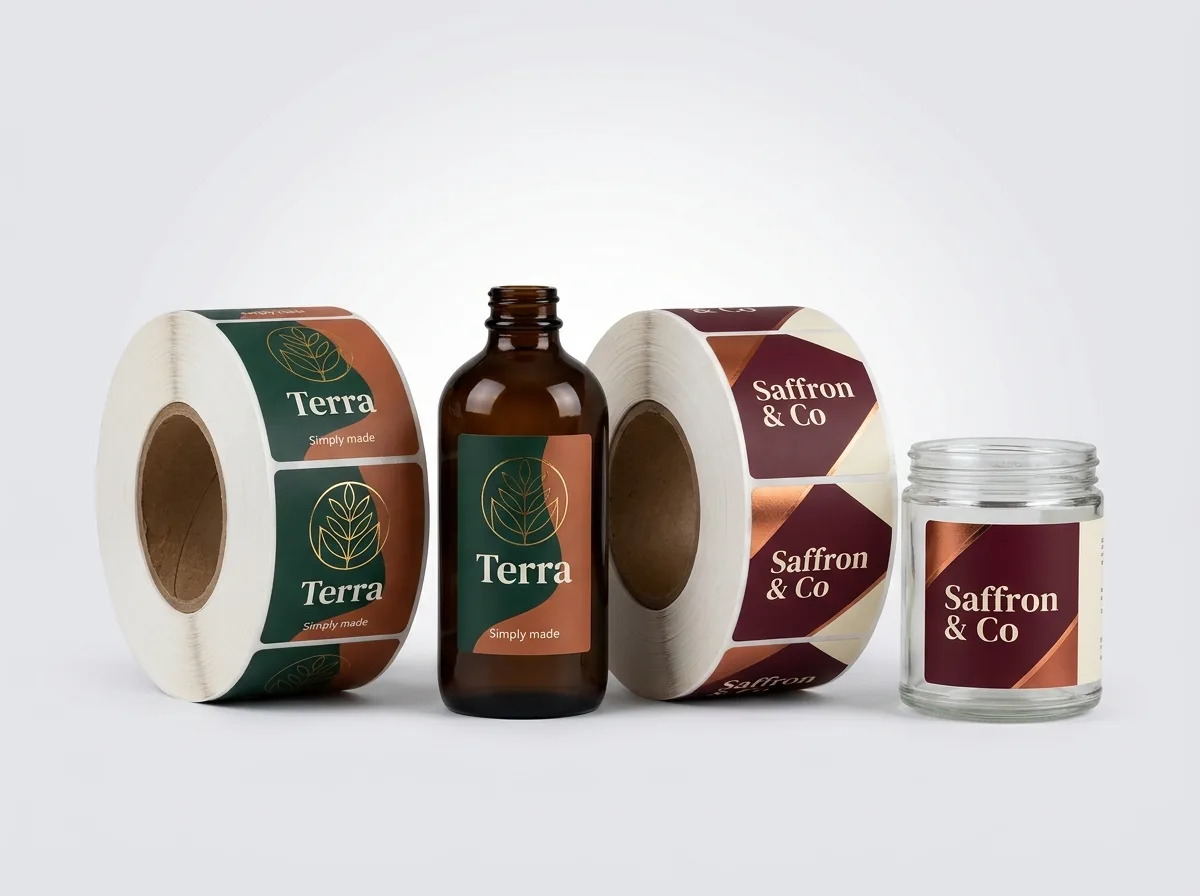
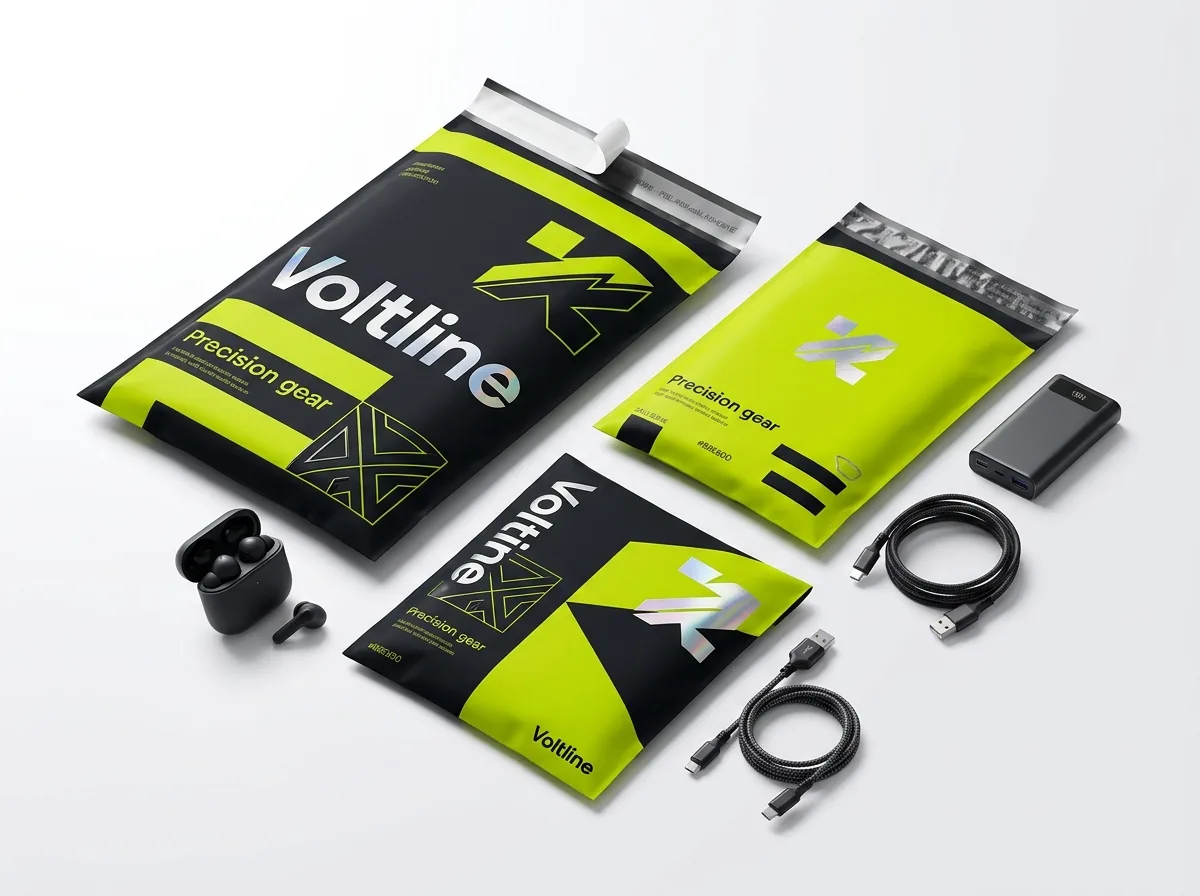
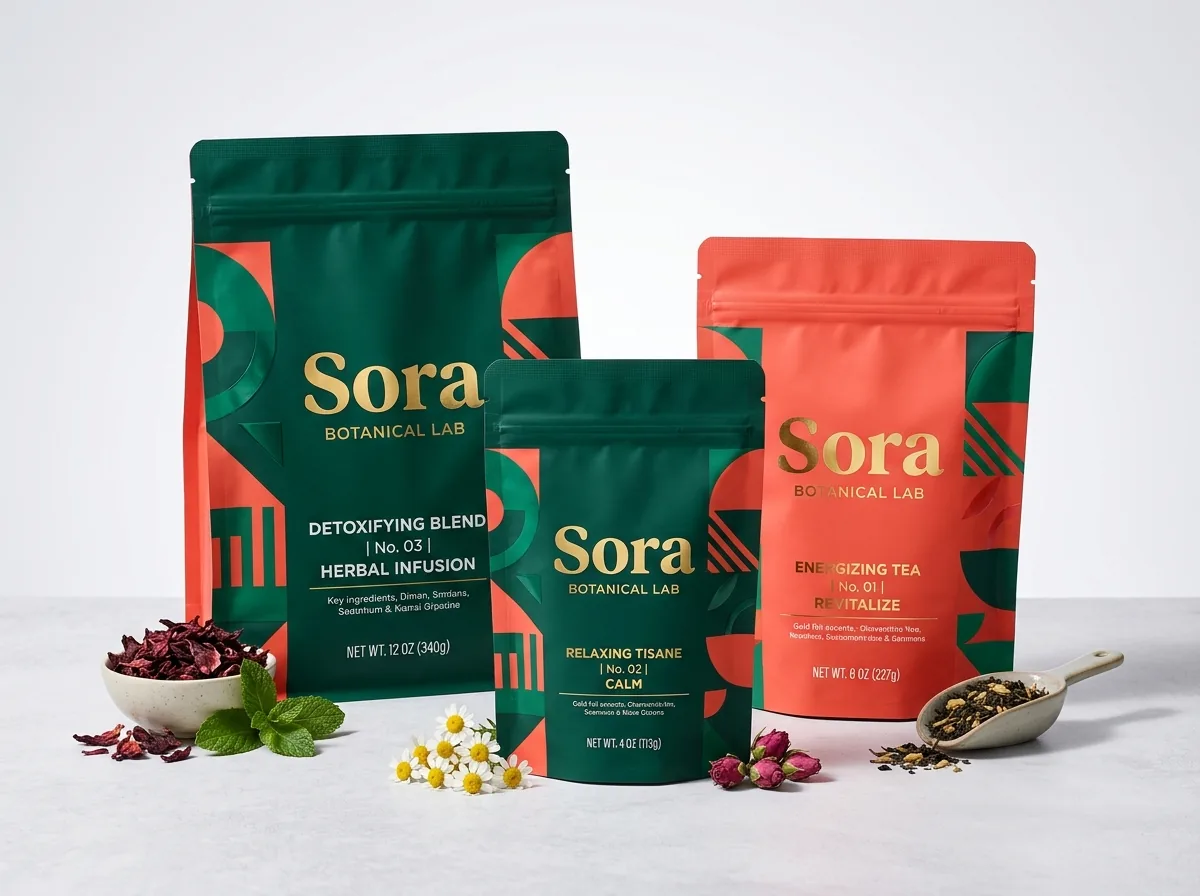
Ready to order stand up pouches? Compare up to 3 quantities with a free 3D mockup.
Request a Quote →Questions about stand up pouches
Are flat 3-side-seal pouches less expensive than bottom-gusset stand up pouches?
At the same width and height, a flat 3-side-seal pouch uses less laminated film because it has no bottom W-gusset and requires fewer folding steps on the bag-making line. Enter your specs in the quote form to compare both styles.
Can a flat pouch still have a resealable zipper and tear notches?
Yes. You can add a press-to-close zipper track, side V-cut tear notches, a round or euro hang hole, and a clear front window to a flat 3-side-seal pouch just like a bottom-gusset stand up pouch.
How do I display flat pouches in retail stores if they cannot stand on their own?
Add a round punch hole or euro-slot sombrero cutout in the top header above the zipper so retailers can hang the pouches on pegboard hooks, or pack 12 to 24 flat pouches upright inside a counter display box.
Can I use a stand up pouch as an e-commerce refill for our existing glass jar?
Yes. Many skincare, bath soak, candle, spice and supplement brands sell an initial glass jar or tin, then ship 16 oz or 32 oz stand up refill pouches in e-commerce mailers to cut shipping weight and breakage.
Do stand up pouches require special equipment to seal after filling?
No. Small and mid-size brands seal hundreds of pouches per hour with an inexpensive tabletop impulse heat sealer or continuous band sealer, which welds the top header above the zipper track in about two seconds.
Can CubitPack produce both our stand up pouches and our jar labels to match?
Yes. Because we produce custom stand up pouches, flat pouches, roll labels and folding cartons under one account manager, we match your exact Pantone color codes across every packaging format with our Pantone guarantee.
Still have a question? Ask a packaging specialist.
Request a Quote →Request your stand up pouches quote
Tell us your size and quantities, and one dedicated account manager prepares pricing for each tier.
- Free design & AI-to-print studio + 3D mockup
- No die or plate charges · 4–5 day rush available
- Free shipping to all 50 states
- 10% off your first order
This comparison draws on standard flexible vs rigid packaging cube ratios, ISTA parcel transit considerations, and CubitPack's decided pouch, mailer and label capabilities. Reviewed by a CubitPack packaging specialist. Spot something wrong? Let us know and we will fix it.
Sources
What changed
- October 22, 2026: First published.
- October 22, 2026: Updated specifications, terminology, and verified source links.
More guides
New packaging guides by email
Sizes, materials and design tips. Unsubscribe anytime.