
How do I design custom tea pouches for botanical blends and steeping guides?
Short answer: Build a clean front hierarchy showing tea category, blend name, caffeine level and net weight below the 1.5 inch zipper header, place a 4-column steeping bar (leaf measure, water temp in °F/°C, steep minutes, re-steeps) on the back, and share one dieline across all custom tea pouches.
On this page
- What belongs on the front panel of a custom loose-leaf or sachet tea pouch
- What steeping temperatures, leaf ratios and times belong on the back panel
- How do tea houses color-code 10 to 20 blends on one shared pouch dieline
- When should I order fully printed tea pouches vs master bags with custom labels
- Where do ingredient lists, organic seals and UPC barcodes go on a tea pouch
- Common mistakes
- FAQs
Request a custom quoteFree dieline & 3D mockup
Specialty tea shoppers scan three things in under five seconds when picking up a pouch: what kind of tea it is (black, green, oolong, white or caffeine-free herbal), what flavor notes or botanicals are inside, and how many cups the bag brews. Unlike coffee where almost every roast brews at 200°F, steeping delicate Japanese green sencha at boiling 212°F scorches the leaves bitter, while steeping herbal chamomile at 175°F produces weak water. That makes a clear, scannable back-panel steeping chart one of the most important design elements on any loose-leaf or sachet pouch. By standardizing a single 5 × 8 × 3 inch or 6 × 9 × 3.5 inch pouch dieline across your catalog and color-coding each tea family with guaranteed Pantone bands, you can group multiple blends in one CubitPack order with zero plate fees. Every order includes a free dieline check and a 3D digital proof before production starts.
What belongs on the front panel of a custom loose-leaf or sachet tea pouch?
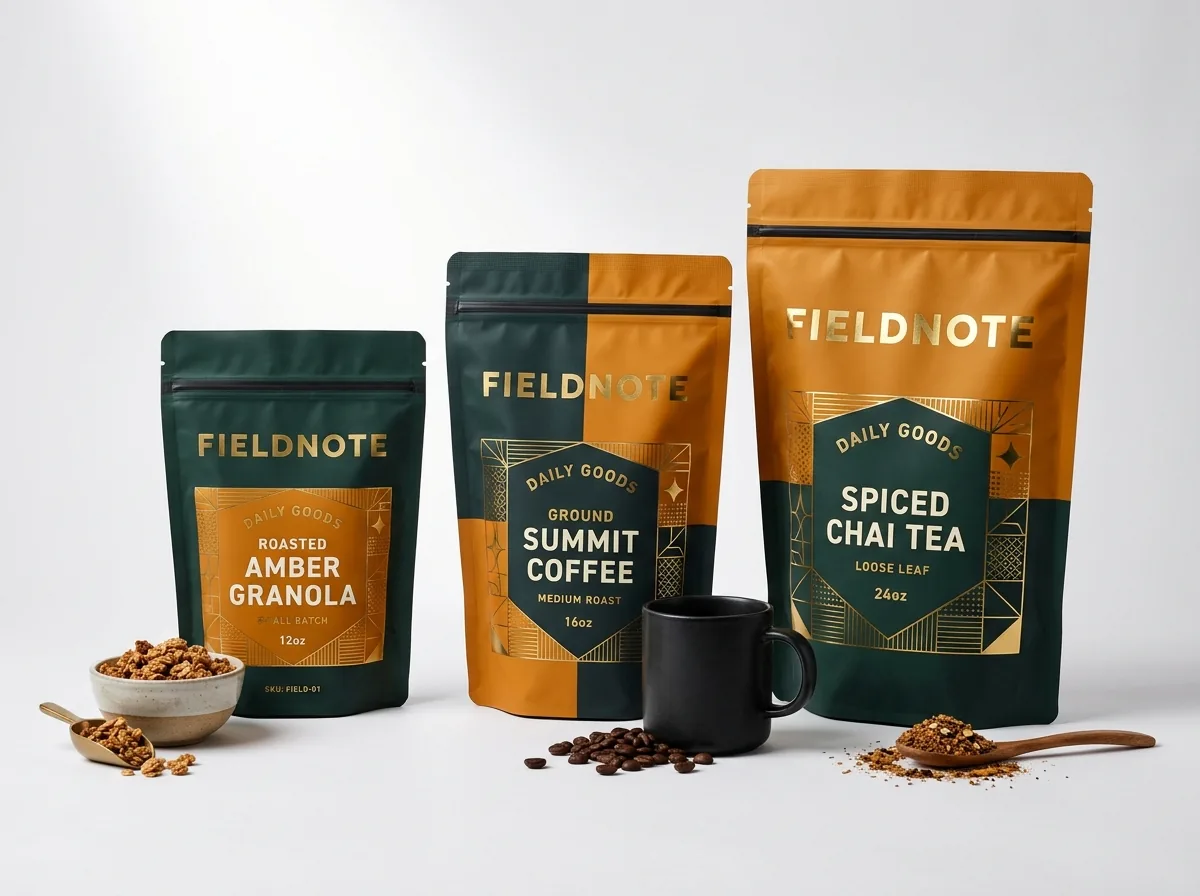
On a stand-up tea pouch, the top 1.25 to 1.5 inches is occupied by the impulse heat-seal band, the side tear notches and the horizontal zipper flange, while the bottom 0.75 inches curves inward as the bottom gusset expands. That leaves the central 5.5 to 6.5 inches of vertical height as your main retail billboard. Organize that front billboard into four clear reading tiers from top to bottom on your printed tea packaging pouches: your tea house wordmark or crest near the top safe line (1.5 inches below the top cut edge), the primary blend title in high-contrast 18-point to 28-point typography, a color-coded category pill or band indicating Black Tea, Green Tea, Oolong, Matcha or Caffeine-Free Herbal Tisane, and a bottom footer line showing net weight in both ounces and grams alongside total cup yield (for example, '3 oz / 85 g · Brews 35 Cups'). When planning your custom tea pouches specification, always measure the primary container or product with digital calipers across length, width, and height before locking the dieline. Adding the right internal clearance prevents scuffing during fulfillment while keeping outer shipping carton volume low.
- Tier 1 (1.5 in below top lip): brand logo or apothecary crest clear of the tear strip and zipper ridge.
- Tier 2 (center focal zone): blend name + 3 tasting notes (for example, 'Bergamot Peel · Black Assam · Cornflower').
- Tier 3 (category & caffeine badge): color-coded band stating High Caffeine, Low Caffeine or Caffeine-Free.
- Tier 4 (0.75 in above bottom edge): net weight in oz/g + cup count or pyramid sachet count.
What steeping temperatures, leaf ratios and times belong on the back panel?
Nothing earns repeat tea orders faster than a customer brewing their very first mug at the right water temperature. Instead of burying brewing instructions inside a dense paragraph of back-panel prose, lay out a four-icon horizontal steeping bar across the upper middle back panel (at least 1.5 inches below the top edge so it clears the zipper weld). Use the benchmark steeping parameters below as a starting grid for your back-panel icon bar, adjusting for your specific estate cultivars.
| Tea or botanical category | Leaf per 8 oz (240 ml) cup | Water temp & steep time |
|---|---|---|
| Japanese green (Sencha / Gyokuro) | 1 tsp (2.5 - 3 g) loose leaf | 160°F - 175°F (70°C - 80°C) · 1.5 to 2 min |
| Chinese green & white tea | 1.5 tsp (3 g) buds or needles | 175°F - 185°F (80°C - 85°C) · 2 to 3 min |
| High-mountain & rolled oolong | 1 tsp (3 g) rolled pearls | 190°F - 200°F (88°C - 93°C) · 3 to 4 min (3+ steeps) |
| Black tea & masala chai | 1 tsp (2.5 - 3 g) or 1 sachet | 205°F - 212°F (96°C - 100°C) · 3 to 5 min |
| Herbal, floral & fruit tisanes | 1.5 - 2 tsp (3 - 4 g) whole herbs | 212°F (100°C) boiling · 5 to 7 min covered |
| Ceremonial matcha (Usucha) | 2 bamboo scoops / 1 tsp (2 g) sifted | 175°F (80°C) · whisk 2 oz water in W-motion 20 sec |
How do tea houses color-code 10 to 20 blends on one shared pouch dieline?
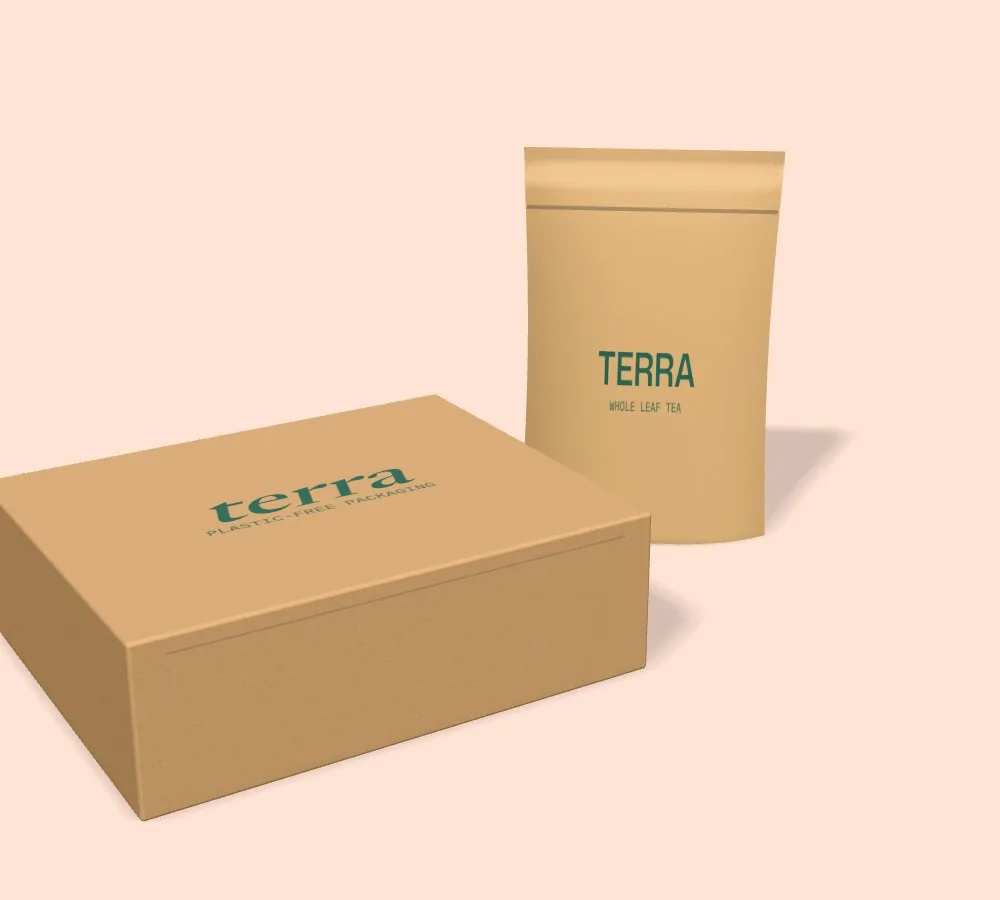
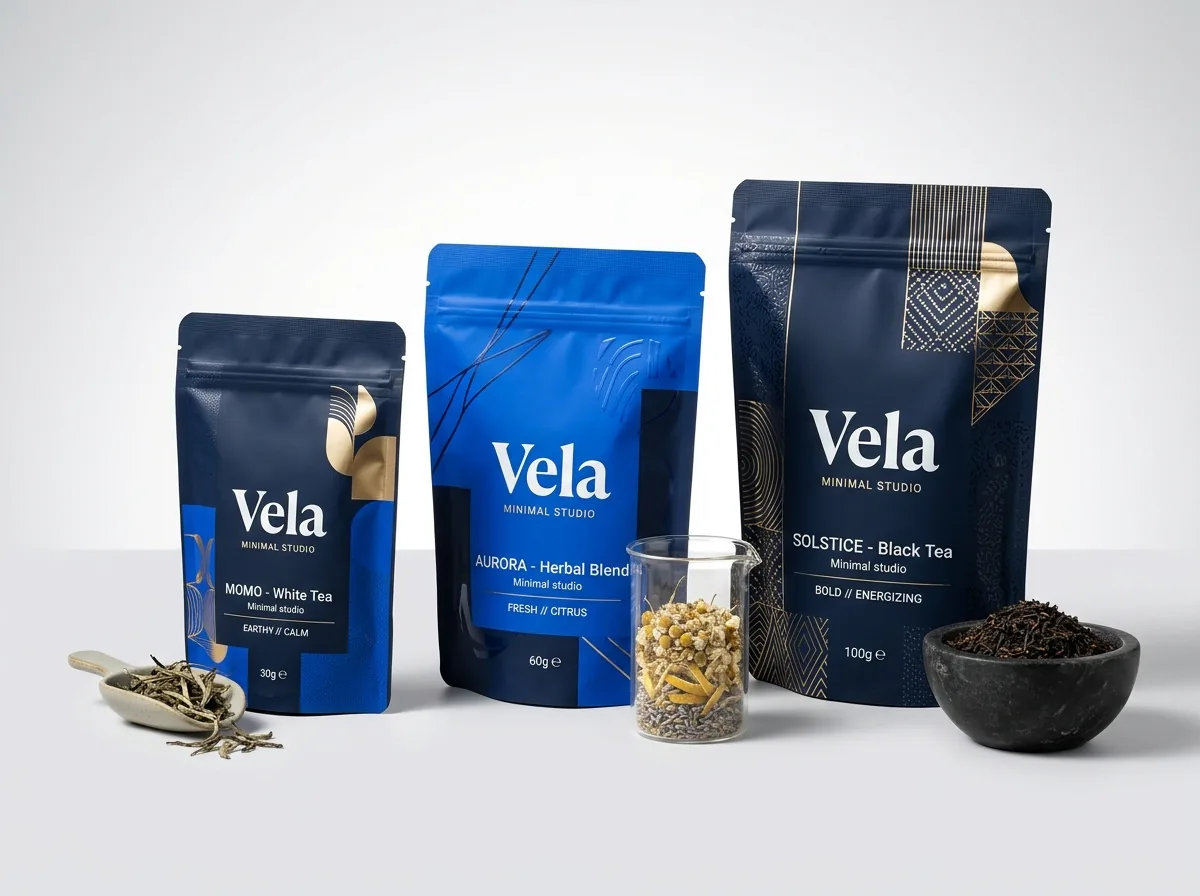
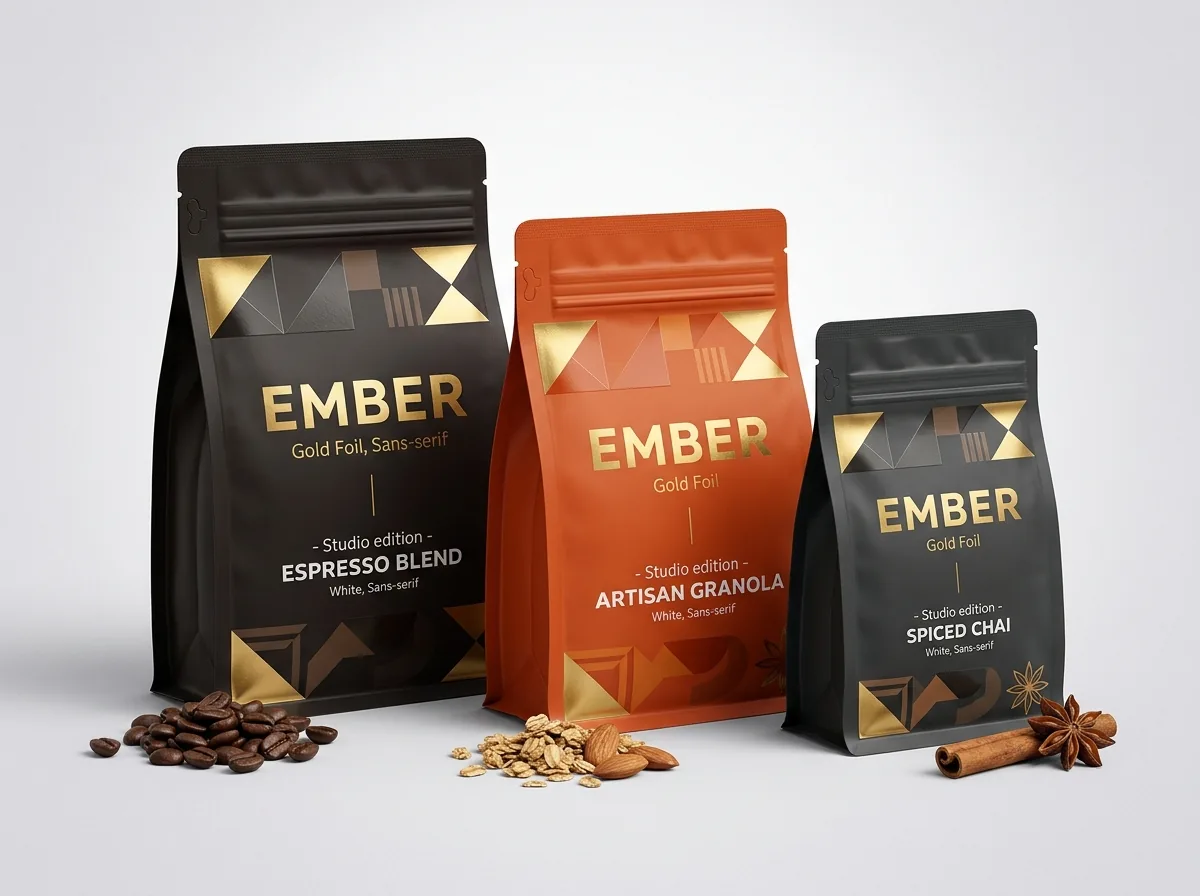
Whereas a coffee roaster might sell 3 or 4 core blends, a boutique tea company often launches with 8 to 20 distinct SKUs spanning breakfast blacks, jasmine greens, masala chai, matcha and evening herbal blends. Designing 15 different pouch sizes would fragment your order volume. Instead, lock in one master stand-up pouch dimension (such as 5 × 8 × 3 inches or 6 × 9 × 3.5 inches) with an identical dieline, tear-notch height and zipper track. Keep your background base consistent - for example, a warm cream matte film or a natural kraft exterior - and assign each tea category a signature Pantone accent color band and foil stamp: deep burgundy (#651D32) for black and pu-erh teas, forest emerald (#245747) for green teas and matcha, royal violet (#7862F3) for chamomile and lavender sleep tisanes, and warm ochre gold for rooibos and turmeric ginger blends. Because CubitPack guarantees Pantone color matching and never charges printing plate fees, you can group multiple designs in one quote by selecting 2 designs or 3+ designs in Step 2.
Know your size? Compare pricing across up to 3 quantities.
Request a Quote →When should I order fully printed tea pouches vs master bags with custom labels?
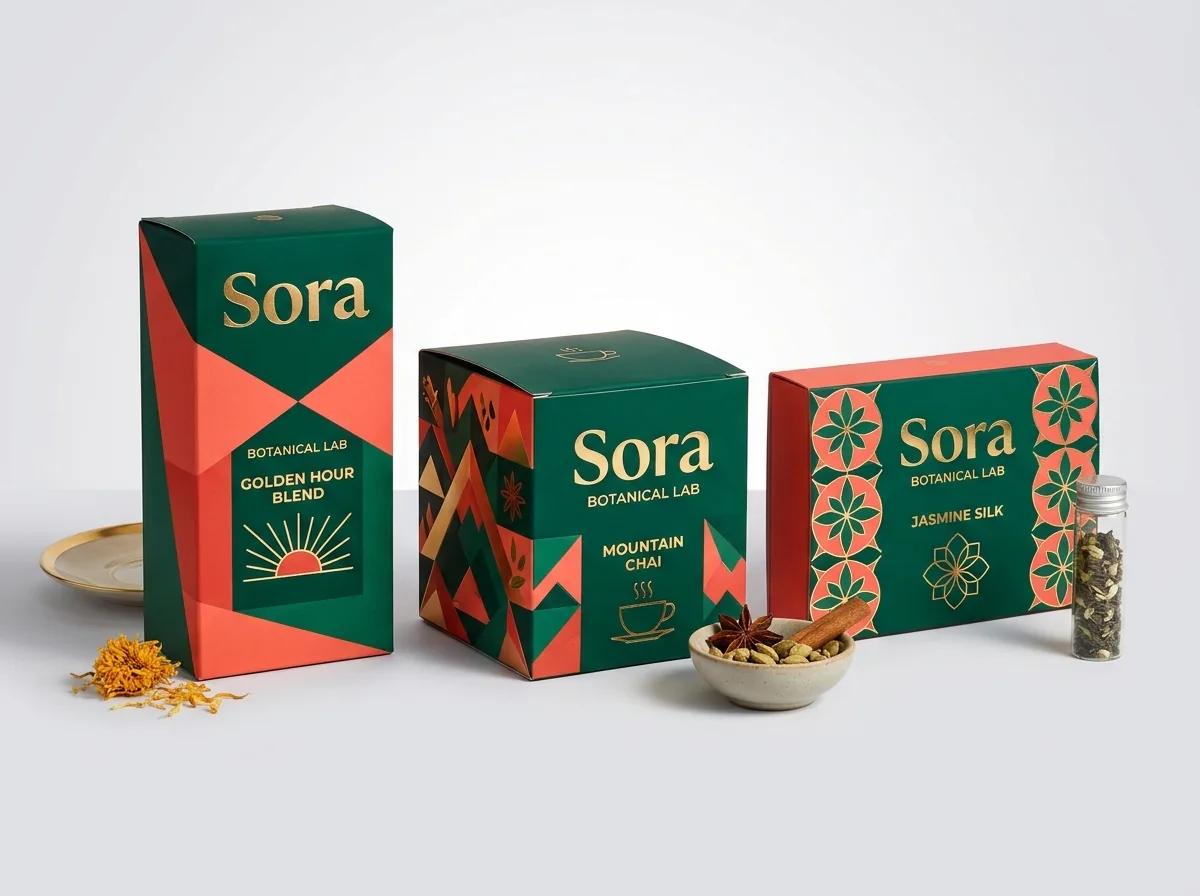
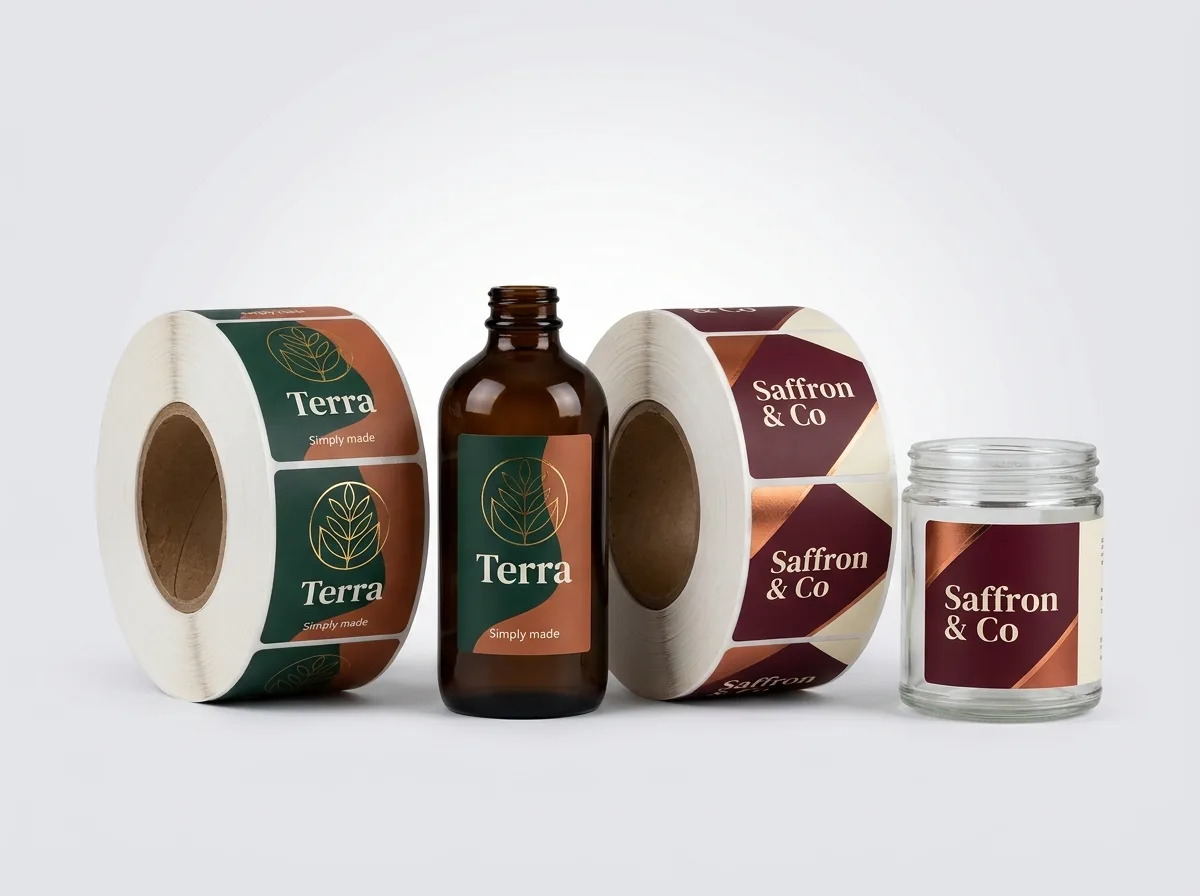
Most tea brands use a hybrid strategy that pairs fully printed pouches for top-selling year-round blends with a master pouch and custom roll labels for small-batch seasonal harvests. For your flagship Earl Gray, English Breakfast, Jasmine Green, Peppermint and Ceremonial Matcha, full-bleed custom printed pouches eliminate hours of hand-labeling labor and let you wrap botanical illustrations across the front, back and bottom gusset. For micro-lot first-flush Darjeelings, limited seasonal blends or wholesale apothecary herbs where you only pack 50 to 100 bags per harvest, order a custom printed master tea pouch featuring your brand logo on the upper chest, your company story and barcode on the back, and a clean 3 × 4 inch unprinted frame on the front center panel where you apply variable blend stickers. You can also coordinate your pouches with custom tea boxes and custom kraft stand up pouches for gift sets.
Where do ingredient lists, organic seals and UPC barcodes go on a tea pouch?
Under US food labeling conventions, single-ingredient pure camellia sinensis teas (which contain virtually zero calories) are typically exempt from a full Nutrition Facts box unless a nutrient claim is made, but every multi-ingredient blend must list all botanicals and natural flavorings in descending order by weight above the manufacturer or distributor address line. Place your ingredient list, allergen statement, net weight and lot/best-by stamp box on the flat middle area of the back panel, at least 1.5 inches below the top cut edge and 1.0 inch above the bottom crease. Keep your UPC barcode on a high-contrast white rectangle in the lower-right corner of that flat back panel or centered on the bottom gusset fold so curved bottom corners never distort the vertical bars.
- Top 1.5 in header & zipper zone: keep completely free of ingredient text, organic seals and barcodes.
- Back-panel steeping icon bar: place right below the zipper ridge (1.625 to 2.75 in from the top edge).
- Ingredients & distributor address: center back panel in legible 7-point or larger high-contrast type.
- Lot code & Best By date box: leave a 1.5 × 0.5 in light rectangle near the bottom back or side seal for thermal stamping.
What are the most common custom tea pouch design mistakes?
A great tea pouch layout balances shelf appeal with clear brewing directions and clean prepress margins around the zipper and gusset. Avoid these five mistakes
- Leaving steeping water temperature and time off the bag, which leads customers to scald green tea at 212°F and blame the leaf quality.
- Placing the tea house logo or blend name in the top 0.5 inch header strip above the laser tear notches where it gets torn off on day one.
- Printing light sage green or pastel floral inks directly onto brown kraft pouches without specifying an opaque white ink underbase.
- Creating different pouch dimensions for every single tea blend instead of sharing one master dieline across 5 to 10 SKUs to combine volume.
- Wrapping the UPC barcode too close to the bottom gusset crease where the expanding oval base curves the bars away from checkout scanners.
Packaging for this
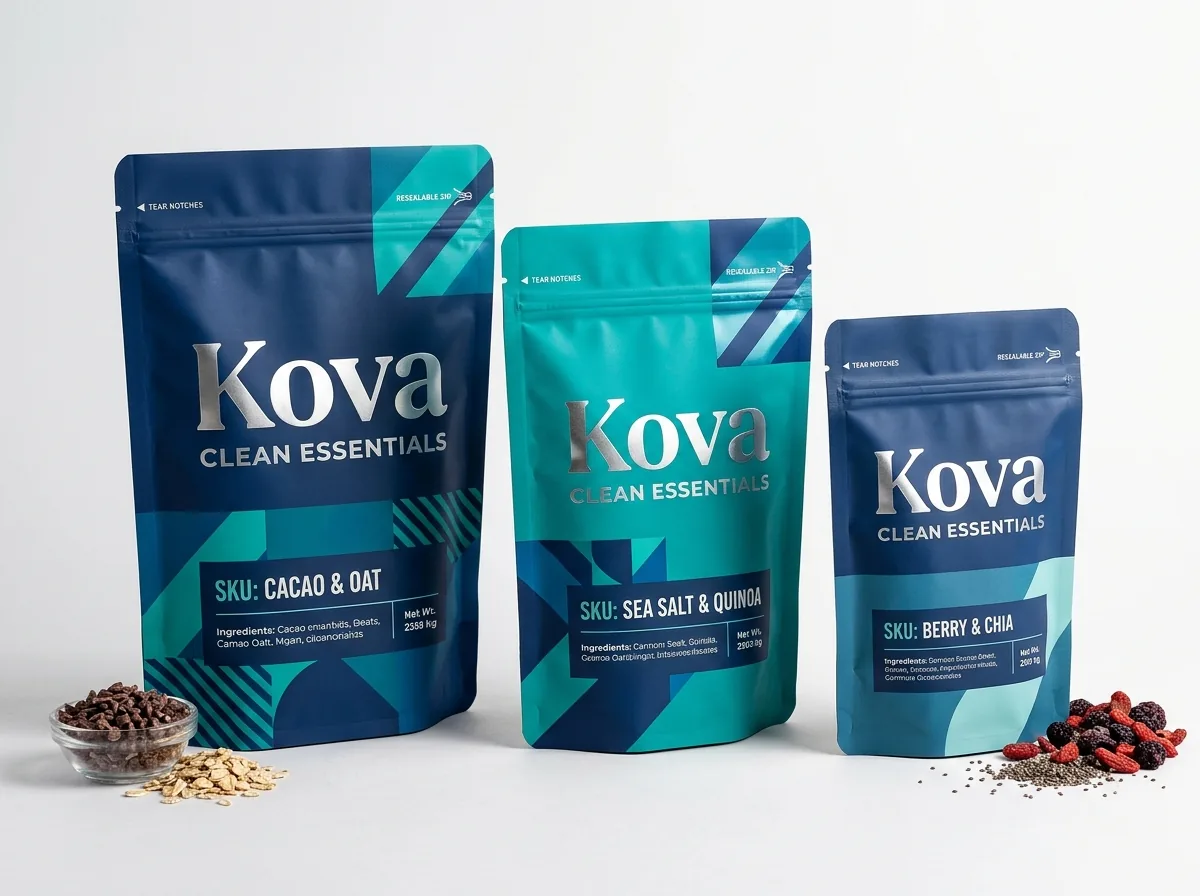
Ready to order tea pouches? Compare up to 3 quantities with a free 3D mockup.
Request a Quote →Questions about tea pouches
Can I combine 5 or 10 different tea blend designs in one order?
Yes. As long as your tea pouches share the exact same outer Width × Height × Gusset dimensions and film material, select 2 designs or 3+ designs in Step 2 of the quote form and list your blends in the notes. CubitPack never charges die or plate fees.
Should I list steeping temperature in Fahrenheit, Celsius or both?
List both (for example, '175°F / 80°C'). Many electric gooseneck tea kettles sold in the United States allow users to toggle between Fahrenheit and Celsius presets, and printing both numbers inside a simple thermometer icon takes almost no extra space.
How do I show both net weight and cup count on the front of a tea pouch?
Because fluffy chamomile weighs less per bag than rolled oolong, printing 'Net Wt 2 oz (56 g) · ~25 Cups' or '15 Pyramid Tea Sachets · Net Wt 1.32 oz (37.5 g)' along the lower front panel tells shoppers immediately how many servings they are buying.
Can you print metallic gold or copper accents on a matte tea pouch?
Yes. You can either add hot foil stamping in gold, copper or silver over a matte or soft-touch film, or use a metallized barrier laminate where we leave selective areas without a white ink underbase so the metallic sheen shines through your ink color.
What if I only have botanical illustrations or an AI concept and no dieline?
Upload your illustration, logo or AI-generated concept in Step 2 of the quote form (or visit our Print Your AI Design page). Our packaging designers build the exact pouch dieline, steeping icon grid, digital proof and 3D mockup for free before you pay.
How do you guarantee my brand colors match across tea pouches and tea boxes?
Specify your Pantone (PMS) codes in the quote notes. We guarantee Pantone color matching across custom tea pouches, folding tea cartons, rigid gift boxes and roll labels, and if a Pantone color is clearly off from the approved proof, we reprint it.
Still have a question? Ask a packaging specialist.
Request a Quote →Request your tea pouches quote
Tell us your size and quantities, and one dedicated account manager prepares pricing for each tier.
- Free design & AI-to-print studio + 3D mockup
- No die or plate charges · 4–5 day rush available
- Free shipping to all 50 states
- 10% off your first order
The front-panel hierarchy, steeping temperature chart (160°F to 212°F) and prepress clearance rules in this guide were compiled from specialty tea brewing standards and flexible converting tolerances, verified by a CubitPack packaging specialist. Spot an error? Tell us and we will fix it.
Sources
What changed
- October 22, 2026: First published.
- October 22, 2026: Updated specifications, terminology, and verified source links.
More guides
New packaging guides by email
Sizes, materials and design tips. Unsubscribe anytime.