
Should I choose straight tuck, reverse tuck, or auto-lock bottom for my product boxes?
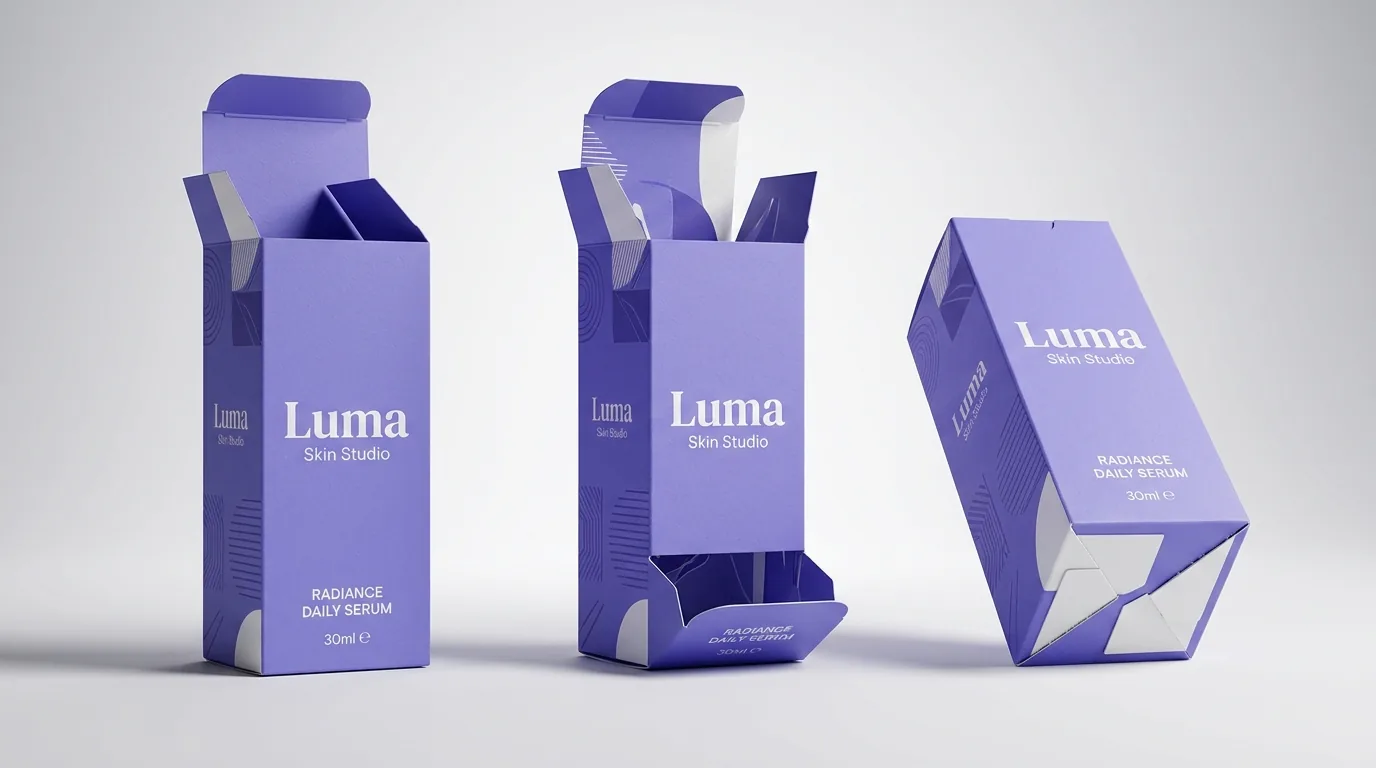
Short answer: When choosing custom product boxes, pick straight tuck end (STE) for cosmetics and gift items under 14 oz that need a clean front panel, reverse tuck end (RTE) for high-volume supplements and teas under 14 oz where nested sheet savings matter, and auto-lock bottom (ALB) for heavy jars or candles from 14 oz to 5 lb.
On this page
- How do STE, RTE, and Auto-Lock Bottom product boxes compare side by side
- When is a Straight Tuck End (STE) box the right choice
- When does a Reverse Tuck End (RTE) box save money without sacrificing performance
- When should I upgrade to an Auto-Lock Bottom, Sleeve, or Window product box
- Can I mix STE, RTE, and Auto-Lock Bottom styles across my product line
- Common mistakes
- FAQs
Request a custom quoteFree dieline & 3D mockup
More than 85% of retail folding cartons use one of three core structures: Straight Tuck End (STE), Reverse Tuck End (RTE), or Auto-Lock Bottom (ALB). All three ship 100% flat with a pre-glued vertical side seam and open from the top with a friction or slit-lock tuck flap, but they differ in how the closure flaps hinge and how the bottom floor locks. On a Straight Tuck End box, both top and bottom flaps hinge off the back wall and tuck toward the front, keeping every raw cut edge hidden behind the back panel for a clean front display face. On a Reverse Tuck End box, one flap hinges off the back wall and the other off the front wall, allowing blanks to interlock on the press sheet to reduce board waste by 5% to 12%. On an Auto-Lock Bottom box, the bottom flaps are pre-glued so the base snaps locked in 1 to 2 seconds and supports up to 3–5 lb.
How do STE, RTE, and Auto-Lock Bottom product boxes compare side by side?
When selecting the structure for your product boxes, compare how each of the three primary folding carton styles performs across front-panel appearance, press sheet efficiency, safe load capacity, and fulfillment line speed
| Comparison factor | Straight Tuck End (STE) | Reverse Tuck End (RTE) | Auto-Lock Bottom (ALB) |
|---|---|---|---|
| Flap hinge geometry | Both top & bottom flaps hinge on the back panel and tuck to the front | Top flap hinges on back panel; bottom flap hinges on front panel | Top tuck flap + 4-flap pre-glued crash-lock bottom floor |
| Front panel appearance | Cleanest look: smooth fold creases at top & bottom of front face | Raw cut edge visible along the bottom front crease line | Clean top & bottom front creases; sturdy flat base |
| Safe unit weight limit | Up to 12–16 oz (0.35–0.45 kg) | Up to 12–16 oz (0.35–0.45 kg) | Up to 3–5 lb (1.4–2.3 kg) |
| Hand assembly time | 6–8 seconds (tuck bottom + tuck top) | 6–8 seconds (tuck bottom + tuck top) | 1–2 seconds for base + 3 seconds for top |
| Sheet nesting & unit cost | Baseline folding carton cost | Lowest unit cost (5%–12% better sheet nesting) | Higher unit cost (+2 glue points on base flaps) |
| Best retail applications | Cosmetics, serums, perfumes, gift items, windowed cartons | Supplements, pharmaceuticals, tea boxes, daily consumables | Glass candle jars, heavy bottles, beverages, multi-jar sets |
When is a Straight Tuck End (STE) box the right choice?
A custom straight tuck end box is the gold standard for boutique retail shelf presentation whenever your unit weighs under 14 to 16 oz
- Zero raw edges on the front billboard panel: Because both the top and bottom main closure flaps hinge from the rear panel and fold forward to tuck behind the front wall, the shopper looking at the front of the box sees two crisp, uninterrupted 90-degree folded paperboard edges at the top and bottom.
- No white edge line on dark flood coats: When you print a deep burgundy, forest green, matte black, or navy background on white C1S paperboard, any raw die-cut flap slot shows a thin white paper core hairline. On an STE carton, both tuck slots sit at the back or tuck cleanly under the front wall crease.
- Ideal pairing with die-cut windows and inserts: Because both flaps travel in the same front-to-back direction, an STE carton pairs effortlessly with a clear PET front window or an internal U-shaped paperboard cradle for dropper bottles and cosmetics.
When does a Reverse Tuck End (RTE) box save money without sacrificing performance?
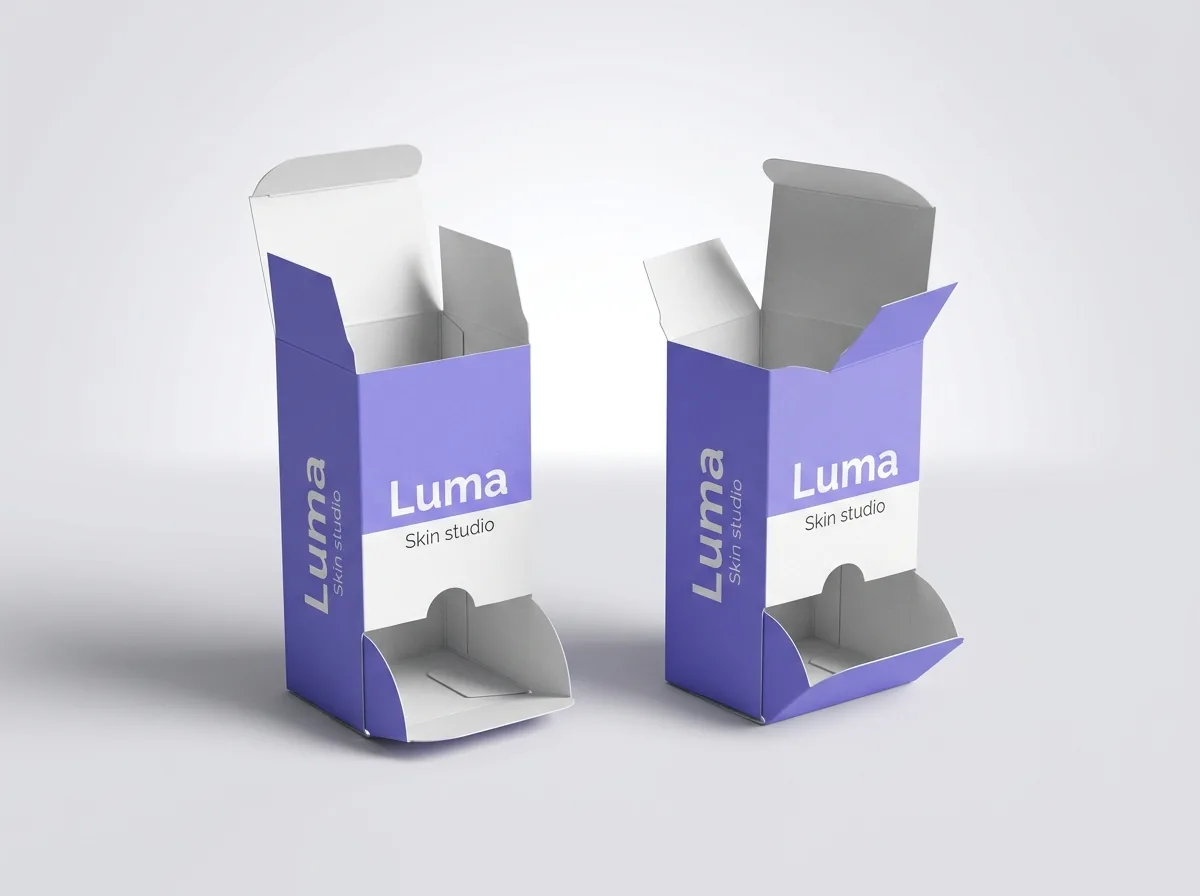
A custom reverse tuck end box is structurally identical to a straight tuck carton in board caliper and weight capacity, with one clever geometric twist that lowers unit cost on medium and large runs
- Interlocking head-to-toe sheet nesting: Because the top tuck flap extends above the back panel (Panel 3) while the bottom tuck flap extends below the front panel (Panel 1), adjacent dieline blanks nest into each other like puzzle pieces on the master press sheet. That layout fits more boxes per sheet and trims paperboard consumption by 5% to 12%, which directly lowers your per-unit cost on runs of 2,500, 5,000, or 10,000+ cartons.
- Same 6-to-8-second packing workflow: On the packing table, workers fold the side dust flaps and tuck the bottom and top slit-lock flaps in the exact same time as an STE box, and high-speed horizontal cartoning machines run RTE blanks at up to 150 cartons per minute.
- Best for light-background or high-volume SKUs: On white or natural brown kraft cartons for dietary supplements, pill bottles, herbal teas, spice blends, and hardware items where a tiny bottom flap seam on the front edge is unnoticeable, RTE delivers the lowest cost per thousand boxes without reducing board thickness or crush strength.
Know your size? Compare pricing across up to 3 quantities.
Request a Quote →When should I upgrade to an Auto-Lock Bottom, Sleeve, or Window product box?
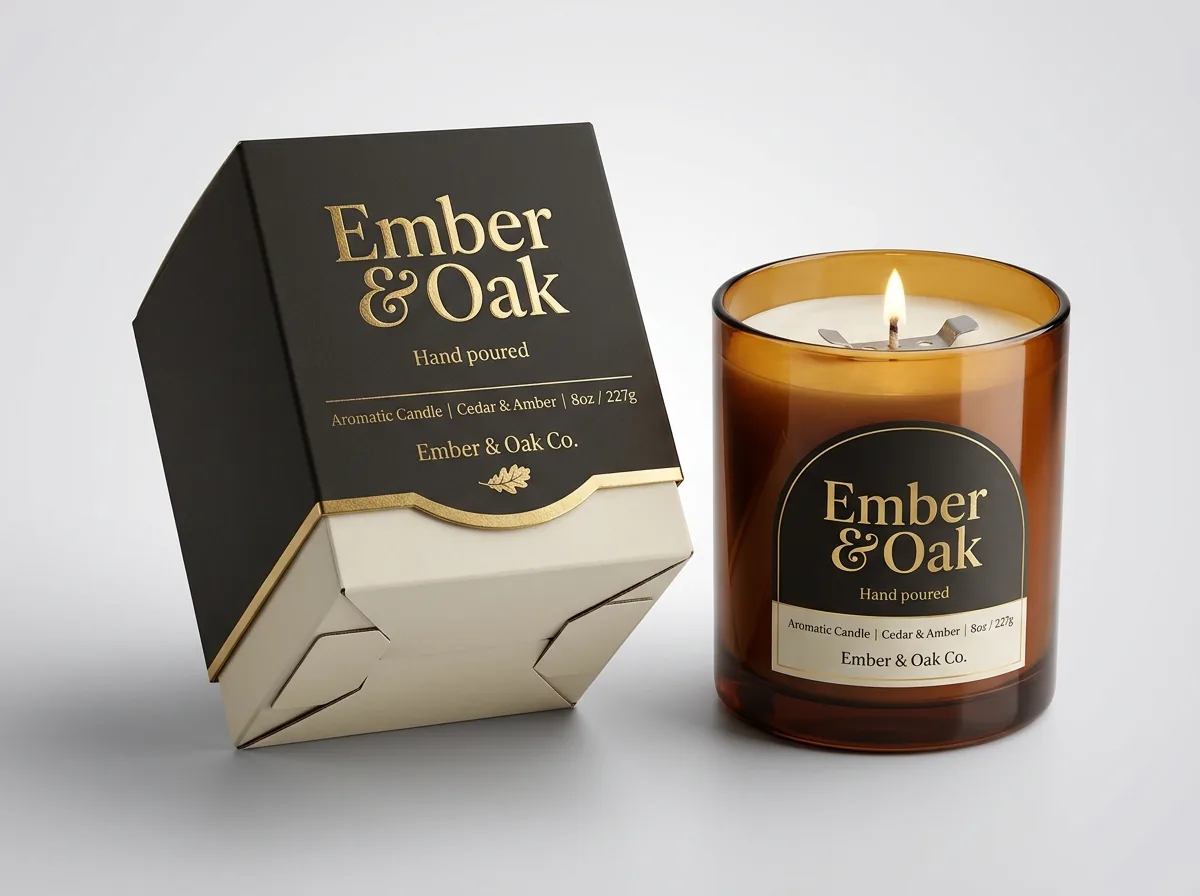
When your product weighs more than 14 to 16 oz or calls for a specialized unboxing ceremony, upgrading from a standard tuck carton to one of our heavy-duty or display styles prevents transit damage and boosts shelf conversion
- Heavy glass jars and candles over 14 oz → Auto-Lock Bottom: A friction tuck bottom relies on two tiny side slit locks that can bow or pop open under the concentrated downward weight of a 9 oz glass candle jar, 16 oz honey jar, or 120 ml glass bottle. Our custom auto-lock bottom boxes feature diagonal crash-lock bottom flaps pre-glued on the folder-gluer so the floor locks automatically in 1 to 2 seconds and supports up to 3–5 lb without bottom tape.
- Giftable sets, jewelry, and chocolates → Tray and Sleeve: If you want a horizontal drawer-style reveal instead of a top-opening lid, custom tray and sleeve boxes pair a double-wall paperboard tray with a wrap-around outer sleeve that slides open like a matchbox.
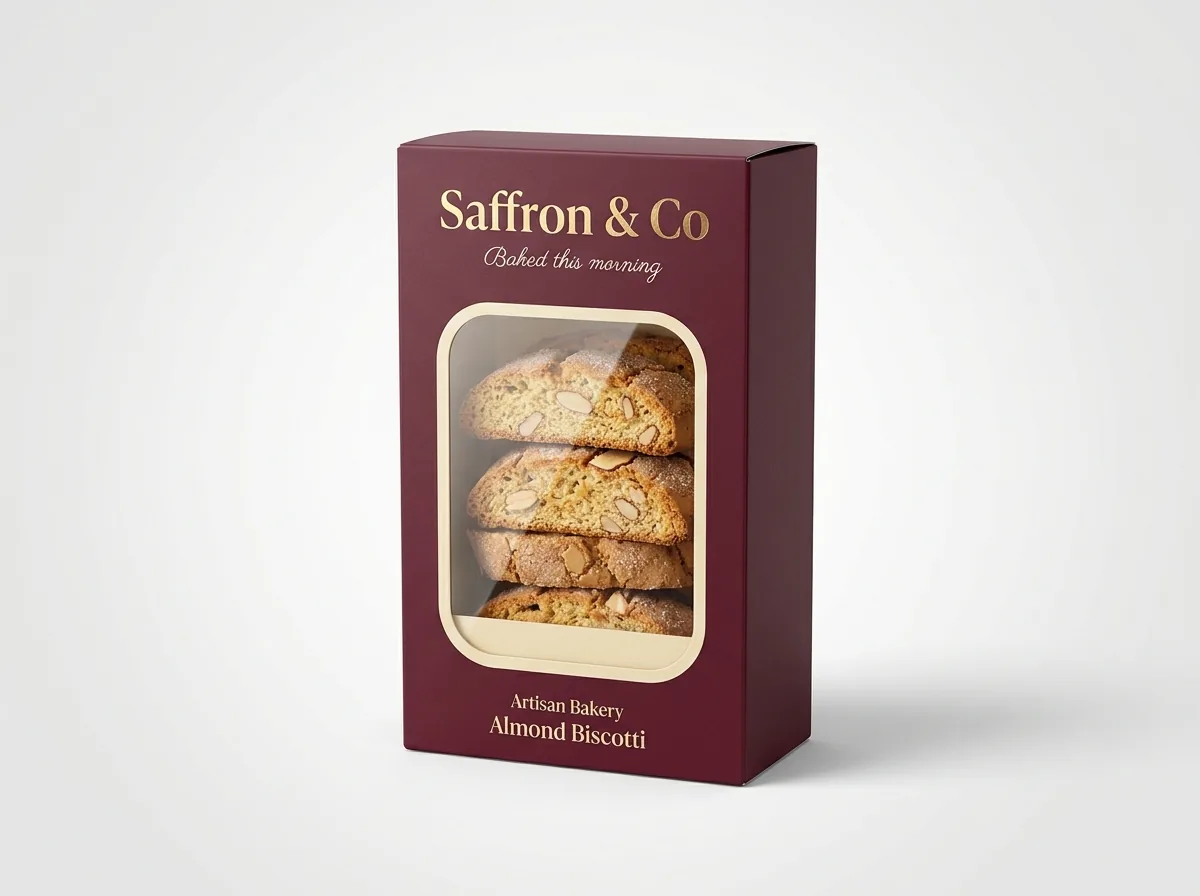
- Visual textures, baked goods, and toys → Window Boxes: When shoppers buy with their eyes first, custom window boxes add a clear PET film window or open plastic-free cutout directly into your STE or auto-lock carton so customers see the real color and texture inside.
- Checkout counter multi-packs → Display Boxes: If you ship 12 or 24 individual units to retail stores, pack your unit cartons inside matching custom display boxes with a perforated tear-away hood and pop-up header billboard.
Can I mix STE, RTE, and Auto-Lock Bottom styles across my product line?
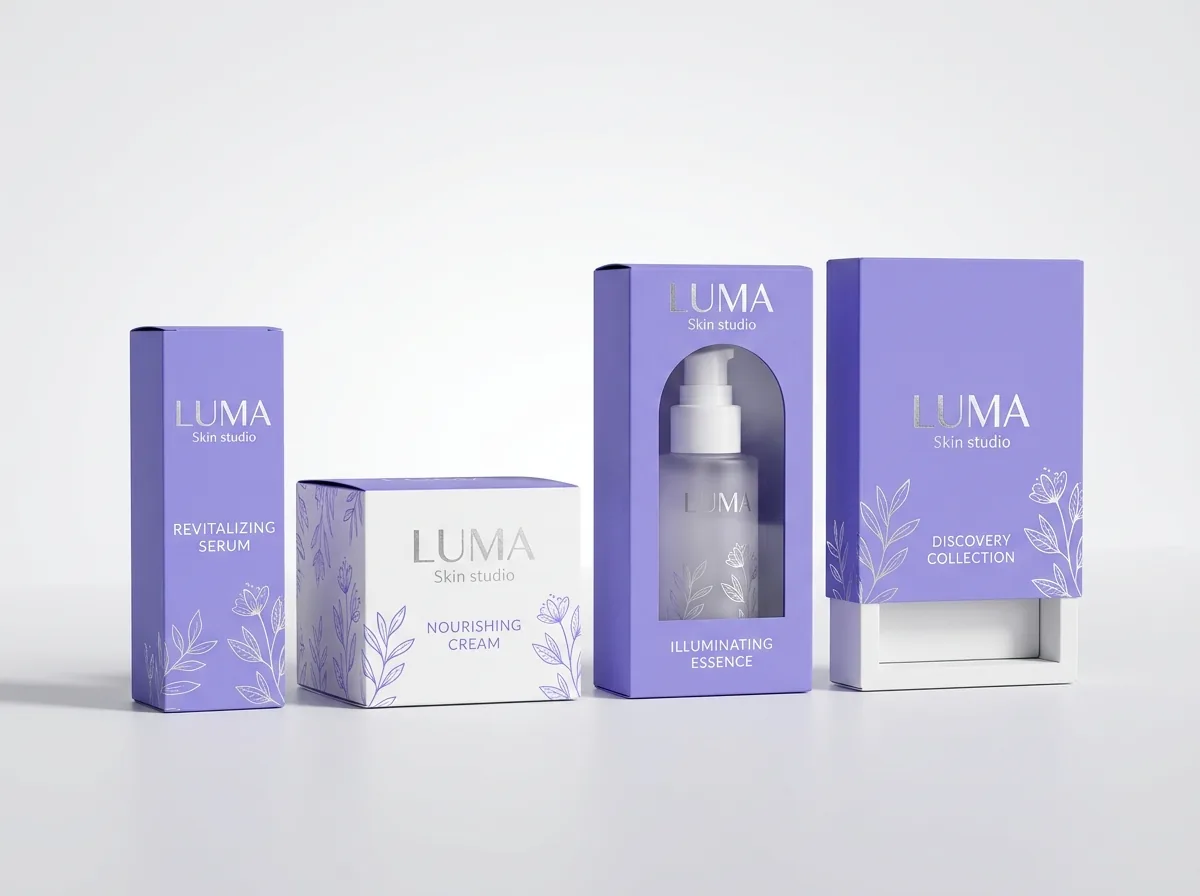
Many brands use two structures across a single coordinated collection, such as 18 pt Straight Tuck End cartons for lightweight 30 ml serums and 24 pt Auto-Lock Bottom cartons for heavier 100 ml glass moisturizer jars, printed on the exact same paperboard with matching Pantone inks and finishes. Use our sizing guide, how to measure and choose board for product boxes, and our prepress walkthrough, product box dieline, finishes, and print setup explained, to plan your full line. Every style starts at 1,000 units with 10–14 business day turnaround and free US shipping.
- Step 1: Weigh each capped SKU in your line, keep lightweight items under 14 oz in Straight Tuck End or Reverse Tuck End cartons, and move heavier jars, candles, or bottles over 14 oz into pre-glued Auto-Lock Bottom cartons.
- Step 2: Choose Straight Tuck End for dark flood-coated or luxury gift cartons where front-edge visual perfection matters on the retail shelf, or choose Reverse Tuck End for high-volume everyday cartons where sheet nesting savings reduce your unit cost.
- Step 3: Request a free 2D vector dieline and interactive 3D mockup for each structure from our packaging specialists before payment so you can verify flap orientation, window placement, and insert fit.
What are the most common mistakes when choosing a product box style?
Steer clear of these five structural selection pitfalls before ordering your folding cartons
- Packing a heavy 1 lb glass candle jar or beverage bottle inside a standard tuck-bottom carton (STE or RTE) without bottom tape, risking a bottom blowout when a shopper lifts the box.
- Ordering a Reverse Tuck End (RTE) box with a dark flood-coated front panel and thin bottom border line, where the front-hinging bottom tuck flap interrupts the lower graphic edge.
- Choosing a hand-assembled 1-2-3 snap-lock bottom for a 10,000-unit fulfillment run where the extra 6 seconds of manual bottom folding per box costs far more in labor than a pre-glued Auto-Lock Bottom.
- Assuming Straight Tuck End and Reverse Tuck End use the same flat dieline template, placing STE artwork onto an RTE dieline will print the bottom flap upside down.
- Using a thick corrugated shipping mailer when the product only needs a sleek 18 pt paperboard shelf carton that slides inside an outer fulfillment shipper.
Packaging for this
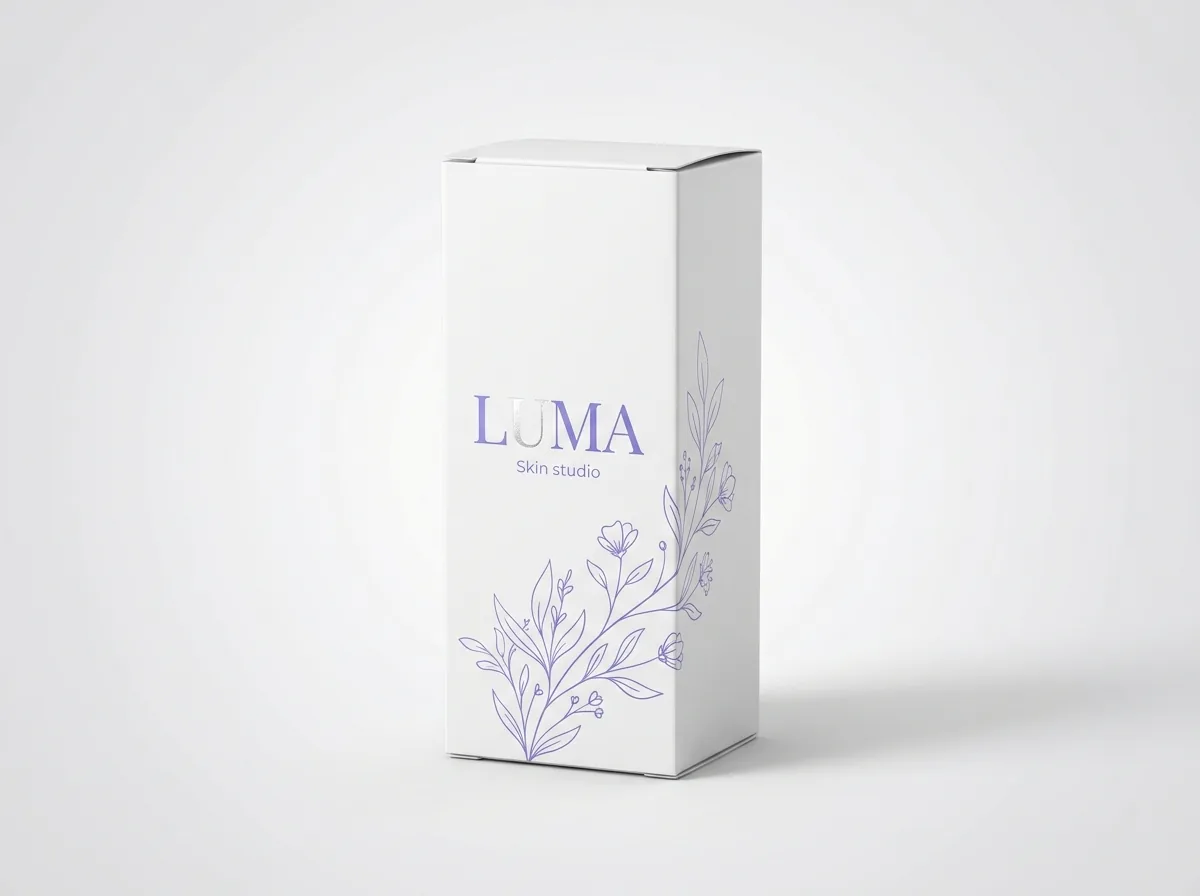
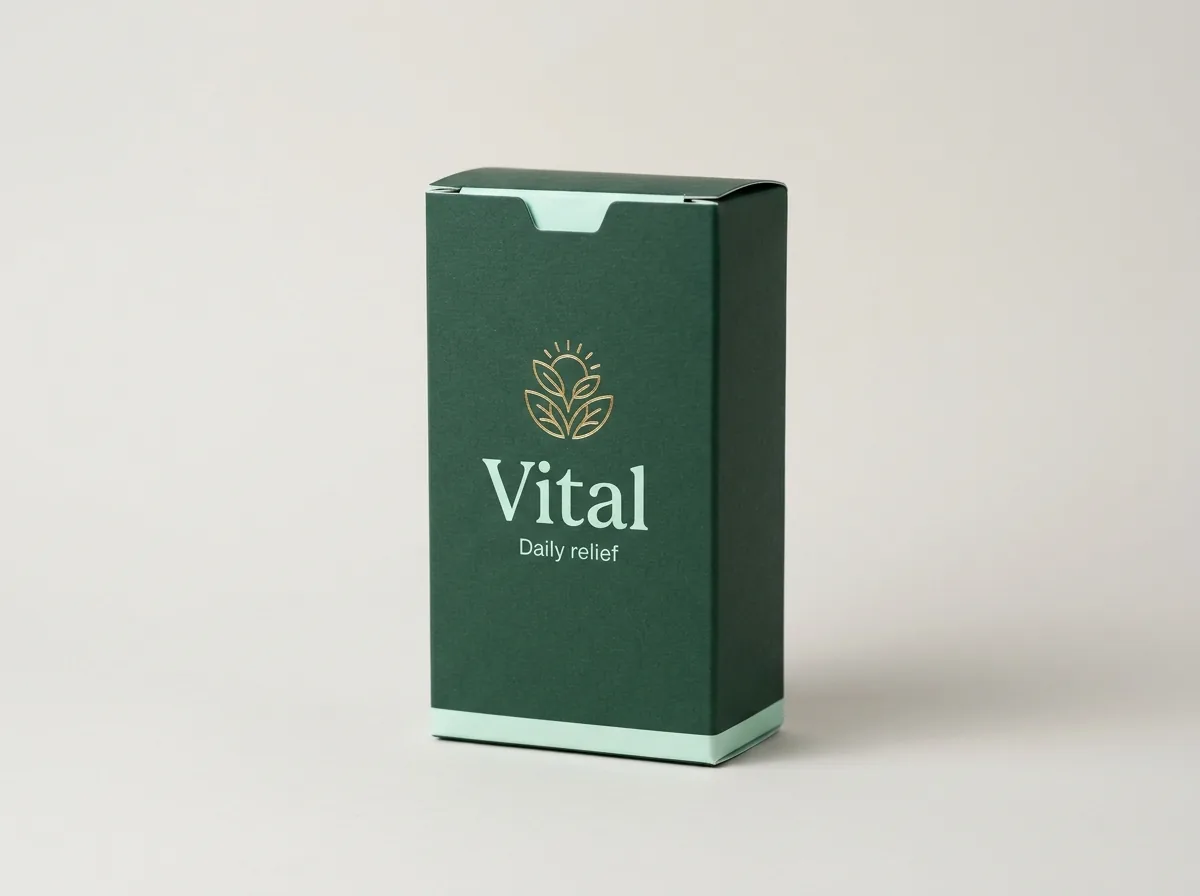
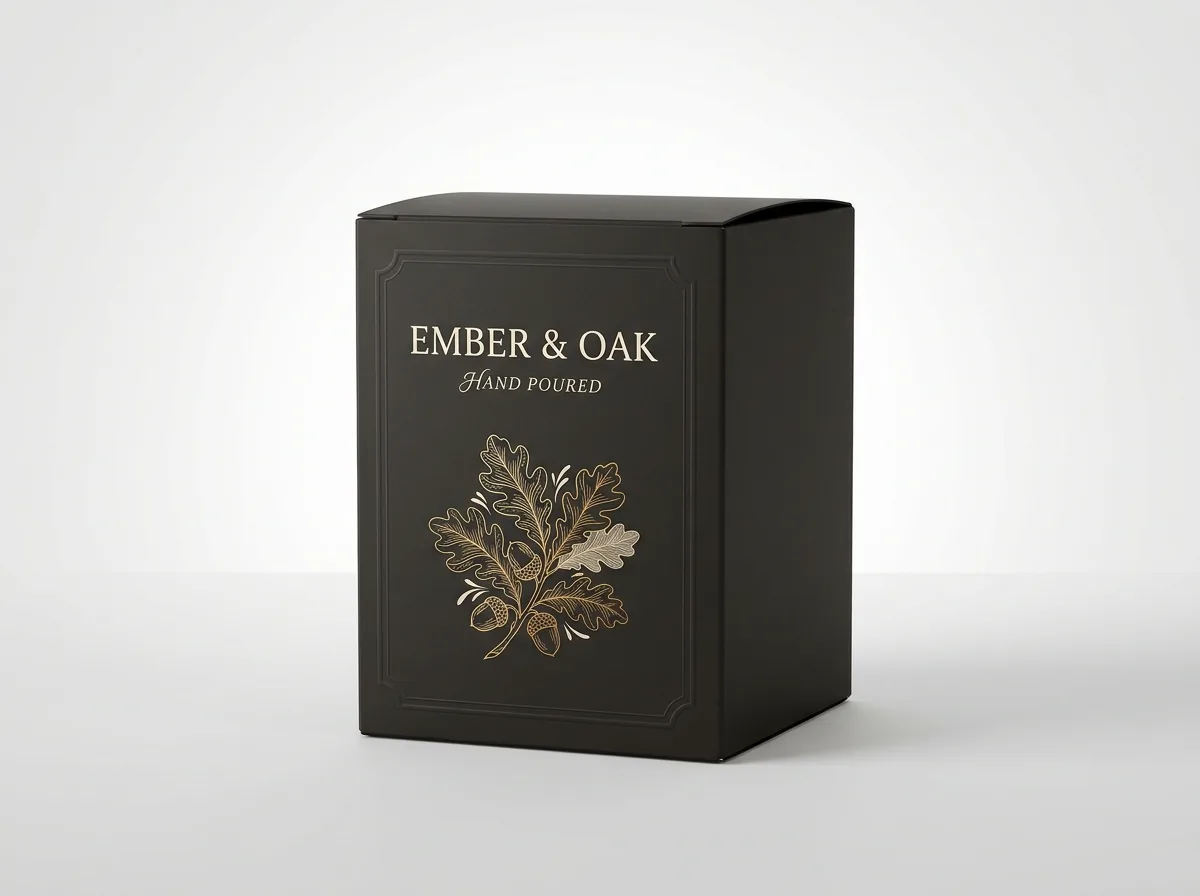
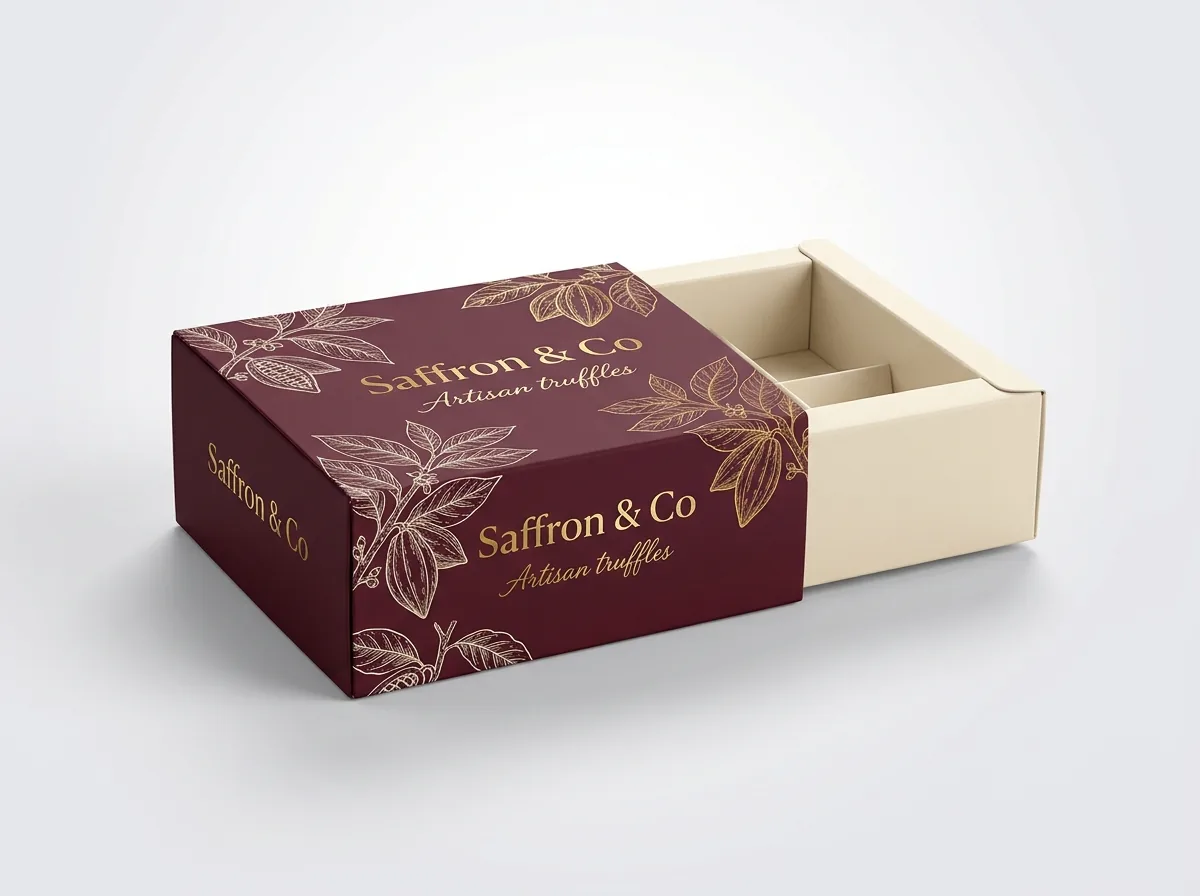
Ready to order product boxes? Compare up to 3 quantities with a free 3D mockup.
Request a Quote →Questions about product boxes
What is the main visual difference between a straight tuck end and a reverse tuck end box?
On a Straight Tuck End (STE) box, both the top and bottom closure flaps hinge off the back wall and tuck behind the front wall, leaving the front panel with two clean, smooth fold creases. On a Reverse Tuck End (RTE) box, the bottom flap hinges off the front wall and tucks toward the back, which places the bottom tuck seam along the lower front edge.
Why are reverse tuck end boxes slightly less expensive than straight tuck end boxes?
Because the top and bottom tuck flaps on a Reverse Tuck End (RTE) dieline sit on alternating panels (Panel 3 at the top and Panel 1 at the bottom), adjacent flat blanks can interlock head-to-toe on the master press sheet. That tighter nesting reduces paperboard waste by 5% to 12% compared to Straight Tuck End blanks.
How much faster is an auto-lock bottom box to pack than a tuck-bottom box?
An Auto-Lock Bottom (ALB) box has its bottom flaps pre-glued on the folder-gluer machine so the floor locks automatically in 1 to 2 seconds as soon as a worker squeezes the flat blank open. A standard tuck-bottom or 1-2-3 bottom carton takes 6 to 10 seconds to fold and tuck by hand, making ALB 3 to 4 times faster on the packing line.
Can I add a clear window or paperboard insert to all three product box styles?
Yes. Die-cut windows (with or without a clear PET film patch) and custom paperboard inserts work cleanly inside Straight Tuck End, Reverse Tuck End, and Auto-Lock Bottom cartons.
What is the minimum order quantity for each product box style at CubitPack?
All custom product box styles at CubitPack, including Straight Tuck End, Reverse Tuck End, Auto-Lock Bottom, Tray and Sleeve, and Window cartons, start at 1,000 units with zero die or plate charges, 10–14 business day standard turnaround, and free US shipping.
Still have a question? Ask a packaging specialist.
Request a Quote →Request your product boxes quote
Tell us your size and quantities, and one dedicated account manager prepares pricing for each tier.
- Free design & AI-to-print studio + 3D mockup
- No die or plate charges · 4–5 day rush available
- Free shipping to all 50 states
- 10% off your first order
We verified flap hinge geometry, head-to-toe sheet nesting percentages (5%–12%), hand erection times, and bottom load limits across Straight Tuck End (STE), Reverse Tuck End (RTE), and Auto-Lock Bottom (ALB) cartons against Paperboard Packaging Council (PPC) structural guidelines. A packaging specialist checked every comparison row. Spot something wrong? Tell us and we fix it.
Sources
What changed
- October 24, 2026: First published with side-by-side STE vs RTE vs ALB comparison table, sheet nesting diagram, bottom load ratings, and style selection workflow.
More guides
New packaging guides by email
Sizes, materials and design tips. Unsubscribe anytime.