
How do molded pulp tooling, lead times and order volumes work when switching from foam inserts?
Short answer: Unlike flat paperboard or foam inserts cut with zero-fee steel-rule dies, custom molded pulp inserts require CNC-machined 3D aluminum forming and press molds quoted transparently per project. Standalone minimums start at 250 units, while scaling into 1,000 to 2,500+ units rapidly amortizes tooling and cuts warehouse pallet volume.
On this page
- Why do custom molded pulp inserts require 3D aluminum mold tooling when flat inserts do not
- How do tooling setup, storage density and sweet-spot quantities compare across insert types
- How do lead times work from 3D mockup and CNC mold machining to repeat production runs
- What are the operational signals that your brand is ready to switch from EVA or EPE foam to molded pulp
- How can you compare three quantity tiers or bridge a small pilot run at CubitPack
- Common mistakes
- FAQs
Request a custom quoteFree dieline & 3D mockup
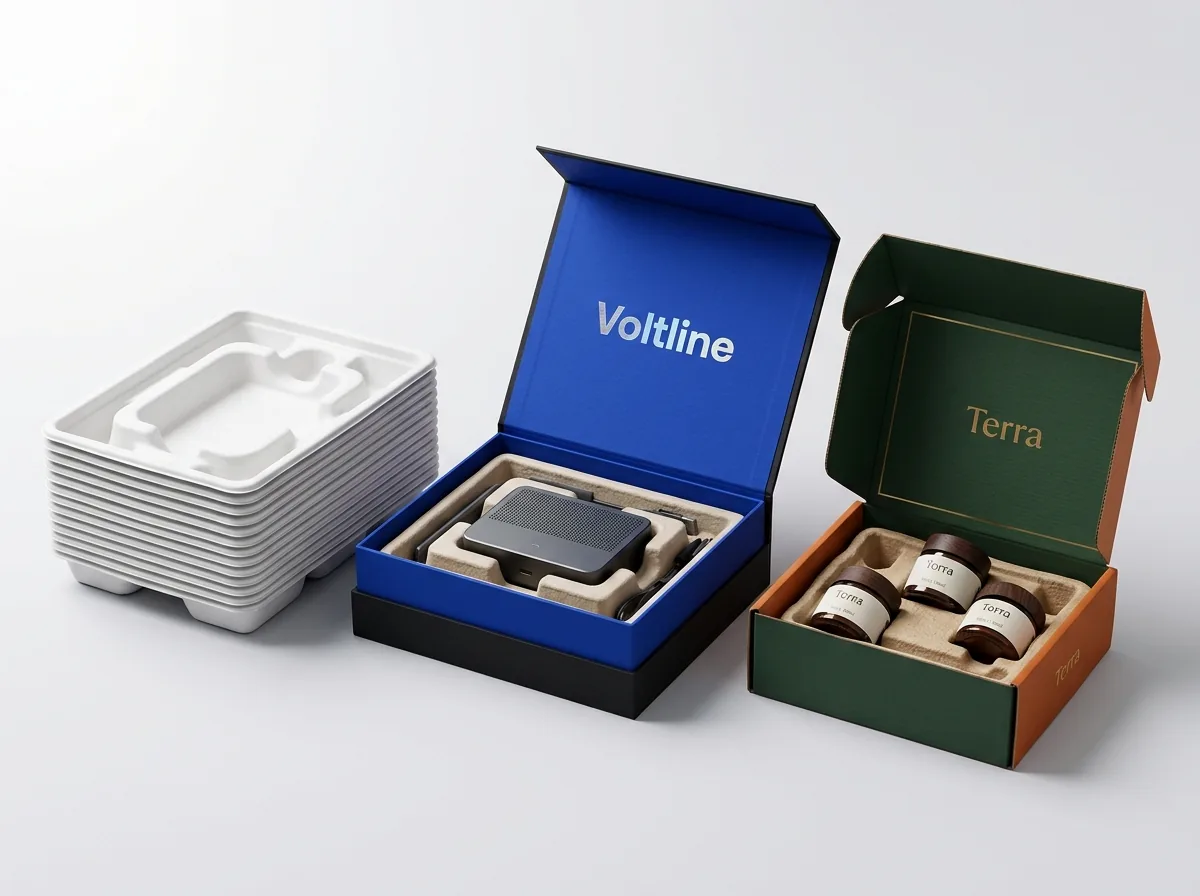
Switching a cosmetics, electronics, candle, or beverage line from polyethylene or EVA foam into sculpted 3D paper-fiber trays changes three parts of your packaging budget at once: upfront tooling, per-unit piece cost, and warehouse storage space. Flat paperboard dividers, kraft honeycomb pads, and die-cut foam blocks are stamped on flatbed presses with standard steel-rule blades, which CubitPack includes with zero die fees. Three-dimensional wet-press and dry-press molded pulp trays, by contrast, are vacuum-formed from fiber slurry over custom-milled porous aluminum blocks wrapped in fine stainless wire mesh, then dried or hot-pressed in matched metal dies. At CubitPack, we itemize custom 3D mold tooling transparently per project alongside 250, 500, 1,000, and 2,500+ unit price breaks, include free CAD help and a 3D mockup before payment, produce standard runs in 10 to 14 business days after proof and mold sign-off, and ship free across all 50 US states.
Why do custom molded pulp inserts require 3D aluminum mold tooling when flat inserts do not?
If you have ordered folding cartons or die-cut foam before, you are used to flat steel strips bent into plywood boards at negligible setup cost. Forming three-dimensional contoured molded pulp trays from liquid paper slurry requires solid multi-axis metal machining instead of flat blades
- CNC-milled porous aluminum forming blocks: Every bottle shoulder, finger scoop, and perimeter crush rib is milled in 3D out of solid aluminum alloy, drilled with hundreds of vacuum drainage channels, and hand-stitched with fine stainless-steel wire mesh so water drains through while paper fibers lock onto the contour.
- Matched heated press dies on smooth wet-press runs: If you choose satin-smooth wet-press thermoformed fiber (IMFA Type 3) over oven-dried dry-press pulp (IMFA Type 2), a second pair of precision-mated upper and lower heated metal dies is machined to iron both faces smooth under high tonnage.
- Multi-cavity platen efficiency vs mold footprint: Larger multi-up platen molds form several inserts per cycle to drive unit cost down on high-volume SKUs, whereas compact single-cavity or dual-cavity tools keep upfront mold setup lean on 250 to 1,000 unit orders.
- One-time project investment for unchanged SKUs: Once your custom 3D mold set is machined and approved, reorders of the exact same insert geometry go straight into slurry production without re-tooling.
How do tooling setup, storage density and sweet-spot quantities compare across insert types?
Choosing the right protective insert is rarely an all-or-nothing jump. Many fast-growing brands launch limited drops in zero-tooling paperboard or honeycomb trays, use closed-cell foam for heavy multi-drop instrument cases, and transition hero SKUs into molded pulp once container shapes lock. Compare surface textures in our wet-press vs dry-press pulp comparison and benchmark all five CubitPack insert options below
| CubitPack insert option | Tooling & setup profile | Warehouse storage footprint | Ideal order stage & use case |
|---|---|---|---|
| Custom cardboard inserts | Zero die or plate charges | Ships 100% flat; hand-folded at pack bench | 250–1,000+ light cosmetic, jar, and retail box pilots |
| Custom honeycomb inserts | Zero die or plate charges | Pads ship at panel thickness; V-grooves fold flat | 250–1,500+ heavy candle and glass bottle shippers |
| Custom EVA / EPE foam | Zero die charges on flat die-cut foam | Ships at full block thickness on pallets | 50–1,000+ precision tools, optics, and multi-drop kits |
| Dry-press molded pulp (Type 2) | Custom 3D forming + transfer mold quoted | Nests 70% denser via 5°–7° tapered walls | 1,000–2,500+ candles, 750 ml bottles, and appliances |
| Wet-press molded pulp (Type 3) | Custom 3D forming + heated press dies quoted | Nests tightly in sleek lint-free stacks | 1,000–5,000+ flagship skincare, perfume, and smart tech |
How do lead times work from 3D mockup and CNC mold machining to repeat production runs?
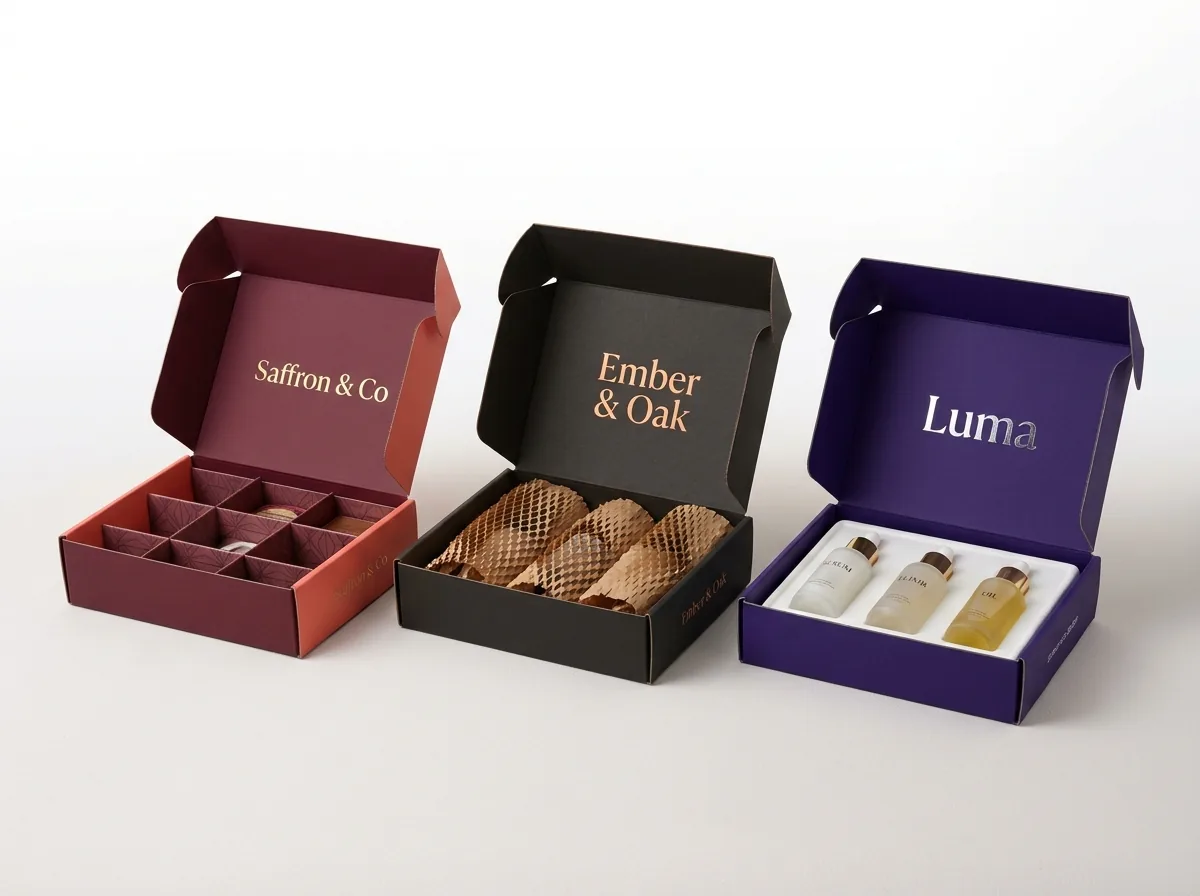
Planning a retail shelf reset, subscription launch, or holiday gift set rollout around custom molded fiber is straightforward when you separate first-time 3D mold sign-off from standard recurring production days. Because partner facilities engineer your outer carton and inner fiber tray from one shared CAD assembly, you avoid the back-and-forth delays that happen when box printers and pulp molders work in isolation. You can check seasonal order cutoffs in our holiday packaging cutoff calculator and follow our CAD tolerances in how to design draft angles and cavities for molded pulp
- Quote reply in 5 to 7 minutes (24/7) and free 3D CAD proofing: Send your bottle dimensions, physical samples, or 3D STEP file, and our design team builds both your 2D pulp cavity drawing and paired outer custom box inserts carton dieline with an interactive 3D mockup before payment.
- Optional physical 3D molded prototype and transit drop testing: Before green-lighting a multi-thousand-unit rollout, you can order our $50 general sample kit (credited to your first order) or request a custom 3D pulp prototype (priced per product) to verify cap clearance, finger-scoop grip, and ISTA drop survival with filled glass.
- 10 to 14 business days standard production after proof and mold sign-off: Once your digital proof and custom 3D mold are approved and paid, standard production takes 10 to 14 business days (with 4 to 5 business day rush quoted where applicable), followed by free delivery across all 50 US states.
Know your size? Compare pricing across up to 3 quantities.
Request a Quote →What are the operational signals that your brand is ready to switch from EVA or EPE foam to molded pulp?
Closed-cell custom EVA foam inserts and custom EPE foam inserts remain unbeatable when a 50-piece rigid presentation kit or sensitive medical instrument needs repeated multi-drop cushioning with zero mold fees. However, four clear operational triggers signal when moving a SKU into molded fiber pays back quickly
- 3PL pallet storage fees are climbing on pre-glued foam blocks: Non-compressible foam inserts occupy their full 2-inch or 3-inch height in transit and storage, whereas tapered molded pulp trays nest dozens deep per carton.
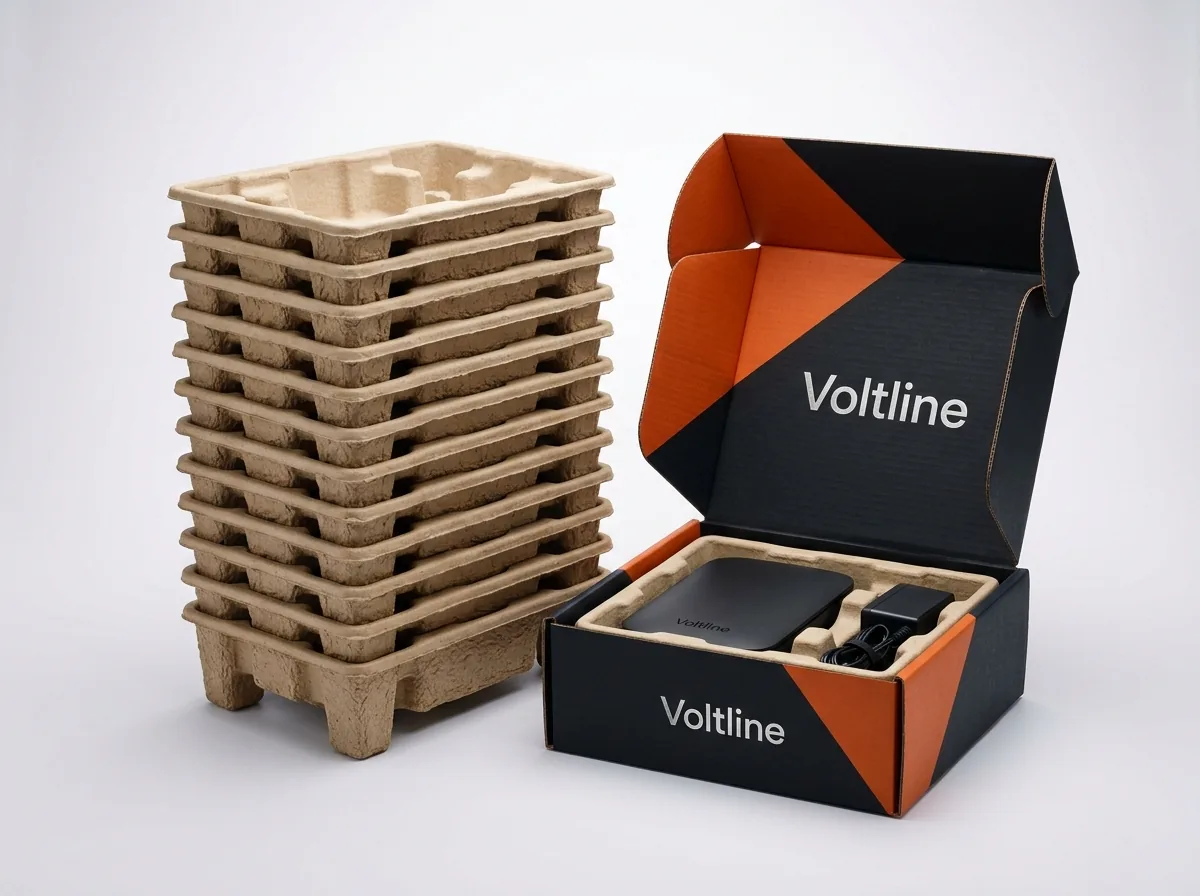
- Fulfillment kitting lines spend too much labor folding multi-slot card dividers: Pre-formed 3D fiber trays drop straight into custom mailer boxes with inserts or custom rigid boxes in under two seconds with zero tab folding.
- Your container geometry is locked for the next 12+ months: Once your glass jar mold, dropper bottle supplier, or device housing is finalized, custom 3D aluminum pulp tooling becomes a durable asset across multiple reorders.
- Retailers and DTC buyers want single-stream paper unboxing: Pairing an unlaminated fiber tray inside a paperboard or corrugated box lets households place the entire empty package into paper recycling streams where molded fiber is accepted.
How can you compare three quantity tiers or bridge a small pilot run at CubitPack?
You never have to guess where the break-even curve sits between zero-die paperboard or honeycomb inserts and custom 3D molded pulp. Because custom aluminum forming screens and heated press dies are a fixed setup investment per design, doubling or quadrupling your tray run dramatically lowers the tooling share carried by each box. Our 3-step quote form is built specifically for side-by-side procurement math across skincare, tech, and beverage teams
- Enter three quantities (for example 250, 1,000, and 2,500) in Step 1: Your written quote itemizes custom 3D mold tooling transparently and shows how per-tray pricing drops at each volume tier when paired with custom skincare boxes or custom electronics boxes.
- Bridge early launches with zero-die paperboard or kraft honeycomb: Need 250 units next month before your bottle or housing geometry is 100% frozen? Pair your boxes with custom cardboard inserts or custom honeycomb inserts with zero die charges now, then upgrade to custom molded fiber inserts on reorder.
- First-order 10% savings and written US Price Beat guarantee: Save 10% on your first CubitPack order, or send us a written quote from any US competitor for identical molded pulp specs and we will beat it while shipping free to all 50 states.
What are the five costliest mistakes when budgeting and scheduling molded pulp inserts?
Avoid these five procurement and timeline traps when transitioning into custom 3D molded fiber
- Machining custom 3D aluminum pulp molds before your bottle, jar, or electronic housing dimensions are finalized.
- Comparing only a 250-unit molded pulp quote without checking 1,000 and 2,500+ tiers where mold amortization drops total piece cost sharply.
- Ignoring warehouse storage and fulfillment kitting labor savings when comparing nested pulp trays against bulky foam or hand-folded partitions.
- Forgetting to schedule physical prototype drop testing when switching heavy 750 ml glass bottles or appliances out of thick EPE foam.
- Ordering outer boxes from one vendor and molded pulp trays from another without matching the 1/16 inch flange clearance under one CAD team.
Packaging for this

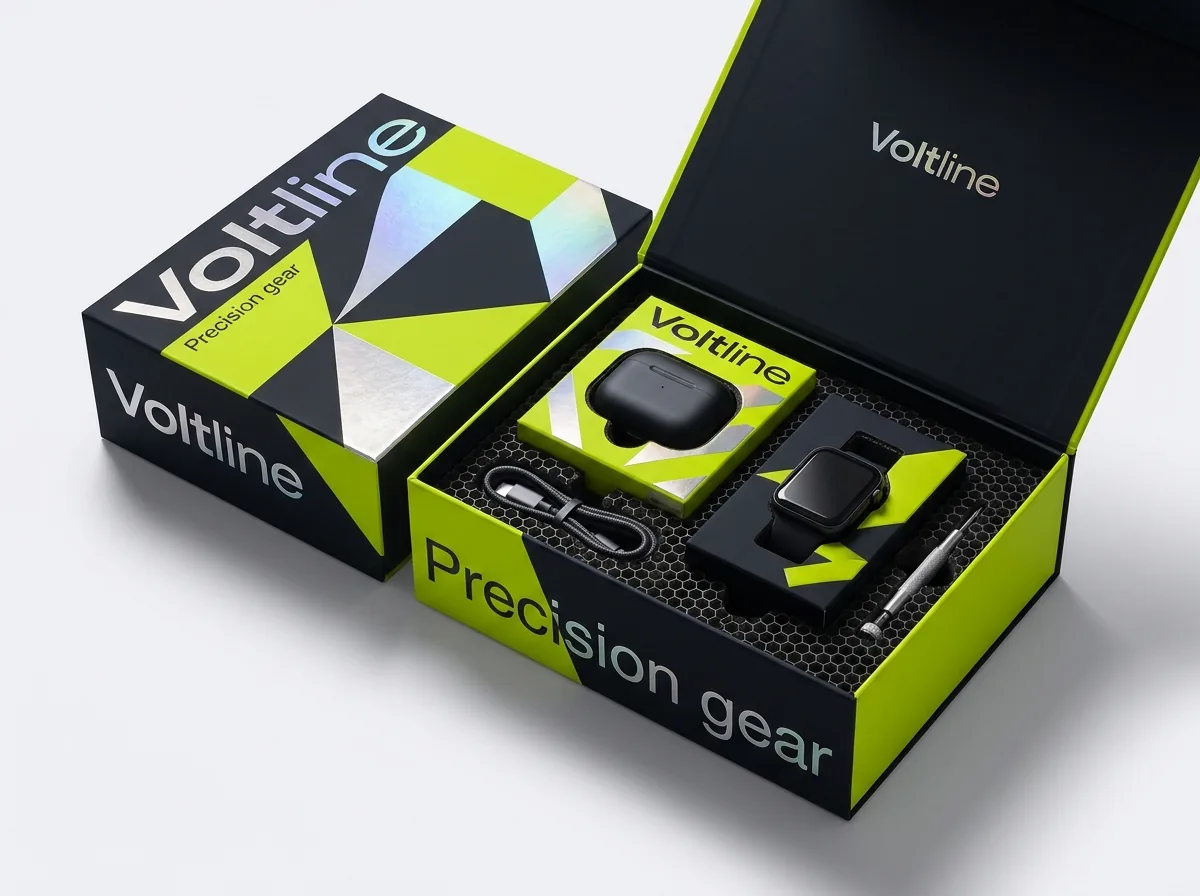
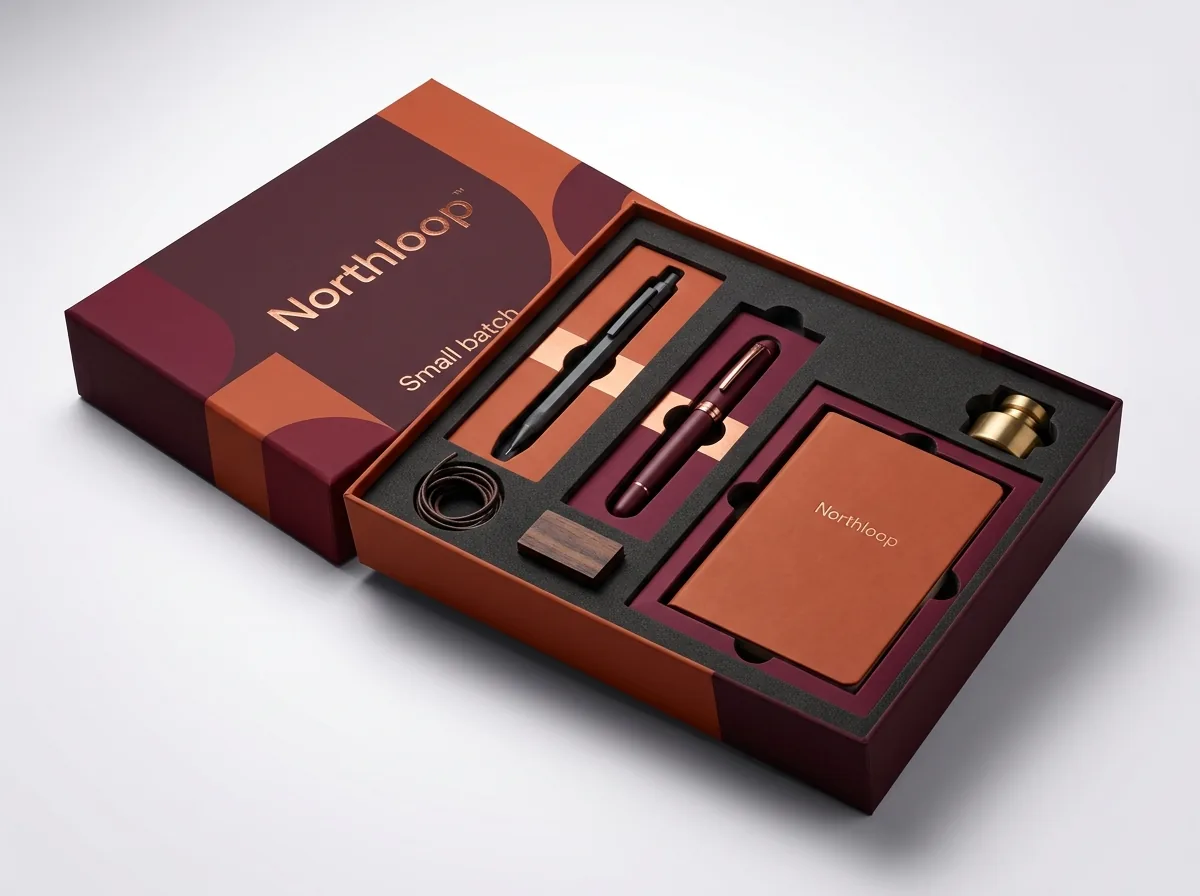
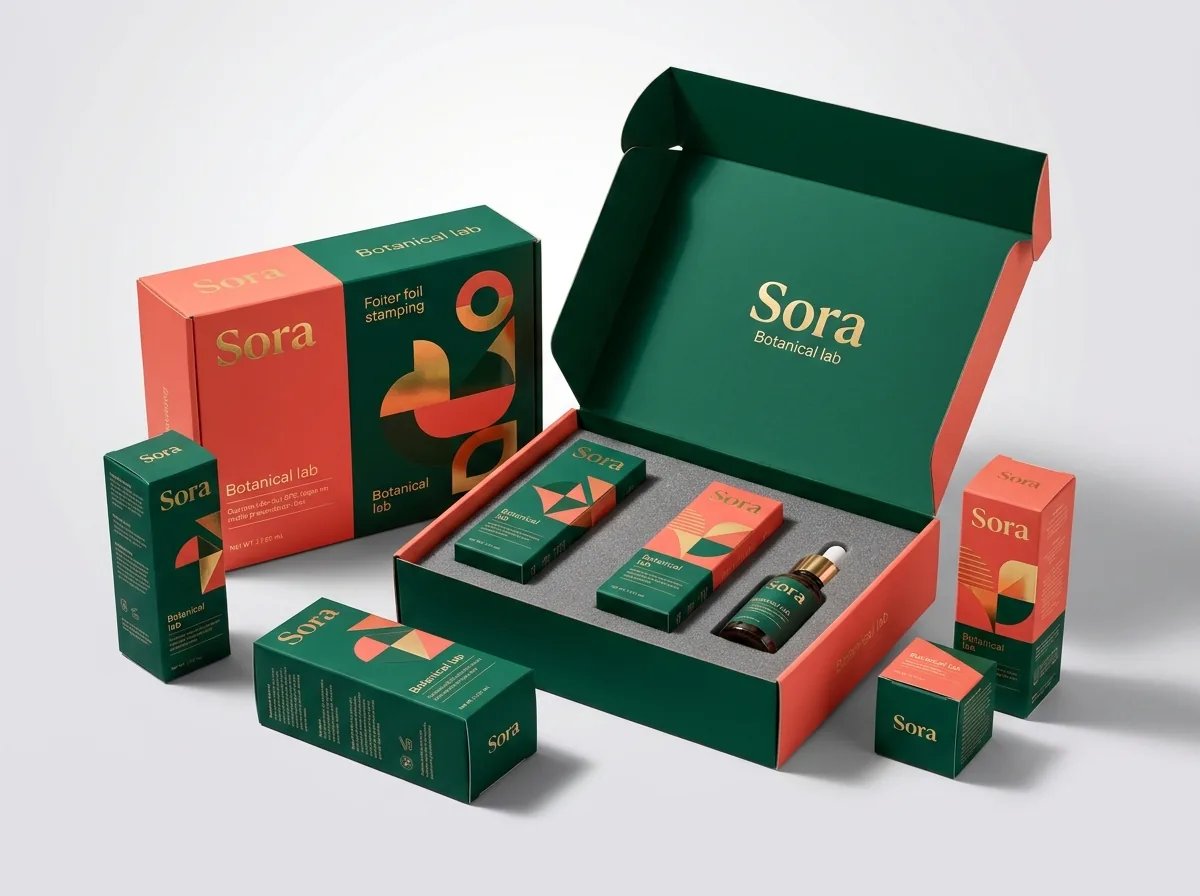
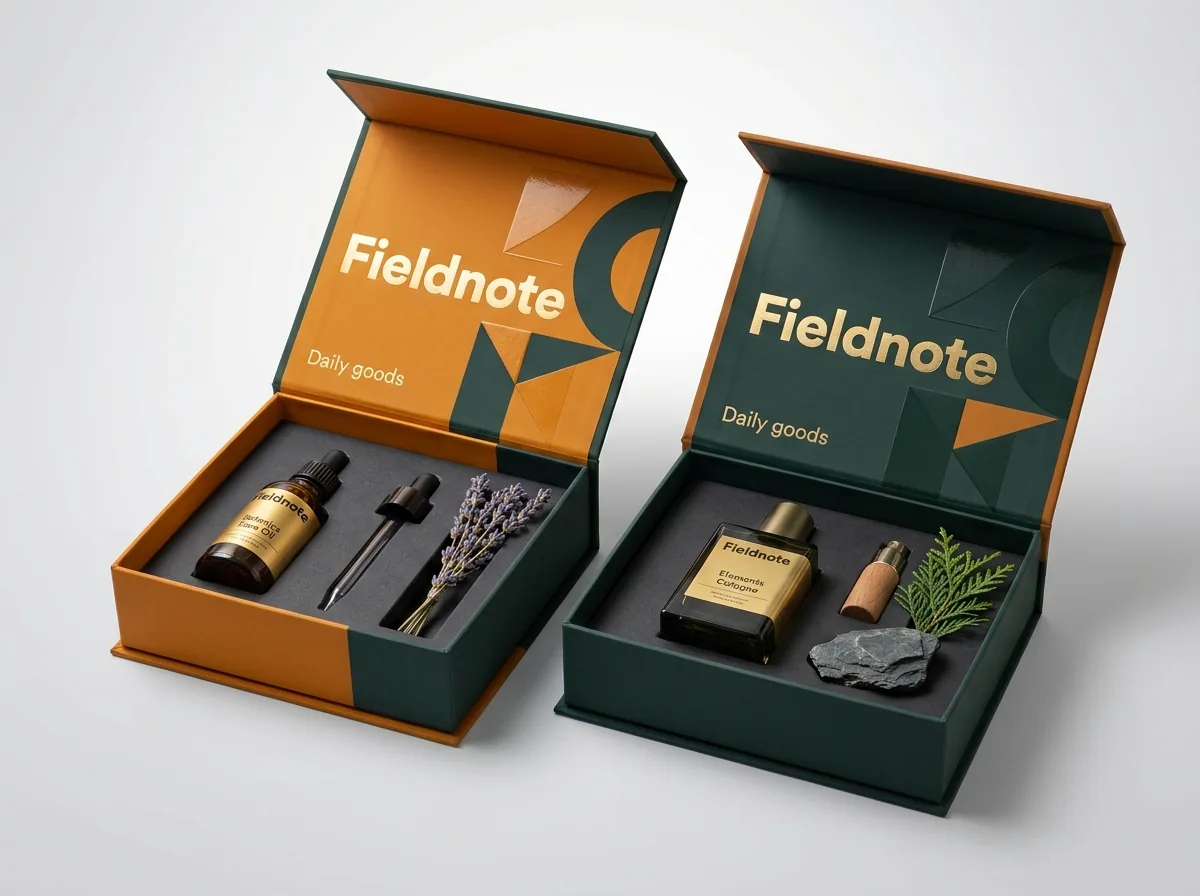
Ready to order molded pulp inserts? Compare up to 3 quantities with a free 3D mockup.
Request a Quote →Questions about molded pulp inserts
Why do custom molded pulp inserts have tooling fees when CubitPack boxes have no die fees?
Flat folding cartons, mailers, cardboard dividers, and honeycomb pads use flat steel-rule cutting dies that CubitPack includes free. Custom 3D molded pulp requires multi-axis CNC machining of porous aluminum vacuum blocks and heated press dies, which are quoted transparently per project.
Do I have to pay for custom 3D pulp mold tooling again on reorders?
No, as long as your tray dimensions and cavity contours stay identical. Once your custom 3D aluminum forming and press molds are machined for your first order, partner facilities maintain the tooling for repeat runs.
At what order quantity does switching from foam or cardboard to molded pulp make sense?
While standalone minimums start at 250 custom molded pulp inserts, custom 3D mold tooling amortizes most comfortably starting around 1,000 to 2,500+ units. Typing 250, 1,000, and 2,500 in our quote form lets you see the exact per-unit crossover point.
How long does a custom molded pulp insert order take from approval to delivery?
Standard production runs 10 to 14 business days after digital proof and mold sign-off and payment, with 4 to 5 business day rush production quoted where applicable. Standard shipping is free across all 50 US states.
Can I keep my existing outer box size if I replace EVA or EPE foam with molded pulp?
Yes. Share the exact interior length, width, and depth of your current mailer or rigid box along with your products, and our design team will engineer the molded pulp outer flange and crush ribs to drop straight into your existing carton.
What should I order if I only need 250 inserts and want zero tooling charges?
If you are testing a new SKU or seasonal gift set and want zero tooling fees, ask our team to quote custom die-cut cardboard inserts or thick structural kraft honeycomb inserts. Both start at 250 standalone units with zero die charges.
Still have a question? Ask a packaging specialist.
Request a Quote →Request your molded pulp inserts quote
Tell us your size and quantities, and one dedicated account manager prepares pricing for each tier.
- Free design & AI-to-print studio + 3D mockup
- No die or plate charges · 4–5 day rush available
- Free shipping to all 50 states
- 10% off your first order
We verified 3D vacuum-forming and thermoforming mold construction, pallet nesting ratios, and cushioning trade-offs against International Molded Fiber Association (IMFA) documentation, ASTM D4169 transit distribution standards, and ISTA drop testing guidelines. A packaging specialist checked every CubitPack turnaround, minimum, and tooling rule. Spot something wrong? Tell us and we fix it.
Sources
- CNC porous aluminum vacuum-forming screens, stainless mesh drainage, heated wet-press dies, and stack nesting efficiency.
- Distribution cycle shock and vibration verification when transitioning fragile products from polymer foams to molded fiber.
- Prototype drop-test protocols for glass bottles, cosmetics, and electronics.
What changed
- November 16, 2026: First published with 5-insert tooling comparison table, 4-step CNC mold workflow, and foam-to-pulp transition checklist.
More guides
New packaging guides by email
Sizes, materials and design tips. Unsubscribe anytime.