

- Die-cut from lightweight, springy closed-cell expanded polyethylene (EPE) that rebounds after repeated parcel drops.
- Laminated in multi-layer stacks to create stepped cavity depths, cable trenches and finger lift notches for 1 to 13+ items.
- Minimums depend on the product and are confirmed with your quote; standard turnaround is 10 to 14 business days (rush 4 to 5).
- Includes free CAD structural engineering, custom dielines, digital proofs and 3D mockups before payment, plus free US shipping.
Custom EPE Foam Inserts
Custom EPE foam inserts die-cut and multi-layer bonded from closed-cell expanded polyethylene to cushion heavy electronics, precision tools, glass bottles and medical hardware inside shipping cartons and cases. Choose 1 to 13+ cavities with stepped depths and optional printed card top-sheets. Minimums depend on the product; we confirm yours with your quote. Ready in 10 to 14 business days with free US shipping.
What are custom EPE foam inserts?
Custom EPE foam inserts are shock-absorbing internal cushioning trays, end caps and multi-cavity pads fabricated from expanded polyethylene, a closed-cell thermoplastic foam filled with millions of sealed micro-bubbles. When a heavy parcel hits concrete during carrier sorting, open-cell urethane sponge can bottom out and rigid paperboard dividers can crease, whereas EPE foam compresses progressively to absorb kinetic energy and then springs back to its original thickness for the next impact. Because expanded polyethylene is non-abrasive, moisture-impervious and resistant to oils and solvents, it will not scratch anodized aluminum housings, optical lenses or glass bottle labels. We die-cut and thermally bond multiple EPE plank layers to form stepped cavity floors, hidden accessory wells and thumb cutouts, or laminate a printed paperboard top-sheet on the surface. Minimums depend on the product; we confirm yours with your quote. Ready in 10 to 14 business days.
EPE foam inserts facts
- Minimum
- Confirmed with quote
- Turnaround
- 10-14 business days
- Rush
- 4-5 business days, quoted
- Material
- Closed-cell expanded polyethylene (EPE) foam
- Cavity counts
- 1, 2-4, 5-12 or 13+ custom die-cut cavities
- Foam colors
- White, charcoal black or anti-static pink
- Surface options
- Raw EPE foam or laminated printed card top-sheet
- Engineering
- Free CAD dieline, step-depth layout & 3D mockup
- Shipping
- Free to all 50 states
Which custom EPE foam insert construction fits my product?
| EPE construction | How it is built | Best payload | Cushioning finish |
|---|---|---|---|
| Multi-layer stepped EPE tray | Die-cut EPE sheets bonded over a solid base pad | Smart devices, cameras, routers and hardware kits | Custom depth per pocket so uneven items sit flush |
| Card-topped EPE display insert | Printed matte or foil card bonded to EPE foam | Retail electronics, grooming tools and PR mailers | Hides cell grain behind a crisp cardstock deck |
| Two-piece EPE suspension end caps | Matching left/right or top/bottom foam blocks | Amplifiers, lab instruments, monitors and pumps | Suspends payload with an air gap from carton walls |
| Deep-well bottle & cylinder collar | Stacked EPE block with circular bores and base pad | 750 ml glass bottles, olive oil, reagents and optics | 0.75 to 1.25 in walls stop glass collisions |
| ESD anti-static pink EPE tray | Static-dissipative polyethylene for circuitry | PCBs, hard drives, avionics and medical sensors | Prevents triboelectric charge during unpacking |
Not sure which style fits?
Request a Quote →How thick and wide should a custom EPE foam insert be?
Unlike thin decorative trays, EPE cushioning inserts need enough wall thickness around the perimeter and beneath the base to decelerate a falling product without bottoming out. We size the outer foam block 1/16 inch smaller than your box interior and cut each pocket 1/16 inch narrower than the item for a snug pinch fit. Whether you are comparing expanded polyethylene foam box inserts, custom die cut epe foam packaging, shock absorbing epe foam trays, multi layer epe foam case inserts or custom polyethylene cushioning inserts, we size the template to your exact container.
| Outer tray size (L × W × D) | Cavity count & buffer zone | Typical protected payload |
|---|---|---|
| 5 × 4 × 2 in | 1 cavity · 0.75 in perimeter wall | Single optical lens, laser rangefinder, industrial sensor or glass gauge |
| 9 × 7 × 3 in | 2 cavities · 0.75 in bridge wall | Handheld diagnostic meter paired with a AC power brick in a corrugated mailer |
| 10 × 8 × 3.5 in | 3 cavities · stepped floor depths | Smart home hub, wall mount bracket and braided cable bundle |
| 12 × 9 × 4 in | 2 or 4 deep cylindrical wells | Heavy glass bottles, cold-pressed oils, ceramic vessels or lab flasks |
| 14 × 10 × 3 in | 5 to 8 contoured tool pockets | Precision torque wrenches, rotary cutters, drill bits and battery packs |
| 18 × 14 × 5 in | 12+ grid cells or 2-piece end caps | Rack-mount audio hardware, multi-vial calibration kits or heavy machinery spares |
Have your inside dimensions ready? Request pricing across up to 3 quantities.
Request a Quote →How do I choose epe foam inserts?
- Match foam thickness to product weightLight electronics need 0.5 to 0.75 in of EPE buffer; heavy metal tools or glass bottles need 1.0 to 1.5 in.
- Keep a solid base layer underneathAlways laminate at least 0.25 to 0.5 in of uncut EPE base pad beneath through-cut cavities to cushion bottom drops.
- Use -1/16 in pinch-fit interferenceWe cut EPE pockets 1/16 in narrower than rigid items so the resilient cell walls hug the payload without rattling.
- Step cavity depths with layered planksBy bonding 0.5 in, 1.0 in and 1.5 in die-cut EPE sheets together, thin cables and thick devices sit flush at the top.
- Add a printed card top-sheet for retailIf you want EPE shock protection with a smooth branded surface, bond a printed matte card face to the top layer.
- Verify with a drop-tested prototypeFor high-value electronics or heavy glass, order a physical prototype and request drop and crush testing before full production.
What are epe foam inserts made of?
Which finishes can epe foam inserts have?
Which functional features can I add to custom EPE foam inserts?
EPE foam inserts specifications
| Spec | Options |
|---|---|
| Insert style | EPE foam (closed-cell expanded polyethylene); also combinable with Card insert, EVA foam or Honeycomb |
| Cavity counts | 1, 2-4, 5-12 or 13+ die-cut cavities, or 2-piece suspension end caps |
| Foam colors & grades | Charcoal black, white, anti-static pink ESD; multiple closed-cell densities |
| Construction method | Precision flat-bed die-cutting and thermal multi-layer lamination for stepped cavity depths |
| Top-sheet printing | Optional laminated card top-sheet in Full color (CMYK) or Pantone with matte, gloss, soft-touch, foil or spot UV |
| Minimum order | Minimums depend on the product; we confirm yours with your quote; delivered within ±5% |
| Quantity presets | 250, 500, 1,000, 2,500+ inserts |
| Engineering & testing | Free structural design, CAD dieline, digital proof and 3D mockup; physical prototypes and drop/crush testing available |
| Turnaround & shipping | 10-14 business days (rush 4-5 days, quoted); free shipping to all 50 states, worldwide DDP available |
Ready to quote your epe foam inserts? Compare up to 3 quantities with a free 3D mockup.
Request a Quote →What do brands ship inside custom EPE foam inserts?
Expanded polyethylene is the workhorse cushioning foam for products that are too heavy for folded paperboard risers or that face rough parcel-carrier handling across long shipping zones. Tell us the exact weight and dimensions of each component in your kit, and our design team will calculate the perimeter buffer, bridge width and base pad thickness needed to survive multi-drop transit without bottoming out.
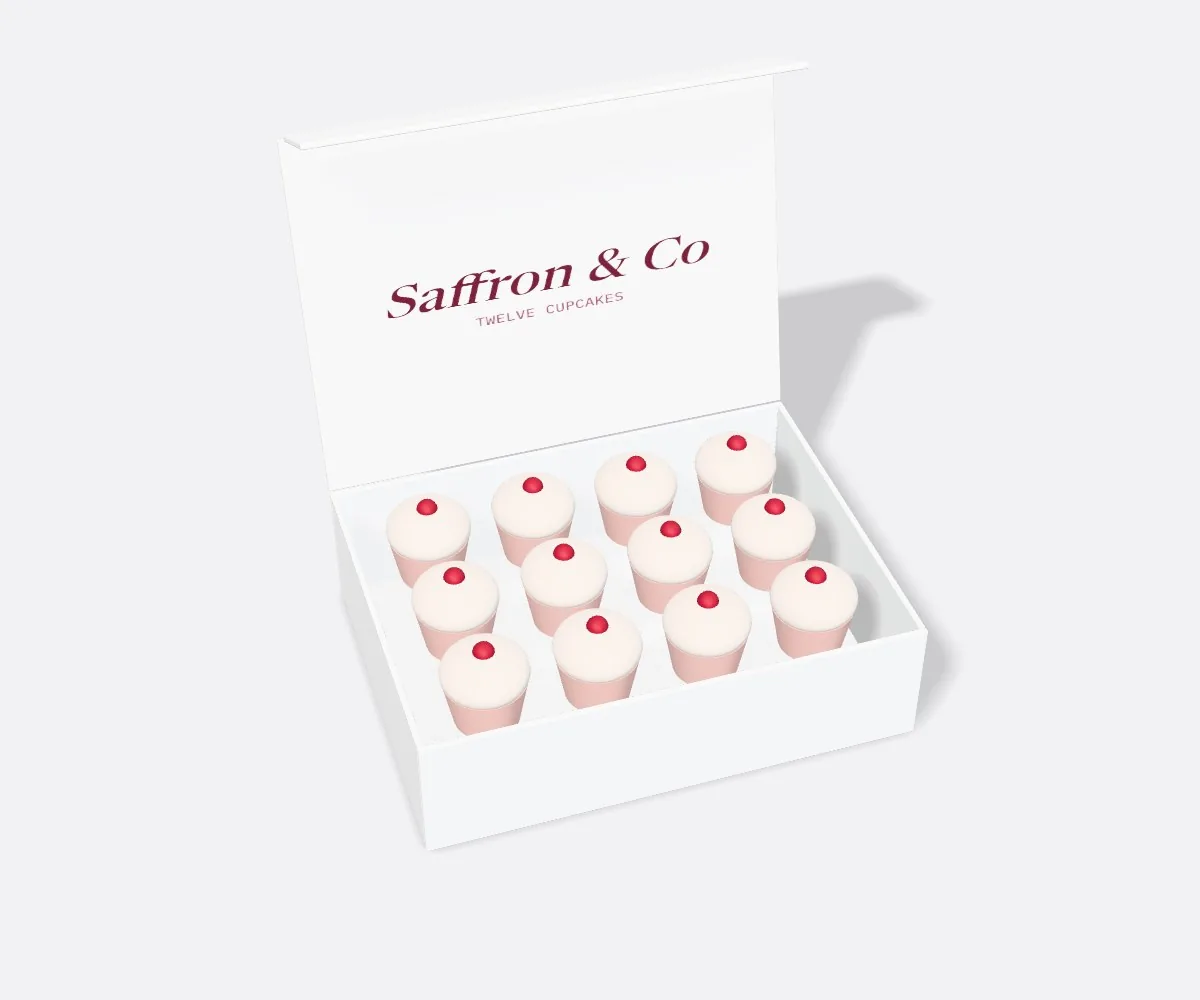
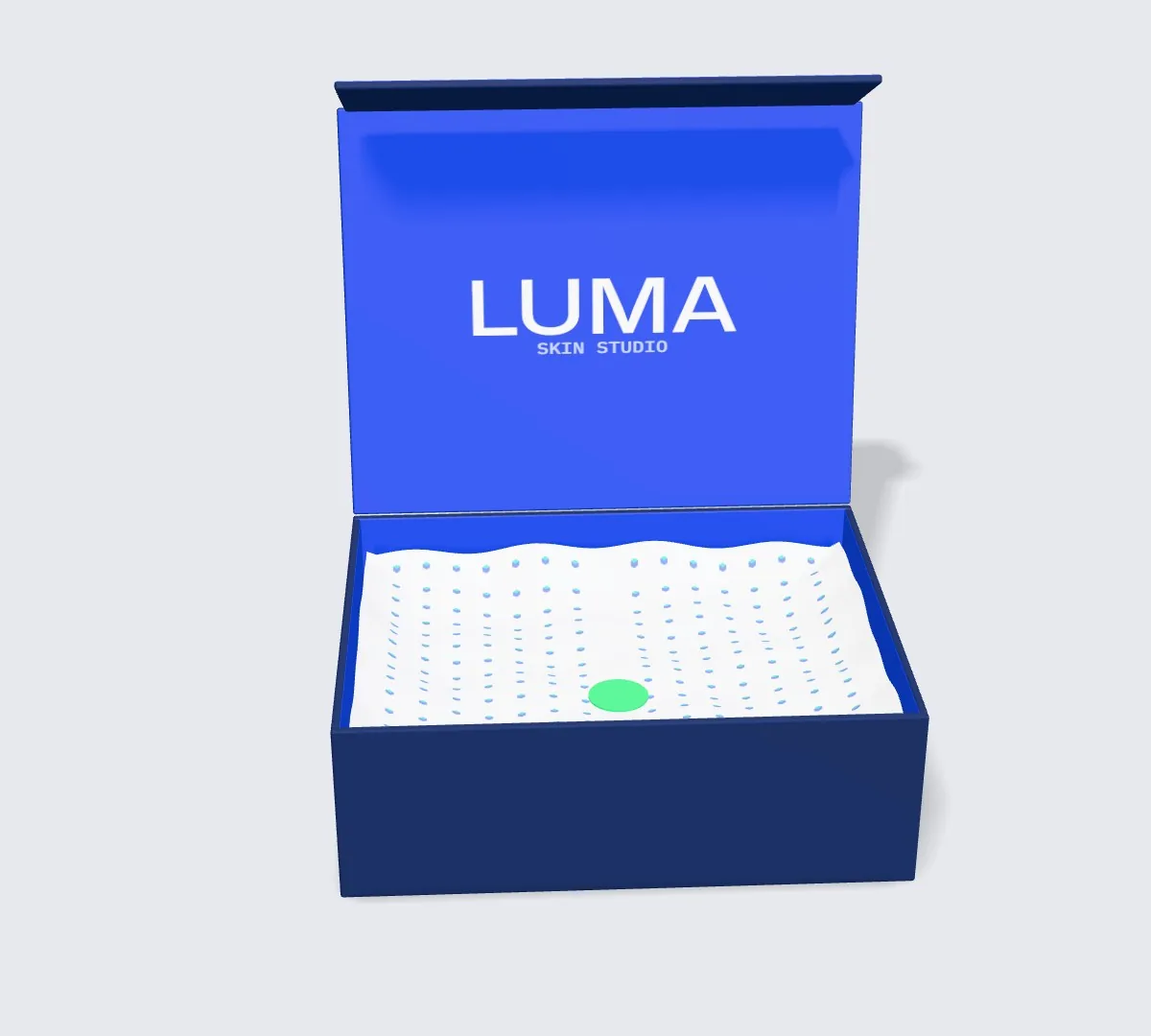
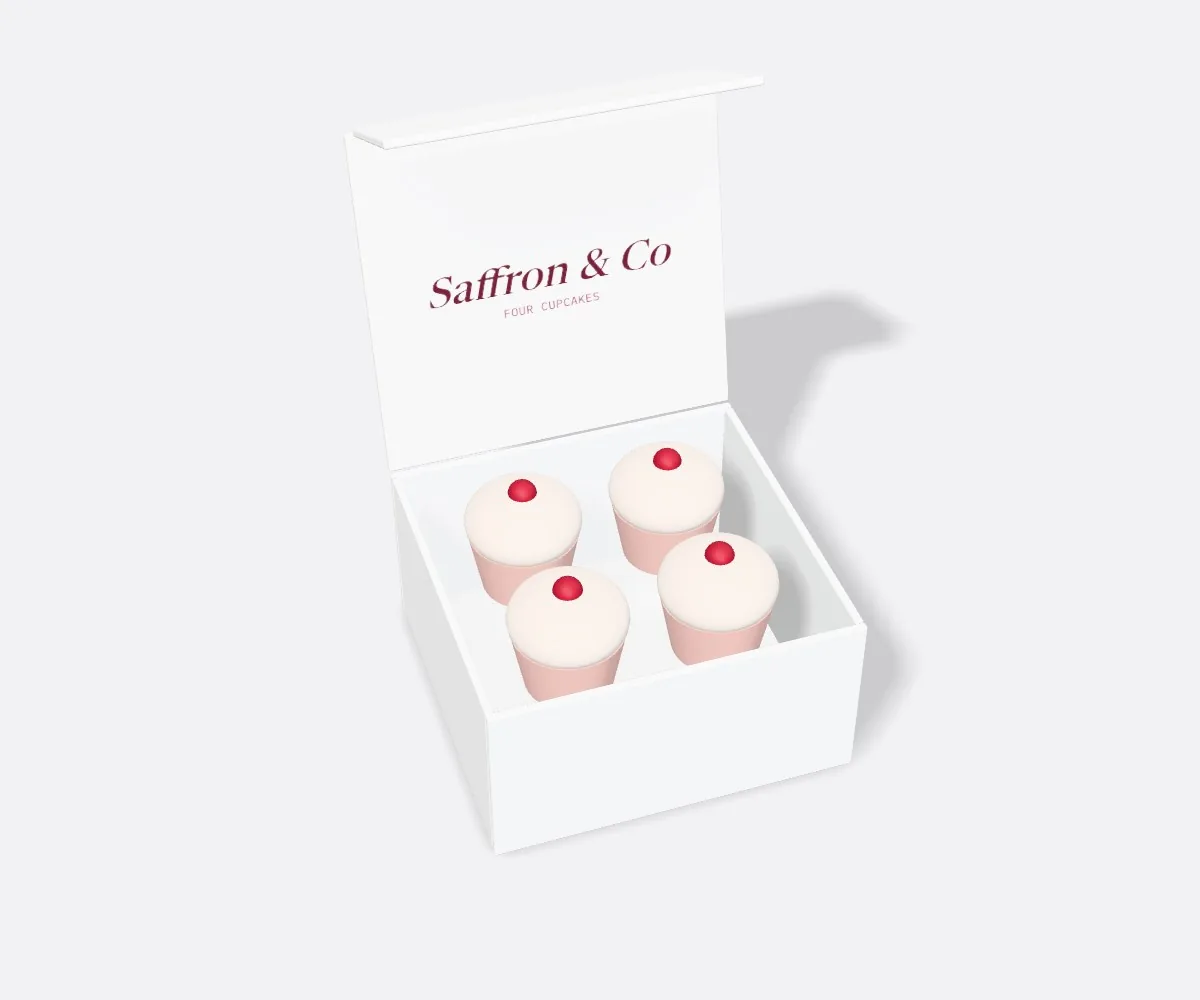
EPE foam inserts design ideas
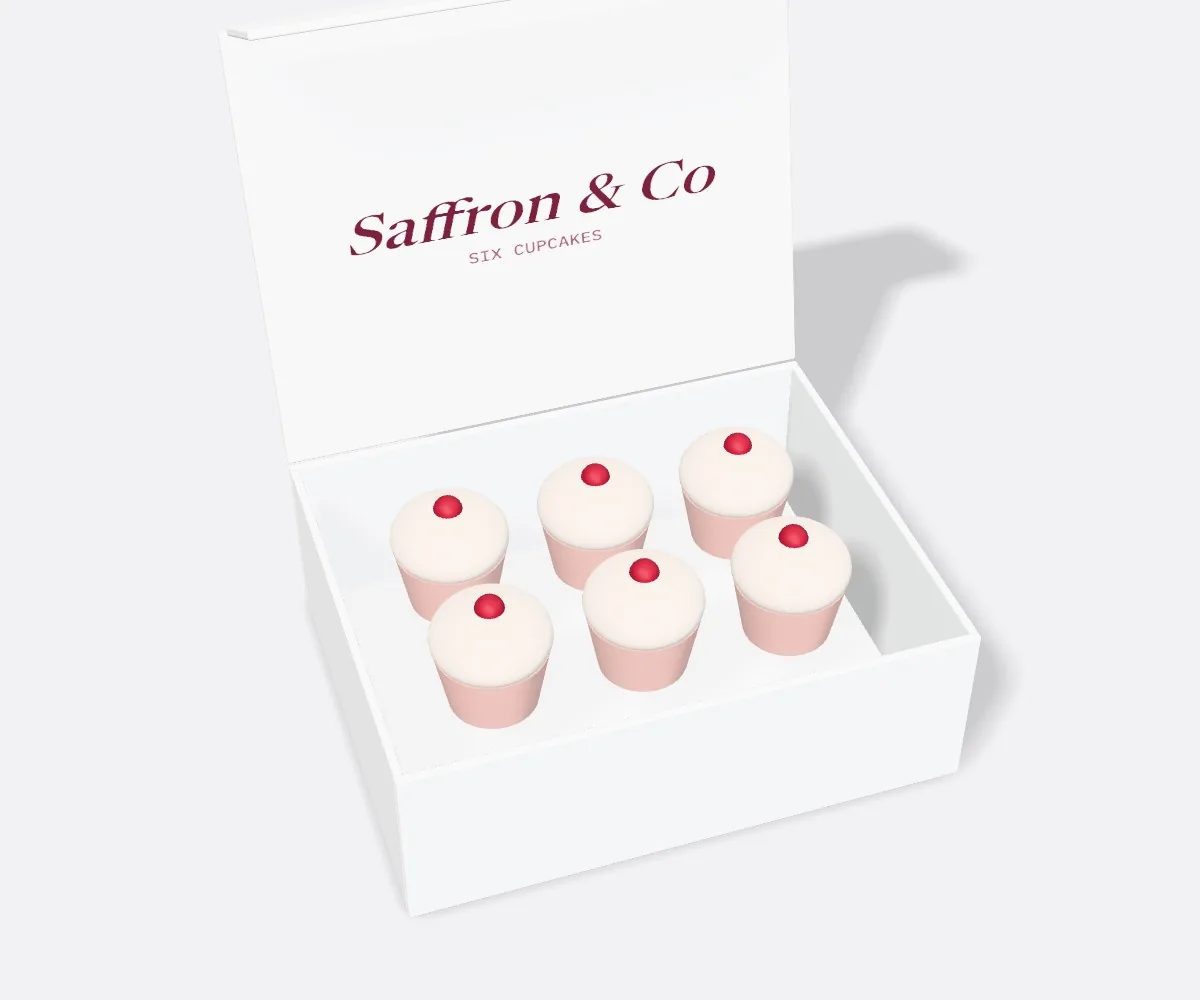
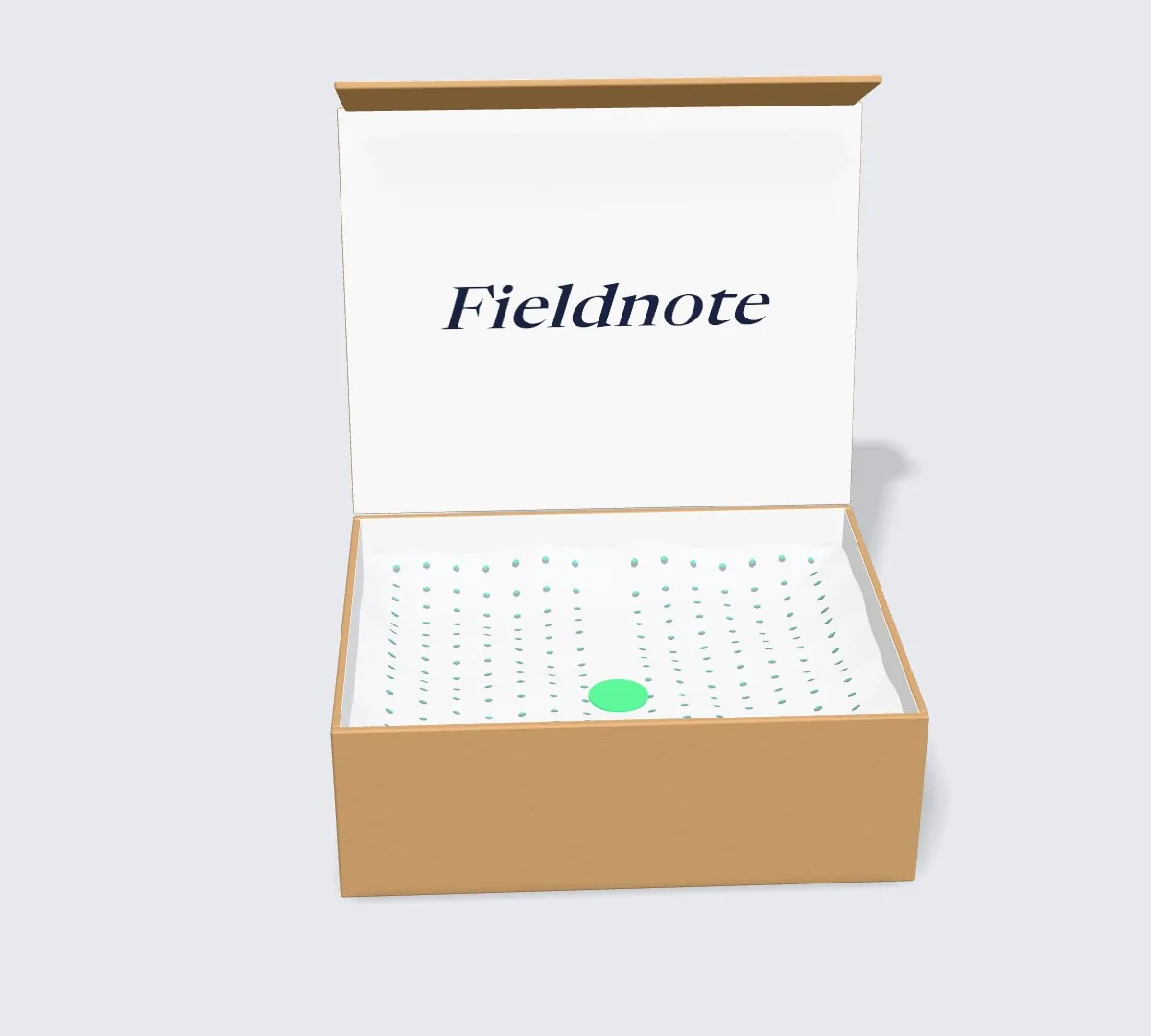
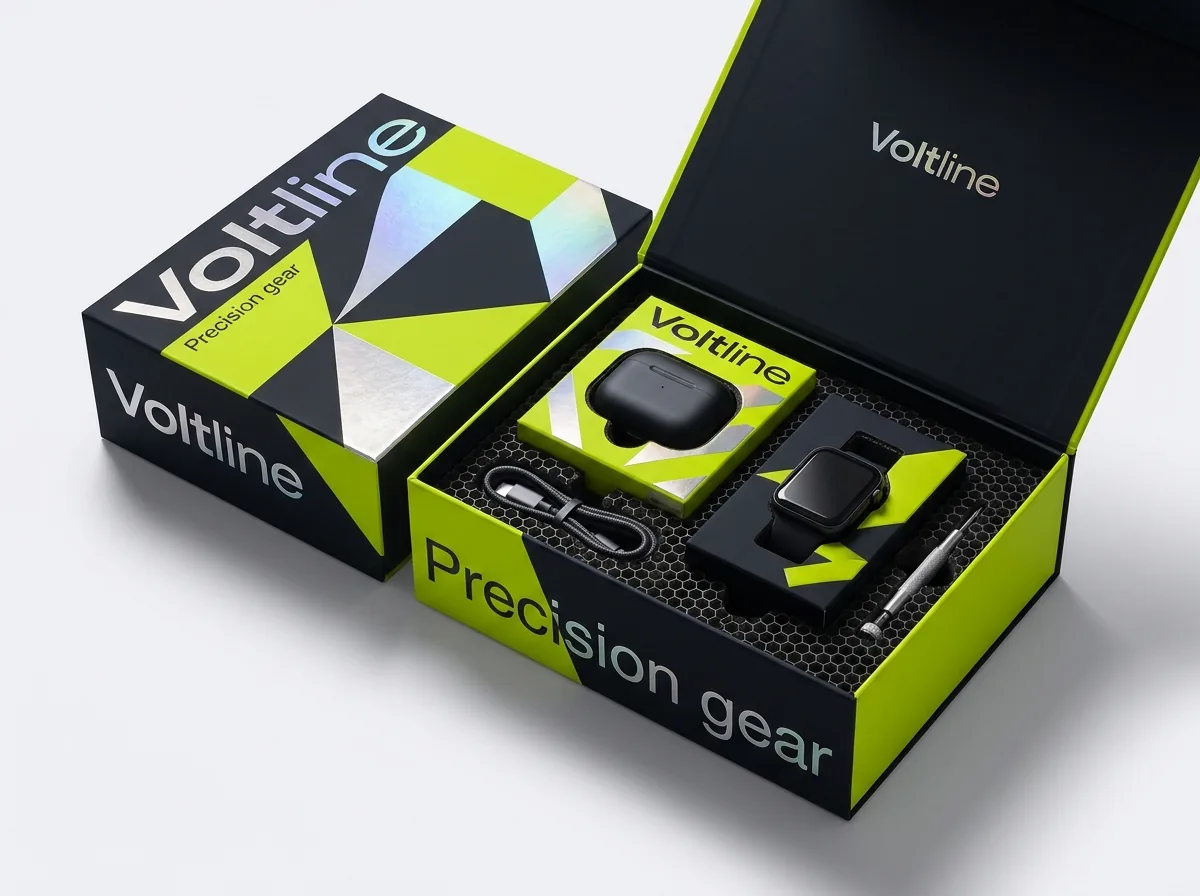
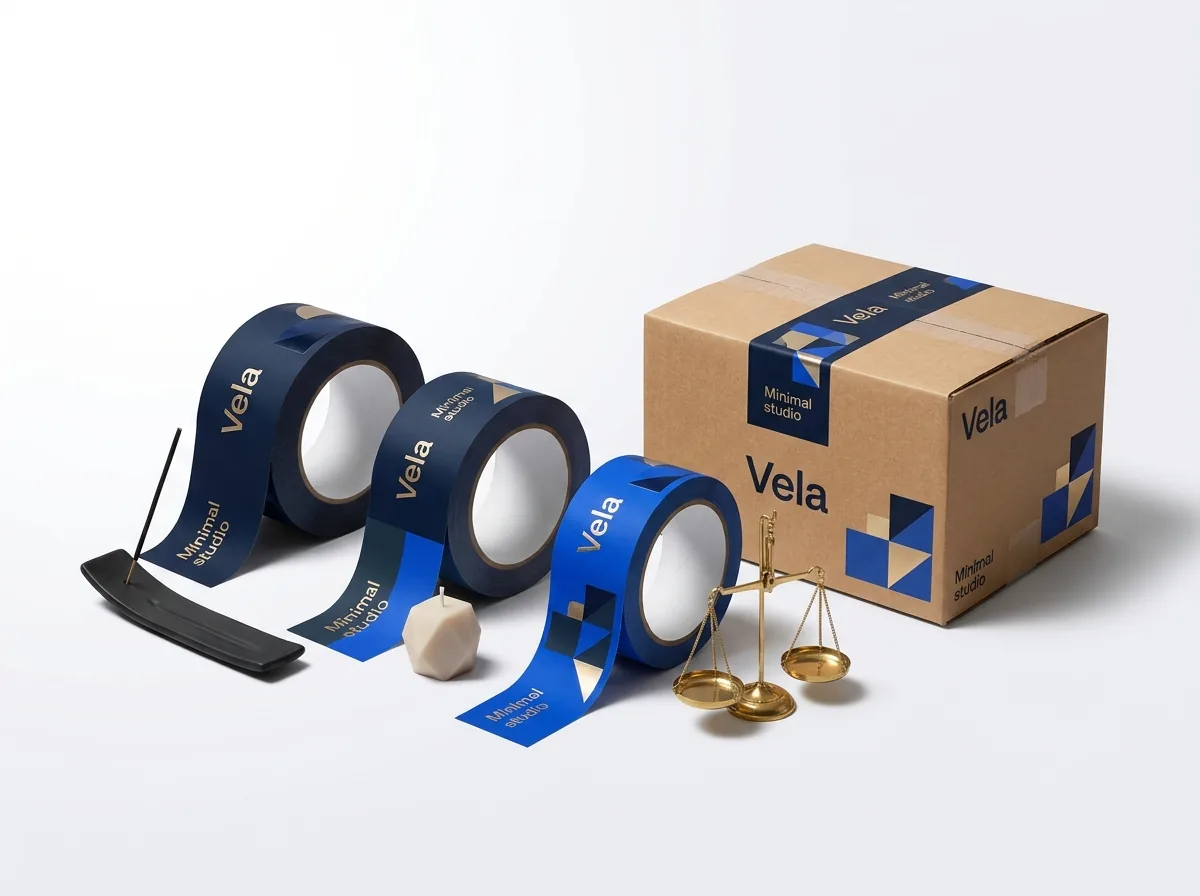
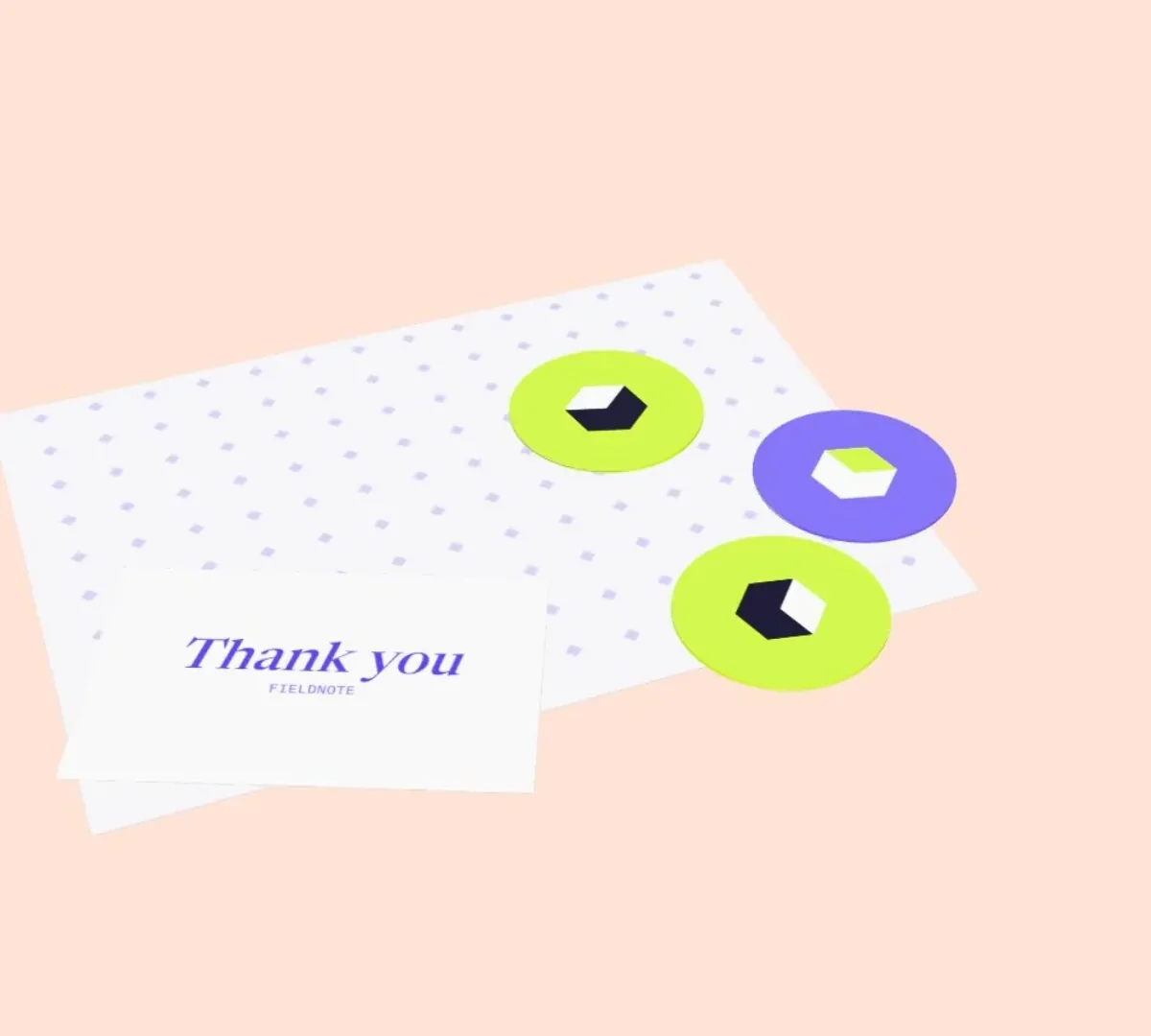
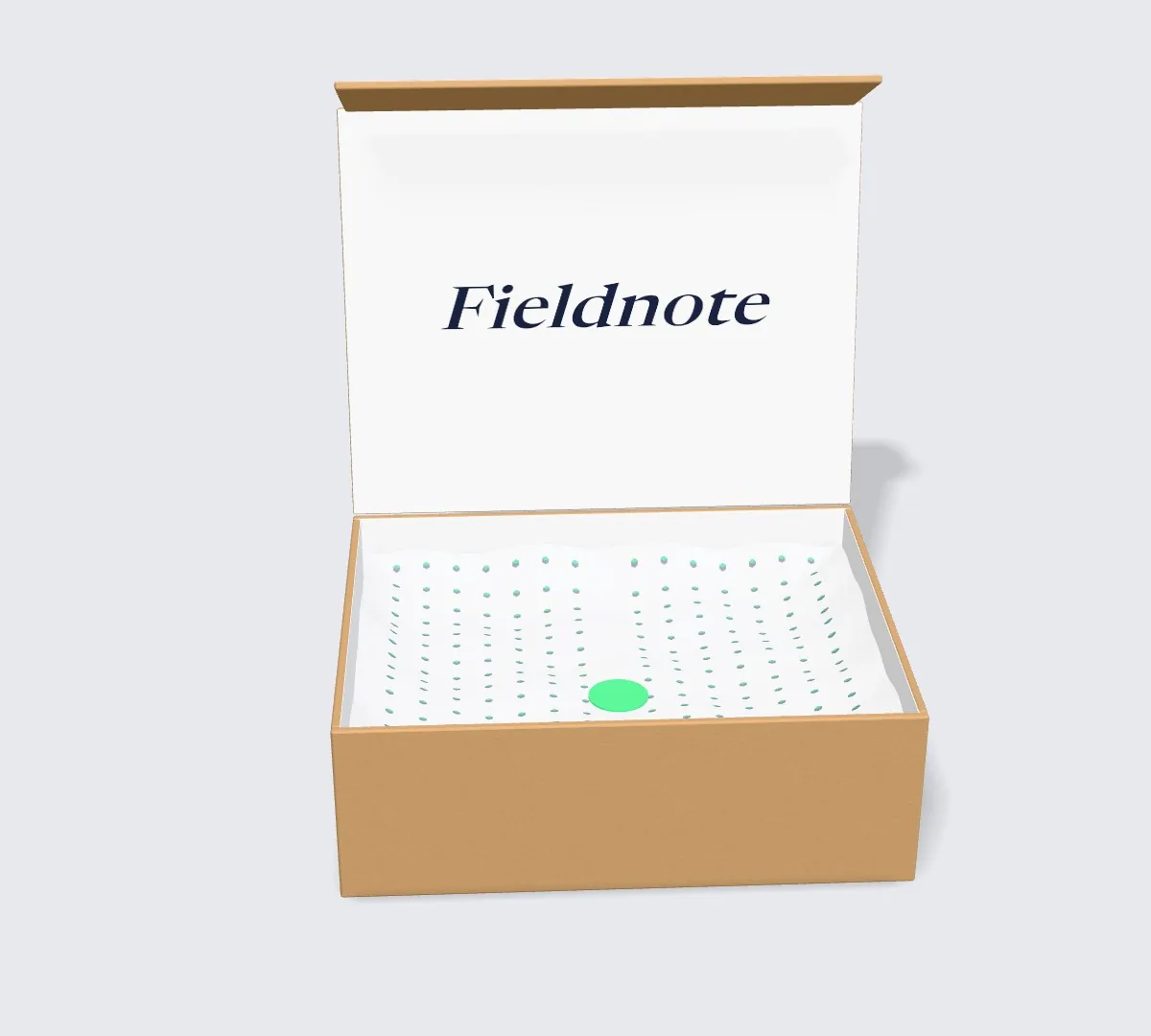
Example designs with made-up brands. Your packaging is made to your design.
What mistakes should you avoid when ordering custom EPE foam inserts?
Most foam failures happen when perimeter walls are too thin or bottom pads are omitted. Avoid these five mistakes. When specifying custom printed epe foam inserts, epe foam inserts with logo, printed epe foam inserts, branded epe foam inserts and wholesale epe foam inserts, avoid these common production mistakes
- Cutting through-holes with no bottom foam pad, letting heavy electronics or glass strike the corrugated floor on a drop.
- Leaving under 0.75 inches of EPE foam around the outer perimeter of heavy items, causing the wall to bottom out.
- Sizing EPE pockets with positive clearance instead of a -1/16 inch pinch fit, letting components bounce out in transit.
- Using standard white EPE foam against bare static-sensitive circuit boards instead of specifying anti-static pink ESD foam.
- Forgetting semicircular finger lift notches beside deep flush-mounted wells, making tight tools or bottles hard to pull out.
Chat with a designer now
Share your logo, a sketch or an AI image. We'll rebuild every element cleanly onto your box dieline and send a 3D mockup, free.
Made your design with AI?
Generated a concept in Google Gemini, ChatGPT, Claude or Midjourney? Send us your AI image: we rebuild every element onto your box dieline and show you a 3D mockup before you pay, free.Custom die-cut EPE foam inserts vs pick-and-pluck diced foam: which protects better?
| Stock pick-and-pluck sponge foam | Custom EPE foam inserts from CubitPack | |
|---|---|---|
| Cavity fit & retention | Pre-cubed pick-and-pluck foam that tears raggedly | Precision die-cut contours with -1/16 in pinch-fit grip |
| Repeated drop recovery | Soft open-cell sponge that bottoms out under heavy gear | Closed-cell EPE rebounds after multi-drop parcel impacts |
| Cleanliness & debris | Plucked foam cubes shed loose crumbs onto optics | Heat-sealed, non-dusting closed-cell walls stay clean |
| Packing assembly time | 5 to 10 minutes hand-plucking every tray | Arrives ready to drop into your box in 3 seconds |
| Multi-depth staging | Single flat depth hides small cables and adapters | Stepped multi-layer floors keep every item flush at the top |
Get custom epe foam inserts sized to your product, with a free 3D mockup before you pay.
Request a Quote →Are epe foam inserts safe and sustainable?
Closed-cell moisture & chemical resistance
Expanded polyethylene does not absorb water, humidity, machine oil or mild solvents, keeping metal tools and electronics dry in transit.Physical prototypes & drop testing
Order a physical prototype and optional drop and crush testing to validate G-force cushioning on heavy or fragile payloads before mass production.Non-abrasive & anti-static options
Soft polyethylene cell walls will not scratch gloss plastics or glass, and ESD pink anti-static grades are available on request.How do I order custom epe foam inserts?
Tell us what you need
Size, quantities or AI conceptCompare volume pricing
Dedicated account managerApprove your proof
Digital proof + 3D mockupMade and shipped
Free to all 50 statesWhat affects the price of custom EPE foam inserts?
The price depends on four things, and every custom quote is free.
Total foam volume (L × W × D)
Overall outer tray dimensions and total plank thickness drive raw EPE material usageNumber of bonded layers
A 2-layer tray (cutout layer + base pad) costs less to laminate than a 4-layer stepped blockFoam density & ESD grade
Standard white or charcoal EPE costs less than high-density or anti-static pink ESD formulationsTop-sheet & order quantity
Raw foam costs less than card-topped trays; unit cost drops at 500, 1,000 and 2,500+ piecesTo minimize unit cost while keeping full drop protection, use a two-layer construction (one die-cut layer bonded to a 0.25 or 0.5 inch base pad) or two-piece end caps. Enter up to three quantities in the quote form to compare price breaks. We never charge cutting die fees, your first order is 10% off, and we beat any written US competitor quote. Buyers ordering bulk custom epe foam inserts, personalized epe foam inserts, custom size epe foam inserts or custom die cut epe foam inserts can compare up to three quantities in one quote.
10% off your first order.
Request a Quote →What do I need to send for a quote?
- The product and how many you need
- The inside size, or what goes in it
- A style, or ask us to suggest one
- Your logo or artwork (an AI image is fine)
- Pantone codes, if you have them
- Delivery ZIP code and the date you need it
Can I see a sample first?
Sample kit
Board and finish swatches, sample boxes, labels and bags. Credited to your first order.Digital proof + 3D mockup
See it before you payPrinted sample
Of your own designHow does shipping work?
- Free shipping to all 50 states
- Worldwide with DDP prices: duties and taxes included
- Blind and split shipping
- Damaged in transit? We reprint the damaged units free
Why brands choose CubitPack
Dedicated specialist
One account manager from quote to deliveryPantone guaranteed
Clearly off? We reprintReprint or refund
If we get it wrong, you chooseBBB accredited
A US business you can checkEPE foam inserts questions
What is the difference between EPE foam and EVA foam box inserts?
EPE (expanded polyethylene) is lighter and springier with visible cell grain, ideal for shock absorption around heavy electronics, tools and glass bottles. EVA is denser and ultra-smooth, chosen for luxury rigid gift boxes, perfume and jewelry.
What is the minimum order quantity for custom EPE foam inserts?
Minimums depend on the product; we confirm yours with your quote. Trial orders are reviewed case by case. Use the quick-add presets (250, 500, 1,000, 2,500) in Step 1 of the quote form to compare unit pricing.
How thick should an EPE foam insert be to protect heavy items?
For light electronics under 2 pounds, a 0.5 to 0.75 inch perimeter wall and 0.25 inch bottom pad work well. For heavy glass bottles, metal tools or lab gear over 3 pounds, use 0.75 to 1.25 inches of perimeter buffer and a 0.5 inch base pad.
How do you create different cavity depths in a single EPE foam insert?
We die-cut EPE foam sheets of specific thicknesses (such as 0.5 in, 0.75 in and 1.0 in) and thermally fuse them over a solid base layer. That multi-layer lamination creates clean stepped cavity floors without costly CNC milling.
How much tighter than my product should an EPE foam cavity be cut?
We engineer EPE foam pockets with a 1/16 inch (1.5 mm) pinch-fit interference, meaning the cutout is 1/16 inch narrower than your rigid device or bottle. When pressed in, the closed-cell walls compress slightly and grip the item.
Can you add a printed paperboard top-sheet over an EPE foam insert?
Yes. If you want EPE shock protection with the clean retail presentation of printed cardstock, we can laminate a die-cut CMYK or Pantone printed paperboard face (with matte, soft-touch or foil finishes) over the top layer.
Do you offer anti-static (ESD) EPE foam for circuit boards and electronics?
Anti-static pink expanded polyethylene and conductive foam grades are available on request for static-sensitive PCBs, sensors, hard drives and medical electronics. Note your ESD needs in Step 3.
Is EPE closed-cell foam waterproof and resistant to oils or solvents?
Yes. Because expanded polyethylene has a sealed closed-cell structure, it does not wick water or humidity and resists machine oils, lubricants and mild solvents. That makes EPE ideal for automotive parts, machined tools and marine gear.
Do you charge cutting die fees for multi-layer EPE foam inserts?
No. CubitPack never charges cutting die or printing plate fees, even on multi-layer EPE trays with stepped cavity depths and thumb notches. Our design team builds your CAD dieline and 3D mockup for free before payment.
How long do custom EPE foam inserts take to produce and ship?
Standard production is 10 to 14 business days after digital proof approval and payment. Rush production in 4 to 5 business days is available for an extra cost quoted per order. Standard shipping to all 50 US states is free.
Still have a question? Ask a packaging specialist.
Request a Quote →EPE foam inserts terms, explained
- Expanded polyethylene (EPE)
- A lightweight, semi-rigid closed-cell thermoplastic foam engineered for multi-impact shock cushioning
- Thermal lamination
- Heat-fusing multiple die-cut EPE foam sheets together without messy liquid glues to form stepped depths
- Bottoming out
- When a foam pad compresses completely under impact so the product strikes the hard outer box wall
- Suspension end caps
- Two matching foam blocks placed on opposite ends of a heavy device to float it inside an air gap
- Pinch-fit interference
- Cutting a foam pocket 1/16 in smaller than the item so the elastic cell walls grip it snugly
- Anti-static (ESD) EPE
- Pink static-dissipative polyethylene foam that prevents electrostatic discharge around bare electronics
More for your electronics packaging


Learn more
Get your epe foam inserts price
One dedicated account manager prepares pricing across up to 3 quantities.
- Free design & AI-to-print studio + 3D mockup
- No die or plate charges · 4–5 day rush available
- Free shipping to all 50 states
- 10% off your first order
- Reprint or refund if we get it wrong
Every CubitPack fact on this page comes from our confirmed offers (EPE foam, EVA foam, card and honeycomb inserts, 10-14 business day turnaround, free structural design and free 50-state shipping) and was checked by a packaging specialist. Cushion thickness and pinch-fit rules follow standard ISTA and ASTM D3575 foam converting practices. Tell us if something looks wrong.
Sources
- All CubitPack offers, inserts options (EPE foam, EVA foam, Card insert, Honeycomb; cavities 1, 2-4, 5-12, 13+; presets 250, 500, 1,000, 2,500), turnaround (10-14 business days, rush 4-5), free structural design and free US shipping
- ISTA parcel drop cushioning thickness, perimeter buffer and multi-impact shock recovery guidelines
- ASTM D3575 physical property references for closed-cell expanded polyethylene (EPE) cushioning foams
What changed
- October 22, 2026: First published.
- October 22, 2026: Updated specifications, terminology, and verified source links.