
EPE foam vs EVA foam vs cardboard box inserts: which should you choose?
Short answer: Choose custom EPE foam inserts for lightweight, multi-drop shock cushioning around heavy electronics, tools and glass bottles. Choose EVA foam for ultra-smooth, high-density luxury presentation inside magnetic rigid boxes, and choose folded cardboard or corrugated inserts when you want full-color printing and flat warehouse storage.
On this page
- How do EPE foam, EVA foam and cardboard inserts compare side by side
- What is the real difference between EPE foam and EVA foam in hand
- When should I choose a folded cardboard or corrugated insert instead of foam
- How does a printed paperboard top-sheet combine EPE cushioning with retail branding
- Which insert material is safest for circuit boards, optics and oiled metal tools
- Common mistakes
- FAQs
Request a custom quoteFree dieline & 3D mockup
Choosing between EPE foam, EVA foam and cardboard box inserts comes down to whether your primary engineering challenge is surviving heavy parcel drops, staging a luxury gift reveal, or printing edge-to-edge brand graphics on a flat-shipping budget. Expanded polyethylene (EPE) and ethylene-vinyl acetate (EVA) are both closed-cell foams, meaning neither absorbs water or sheds dust, yet they feel and perform very differently in hand. EPE is lower in density, springier and visibly cellular, engineered to compress and rebound across multiple 30-inch carrier drops under heavy payloads. EVA is blended with vinyl acetate, giving it a heavier, rubber-like density and an ultra-fine, velvety pore structure that cuts with razor-sharp walls for luxury rigid boxes. Folded paperboard and corrugated inserts cost less per unit and print in full CMYK or Pantone, making them ideal for lighter retail kits.
How do EPE foam, EVA foam and cardboard inserts compare side by side?
When brands request a quote for custom inserts, they often ask for foam without realizing that EPE (typically 1.2 to 2.2 lb/ft3 density) and EVA (typically 2.0 to 6.0 lb/ft3 density) serve opposite ends of the weight-and-presentation spectrum - or that a 32 ECT E-flute corrugated cradle or card-topped EPE hybrid might solve both problems at once. EPE compresses by 25% to 50% during a 30-inch ISTA drop test to decelerate heavy 3 lb to 15 lb payloads, whereas folding 18 pt to 24 pt paperboard risers excel on lighter 4 oz to 24 oz cosmetics. Use the comparison matrix below to evaluate all three core constructions offered on our custom polyethylene EPE foam inserts, EVA foam and paperboard insert lines across shock absorption, surface texture, printability, warehouse storage and relative unit cost.
| Feature | EPE foam insert | EVA foam vs Cardboard insert |
|---|---|---|
| Core material | Expanded polyethylene closed-cell plank | EVA: closed-cell copolymer · Card: paperboard or flute |
| Repeated drop cushioning | Highest (progressive shock rebound for heavy gear) | EVA: firm grip for medium weight · Card: light/medium |
| Surface look & pore grain | Visible closed-cell grain (smoothable with card top) | EVA: ultra-fine velvety micro-pores · Card: smooth board |
| Direct printing & finishes | Via laminated paperboard top-sheet | EVA: card/velvet top · Card: direct CMYK, Pantone, foil |
| Warehouse storage | Ships at full depth ready to drop in | EVA: ships full depth · Card: ships flat & pre-creased |
| Moisture & oil resistance | Waterproof, oil- and solvent-resistant | EVA: water-resistant · Card: moisture-sensitive unless coated |
| Relative unit cost | Mid-tier (lower than thick EVA, higher than card) | EVA: highest per unit · Card: lowest per unit |
What is the real difference between EPE foam and EVA foam in hand?
Pick up a block of EPE foam and a block of EVA foam of the exact same dimensions and you will notice two differences immediately: weight and surface grain. Expanded polyethylene is puffed with gas into larger, springier closed cells. When you press your thumb into an EPE wall, it yields smoothly to absorb impact energy and springs right back, which is why parcel engineers specify EPE for heavy electronics, glass bottles, optical instruments and industrial tools. EVA foam contains vinyl acetate copolymer, making it much denser, firmer and heavier per cubic foot. Its cell structure is so microscopic that the cut walls look almost like matte molded rubber or suede. If you are packing a watch, a crystal perfume flacon or a VIP influencer kit inside custom rigid boxes, EVA gives you that silent, gallery-grade museum tray look. If you are shipping a 6-pound smart home device or glass decanter through UPS and FedEx ground networks, EPE gives you superior shock attenuation per dollar.
When should I choose a folded cardboard or corrugated insert instead of foam?
You do not need closed-cell foam for every product kit. If your items weigh under 1.5 to 2 pounds each, are already housed in sturdy primary containers (such as thick cosmetic tubes, aluminum tins or supplement bottles), and travel inside a snug custom mailer box with inserts, a die-cut paperboard or E-flute corrugated insert often performs admirably at a lower unit cost. Paperboard and corrugated inserts bring three operational advantages over foam: they print edge-to-edge in full CMYK or Pantone colors with matte, soft-touch or foil stamping; they ship completely flat in strapped bundles that take up a fraction of the warehouse pallet space; and they go straight into household curbside paper recycling bins. You can explore folded risers and grid partitions on our custom cardboard inserts and custom honeycomb inserts pages.
- Choose EPE foam when: items are heavy (2+ lbs), fragile against G-force shock, oily/metallic or need multi-depth contoured pockets.
- Choose EVA foam when: luxury visual presentation inside a magnetic or two-piece rigid gift box is the number-one priority.
- Choose cardboard or corrugated when: you want full-color printed graphics on the tray, flat storage and curbside paper recyclability.
- Choose kraft honeycomb when: you need thick shock absorption for glass jars or ceramics with zero plastic foam.
Know your size? Compare pricing across up to 3 quantities.
Request a Quote →How does a printed paperboard top-sheet combine EPE cushioning with retail branding?
What if your product is a heavy 4-pound consumer electronic device, a luxury hair styling tool or a 750 ml glass beverage gift set that genuinely needs 1.0 inch of EPE shock cushioning, yet you dislike the visible polyethylene cell texture when the customer opens the box? The answer is a card-topped EPE hybrid insert that joins an 18 pt or 20 pt printed SBS paperboard face to a multi-layer closed-cell EPE base. We die-cut a printed paperboard top-sheet - finished in glare-free matte lamination, velvety soft-touch, spot UV or metallic foil stamping - with the exact same cavity outlines and 0.75 inch thumb notches as your EPE tray, then laminate that cardstock face directly over the top foam layer. When the customer lifts the lid, they see a clean, full-color printed retail stage with numbered ritual steps, QR codes or cable diagrams, while the hidden 1.5 inch to 3.0 inch multi-layer EPE block underneath does the heavy drop-protection work.
Which insert material is safest for circuit boards, optics and oiled metal tools?
For industrial, medical and electronics brands, chemical and electrostatic compatibility matter just as much as a 36-inch drop height. Uncoated paperboard and corrugated fibers can shed microscopic cellulose dust onto camera sensors or laser optics, and unlaminated cardstock wicks machine oil off precision CNC cutters, steel bearings or gunsmithing parts. Closed-cell EPE and EVA foams are 100% non-dusting, non-linting and impervious to water, cutting fluids and mild solvents. When packing bare printed circuit boards (PCBs), CMOS sensors, solid-state drives or avionics modules that are sensitive to electrostatic discharge (ESD), standard white plastics and foams can build up triboelectric charge when rubbed. For those payloads, specify anti-static pink ESD expanded polyethylene (typically formulated for surface resistivity in the 10^9 to 10^11 ohms/sq static-dissipative range ), which bleed off static charges safely while cradling the board in a contoured -1/16 inch pinch-fit recess with a 0.5 inch bottom pad.
- Optical lenses & sensors: use non-dusting closed-cell EPE or EVA foam with 0.75 in perimeter walls.
- Oiled metal tools & CNC cutters: use solvent- and oil-impervious charcoal EPE foam that wipes clean.
- Bare PCBs & avionics: specify anti-static pink ESD EPE foam with thumb notches.
- Heavy glass bottles (3 to 8 lbs): use 1.0 in perimeter EPE collars or multi-layer kraft honeycomb pads.
What mistakes do brands make when choosing between EPE, EVA and card inserts?
Most material mismatches happen when a brand picks an insert for how it looks on a desk rather than how it survives carrier sorting. Avoid these five mistakes
- Choosing thin 18 pt folding paperboard for a heavy 5-pound metal tool or glass bottle kit, which crushes on the first parcel drop.
- Paying a premium for dense, heavy EVA foam inside a brown industrial shipping carton where springy EPE foam cushions better for less.
- Leaving raw white EPE foam exposed inside a luxury cosmetic PR box instead of choosing charcoal foam or adding a printed card top-sheet.
- Forgetting warehouse storage volume when ordering 5,000 thick foam trays (which ship at full depth) vs flat-shipping corrugated inserts.
- Packing bare static-sensitive circuit boards inside standard non-ESD foam instead of requesting anti-static pink EPE.
Packaging for this
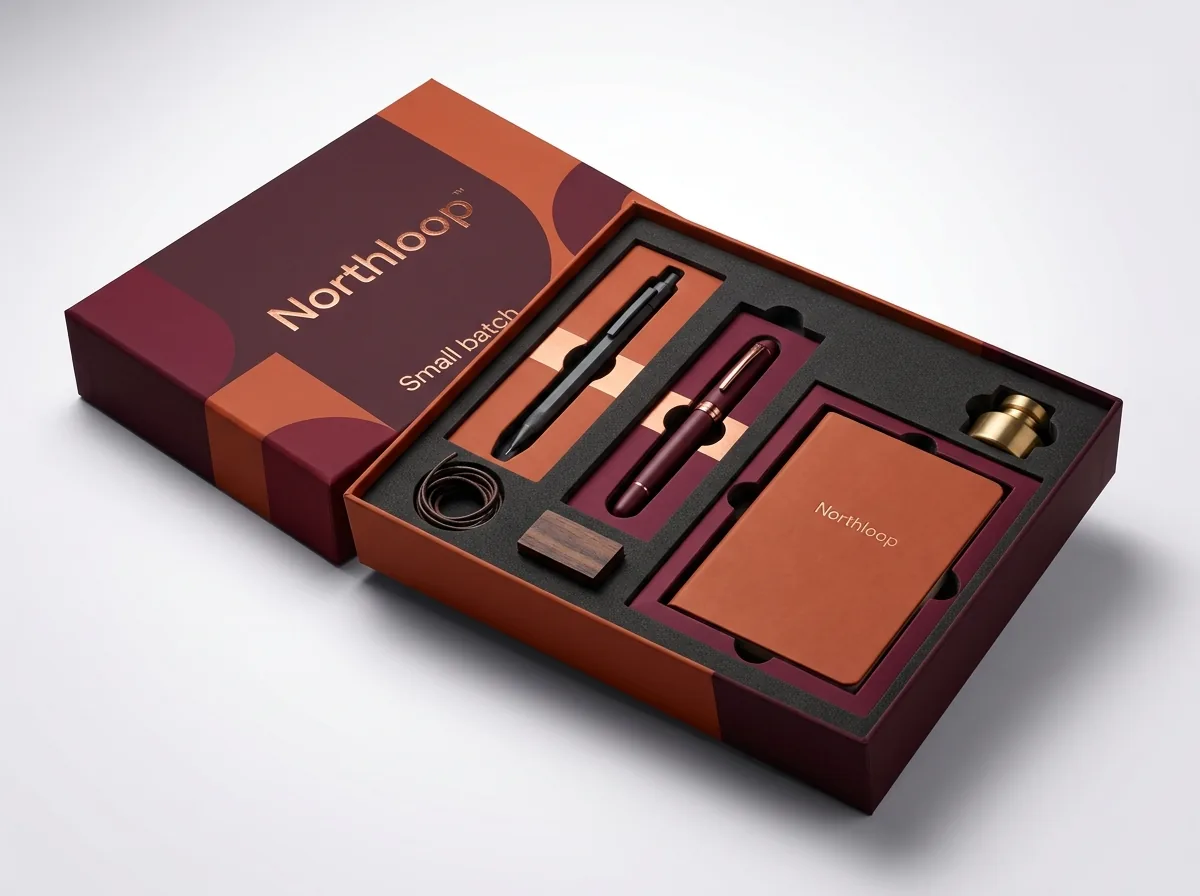

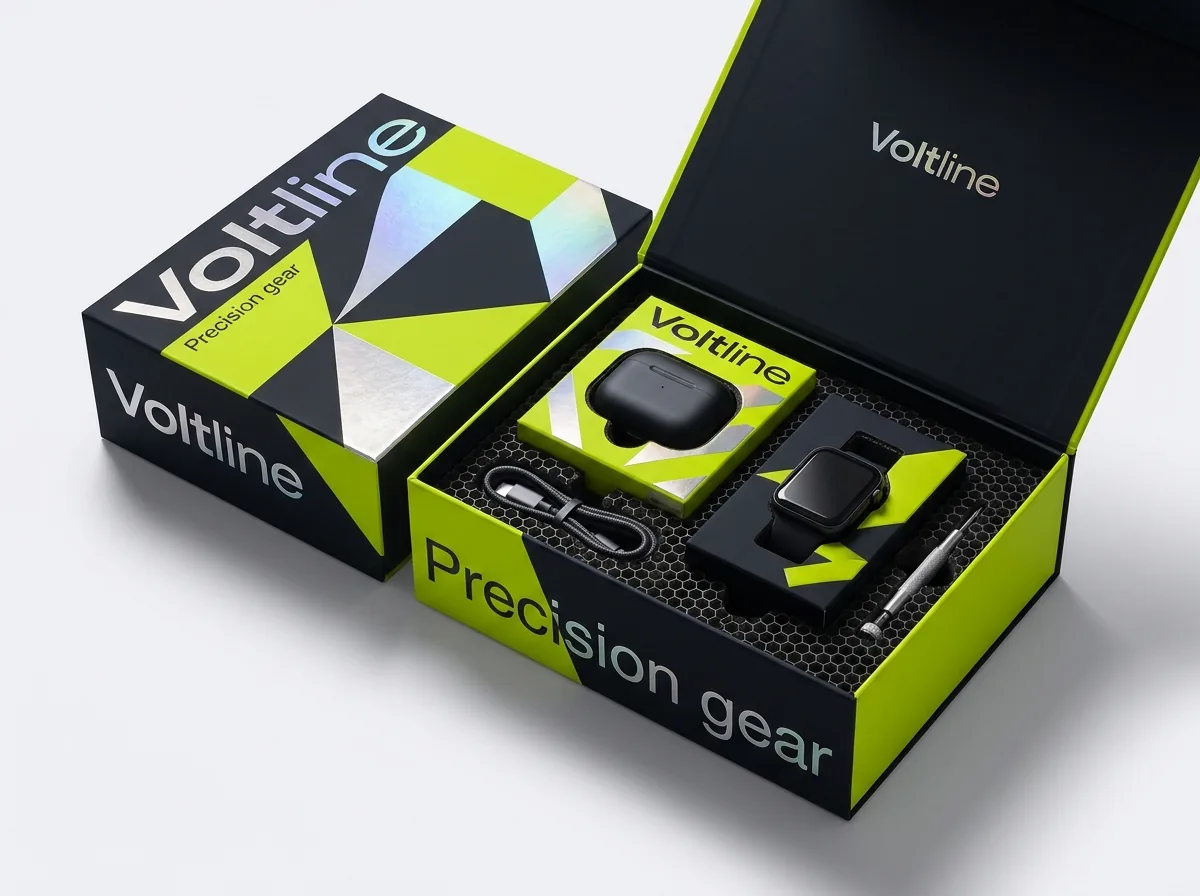
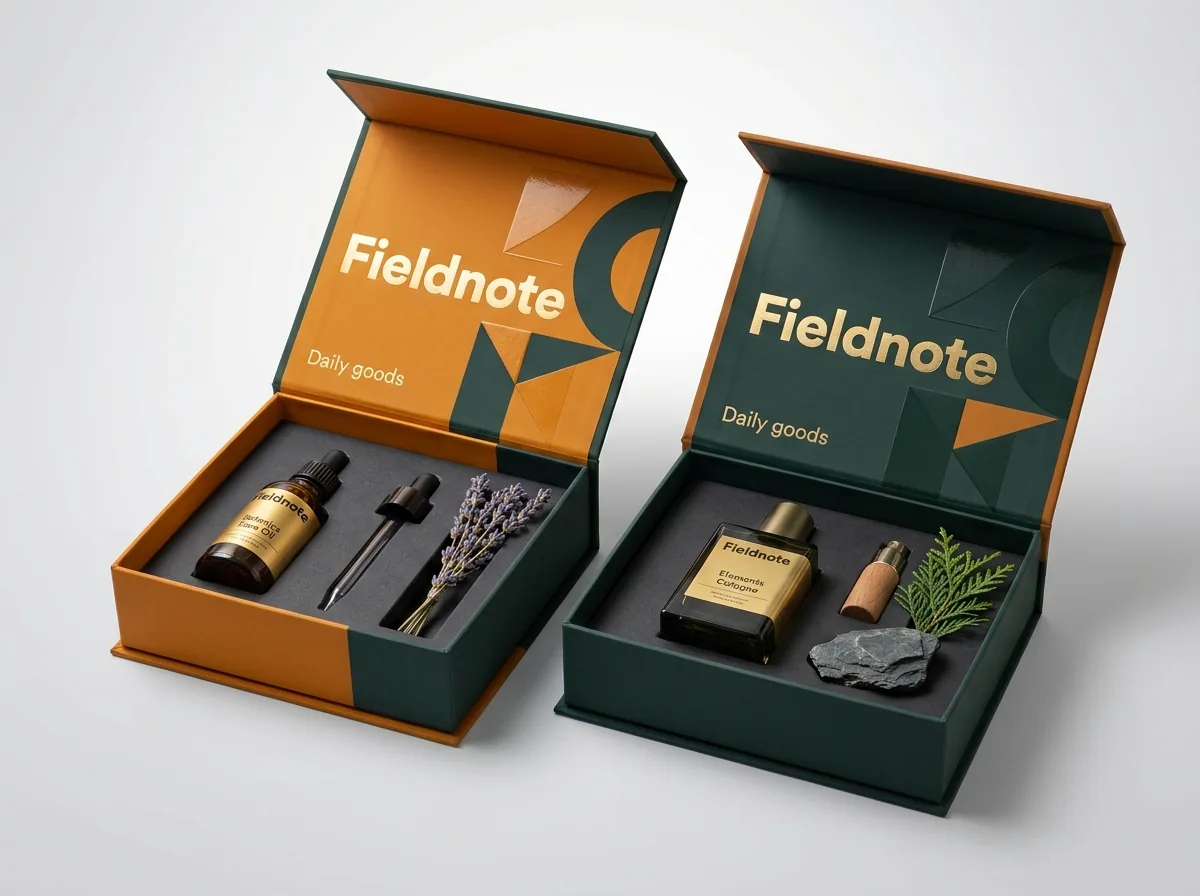
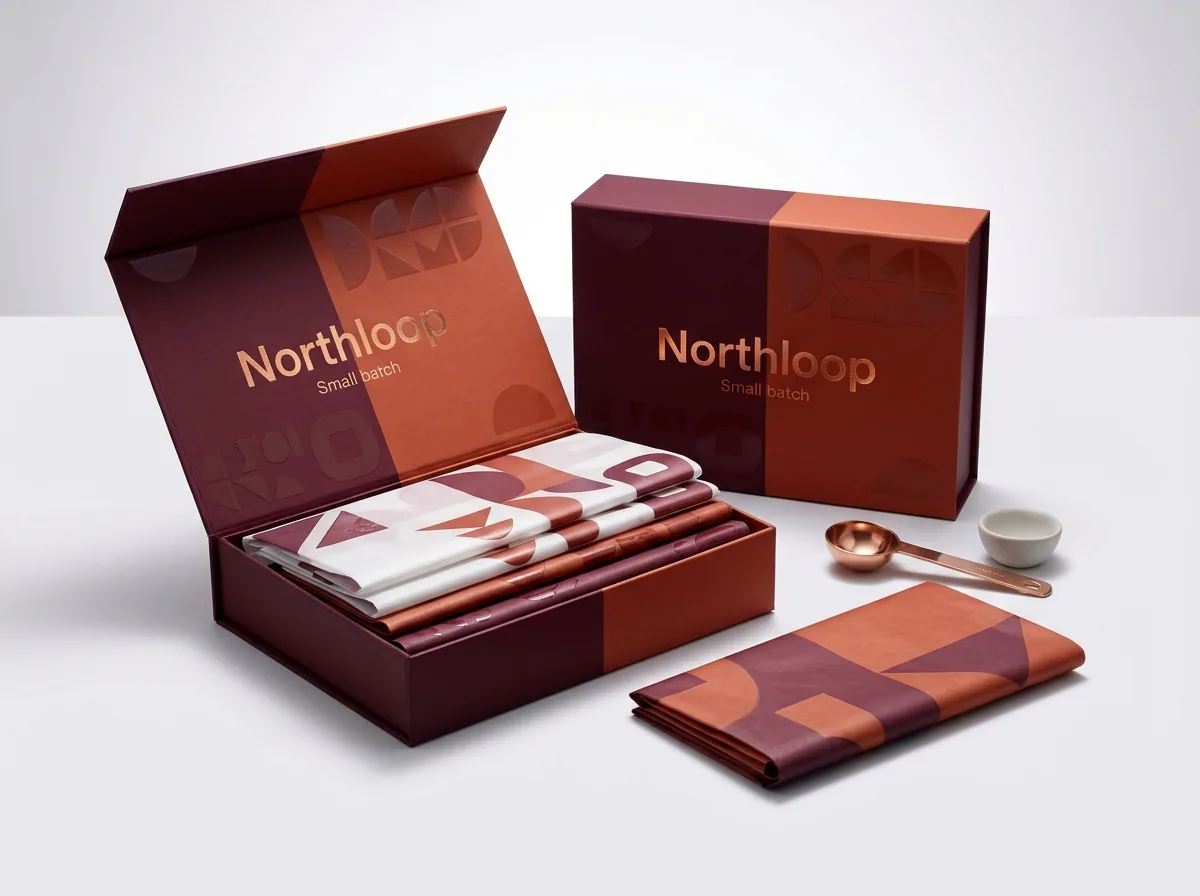
Ready to order epe foam inserts? Compare up to 3 quantities with a free 3D mockup.
Request a Quote →Questions about epe foam inserts
Can I get a quote comparing EPE foam, EVA foam and cardboard inserts for the same box?
Yes. Select EPE foam in Step 2 of the quote form and mention in the Step 3 notes that you would also like pricing for EVA foam or a folded card/corrugated insert. Your account manager will quote all options side by side.
Which foam is softer and more flexible: EPE foam or EVA foam?
EPE (expanded polyethylene) is lighter, softer to compress and springier than EVA foam. That elastic compression is what allows EPE to absorb high-energy G-force shocks around heavy electronics and glass bottles without transmitting the impact into the item.
Why does EVA foam cost more per unit than EPE foam?
EVA foam is formulated with ethylene-vinyl acetate copolymer at a higher material density than expanded polyethylene. Because raw EVA resin is denser and heavier per cubic foot, an EVA tray costs more than an EPE tray of the same dimensions.
Does EPE foam have a chemical odor inside closed gift or mailer boxes?
Expanded polyethylene is a clean, inert polyolefin foam with virtually no odor compared with certain low-grade rubber or neoprene sponges. That makes EPE well suited for consumer electronics, drinkware and home goods.
Can EPE foam inserts be recycled after the customer unpacks their order?
EPE foam is made from #4 low-density polyethylene (LDPE) resin without cross-linking chemicals in standard grades, so it can be recycled through commercial LDPE foam drop-off streams where available. For curbside paper recycling, choose cardboard or honeycomb inserts.
Can I combine a folded cardboard insert and an EPE foam pad in the same box?
Yes. Many hardware and appliance brands use a hidden EPE foam base block at the bottom of the box to absorb drop shock, paired with a printed paperboard collar or divider at the top to display accessories and instructions.
Still have a question? Ask a packaging specialist.
Request a Quote →Request your epe foam inserts quote
Tell us your size and quantities, and one dedicated account manager prepares pricing for each tier.
- Free design & AI-to-print studio + 3D mockup
- No die or plate charges · 4–5 day rush available
- Free shipping to all 50 states
- 10% off your first order
This material comparison is based on CubitPack's decided insert constructions (EPE foam, EVA foam, card and honeycomb) and ASTM D3575 / TAPPI physical property standards, reviewed by a CubitPack packaging specialist. Spot an error? Tell us and we will fix it.
Sources
What changed
- October 22, 2026: First published.
- October 22, 2026: Updated specifications, terminology, and verified source links.
More guides
New packaging guides by email
Sizes, materials and design tips. Unsubscribe anytime.