
Cardboard vs EVA foam vs EPE foam vs honeycomb box inserts: which should you choose?
Short answer: Choose folded card or corrugated inserts for full-color printed, flat-shipping trays inside retail cartons and mailers; choose EVA foam for velvet-smooth luxury rigid boxes; choose EPE foam for heavy shock absorption; and choose kraft honeycomb for plastic-free cushioning on custom box inserts.
On this page
- How do card, EVA foam, EPE foam and honeycomb inserts compare
- When should I choose a paperboard or corrugated cardboard insert
- EVA foam vs EPE foam: what is the difference on the unboxing table
- How do kraft honeycomb inserts and grid partitions protect glass without foam
- Which insert material fits my product, budget and warehouse
- Common mistakes
- FAQs
Request a custom quoteFree dieline & 3D mockup
Each of the four core box insert materials balances transit cushioning, visual presentation, warehouse storage footprint and unit cost differently. Paperboard and corrugated card inserts arrive flat, fold into shape at your packing table in seconds, and accept edge-to-edge CMYK or Pantone printing, making them the top choice for cosmetic cartons and e-commerce subscription mailers. Closed-cell EVA (ethylene-vinyl acetate) foam has a fine, uniform pore structure and high density that die-cuts with razor-sharp vertical walls, making it the benchmark for luxury magnetic rigid boxes holding perfume, watches or fine jewelry. Closed-cell EPE (expanded polyethylene) foam is lighter, more flexible and engineered to absorb repeated drop impacts around heavy electronics, hardware tools and multi-bottle shippers. Kraft honeycomb inserts layer hexagonal paper cells into thick, crush-resistant pads for brands seeking all-paper transit protection without synthetic foam.
How do card, EVA foam, EPE foam and honeycomb inserts compare?
When selecting an internal tray for your packaging, start with two questions: how fragile and heavy is the product inside, and what kind of outer box does it sit in? A lightweight 1 oz serum bottle inside a paperboard folding carton needs a folded card cradle to keep it centered, whereas a heavy 16 oz glass diffuser bottle inside a magnetic rigid box needs dense EVA foam or multi-wall corrugated support so it cannot punch through the tray during parcel sorting. Use the comparison matrix below to evaluate all four decided custom packaging insert families across shock protection, surface appearance, printing options and warehouse storage. Notice that while folded card and corrugated trays ship completely flat to save pallet space in your fulfillment warehouse, EVA foam, EPE foam and layered honeycomb blocks arrive pre-laminated to their full cavity depth so your packing crew can drop them straight into boxes with zero folding required.
| Insert material | Cushioning & weight limit | Surface look & printing | How it ships & stores |
|---|---|---|---|
| Paperboard card insert | Light to medium items (tubes, vials, small jars) | Smooth card; full CMYK, Pantone, foil & spot UV | Ships flat, pre-creased; folds at packing table |
| Corrugated flute insert | Medium to heavy glass jars, candles & cans | Kraft or white face; full CMYK & Pantone printable | Ships flat; folds into rigid cradle or grid divider |
| EVA closed-cell foam | High retention grip; medium-to-heavy luxury items | Ultra-fine matte cells; optional card or velvet top | Ships pre-laminated at full thickness |
| EPE closed-cell foam | Highest drop & shock absorption for heavy gear | Visible pearl-cell texture; optional card top-sheet | Ships pre-laminated at full thickness |
| Kraft honeycomb pad | High vertical crush & side buffer for glass/ceramics | Natural brown or white paper face with hex core | Ships as die-cut layered pads or expandable wrap |
When should I choose a paperboard or corrugated cardboard insert?
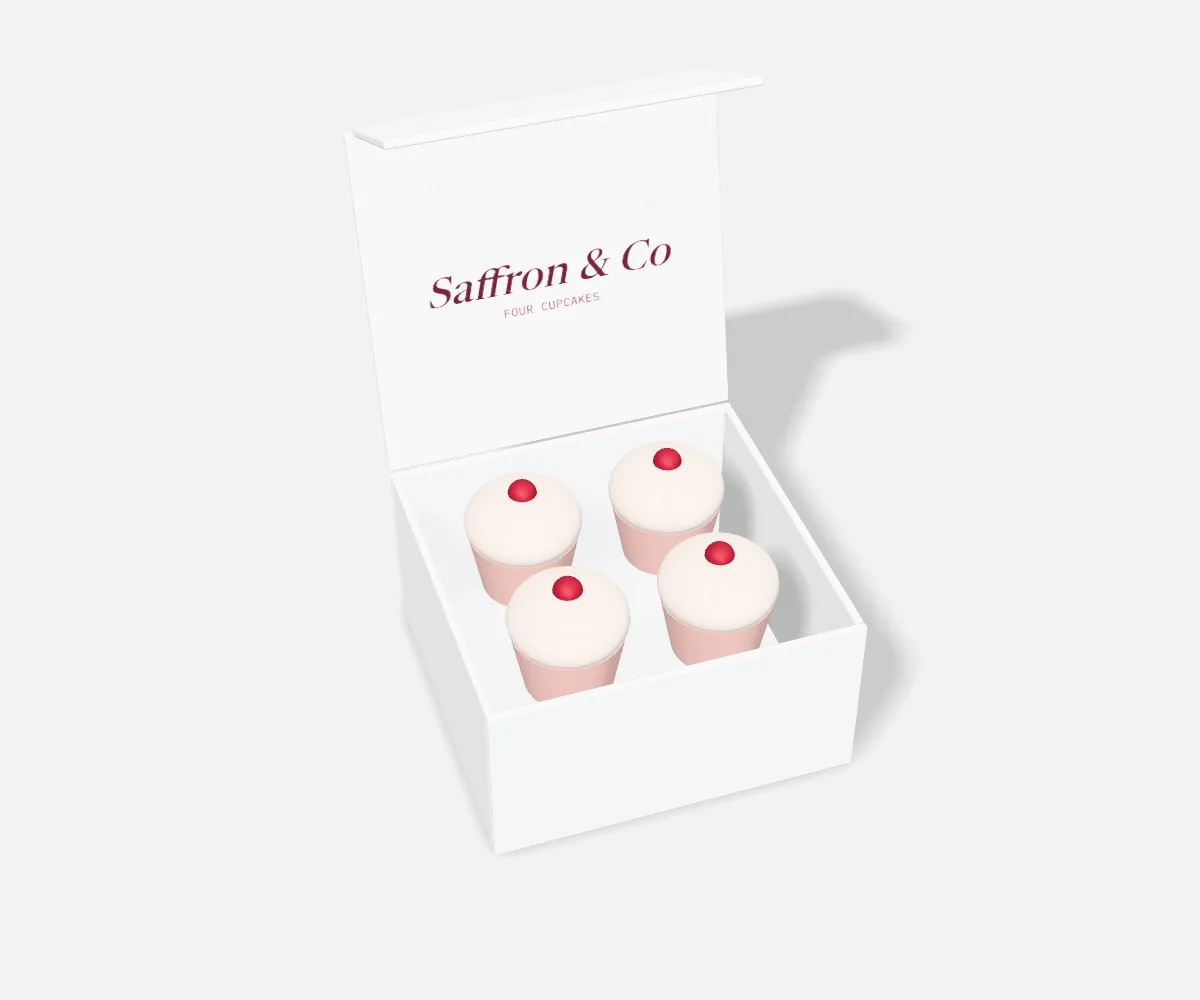
If you want your insert to act as a printed billboard inside your box while taking up almost zero shelf space in your fulfillment warehouse, custom cardboard inserts are hard to beat. Because they are die-cut and scored from flat 18 pt to 24 pt paperboard or 1/16 inch E-flute corrugated sheets, 1,000 flat inserts stack in a single 24 × 18 × 12 inch carton until your packing crew folds the side flanges down into a 1.5 inch or 2.0 inch riser platform. Use smooth folding paperboard when your insert slides inside a retail folding carton (such as a 1 oz or 2 oz dropper bottleneck lock or a 30 ml cosmetic duo tray). Step up to E-flute or 1/8 inch B-flute corrugated board when the insert goes inside custom mailer boxes with inserts or holds heavy 8 oz to 16 oz candle tumblers, 12 oz honey jars or beverage cans. Fluted corrugated board provides spring-like edge crush resistance and still accepts flood Pantone colors, step-by-step product numbering and matte or soft-touch lamination across the top deck.
EVA foam vs EPE foam: what is the difference on the unboxing table?
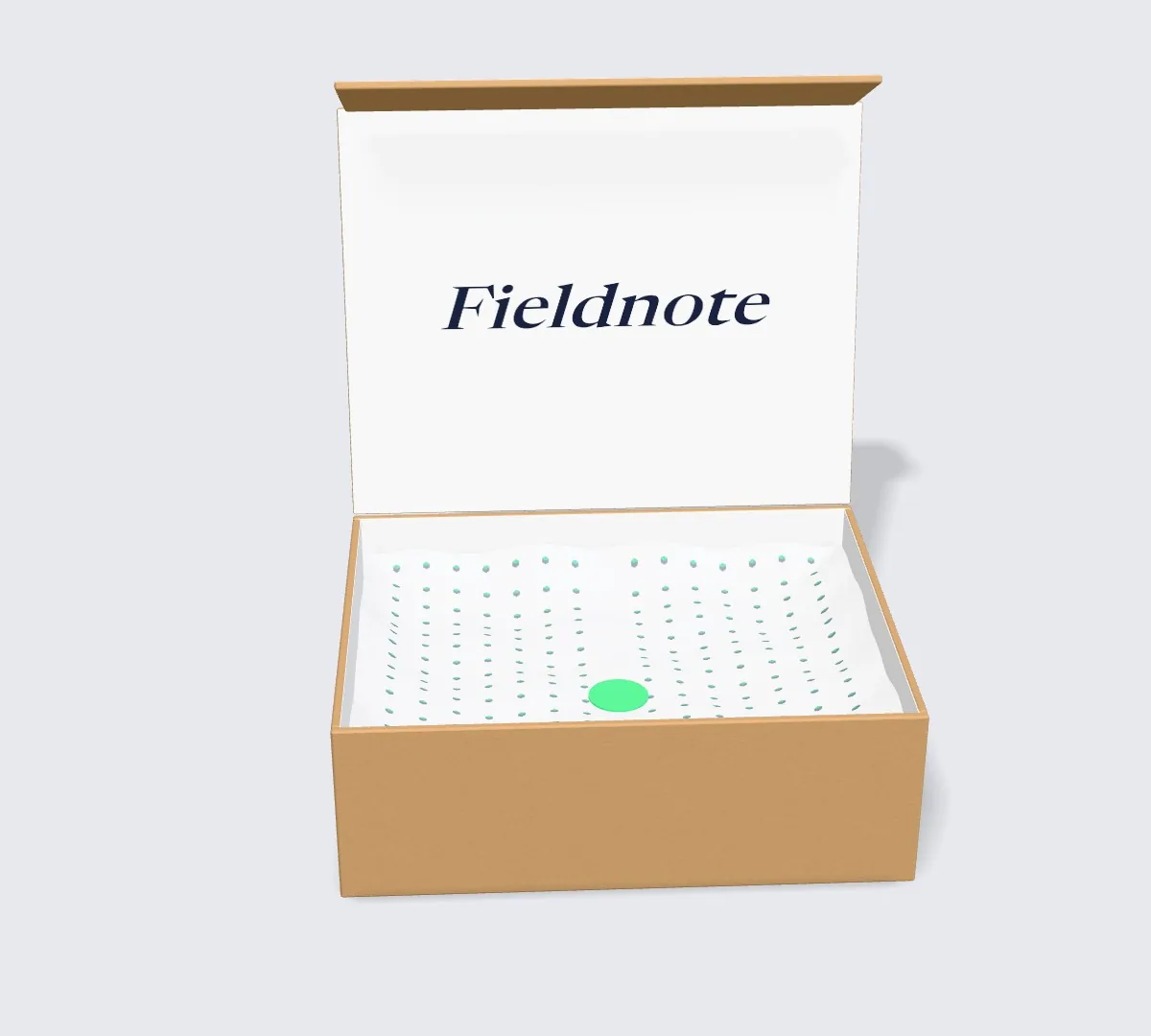
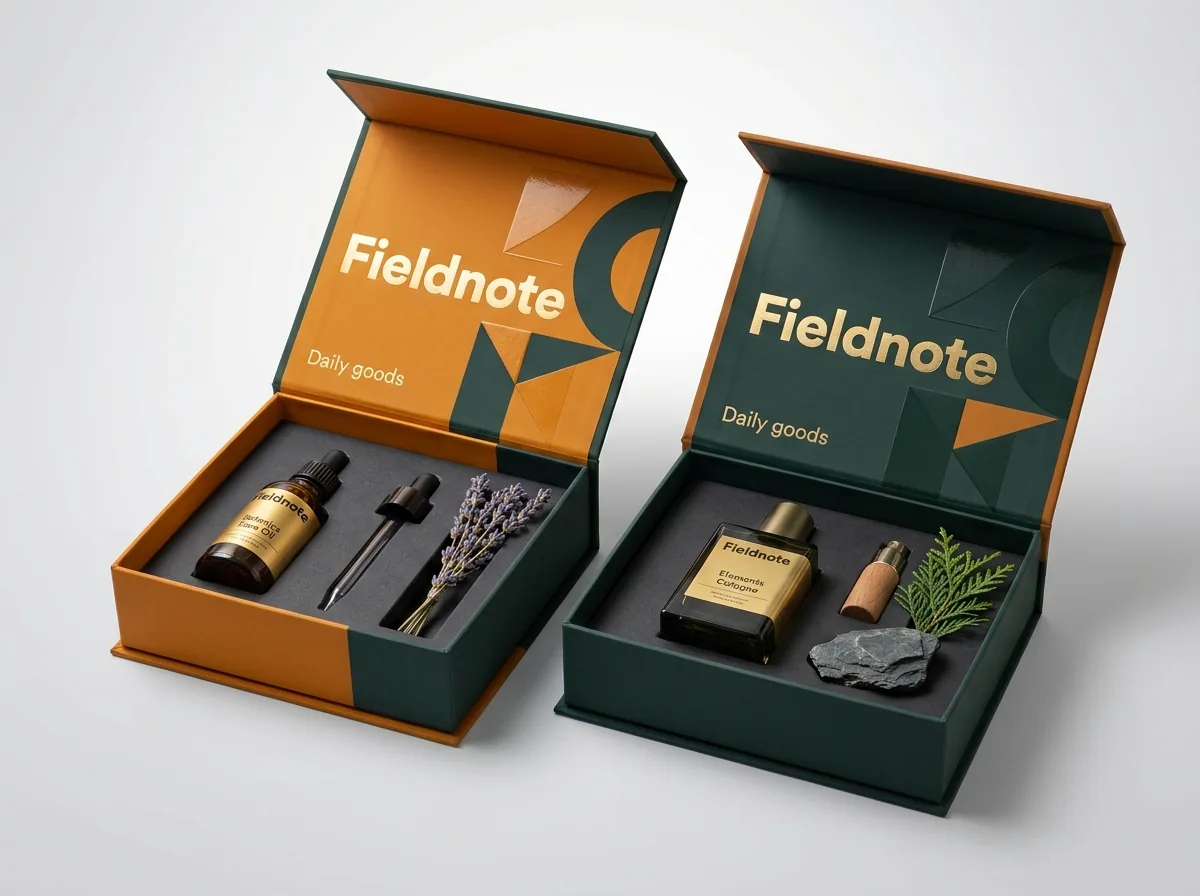
Buyers often ask why there are two different closed-cell foams in the quote form (custom eva foam inserts and custom epe foam inserts) and how to tell them apart. EVA (ethylene-vinyl acetate) foam is denser, heavier and rubber-like to the touch, with microscopic pores so small that the cut cavity walls look like smooth matte suede. When you press a heavy glass perfume bottle, watch or metal tool into an EVA cavity, the walls hold their crisp vertical shape without fraying. That visual refinement is why EVA is the standard pairing for custom rigid boxes and influencer PR vaults. EPE (expanded polyethylene) foam is much lighter and has a slightly larger, pearl-like cell structure that compresses and springs back repeatedly under heavy impact. When a 10-pound electronics kit or industrial instrument drops from waist height inside a shipping carton, EPE foam decelerates the load smoothly without bottoming out. If you need EPE's shock absorption and lower material cost but want a luxury presentation, ask us to laminate a printed matte or foil-stamped paperboard top-sheet over the top of the EPE foam block so only the clean paper face shows when the lid opens.
Know your size? Compare pricing across up to 3 quantities.
Request a Quote →How do kraft honeycomb inserts and grid partitions protect glass without foam?
Many clean-beauty, organic food and home-fragrance brands want serious drop protection for glass vessels while keeping their entire package in the paper stream. Custom honeycomb inserts solve that challenge by sandwiching a 0.5 inch to 2.0 inch core of hexagonal kraft paper cells between flat paper liners, mimicking the vertical compression geometry of a beehive. When die-cut and stacked into a recessed pad, honeycomb absorbs vertical crush forces and side impacts around 10 oz candle tumblers, 12 oz ceramic mugs and 500 ml olive oil bottles without a gram of plastic foam. When you are shipping 4, 6 or 12 identical cylindrical jars or bottles in a single case, interlocking slotted card or corrugated grid partitions are even more efficient. Two sets of slotted strips (one running lengthwise and one running crosswise) slip together in 2 seconds to form 3 × 3 inch or 4 × 4 inch individual vertical cells that prevent glass-on-glass contact across the entire box. Because partitions support the full vertical wall of each bottle from base to shoulder and transfer top stacking loads down to the carton floor, they are a mainstay for gourmet sauces, spice jars, glass beverage packs and fragile holiday ornaments.
Which insert material fits my product, budget and warehouse?
To make a fast decision, match the insert directly to your outer box and fulfillment setup. If you ship high volumes from a 3PL or small studio where pallet space is tight, flat-shipping paperboard risers, corrugated cradles and interlocking dividers save significant storage space compared with pre-laminated foam blocks that arrive at full 2-inch thickness. Paperboard and corrugated trays also give your graphic designer a printable top surface where ritual instructions, ingredient callouts and flood Pantone colors continue the story from the outer box lid. If you are launching a high-margin fragrance, jewelry piece, watch, medical kit or VIP creator box where tactile weight and zero-movement retention matter most, choose EVA foam (or EPE foam with a printed card top-sheet). Not sure which material passes a drop test with your vessels? Order our $50 sample kit (credited toward your first order) or request a custom prototype so you can test the material in your own hands before approving full production.
- Folded paperboard card: best for lightweight retail cartons, serums and printed multi-item decks.
- Fluted corrugated card: best for e-commerce subscription mailers, candles and glass jars.
- EVA closed-cell foam: best for luxury magnetic rigid boxes, perfume, jewelry and PR kits.
- EPE closed-cell foam: best for heavy electronics, hardware tools and fragile transit kits.
- Kraft honeycomb & partitions: best for all-paper cushioning of glass jars, bottles and ceramics.
What mistakes do brands make when choosing an insert material?
Choosing an insert material without considering product weight or warehouse storage can lead to crushed trays or unexpected pallet volume. Avoid these five mistakes
- Using thin folding paperboard to support a heavy 14 oz glass candle jar without corrugated flutes or under-deck support legs.
- Ordering raw un-topped EPE pearl foam for a luxury jewelry or perfume rigid box where ultra-smooth EVA foam was expected.
- Forgetting that pre-laminated 2.5 inch thick foam inserts ship at full volume and require more warehouse shelf space than flat-folding card inserts.
- Packing cylindrical glass bottles side by side in a single shared cutout with no center divider wall to stop glass-on-glass impact.
- Using dark black unlined kraft or foam directly against unsealed white porous ceramic items without testing for rub transfer first.
Packaging for this

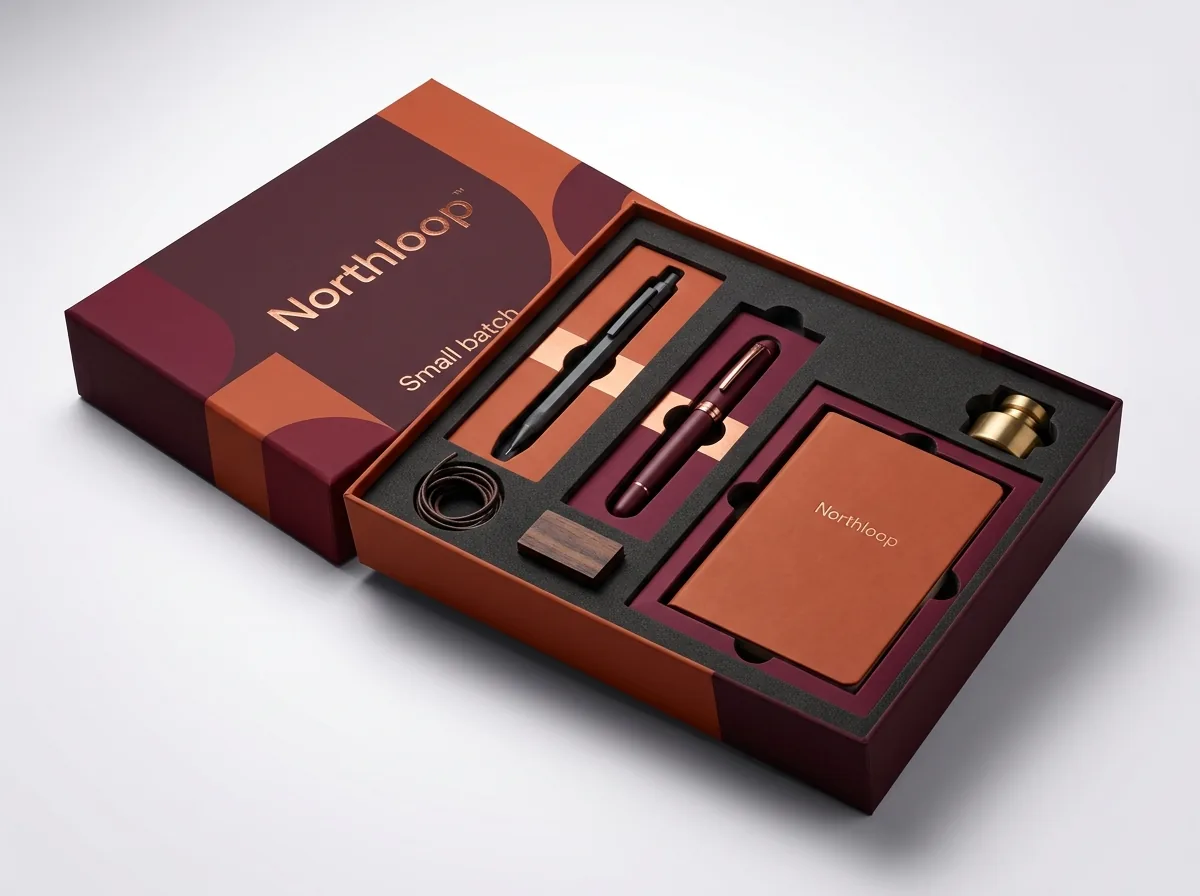
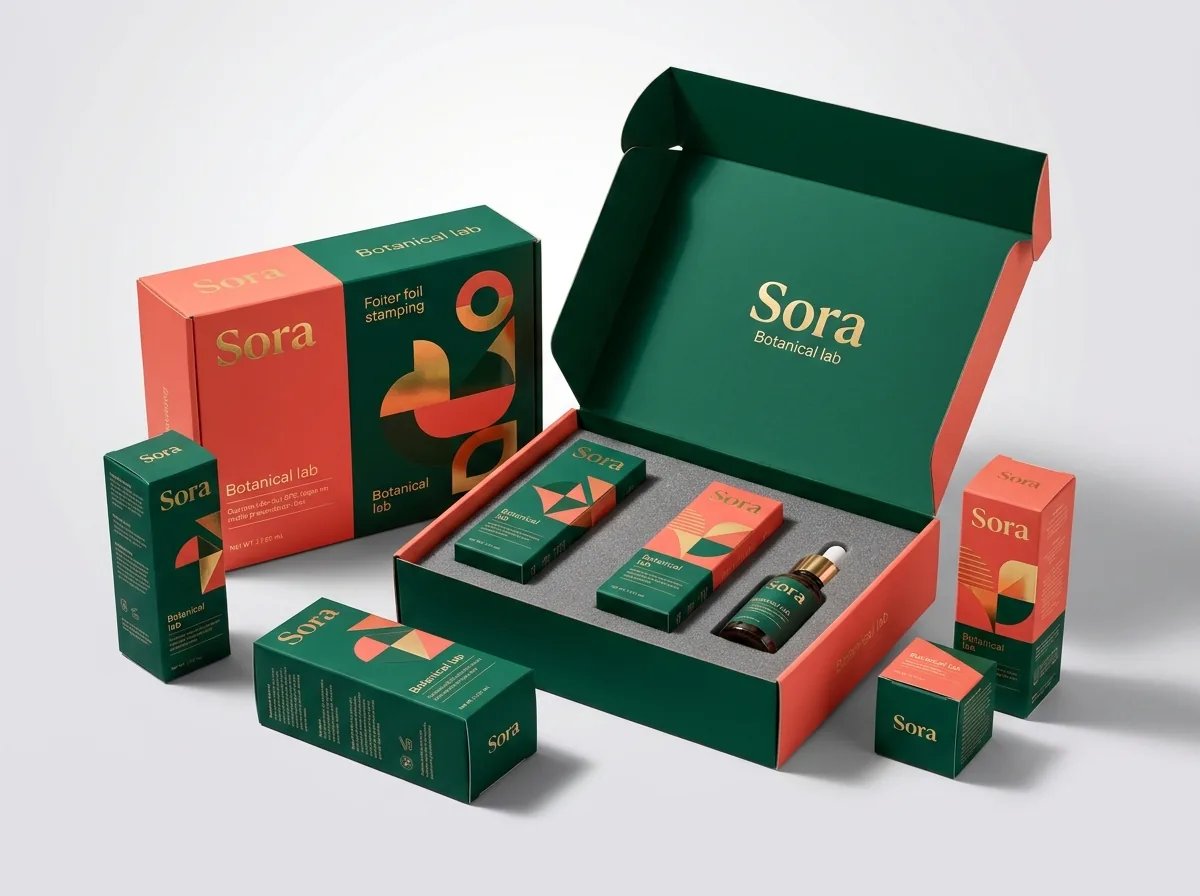
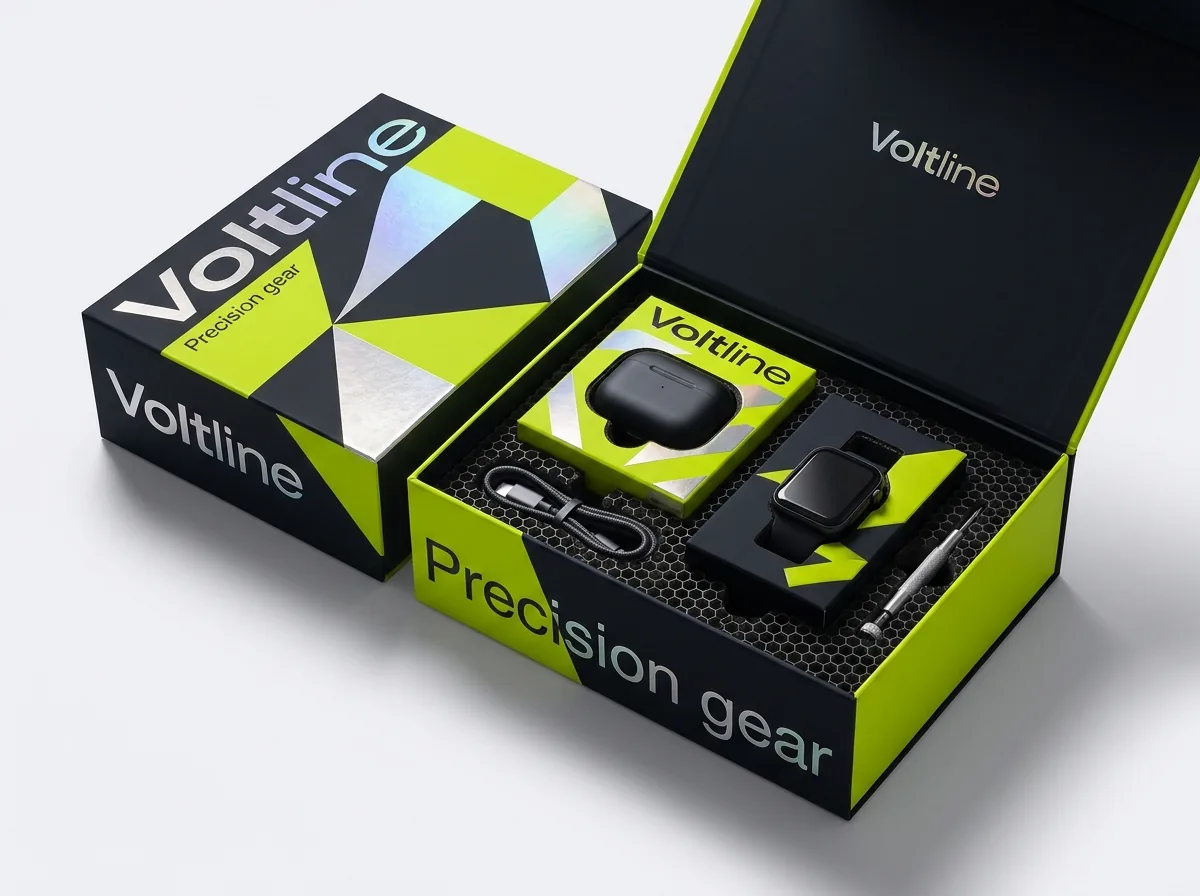
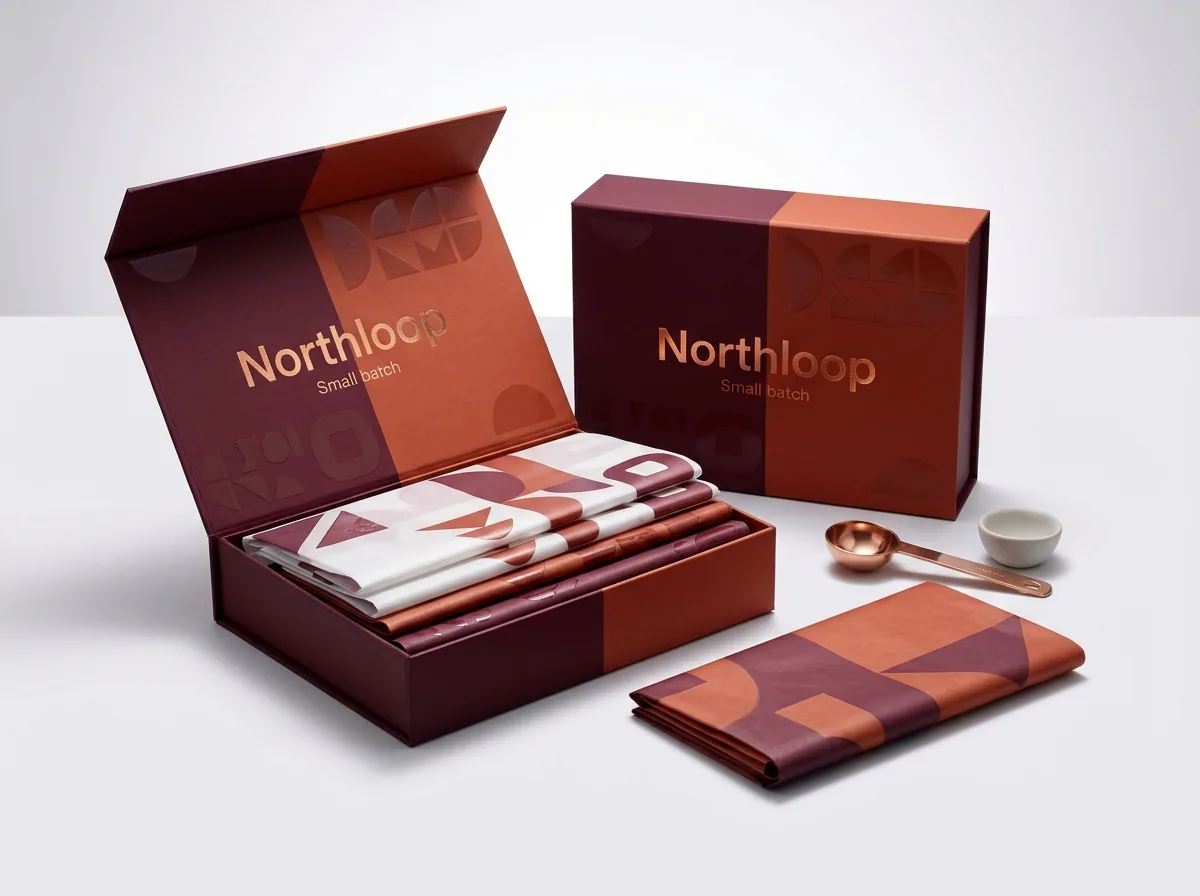
Ready to order box inserts? Compare up to 3 quantities with a free 3D mockup.
Request a Quote →Questions about box inserts
Can I combine a printed cardboard top-sheet with an EVA or EPE foam base?
Yes. Laminating a printed matte, soft-touch or foil-stamped paperboard card over the top face of an EVA or EPE foam insert gives you the best of both materials: full-color branding on the surface and snug closed-cell foam cushioning underneath.
Which box insert material is most economical for e-commerce mailer boxes?
Die-cut corrugated and paperboard card inserts are the most economical choice for e-commerce mailers. They die-cut from flat sheets with no multi-layer lamination step, ship flat to save freight and storage space, and fold into place in seconds.
Does EVA foam have an odor when sealed inside a rigid gift box?
Standard packaging-grade EVA foam airs out during converting, and for scent-sensitive products like fine fragrance, candles, tea or chocolate sets, you can choose odorless EPE foam, molded/honeycomb paper or folded paperboard inserts.
Can corrugated or honeycomb inserts hold heavy glass bottles during parcel shipping?
Yes. Properly engineered E-flute or B-flute corrugated cradles and multi-layer kraft honeycomb pads create a suspension buffer around glass bottles and jars. We also offer physical prototypes and drop and crush testing so you can verify performance before full production.
What colors do EVA foam and EPE foam inserts come in?
Charcoal black and bright white are the standard stock colors for both EVA and EPE foam inserts, and custom foam colors or colored velvet/paper top-sheets can be quoted on request.
Can I see and feel all four insert materials before placing a full order?
Yes. Order our $50 sample kit (which is credited toward your first order) or ask your account manager for a custom prototype built to your exact product dimensions so you can test the fit and finish in person.
Still have a question? Ask a packaging specialist.
Request a Quote →Request your box inserts quote
Tell us your size and quantities, and one dedicated account manager prepares pricing for each tier.
- Free design & AI-to-print studio + 3D mockup
- No die or plate charges · 4–5 day rush available
- Free shipping to all 50 states
- 10% off your first order
This material comparison is based on ASTM closed-cell foam cushioning properties, TAPPI corrugated flute classifications and ISTA parcel transit testing standards, reviewed by a CubitPack packaging specialist. Spot an error? Tell us and we will fix it.
Sources
What changed
- October 22, 2026: First published.
- October 22, 2026: Updated specifications, terminology, and verified source links.
More guides
New packaging guides by email
Sizes, materials and design tips. Unsubscribe anytime.