
Folding paperboard vs corrugated flute cardboard inserts: which protects your product?
Short answer: Choose smooth folding paperboard (16 pt to 24 pt SBS or kraft card) for lightweight cosmetics, tubes and retail cartons under 6 oz where fine print and foil detail matter most. Choose E-flute or B-flute corrugated custom cardboard inserts for heavy glass jars, candles, ceramics and parcel shippers.
On this page
- How do folding paperboard, E-flute, B-flute and slotted partitions compare side by side
- When is smooth 16 pt to 24 pt folding paperboard the right insert choice
- When do glass jars, candles and mailers need E-flute or B-flute corrugated
- How do interlocking slotted partitions compare with folded riser trays
- When should you step up from cardboard to EVA foam or honeycomb inserts
- Common mistakes
- FAQs
Request a custom quoteFree dieline & 3D mockup
Although shoppers often call every fiber tray a cardboard insert, our design team divides them into two very different material families: single-ply folding paperboard in solid bleached white card or unbleached brown kraft card and multi-layer fluted corrugated fiberboard in thin E-flute or thicker B-flute, with exact board calipers and flute profiles confirmed with your quote. Folding paperboard creases along razor-sharp score lines, accepts magazine-grade CMYK printing, soft-touch lamination and metallic foil stamping, and fits neatly inside slender cosmetic folding cartons. Fluted corrugated board sandwiches an arched wavy medium between two flat linerboards, creating tiny vertical columns that resist top-to-bottom crushing and side-wall parcel drops when cradling 9 oz glass candles, ceramic mugs or 6-pack beverage bottles. Both options ship flat to your warehouse and recycle in household paper bins.
How do folding paperboard, E-flute, B-flute and slotted partitions compare side by side?
Picking the right internal fiber structure comes down to three physical variables: the individual weight and fragility of your items, whether the outer package travels through parcel carriers on its own or ships inside a retail case, and how much branding you want printed on the insert face. When you order die-cut cardboard box inserts from CubitPack, our structural team matches the board caliper or flute profile to your product weight and outer box style at no engineering charge. A lightweight retail shelf carton has very different shock demands than a direct-to-consumer subscription box dropped onto a concrete porch from waist height. Use the comparison matrix below to benchmark the four core cardboard insert constructions before requesting your custom dieline.
| Insert board & style | Typical thickness | Item weight & drop protection | Print & finish capability | Best packaging application |
|---|---|---|---|---|
| Folding paperboard riser (SBS / Kraft card) | 16 pt to 24 pt (0.016–0.024 in) | Light items under 6 oz; prevents shifting in retail boxes | Offset-grade CMYK, Pantone, soft-touch, foil & spot UV | Serum droppers, lipsticks, mascara tubes and folding cartons |
| E-flute corrugated cradle tray | ~1/16 in (1.5–1.8 mm) micro-flute | Medium to heavy items (6–18 oz); rigid deck + crush legs | Full CMYK, Pantone, matte or gloss lamination, foil accents | Skincare routines, 8–10 oz candles, supplements and PR mailers |
| B-flute corrugated suspension collar | ~1/8 in (2.8–3.2 mm) standard flute | Heavy fragile items (16–48+ oz); 0.5 in perimeter air buffer | Flood Pantone, bold CMYK or natural brown/white kraft | Large glass candles, ceramic mugs, electronics and shippers |
| Interlocking slotted corrugated grid | E-flute (1/16 in) or B-flute (1/8 in) strips | Isolates 4, 6, 12 or 24 upright cylinders from clinking | Usually unprinted kraft/white or simple 1-color tint | Hot sauce multi-packs, honey jars, spice sets and cans |
When is smooth 16 pt to 24 pt folding paperboard the right insert choice?
Single-ply folding paperboard (available in bright white SBS, natural brown kraft card and post-consumer recycled card) is the standard internal liner for retail custom product boxes and cosmetic cartons. Because the sheet has no internal corrugated flutes, it die-cuts with smooth, lint-free cavity rims and folds into tight 90-degree neck locks, angled display cradles and narrow 0.375-inch bridges without bulky corner overlap. If you are packing a 1 oz glass dropper bottle, a 10 ml rollerball perfume, an aluminum concealer tube or an artisanal chocolate bar inside a tuck-end folding carton, a paperboard riser keeps the item centered behind a front window cutout or stops it from rattling on store shelves. Clay-coated SBS paperboard also accepts fine-line typography, QR codes, metallic foil stamping and velvety soft-touch lamination that match the exterior of your carton.
- Fits tight clearances inside compact folding cartons where thick corrugated walls would crowd the product.
- Folds into delicate two-tier neck-lock tabs that grip narrow dropper collars and perfume atomizers.
- Delivers the smoothest surface for full-color CMYK graphics, Pantone spot inks, foil stamping and embossing.
- Ships and stores ultrathin on pallets, stacking hundreds of flat pre-scored blanks in a single master case.
When do glass jars, candles and mailers need E-flute or B-flute corrugated?
Once a single vessel exceeds roughly 6 to 8 ounces, or whenever a multi-item bundle ships directly through UPS, FedEx or USPS inside custom mailer boxes with inserts, single-ply paperboard can bow under G-force drop impacts. That is where fluted corrugated board takes over. E-flute corrugated (roughly 1/16 inch thick with 90 flutes per linear foot) is the workhorse of e-commerce subscription kits and influencer PR boxes. Its closely spaced micro-flutes create a flat, printable top deck that resists warping while providing vertical column strength when its side legs fold down onto the mailer floor. For heavier 12 oz to 24 oz glass candle tumblers, stoneware mugs or glass diffuser bottles, B-flute corrugated (roughly 1/8 inch thick) provides double the cushioning depth, folding into a 0.5-inch perimeter air-cell suspension collar that keeps fragile glass away from outer box walls. When our design team orient the corrugated flutes vertically along the folded riser legs, the arched medium acts like a row of miniature I-beams underneath your jars. Even if a parcel carrier stacks a heavy shipping carton on top of your mailer, the vertical E-flute or B-flute legs transfer the load down to the bottom panel without collapsing into the product well.
Know your size? Compare pricing across up to 3 quantities.
Request a Quote →How do interlocking slotted partitions compare with folded riser trays?
If you are shipping four, six or twelve identical upright glass bottles or jars inside custom shipping boxes, a flat top-deck tray with circular cutouts only holds the shoulders or bases of the jars while using extra board around the perimeter. An interlocking slotted corrugated partition solves this by sliding flat lengthwise and crosswise corrugated strips together at right angles to form full-height vertical walls between every single bottle. Because the divider walls run the full vertical height of the jars, they prevent glass-to-glass impact across the entire body of the container and add top-to-bottom stacking strength to the outer shipping carton. On the other hand, if your kit combines items of different shapes and heights (such as a cleanser tube, a round cream jar and a flat gua sha tool), a die-cut folded E-flute riser tray with stepped floor depths is the right choice.
When should you step up from cardboard to EVA foam or honeycomb inserts?
Folded paperboard and corrugated inserts cover the vast majority of cosmetics, candles, food jars and e-commerce kits while staying 100% curbside-recyclable paper fiber and shipping flat. However, two scenarios call for a thicker block insert: high-value electronics or luxury rigid gift sets that require a plush friction pinch fit, or heavy irregular hardware that cannot be supported by folded score lines. If you want an all-paper sustainable block with deep 0.5 to 2.0-inch die-cut cavities, compare our rigid custom honeycomb inserts. If you need non-abrasive closed-cell cushioning for precision optics, glass vials or magnetic rigid boxes, explore custom EVA foam inserts or custom EPE foam inserts. Minimums depend on the product; we confirm yours with your quote, and every order includes free structural design, a 3D mockup and free 50-state shipping in 10 to 14 business days.
- Choose folding paperboard or E-flute corrugated when flat warehouse storage and printed deck graphics are top priorities.
- Choose die-cut honeycomb board inserts when you want thick, pre-glued paper cushioning blocks without folding legs.
- Choose EVA or EPE foam inserts when delicate electronics or luxury glass flacons need zero-clearance friction retention.
What mistakes happen when choosing between paperboard and corrugated inserts?
Avoid these five material-selection pitfalls before approving your insert specification
- Specifying thin 18 pt folding paperboard to hold a heavy 12 oz glass candle jar inside a parcel mailer without a corrugated cradle underneath.
- Choosing thick B-flute corrugated for a small retail cosmetic folding carton where the 1/8-inch board walls crowd the bottle and show raw flute edges.
- Running corrugated flutes horizontally across load-bearing riser legs instead of vertically, which cuts vertical crush resistance in half.
- Printing un-laminated dark ink across sharp 90-degree paperboard folds without scoring with the grain, leading to fiber cracking at the crease.
- Ordering a single-deck cutout tray for 12 tall glass sauce bottles instead of an interlocking full-height corrugated partition grid.
Packaging for this
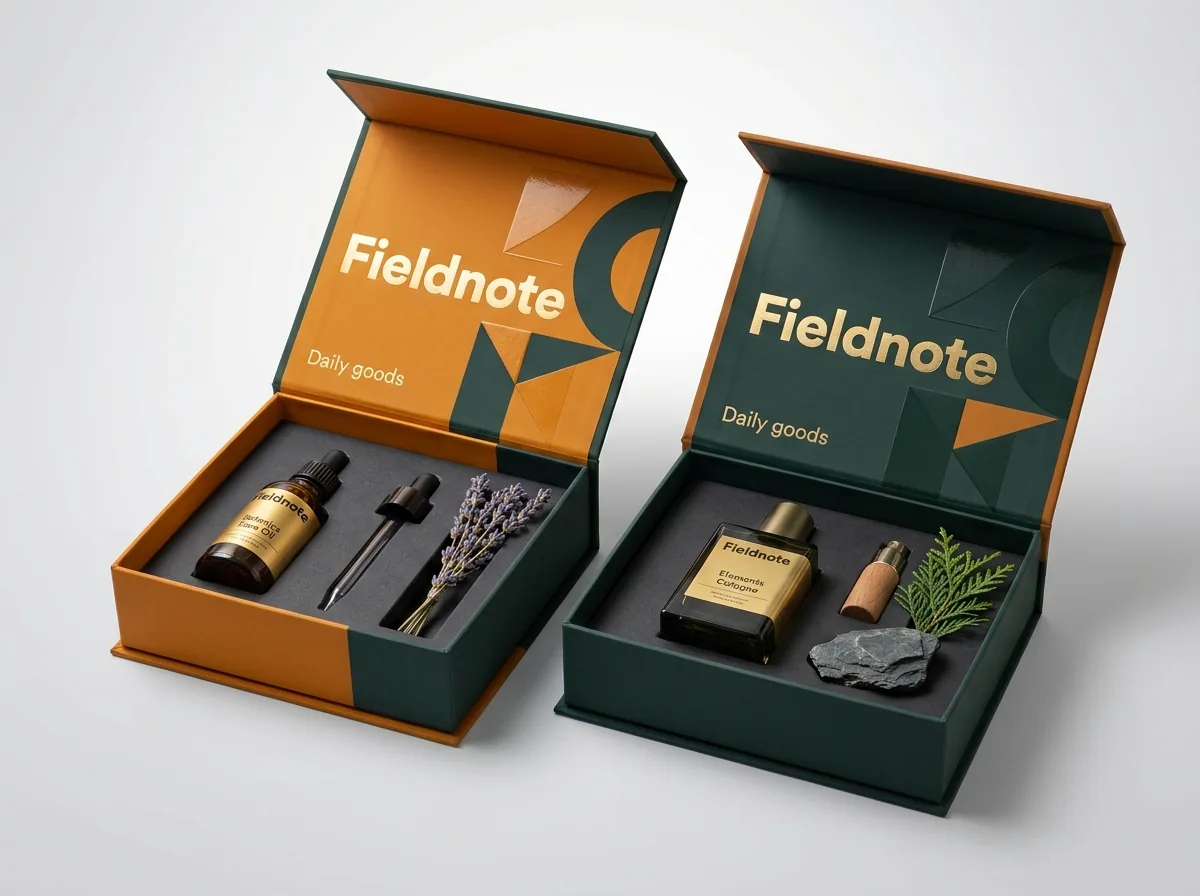

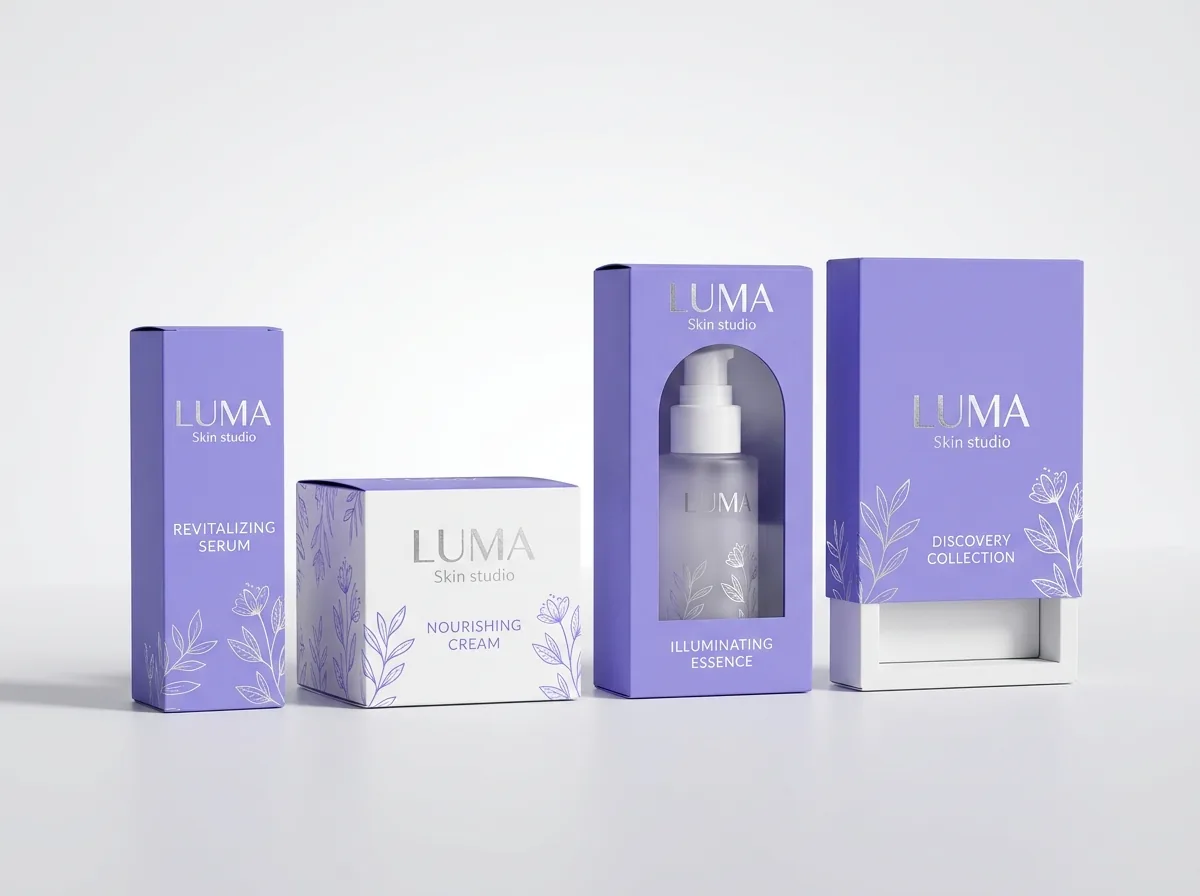
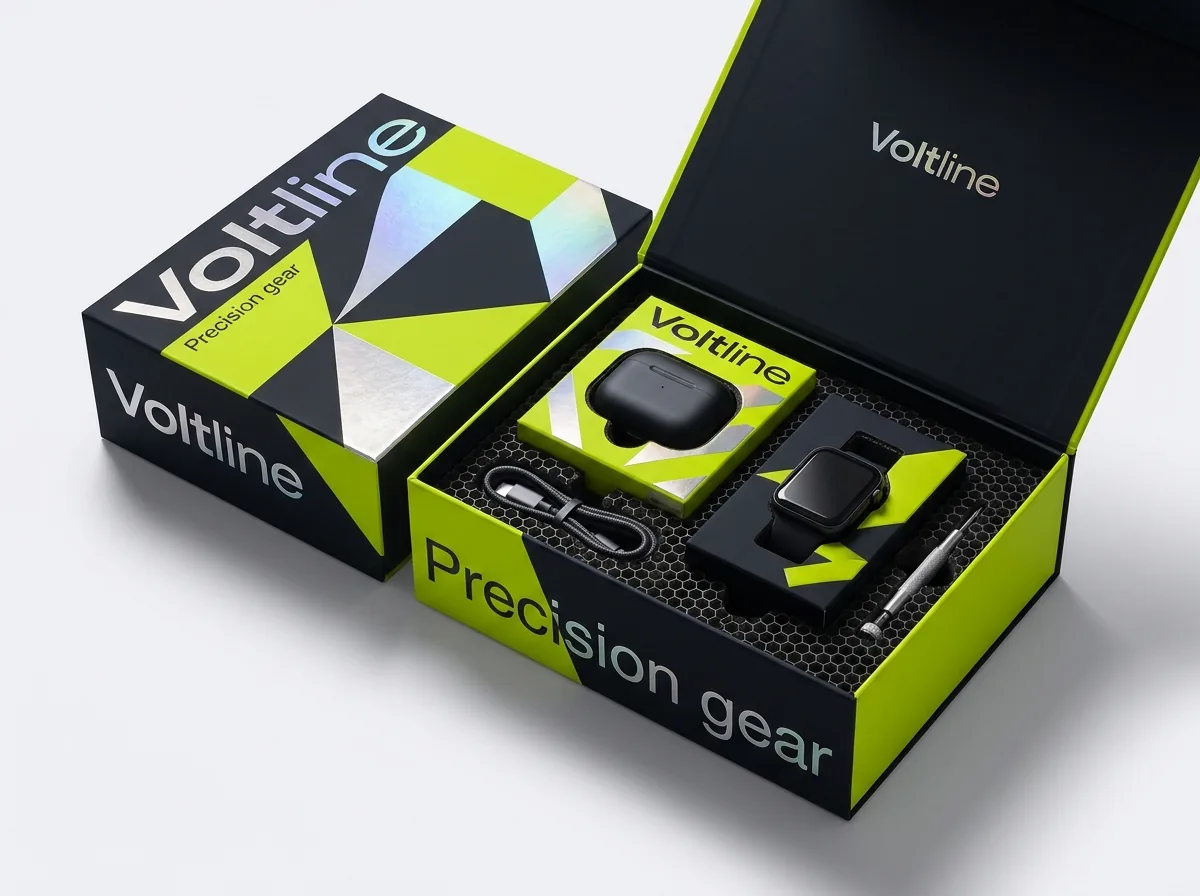
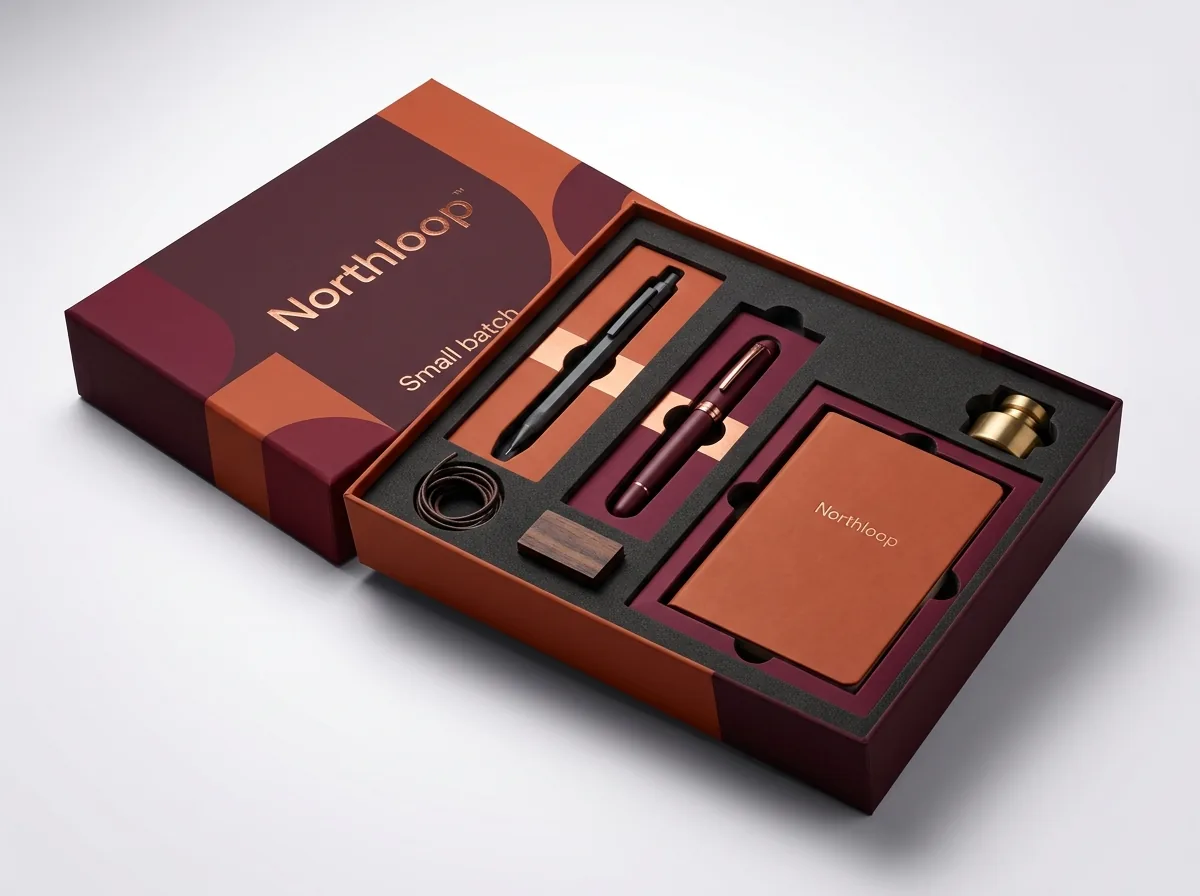
Ready to order cardboard inserts? Compare up to 3 quantities with a free 3D mockup.
Request a Quote →Questions about cardboard inserts
What is the difference between folding paperboard and corrugated cardboard inserts?
Folding paperboard is a single-layer solid card sheet (16 pt to 24 pt thick) that folds crisply and prints like a luxury cosmetic carton. Corrugated cardboard has an arched fluted medium sandwiched between two flat linerboards (E-flute or B-flute) for heavy-duty shock and crush protection.
Can E-flute corrugated cardboard inserts be printed in full color or Pantone?
Yes. White-top E-flute corrugated has a smooth outer liner and finely spaced micro-flutes that take full-color CMYK, guaranteed Pantone spot colors, matte or soft-touch lamination and metallic foil stamping while supporting much heavier jars than thin paperboard.
Which cardboard insert is best for 9 oz and 12 oz glass candle jars?
For glass candle tumblers shipping in the mail, we recommend an E-flute or B-flute corrugated suspension insert engineered with a 0.5-inch folded perimeter air-cell collar. That air gap absorbs parcel drop energy before the glass can strike the outer box wall.
Do raw flute edges show on a die-cut corrugated cardboard insert?
The inner rim of a die-cut cavity in E-flute or B-flute board shows the thin cross-section of the flute, whereas folding paperboard shows a solid card edge. For perimeter walls, we can engineer roll-over double walls that hide outer raw edges completely.
Are both paperboard and corrugated inserts 100% curbside recyclable?
Yes, un-laminated kraft and white paperboard as well as E-flute and B-flute corrugated inserts are single-stream paper fiber that customers can toss directly into their household recycling bin along with the outer mailer or shipping carton.
Can I request physical samples of paperboard vs E-flute before ordering?
Yes. You can order our $50 sample kit to feel paperboard, kraft and corrugated stocks in person, or request a custom-cut physical prototype of your exact insert dieline to test-fit your bottles and run drop tests before full production.
Still have a question? Ask a packaging specialist.
Request a Quote →Request your cardboard inserts quote
Tell us your size and quantities, and one dedicated account manager prepares pricing for each tier.
- Free design & AI-to-print studio + 3D mockup
- No die or plate charges · 4–5 day rush available
- Free shipping to all 50 states
- 10% off your first order
The material comparisons in this guide follow TAPPI paperboard caliper standards, corrugated flute classifications (E-flute vs B-flute) and ISTA parcel drop-protection principles. A CubitPack packaging specialist reviewed every specification. Spot an error? Let us know and we will fix it.
Sources
What changed
- October 22, 2026: First published.
- October 22, 2026: Updated specifications, terminology, and verified source links.
More guides
New packaging guides by email
Sizes, materials and design tips. Unsubscribe anytime.