
EVA foam vs EPE foam vs PU sponge box inserts: which foam fits your product?
Short answer: Choose custom EVA foam inserts for luxury rigid boxes, perfume, watches and jewelry that need a smooth, dense matte finish; choose EPE polyethylene foam for lower-cost transit shock cushioning on heavy electronics and tools; and choose open-cell PU sponge for ultra-light delicate ornaments or crystal.
On this page
- What is the structural difference between EVA, EPE and PU sponge foam
- How do EVA foam, EPE foam and PU sponge compare side by side
- When is closed-cell EVA foam the right choice for your box
- When should you switch to EPE polyethylene foam or open-cell PU sponge
- Can you hide EPE foam under a printed cardstock top sheet to save money
- Common mistakes
- FAQs
Request a custom quoteFree dieline & 3D mockup
Packaging buyers often ask for 'black foam inserts' without realizing that three completely different polymers dominate custom box inserts: ethylene-vinyl acetate (EVA), expanded polyethylene (EPE) and polyurethane (PU) sponge. Both EVA and EPE are closed-cell foams - meaning their microscopic gas bubbles are sealed, waterproof and stiff enough to hold a tight pinch fit - whereas PU sponge is an open-cell foam with interconnected pores that compress effortlessly like a soft sofa cushion. EVA has a micro-fine cell structure that die-cuts with razor-sharp vertical walls and a uniform matte surface for luxury rigid gift boxes, watches, fragrance and cosmetics. EPE has a coarser, slightly sparkly cell grain that excels at absorbing multi-drop transit shock inside corrugated shippers for heavy electronics, tools and bottles at a lower material cost per cubic inch. Matching the right polymer to your product weight prevents transit damage and overspending.
What is the structural difference between EVA, EPE and PU sponge foam?
The visual look and mechanical grip of a foam insert come down to whether its internal cells are closed or open, and how small those cells are blown during extrusion. When you hold all three foams side by side in your hand, you can feel and see the difference immediately. Closed-cell foams trap nitrogen or air inside millions of individual sealed pockets that act like tiny pneumatic shock absorbers, while open-cell foams let air move freely through a sponge-like web. When you order closed-cell EVA foam inserts or EPE cushioning trays from CubitPack, our structural team matches the polymer, thickness and density to your exact product weight, fragility and unboxing tier so you never overpay for density you do not need or under-protect heavy glass and metal in transit.
- EVA (Ethylene-Vinyl Acetate, closed-cell): Micro-fine sealed cells create a dense, rubber-like, velvety-smooth matte block with zero visible bubble grain. Holds crisp vertical die-cut walls and firm pinch-fit tolerances.
- EPE (Expanded Polyethylene, closed-cell): Larger sealed cells create a lighter, springy, semi-rigid plank with a visible bead-like cell texture. Absorbs repeated parcel drop shock without bottoming out.
- PU (Polyurethane Sponge, open-cell): Interconnected breathable pores create an ultra-soft, compressible sponge that yields under almost zero pressure and springs back slowly.
- Paperboard & Honeycomb alternatives: When a brand wants a 100% curbside-recyclable, plastic-free cradle, folded paperboard or hex-cell kraft honeycomb replaces polymer foam.
How do EVA foam, EPE foam and PU sponge compare side by side?
No single foam wins every packaging job. Heavy industrial gauges will crush soft open-cell PU sponge on the first parcel drop, while coarse EPE polyethylene looks too industrial inside a luxury watch or perfume presentation box. Compare all three polymers across eight engineering criteria below before locking in your tray specification.
| Feature | EVA Foam (Closed-Cell) | EPE Foam (Closed-Cell) | PU Sponge (Open-Cell) |
|---|---|---|---|
| Cell structure & surface look | Micro-fine closed cells; smooth, uniform matte finish | Coarser closed cells; visible semi-gloss cell grain | Open breathable pores; soft textured sponge surface |
| Feel & Shore hardness | Dense, firm & rubbery (approx. 38-70 Shore C) | Light, springy & semi-rigid | Very soft & plush; compresses with fingertip pressure |
| Die-cut edge sharpness | Razor-sharp vertical walls; holds tight slits & notches | Clean cut walls; slight cell texture on inside edges | Soft edges; walls flex inward if cut with narrow bridges |
| Pinch-fit grip strength | High (-0.5 to -1.5 mm grips heavy glass & metal) | Medium-high (-1.5 mm grips tools, bottles & gear) | Low (gentle friction only; will not lock heavy items) |
| Drop shock protection | High for medium-weight luxury items & glass flacons | Highest multi-impact shock recovery for heavy cargo | Light cushioning only; bottoms out under heavy loads |
| Water & oil resistance | Waterproof, oil-resistant, non-dusting sealed cells | Waterproof, chemical-resistant sealed cells | Absorbs water and oils like a sponge if exposed |
| Top-sheet lamination | Best flat base for flocked velvet & printed SBS card | Can take a printed card top sheet; not used for ring slits | Frequently topped with soft velvet for light jewelry pads |
| Relative unit cost | Premium (highest density & cosmetic finish) | Economical (lower polymer weight per cubic inch) | Low to moderate (used for thin pads & lid cushions) |
When is closed-cell EVA foam the right choice for your box?
Pick EVA foam whenever the insert is part of the visual stage of your unboxing experience. Because EVA has microscopic closed cells and higher density than polyethylene, it cuts with clean, square 90-degree edges in thicknesses from 3 mm to 50 mm that look almost like machined matte rubber. In deep charcoal black or bright snow white, bare EVA looks intentional inside magnetic closure rigid boxes, shoulder-neck boxes, book-style boxes and drawer boxes. EVA is also the structural standard whenever you want to laminate a printed paperboard top sheet or velvet flocking over the foam. Its flat, non-wavy top surface bonds evenly with 14 pt to 18 pt SBS cardstock (printed in CMYK or Pantone with matte, soft-touch or gold foil stamping) and holds tight 1.5 mm ring and earring slits plus 12 to 16 mm thumb notches without tearing. When a customer lifts a 100 ml glass perfume flacon, watch or commemorative coin out of an EVA well, the cavity walls rebound 100% without crumbling or shedding foam dust onto polished metal or glass.
Know your size? Compare pricing across up to 3 quantities.
Request a Quote →When should you switch to EPE polyethylene foam or open-cell PU sponge?
If your primary goal is protecting a 4-pound aluminum audio interface, an automotive sensor kit, a set of steel hand tools or two 750 ml olive oil bottles against 3-foot parcel drops inside a corrugated mailer, custom EPE foam inserts give you more shock thickness per dollar than EVA. Because expanded polyethylene weighs less per cubic foot and rebounds rapidly after repeated impacts, you can build 1.5-inch to 2-inch thick trays or two-piece suspension end caps at a lower unit cost while passing ISTA 3A parcel drop tests. Open-cell polyurethane (PU) sponge serves two specialized roles: first, as a convoluted ('egg-crate') or flat top lid pad glued inside the lid of a tool case to press gently down on the tops of items; and second, as an ultra-soft bed for weightless, fragile items like blown-glass Christmas ornaments or delicate porcelain figurines that could crack if forced into a stiff closed-cell pinch cavity. To compare all insert families including paper-based options, see our custom box inserts, custom cardboard inserts and custom honeycomb inserts.
Can you hide EPE foam under a printed cardstock top sheet to save money?
Yes. One of the smartest value-engineering moves in custom packaging is pairing an economical EPE foam base with a printed paperboard top sheet. If you are shipping a heavy skincare kit, wellness bundle or smart home device where thick foam cushioning is required, using 100% high-density EVA at 40 mm thickness adds material weight and cost. By die-cutting the shock-absorbing cavity wall out of charcoal or white EPE foam and laminating a matte-laminated, Pantone-printed SBS cardstock face over the top surface, the customer sees your branded typography, step numbers and graphics on top while the EPE foam underneath handles the parcel drop shock. Our CAD team can quote both an all-EVA version and a card-topped EPE version so you can compare unit pricing side by side across three quantity tiers.
- 100% Bare EVA: Best for luxury perfume, watches, cosmetics and tech where the smooth inner cavity walls are visible.
- Velvet-Topped EVA: Best for fine jewelry, rings, necklaces, cufflinks, commemorative coins and collector medals.
- Card-Topped EVA or EPE: Best for multi-item starter kits, PR influencer boxes and electronics that need printed labels beside each pocket.
- 100% Bare EPE: Best for industrial tools, medical instruments, spare parts and heavy glass bottle shippers.
What mistakes do brands make when choosing between EVA, EPE and PU foam?
Picking the wrong foam polymer can leave heavy items bottoming out in transit or make a luxury gift box look like an industrial parts carton. Avoid these five mistakes
- Using soft open-cell PU sponge for heavy glass perfume bottles or metal electronics, which compress the sponge flat and strike the box walls.
- Putting coarse, shiny white EPE polyethylene foam inside a luxury rigid watch or jewelry box where smooth matte EVA belongs.
- Cutting narrow 1.5 mm jewelry ring slits into coarse EPE foam instead of dense micro-cellular EVA foam.
- Specifying 70 Shore C extra-hard EVA foam for thin hollow paper tubes or fragile glass ampoules that need a softer 38-45 Shore C grade.
- Using open-cell PU sponge around oiled metal tools or humid bath products where the open pores wick moisture.
Packaging for this
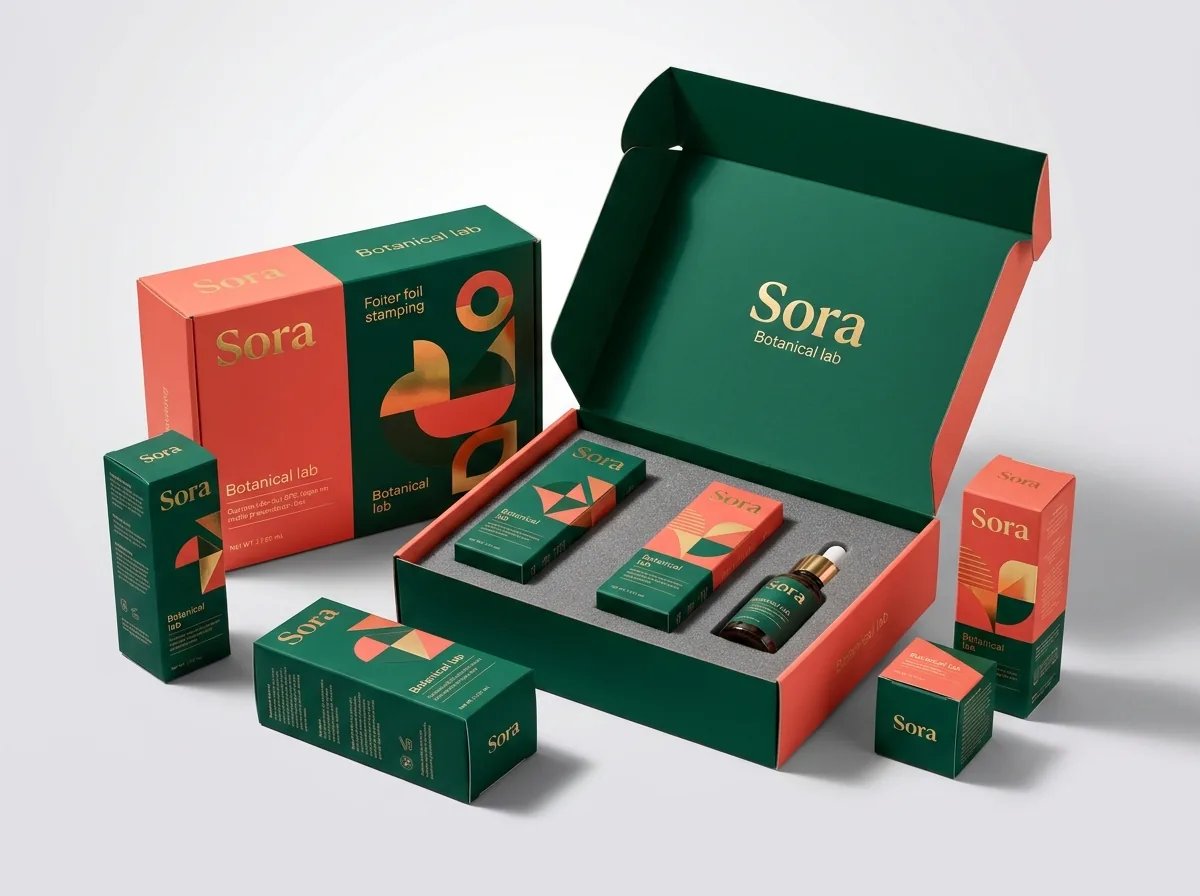
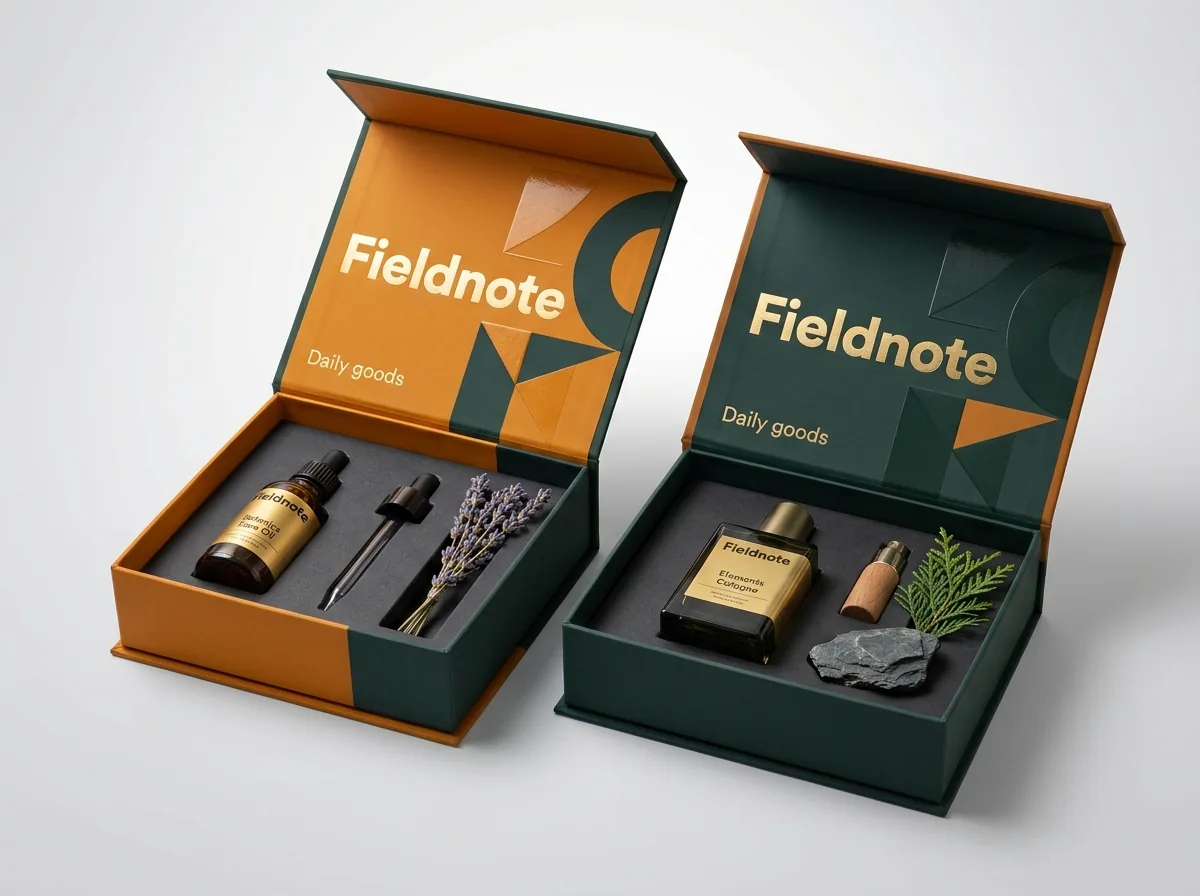

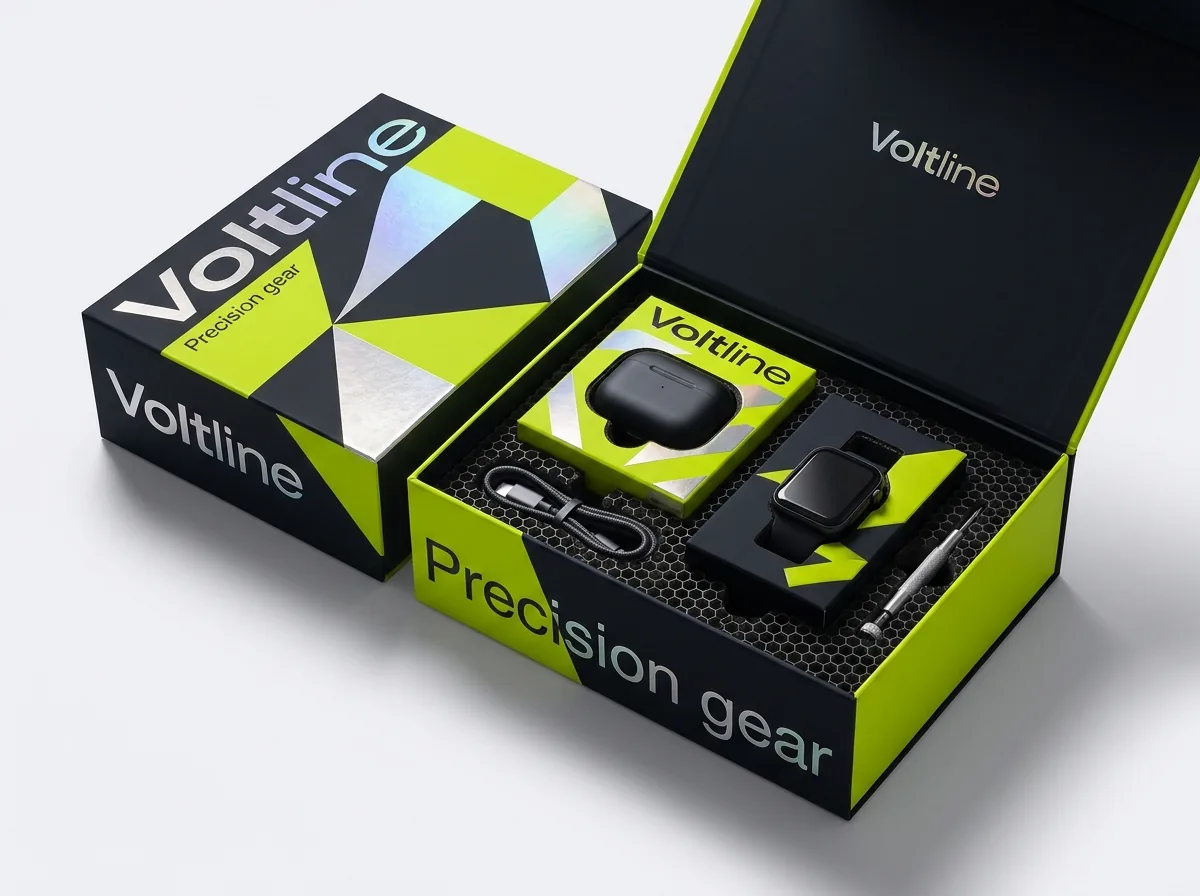
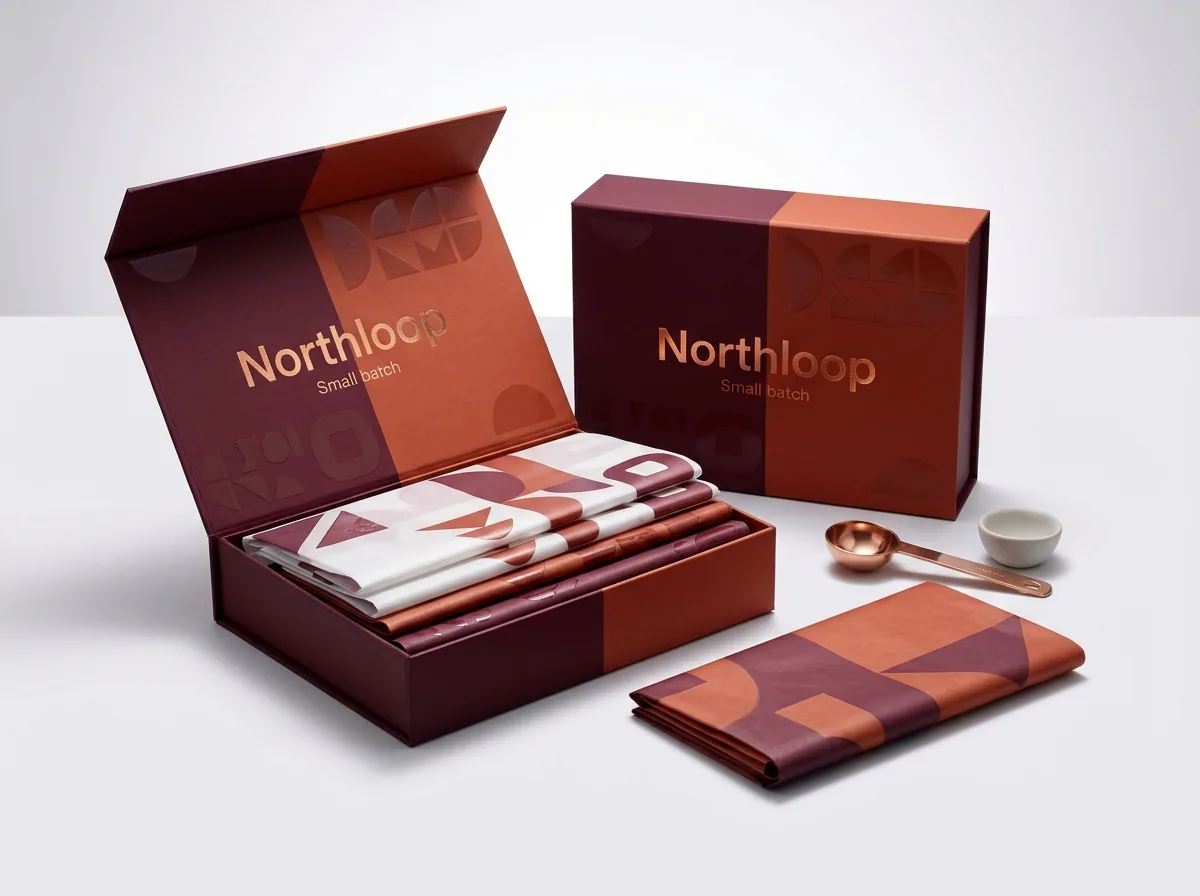
Ready to order eva foam inserts? Compare up to 3 quantities with a free 3D mockup.
Request a Quote →Questions about eva foam inserts
Which foam is smoother and denser: EVA foam or EPE foam?
EVA (ethylene-vinyl acetate) is significantly denser and smoother than EPE (expanded polyethylene). EVA has a micro-fine closed-cell structure with a velvety matte surface, while EPE has larger closed cells with a visible bead-like texture.
Is EVA foam or EPE foam more expensive?
EVA foam has a higher raw material cost per cubic inch because of its higher polymer density and vinyl acetate content. EPE foam is lighter and more economical for thick, large-format shock cushioning trays.
Can both EVA foam and EPE foam be recycled?
Because EVA and EPE trays are often multi-layer laminated and specialty-collected (resin code #4 LDPE for EPE, #7 other for EVA), neither is widely accepted in household curbside bins. If curbside recyclability is your top priority, choose our custom cardboard inserts or honeycomb inserts.
Why does open-cell PU sponge feel so much softer than EVA foam?
In open-cell polyurethane (PU) sponge, the tiny gas bubbles are interconnected so air escapes freely when you press down. In closed-cell EVA foam, each microscopic bubble is sealed, so trapped gas resists compression and grips heavy items firmly.
Which foam is best for velvet-lined jewelry and coin inserts?
Closed-cell EVA foam is the gold standard for velvet-flocked jewelry and coin trays. Its flat top surface bonds cleanly with velvet fabric, and its firm closed-cell walls hold narrow die-cut ring and earring slits upright without collapsing.
Can I request a physical sample comparing EVA foam and EPE foam?
Yes. Order our $50 sample kit to inspect our materials and finishes by hand, or request a custom physical prototype of your tray in either EVA or EPE before approving mass production.
Still have a question? Ask a packaging specialist.
Request a Quote →Request your eva foam inserts quote
Tell us your size and quantities, and one dedicated account manager prepares pricing for each tier.
- Free design & AI-to-print studio + 3D mockup
- No die or plate charges · 4–5 day rush available
- Free shipping to all 50 states
- 10% off your first order
The material comparisons in this guide are based on ASTM D3575 physical property definitions for closed-cell olefin foams (EVA and EPE) and ASTM D3574 standards for flexible open-cell polyurethane foams, reviewed by a CubitPack packaging specialist. Spot an error? Let us know and we will fix it.
Sources
What changed
- October 22, 2026: First published.
- October 22, 2026: Updated specifications, terminology, and verified source links.
More guides
New packaging guides by email
Sizes, materials and design tips. Unsubscribe anytime.