
How do you design custom EVA foam inserts with printed card or velvet top sheets?
Short answer: Because liquid ink and hot foil cannot bond cleanly to bare closed-cell foam, we laminate a 14 to 18 pt SBS cardstock or flocked velvet top sheet over the EVA before die-cutting. On custom EVA foam inserts, keep logos 5 mm back from cavity cuts and include a 3 mm bleed.
On this page
- Should you choose bare matte EVA, flocked velvet or a printed paperboard top sheet
- How do bare EVA, velvet-topped EVA and card-topped EVA compare for branding and cost
- How do you set up artwork and safe zones for a card-topped EVA foam dieline
- How do you specify low-odor EVA for perfume and tarnish-free trays for jewelry
- How can you lower the unit cost of custom EVA foam inserts
- Common mistakes
- FAQs
Request a custom quoteFree dieline & 3D mockup
When you open a luxury skincare kit, tech starter box or jewelry gift box and see full-color CMYK graphics, soft-touch matte coating or metallic gold foil text surrounding each recessed product well, you are not looking at ink printed directly onto rubbery foam. Liquid offset inks crack and rub off elastic EVA, and hot foil dies melt bare foam cells. Instead, converters print and finish a thin 14 to 18 pt SBS paperboard sheet (or bond a plush flocked velvet fabric) first, laminate that sheet flat onto the top EVA foam layer, and then steel-rule die-cut the product cavities and thumb notches through both layers at once so the top face and foam walls align cleanly without frayed edges or ink flaking. To prepare your artwork, keep all typography and foil logos at least 5 mm away from every cavity cutout and extend background colors 3 mm inward into the cutout holes.
Should you choose bare matte EVA, flocked velvet or a printed paperboard top sheet?
Before opening Adobe Illustrator, decide which of the three top-surface constructions fits your brand aesthetic and product category. Each option changes what artwork files (if any) you need to prepare. When you order velvet and card-topped EVA foam inserts from CubitPack, our prepress team supplies the exact layered CAD dieline and 3D mockup for free before you pay.
- Bare Matte EVA (Black, White or Pantone-matched): No printing required. Best for minimalist tech hardware, cologne flacons and men's watches where clean matte charcoal or white walls frame the product.
- Flocked Velvet or Faux-Suede Top on EVA: Plush textile surface laminated to the top EVA layer before die-cutting. Best for rings, necklaces, earrings, luxury watches, cufflinks and collector coins.
- Printed Paperboard (SBS Card) Top on EVA: A 14 to 18 pt cardstock sheet printed in CMYK or Pantone with matte, gloss, soft-touch or foil finishes and laminated onto the EVA base. Best for multi-item skincare kits, PR boxes and onboarding sets.
- Satin Fabric Wrap over EVA: Loose or pleated satin cloth tucked around an EVA cavity block for traditional presentation cases and keepsakes.
How do bare EVA, velvet-topped EVA and card-topped EVA compare for branding and cost?
Adding a laminated top sheet changes both the visual branding possibilities and the converting workflow. Use the table below to compare how bare EVA, velvet-flocked EVA and cardstock-topped EVA handle logos, fine text, jewelry slits and unit cost.
| Design feature | Bare Matte EVA Foam | Velvet-Flocked Top on EVA | Printed SBS Card Top on EVA |
|---|---|---|---|
| Surface texture | Smooth, micro-cellular matte rubber | Plush, soft-pile velvet or faux suede | Smooth paperboard (matte, gloss or soft-touch) |
| Full-color CMYK / Pantone print | No (custom foam colors at higher MOQs) | No (solid dyed velvet colors only) | Yes (full CMYK, Pantone & photographic art) |
| Metallic foil stamping | Not recommended on bare foam | Blind deboss or bold foil logo on flat border | Crisp gold, silver, rose gold or holographic foil |
| Small text & step numbers | No | No (pile texture blurs fine type) | Yes (sharp text down to 6 pt beside each well) |
| Ring & earring slits | Yes (holds firm upright slits) | Yes (velvet folds softly into the slit edges) | No (paperboard creases around narrow slits) |
| Scratch protection on metal | Non-abrasive closed-cell polymer | Ultra-gentle plush fiber cushion | Laminated paper top; EVA walls grip the sides |
| Relative unit cost | Base EVA tier (lowest setup steps) | Mid-to-premium (adds velvet lamination) | Mid-to-premium (adds offset print + lamination) |
How do you set up artwork and safe zones for a card-topped EVA foam dieline?
Designing a printed paperboard top sheet for an EVA foam tray is just like setting up a flat folding carton dieline, with one critical difference: the steel-rule die cuts through both the cardstock and the thick elastic foam underneath. Because foam compresses slightly under the cutting blade, you need a slightly wider safe zone around every internal cavity cut and thumb notch than you would on a standard paper card. Keep all logos, step numbers ('Step 1: Cleanser', 'Step 2: Serum'), QR codes and foil borders at least 5 mm (0.2 in) back from every internal cavity cut line, finger notch and outer tray edge. Extend background colors 3 mm (0.125 in) past the outer perimeter of the tray AND 3 mm inward into the open product cutouts so no white paper edge shows if the cut shifts by 0.5 mm. Pair your card-topped foam tray with custom magnetic closure boxes or custom rigid boxes for a cohesive presentation.
Know your size? Compare pricing across up to 3 quantities.
Request a Quote →How do you specify low-odor EVA for perfume and tarnish-free trays for jewelry?
Standard industrial EVA foam can carry a mild vinyl-acetate smell right off the extrusion line, and certain chemical blowing agents can accelerate tarnish on sterling silver or unplated brass when sealed inside a tight rigid box for months. When packaging fine fragrance, luxury skincare or precious metals, always tell your account manager in Step 3 of the quote form so we specify a low-odor, aired-out cosmetic grade or tarnish-free sulfur-free EVA formulation. If your box has two stacked tiers - such as a watch or perfume bottle on the top EVA tray with charging cables, warranty cards or refill vials hidden in a second EVA tray underneath - add two grosgrain satin ribbon pull tabs anchored to the left and right edges of the upper tray. That lets your customer lift the top EVA stage out cleanly without digging their fingernails into the corners. For e-commerce shipping sets, combine your foam tray with custom mailer boxes with inserts and custom insert cards.
How can you lower the unit cost of custom EVA foam inserts?
Custom EVA foam inserts look expensive, but smart structural engineering keeps unit costs surprisingly approachable. First, always choose multi-layer die-cut lamination over CNC routing: stamping flat EVA sheets on a high-speed flatbed steel-rule press and bonding them to a 3 to 5 mm base pad costs a fraction of milling pockets out of a solid block one tray at a time (and CubitPack never charges cutting die or printing plate fees). Second, design one universal EVA tray that fits multiple SKUs in your product line - for example, a single 30 ml dropper bottle cavity that holds your Vitamin C, Hyaluronic Acid and Retinol serums alike - so you can combine your volume into one higher quantity tier (500, 1,000 or 2,500+ units). Even if you laminate a printed paperboard top sheet over the foam, our prepress team can split the press run across two or three printed card designs while using the exact same steel-rule foam cutting die underneath. Plus, your first order with CubitPack gets 10% off and we beat any written US competitor quote.
- Multi-layer flatbed die-cutting: Faster and far more economical at volume than single-block CNC routing, with zero die fees at CubitPack.
- Universal cavity geometry: Size one foam tray to fit all flavor or shade variants of the same bottle so you reach the 1,000+ quantity break.
- 2-layer instead of 4-layer construction: Use a single cutout layer plus a 4 mm base pad whenever items share a similar height.
- Compare 3 quantities in the RFQ: Type 250, 500 and 1,000 in Step 1 of the quote form to see how quickly unit cost drops.
What design mistakes should you avoid on custom EVA foam inserts?
Most prepress delays on card-topped and velvet-topped EVA trays come from placing text too close to cavity edges or trying to print on bare foam. Avoid these five mistakes
- Assuming CMYK ink or fine metallic foil can be printed directly onto bare, unlaminated EVA foam without a paperboard top sheet.
- Placing product labels or foil borders closer than 5 mm (0.2 in) to an internal cavity cutout or semicircular finger notch.
- Stopping background ink right at the cavity cut line instead of bleeding it 3 mm inward into the cutout waste area.
- Ordering a cardstock top sheet for a ring-slit jewelry tray where velvet flocking is needed to fold smoothly into the narrow slit.
- Forgetting satin ribbon lift tabs on a removable upper EVA tray that hides a second accessory compartment underneath.
Packaging for this
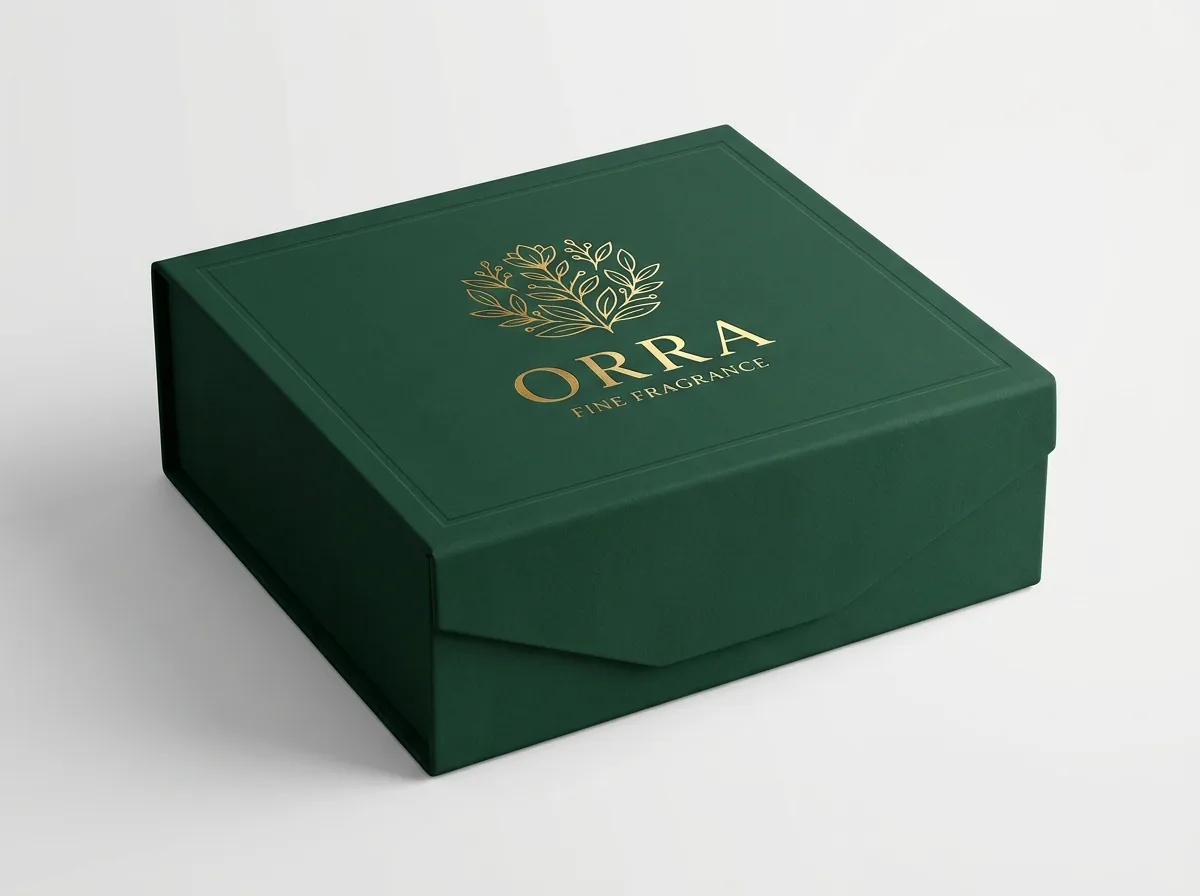
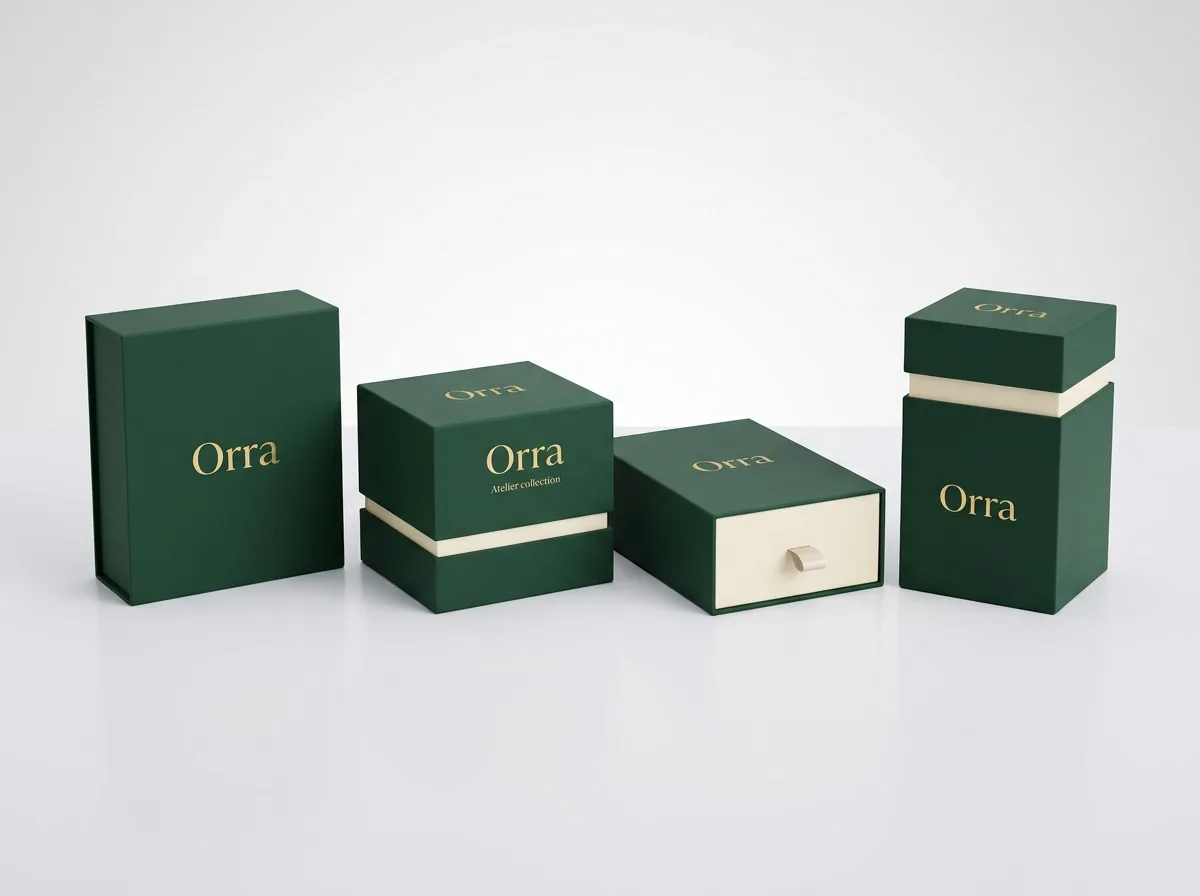
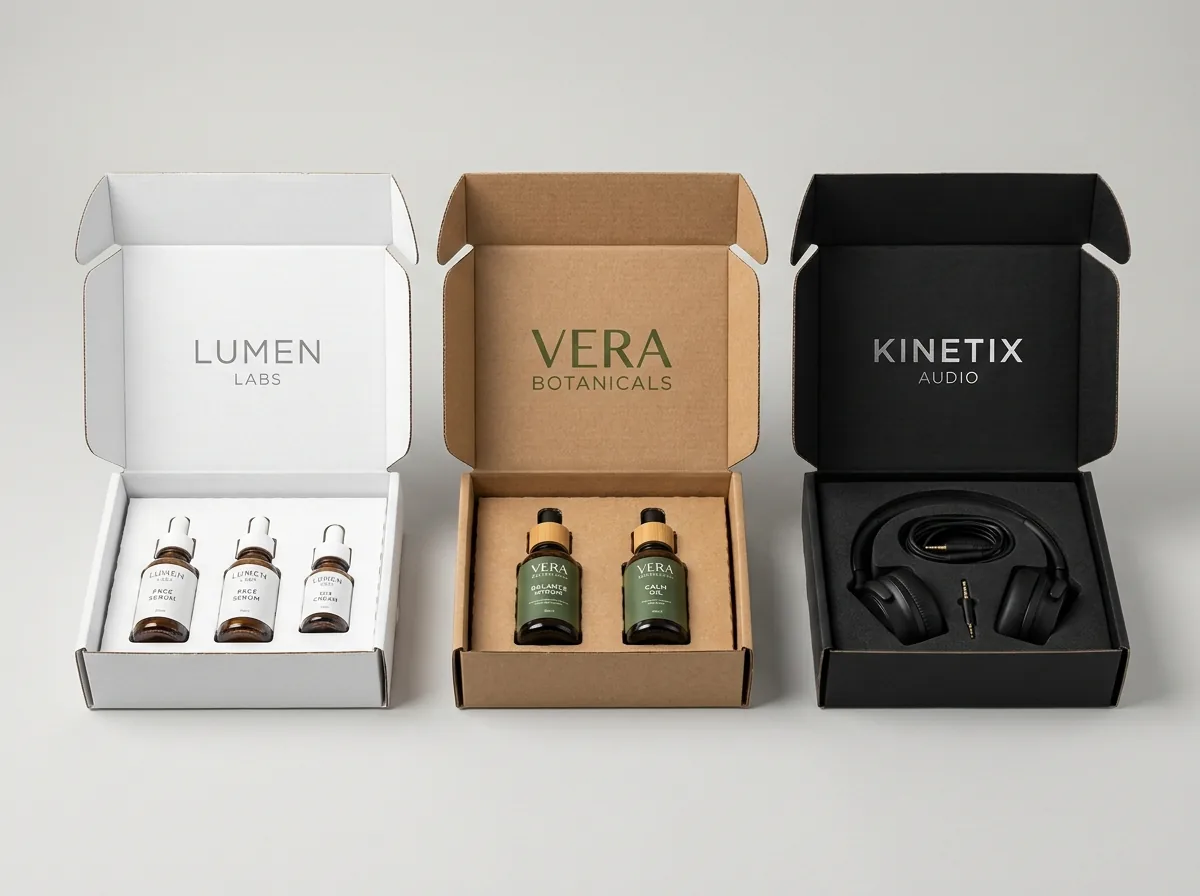
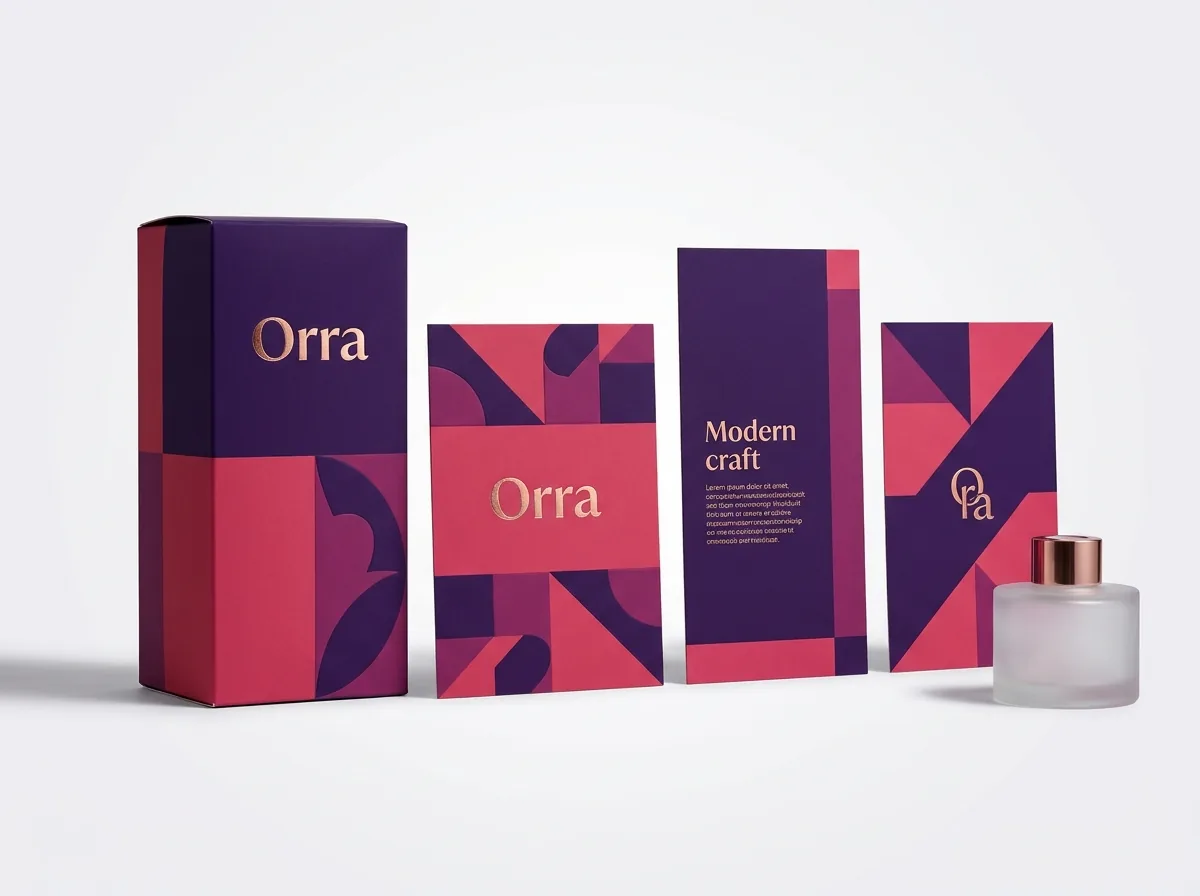
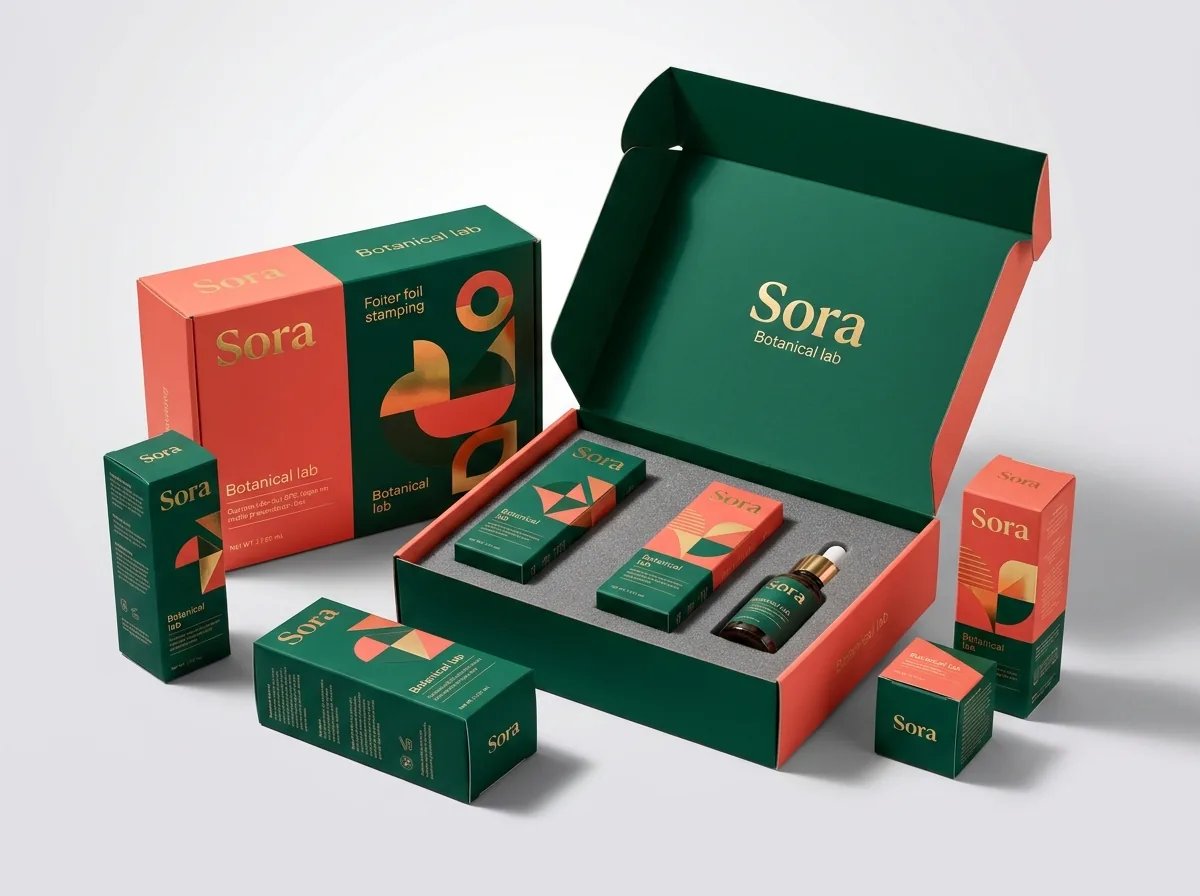
Ready to order eva foam inserts? Compare up to 3 quantities with a free 3D mockup.
Request a Quote →Questions about eva foam inserts
Can you print a logo directly onto bare EVA foam?
No. Bare EVA foam is elastic and slightly porous on cut edges, so liquid offset or digital inks do not bond sharply and hot foil dies melt the foam. For printed logos, text or foil, we laminate a 14 to 18 pt SBS cardstock top sheet (or foil-deboss a velvet top sheet) over the EVA.
Does the printed paperboard top sheet cover the inside vertical walls of the foam cavity?
No. The printed paperboard or flocked velvet sheet is laminated flat across the top deck of the EVA foam before die-cutting. When the cavities are cut, the top face shows your printed card or velvet, while the vertical inside walls of the pocket show the clean matte black or white EVA foam.
What file format do I need to send for a card-topped EVA foam insert?
Once our design team send your free 2D dieline PDF, place your vector artwork (AI, PDF or EPS in CMYK or Pantone with outlined fonts and 300 DPI images) on a separate artwork layer. If you only need bare or velvet-topped EVA with no printing, no artwork file is needed.
How do I prevent a rubbery foam smell inside a closed perfume or cosmetic gift box?
Let us know in Step 3 of the quote form that your insert is for fragrance, cosmetics or fine jewelry. We specify low-odor, aired-out EVA foam grades and tarnish-free adhesives so your unboxing smells neutral.
Can I get a physical sample of my custom EVA foam insert with the printed card top before mass production?
Yes. Every order includes a free 2D digital proof and 3D mockup before payment, and you can request a custom physical prototype of your box and EVA insert to verify the pinch fit and print finish in person.
Do you charge extra cutting die or printing plate fees for card-topped EVA inserts?
No. CubitPack never charges cutting die or printing plate fees. Your first order also receives 10% off, and standard shipping across all 50 US states is free.
Still have a question? Ask a packaging specialist.
Request a Quote →Request your eva foam inserts quote
Tell us your size and quantities, and one dedicated account manager prepares pricing for each tier.
- Free design & AI-to-print studio + 3D mockup
- No die or plate charges · 4–5 day rush available
- Free shipping to all 50 states
- 10% off your first order
The top-sheet lamination workflows, 5 mm cavity safe zones, 3 mm inward bleed rules and low-odor jewelry material notes in this guide follow standard luxury rigid box and flatbed foam converting practices, reviewed by a CubitPack packaging specialist. Spot an error? Let us know and we will fix it.
Sources
What changed
- October 22, 2026: First published.
- October 22, 2026: Updated specifications, terminology, and verified source links.
More guides
New packaging guides by email
Sizes, materials and design tips. Unsubscribe anytime.