
How do you design repeating patterns and food-safe prints on custom butter paper?
Short answer: Upload a single vector logo and let our prepress team build your repeat grid for free. On custom butter paper, scale logos to 1.0–1.25 in for soap bars or 1.5–2.25 in for deli and bakery wraps, keep lines at least 0.75 pt thick, and request food-safe options when wrapping food.
On this page
- What logo size and pattern spacing work best for soap bars, burgers and bakery boxes
- How does outer-side printing work when custom butter paper touches food or soap
- Should I choose a 45-degree diagonal repeat, a cafe checkerboard or a stripe
- How do 1 Pantone, 2 Pantone and full-color CMYK affect butter paper cost
- How do you coordinate butter paper prints with seal stickers and thank you cards
- Common mistakes
- FAQs
Request a custom quoteFree dieline & 3D mockup
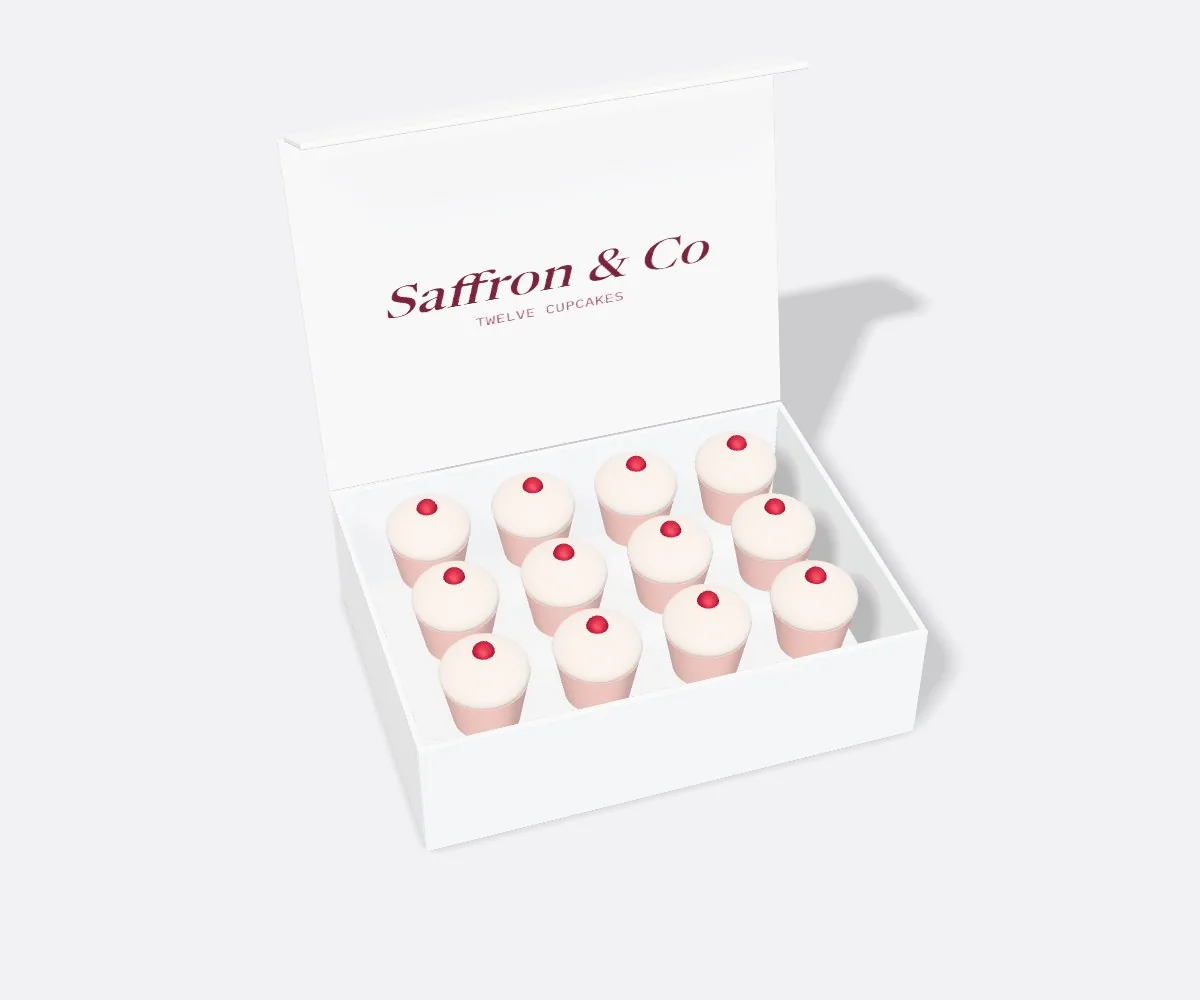
Designing artwork for custom butter paper differs from designing a flat folding carton in two important ways: nobody views a wrapping sheet lying flat on a table, and the paper itself often sits directly against croissants, sandwiches, chocolate truffles or oil-rich bar soaps. Because a butter paper sheet gets folded around 90-degree bar corners, wrapped around a burger or tucked inside a pastry box, a single large logo in the center of the sheet disappears into the creases. Instead, brands use a balanced step-and-repeat pattern (such as a 45-degree diagonal brick grid or a classic cafe checkerboard) scaled so three to five complete logos stay readable on every exposed face. Also, because white super-calendered butter paper is semi-translucent, printing on the outer non-contact side keeps ink away from your product while showing your brand mark crisply across every fold.
What logo size and pattern spacing work best for soap bars, burgers and bakery boxes?
The most frequent artwork adjustment our prepress team makes on custom printed butter paper is scaling the logo down to match the folded surface area of the product. A 3.0-inch wide bakery crest looks great on a 15 × 20 inch dozen-donut box liner, but if you wrap that same sheet around a 3.5 × 2.5 inch cold-process soap bar, not a single logo will fit intact on the front face of the bar. Use the prepress specification table below to match your sheet size (8 × 10 in, 12 × 12 in, 12 × 16 in, 15 × 20 in or 18 × 24 in) to the right logo width, white-space gap and minimum stroke weight. You only need to upload one vector logo file (AI, PDF, EPS or SVG) in Step 2 of the quote form; our packaging designers construct the full repeating grid at zero cost and send a scaled digital proof and 3D mockup before payment. Testing the repeat density on your 3D proof ensures that small 0.75-inch to 1.25-inch icons never crowd the fold seams.
| Application & sheet size | Ideal logo width | Gap between logos | Best repeat layout |
|---|---|---|---|
| Artisan soap bars & brownies (8 × 10 in) | 0.75 to 1.25 in | 1.0 to 1.25 in | 45-degree diagonal brick repeat |
| Burgers, bagels & 6 in boxes (12 × 12 in) | 1.25 to 1.75 in | 1.5 to 2.0 in | 1.5 in checkerboard or 45-degree diagonal |
| Subs, sourdough & 8 in boxes (12 × 16 in) | 1.5 to 2.0 in | 1.75 to 2.25 in | 45-degree diagonal or alternating stripe |
| Dozen pastry boxes & tees (15 × 20 in) | 1.75 to 2.5 in | 2.0 to 2.75 in | Half-drop brick grid or multi-icon scatter |
| Catering trays & sweaters (18 × 24 in) | 2.25 to 3.0 in | 2.5 to 3.5 in | Wide diagonal repeat or centered crest + border |
| Minimum line & font rules (all sizes) | 0.75 pt positive / 1.25 pt knockout | 6 pt minimum type | Vector outlines (AI, EPS, PDF, SVG) |
How does outer-side printing work when custom butter paper touches food or soap?
When you order butter paper for croissants, cookies, sandwiches, chocolates or handmade soaps, you want your brand pattern visible on top while keeping the inner contact surface as clean as possible. Whenever your wrap touches food directly or indirectly, flag it in the quote notes so we specify food-contact paper stocks, barriers and inks available on request. In addition to material selection, we orient the printing plate so ink is applied to the outer (non-contact) side of the sheet. When your kitchen staff lines custom bakery boxes or wraps a sandwich, the unprinted side of the butter paper faces inward against the pastry crust or soap bar, while the printed side faces outward toward the customer. Because white calendered butter paper is semi-translucent, the pattern also glows softly through the sheet when viewed from inside an open box liner. Keeping total ink coverage moderate (between 15% and 35% of the sheet area) also preserves the natural breathability and crisp folding feel of the paper.
Should I choose a 45-degree diagonal repeat, a cafe checkerboard or a stripe?
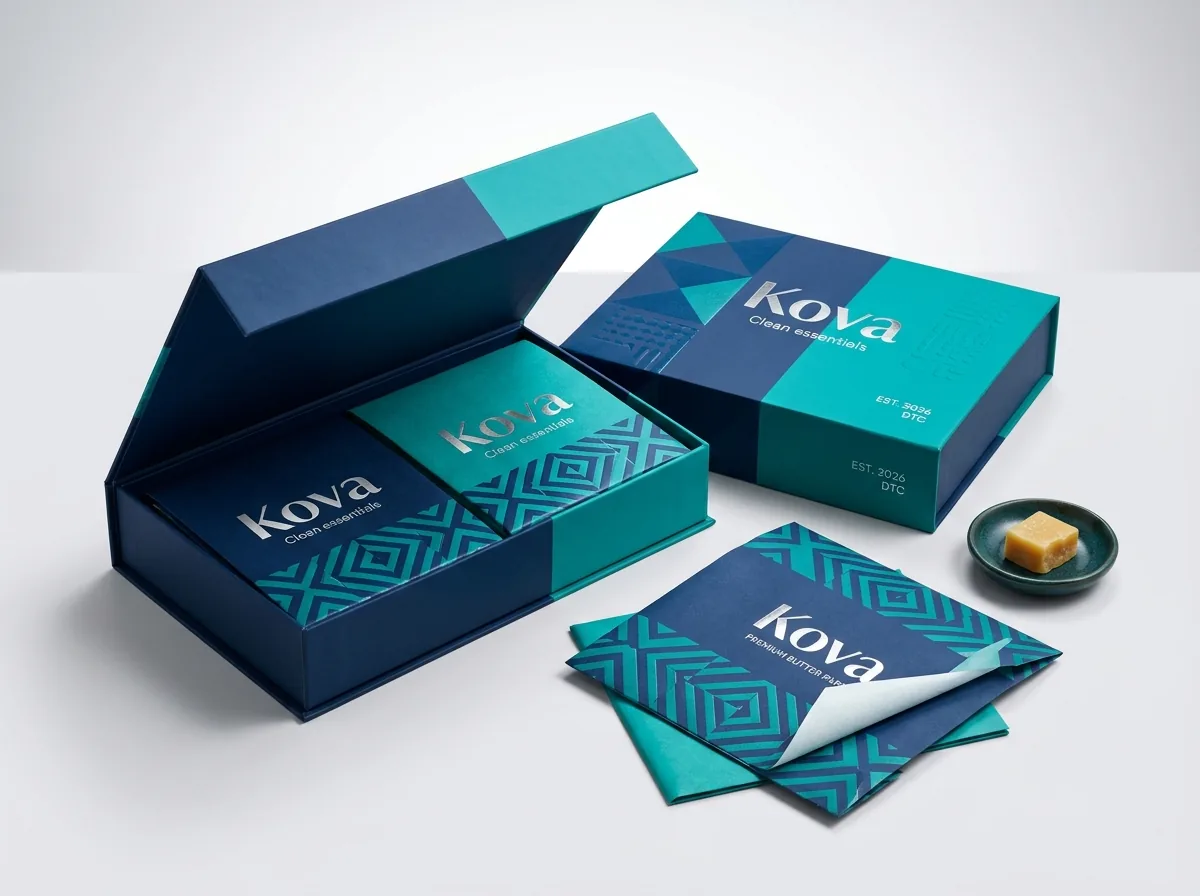
Three repeat architectures account for almost every foodservice, cosmetic and apparel butter paper run: 1. 45-degree half-drop (diagonal brick) repeat: Every second row of logos is offset by 50% and rotated 45 degrees. Whether your team wraps a burger on the diamond, folds hospital corners on custom soap boxes bars, or lines a square carton straight on, the 45-degree angle guarantees that logos never look crooked against the fold crease. 2. Classic cafe checkerboard (gingham tile): Alternates a solid Pantone square (typically 1.25 × 1.25 in or 1.5 × 1.5 in) with an open paper square containing your logo icon. Remarkably, a two-tone checkerboard with a white ground uses only 1 Pantone ink plate, giving you edge-to-edge deli energy at the lowest single-color setup cost. 3. Alternating crest and tagline rows: Alternates your primary brand wordmark on Row A with a secondary badge (such as a dietary icon, city name or social handle) on Row B, spaced 1.5 to 2.25 inches apart across the entire sheet width.
Know your size? Compare pricing across up to 3 quantities.
Request a Quote →How do 1 Pantone, 2 Pantone and full-color CMYK affect butter paper cost?
In Step 2 of the wrapping paper quote form, you can select 1 Pantone, 2 Pantone or Full color (CMYK). Understanding what drives unit cost across those three choices helps you stretch your packaging budget across 500, 1,000, 2,500 or 5,000+ sheets: - 1 Pantone spot ink: Uses a single custom-mixed Pantone ink station on white or unbleached natural kraft butter paper. It delivers the lowest cost per sheet, zero registration shift on tiny 6 pt text, and our guaranteed Pantone color match. - 2 Pantone spot inks: Adds a second spot color station so you can pair two brand colors (for example, forest green and warm gold, or espresso brown and opaque white on kraft) without paying for four-color process setup. - Full color (CMYK): Combines cyan, magenta, yellow and black plates to print multi-color botanical illustrations, watercolor pastry graphics or complex crests. Choose CMYK when your artwork has three or more colors or tonal gradients. Requesting three quantities (500, 1,000 and 2,500 sheets) on your quote lets you see how setup spreads across larger runs.
How do you coordinate butter paper prints with seal stickers and thank you cards?
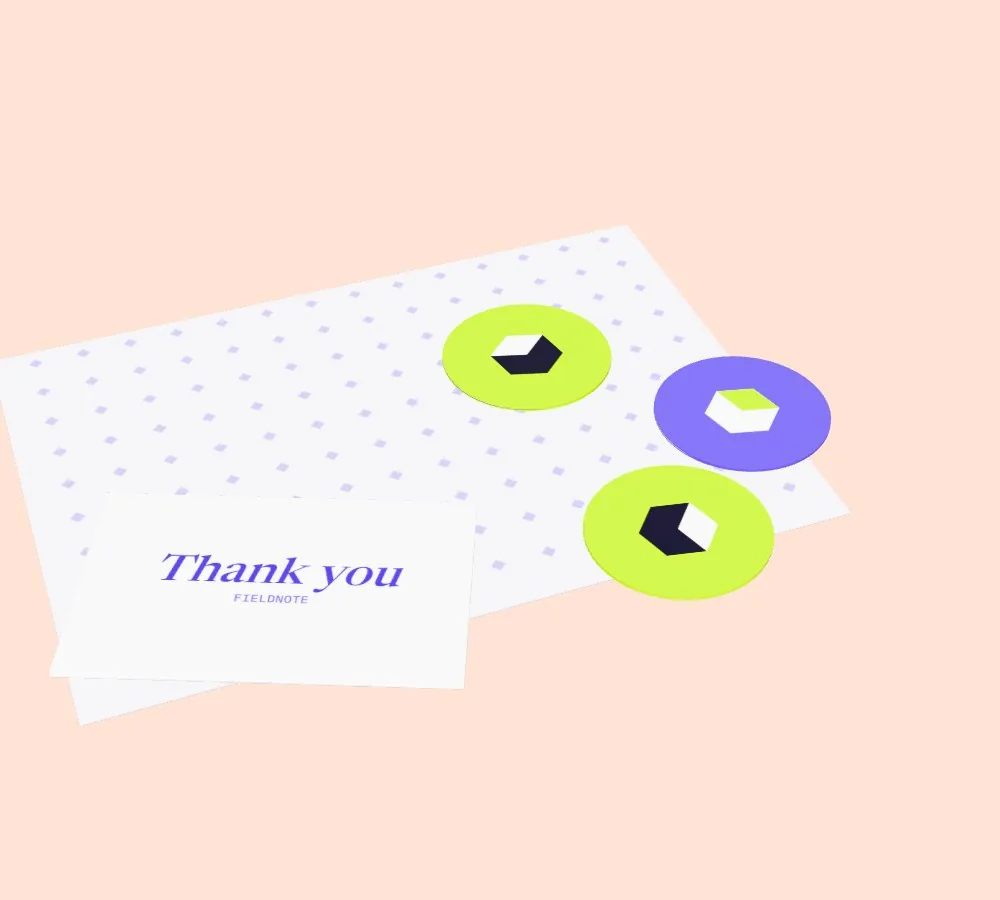
Because super-calendered butter paper is denser than tissue, it holds tension along the fold line and needs a properly sized adhesive seal on the back or top seam. Pair an 8 × 10 inch soap wrap with a 1.25 inch or 1.5 inch custom circle label, and pair a 12 × 12 inch sandwich wrap or 15 × 20 inch pastry box liner with a 1.5 inch to 2.0 inch circle or oval sticker. When you order your butter paper, closure stickers and custom thank you cards under one roof at CubitPack, your dedicated account manager locks all three components to the exact same Pantone color code. You never pay die or plate fees on any piece, production takes 10 to 14 business days (rush in 4 to 5 days), and shipping to all 50 US states is free.
- Upload one vector logo (AI, PDF, EPS or SVG) and let our team build the step-and-repeat grid for free.
- Keep positive line weights at 0.75 pt or thicker and reverse knockouts at 1.25 pt or thicker.
- Use 1 Pantone checkerboard or diagonal brick layouts for the lowest per-sheet cost.
- Specify food-safe options in your quote notes whenever sheets contact baked goods or confections.
- Request 3 quantity tiers (such as 1,000, 2,500 and 5,000 sheets) on your quote to compare volume savings.
What artwork mistakes happen most often on custom butter paper?
A few prepress oversights can make logos unreadable once the sheet is folded around a bar or sandwich. Avoid these five mistakes
- Scaling logos 3.5 inches wide on an 8 × 10 inch soap bar wrap so every single logo gets cut in half by the 90-degree bar corners.
- Placing a single centered logo in the middle of a deli or bakery sheet where the first fold immediately hides the artwork.
- Using hairline strokes under 0.75 pt or tiny 4 pt serif text inside a solid checkerboard tile where ink spread can close up letters.
- Ordering a 100% solid edge-to-edge dark ink flood on a sandwich or pastry wrap instead of an open repeating pattern (light ink coverage folds cleaner).
- Uploading a low-resolution 72 DPI website screenshot instead of a vector logo (or asking our free design team to vectorize your mark first).
Packaging for this
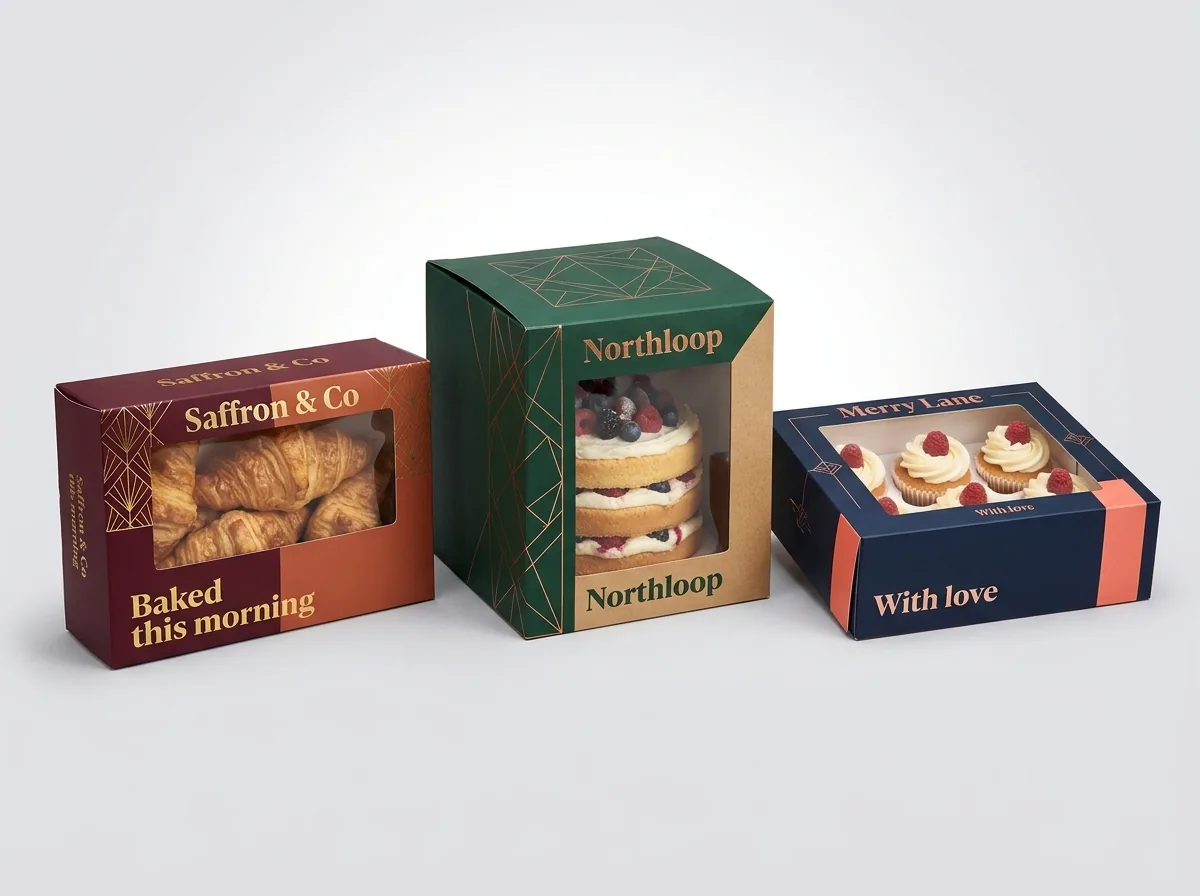
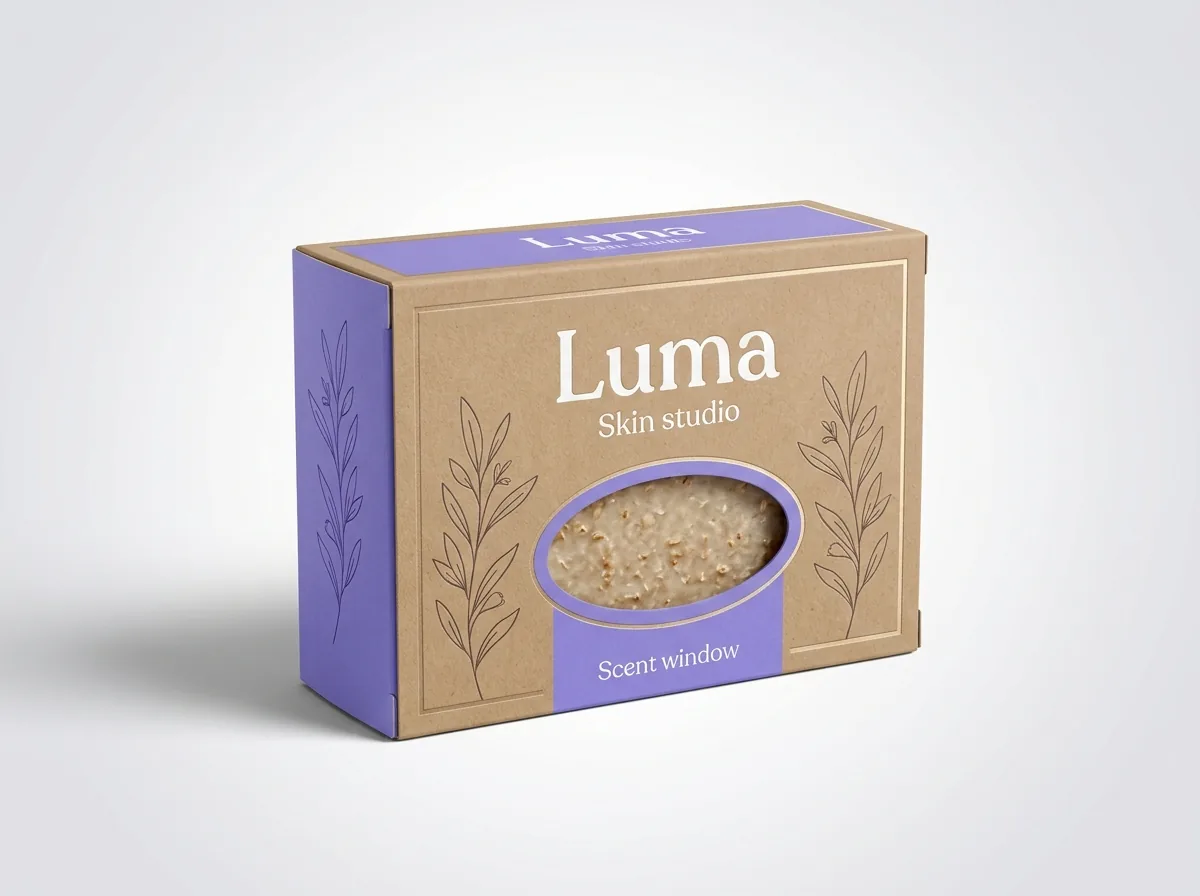
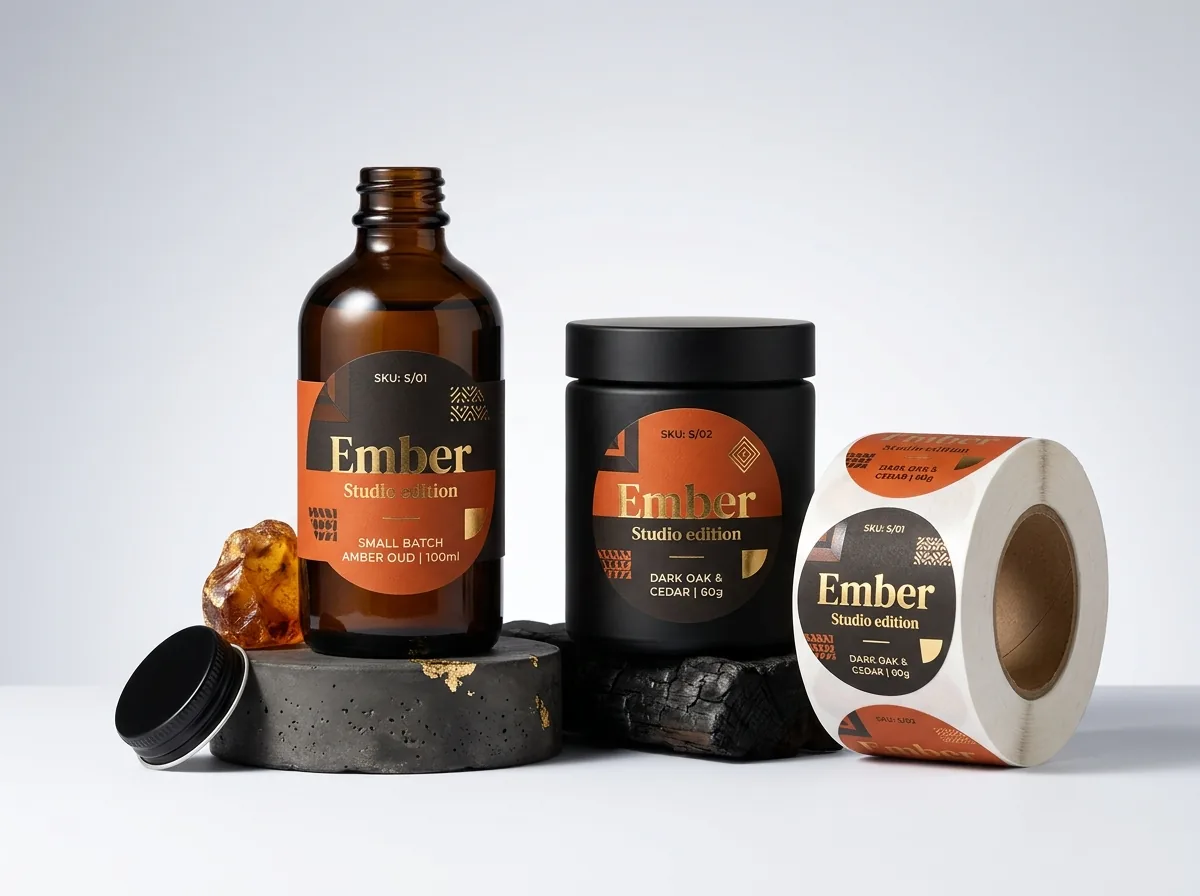
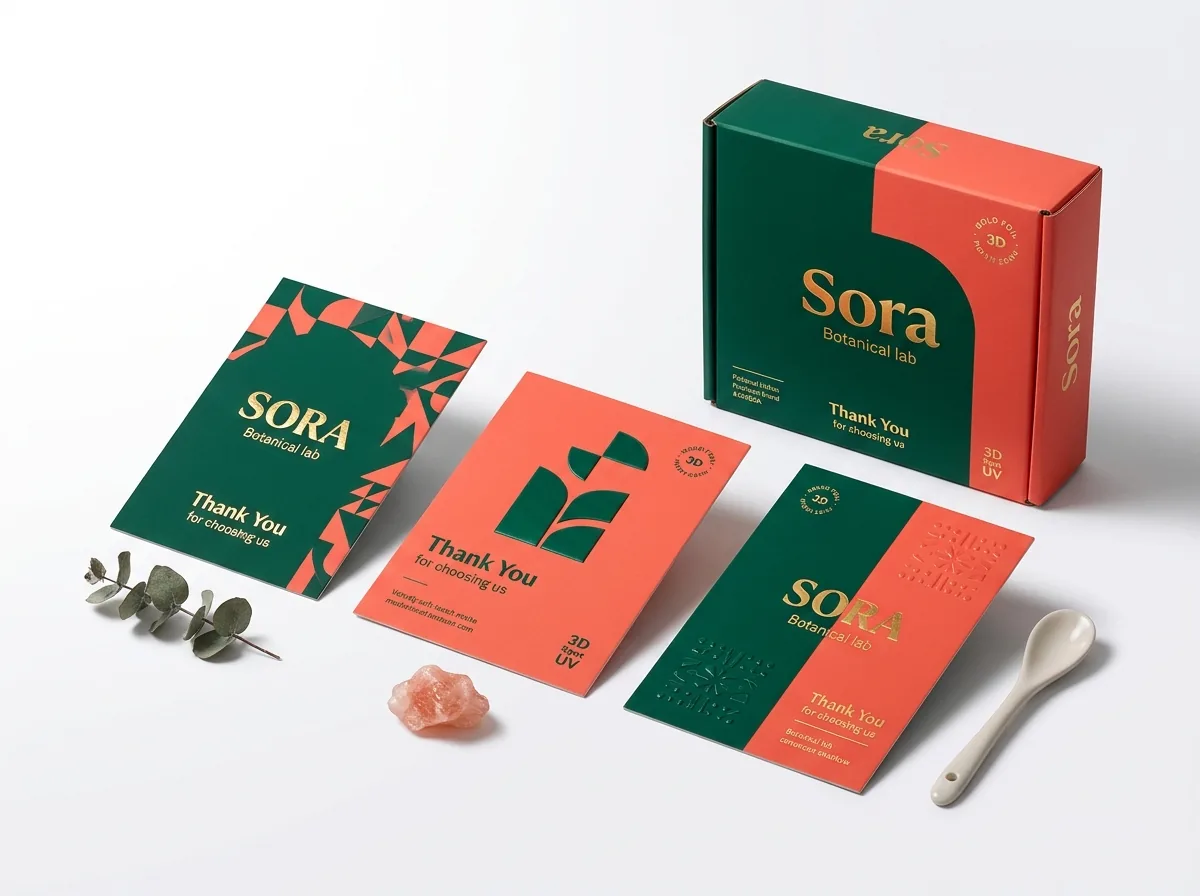
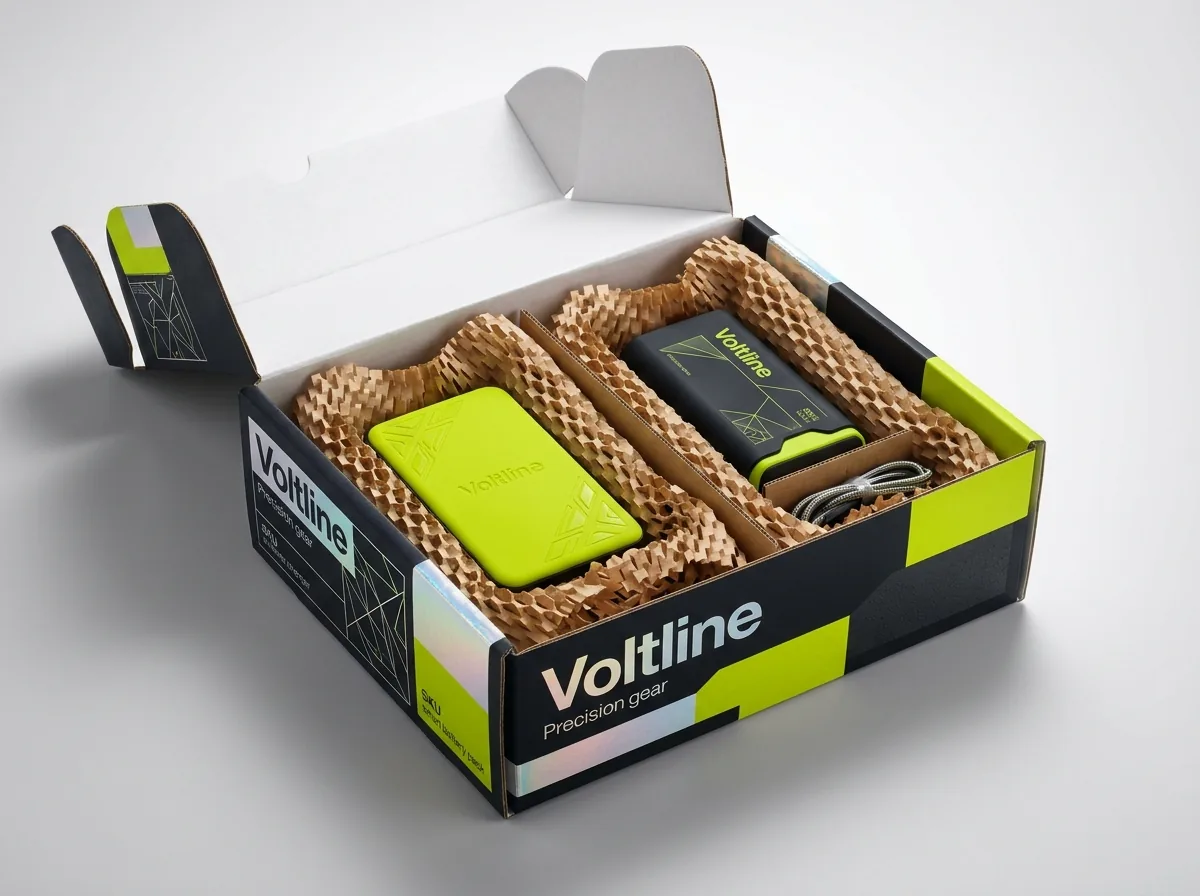
Ready to order butter paper? Compare up to 3 quantities with a free 3D mockup.
Request a Quote →Questions about butter paper
Do I need to build the full step-and-repeat pattern file myself?
No. Simply upload a single vector file of your logo or icon in Step 2 of the quote form and note your preferred repeat style (such as a 45-degree diagonal brick or a 1.5 inch checkerboard). Our prepress designers build the full sheet grid and send a free digital proof.
Does a checkerboard pattern require 2 Pantone colors or 1 Pantone color?
A classic two-tone checkerboard printed on white or natural kraft butter paper requires only 1 Pantone ink color. The alternating squares use the bare white or kraft paper as the second color, giving you full-sheet visual coverage at the 1-Pantone price.
Can you print white ink on natural brown kraft butter paper?
Yes. Opaque white ink (or dark espresso, black or forest green Pantone ink) prints crisply on unbleached natural brown kraft butter paper, which is a favorite look for sourdough bakeries and organic soap brands.
How do I request food-safe ink and paper for my bakery or cafe wrap?
When submitting your quote, mention in the Step 2 notes that your butter paper will line pastry boxes or wrap sandwiches. Our team will specify food-contact paper stocks, barriers and inks available on request.
Can I use an AI-generated illustration or mascot on custom butter paper?
Yes. Select 'AI image' in Step 2 of the quote form and upload your file. Our designers convert your AI artwork into a clean vector line-art tile for 1- or 2-Pantone printing or set up a continuous full-color CMYK repeat pattern for free.
Are there printing plate charges if I order a custom repeating pattern?
No. CubitPack never charges die or printing plate fees. You can also order multiple designs in one run by selecting '2 designs' or '3+ designs' in Step 2 of the quote form, and your first order is 10% off.
Still have a question? Ask a packaging specialist.
Request a Quote →Request your butter paper quote
Tell us your size and quantities, and one dedicated account manager prepares pricing for each tier.
- Free design & AI-to-print studio + 3D mockup
- No die or plate charges · 4–5 day rush available
- Free shipping to all 50 states
- 10% off your first order
The logo scale rules, stroke-weight minimums and outer-side ink placement practices in this guide come from CubitPack's decided wrapping paper specifications and commercial flexo/offset prepress standards, checked by a packaging specialist. Spot something wrong? Tell us and we will fix it.
Sources
What changed
- October 22, 2026: First published.
- October 22, 2026: Updated specifications, terminology, and verified source links.
More guides
New packaging guides by email
Sizes, materials and design tips. Unsubscribe anytime.