
Custom butter paper vs parchment paper vs wax paper vs tissue paper: which wrap do you need?
Short answer: Choose custom butter paper for post-bake pastry liners, sandwich wraps and soap bars where you need grease resistance plus firm sticker adhesion. Use silicone parchment only for hot oven pans, paraffin wax paper for unsealed cold moisture wraps, and porous tissue paper for dry garments.
On this page
- How do butter paper, parchment paper, wax paper and tissue paper compare side by side
- Why do custom stickers stick to butter paper but pop off wax and parchment paper
- Can you bake on custom printed butter paper inside a commercial oven
- Why do soap makers, candle studios and bakeries choose butter paper over tissue paper
- When is custom tissue paper better than butter paper, or should you layer both
- Common mistakes
- FAQs
Request a custom quoteFree dieline & 3D mockup
Buyers and kitchen teams often use the terms butter paper, parchment paper, wax paper and tissue paper interchangeably, yet each sheet is engineered with a completely different surface chemistry and packaging role. Custom butter paper (super-calendered glassine-style paper) achieves its smooth, semi-translucent barrier by pressing pure cellulose fibers through heated rollers until they lock tightly together without wax or silicone coatings. Because it is wax-free, butter paper accepts sharp 1-Pantone, 2-Pantone and CMYK printing and lets adhesive logo stickers bond firmly to the folded seam. By contrast, baking parchment is coated with release silicone for 420°F oven pans (which repels ink and stickers), wax paper is coated with paraffin that melts under heat and sheds adhesive labels, and gift tissue is an uncalendered porous sheet that absorbs butter and essential oils immediately. Picking the right sheet keeps boxes spotless.
How do butter paper, parchment paper, wax paper and tissue paper compare side by side?
When selecting an inner sheet for food, cosmetics or e-commerce boxes, four practical tests decide whether a paper works on your packing line: does it block oils from staining the outer carton, does it hold a crisp fold, can it be printed with your brand logo, and will a seal sticker stay stuck to it during transit? Review the side-by-side matrix below before ordering custom printed butter paper or custom tissue paper. In commercial packaging, custom butter paper (supplied in 8 × 10 in, 12 × 12 in, 12 × 16 in, 15 × 20 in and 18 × 24 in sheets across 500, 1,000, 2,500 and 5,000 unit presets) hits the sweet spot between barrier performance and brand presentation: it stops croissant butter, chocolate cocoa oil and 4 oz to 5 oz cold-process soap oils from spotting your folding cartons while still taking Pantone ink and 1.5 in or 2.0 in adhesive labels cleanly. Because the barrier comes from tightly compressed paper fibers rather than a petroleum wax dip or plastic film lamination, the sheet folds with a clean, crisp snap along box corners and soap bar edges in 10–14 business days (rush 4–5 days).
| Feature | Custom butter paper | Baking parchment / Wax paper | Custom tissue paper |
|---|---|---|---|
| How the surface is made | Super-calendered compressed cellulose fibers (wax-free) | Silicone release coating (parchment) or paraffin dip (wax) | Lightly pressed, airy, porous cellulose fibers |
| Grease & oil resistance | High natural oil, butter and wax holdout | High grease and wet moisture barrier | Low; wicks butter, food oils and soap oils quickly |
| Custom sticker adhesion | Excellent; paper-to-adhesive bond holds tight | Poor; silicone and paraffin coatings repel sticker glue | Good on light folds; can tear thin fibers if peeled |
| Logo printing quality | Sharp 1 Pantone, 2 Pantone or Full color (CMYK) | Silicone and wax resist standard offset/flexo inks | Crisp Pantone or CMYK with soft boutique translucency |
| Hot oven baking use | No; post-bake liner and wrap only | Parchment: Yes (oven pan liner); Wax: No (melts/smokes) | No; dry room-temperature packaging only |
| Best packaging applications | Pastry boxes, deli wraps, bar soaps, candles, knitwear | Commercial kitchen bake pans (parchment) or butcher deli | Apparel mailers, shoe boxes, jewelry & retail bag puffs |
Why do custom stickers stick to butter paper but pop off wax and parchment paper?
One of the most common frustrations for new bakery, deli and soap founders is wrapping 200 items in grocery-store wax paper or silicone baking parchment, sealing each bundle with a custom label, and returning an hour later to find every sticker curled up and popping open. That failure happens because silicone parchment is literally engineered as a 'release liner' (the exact same non-stick chemistry used on the throwaway backing paper of a sticker roll), while paraffin wax leaves a slick hydrocarbon film that pressure-sensitive adhesives cannot grip. Custom butter paper solves that problem without sacrificing grease resistance. Because its smoothness comes from mechanical super-calendering (densifying the paper fibers under heat and pressure) rather than a slippery wax bath, the top surface remains pure cellulose. When you press a 1.5 inch or 2.0 inch custom circle label or custom sticker across the center fold of a butter paper wrap, the adhesive anchors directly into the paper fibers and stays locked shut from kitchen counter to doorstep. You can also apply branded paper packaging tape or belly bands across the seam without worrying about adhesive lift inside cold display cases.
Can you bake on custom printed butter paper inside a commercial oven?
In home-cooking blogs outside the United States, the phrase 'butter paper' is sometimes used casually to mean unprinted silicone baking parchment. In custom printed packaging, however, the distinction is critical: unprinted silicone parchment goes into the 400°F oven on aluminum sheet pans, whereas custom printed butter paper is applied after baking to line boxes, wrap warm sandwiches and stage pastries for display. Printing inks (whether Pantone spot colors or CMYK process inks) are cured for room-temperature storage, refrigerated display cases and warm takeout handoffs (such as a freshly toasted panini, smash burger or warm cookie box), not for direct contact with 425°F metal oven decks. Keep unprinted silicone parchment on your kitchen baking racks, and switch to custom printed butter paper at the packing and assembly counter where customers actually see your brand. Separating kitchen pan liners from branded customer-facing sheets also prevents baked-on crust crumbs or browned oven edges from showing up inside your retail pastry boxes.
Know your size? Compare pricing across up to 3 quantities.
Request a Quote →Why do soap makers, candle studios and bakeries choose butter paper over tissue paper?
At first glance, semi-translucent white butter paper and white gift tissue paper look like cousins, and both are ordered through CubitPack's wrapping paper product family in pre-cut sheets or rolls. The difference shows up 24 hours after packing an oil-rich or wax-rich product. Artisan cold-process soaps contain unsaponified shea butter, olive oil and volatile essential oils; soy and coconut-wax candles sweat fragrance oil in warm shipping trucks; and croissants, cookies and chocolates carry high butterfat content. Airy gift tissue acts like a blotter wick, drawing those oils out of the product and transferring dark grease rings onto your outer custom bakery boxes or custom soap boxes. Dense super-calendered butter paper blocks that migration, resists tearing when folded around sharp 90-degree bar corners, and releases cleanly from wax and soap surfaces without leaving fuzzy paper lint behind. Even in high summer humidity, a butter paper wrap keeps adjacent bars from sticking together inside master shipping cartons.

When is custom tissue paper better than butter paper, or should you layer both?
Custom tissue paper remains the undefeated champion whenever you want soft drape, airy volume and quiet luxury around dry merchandise. If you are puffing two sheets inside a retail boutique shopping tote, lining a shoe box or wrapping a dry cotton t-shirt, dense butter paper will feel too crisp and parchment-like compared with soft wrapping tissue. Many gourmet subscription boxes, holiday gift baskets and apothecary brands actually combine two paper wraps inside the same parcel: they pleat-wrap the individual soap bar, cheese wedge or cookie stack in grease-resistant custom butter paper (with food-safe materials requested for food items ), and then line the outer mailer box with custom tissue paper or protective custom honeycomb paper. That two-layer approach gives you oil containment right against the product plus soft boutique cushioning across the outer box.
- Pick custom butter paper for: croissants, cookies, burgers, chocolates, cold-process soaps, wax melts and lint-free garment sleeves.
- Pick custom tissue paper for: t-shirts, hoodies, shoes, jewelry boxes, dry cosmetics and retail shopping bag puffs.
- Pick custom honeycomb paper for: plastic-free shock cushioning around glass jars, ceramic mugs and wine bottles.
- Keep unprinted silicone parchment for: high-heat commercial oven baking pans.
- Layer butter paper inside tissue paper when: shipping gourmet gift baskets or apothecary boxes that combine oily bars with dry goods.
What mistakes happen when choosing between butter paper, wax paper and tissue?
Picking the wrong paper substrate leads to grease-stained boxes, peeling stickers or lint stuck to handmade soaps. Avoid these five mistakes
- Wrapping buttery pastries or oil-rich cold-process soaps in porous gift tissue paper, allowing oil to bleed through and stain the outer carton.
- Putting custom printed butter paper on metal baking pans inside a hot oven instead of using it as a post-bake box liner and takeout wrap.
- Ordering paraffin-dipped wax paper when your workflow relies on a custom circle sticker to hold the folded wrap shut.
- Using stiff calendered butter paper to puff the top of a retail boutique shopping bag where soft, airy tissue paper is needed for volume.
- Forgetting to specify food-safe paper and ink options on your quote when ordering custom butter paper for direct pastry or sandwich contact.
Packaging for this
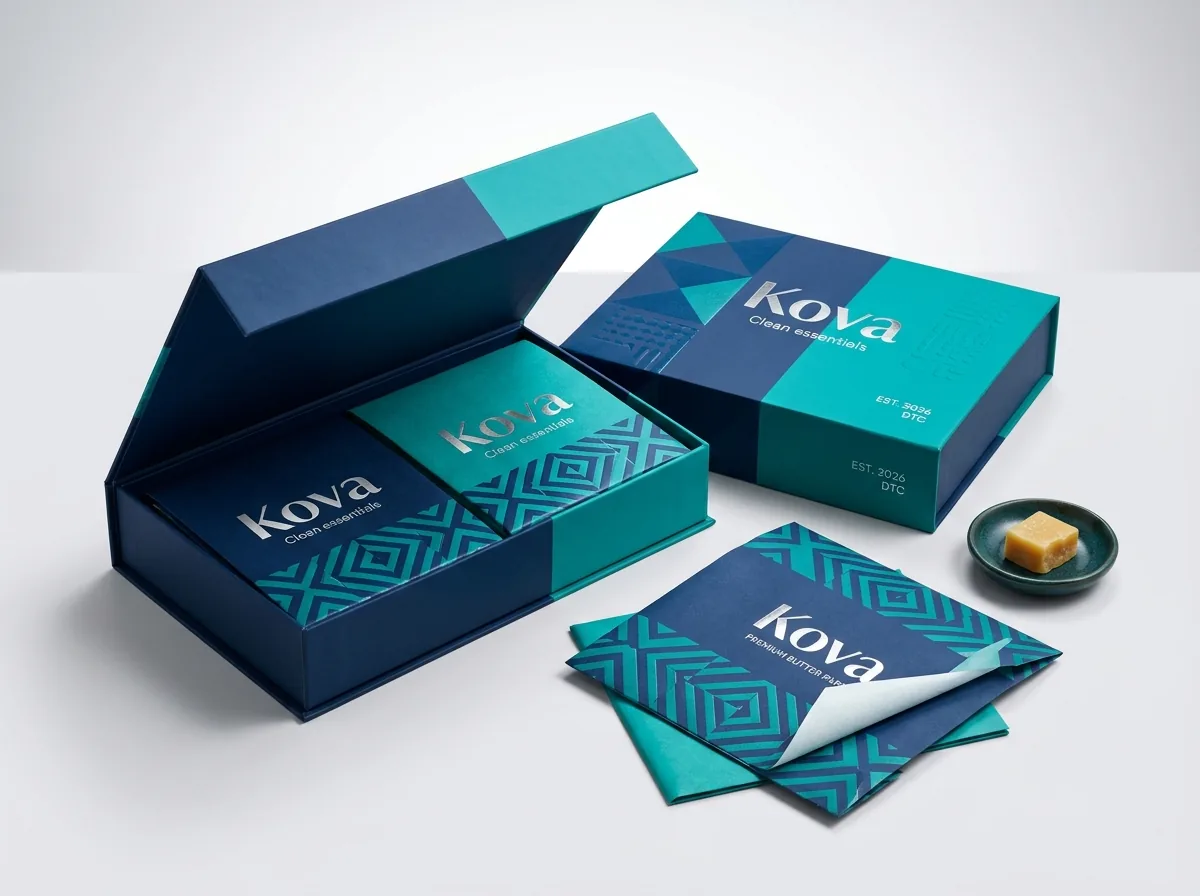
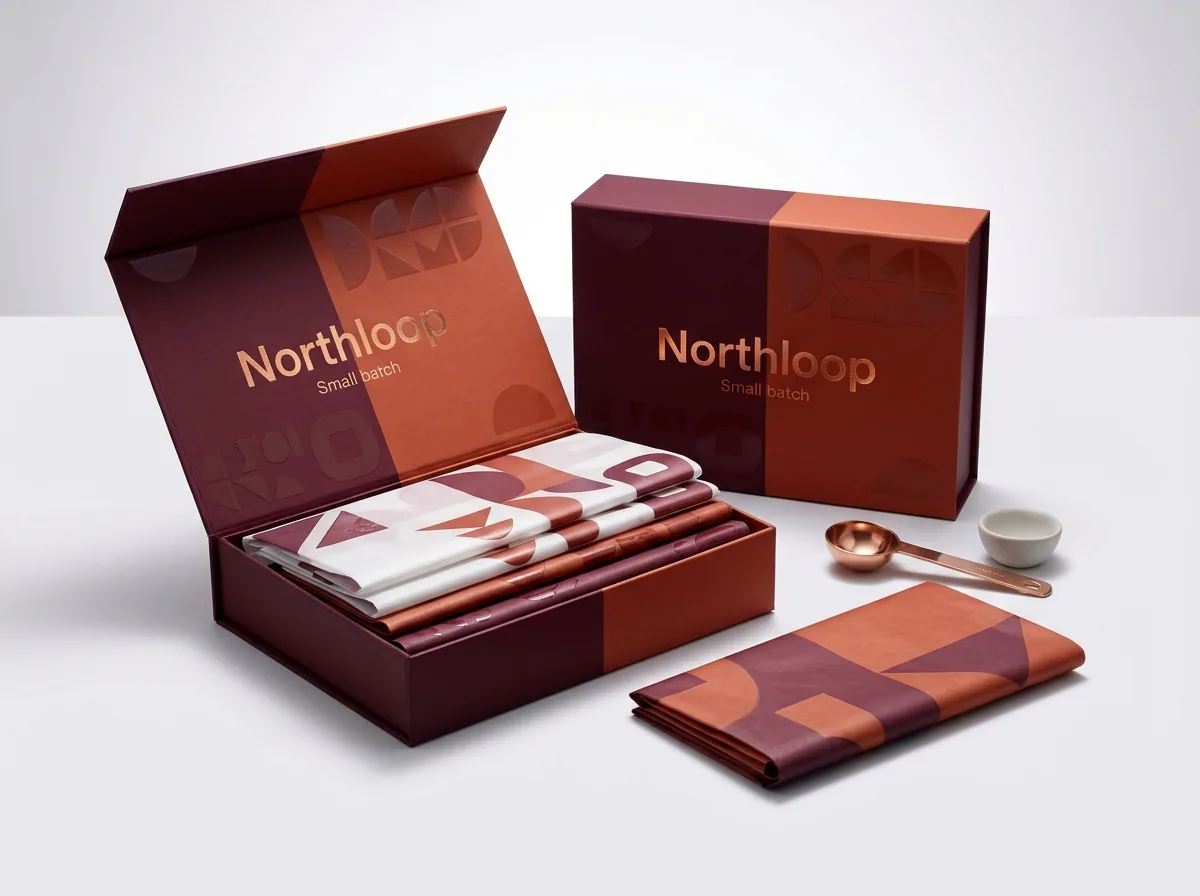
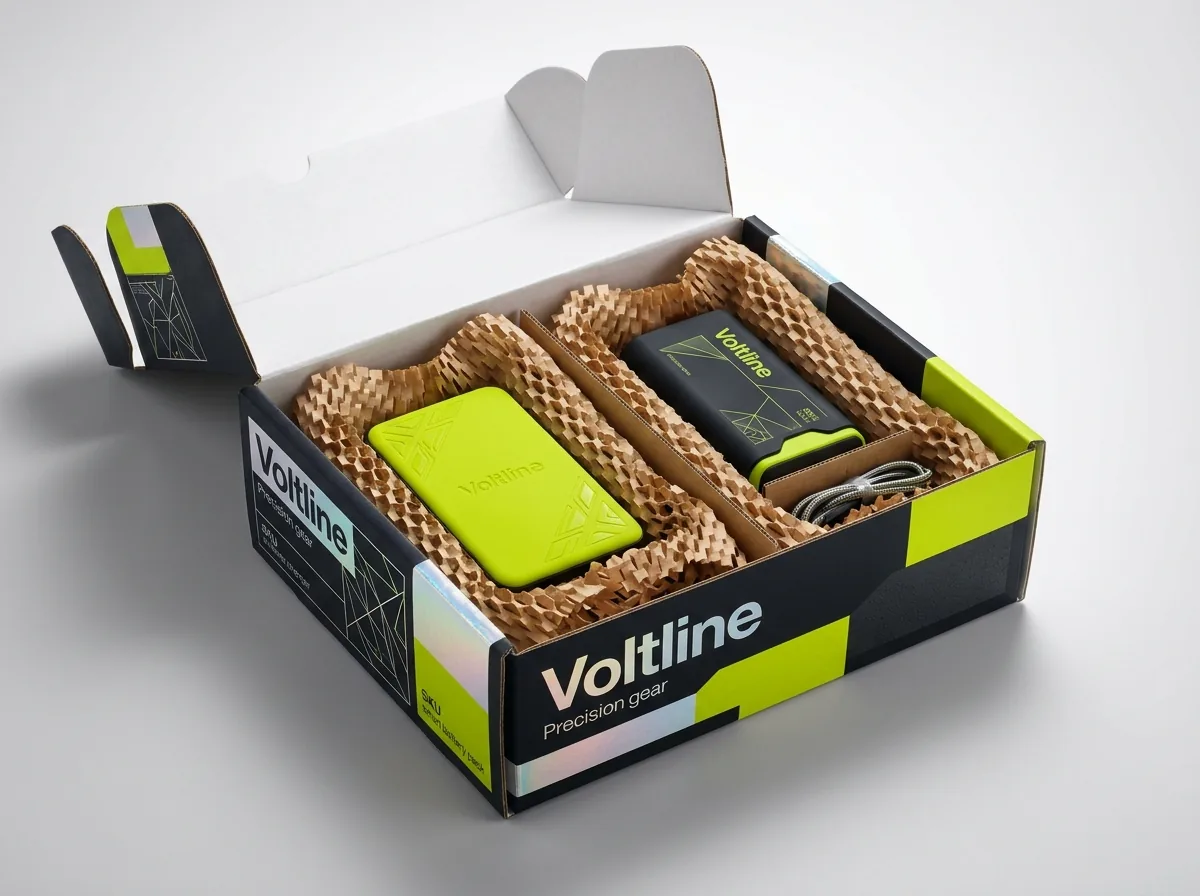
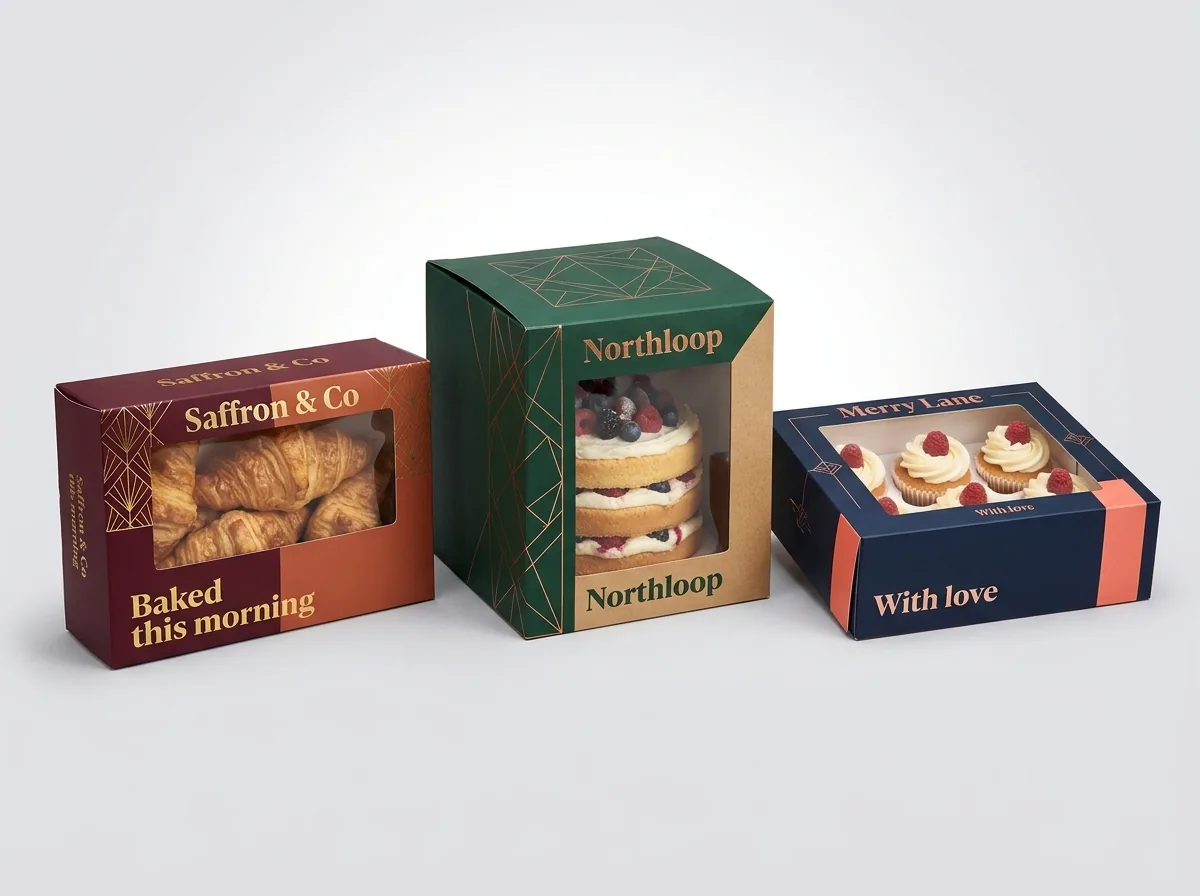
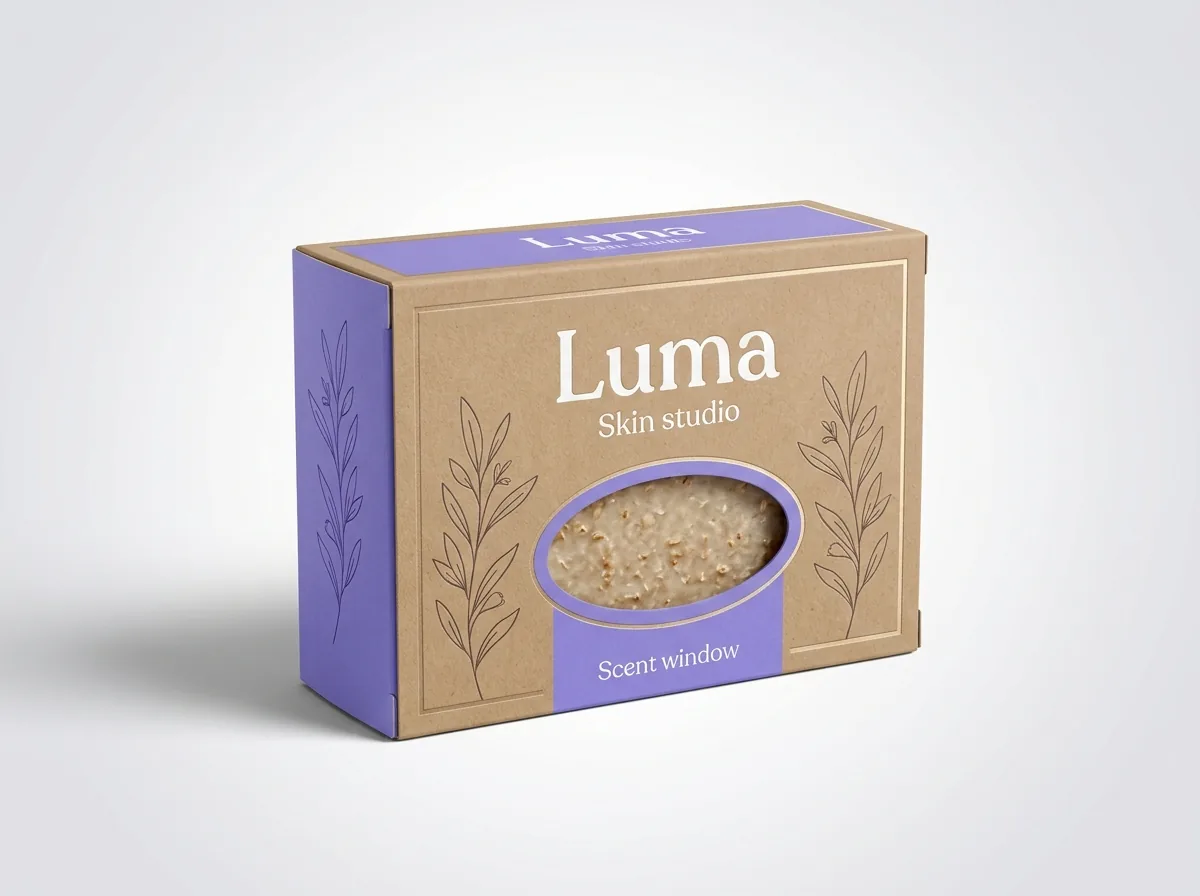
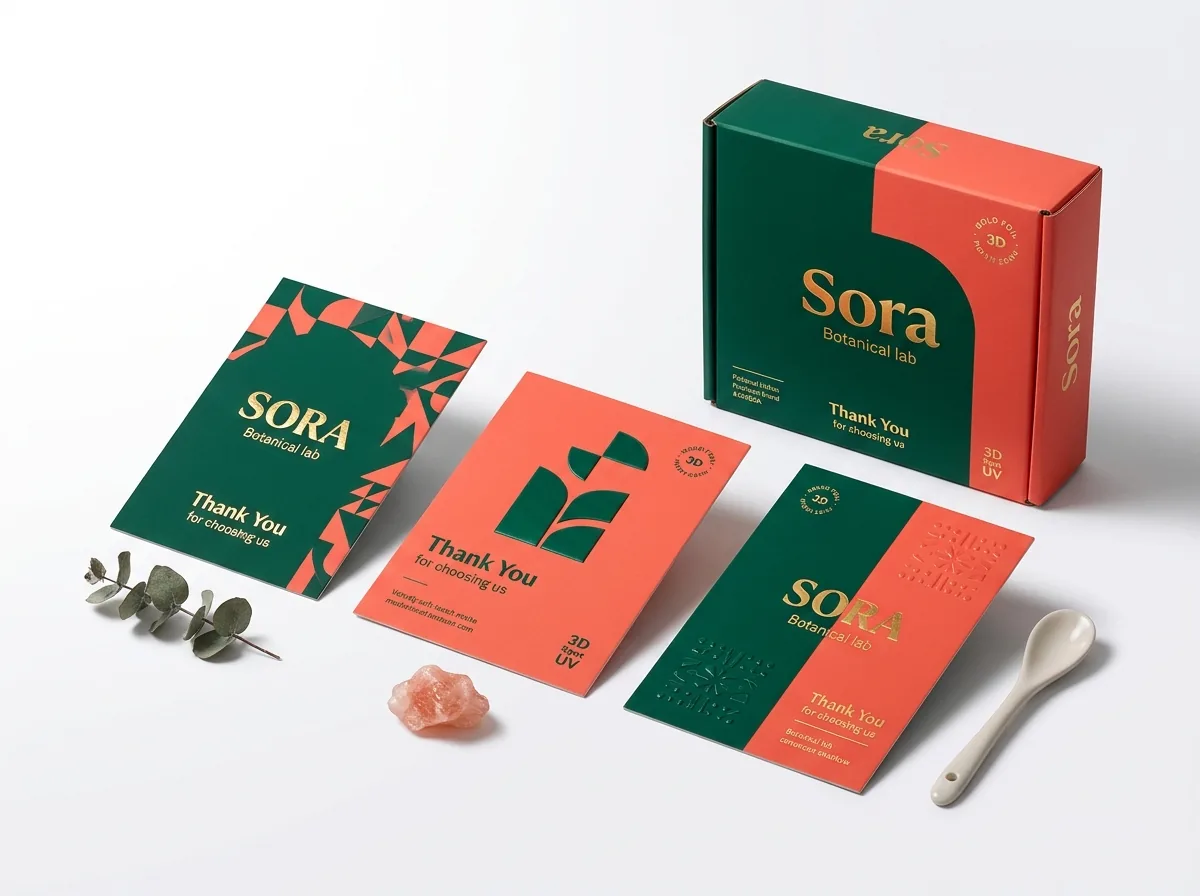
Ready to order butter paper? Compare up to 3 quantities with a free 3D mockup.
Request a Quote →Questions about butter paper
Is custom butter paper the same thing as glassine paper?
In custom packaging, custom butter paper and glassine wrapping paper refer to the same family of smooth, super-calendered, semi-translucent cellulose papers that resist grease, oil and air without a wax or plastic coating.
Why does butter paper resist oil if it has no wax coating?
During manufacturing, the paper web passes through a vertical stack of heated, high-pressure calender rollers. That compression flattens the cellulose fibers and closes the microscopic pores that normally let butter and oils soak through ordinary paper.
Can I use custom butter paper inside a microwave or panini press?
Custom printed butter paper is intended for post-cook wrapping, warm sandwich handoffs and bakery box lining rather than high-heat cooking appliances. Always use unprinted oven parchment on heated cooking plates.
Does custom butter paper protect knitwear and art prints better than tissue?
Because calendered butter paper has a hard, smooth, lint-free surface and higher density than fluffy tissue, many fashion and print studios prefer it for separating photographic prints, watercolors, cashmere knits and dark garments that attract paper lint.
Can I order both custom butter paper and custom tissue paper in one quote?
Yes. Both products belong to our wrapping paper family. Mention in Step 2 notes that you want a quote for both custom butter paper (for inner food or soap wraps) and custom tissue paper (for outer mailer lining) matched to the same Pantone ink.
Are food-safe inks available on custom printed butter paper?
Yes. Food-safe paper stocks, barriers and inks are available on request for indirect or direct food contact, and we print on the outer non-contact side of the sheet.
Still have a question? Ask a packaging specialist.
Request a Quote →Request your butter paper quote
Tell us your size and quantities, and one dedicated account manager prepares pricing for each tier.
- Free design & AI-to-print studio + 3D mockup
- No die or plate charges · 4–5 day rush available
- Free shipping to all 50 states
- 10% off your first order
This comparison draws on paper manufacturing standards for super-calendered cellulose vs silicone and paraffin coatings and CubitPack's decided wrapping paper specifications, reviewed by a packaging specialist. Spot something wrong? Tell us and we will fix it.
Sources
What changed
- October 22, 2026: First published.
- October 22, 2026: Updated specifications, terminology, and verified source links.
More guides
New packaging guides by email
Sizes, materials and design tips. Unsubscribe anytime.