
Custom honeycomb paper vs bubble wrap vs tissue paper: which should you wrap with?
Short answer: Choose custom honeycomb paper when shipping fragile glass candles, bottles or ceramics that need 0.5-inch shock cushioning without plastic bubble wrap or tape. Choose custom tissue paper for lightweight surface protection and luxury presentation, or layer tissue inside honeycomb paper for both.
On this page
- How do honeycomb paper, bubble wrap, tissue paper and honeycomb inserts compare
- Does expandable kraft honeycomb paper protect glass as well as plastic bubble wrap
- When should you pair custom honeycomb paper with an inner sheet of custom tissue paper
- What is the difference between honeycomb wrapping paper and rigid honeycomb inserts
- How do you compare unit costs and order custom honeycomb paper from CubitPack
- Common mistakes
- FAQs
Request a custom quoteFree dieline & 3D mockup
E-commerce operations managers and packaging designers constantly weigh three internal wrapping options: traditional polyethylene bubble wrap, lightweight custom printed tissue paper, and expandable die-slit kraft honeycomb paper. Plastic bubble wrap cushions drops well, but its pre-inflated rolls eat up massive warehouse floor space, require plastic tape on every item, and frustrate eco-conscious customers who cannot recycle polyethylene film in household bins. Custom tissue paper (17 to 28 gsm) delivers vibrant edge-to-edge branding and silky surface protection for apparel, cosmetics and folding cartons, yet it is too thin on its own to stop two glass jars from cracking on impact. Expandable custom honeycomb paper bridges that gap: arriving flat on pallets, it stretches 1.5x into an interlocking 3D hexagonal paper cushion that absorbs parcel drops, locks shut without tape, prints with your Pantone logo, and recycles right alongside your corrugated box.
How do honeycomb paper, bubble wrap, tissue paper and honeycomb inserts compare?
Before picking your internal protective packaging, it helps to distinguish between flexible wrapping sheets (honeycomb paper, bubble wrap and tissue paper) and rigid die-cut cavity blocks (custom honeycomb inserts). When you order expandable custom honeycomb paper from CubitPack, you get flat die-slit kraft sheets or rolls that expand under hand tension into a 3D cushioning web. Unlike single-use plastic air pillows or bubble sleeves that require separate recycling drop-offs, all-fiber honeycomb paper, tissue paper and corrugated mailers go into the exact same household paper recycling stream. Use the comparison table below to evaluate all four options across drop protection, warehouse storage volume, packing speed and branding.
| Comparison factor | Custom honeycomb paper | Plastic bubble wrap | Custom tissue paper | Rigid honeycomb inserts |
|---|---|---|---|---|
| Drop & shock protection | High (2–3 interlocking 3D layers) | High (3/16 in or 1/2 in air cells) | Light (prevents scuffs & dust only) | Maximum (0.4 to 2.0 in rigid block) |
| Warehouse pallet storage | Compact flat stacks; expands 1.5x | Bulky pre-inflated rolls (80% air) | Ultrathin flat reams on shelf | Moderate (pre-glued expanded pads) |
| Tape required to seal | None; angled hex ribs self-lock | Requires plastic tape on every wrap | Sealed with a custom logo sticker | None; friction-fit die-cut cavity |
| Logo printing & colors | 1 Pantone, 2 Pantone or CMYK | Usually unprinted industrial film | Full bleed CMYK, Pantone, metallic | Unprinted kraft or top card liner |
| Curbside recyclability | 100% household bin paper fiber | Not curbside recyclable (store drop) | Curbside paper (when soy/water ink) | 100% household bin paper fiber |
| Best product match | Glass candles, mugs, wine & jars | Industrial parts & legacy shipping | Apparel, shoes, cosmetics & gifts | Luxury skincare kits & electronics |
Does expandable kraft honeycomb paper protect glass as well as plastic bubble wrap?
Yes, when wrapped to the same effective cushion thickness (roughly 0.375 to 0.5 inches, or two to three full revolutions of stretched 80 gsm virgin kraft honeycomb). In parcel transit, glass jars and ceramic mugs break for two reasons: glass-to-glass clinking inside multi-item boxes, and sudden G-force deceleration when a box hits a concrete floor or conveyor chute. Plastic bubble wrap relies on sealed pockets of air that can pop under sharp point loads or heavy cast-iron and stoneware items, leaving only a thin plastic film for the rest of the journey. Expandable honeycomb paper relies on hundreds of upright hexagonal kraft paper ribs standing perpendicular to the glass surface. Under impact, those angled paper cells flex and compress progressively like miniature crumple zones while preventing adjacent bottles from ever touching. Even better for warehouse operations, one pallet of flat honeycomb paper replaces roughly five to eight pallets of pre-inflated bubble rolls.
- Saves 75% to 80% of warehouse storage volume compared with bulky bags of inflated plastic bubble wrap.
- Speeds up packing by 5 to 10 seconds per jar because packers tear and press the interlocking cells shut with zero tape.
- Eliminates plastic disposal complaints in customer reviews for clean-beauty, candle and gourmet food brands.
- Turns protective dunnage into a warm, sculptural craft unboxing moment printed with your brand mark.
When should you pair custom honeycomb paper with an inner sheet of custom tissue paper?
Expandable honeycomb paper and custom tissue paper are partners rather than competitors. Because honeycomb paper is slit from sturdy long-fiber kraft (typically 70 to 80 gsm ) so its hexagonal ribs stand stiff under weight, the raw paper edges are firmer than silky 17 gsm tissue paper. If you are wrapping naked glass jars, stoneware mugs, wine bottles or shrink-wrapped soaps, rolling honeycomb paper directly against the product works beautifully. However, if you are wrapping a delicate soft-touch laminated perfume carton, a high-gloss cosmetic box, sterling silver jewelry or a frosted glass bottle with delicate gold screen printing, wrap the item first in a sheet of custom printed tissue paper or custom butter paper, and then roll two layers of expanded honeycomb paper around the outside. The inner tissue prevents micro-scuffing and showcases fine multi-color artwork, while the outer honeycomb shell absorbs parcel drops. Customers peel back the rugged kraft honeycomb cocoon first and then unwrap the smooth inner tissue sheet like a boutique gift.
Know your size? Compare pricing across up to 3 quantities.
Request a Quote →What is the difference between honeycomb wrapping paper and rigid honeycomb inserts?
Shoppers searching for honeycomb packaging often run into two completely different products that share the word honeycomb. Custom honeycomb paper (this product family, wrapping paper) is a single ply of die-slit kraft paper shipped in flat sheets or rolls that you pull open by hand to wrap around bottles, mugs and plates like a 3D mesh blanket. By contrast, custom honeycomb inserts and custom cardboard inserts (in the inserts family) are thick, rigid structural boards (0.4 to 2.0 inches thick) made by gluing an expanded hexagonal paper core between two flat kraft linerboards and die-cutting exact product cavities into the block. Choose honeycomb wrapping paper when you ship variable combinations of jars, candles or ceramics and want fast, flexible hand-wrapping; choose rigid die-cut inserts when you ship fixed multi-item gift sets or PR kits that need a permanent sculpted tray.
How do you compare unit costs and order custom honeycomb paper from CubitPack?
When comparing the cost of plastic bubble wrap against custom honeycomb paper, look at the total landed cost per packed box: warehouse storage square footage, packing tape consumption, kitting labor seconds per unit, and brand value. Because honeycomb paper ships flat, locks without tape and prints with your 1-Pantone, 2-Pantone or full-color CMYK logo, it replaces both an unbranded bubble sleeve and a decorative outer wrap in a single quick motion at the packing bench. At CubitPack, minimums depend on the product; we confirm yours with your quote. You can compare 500, 1,000, 2,500 and 5,000+ quantity presets in Step 1 of the quote form, pay zero die or plate charges, get 10% off your first order, and receive free 50-state shipping in 10 to 14 business days (rush in 4 to 5 days). Pair your honeycomb wrap with custom thank you cards and custom stickers for a complete plastic-free unboxing suite.
- Choose natural brown kraft honeycomb with 1-Pantone black, forest green or white ink for the lowest unit cost.
- Choose bleached white honeycomb paper when wrapping pastel skincare, bridal gifts or clinical cosmetics.
- Request our $50 sample kit to test-stretch honeycomb paper alongside tissue and butter paper on your own jars.
What mistakes do brands make when switching from bubble wrap to honeycomb paper?
Avoid these five transition errors when replacing plastic bubble wrap or tissue with custom honeycomb paper
- Using a single sheet of thin 17 gsm tissue paper alone to ship heavy glass candle jars that previously relied on 3/16-inch bubble wrap.
- Having warehouse staff wrap die-slit honeycomb paper around bottles while still flat instead of pulling it lengthwise to pop the 3D cells open.
- Putting plastic packing tape over expanded honeycomb paper instead of pressing the angled hexagonal ribs into the layer below to self-lock.
- Wrapping un-lined kraft honeycomb paper directly against a delicate high-gloss or soft-touch carton without an inner tissue paper interleaf.
- Ordering rigid die-cut honeycomb board inserts when the fulfillment team actually needed flexible honeycomb wrapping sheets or rolls.
Packaging for this
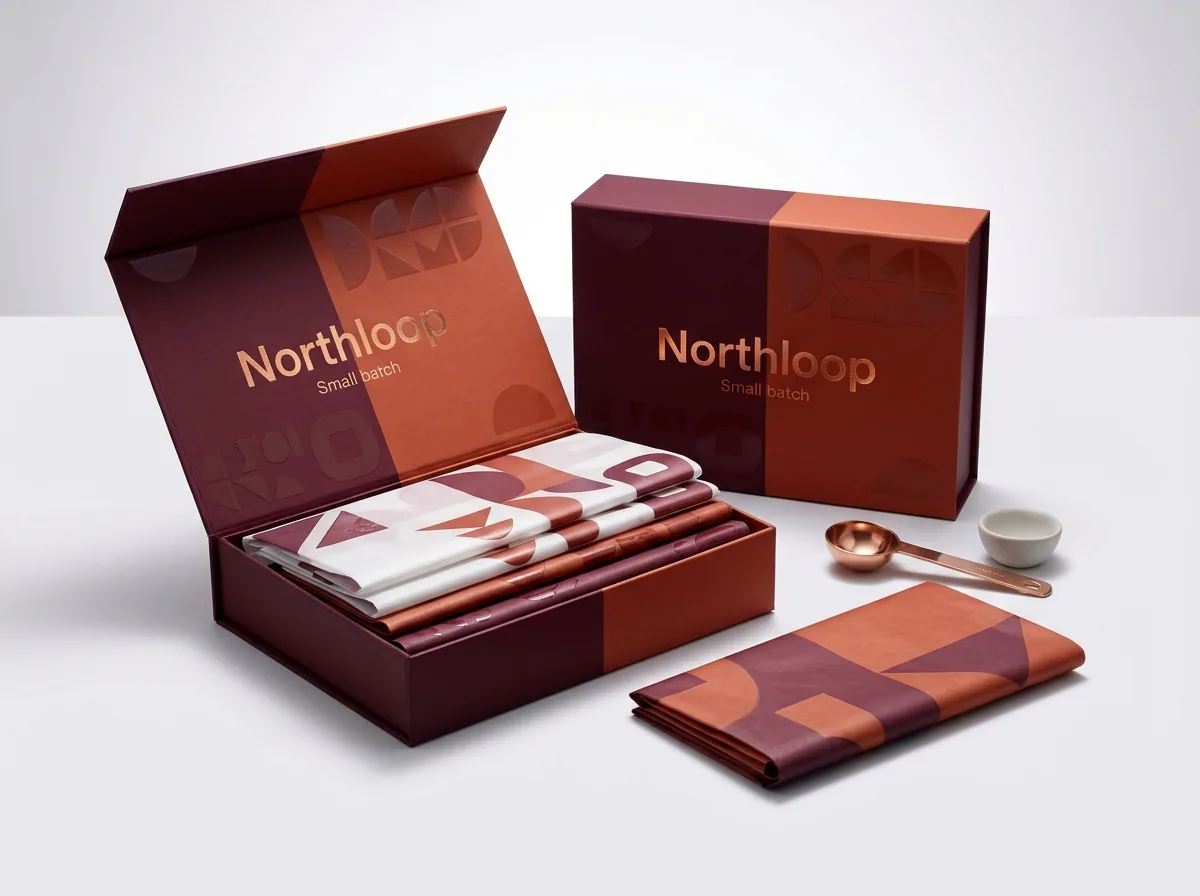
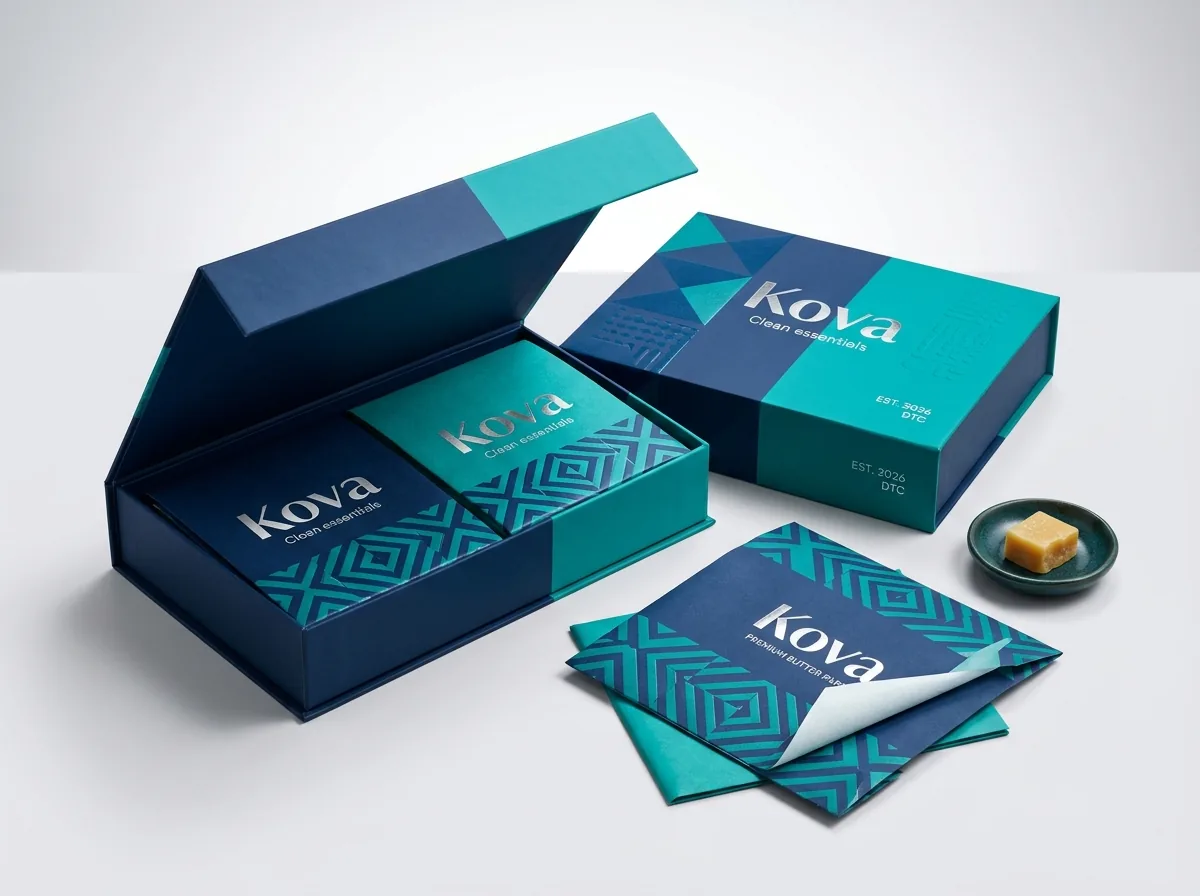
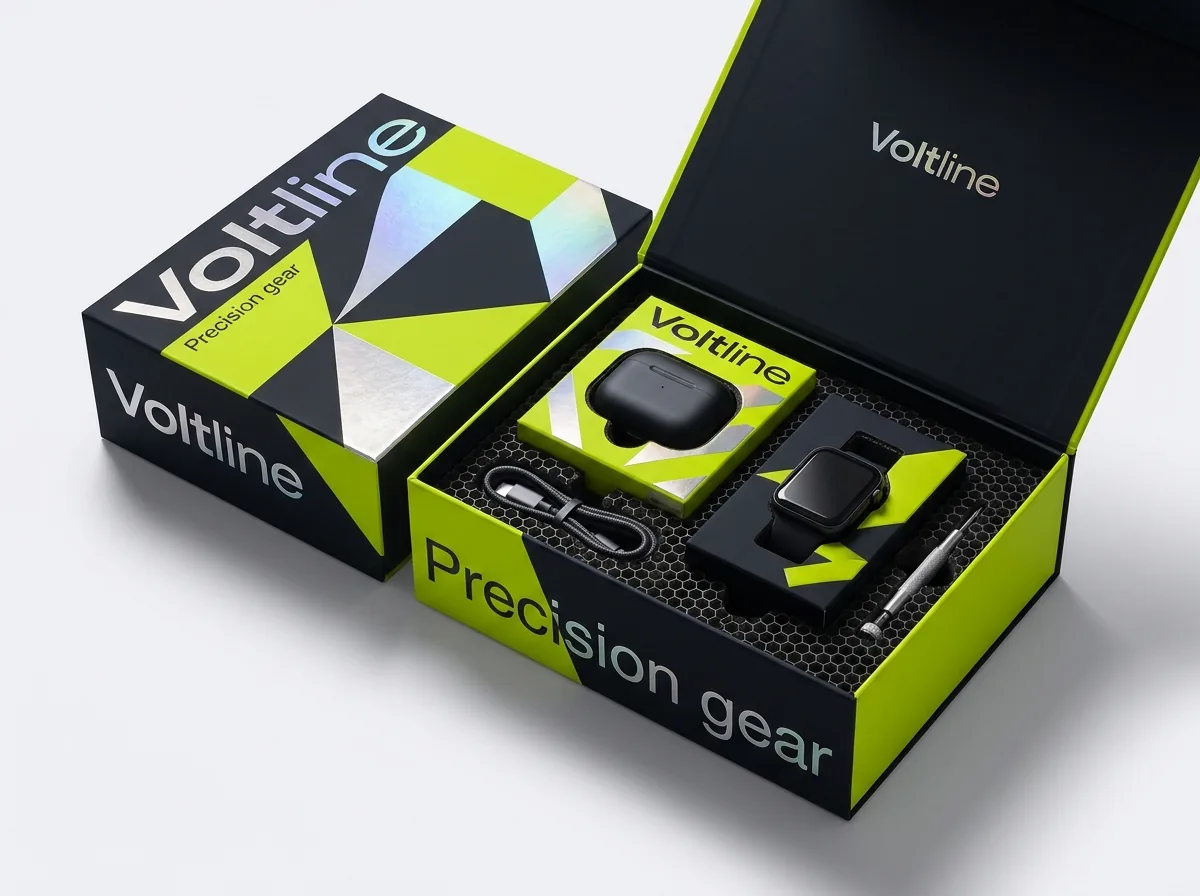
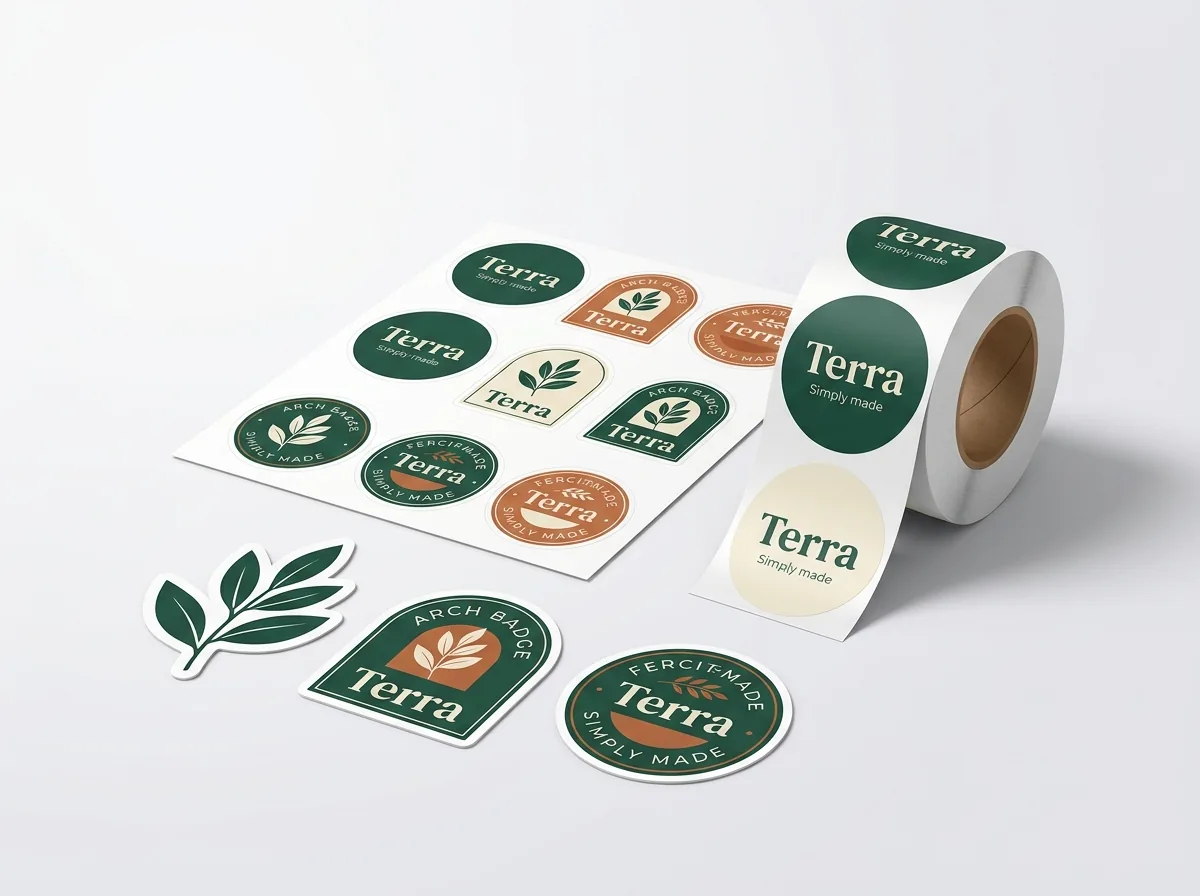
Ready to order honeycomb paper? Compare up to 3 quantities with a free 3D mockup.
Request a Quote →Questions about honeycomb paper
Is custom honeycomb paper strong enough to ship glass wine bottles and candle jars?
Yes. When pulled open to its full 3D hexagonal loft and rolled 2.5 to 3 revolutions around a glass candle tumbler, olive oil cruet or 750 ml bottle inside a fitted corrugated box, extensible long-fiber kraft honeycomb absorbs parcel drop impacts without plastic bubble wrap.
How much warehouse space does honeycomb paper save compared with bubble wrap?
Pre-inflated plastic bubble wrap rolls are roughly 80% trapped air, filling pallet racks quickly. Custom honeycomb paper arrives completely flat in pre-cut sheet reams or compact rolls and expands in volume only at the moment a packer pulls it across the bench.
Can customers recycle printed custom honeycomb paper in their household bin?
Yes. Both natural brown and white kraft honeycomb wrapping paper are all-fiber paper products that go straight into standard household curbside recycling bins alongside your corrugated mailer or shipping box.
Do I still need custom tissue paper if I use custom honeycomb paper?
For bare glass jars, ceramic mugs and bottles, honeycomb paper alone is all you need. For luxury gifts, apparel bundles or delicate matte/gloss cosmetic cartons, layering a printed tissue sheet inside the honeycomb wrap prevents surface rub and elevates the reveal.
Why doesn't honeycomb paper need plastic tape to stay closed?
When the staggered slits open under tension, they form hundreds of upright angled paper ribs. As you wrap a second layer over the first under light tension and press the tail down, the opposing hexagonal cells hook into each other mechanically.
Can I order custom honeycomb paper and custom tissue paper in the same quote?
Yes. Many brands order 1-Pantone kraft honeycomb paper for outer cushioning alongside custom printed tissue paper and 2-inch circle logo stickers. Mention your companion items in the quote notes so your specialist coordinates Pantone colors across all three.
Still have a question? Ask a packaging specialist.
Request a Quote →Request your honeycomb paper quote
Tell us your size and quantities, and one dedicated account manager prepares pricing for each tier.
- Free design & AI-to-print studio + 3D mockup
- No die or plate charges · 4–5 day rush available
- Free shipping to all 50 states
- 10% off your first order
The cushioning comparisons, warehouse storage compression ratios and layered tissue-plus-honeycomb practices in this guide follow TAPPI paper standards and ISTA e-commerce parcel testing guidelines. A CubitPack specialist checked every section. Spot an error? Let us know and we will fix it.
Sources
What changed
- October 22, 2026: First published.
- October 22, 2026: Updated specifications, terminology, and verified source links.
More guides
New packaging guides by email
Sizes, materials and design tips. Unsubscribe anytime.