
Flat vs folded custom thank you cards vs insert cards: which should you choose?
Short answer: Choose flat 4 × 6 in custom thank you cards for fast e-commerce packing with a front message and back promo code. Choose pre-scored 5 × 3.5 in folded cards for luxury gifts and handwritten VIP notes, and add instructional insert cards when your product needs step-by-step usage guides.
On this page
- How do flat thank you cards, folded thank you cards and insert cards compare
- When should you choose a flat card vs a pre-scored folded card
- What is the difference between a thank you card and a product insert card
- How do you choose lamination and finishes if your team writes on cards by hand
- Can you combine a thank you card and an insert card into one card or one multi-design order
- Common mistakes
- FAQs
Request a custom quoteFree dieline & 3D mockup
In CubitPack's cards family, every order uses the same commercial printing presses, cardstock options and luxury finishes, yet brands configure their cards into three distinct roles: flat two-sided thank you cards, pre-scored folded greeting cards, and instructional product insert cards. A flat thank you card works like a sleek boutique postcard that your fulfillment team drops face-up on the tissue paper in one second; the customer sees your gratitude immediately and flips the card over for a discount code or review QR code. A folded thank you card (such as a 5 × 7 inch flat sheet scored down the middle to fold to 5 × 3.5 inches) creates a slower, ceremonial reveal where the buyer opens a physical cover to read a handwritten message inside. Insert cards focus on technical directions, dosing rituals, warranty registration or cross-selling inside each individual item box.
How do flat thank you cards, folded thank you cards and insert cards compare?
Before picking Flat card or Folded card in Step 2 of the quote form across 500, 1,000, 2,500 or 5,000 unit presets, weigh how your warehouse packs orders and what job the card needs to do in the first 10 seconds of unboxing. A high-volume supplement or apparel brand shipping 300 parcels a day needs zero-friction speed at the packing bench, whereas a fine jewelry studio shipping 25 engagement rings a week wants an heirloom keepsake card signed by the jeweler. Use the comparison table below to see how custom printed thank you cards (flat and folded) and custom insert cards divide up the unboxing work.
| Feature | Flat thank you card | Folded thank you card | Product insert card |
|---|---|---|---|
| Structure & panels | Single stiff panel (2 printable sides) | Pre-scored bifold (4 printable panels) | Single flat panel or accordion fold |
| Most popular sizes | 4 × 6 in, 4 × 4 in, 5 × 7 in | 5 × 3.5 in folded (5 × 7 in flat) | 3.5 × 2 in, 4 × 6 in, 2.5 × 6 in |
| Primary unboxing job | Warm brand gratitude + back promo/QR code | Handwritten VIP note & ceremonial reveal | Step-by-step usage, care, dosing or warranty |
| Fulfillment speed | Fastest (1-second drop on top of tissue) | Moderate (fold along score & sign inside) | Fast (packed inside product carton or well) |
| Paper area per card | 24 sq in (for a 4 × 6 in card) | 35 to 48 sq in (5 × 7 or 8 × 6 flat) | 7 to 24 sq in (sized to individual SKU) |
| Popular finish pairing | Both sides CMYK + matte or soft-touch | Foiled soft-touch outside + uncoated inside | Matte or gloss lamination for water resistance |
When should you choose a flat card vs a pre-scored folded card?
A flat card is the default choice for 80% of e-commerce, subscription and retail brands for two practical reasons: unit paper efficiency and immediate visibility. Because a 4 × 6 inch flat card uses 24 square inches of cardstock (compared with 35 square inches on a 5 × 7 inch sheet scored to 5 × 3.5 inches, or 48 square inches on an 8 × 6 inch sheet scored to 4 × 6 inches), a flat card gives you a lower cost per unit at every quantity tier from 500 to 5,000+ pieces. Better yet, nothing is hidden behind a cover fold: your customer sees the front headline the instant they lift the lid of their custom mailer boxes. A folded card earns its spot whenever privacy, ceremony or handwriting length matters. In fine jewelry, watches, bridal boxes, corporate gifting and influencer PR mailers, opening a pre-scored bifold card feels personal and unhurried. Inside a 5 × 3.5 inch folded card (which opens to 5 × 7 inches), your team has two full interior panels: the left panel can carry a printed brand story or product provenance note, while the right panel stays blank for a 3-sentence handwritten message.
What is the difference between a thank you card and a product insert card?
Founders often ask whether they should order thank you cards or insert cards, or whether one card can do both jobs. Mechanically, both products share the exact same cards RFQ configuration (10 to 14 business day turnaround, rush in 4 to 5 days, free design help, no die or plate charges). The difference lies in where the card sits in the package and whether the content changes by SKU: - Custom thank you cards sit at the order level (right on top of the custom tissue paper inside the shipping mailer). Because every customer receives the same warm gratitude note, founder signature, review QR code and repeat-purchase offer regardless of which scent or size they bought, you can order one universal 4 × 6 inch thank you card in bulk (2,500 or 5,000 units) for your entire store. - Custom insert cards sit at the SKU level (tucked inside individual serum cartons, candle jars or custom box inserts cavities). They carry product-specific directions, dilution ratios, safety warnings or recipe pairings that change from item to item.
Know your size? Compare pricing across up to 3 quantities.
Request a Quote →How do you choose lamination and finishes if your team writes on cards by hand?
Nothing ruins a handwritten thank you note faster than signing 50 cards with a gel pen or Sharpie and watching the ink smear across a slick plastic film. In Step 2 of the quote form, you can select No lamination, Matte, Gloss or Soft-touch, plus Foil stamping, Embossing, Debossing and Spot UV. Match your coating to how the card will be signed: 1. Printed signature only (no handwriting at the packing bench): Choose Matte, Soft-touch or Gloss lamination on both sides. We print your founder's cursive signature directly in CMYK, Pantone or metallic gold foil stamping so every card looks hand-signed with zero packing labor. 2. Handwritten name or short note on the back / inside: Ask in the Step 2 notes for front-only lamination (such as Soft-touch + gold foil on the front cover) paired with an uncoated writeable back or inside panel. The uncoated cellulose fibers absorb ballpoint, rollerball, fountain pen and rubber-stamp ink in seconds. 3. 100% tactile letterpress look: Choose No lamination on white, natural brown kraft or recycled cardstock and add Embossing, Debossing or Foil stamping.
Can you combine a thank you card and an insert card into one card or one multi-design order?
If you ship between 1 and 5 core products, the smartest budget move is merging your thank you card and your product insert card into a single two-sided 4 × 6 inch flat card. Put your brand thank-you artwork with gold foil or spot UV on Side A, and print your universal 4-step product care ritual, customer support email and scan-for-instructions QR code on Side B. If you need separate cards for different product lines (or want one universal thank you card plus two SKU-specific instruction cards), select 2 designs or 3+ designs in Step 2 of the quote form. Keeping the same 4 × 6 inch or 3.5 × 2 inch trim size across all versions lets our production team run them together efficiently.
- Pick a 4 × 6 in flat two-sided thank you card for fast e-commerce packing and lowest unit cost.
- Pick a 5 × 3.5 in pre-scored folded card for VIP gifts, fine jewelry and handwritten messages.
- Pick a 3.5 × 2 in or 2.5 × 6 in product insert card for SKU-specific dosing or care rules inside individual cartons.
- Leave any handwriting panel unlaminated so ballpoint and gel pen ink dries without smearing.
- Use '2 designs' or '3+ designs' in Step 2 to split one order across seasonal or SKU variations.
What mistakes happen when choosing between flat cards, folded cards and insert cards?
Choosing the wrong card structure or coating can slow down your packing line or smear handwritten notes. Avoid these five mistakes
- Ordering gloss or soft-touch lamination on both sides of a card when your warehouse team writes customer names by hand with gel pens.
- Printing SKU-specific ingredient or dosing text on your main thank you card instead of keeping the thank you card universal across all orders.
- Choosing a folded card for a high-speed 500-order-per-day fulfillment line without budgeting the extra 15 seconds per parcel to fold and write inside.
- Leaving the back side of a flat thank you card blank when two-sided printing lets you include a care checklist and reorder promo code on one piece.
- Scoring a folded card against the paper grain on a desktop trimmer instead of ordering pre-scored cards that fold cleanly without ink cracking.
Packaging for this
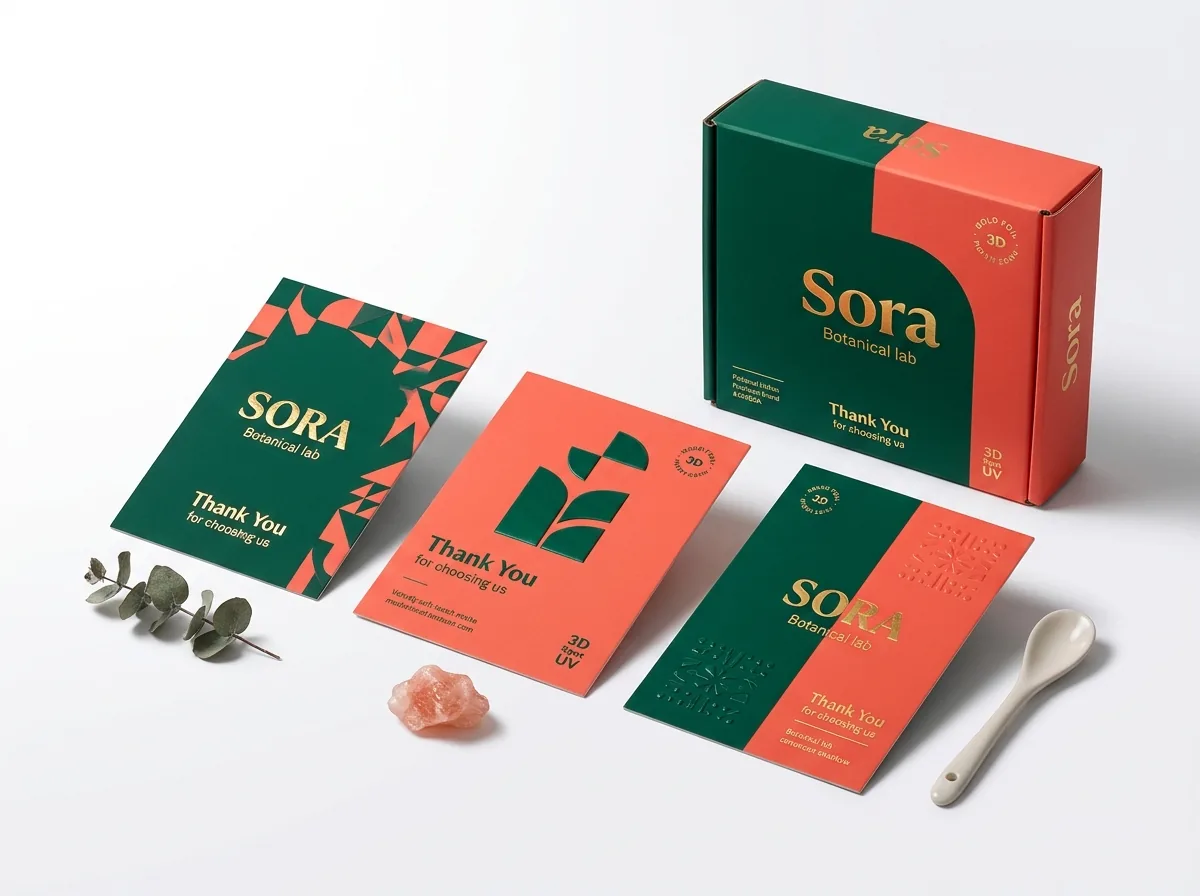
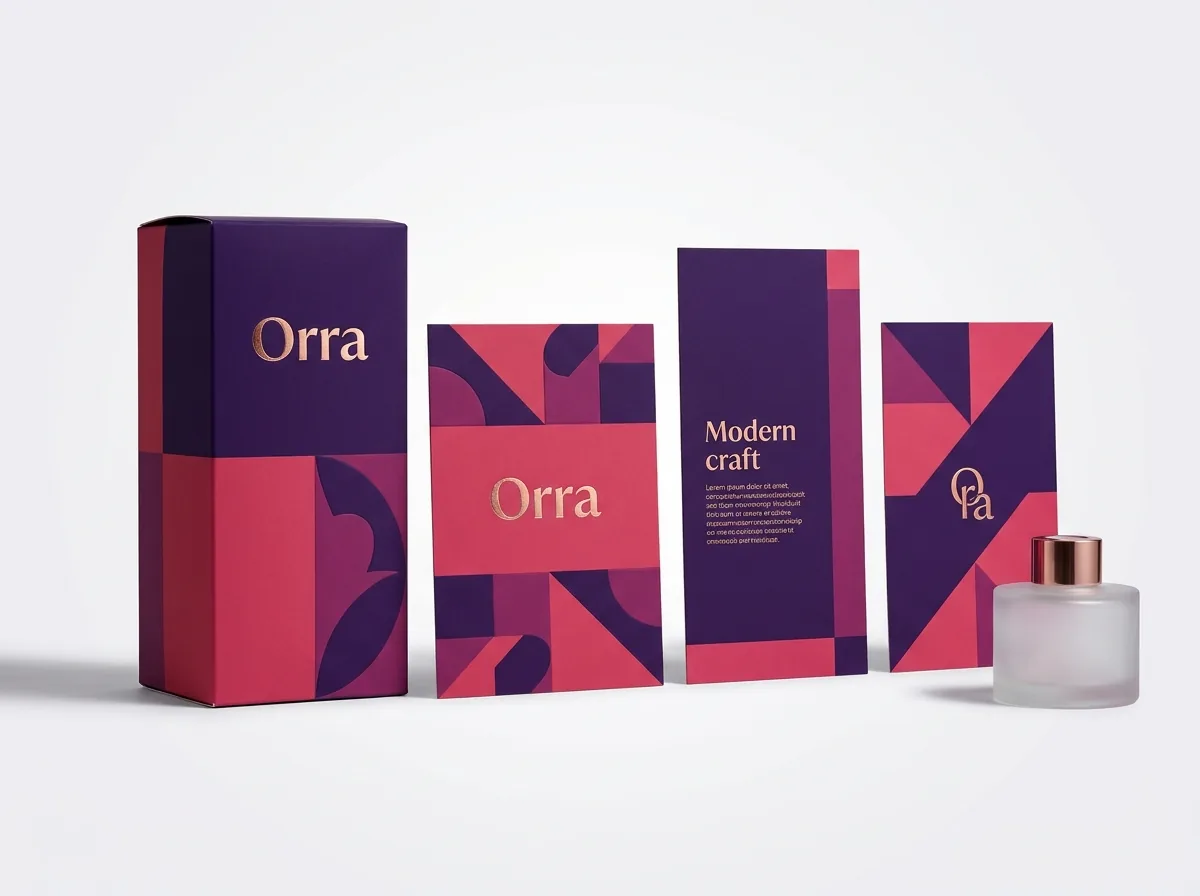
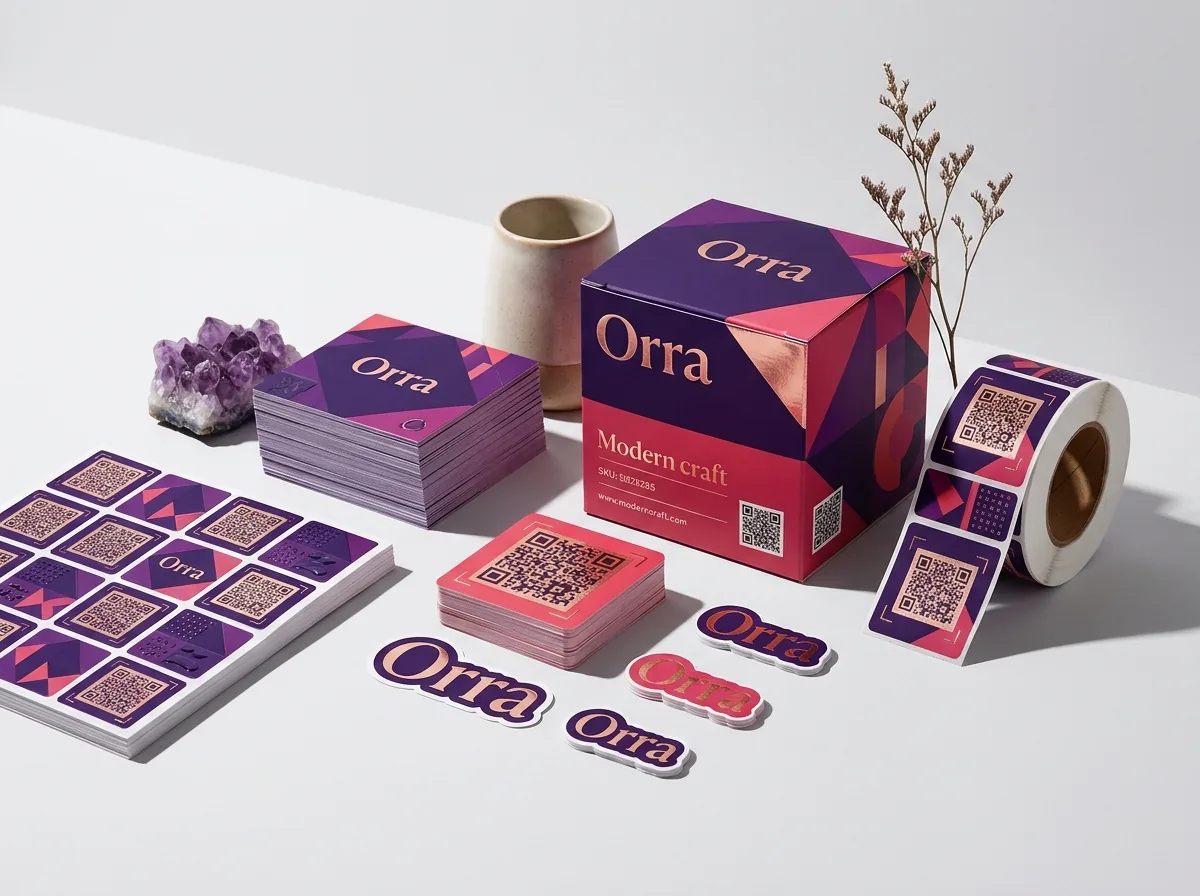
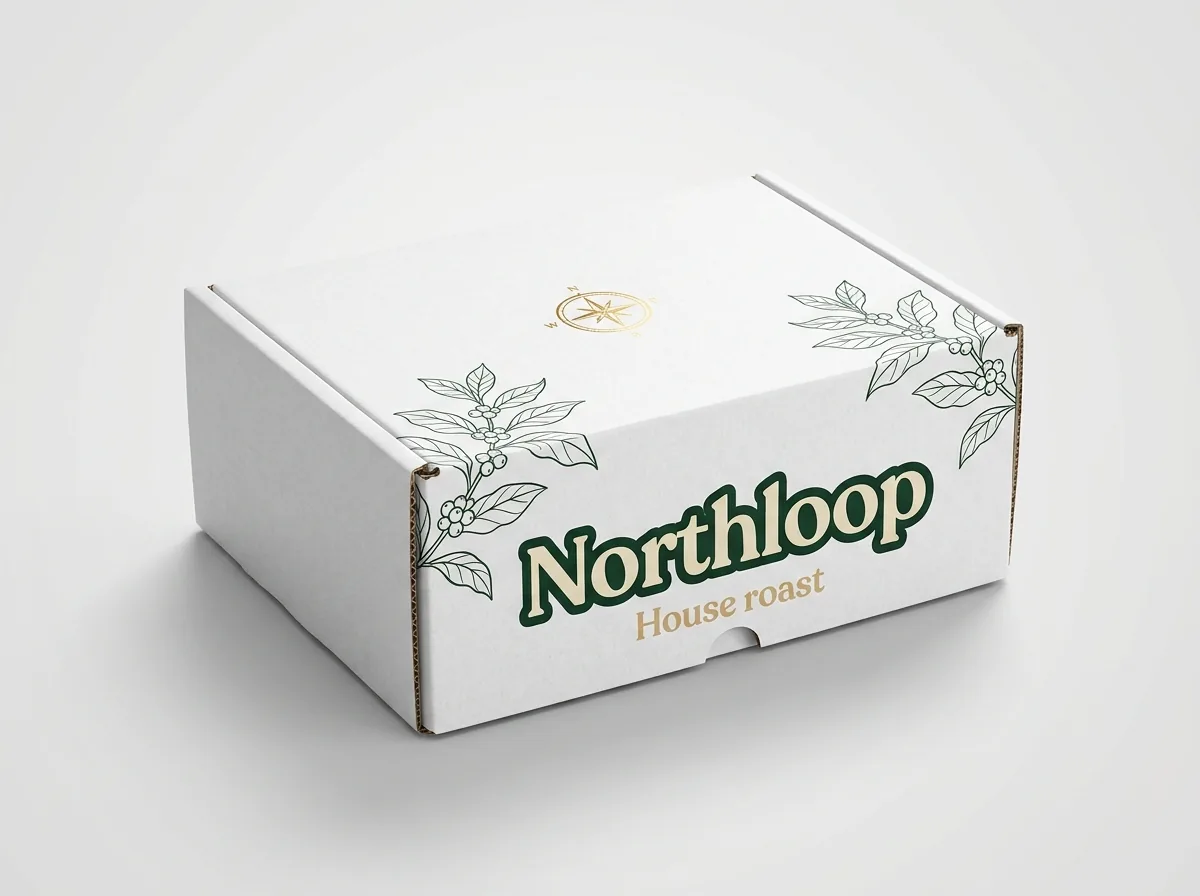
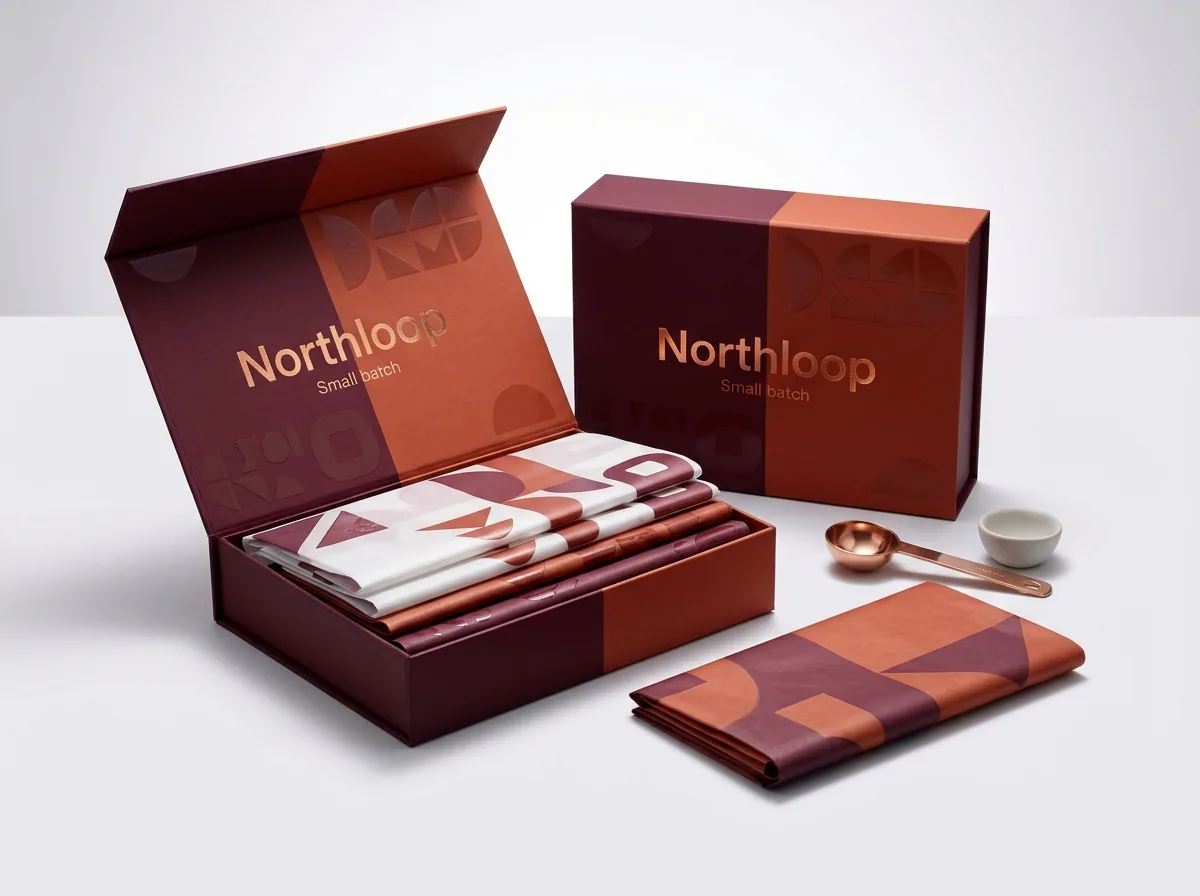
Ready to order thank you cards? Compare up to 3 quantities with a free 3D mockup.
Request a Quote →Questions about thank you cards
Do pre-scored folded thank you cards ship flat or already folded in half?
Pre-scored folded cards ship flat in protective cartons with a precision compression score pressed down the center line. Shipping flat prevents spine crushing in transit and lets your team stack hundreds of cards in a small tray before folding.
What pen works best on matte, soft-touch vs uncoated thank you cards?
On uncoated white, kraft or recycled cardstock (No lamination), any ballpoint, gel, rollerball or fountain pen dries quickly. On Matte or Soft-touch laminated surfaces, use a permanent oil-based marker or standard ballpoint pen and test dry time first.
Does printing on both sides of a flat thank you card cost twice as much?
No. The cardstock sheet and cutting setup represent most of the unit cost, so switching from One side to Both sides in Step 2 of the quote form adds only a modest press pass while doubling your usable space.
Can I add a QR code sticker to a thank you card if my URL changes later?
Yes. Many brands print a timeless thank you card in bulk (2,500 or 5,000 units) and apply a 1 × 1 inch custom QR code sticker on the back for seasonal campaigns or product-specific video links.
Can I get physical samples of flat, folded and foil-stamped cards before ordering?
Yes. You can order our $50 sample kit to feel our cardstock weights, soft-touch and matte laminations, gold foil stamping, embossing and spot UV in person, or request a paid printed sample of your own card design credited toward your order.
How long do flat and folded custom thank you cards take to produce?
Both flat and pre-scored folded custom thank you cards take 10 to 14 business days after you approve your free digital proof and 3D mockup. Rush production in 4 to 5 business days is available (quoted per order), and 50-state US shipping is free.
Still have a question? Ask a packaging specialist.
Request a Quote →Request your thank you cards quote
Tell us your size and quantities, and one dedicated account manager prepares pricing for each tier.
- Free design & AI-to-print studio + 3D mockup
- No die or plate charges · 4–5 day rush available
- Free shipping to all 50 states
- 10% off your first order
This comparison of flat thank you cards, pre-scored folded cards and product insert cards is based on CubitPack's decided cards specifications and commercial bindery and lamination standards, checked by a packaging specialist. Spot something wrong? Tell us and we will fix it.
Sources
What changed
- October 22, 2026: First published.
- October 22, 2026: Updated specifications, terminology, and verified source links.
More guides
New packaging guides by email
Sizes, materials and design tips. Unsubscribe anytime.