
Custom insert cards vs thank you cards vs structural box inserts: which do you need?
Short answer: Choose custom insert cards for printed product instructions, dosing charts, warranty QR codes and cross-sell promos. Choose thank you cards for founder gratitude and handwritten VIP notes, and choose structural box inserts when you need a 3D tray or foam cavity to hold items in place.
On this page
- How do custom insert cards, thank you cards and box inserts compare side by side
- What is the difference between a printed insert card and a structural box insert
- When should you order custom insert cards vs custom thank you cards
- Can one two-sided card work as both a thank you card and an instruction insert
- How do you quote insert cards, thank you cards and box inserts together
- Common mistakes
- FAQs
Request a custom quoteFree dieline & 3D mockup
In packaging conversations, the word 'insert' gets used for three very different components, which often leads buyers to quote the wrong item. First, custom insert cards are flat or pre-scored folded cardstock sheets printed with functional product information, such as step-by-step usage directions, supplement dosing tables, warranty registration QR codes, authenticity seals or cross-sell catalogs. Second, custom thank you cards share the exact same cardstock and print options in our cards family, but their job is emotional connection: delivering a warm founder message, a handwritten signature or a VIP gift note. Third, custom box inserts are 3D structural cradles (die-cut paperboard risers, corrugated partitions, EVA foam, EPE foam or honeycomb trays) engineered with 1 to 13+ cavities to stop bottles and jars from colliding in transit. Picking the right combination protects your goods while guiding the customer.
How do custom insert cards, thank you cards and box inserts compare side by side?
Before you open the quote form, check whether your primary goal is educating the user, thanking the buyer or locking physical products in position. While printed packaging insert cards and custom thank you cards are both 2D printed collateral in our cards RFQ family, custom box inserts belong to our structural inserts family and are engineered around your product's 3D Length × Width × Depth. Use the comparison matrix below to see how each component works, which materials and finishes apply, and how they work together inside the same box.
| Feature | Custom Insert Cards (/custom-insert-cards) | Custom Thank You Cards (/custom-thank-you-cards) | Custom Box Inserts (/custom-box-inserts) |
|---|---|---|---|
| Core job | Instructions, dosing, warranty QR, recipes & cross-selling | Brand gratitude, founder note, VIP gifting & review request | Physical cushioning, cavity separation & face-up display |
| RFQ family | cards (Flat card or Folded card) | cards (Flat card or Folded card) | inserts (Card, EVA foam, EPE foam, Honeycomb) |
| Physical form | 2D flat sheet, 4-panel bifold or die-cut jar disc | 2D flat postcard or pre-scored folded greeting card | 3D die-cut tray, folded riser or foam cavity block |
| Dimensions | Width × Height (e.g., 2 × 3.5, 3.5 × 5, 4 × 6 in) | Width × Height (e.g., 3.5 × 2, 4 × 4, 4 × 6, 5 × 7 in) | Length × Width × Depth + 1 to 13+ product cavities |
| Printing & finishes | 1 or 2 sides · CMYK, Pantone, Matte, Gloss, Soft-touch, Foil, Spot UV | 1 or 2 sides · CMYK, Pantone, Soft-touch, Foil, Embossing, Uncoated back | CMYK, Pantone, Matte, Soft-touch or Foil on card trays |
| Quantity presets | 500, 1,000, 2,500, 5,000 cards | 500, 1,000, 2,500, 5,000 cards | 250, 500, 1,000, 2,500 inserts |
What is the difference between a printed insert card and a structural box insert?
About one in five buyers who search for 'packaging inserts' are looking for a way to keep glass dropper bottles, candle tumblers or electronic devices from rattling inside a box, while the other four are looking for a printed card to slip inside the package. Knowing which one you need saves days during quoting: - Choose a printed insert card (/custom-insert-cards) when your outer folding carton, stand-up pouch or poly mailer already fits the product snugly, and you need a flat or folded sheet of cardstock to communicate directions, safety warnings, recipes, serial numbers or reorder offers. - Choose a structural box insert (/custom-box-inserts) when your box holds fragile glass, heavy hardware or a multi-item kit (1, 2-4, 5-12 or 13+ items) that would slide around or break without a custom die-cut paperboard tray, corrugated cradle, EVA foam block, EPE foam cushion or kraft honeycomb pad. Can a single component do both? In small folding cartons or rigid boxes, brands sometimes order a printed card insert riser (from /custom-box-inserts) with ritual step numbers printed right next to each die-cut cavity, or place a flat custom insert card right on top of an EVA foam tray so the instructions greet the customer before they lift the product.
When should you order custom insert cards vs custom thank you cards?
Because both products live in CubitPack's cards RFQ family, they share the same styles (Flat card or Folded card), printing options (One side or Both sides in CMYK, 1/2/3+ Pantone or white ink on kraft) and finishes (Matte, Gloss, Soft-touch, Foil stamping, Embossing, Debossing and Spot UV). The difference lies in how you structure the copy, size and coating: - When an insert card is the better fit: Your product requires clear instructions to prevent customer error or returns (for example, retinol application frequency, espresso grind ratios, candle wick trimming, device pairing or warranty activation). Insert cards often fit inside the primary package (like a 2 × 3.5 inch card inside a serum carton or a 3.5 × 5 inch card inside a pouch) and use high-legibility Matte or wipe-clean Gloss lamination. - When a thank you card is the better fit: Your product is intuitive to use (like apparel, jewelry, candles or gifts) and your main goal is building brand affinity, thanking the buyer by name and prompting a social share or review. Thank you cards usually sit on top of the custom tissue paper in the outer shipping mailer and frequently use Soft-touch lamination with gold Foil stamping on the front and an uncoated pen-writable back.
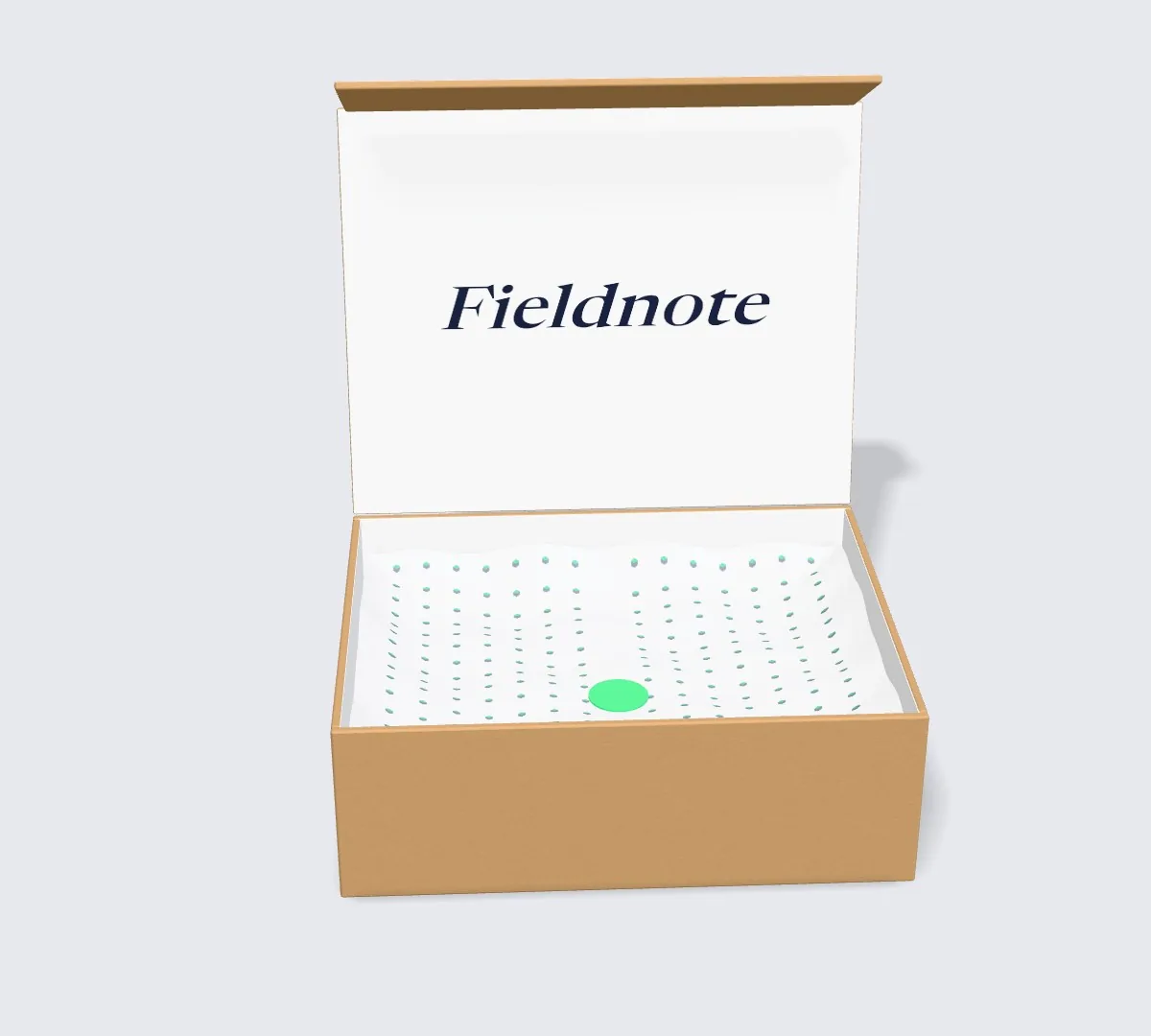
Know your size? Compare pricing across up to 3 quantities.
Request a Quote →Can one two-sided card work as both a thank you card and an instruction insert?
Yes, and for emerging direct-to-consumer brands shipping single-SKU orders in custom mailer boxes, combining both roles onto one two-sided 4 × 6 inch flat card is the smartest way to control unit cost and speed up fulfillment. Here is how our packaging designers structure a hybrid two-sided card: 1. Front face (Brand gratitude & hero aesthetic): Full-color CMYK or Pantone brand artwork, a warm 35-word thank-you headline from the founder, and a tactile accent such as gold foil stamping or spot UV over your logo. 2. Back face (Functional product insert & retention driver): Three numbered quick-start or care icons (using crisp 8 pt to 9 pt dark type on a light ground), a 0.8 × 0.8 inch high-contrast QR code linking to your setup video or warranty page, and a bordered box with a repeat-purchase discount code. Because printing both sides of a flat card adds only a fraction to the cost of one-side printing, a two-sided hybrid card eliminates the need to stock and pack two separate cards per box.
- Single-product DTC mailer: use 1 two-sided 4 × 6 in flat card (thank you on front, care steps + QR on back).
- Multi-SKU supplement or cosmetic line: pack a SKU-specific 2 × 3.5 in instruction insert card inside each bottle carton, plus 1 universal thank you card in the outer shipping mailer.
- Luxury rigid gift or watch set: pair an EVA foam box insert in the base with a foil-stamped authenticity insert card and a folded handwritten thank you card.
- Candle tumbler in a folding carton: place a 3 in round die-cut care disc directly over the wax so burn safety rules are seen right before lighting.
How do you quote insert cards, thank you cards and box inserts together?
Ordering your printed cards and structural packaging from one partner guarantees that your cardstock Pantone colors, foil shades and outer box dimensions match without trial-and-error. - If you are ordering both thank you cards and product insert cards in the same size and stock, select cards in Step 1 of the quote form, pick 2 designs or 3+ designs in Step 2, and list the quantity split in the notes. - If you need both a 3D structural tray (/custom-box-inserts) and a printed top card (/custom-insert-cards), mention both in the Step 2 notes of either quote form. Your dedicated account manager will link the structural dielines so your top card sits flush inside the box opening above the tray cavities, and ship everything together with free 50-state US delivery.
What mistakes do brands make when choosing between insert cards, thank you cards and box inserts?
Mixing up terminology or duplicating collateral across a package wastes budget and clutters the unboxing moment. Avoid these five mistakes
- Requesting 'custom insert cards' when you actually need a 3D die-cut cardboard or foam tray ('custom box inserts') to hold bottles upright.
- Packing three separate loose paper sheets inside one mailer box when a single two-sided flat card or 4-panel folded card can organize everything cleanly.
- Putting critical safety or dosing instructions only on the outer shipping mailer thank you card instead of inside the primary product carton where the user keeps the item.
- Choosing dark low-contrast backgrounds on an instructional insert card, making 8 pt directions and QR codes hard to read.
- Ordering box inserts and top insert cards from different vendors without matching the interior box tolerances or Pantone ink codes.
Packaging for this
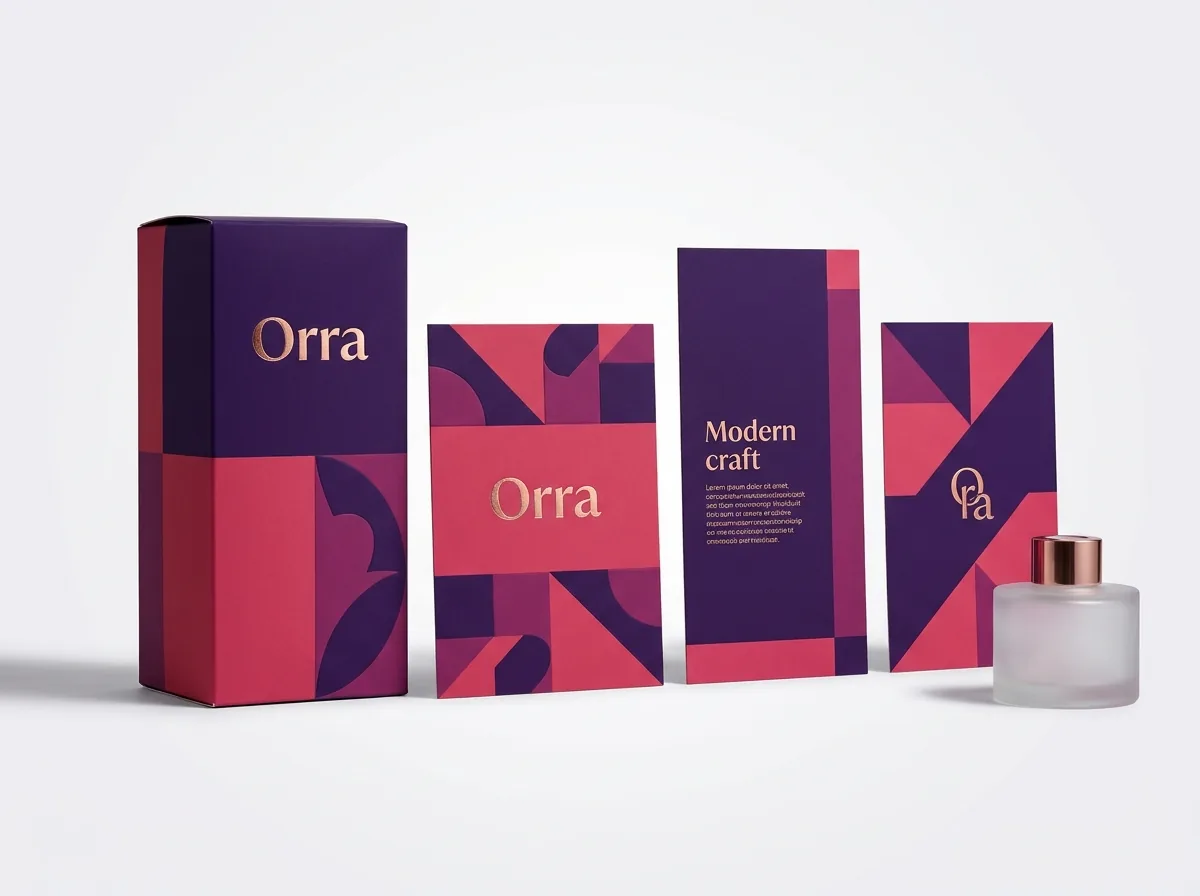
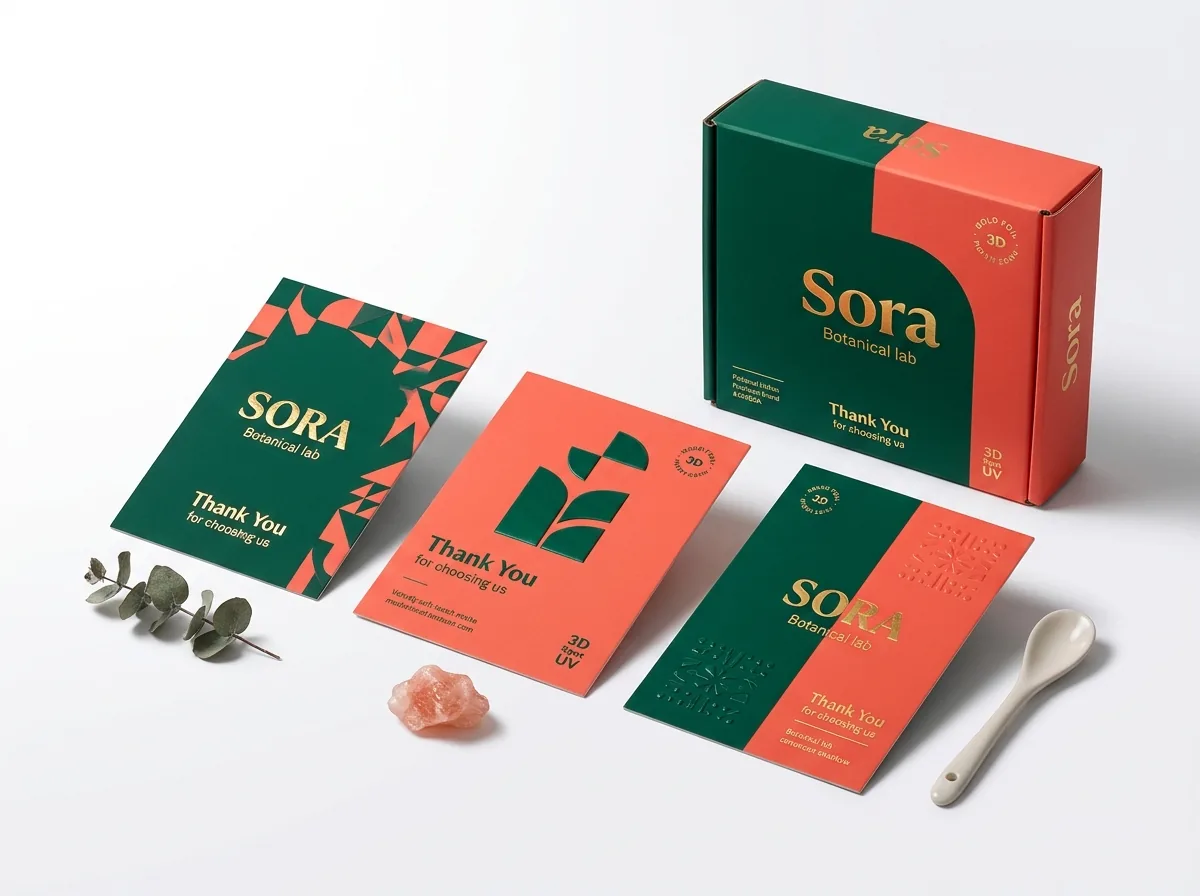
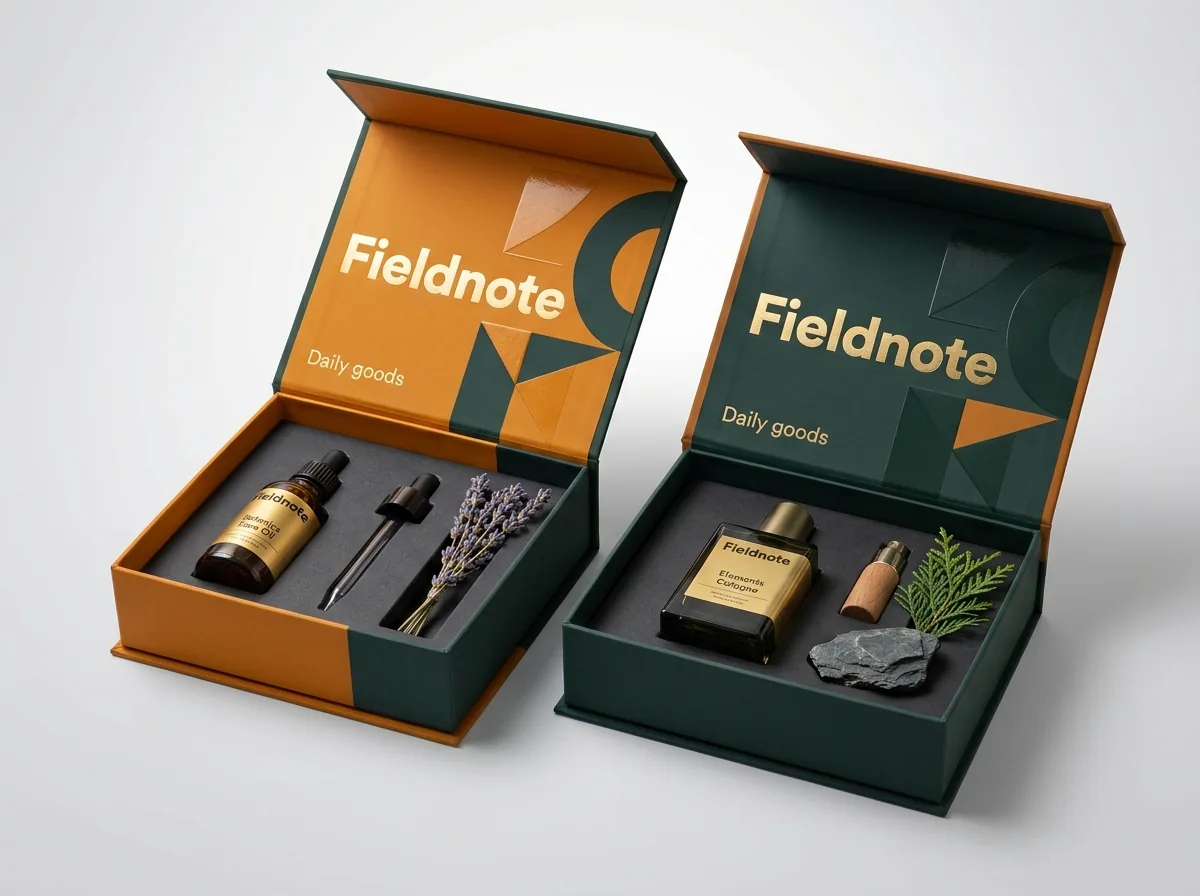
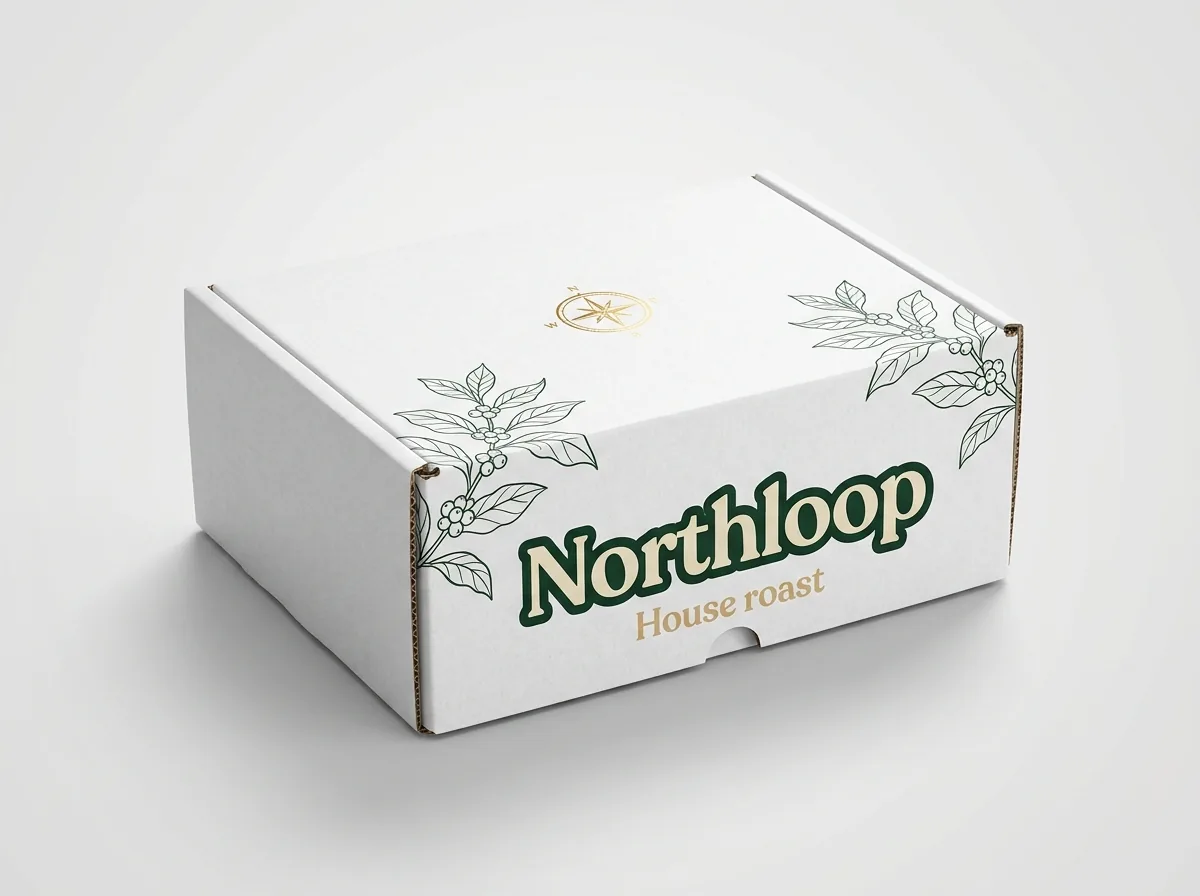
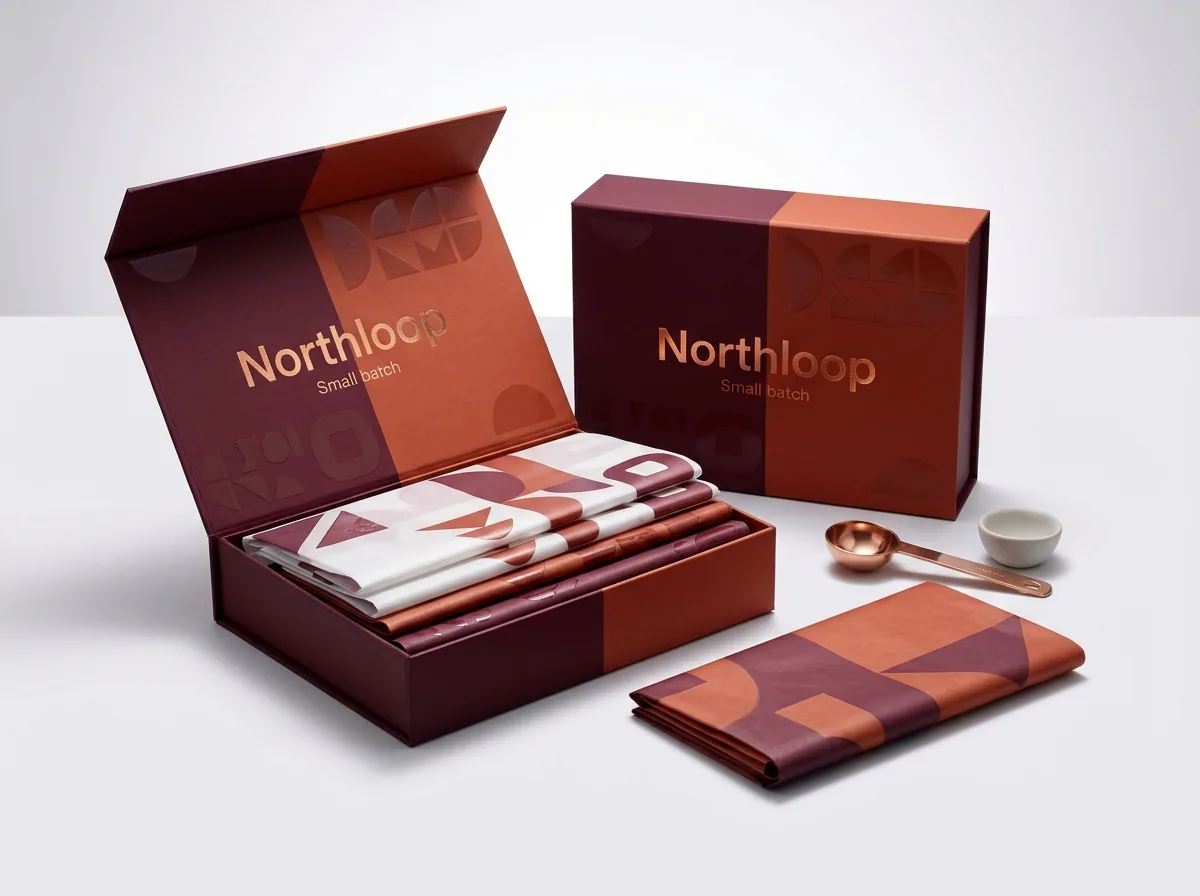
Ready to order insert cards? Compare up to 3 quantities with a free 3D mockup.
Request a Quote →Questions about insert cards
If I need a cardboard or foam tray with cutouts for my bottles, which page should I use?
Head to our Custom Box Inserts page (/custom-box-inserts), which uses our structural 'inserts' quote form for Card inserts, EVA foam, EPE foam and Honeycomb trays with 1 to 13+ cavities. Use this Custom Insert Cards page (/custom-insert-cards) when you want flat or folded printed information cards.
Do custom insert cards and custom thank you cards cost the same to print?
Yes. Because both products are printed on the same presses using our 'cards' RFQ family, a 4 × 6 inch flat insert card and a 4 × 6 inch flat thank you card with the same cardstock, ink colors and lamination have the exact same unit price.
Can I combine my thank you card and SKU instruction cards into one multi-design order?
Yes. If your thank you card and your product instruction cards share the same dimensions, cardstock and lamination, select '2 designs' or '3+ designs' in Step 2 of the quote form and list your quantity per design in the notes to group them into one order.
Should product instructions go on a separate insert card or directly on the box?
Put regulatory ingredients and barcodes on the outside of your folding carton, and put detailed step-by-step routines, multi-language manuals, recipes and warranty QR codes on an internal insert card. That keeps your outer box exterior clean and uncluttered on retail shelves.
Can a flat insert card sit directly on top of a foam or cardboard box insert?
Yes. Many luxury cosmetic, electronics and PR kits place a two-sided or folded custom insert card directly over the EVA foam or paperboard tray as an unboxing cover sheet. Our design team sizes both pieces so the card rests flat on the tray rim.
What is the minimum order quantity for custom insert cards and box inserts?
Minimums depend on the product; we confirm yours with your quote. Quantity presets start at 500, 1,000, 2,500 and 5,000 for cards, and 250, 500, 1,000 and 2,500 for structural box inserts.
Still have a question? Ask a packaging specialist.
Request a Quote →Request your insert cards quote
Tell us your size and quantities, and one dedicated account manager prepares pricing for each tier.
- Free design & AI-to-print studio + 3D mockup
- No die or plate charges · 4–5 day rush available
- Free shipping to all 50 states
- 10% off your first order
This comparison was built from CubitPack's decided cards and inserts specifications in our published product specifications and reviewed by a packaging specialist. Spot something wrong? Tell us and we will fix it.
Sources
What changed
- October 22, 2026: First published.
- October 22, 2026: Updated specifications, terminology, and verified source links.
More guides
New packaging guides by email
Sizes, materials and design tips. Unsubscribe anytime.