
Water-activated paper tape vs plastic packing tape: which should you choose?
Short answer: Choose water-activated paper tape if you pack at stationary benches and want a single-strip, tamper-evident bond that penetrates corrugated fibers. Choose pressure-sensitive plastic custom packaging tape if your crew moves around pallets with handheld tape guns or seals coated cartons and moisture-exposed parcels.
On this page
- How do water-activated paper tape and plastic packing tape compare side by side
- Why does water-activated gummed tape bond stronger on dusty or recycled cardboard
- Should I pick fiberglass-reinforced or non-reinforced water-activated paper tape
- When is pressure-sensitive plastic packing tape the better choice
- How does printed branding look on paper tape vs plastic tape
- Common mistakes
- FAQs
Request a custom quoteFree dieline & 3D mockup
Water-activated paper tape (also called gummed paper tape) and pressure-sensitive plastic tape seal cartons through two completely different mechanisms. Water-activated paper tape carries a dry vegetable-starch adhesive that turns tacky when brushed with warm water in a tabletop dispenser; once pressed onto a corrugated box, the moistened starch soaks deep into the kraft linerboard fibers and dries into a permanent structural weld. Fiberglass-reinforced water-activated paper tape lets packers seal heavy cartons up to 50 or 65 pounds with one center strip, while non-reinforced paper tape repulps directly in curbside cardboard recycling. Pressure-sensitive plastic tape (polypropylene or PVC film with acrylic or hot-melt adhesive) sticks on contact from a lightweight handheld tape gun without water or power, making it ideal for mobile warehouse teams, glossy boxes and moisture-exposed surfaces. At CubitPack, both styles include free design help and zero plate fees.
How do water-activated paper tape and plastic packing tape compare side by side?
When operations managers evaluate custom carton sealing tape, the decision usually balances bench equipment against per-box labor and parcel security. Plastic tape costs less per roll and uses inexpensive pistol-grip dispensers, but packers often apply two or three overlapping strips down the center seam plus two side strips on heavy boxes. Water-activated paper tape requires a tabletop water dispenser, yet seals the carton with a single pre-measured strip. Because water-activated dispensers feed exact strip lengths at the pull of a lever or push of a button, packers stop guessing how much tape to pull and never waste extra yards wrapping around corners. Use the table below to compare non-reinforced paper tape, fiberglass-reinforced paper tape, and pressure-sensitive plastic film across six warehouse criteria.
| Feature | Water-activated paper tape (WAT) | Pressure-sensitive plastic tape (PST) |
|---|---|---|
| Adhesive chemistry | Starch adhesive activated by water; penetrates paperboard fibers | Acrylic or hot-melt synthetic rubber; sticks to surface on contact |
| Strips needed per seam | 1 center strip (3 in wide) holds up to 50-65 lb when reinforced | Often 2-3 center passes or 3-strip H-taping on heavy cartons |
| Tamper evidence | High: peeling tears the corrugated kraft linerboard visibly | Moderate: can sometimes be lifted and re-taped with clear film |
| Dispenser equipment | Tabletop manual pull brush or electric push-button water machine | Portable handheld pistol-grip tape gun (no water needed) |
| Curbside recycling | Non-reinforced paper repulps with the box; reinforced has glass yarns | Plastic film must be peeled off before pulping cardboard |
| Dusty or recycled boxes | Moistened starch cuts through board dust and rough recycled fibers | Surface dust reduces tack unless wiped down firmly with hot-melt |
Why does water-activated gummed tape bond stronger on dusty or recycled cardboard?
Modern shipping cartons contain a high percentage of short recycled paper fibers and fine corrugating dust. Because pressure-sensitive plastic tape relies on surface tack, microscopic dust particles sitting on top of the box can stick to the plastic adhesive first and cause the strip to flag or lift along the edges a few hours after packing. Water-activated starch adhesive works differently: the water wets through surface dust and wicks into the porous kraft paper beneath. As the starch cures within seconds, the tape and the carton flap literally become a single laminated layer of paper. If a thief tries to slice or peel the strip in transit, the bond will not release; instead, it rips a layer of brown kraft fiber right off the box lid, giving unmistakable tamper evidence.
Should I pick fiberglass-reinforced or non-reinforced water-activated paper tape?
Within water-activated paper tape, you can choose non-reinforced paper or fiberglass-reinforced paper. Non-reinforced gummed tape is a single ply of kraft or white paper coated with starch adhesive. It seals lightweight e-commerce cartons under 20 to 25 pounds cleanly and is 100 percent paper, so customers can toss the whole box into their household recycling bin without removing the tape. Apparel brands, cosmetics shippers and subscription boxes under 15 pounds love non-reinforced paper tape because it gives a clean, flat craft finish with zero fiberglass threads showing at the cut ends. Fiberglass-reinforced water-activated tape sandwiches a three-way diamond grid of continuous glass yarns between two plies of kraft paper. Those fiberglass strands stop punctures and cross-seam splitting when a 40-pound carton shifts on a parcel chute. Even if a sharp corner nicks the center seam in a delivery truck, the tear stops at the next fiberglass strand rather than zipping open down the length of the box. For beverage cases, auto parts, pet food bags and multi-unit wholesale cartons, reinforced gummed paper tape is the industry standard.
Know your size? Compare pricing across up to 3 quantities.
Request a Quote →When is pressure-sensitive plastic packing tape the better choice?
Despite the structural advantages of gummed paper tape, pressure-sensitive polypropylene or PVC tape remains essential in several warehouse setups. First, if your team packs orders on mobile carts, seals boxes on pallets in the aisle, or works at pop-up stations without space for a water reservoir, a 2 inch handheld tape gun goes anywhere immediately without needing bench counter space or daily water refills. Second, plastic film shrugs off direct rain, wet loading docks and cold-storage condensation once applied. Third, if you seal waxed produce cartons, glossy laminated retail boxes or poly bundles where water cannot penetrate paper fibers, acrylic or hot-melt pressure-sensitive tape is the right tool. Hot-melt adhesive grabs immediately on springy recycled flaps, while acrylic adhesive holds steady across long ocean or cross-country container storage.
- Mobile packing: handheld tape guns let workers seal boxes on pallets, racks and staging floors without a fixed table or power outlet.
- Glossy or coated boxes: pressure-sensitive adhesive grips laminated and varnished surfaces where water and starch cannot soak in.
- Wet transit exposure: polypropylene film resists surface moisture, cold-storage condensation and damp courier porches.
- Clear background option: transparent plastic tape lets printed box graphics and color floods show through around your logo.
- Fast roll swaps: 2 inch × 110 yard rolls snap onto standard 3 inch core pistol-grip dispensers in less than 10 seconds.

How does printed branding look on paper tape vs plastic tape?
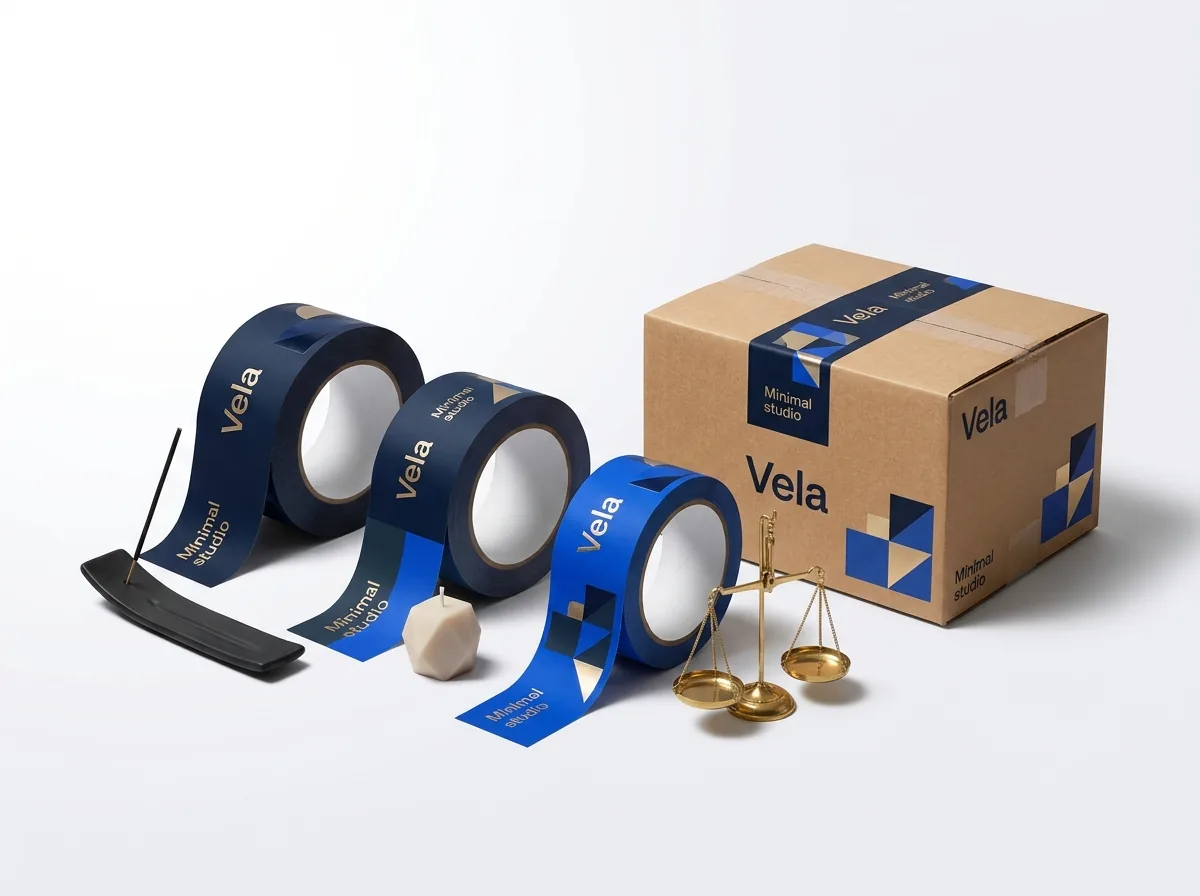
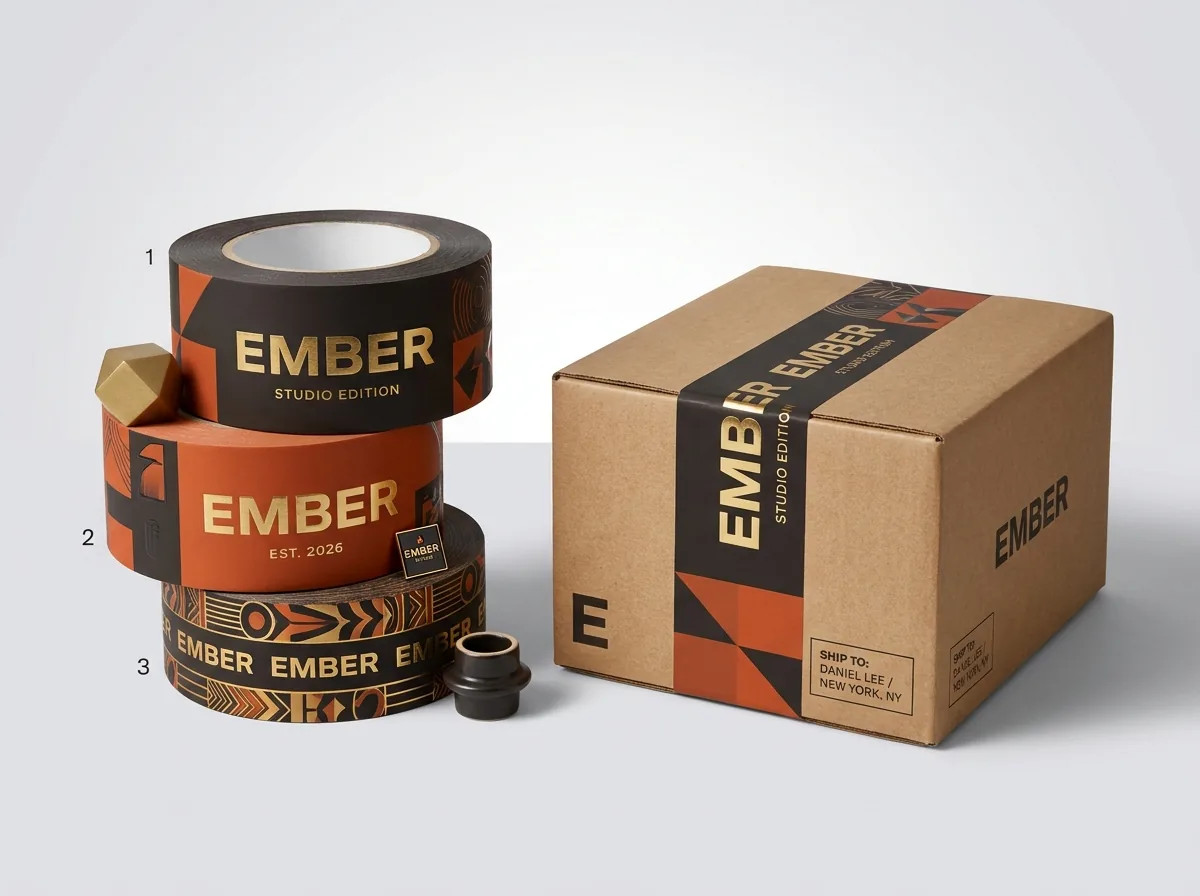
Both paper and plastic tape can be printed in 1 Pantone, 2 Pantone or full color CMYK with guaranteed Pantone matching and zero plate charges at CubitPack. On kraft or white water-activated paper tape, the ink sits on a matte paper surface that looks like it was printed directly onto your custom shipping boxes or custom mailer boxes rather than taped over top. In unboxing videos and porch photos, matte paper tape never throws harsh camera flash glare. On pressure-sensitive plastic tape, your logo sits against a smooth, glossy white, tan or clear film that wipes clean and pops with high-shine contrast. If you want a bold flood-coated strip or a multi-color promotional pattern, see our dedicated custom printed tape page for repeat design layouts. Whether you choose paper or plastic, our prepress team sets up the continuous repeat spacing and sends a digital proof and 3D mockup before payment.
- Natural kraft paper tape: warm, matte organic look that blends naturally into brown RSC boxes and hides minor transit scuffs along the flap crease.
- White paper tape: crisp, glare-free white background for multi-color Pantone brand marks, bright e-commerce unboxing strips and white corrugated shipping cartons.
- Plastic film tape: high-gloss surface shine with optional clear background that lets printed box patterns show right through around your logo.
What mistakes happen when switching between paper and plastic packing tape?
Switching tape types without adjusting packing bench habits or checking outer carton coatings can cause poor adhesion, curled edges or wasted material. Watch out for these five warehouse mistakes before you transition your packing stations
- Applying water-activated paper tape onto a glossy laminated box where water and starch cannot penetrate the surface fibers.
- Using multiple overlapping layers of water-activated paper tape on top of each other, since starch needs raw cardboard fibers to bond rather than a dry tape back.
- Letting the water brush reservoir run dry or get clogged with old starch in a tabletop dispenser, leaving dry unbonded patches along the strip.
- Using standard acrylic plastic tape on high-memory recycled boxes in a freezing warehouse where hot-melt or water-activated tape is required.
- Expecting fiberglass-reinforced tape to repulp like non-reinforced paper without separating the glass yarns at the mill.
Packaging for this
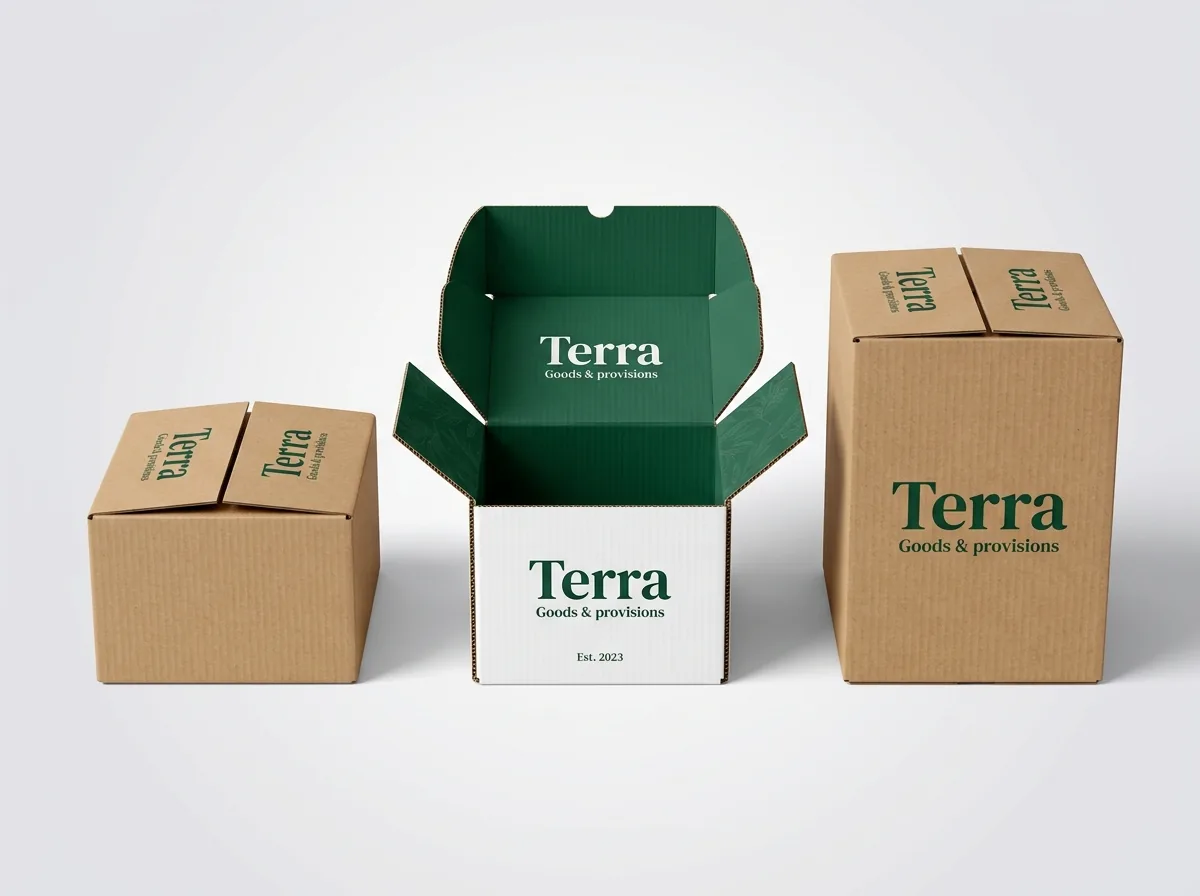
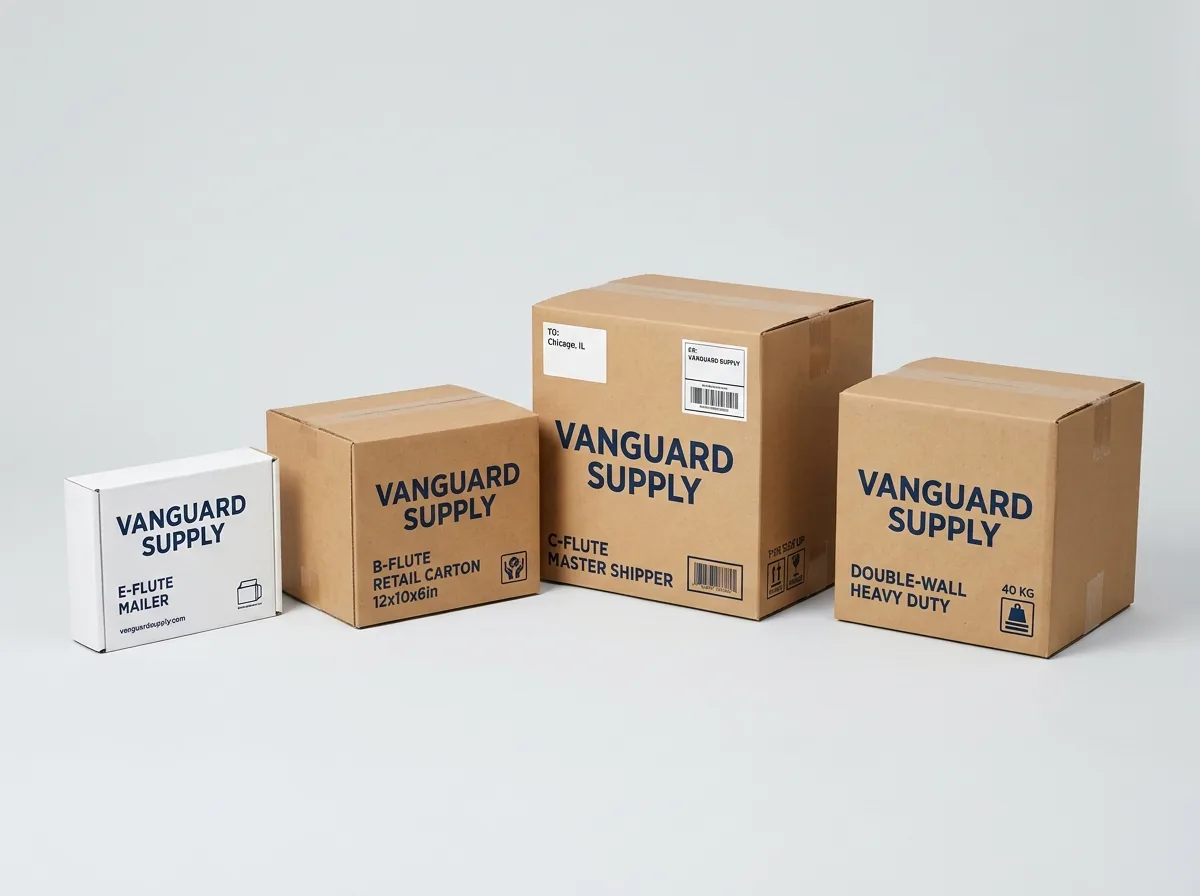
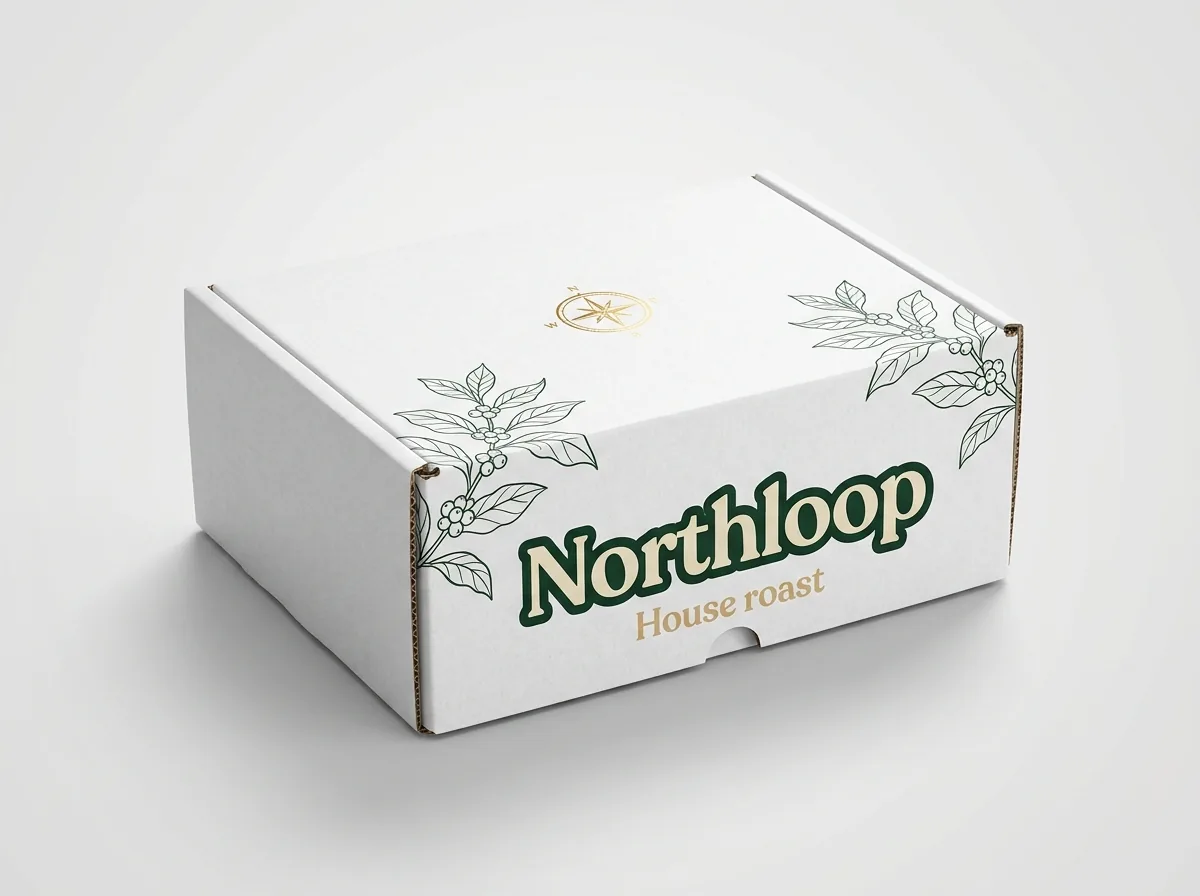
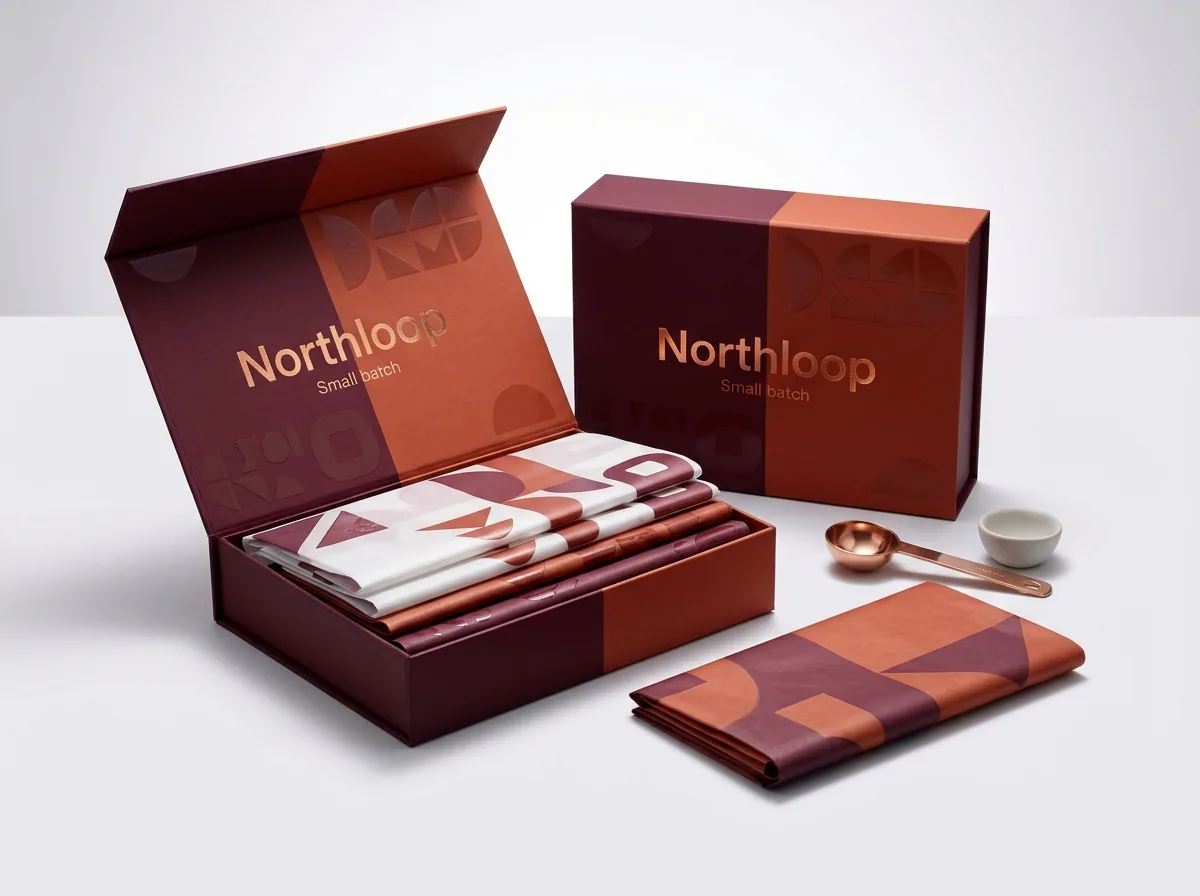
Ready to order packaging tape? Compare up to 3 quantities with a free 3D mockup.
Request a Quote →Questions about packaging tape
Is water-activated paper tape stronger than plastic packing tape?
On unpainted corrugated cardboard, fiberglass-reinforced water-activated paper tape forms a stronger closure than standard plastic tape because the starch adhesive penetrates into the paperboard fibers and the embedded fiberglass strands resist tearing across the seam.
Can customers recycle a box with water-activated paper tape still attached?
Yes. Non-reinforced water-activated paper tape is made of paper and vegetable starch, so it repulps directly with the corrugated box in curbside paper recycling. Even reinforced paper tape is widely accepted in household cardboard streams.
Can I apply water-activated paper tape with a regular handheld tape gun?
No. A standard pistol-grip tape gun has no water tank or moistening brush, and water-activated tape is completely dry and non-sticky on the roll until wetted. You need a manual or electric tabletop water dispenser.
What is the difference between acrylic and hot-melt plastic packing tape?
Acrylic adhesive handles wide temperature swings, resists UV yellowing and works well for long-term storage, while hot-melt synthetic rubber adhesive has stronger initial grab ('quick stick') to hold down stiff recycled corrugated flaps right away.
Does water-activated paper tape work in cold or humid warehouses?
Yes. Once the moistened starch adhesive bonds into the corrugated fibers at the packing table, the cured paper-to-paper weld holds reliably in both summer delivery trucks and cold-storage transit.
Can I order a sample before choosing between paper and plastic tape?
Yes. You can order our $50 sample kit to feel our materials and finishes in person, or request a paid printed sample of your exact tape spec that we credit back when you place your production order.
Still have a question? Ask a packaging specialist.
Request a Quote →Request your packaging tape quote
Tell us your size and quantities, and one dedicated account manager prepares pricing for each tier.
- Free design & AI-to-print studio + 3D mockup
- No die or plate charges · 4–5 day rush available
- Free shipping to all 50 states
- 10% off your first order
This comparison draws on ASTM D1974 fiberboard box closure standards and TAPPI kraft linerboard bonding principles. A CubitPack packaging specialist verified every material and dispenser detail against our published product specifications. Spot something wrong? Tell us and we will fix it.
Sources
What changed
- October 22, 2026: First published.
- October 22, 2026: Updated specifications, terminology, and verified source links.
More guides
New packaging guides by email
Sizes, materials and design tips. Unsubscribe anytime.