
What size custom insert card fits my folding carton, stand-up pouch or mailer box?
Short answer: Deduct 0.25 in from the interior width and height of a folding carton, or 0.5 in inside a pouch or mailer box. Order 2 × 3.5 in custom insert cards for serum cartons, 3.5 × 5 in for pouches, and 4 × 6 in for e-commerce mailers.
On this page
- Which standard insert card dimensions fit cartons, jars, pouches and mailers
- How do you measure a tight folding carton for an internal instruction card
- How do you size insert cards for stand-up pouches and candle jars
- When should you switch from a flat card to a 4-panel folded insert card
- How can standardizing on one card size lower your cost across multiple SKUs
- Common mistakes
- FAQs
Request a custom quoteFree dieline & 3D mockup
Sizing a product insert card is completely different from sizing a standard shipping postcard because an instructional or warranty card often has to slip inside a tight primary container right beside a bottle, jar, blister pack or scoop. If an insert card is cut to the exact nominal width of a reverse-tuck folding carton, the edges will catch on the internal glue seam and dust flaps, slowing down manual or automated kitting lines. Inside a stand-up pouch, measuring only the outside width and height of the bag ignores the side heat seals, the top zipper track and the bottom gusset fold. By deducting 1/8 to 1/4 inch inside folding cartons, measuring strictly between the inner seals of a pouch, and switching to a pre-scored bifold when your text exceeds 150 words, you guarantee smooth packing and flat, crease-free presentation.
Which standard insert card dimensions fit cartons, jars, pouches and mailers?
CubitPack cuts printed product insert cards to any custom Width × Height in inches with zero cutting die or printing plate fees. Whether you need a miniature dosing card that tucks beside a 30 ml dropper bottle or a half-sheet assembly manual for a countertop appliance, we size the dieline to your exact container. Most skincare, supplement, food, candle and electronics brands build their collateral around six proven card footprints. Standardization lets you group multiple product SKUs into a single print run (using Step 2's '2 designs' or '3+ designs' option) while keeping every card easy for your fulfillment team to grab and insert. Use the table below to match your primary or secondary package to the ideal flat or folded card size.
| Insert card size (W × H) | Minimum container interior | Card format | Best product & instruction use |
|---|---|---|---|
| 2 × 3.5 in | 2.25 × 3.75 in folding carton | Flat or 4 × 3.5 in folded | 1 oz serum dropper cartons, essential oils, lip gloss and pill bottles |
| 3 × 3 in (square or round) | 3.25 in jar diameter or cube box | Die-cut disc or flat square | 9 oz candle jar dust covers, balm tins and compact cosmetic cubes |
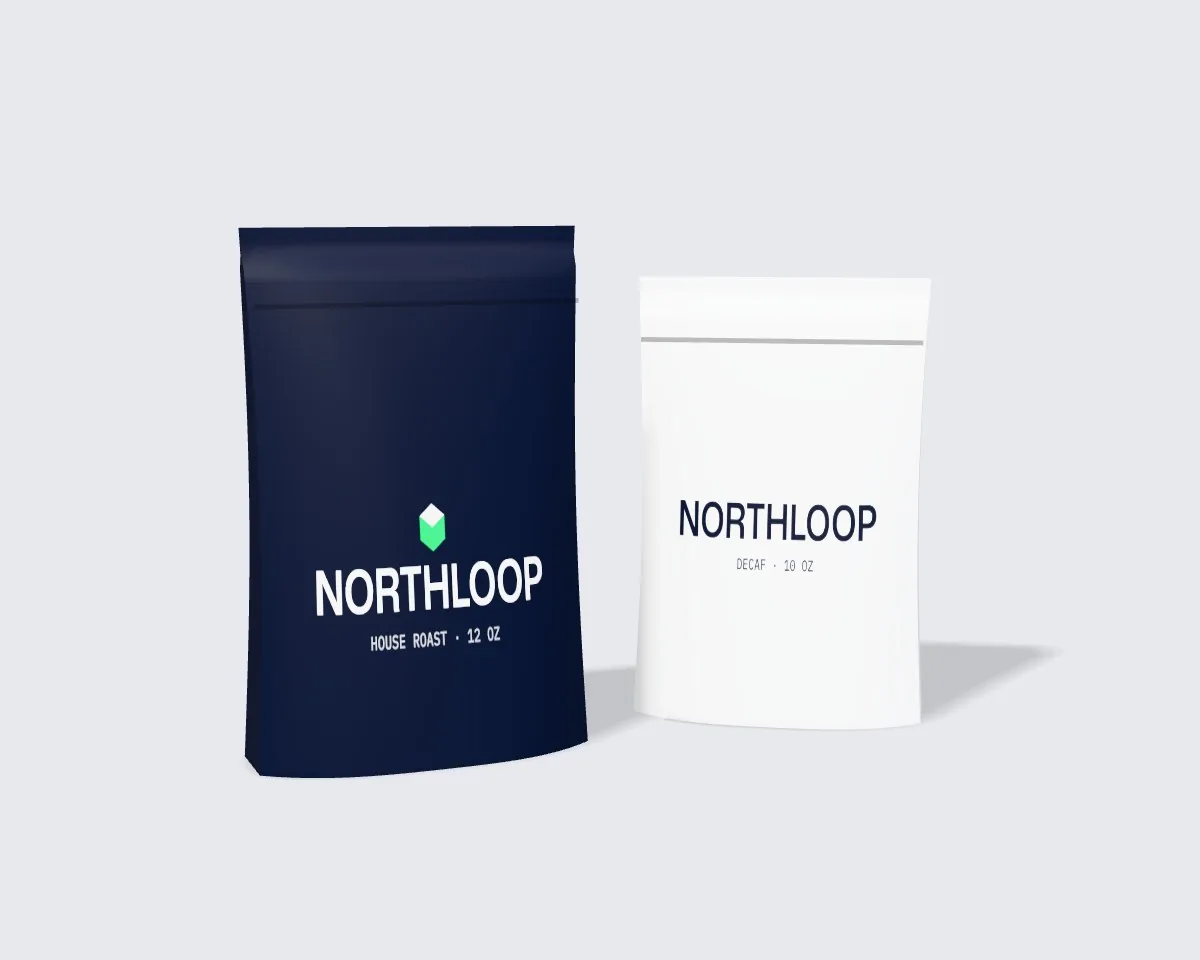
| 3.5 × 5 in | 4.25 × 6 in usable pouch pocket | Flat two-sided card | 8 oz to 12 oz stand-up pouches, coffee bags, tea tins and spice kits |
| 4 × 6 in flat | 4.5 × 6.5 in mailer or poly bag | Flat two-sided card | E-commerce mailer boxes, subscription kits, warranty QR and cross-sell grids |
| 4 × 6 in folded (8 × 6 in flat) | 4.5 × 6.5 in kit or carton | Pre-scored 4-panel bifold | Multi-step skincare routines, multi-language manuals and mini lookbooks |
| 5.5 × 8.5 in | 6 × 9 in equipment or apparel box | Flat or 11 × 8.5 in folded | Electronics quick-start diagrams, tool safety checklists and parts tables |
How do you measure a tight folding carton for an internal instruction card?
When slipping an insert card inside custom product boxes or folding cartons, your card shares the interior cavity with the product itself plus the carton's manufacturer glue flap. A folding carton quoted at 2.25 × 2.25 × 4.25 inches inside has a glued side seam that overlaps one interior wall by about 3/8 to 1/2 inch, creating a slight step where a stiff card edge can snag during top-loading. To prevent line jams and bent corners, measure the interior width of the panel the card will rest against and subtract 0.125 to 0.25 inches (1/8 to 1/4 inch) from both the width and the height. For a 2.25 inch wide × 4.25 inch tall serum carton, a 2.0 × 3.5 inch or 2.0 × 3.875 inch card drops straight down the back wall without touching the top dust flaps. Adding a subtle 1/8-inch corner radius (free with no die charge) further guides the card past the bottle shoulder during high-speed hand packing.
How do you size insert cards for stand-up pouches and candle jars?
Flexible pouches and round glass jars have unique internal geometry that trips up first-time buyers: - Sizing for [custom stand-up pouches](/custom-stand-up-pouches): Never size a card to the outer width × height of a pouch. A 6 × 9 × 3 inch stand-up pouch loses about 0.375 inches on both the left and right edges to the vertical heat seals, 1.25 to 1.5 inches at the top to the tear notch and press-to-close zipper track, and 1.5 inches at the bottom where the gusset folds inward. That leaves an unobstructed internal pocket of roughly 5.25 × 6.0 inches. Subtracting 0.5 inches for easy drop-in gives you a 3.5 × 5 inch or 4 × 5 inch insert card that clears the zipper cleanly. - Sizing round candle and cosmetic jar toppers: Many candle and skincare studios place a circular cardstock dust cover directly on top of the wax or inner jar lid. Measure the inside neck diameter of the glass tumbler or jar (not the outside wall) and subtract 0.0625 to 0.125 inches (1/16 to 1/8 inch) so the disc sits level without buckling. We can die-cut a 0.25-inch center hole for the candle wick plus a small edge finger tab at zero tooling cost.
Know your size? Compare pricing across up to 3 quantities.
Request a Quote →When should you switch from a flat card to a 4-panel folded insert card?
One of the biggest layout mistakes is cramming 400 words of dosing instructions, safety warnings and three languages onto a tiny 2 × 3.5 inch or 3.5 × 5 inch flat card. Once body copy drops below 7 pt font size, customers struggle to read your instructions and support tickets climb. Use this simple word-count rule to choose between Flat card and Folded card in Step 1 of our quote form: - Up to 150 words total (plus 1 QR code): Order a Flat card printed on both sides. Put your 3 to 5 numbered quick-start steps on the front and your warranty QR code, support email and cross-sell offer on the back. - 150 to 450 words (or multi-step diagrams and translations): Order a Folded card. We print the sheet at double width (such as 4 × 3.5 inches flat, pre-scored down the center to fold to 2 × 3.5 inches, or 8 × 6 inches flat folding to 4 × 6 inches). You get four distinct panels in the exact same footprint, keeping your typography at a crisp, comfortable 8 pt to 10 pt size.
- 2 × 3.5 in flat (or 4 × 3.5 in folded to 2 × 3.5 in): fits small bottle cartons and supplement boxes.
- 3 × 3 in round die-cut disc: sits flat inside standard 8 oz to 10 oz candle tumblers.
- 3.5 × 5 in flat: slips below the zipper and above the gusset in 8 oz to 12 oz pouches.
- 4 × 6 in flat or 4-panel bifold: fits mailer boxes, poly mailers and cosmetic starter kits.
- 5.5 × 8.5 in flat or bifold: fits electronics boxes, hardware kits and home appliances.
How can standardizing on one card size lower your cost across multiple SKUs?
If your brand sells four different serums, six spice blends or three electronic accessories, each SKU needs its own instructional text or recipe steps. If you order four different card dimensions, each size must be set up and trimmed separately. Instead, measure the smallest carton or pouch across your product line and pick one shared card dimension (such as 2 × 3.5 inches across all serums, or 3.5 × 5 inches across all pouches) that fits every container. Then select 2 designs or 3+ designs in Step 2 of the quote form and list your per-SKU breakdown in the notes. Sharing the same finished size, cardstock and lamination lets us gang-run your SKU variants in a single production batch so you unlock higher-tier unit pricing across the combined total. You can even pair your instruction card with custom box inserts and custom QR code stickers in the same packaging suite.
What sizing mistakes cause custom insert cards to jam or bend during packing?
Most kitting slowdowns happen when card dimensions ignore internal seams, pouch heat seals or paper grain direction. Avoid these five mistakes
- Cutting an insert card to the exact width of a folding carton instead of deducting 1/8 to 1/4 inch to clear the internal glue flap.
- Sizing a pouch insert card to the outside width × height of the bag instead of measuring between the inner heat seals below the zipper.
- Measuring the outside rim of a candle jar for a round topper disc instead of subtracting 1/16 to 1/8 inch from the inside glass diameter.
- Shrinking instruction text below 7 pt to fit on a flat card instead of ordering a pre-scored 4-panel folded card of the same finished size.
- Specifying a folded card without stating both the open flat dimensions and the finished folded dimensions in the quote notes.
Packaging for this
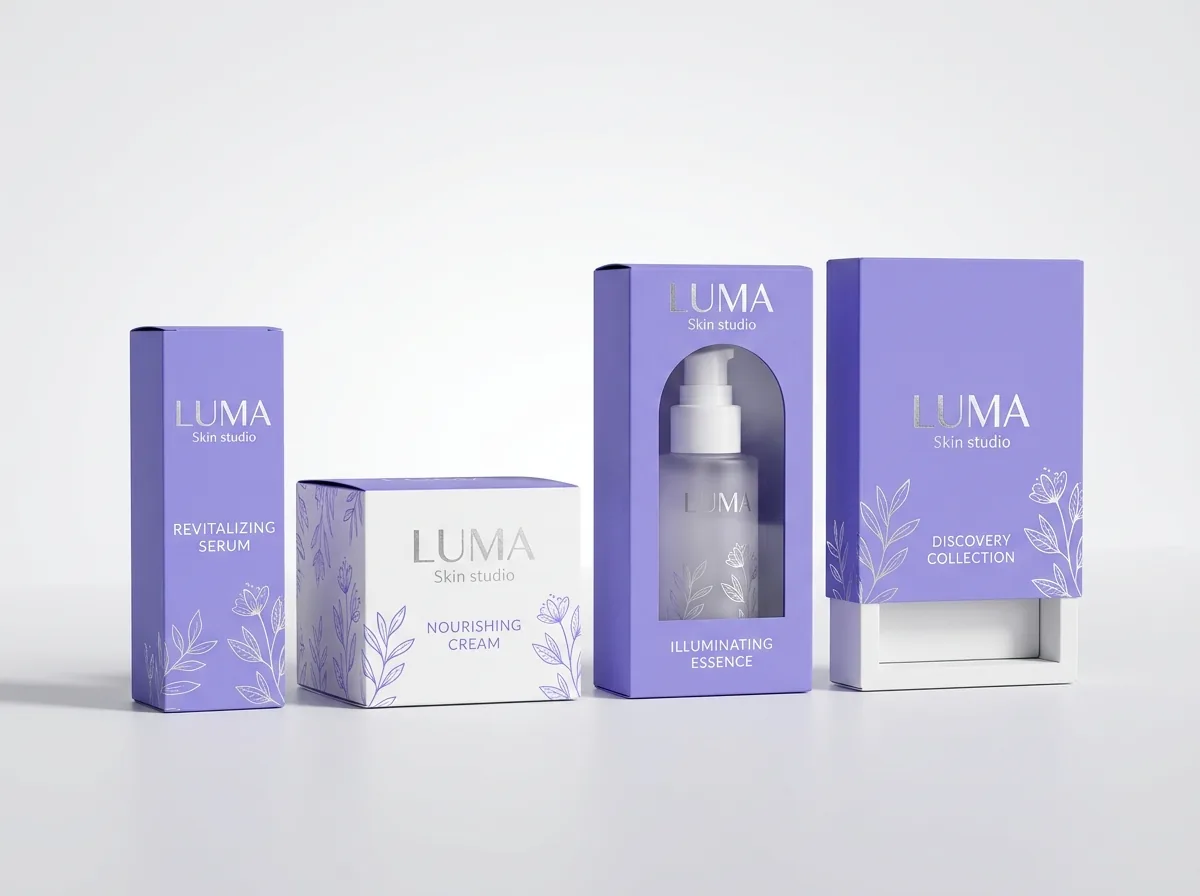
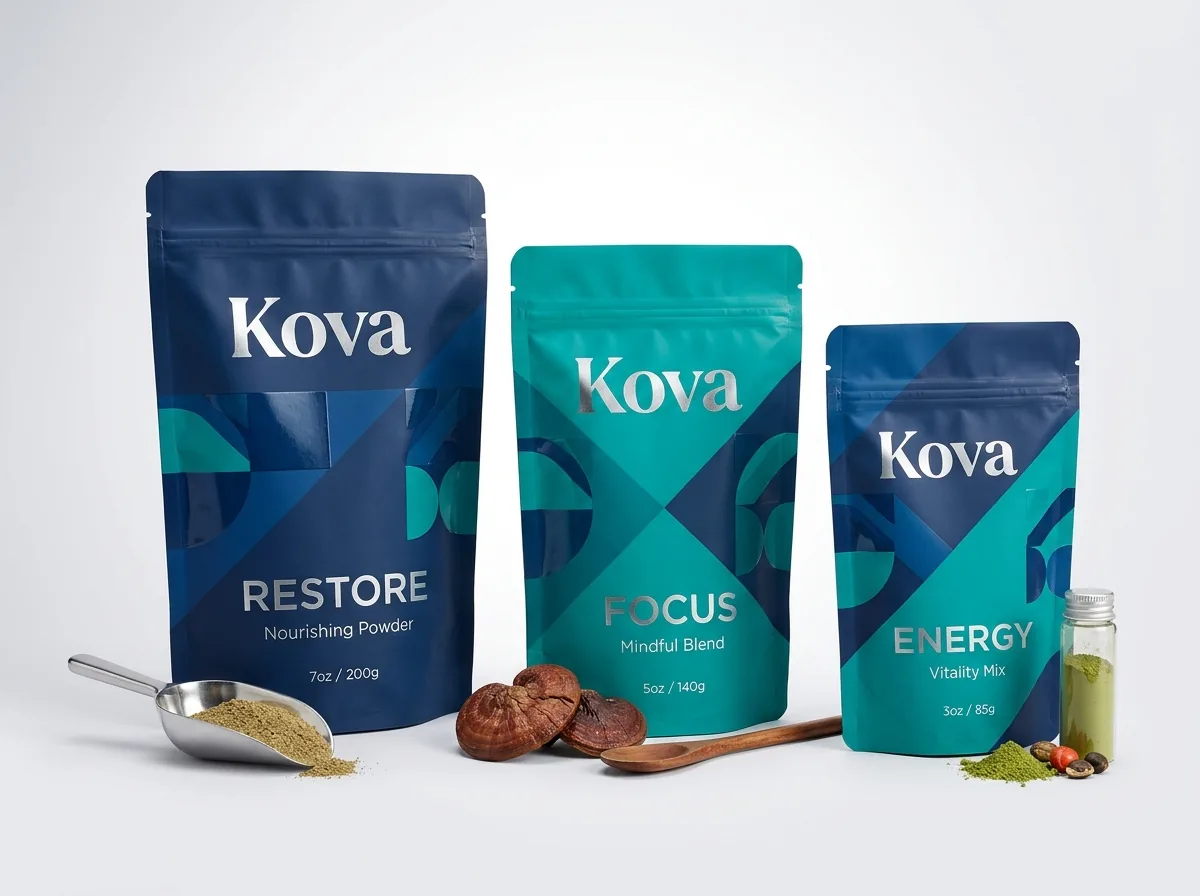
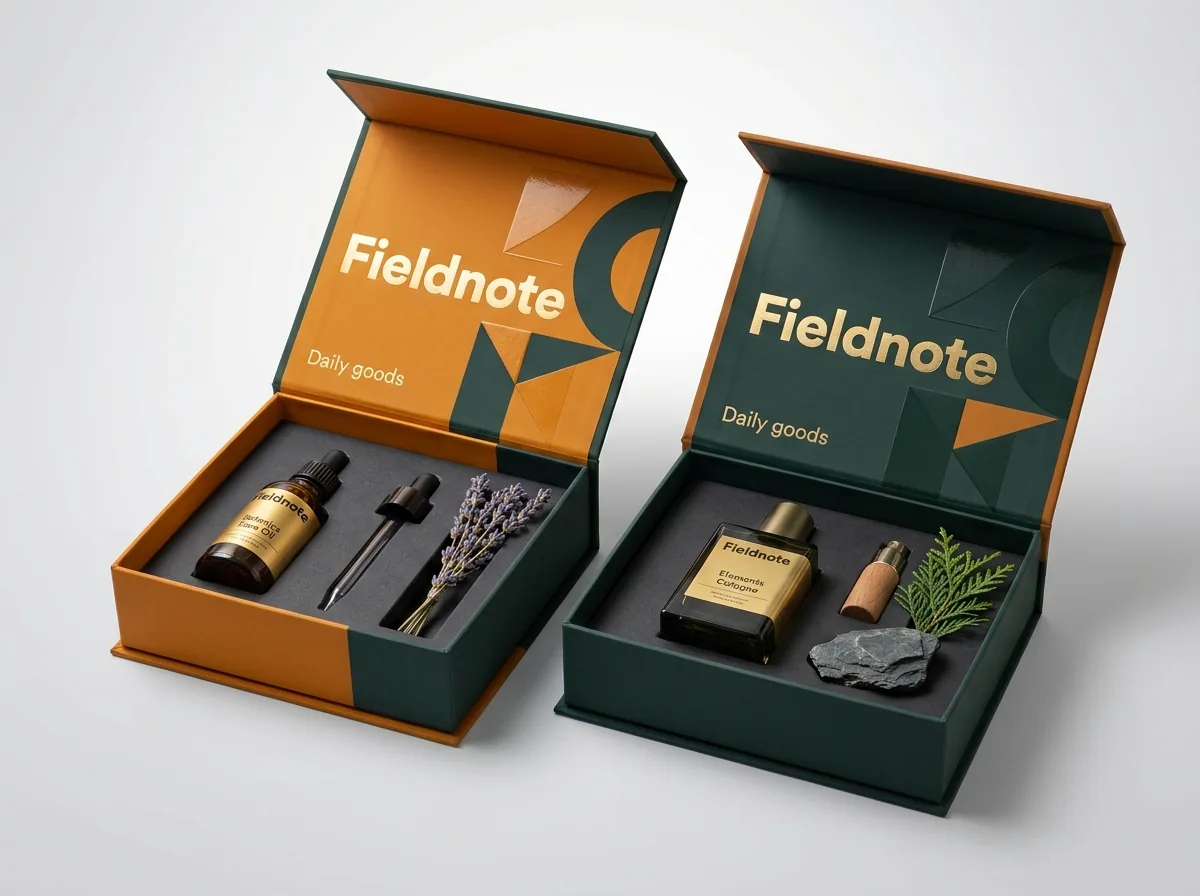
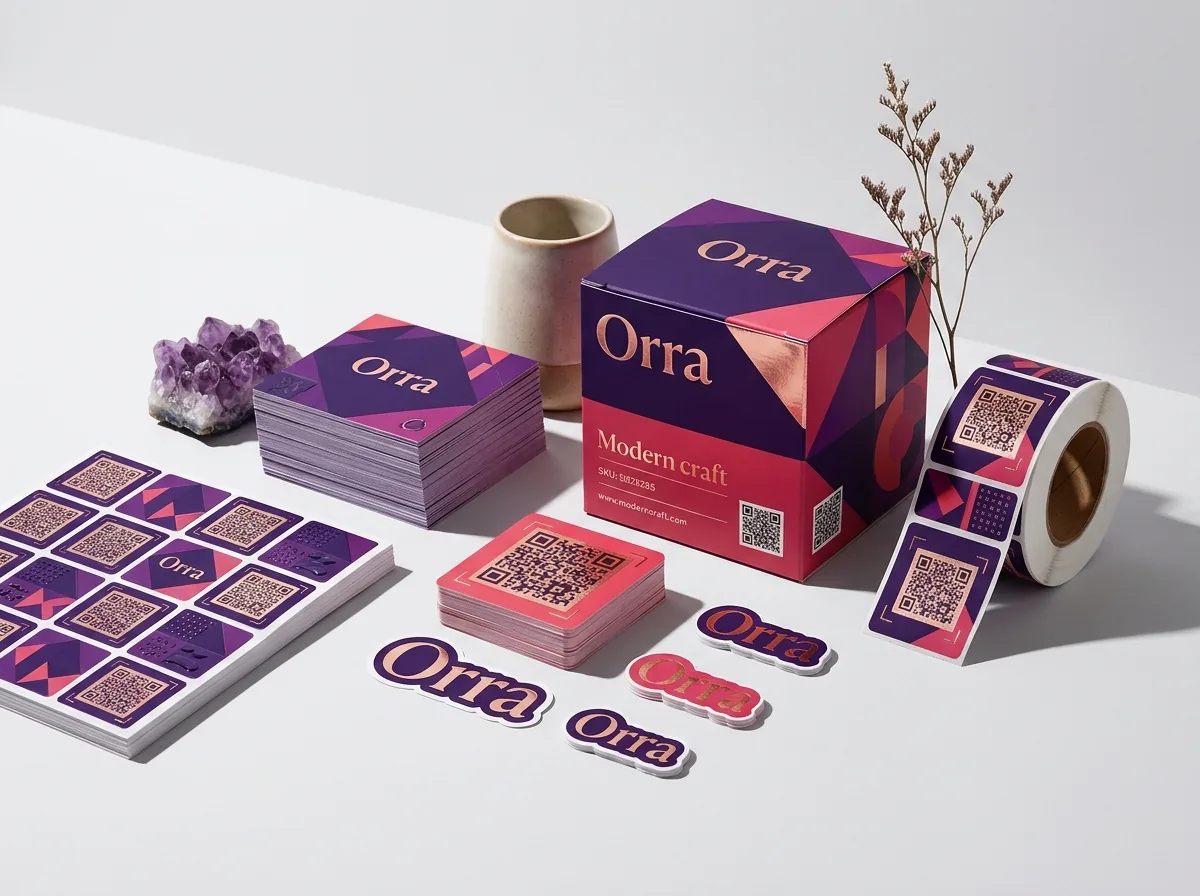
Ready to order insert cards? Compare up to 3 quantities with a free 3D mockup.
Request a Quote →Questions about insert cards
How much smaller than my folding carton should my custom insert card be?
Deduct 0.125 to 0.25 inches (1/8 to 1/4 inch) from both the inside width and inside height of your folding carton. That clearance keeps the card from catching on the internal glue seam or top dust flaps when packers slide it in beside your bottle or tube.
What size insert card fits inside an 8 oz or 12 oz stand-up pouch?
A 3.5 × 5 inch flat card fits almost every standard 8 oz and 12 oz stand-up pouch (which typically measure 5 to 6 inches wide by 8 to 9 inches tall outside). It sits comfortably between the side heat seals, below the zipper track and above the bottom gusset fold.
How do I specify dimensions for a pre-scored 4-panel folded insert card?
Select 'Folded card' in Step 1 of the quote form, enter the finished folded width × height in the size fields, and write both the folded size and open flat size (for example, '2 × 3.5 in folded, 4 × 3.5 in open flat') in the Step 2 notes.
How do I measure a candle jar or cosmetic jar for a round die-cut topper card?
Use calipers or a ruler to measure the inside diameter of the jar opening where the card will rest, then subtract 1/16 to 1/8 inch (0.0625 to 0.125 inches). Note in Step 2 if you want a 0.25-inch center wick hole or a half-moon finger pull tab.
Do folded insert cards arrive pre-folded or flat with a score line?
Pre-scored folded cards ship flat in protective cartons with a precision grain-aligned compression score down the center. Shipping flat prevents spine crushing in transit and lets your packing team fold each card cleanly in one second as they kit orders.
What is the minimum order quantity for custom sized insert cards?
Minimums depend on the product; we confirm yours with your quote. In Step 1 of the quote form, click quick-add quantity presets of 500, 1,000, 2,500 and 5,000 cards to compare unit price breaks.
Still have a question? Ask a packaging specialist.
Request a Quote →Request your insert cards quote
Tell us your size and quantities, and one dedicated account manager prepares pricing for each tier.
- Free design & AI-to-print studio + 3D mockup
- No die or plate charges · 4–5 day rush available
- Free shipping to all 50 states
- 10% off your first order
The carton, pouch and jar clearance formulas in this guide come from CubitPack's decided cards specifications and standard co-packing tolerances, reviewed by a packaging specialist. Spot something wrong? Tell us and we will fix it.
Sources
What changed
- October 22, 2026: First published.
- October 22, 2026: Updated specifications, terminology, and verified source links.
More guides
New packaging guides by email
Sizes, materials and design tips. Unsubscribe anytime.