
How Do EVA Foam and Velvet Inserts Compare for Luxury Boxes?
Short answer: Custom EVA foam provides dense, non-crumbly shock absorption with precision laser-cut cavities tailored to fragile bottles, jewelry, and electronics. Laminating plush velvet flocking over high-density EVA foam combines heavy-duty drop protection with an opulent, scratch-free retail unboxing display. Specify custom die-cut finger notches and multi-depth cavities to hold heavy glass bottles and delicate accessories securely.
On this page
- What are the mechanical properties of high-density closed-cell EVA foam
- How is plush velvet flocking bonded to custom foam inserts
- What laser cutting and CNC waterjet tolerances apply to cavity cutouts
- Why are finger access notches essential for ergonomic product removal
- How do molded pulp and paperboard inserts provide eco-friendly alternatives
- What multi-layer step-down cavity designs accommodate complex product kits
- How do satin fabric wraps and ribbon pulls enhance presentation
- Common mistakes
- FAQs
Request a custom quoteFree dieline & 3D mockup
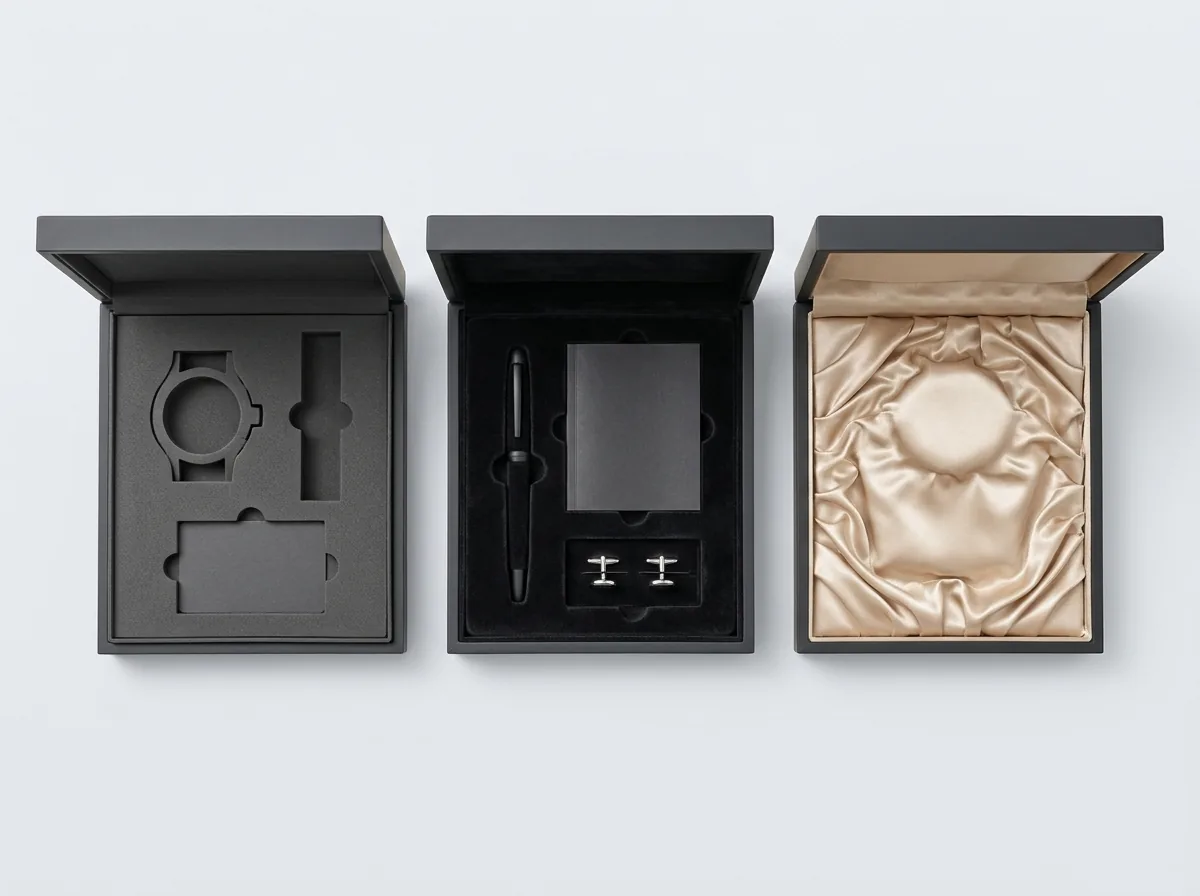
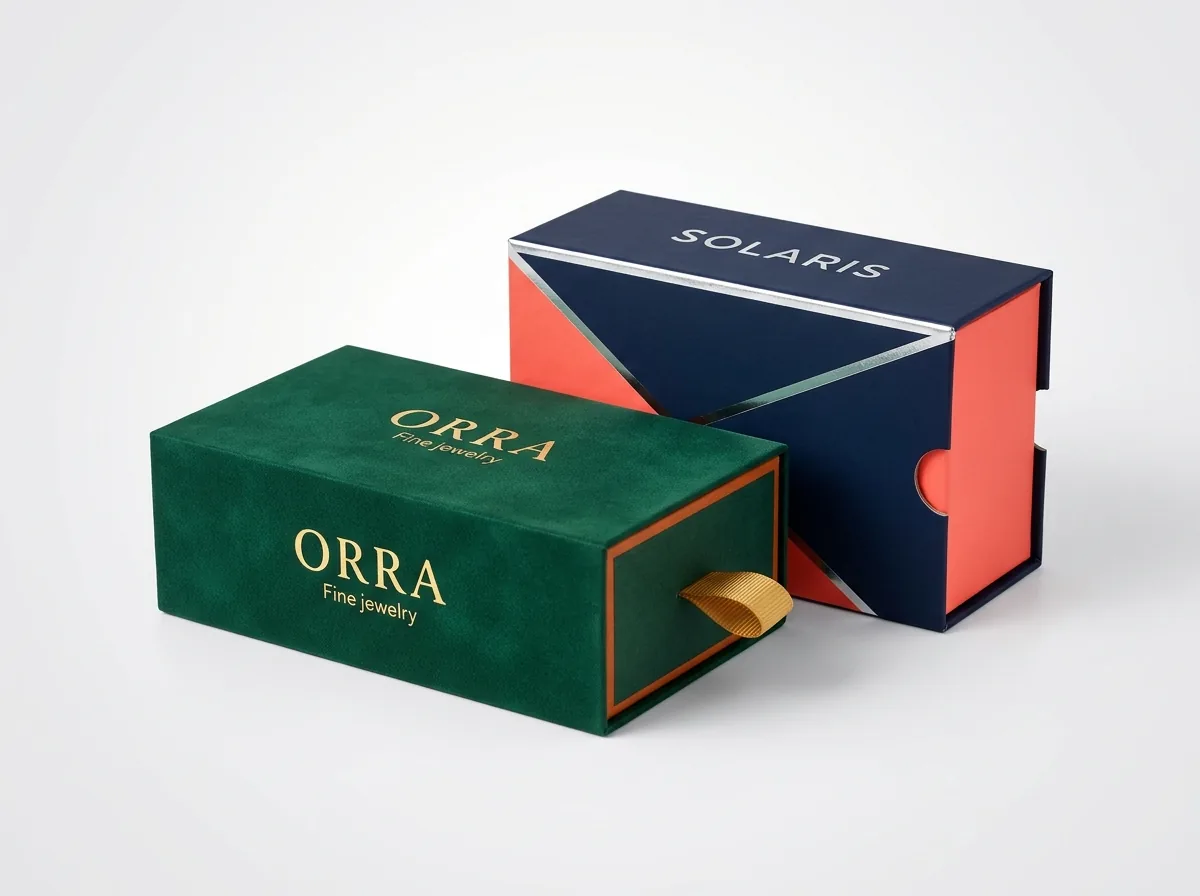
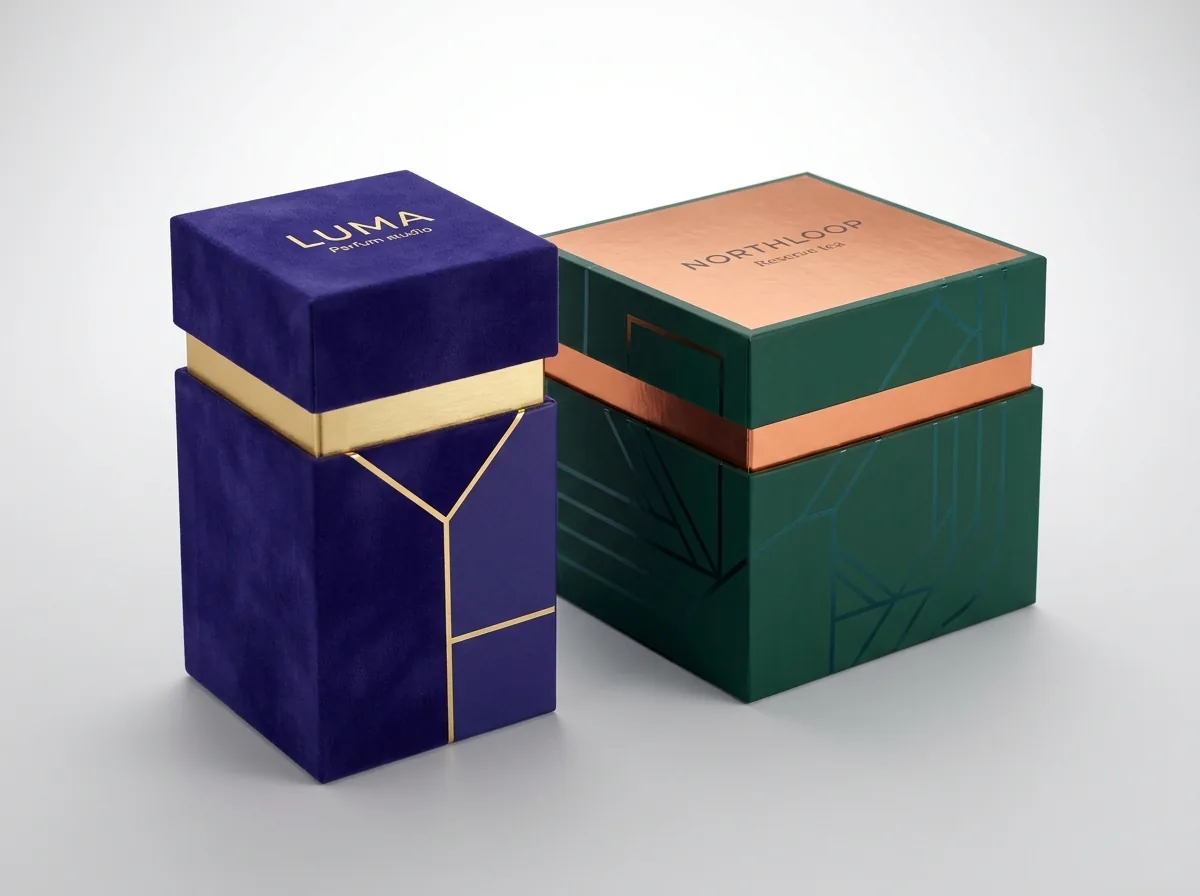
Securing fragile high-ticket merchandise inside a rigid setup container requires an interior insert engineered to exact dimensional tolerances. When configuring custom luxury boxes, packaging specialists evaluate cavity insert materials across closed-cell EVA foam, velvet-flocked trays, molded fiber pulp, and precision-cut paperboard cradles. Closed-cell ethylene-vinyl acetate (EVA) foam with a density between 38 and 45 kg/m3 represents the luxury industry standard, offering resilient rebound elasticity that will not crumble or produce particulate dust over time. For prestigious presentation across fine jewelry, luxury watches, and glass perfume bottles, bonding an electrostatically flocked velvet top layer over the EVA foam base creates a rich, scratch-free retail reveal. When ordering luxury gift boxes with custom inserts, our packaging specialists engineer precision CAD cavity cutouts featuring ergonomic finger notches, backed by physical fit testing before mass manufacturing. Pairing a top paperboard or velvet collar with a closed-cell EVA base combines clean retail aesthetics with drop-test shock absorption.
What are the mechanical properties of high-density closed-cell EVA foam?
Ethylene-vinyl acetate (EVA) is an elastomeric copolymer that produces a closed-cell foam matrix renowned for superior energy absorption and structural memory. Unlike low-cost expanded polystyrene (Styrofoam) or open-cell polyurethane foam that can crumble, flake, or degrade into static-charged particles, high-density EVA foam remains non-abrasive, chemically inert, and completely dust-free. Packaging converters utilize EVA foam densities ranging from 38 kg/m3 for lightweight cosmetics to 45 kg/m3 for heavy timepieces and optics. The closed-cell structure prevents moisture absorption, ensuring that sensitive electronic components and metallic jewelry never encounter trapped humidity inside the sealed box. Evaluating physical material swatches and pre-production white structural samples under D50 studio lighting before approving full production ensures that the surface texture, color saturation, and interior fit match your brand specifications across every reorder.
How is plush velvet flocking bonded to custom foam inserts?
Velvet-flocked foam inserts combine the immense protective shock absorption of dense EVA foam with the tactile opulence of traditional jewelry cases. The manufacturing process utilizes electrostatic flocking or thermal fabric lamination. In electrostatic flocking, the top surface of the cut EVA foam is coated with a high-tack adhesive, and millions of precision-cut nylon or rayon micro-fibers are propelled perpendicularly into the glue under high-voltage electrostatic charge. The fibers stand upright like dense velvet pile, creating a deep, uniform velour surface that will not rub off or shed. Alternatively, premium woven velvet cloth is thermally bonded to foam sheets before precision water-jet or laser die-cutting.
What laser cutting and CNC waterjet tolerances apply to cavity cutouts?
Precision cavity fit is the hallmark of a luxury packaging unboxing experience. If a cavity is too tight, consumers struggle to remove the product, risking damaged packaging; if too loose, the merchandise rattles and shifts during transit. Modern luxury converters utilize computerized CNC waterjet cutting or CO2 laser cutting systems capable of holding dimensional tolerances within +/- 0.5 mm. Laser cutting vaporizes the EVA foam along vector paths, producing clean, sealed edges without mechanical crushing. Packaging specialists typically incorporate a 0.5 mm friction-fit allowance around product perimeters, ensuring a secure grip that holds products in place during inverted drop testing.
Know your size? Compare pricing across up to 3 quantities.
Request a Quote →Why are finger access notches essential for ergonomic product removal?
When a luxury item rests flush inside a precision-cut foam cavity, customers have zero leverage to grasp the product edges. Attempting to pry a delicate glass perfume bottle or eyeshadow compact out of a tight cavity frequently leads to broken fingernails or dropped items. Structural packaging designers engineer semicircular or rectangular finger access notches along opposing sides of the primary cavity cutout. Measuring approximately 15 to 20 mm in diameter, these thumb notches provide comfortable finger access, allowing shoppers to effortlessly lift items out of the box with an ergonomic, premium gesture.
How do molded pulp and paperboard inserts provide eco-friendly alternatives?
As luxury brands establish ambitious corporate sustainability benchmarks, replacing petroleum-based EVA foam with renewable bio-based alternatives has become a key strategic priority. Molded fiber pulp inserts, manufactured from refined sugarcane bagasse, bamboo fibers, or recycled paper slurries, offer impressive geometric cavity definition and natural shock absorption. Molded pulp trays can be color-matched to brand palettes and finished with smooth-surfaced thermoformed tooling that eliminates rough paper edges. When paired with rigid chipboard boxes, molded pulp inserts create a 100% plastic-free luxury packaging suite that consumers can recycle curbside.
What multi-layer step-down cavity designs accommodate complex product kits?
Many luxury gift sets contain items of varying depths, such as a tall perfume flacon paired with flat travel spray atomizers and branded accessories. Standard single-depth foam sheets cannot support items with disparate vertical profiles. Packaging engineers build multi-tier laminated foam assemblies consisting of two or three distinct foam layers bonded together. The bottom foundation layer provides continuous floor cushioning, while stepped middle layers feature cutouts tailored to shallower items. This tiered engineering ensures that all product items present flush along a single, harmonious top visual plane when the lid is lifted.
How do satin fabric wraps and ribbon pulls enhance presentation?
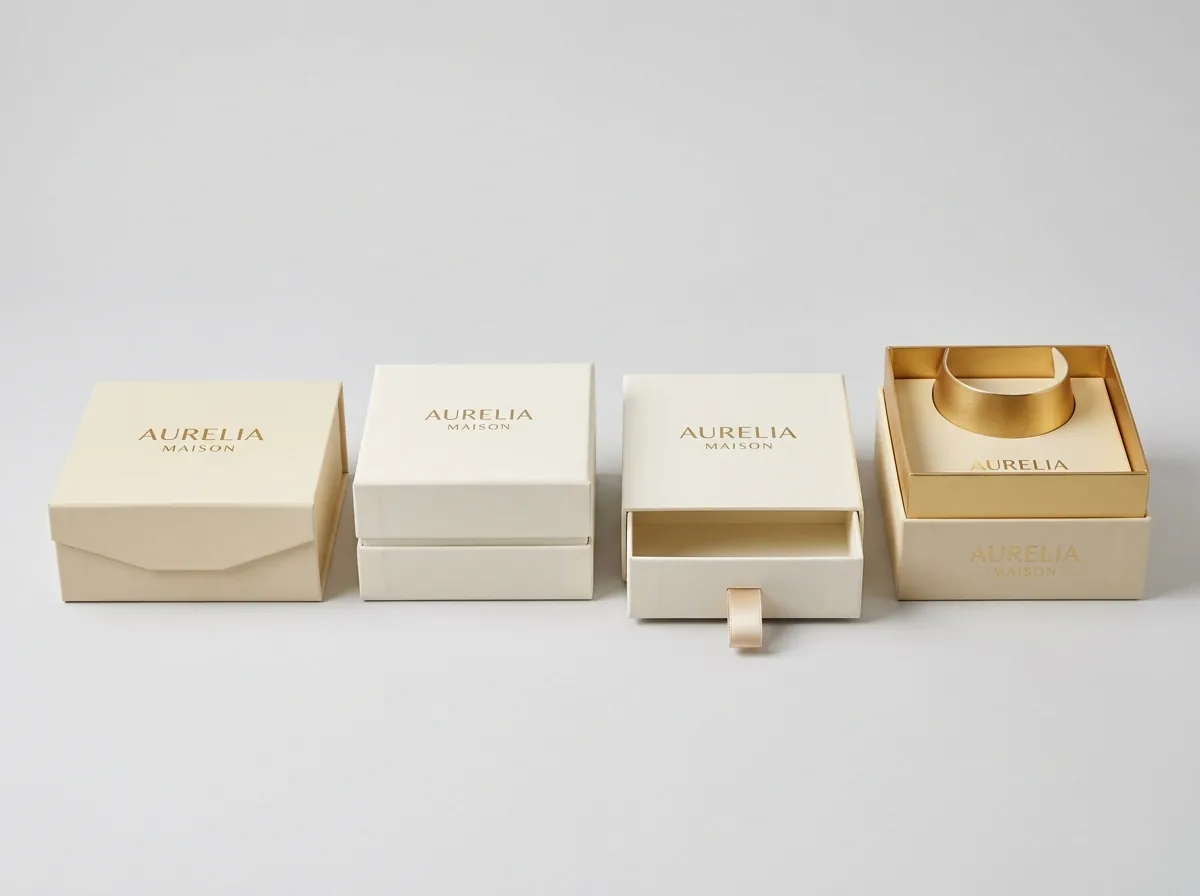
For bridal jewelry, high-end spirits, and executive crystal gifts, lining foam cavities with gathered satin or grossgrain fabric delivers a classic couture unboxing experience. Silky satin fabric is draped loosely over the foam cavity and pressed into recesses, creating luxurious textile folds that cradle the product like fine garments. In addition, woven ribbon pulls anchored beneath the product allow recipients to gently lift heavy bottles or books out of deep boxes without gripping delicate neck stoppers. Satin ribbon pulls are color-matched to exterior foil stamping, reinforcing brand sophistication. Before finalizing the CAD dieline for a multi-cavity luxury rigid box insert, structural engineers measure every product component with digital calipers at its widest, tallest, and most fragile cross-sections. Because die-cut closed-cell EVA foam compresses slightly around curved glass or metal contours, cavities for heavy perfume flacons, watch cases, and spirits decanters are typically engineered with a minus 0.5 mm to minus 1.0 mm friction fit along two opposing side walls paired with a semicircular 18 mm finger-notch cutout so the customer can lift the item effortlessly. When fragile glass dropper pipettes or ceramic jars are packed in the same presentation box, maintaining a minimum 10 mm to 12 mm foam bridge wall between adjacent cavities prevents glass-on-glass contact during parcel drop testing.
What are common mistakes to avoid in luxury box engineering?
Developing luxury rigid packaging requires balancing structural heft with fine aesthetic detailing. Packaging specialists identify four frequent errors
- Using cheap open-cell polyurethane foam that sheds crumbly particles and discolors to a yellowish hue under store lighting.
- Designing tight cavity cutouts without finger access notches, making it difficult for recipients to remove products.
- Specifying low-density foam under 30 kg/m3 for heavy perfume bottles, resulting in crushed foam corners during shipping drops.
- Failing to conduct physical fit testing with real product samples, leading to cavities that pinch or scratch delicate product labels.
Packaging for this
Ready to order luxury boxes? Compare up to 3 quantities with a free 3D mockup.
Request a Quote →Questions about luxury boxes
What density EVA foam is best for luxury packaging?
For most cosmetics, perfumes, and jewelry, closed-cell EVA foam with a density between 38 kg/m3 and 45 kg/m3 provides the ideal balance of firm shock protection, clean cut edges, and long-term elasticity.
Does velvet flocking shed or leave fibers on products?
No. Our electrostatically bonded velvet flocking utilizes permanent heat-cured adhesives that withstand friction and cleaning without shedding loose fibers onto glass, metal, or optics.
Can you cut foam inserts to match 3D organic product contours?
Yes. We utilize CNC 3D routing and multi-axis laser cutting to carve stepped cavities, angled bevels, and complex organic silhouettes matching your physical CAD bottle models.
Are there sustainable alternatives to EVA foam?
Yes. We engineer precision die-cut paperboard cradles, corrugated fluted dividers, and thermoformed molded bamboo or sugarcane fiber inserts that are fully recyclable and plastic-free.
What colors of velvet and foam are available?
EVA foam cores are available in classic black, bright white, and custom dyed hues. Velvet flocking surfaces can be matched to rich black, navy blue, crimson red, emerald green, or ivory cream.
Do I need to send physical product samples for insert sizing?
While supplying 3D CAD files (.STEP or.IGES) is sufficient for prototyping, shipping 1 or 2 physical production units allows our specialists to conduct real-world fit, shake, and drop testing before mass manufacturing.
Still have a question? Ask a packaging specialist.
Request a Quote →Request your luxury boxes quote
Tell us your size and quantities, and one dedicated account manager prepares pricing for each tier.
- Free design & AI-to-print studio + 3D mockup
- No die or plate charges · 4–5 day rush available
- Free shipping to all 50 states
- 10% off your first order
Researched against Paperboard Packaging Council (PPC) rigid box guidelines, Idealliance G7 Master Color specifications, and Luxury Packaging Guild engineering standards. Verified by CubitPack packaging specialists.
Sources
What changed
- November 11, 2026: Published technical engineering guide for custom-eva-foam-vs-velvet-inserts-for-luxury-gift-boxes with 5 CAD SVGs and structural standards.
More guides
New packaging guides by email
Sizes, materials and design tips. Unsubscribe anytime.