
How Do Kraft Corrugated Mailers and Kraft Folding Cartons Compare?
Short answer: Kraft corrugated mailers feature an internal wave fluting that provides heavy-duty drop protection and structural crush resistance, ideal for postal direct-to-consumer shipping. Kraft folding cartons are crafted from solid paperboard card, delivering a sleek, lightweight container optimized for primary retail shelf display.
On this page
- How does corrugated fluting architecture provide shock absorption
- Why are solid paperboard folding cartons optimized for retail store shelves
- How do assembly speeds and fulfillment labor compare between styles
- What are the dimensional weight and freight storage differences
- How do self-locking dust flaps and cherry locks eliminate packing tape
- When should brands build a coordinated two-tier packaging suite
- What edge crush test (ECT) ratings match postal parcel weights
- How do drop and vibration tests validate kraft corrugated mailer protection
- Common mistakes
- FAQs
Request a custom quoteFree dieline & 3D mockup
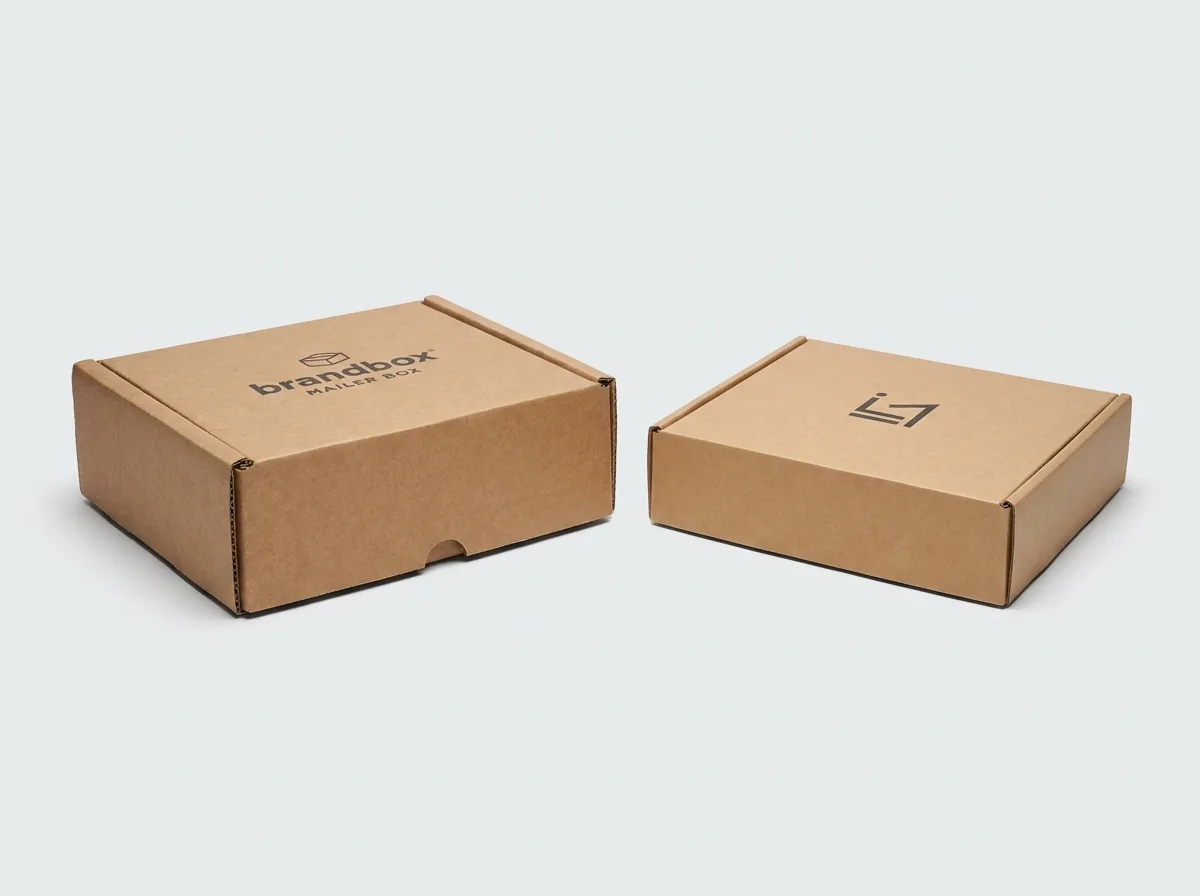
Understanding the structural distinction between kraft corrugated mailers and kraft paperboard folding cartons is fundamental to building an efficient packaging hierarchy. When engineering custom kraft boxes, packaging specialists categorize containers by distribution channel and structural wall construction. Kraft corrugated mailers utilize FEFCO 0427 roll-end tuck-front (RETF) architecture, combining two unbleached kraft liners around an arched wave fluting medium (typically 32 ECT E-flute or B-flute). This fluted arch absorbs heavy courier handling impacts, allowing mailers to ship safely through postal transit without an outer master carton. In contrast, kraft paperboard folding cartons are die-cut from solid 16 pt to 24 pt virgin kraft cardstock, providing a lightweight, elegant primary package designed to sit on retail store shelves. When ordering custom printed kraft packaging, our packaging specialists engineer matching carton-and-mailer suites backed by free 2D CAD dielines.
How does corrugated fluting architecture provide shock absorption?
Corrugated fiberboard functions as an engineering beam structure where an arched wave paper medium (the flute) is bonded between flat outer and inner linerboards using starch-based adhesive. Under physical compression or drop impacts, the arched flutes deform elastically, decelerating the internal product and dissipating kinetic energy across the entire board surface. In commercial e-commerce packaging, E-flute corrugated board features approximately 90 flutes per linear foot with an overall thickness of 1.6 mm (1/16 in), delivering high crush resistance up to 32 ECT (Edge Crush Test). This fluted cushion prevents delicate bottles, electronics, and ceramics from cracking under rough courier parcel handling. Standard TAPPI T810 bursting strength testing demonstrates that fluted kraft corrugated fiberboard resists intense localized impact forces, shielding fragile merchandise from external puncture threats during automated sorting conveyor distribution.
Why are solid paperboard folding cartons optimized for retail store shelves?
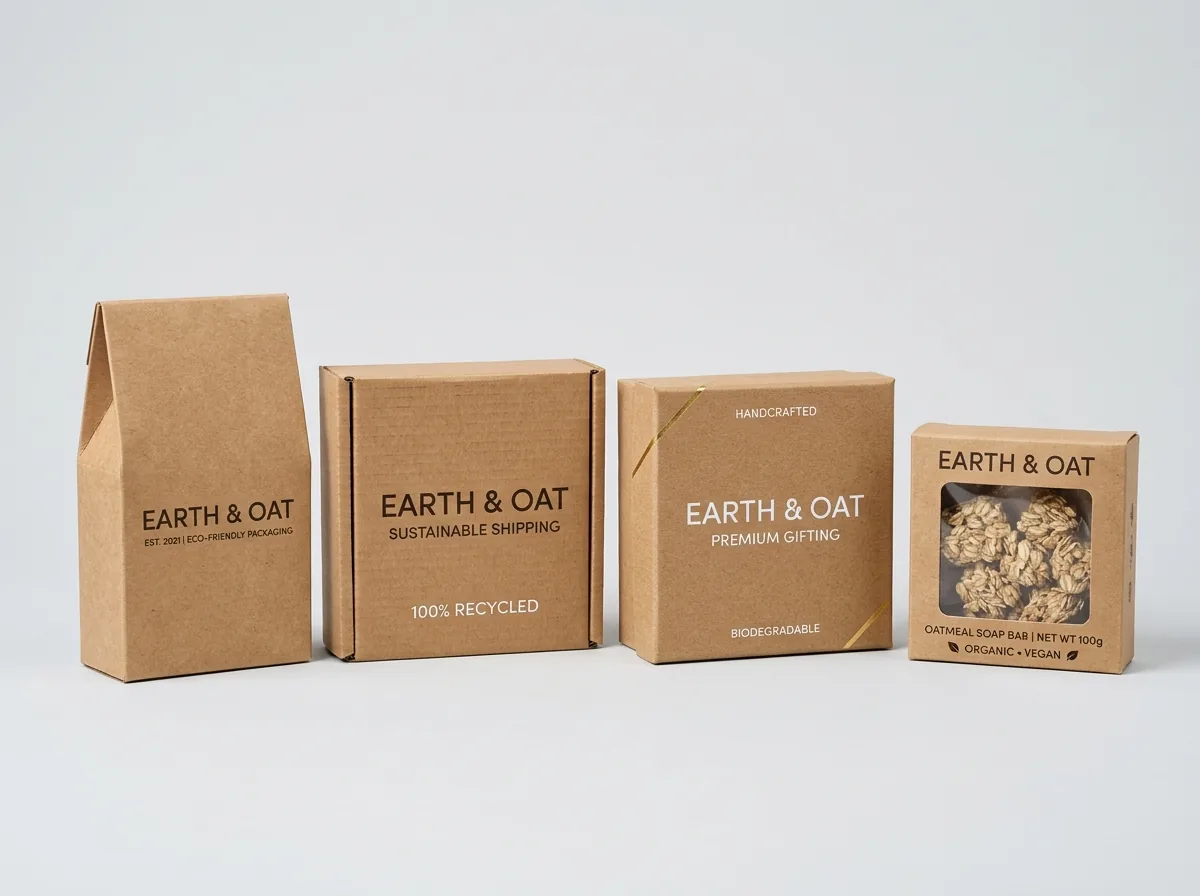
Unlike bulky corrugated containers, paperboard folding cartons are manufactured from single-ply solid bleached or unbleached paperboard measuring between 16 pt (0.4 mm) and 24 pt (0.6 mm) in thickness. Solid paperboard card possesses high tensile smoothness, sharp creasing definition, and minimal dimensional bulk. These compact physical attributes make folding cartons the premier choice for primary retail packaging on supermarket shelves, cosmetic display counters, and pegboard hook fixtures. Solid card cartons occupy 60% less cubic shelf space than corrugated boxes, allowing store managers to maximize facing count and inventory turnover per linear foot.
How do assembly speeds and fulfillment labor compare between styles?
Warehouse fulfillment labor costs vary significantly based on carton assembly geometry. Standard FEFCO 0427 roll-end tuck-front (RETF) corrugated mailers require warehouse packers to fold side double-wall rollover flaps and lock base tabs into place, a manual assembly process averaging roughly 8 to 12 seconds per box. Conversely, paperboard folding cartons engineered with pre-glued auto-lock crash bottoms pop open in approximately two seconds, snapping into a locked floor with a single manual squeeze. When fulfilling thousands of holiday orders per week, selecting auto-lock folding cartons saves dozens of fulfillment labor hours.
Know your size? Compare pricing across up to 3 quantities.
Request a Quote →What are the dimensional weight and freight storage differences?
Shipping logistics and warehouse storage footprints differ dramatically between solid paperboard and corrugated packaging. A standard pallet holding 40x48 inches can comfortably accommodate 20,000 to 30,000 flat-packed kraft paperboard folding cartons. In contrast, because corrugated fluting adds air volume between paper liners, the same pallet space holds only 1,500 to 2,500 flat corrugated mailers. Furthermore, when shipping assembled parcels via UPS, FedEx, or USPS, carrier dimensional weight calculations penalize oversized corrugated containers. Pairing a compact primary folding carton inside an appropriately sized shipping mailer avoids unnecessary dimensional air surcharges.
How do self-locking dust flaps and cherry locks eliminate packing tape?
FEFCO 0427 corrugated kraft mailers incorporate specialized structural locking features that eliminate the need for plastic packing tape during fulfillment. The front roll-over tuck flap features extended locking tabs, known as cherry locks or ear locks, that slide into precision die-cut slots in the double-wall side panels. When pressed into place, the cherry locks engage with friction tension, preventing the lid from opening accidentally during sorting conveyor transit. Eliminating plastic tape speeds up warehouse pack times and delivers a clean, tape-free unboxing experience that customers can open effortlessly by lifting the front tab.
When should brands build a coordinated two-tier packaging suite?
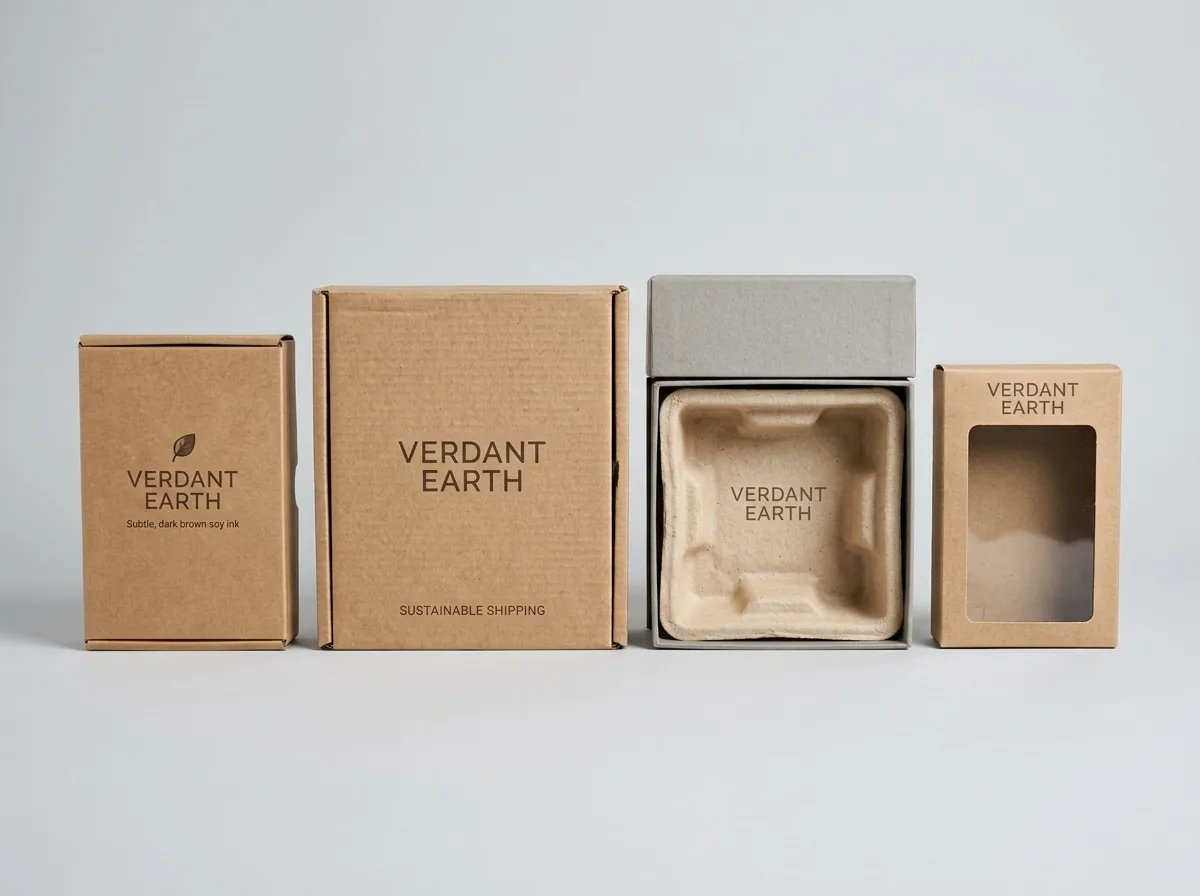
Leading direct-to-consumer e-commerce brands frequently integrate both packaging styles into a coordinated two-tier unboxing suite. The outer container is a rugged, unbleached kraft corrugated mailer printed with minimalist branding, shipping labels, and tamper-evident closures, designed to absorb transit abuse across automated sorting hubs. Inside, nestled in matching kraft crinkle shred or a die-cut paperboard insert, rests the primary product encased in a refined kraft folding carton featuring high-definition white ink graphics, metallic foil, and embossing. This layered architecture delivers heavy-duty transit protection alongside boutique retail luxury, creating an unforgettable unboxing sequence for premium consumers.
What edge crush test (ECT) ratings match postal parcel weights?
Selecting the proper corrugated board strength ensures packages do not crush when stacked beneath heavier boxes in courier delivery vans. Corrugated board strength is measured via Edge Crush Test (ECT), which evaluates the compressive force in pounds per linear inch that a vertical sample withstands before buckling. For lightweight e-commerce goods weighing under three pounds (apparel, cosmetics, accessories), 32 ECT E-flute kraft board provides ample protection with a sleek, low-profile wall. For heavier goods weighing between 4 and 10 pounds (glassware, ceramics, liquids), upgrading to 44 ECT B-flute board guarantees superior top-to-bottom stack strength.
How do drop and vibration tests validate kraft corrugated mailer protection?
Prior to approving high-volume packaging suites for commercial distribution, packaging engineers subject kraft corrugated mailers to rigorous ASTM D4169 transit simulation testing. Test protocols include rotational flat drops from heights of 36 inches, vehicle random vibration profiles simulating 2,000 miles of highway transport, and top-load compression testing in environmental chambers conditioned to 85% relative humidity. The fluted E-flute kraft corrugated architecture absorbs kinetic shock waves, preventing internal primary folding cartons from sustaining corner dings or crushed edges during parcel delivery.
What are common mistakes to avoid in kraft box design?
Designing for natural unbleached kraft substrates requires understanding ink absorption and structural fiber grain. Packaging specialists identify four frequent errors
- Using thin paperboard folding cartons as standalone postal shipping boxes without an outer protective corrugated shipper.
- Selecting oversized corrugated mailers with excessive void space, forcing customers to pay expensive carrier dimensional weight penalties.
- Failing to account for paperboard grain direction during folding carton setup, causing scoreline cracking along folded edges.
- Omitting cherry-lock ear tabs on postal mailers, resulting in box lids popping open during high-speed sorting conveyor transit.
Packaging for this


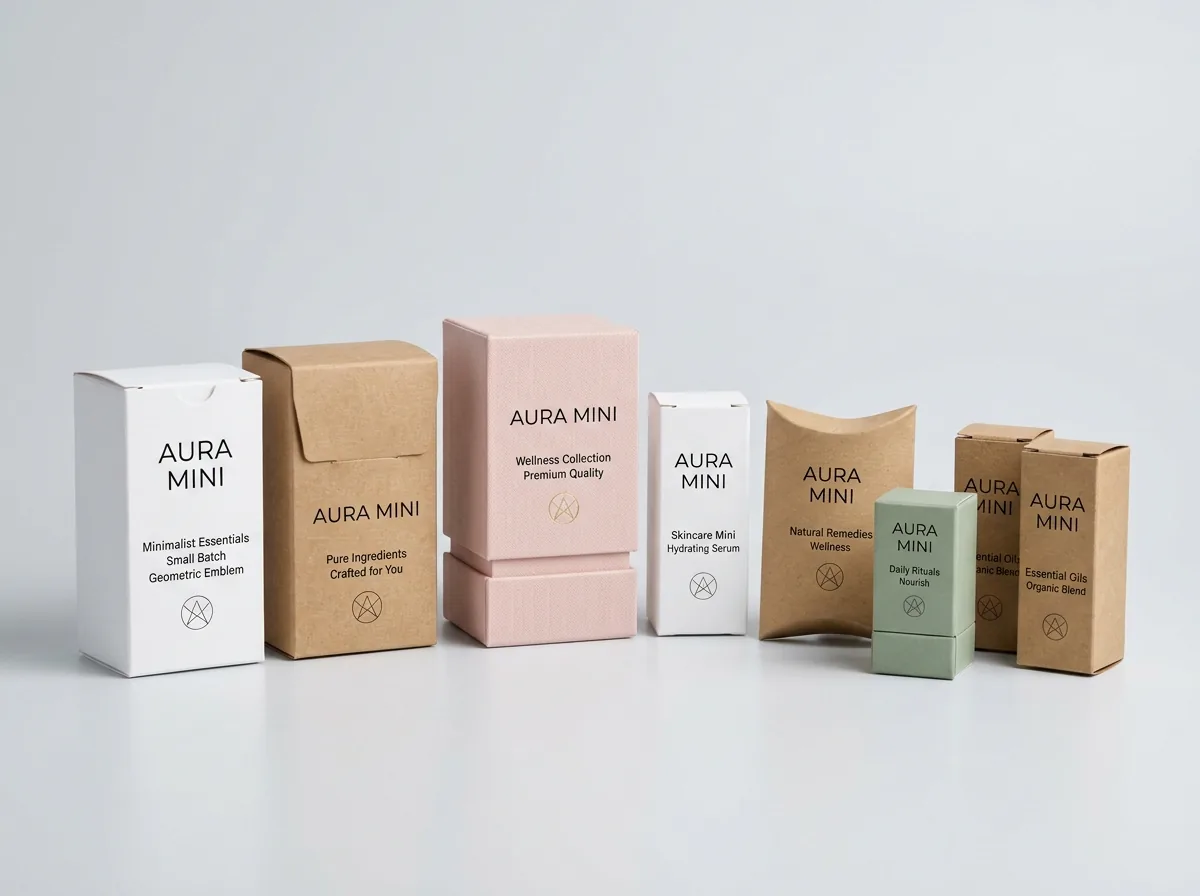
Ready to order kraft boxes? Compare up to 3 quantities with a free 3D mockup.
Request a Quote →Questions about kraft boxes
Can custom kraft folding cartons be shipped directly in the mail?
No. Solid paperboard folding cartons are engineered for primary retail packaging and cannot withstand courier transit sorting belts without an outer corrugated shipping box or padded mailer.
Do kraft corrugated mailers require packing tape to seal?
No. FEFCO 0427 kraft corrugated mailers feature self-locking roll-over side panels and front cherry-lock ear tabs that lock securely without packing tape. Optional adhesive peel-and-seal strips can be added for extra security.
What is the thickness difference between E-flute and solid paperboard?
E-flute corrugated board measures approximately 1.6 mm (1/16 in) thick and contains internal wave fluting arches. Standard 18 pt kraft paperboard card measures roughly 0.45 mm thick with a dense, solid virgin fiber structure optimized for retail shelf display.
Can you print on the inside of a kraft corrugated mailer?
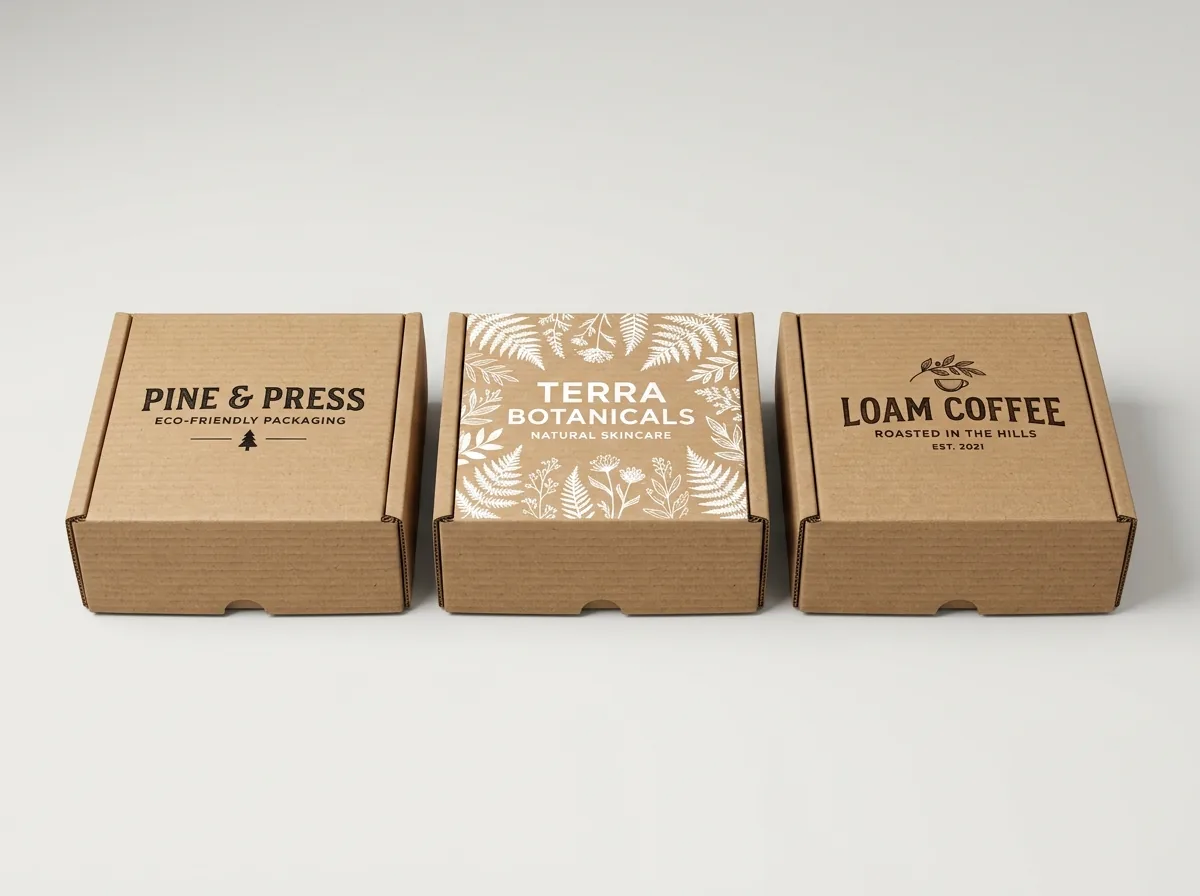
Yes. We can print full-color CMYK artwork, white screen ink graphics, or inspirational slogans on both the outside and inside panels of kraft corrugated mailers for a memorable unboxing reveal.
Are both kraft mailers and folding cartons curbside recyclable?
Yes. Both substrates are manufactured from unbleached virgin wood pulp and water-based inks, making them fully recyclable in standard municipal curbside paper recycling collection bins without requiring material separation.
What is the minimum order quantity for kraft mailers versus folding cartons?
Minimum order quantities start from 100 units for custom printed kraft corrugated mailers and 500 units for custom kraft paperboard folding cartons, with volume price breaks up to 10,000 units.
Still have a question? Ask a packaging specialist.
Request a Quote →Request your kraft boxes quote
Tell us your size and quantities, and one dedicated account manager prepares pricing for each tier.
- Free design & AI-to-print studio + 3D mockup
- No die or plate charges · 4–5 day rush available
- Free shipping to all 50 states
- 10% off your first order
Researched against Paperboard Packaging Council (PPC) folding carton guidelines, TAPPI unbleached pulp standards, and Idealliance G7 Master Color specifications. Verified by CubitPack packaging specialists.
Sources
What changed
- November 11, 2026: Published technical engineering guide for kraft-corrugated-mailers-vs-kraft-paperboard-folding-cartons with 5 CAD SVGs and prepress standards.
More guides
New packaging guides by email
Sizes, materials and design tips. Unsubscribe anytime.