
How Do Natural Brown and Bleached White Kraft Boxes Compare?
Short answer: Natural brown kraft utilizes unbleached virgin wood pulp that retains long cellulose fibers for maximum tensile tear strength and rustic organic aesthetics. Bleached white kraft undergoes oxygen or chlorine-free whitening, providing a pristine white printing canvas while maintaining superior virgin fiber durability.
On this page
- What pulp refining differences distinguish natural brown from white kraft
- How do cellulose fiber lengths impact Mullen burst and tear strength
- What ink absorbency characteristics govern printing on unbleached fibers
- How do creasing scores perform along unbleached kraft fiber grain
- What environmental credentials and recycling rates apply to each substrate
- How do raw material procurement costs compare across brown and white kraft
- How does coated natural kraft (CNK) bridge both packaging worlds
- How do automated carton packing speeds compare across brown and white kraft
- Common mistakes
- FAQs
Request a custom quoteFree dieline & 3D mockup
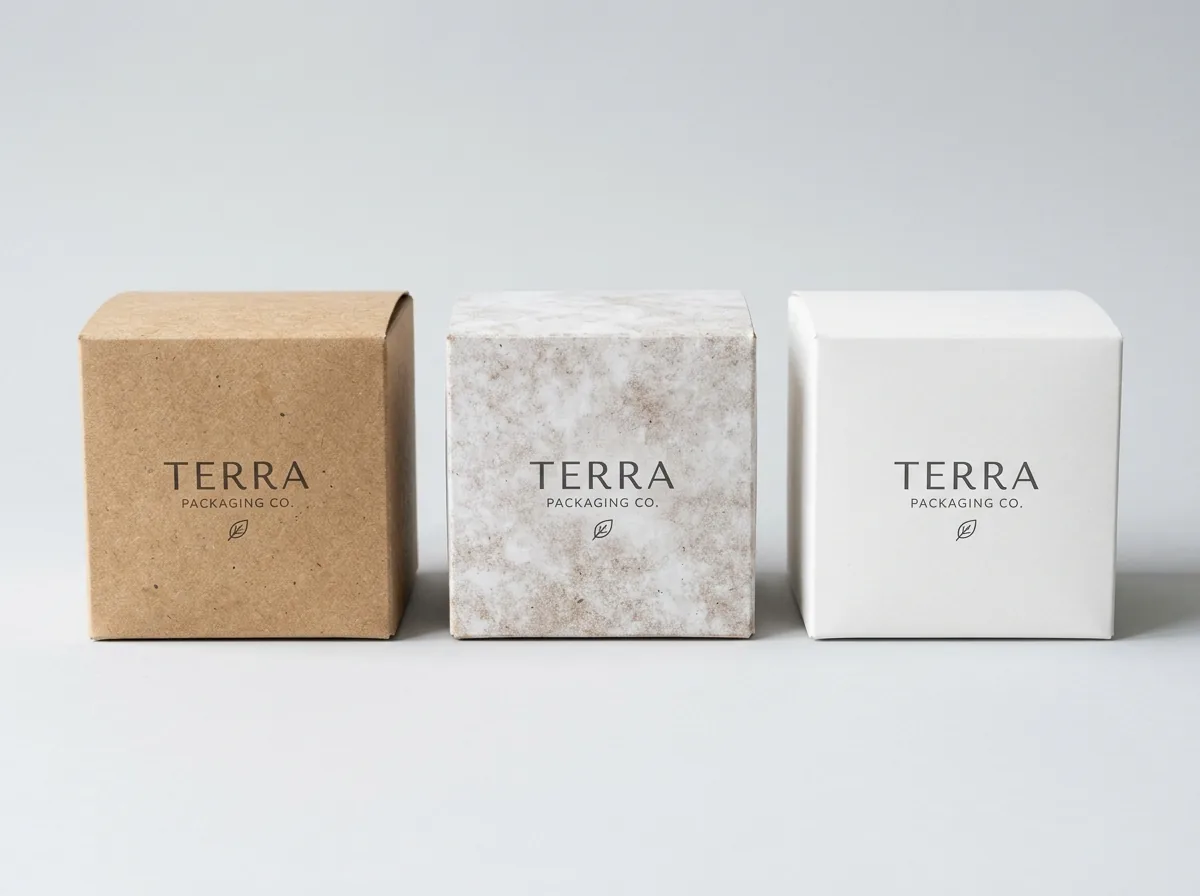
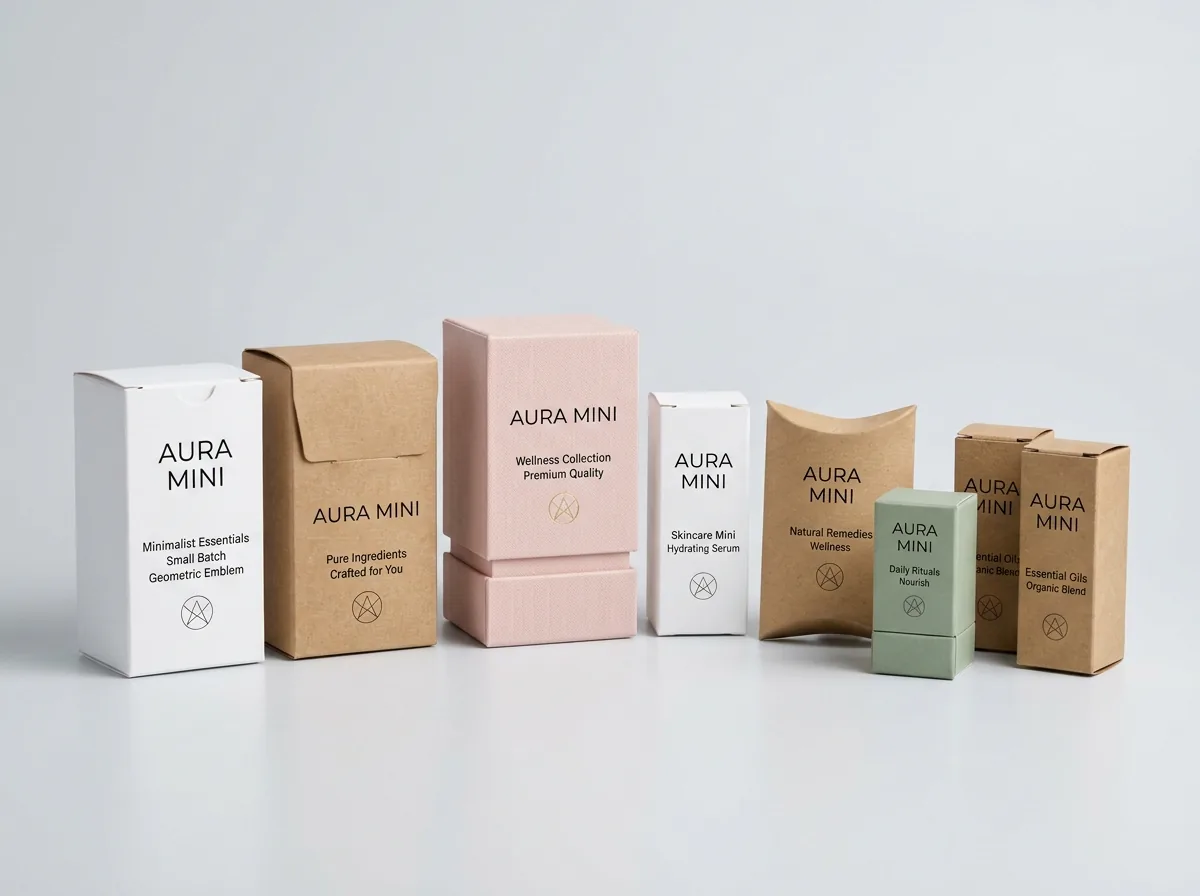
Choosing between natural unbleached brown kraft and bleached white kraft paperboard dictates structural performance, aesthetic brand storytelling, and print reproduction quality for retail packaging. When ordering custom kraft boxes, packaging converters evaluate both virgin substrates derived from sustainable softwood timber. Natural brown kraft bypasses chemical bleaching, preserving long, intact cellulose fibers that deliver unmatched Mullen burst strength and natural puncture resistance. Its warm, earthy golden-brown surface creates immediate visual authenticity for artisanal, organic, and eco-conscious consumer brands. Conversely, bleached white kraft combines the superior tear strength of virgin kraft fibers with a clay-coated white exterior printing surface, allowing vibrant 4-color CMYK photographic imagery and delicate pastels to reproduce with immaculate color accuracy. When configuring natural brown retail cartons, our packaging specialists provide physical substrate swatch proofs, certified lab metrics, and free 2D CAD dielines before full production commences.
What pulp refining differences distinguish natural brown from white kraft?
The fundamental difference between brown and white kraft paperboard originates in the chemical pulping and bleaching stages. Both substrates begin as softwood chips subjected to the kraft chemical sulfate process, which dissolves lignin and separates intact cellulose fibers. Natural brown kraft paperboard receives zero chemical whitening, retaining natural wood lignin that imparts its characteristic golden-brown hue and rustic fibrous texture. Bleached white kraft undergoes multi-stage elemental chlorine-free (ECF) or totally chlorine-free (TCF) delignification washing cycles that remove remaining lignin, yielding a bright white substrate. Standard TAPPI T452 testing confirms that bleached white kraft reaches an 88% to 92% ISO brightness rating, compared to approximately 25% reflectance for raw unbleached board. Standard ISO paperboard caliper testing confirms uniform sheet caliper across wide web conversion lines, ensuring predictable carton folding performance.
How do cellulose fiber lengths impact Mullen burst and tear strength?
Because natural brown kraft avoids aggressive chemical bleaching treatments, its individual cellulose fibers remain completely intact and unbroken. Long softwood pine fibers form dense, interlocking cross-directional mesh networks during the fourdrinier paper-forming process. Under standardized ASTM D774 Mullen burst testing, 18 pt virgin brown kraft board withstands over 110 psi of hydraulic puncture pressure, outperforming recycled chipboard of identical caliper by over 35%. While bleached white kraft retains impressive structural integrity compared to hardwood recycled boards, the chemical delignification process slightly shortens fiber length, resulting in roughly 8% to 12% lower tensile tear resistance than raw unbleached board.
What ink absorbency characteristics govern printing on unbleached fibers?
Uncoated natural brown kraft board features a porous, unsealed surface that rapidly absorbs liquid ink vehicles. When translucent CMYK process inks are applied directly to brown board, the ink filters into the paper fibers, and the underlying brown background darkens yellow, cyan, and magenta pigments by up to 40%. Yellow inks shift toward dirty ochre, and pale blue tints turn olive green. Packaging prepress specialists compensate for this absorption by printing an opaque white ink understrike screen layer beneath color graphics, or by selecting rich monochromatic black, deep forest green, or burgundy Pantone spot colors that hold high visual contrast without undercoats.
Know your size? Compare pricing across up to 3 quantities.
Request a Quote →How do creasing scores perform along unbleached kraft fiber grain?
Proper scoreline creasing is vital when converting stiff virgin kraft board into folding cartons. Because unbleached fibers are exceptionally tough and resilient, folding cartons scored with improper male-to-female die rule clearances can develop jagged surface cracks along 180-degree folded edges. Packaging engineers calibrate steel rule creasing dies to depress the internal board fibers without cutting surface plies. In addition, aligning the paperboard machine grain direction parallel to main vertical carton scores ensures that retail cartons fold square and true without unsightly fiber popping or panel spring-back on automated filling lines.
What environmental credentials and recycling rates apply to each substrate?
From a life cycle assessment perspective, natural unbleached brown kraft packaging represents the gold standard of circular environmental sustainability. Bypassing the chemical bleaching stage reduces industrial water consumption by up to 50% and eliminates chlorine chemical effluents from pulp processing facilities. Both natural brown and bleached white kraft boxes are fully recyclable in municipal curbside paper collection programs, repulping cleanly into new paper products. Furthermore, unbleached kraft fibers break down naturally in industrial compost environments within 90 days, providing authentic sustainability credentials that resonate strongly with environmentally conscious consumers.
How do raw material procurement costs compare across brown and white kraft?
In commercial packaging converting, substrate raw material costs directly dictate finished box unit pricing across production runs. Because natural unbleached kraft requires fewer chemical refining stages and lower energy inputs during pulp processing, unbleached kraft paperboard typically trades at a 5% to 10% lower cost per ton than bleached white board. For high-volume consumer goods brands ordering tens of thousands of folding cartons per quarter, selecting natural brown kraft delivers substantial raw material cost savings while elevating eco-friendly brand perception.
How does coated natural kraft (CNK) bridge both packaging worlds?
For brands seeking the raw structural tear strength of unbleached virgin fibers along with the crisp printability of white clay-coated paper, Coated Natural Kraft (CNK), also known as Solid Unbleached Sulfate (SUS), offers an ideal hybrid solution. CNK paperboard features an unbleached long-fiber brown kraft back laminated with a smooth, ultra-bright white kaolin clay coating on the exterior face. This allows packaging converters to print vibrant photographic CMYK graphics on the outside while displaying an organic, natural brown kraft interior when the consumer opens the box, creating a delightful unboxing contrast.
How do automated carton packing speeds compare across brown and white kraft?
Automated cartoning equipment requires consistent board friction and scoreline stiffness to prevent feed jams. Natural unbleached kraft board has a slightly higher coefficient of friction (COF) compared to clay-coated bleached white board, measuring between 0.45 and 0.55 under ASTM D1894 testing. When running on high-speed continuous-motion rotary cartoners at speeds exceeding 200 cartons per minute, unbleached kraft blanks feed reliably through vacuum pick-up cups without static clinging. Bleached white kraft cartons with gloss or matte coatings feature lower friction values, requiring adjusted vacuum suction pressures during high-speed magazine feeding.
What are common mistakes to avoid in kraft box design?
Designing for natural unbleached kraft substrates requires understanding ink absorption and structural fiber grain. Packaging specialists identify four frequent errors
- Attempting to print bright yellow or pale pastel CMYK inks directly onto raw brown kraft board without a white ink understrike.
- Creasing unbleached kraft paperboard across the fiber grain using shallow scoring rules, leading to jagged cracks along carton fold lines.
- Selecting bleached white board when the brand identity champions raw, unbleached organic authenticity.
- Failing to calibrate barcode quiet zone margins on brown kraft, leading to scanner read failures at retail checkouts.
Packaging for this
Ready to order kraft boxes? Compare up to 3 quantities with a free 3D mockup.
Request a Quote →Questions about kraft boxes
Is natural brown kraft stronger than bleached white kraft?
Yes. Because natural brown kraft avoids chemical delignification bleaching cycles, its long cellulose fibers remain intact, providing roughly 10% higher Mullen burst strength and superior tear resistance compared to bleached board of identical caliper.
Can you print full-color photos on natural brown kraft boxes?
Yes, but to prevent colors from shifting muddy brown, we first lay down a solid opaque white screen ink understrike beneath the CMYK photographic layer, preserving clean color balance and highlight contrast.
Are brown kraft boxes curbside recyclable?
Yes. Uncoated kraft boxes printed with water-based or soy inks are fully recyclable in municipal curbside paper streams, repulping cleanly into new paperboard packaging with zero landfill waste.
What calipers are available for natural kraft folding cartons?
We stock virgin unbleached kraft folding paperboard in 16 pt (0.016 in), 18 pt (0.018 in), 20 pt (0.020 in), and 24 pt (0.024 in) calipers to match diverse product weights.
How does moisture affect unbleached kraft packaging?
Raw kraft fibers naturally absorb ambient moisture in high-humidity environments. For refrigerated or moisture-sensitive goods, we apply a specialized food-safe aqueous barrier coating to seal exterior fibers against condensation.
What is the minimum order quantity for custom kraft boxes?
Minimum order quantities start from 500 units for custom printed kraft paperboard folding cartons and 100 units for kraft corrugated mailer boxes, with volume discount tiers up to 10,000 units.
Still have a question? Ask a packaging specialist.
Request a Quote →Request your kraft boxes quote
Tell us your size and quantities, and one dedicated account manager prepares pricing for each tier.
- Free design & AI-to-print studio + 3D mockup
- No die or plate charges · 4–5 day rush available
- Free shipping to all 50 states
- 10% off your first order
Researched against Paperboard Packaging Council (PPC) folding carton guidelines, TAPPI unbleached pulp standards, and Idealliance G7 Master Color specifications. Verified by CubitPack packaging specialists.
Sources
What changed
- November 11, 2026: Published technical engineering guide for natural-brown-vs-bleached-white-kraft-packaging-comparison with 5 CAD SVGs and prepress standards.
More guides
New packaging guides by email
Sizes, materials and design tips. Unsubscribe anytime.