
What Calipers and Specs Define Recycled PCW Paperboard for Eco Boxes?
Short answer: Recycled paperboard calipers for eco-friendly boxes range from 16 pt for lightweight cosmetics to 28 pt for heavy consumer goods. Sourced from post-consumer waste (PCW), clay-coated recycled board delivers balanced stacking stiffness, clean scoreline folding, and reliable curbside circularity without synthetic plastic film coatings.
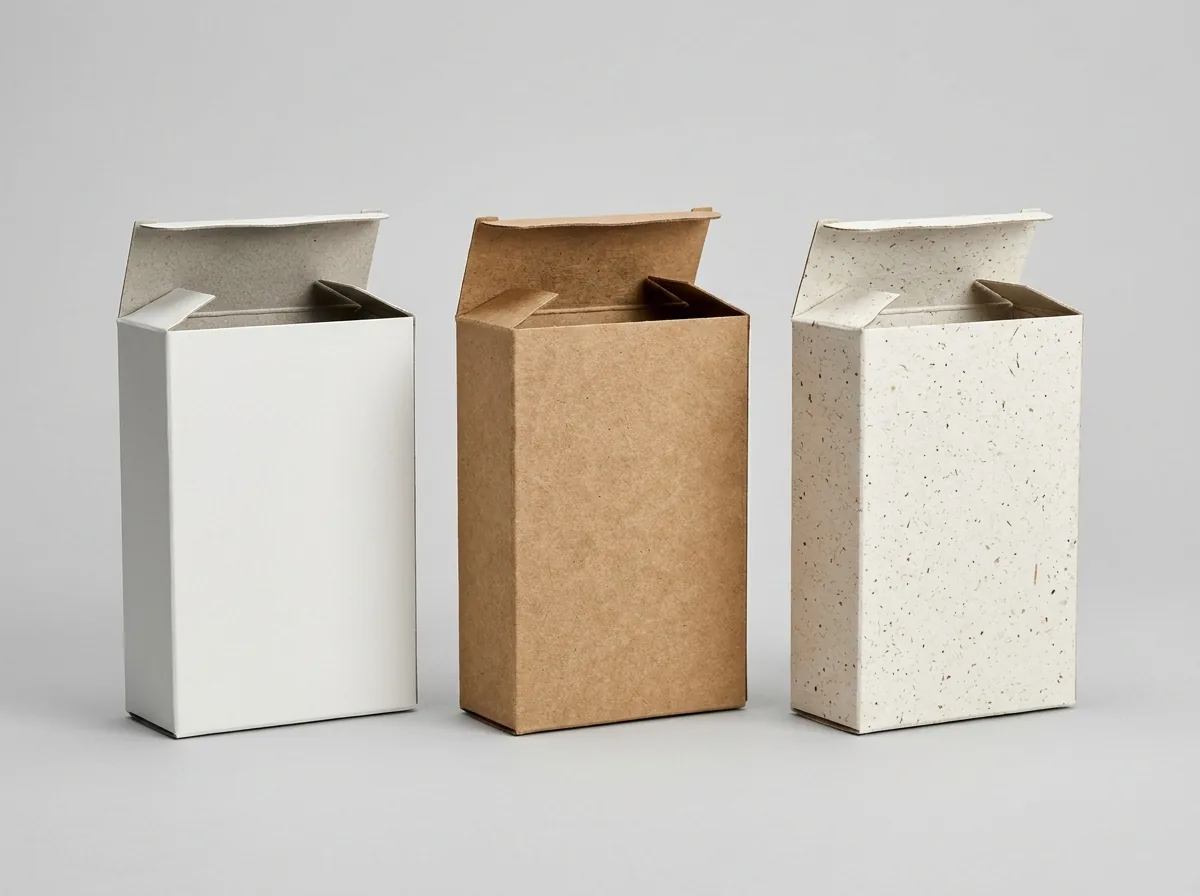
On this page
- How is clay-coated recycled paperboard (CRB) manufactured and graded
- What caliper thickness corresponds to specific retail packaging weights
- How do recycled fibers affect crease score folding and tensile tear strength
- What water-based aqueous coatings preserve complete paperboard recyclability
- How does basis weight testing ensure lot-to-lot consistency across production runs
- How do environmental humidity cycles affect recycled paperboard stiffness
- What nested dieline layouts maximize sheet yield and minimize fiber scrap
- How does digital 3D virtual proofing eliminate physical sample waste
- How do environmental humidity cycles affect recycled paperboard stiffness
- What nested dieline layouts maximize sheet yield and minimize fiber scrap
- How does digital 3D virtual proofing eliminate physical sample waste
- Common mistakes
- FAQs
Request a custom quoteFree dieline & 3D mockup
Engineering sustainable retail packaging requires selecting the correct recycled paperboard caliper to ensure structural integrity while optimizing circular material efficiency. When developing custom eco-friendly boxes, brand managers and converters rely on clay-coated recycled paperboard (CRB) containing up to 100% recovered paper fibers, with verified post-consumer waste (PCW) content. Caliper thickness is measured in points, where one point equals one thousandth of an inch (0.001 in). Lightweight retail items like organic soaps and cosmetics utilize 16 pt to 18 pt board, while heavier items such as container candles, bottled skincare, and ceramic goods require 20 pt to 24 pt calipers to maintain rigid sidewalls during stacking. For heavy multi-packs, 26 pt to 28 pt calipers provide maximum puncture resistance. When ordering recycled product boxes, our packaging specialists provide physical substrate samples, certified lab caliper data, and free 2D vector CAD dielines before full commercial press runs.
How is clay-coated recycled paperboard (CRB) manufactured and graded?
Clay-coated recycled paperboard, commonly abbreviated as CRB, is manufactured on multi-cylinder paper machines using recovered paper and corrugated containers collected from residential and commercial recycling streams. The paper mill slurries recovered fibers in large hydrapulpers, mechanically screening out contaminants, staples, adhesives, and inks through centrifugal cleaners. The resulting pulp is formed into multiple distinct plies: a smooth top liner made from high-grade sorted white paper, several dense middle filler plies derived from post-consumer mixed waste, and a clean kraft or gray back ply. A specialized kaolin clay coating slurry is applied to the top surface and polished using high-pressure calender rolls, producing a bright, ultra-smooth printing face rated at 80% to 84% ISO brightness. Standard TAPPI T410 testing measures basis weight ranging from 320 to 560 grams per square meter across standard packaging calipers.
What caliper thickness corresponds to specific retail packaging weights?
Matching board caliper to product payload weight prevents package deformation and shipping damage. A 16 pt caliper (0.016 inches, roughly 320 gsm) is engineered for lightweight dry retail goods weighing under 8 ounces, such as cosmetic lip balms, facial serums, loose-leaf teas, and confectionery items. Upgrading to 18 pt or 20 pt caliper (0.018 to 0.020 inches, 360 to 400 gsm) is the packaging industry standard for items weighing between 8 ounces and 2 pounds, including glass candle jars, artisanal cold-process soaps, luxury perfumes, and boxed apparel. For heavier contents weighing between 2 and 4 pounds, such as artisanal honey jars, stone drink coasters, or hardware items, a heavy 24 pt to 28 pt caliper (480 to 560 gsm) provides the necessary beam strength and vertical crush resistance to resist bulging when stacked on warehouse pallets.
How do recycled fibers affect crease score folding and tensile tear strength?
Recycled paper fibers undergo multiple cycles of wetting, mechanical repulping, pressing, and drying, which gradually shortens cellulose fiber lengths compared to virgin wood fibers. While shorter fibers reduce raw tensile tear strength by approximately 15% to 20% compared to virgin solid bleached sulfate (SBS), multi-cylinder board forming aligns fibers into a dense laminated structure that delivers excellent flat stiffness and vertical compression strength. To prevent scoreline cracking along folded edges, precision rotary die-cutting utilizes rounded 2 pt steel creasing rules paired with calibrated creasing matrices. Creasing rules compress the inner filler plies cleanly without rupturing the exterior clay-coated top face. Aligning primary carton scorelines parallel to the paperboard machine grain direction ensures effortless 90-degree and 180-degree folding during high-speed automated carton erecting.
Know your size? Compare pricing across up to 3 quantities.
Request a Quote →What water-based aqueous coatings preserve complete paperboard recyclability?
Surface protection is vital to prevent ink scuffing during carton transport, but synthetic plastic film laminations like polypropylene (BOPP) prevent paperboard from breaking down in municipal repulping mills. Eco-friendly packaging converters instead apply water-based aqueous coatings in-line on the printing press. Aqueous coatings consist of water-soluble acrylic resins and polymers that dry rapidly under hot-air knives, forming a micro-thin protective barrier over printing inks. Aqueous coatings are available in gloss, satin, and soft-touch matte finishes. When an aqueous-coated carton enters an industrial hydrapulper at a recycling facility, the water-based resin dissolves completely, allowing the cellulose paper fibers to separate cleanly and repulp into new paper products with zero synthetic film contamination.
How does basis weight testing ensure lot-to-lot consistency across production runs?
Commercial packaging converters enforce rigorous quality control protocols to ensure recycled board meets strict dimensional and physical standards across separate production batches. Standardized TAPPI T411 micrometer testing verifies caliper thickness across the entire sheet width within a strict tolerance of plus or minus 0.001 inches. In addition, Taber stiffness testing according to TAPPI T489 evaluates both machine direction (MD) and cross-machine direction (CD) bending resistance. Maintaining consistent Taber stiffness is critical for high-speed automated carton filling lines, where inconsistent board rigidity can trigger feeding jams or carton collapse in cartoner magazines. Humidity conditioning to 50% relative humidity at 23 degrees Celsius prior to testing guarantees that moisture fluctuations do not compromise physical strength measurements.
How do environmental humidity cycles affect recycled paperboard stiffness?
Because recycled cellulose fibers contain numerous microscopic capillary voids resulting from previous repulping processes, recycled paperboard exhibits higher moisture vapor absorption rates than virgin kraft board. In environments exceeding 70% relative humidity, uncoated paperboard absorbs ambient moisture, softening internal hydrogen fiber bonds and reducing Taber stiffness by up to 25%. Packaging engineers prevent carton panel sagging in humid warehouses or refrigerated supply chains by applying high-barrier water-based aqueous coatings across both interior and exterior surfaces. The aqueous coating seals outer porosity while allowing the packaging to dissolve completely during municipal repulping operations.
What nested dieline layouts maximize sheet yield and minimize fiber scrap?
Sustainable structural packaging design prioritizes sheet utilization efficiency during prepress CAD nesting. Skilled dieline packaging engineers interlock carton dust flaps, glue tabs, and closure panels within the press sheet layout, achieving sheet yield efficiencies exceeding 88%. By nesting carton profiles closely on large 28 x 40 inch press sheets, converters minimize skeleton scrap waste. Any remaining edge trim generated during rotary die-cutting is captured by pneumatic trim extraction ducts and baled directly for immediate return to partner paper mills, creating a closed-loop recycling cycle that eliminates factory solid waste.
How does digital 3D virtual proofing eliminate physical sample waste?
Before cutting custom steel rule cutting dies, packaging converters provide photorealistic interactive 3D virtual digital proofs rendered directly from production CAD dielines. Brands can inspect 360-degree folding mechanics, panel alignment, artwork bleeds, and lighting reflections across kaolin clay surfaces on screen. Virtual 3D proofing eliminates the transit emissions, prototype board waste, and courier shipping delays associated with mailing multiple rounds of physical prototypes. Once the virtual structural proof is approved, converters move directly into high-speed CTP plate imaging and commercial press conversion.
What are common mistakes when specifying recycled board calipers?
Specifying recycled paperboard requires understanding fiber density and moisture sensitivity. Packaging specialists identify four frequent errors
- Selecting an undersized 16 pt caliper for heavy glass or liquid containers, resulting in bowed carton sidewalls during pallet stacking.
- Applying synthetic plastic laminations over recycled board, which clogs municipal repulping screens and destroys curbside circularity.
- Failing to account for grain direction during CAD dieline nesting, causing jagged scoreline cracking along folded carton edges.
- Over-specifying 28 pt board for lightweight cosmetics, unnecessarily increasing material costs and postal freight emissions.
Packaging for this
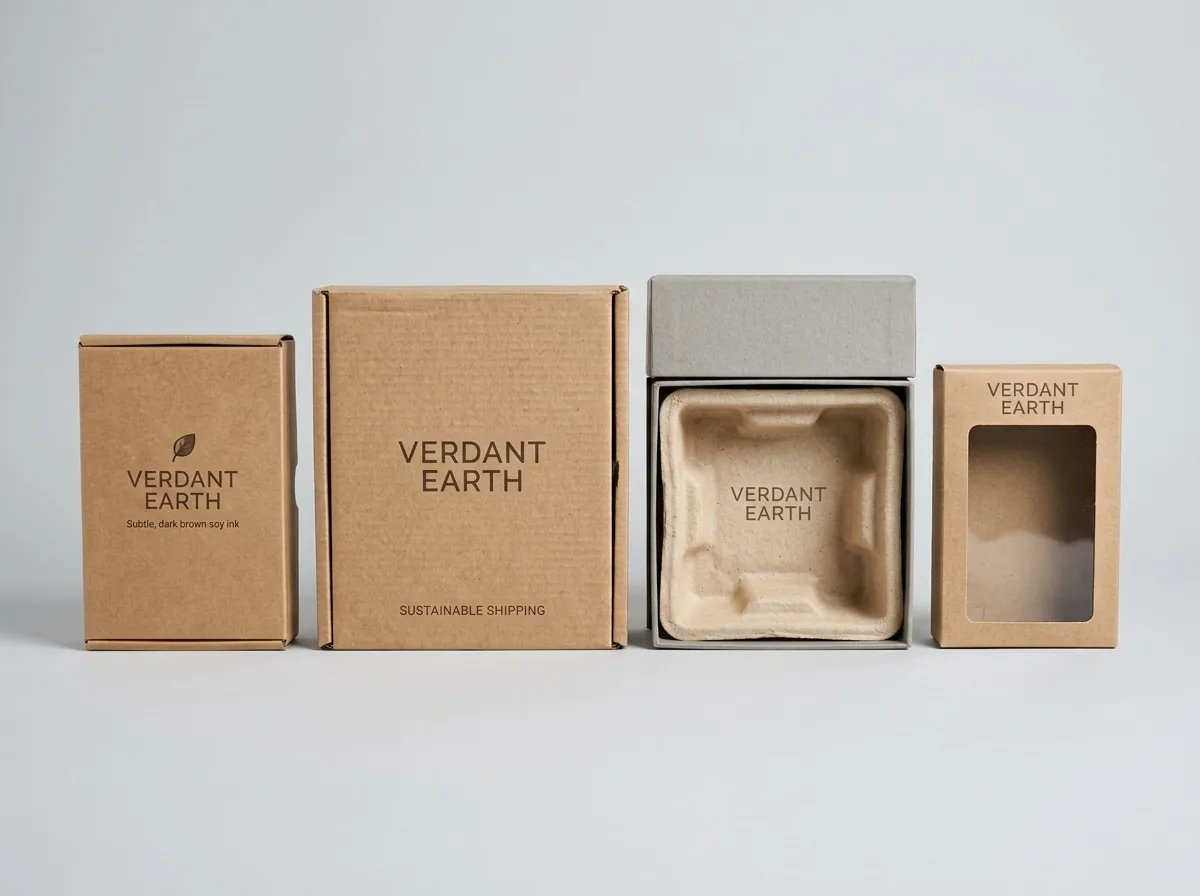
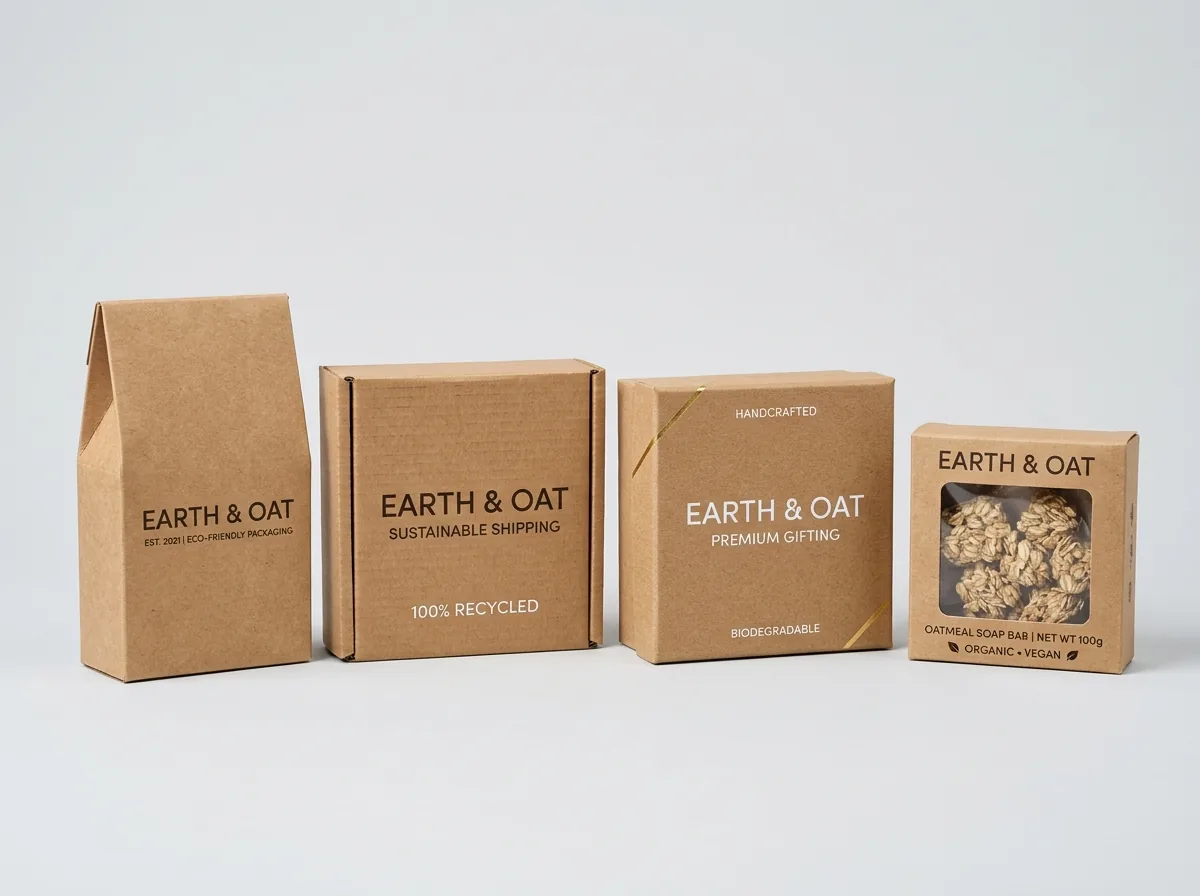
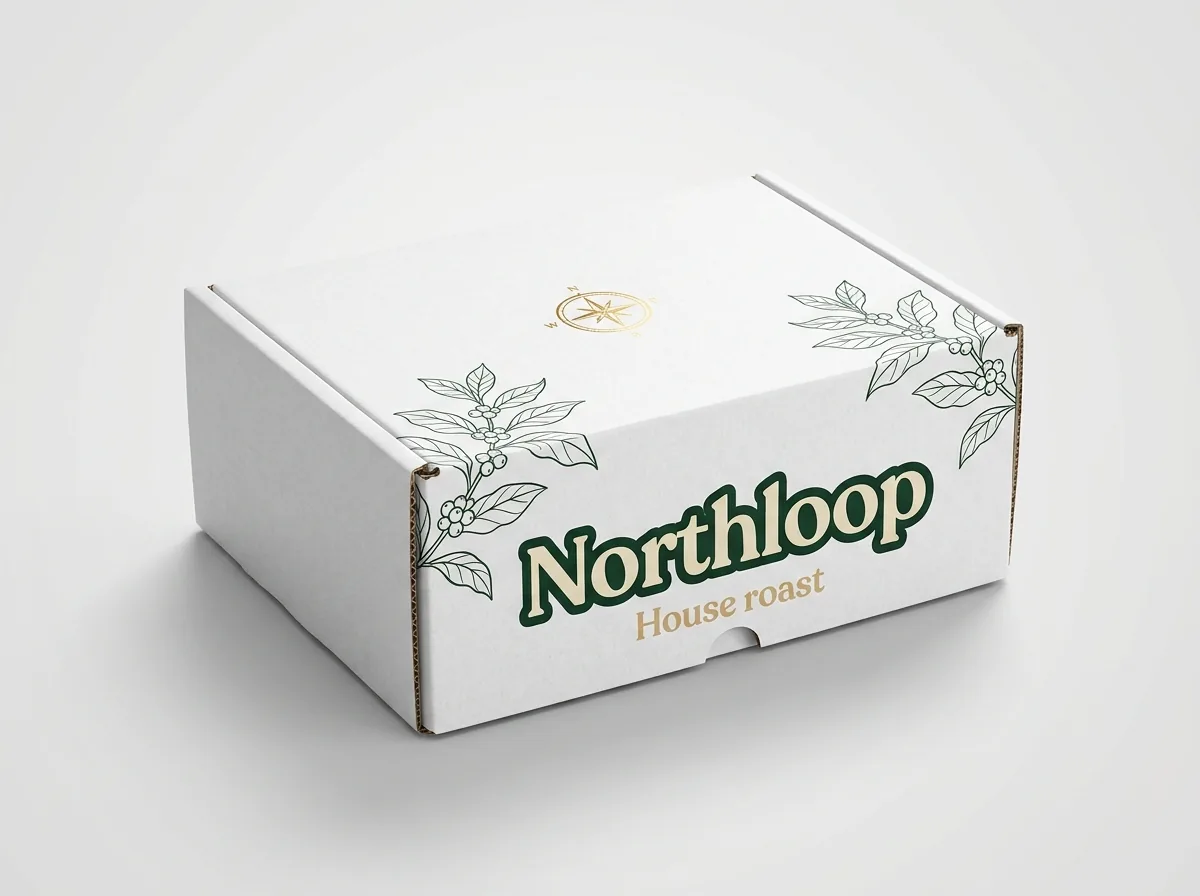
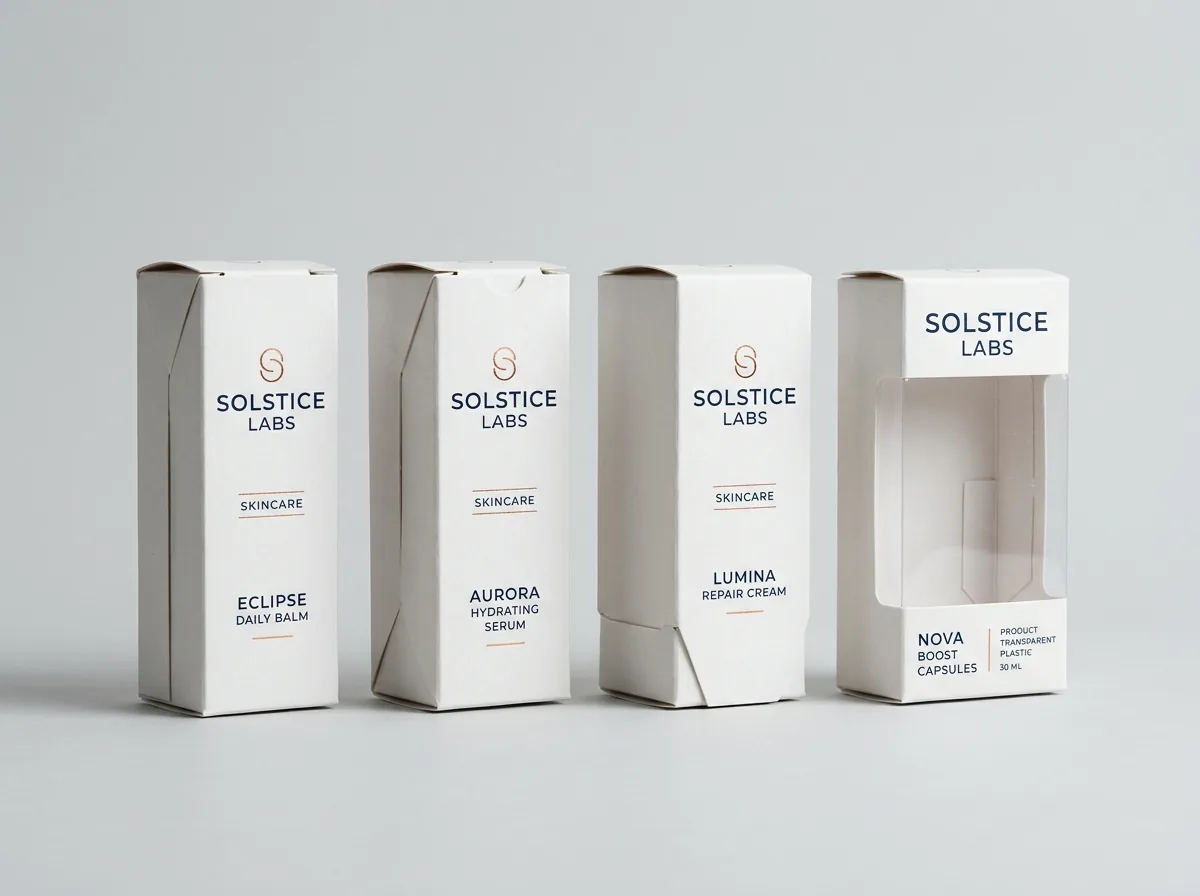
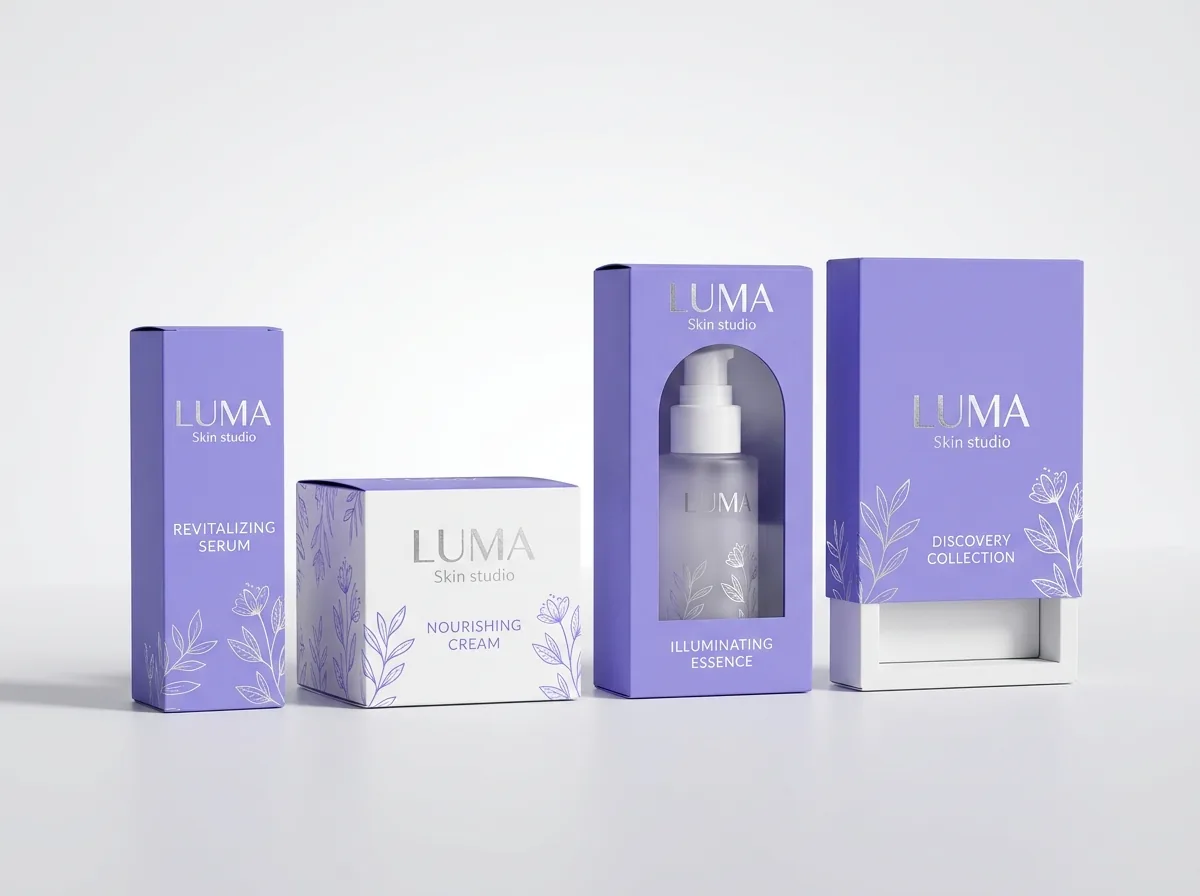
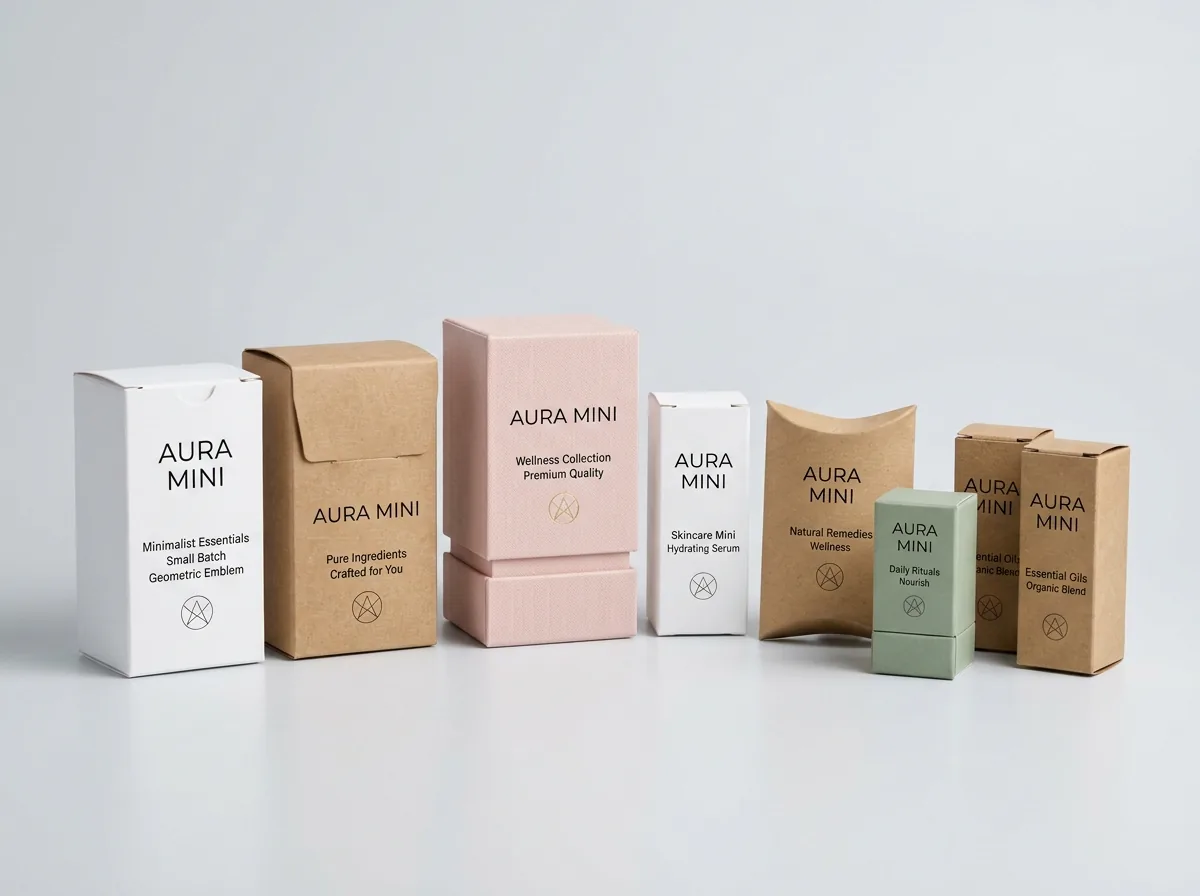
Ready to order eco-friendly boxes? Compare up to 3 quantities with a free 3D mockup.
Request a Quote →Questions about eco-friendly boxes
What is the difference between CRB and SBS paperboard calipers?
Clay-coated recycled board (CRB) is made from 100% recovered paper fibers with a gray or kraft interior back, while solid bleached sulfate (SBS) is made from chemically bleached virgin wood pulp with bright white fibers throughout the entire sheet.
Can recycled paperboard folding cartons be recycled in curbside bins?
Yes. When printed with vegetable soy inks and sealed with water-based aqueous coatings rather than synthetic plastic laminations, recycled paperboard cartons are curbside recyclable in standard municipal residential blue bins across the United States.
How does board caliper affect carton setup speed on packing lines?
Consistent board caliper and calibrated creasing rules ensure that folding cartons pop open cleanly and square without jamming automated cartoner magazines, maintaining peak assembly speeds of several hundred units per minute.
What caliper should I choose for glass candle jars weighing one pound?
We recommend a sturdy 20 pt (0.020 in) or 22 pt (0.022 in) clay-coated recycled board caliper to provide the necessary vertical crush strength and drop protection for glass candle containers during shipping and retail handling.
What is the minimum order quantity for custom recycled board cartons?
Our minimum order quantity for custom printed recycled paperboard folding cartons starts at 500 units, featuring zero die cutting or printing plate setup charges, free custom CAD dielines, and fast 10 to 14 business day delivery.
How does basis weight in gsm compare directly to caliper points?
Caliper measures physical thickness in thousandths of an inch (18 pt equals 0.018 in), whereas basis weight measures mass in grams per square meter (gsm). An 18 pt clay-coated recycled board typically weighs approximately 360 gsm, providing balanced rigidity for retail folding cartons.
Still have a question? Ask a packaging specialist.
Request a Quote →Request your eco-friendly boxes quote
Tell us your size and quantities, and one dedicated account manager prepares pricing for each tier.
- Free design & AI-to-print studio + 3D mockup
- No die or plate charges · 4–5 day rush available
- Free shipping to all 50 states
- 10% off your first order
Researched against TAPPI standards for paperboard calipers, AF&PA recovered fiber benchmarks, and PPC folding carton design rules. Verified by CubitPack packaging specialists.
Sources
What changed
- November 11, 2026: Initial publication of technical engineering guide on recycled post-consumer waste board calipers with 5 CAD SVGs.
More guides
New packaging guides by email
Sizes, materials and design tips. Unsubscribe anytime.