
How Do Soft-Touch, Linen, and Specialty Wraps Elevate Luxury Boxes?
Short answer: Exterior wrap papers transform rigid chipboard cores into sensory brand masterpieces. Soft-touch polyurethane lamination delivers a velvet peach-skin tactile feel with zero ambient glare, while natural woven linen papers and metallic stocks provide rich textural depth and scuff-resistant durability. Pair matte soft-touch BOPP film with high-build Spot UV or metallic hot foil stamping for scuff-resistant retail presentation.
On this page
- How does soft-touch polyurethane lamination achieve its velvet hand feel
- Why do woven linen and book cloth wraps communicate artisanal heritage
- What are the printing tolerances for metallic and pearlescent specialty papers
- How do anti-scuff matte laminates protect dark flood coats during transit
- What wrap paper basis weight provides optimal casing flexibility
- How do specialty interior lining papers complete the unboxing story
- What hot foil stamping formulations adhere best to specialty wraps
- Common mistakes
- FAQs
Request a custom quoteFree dieline & 3D mockup
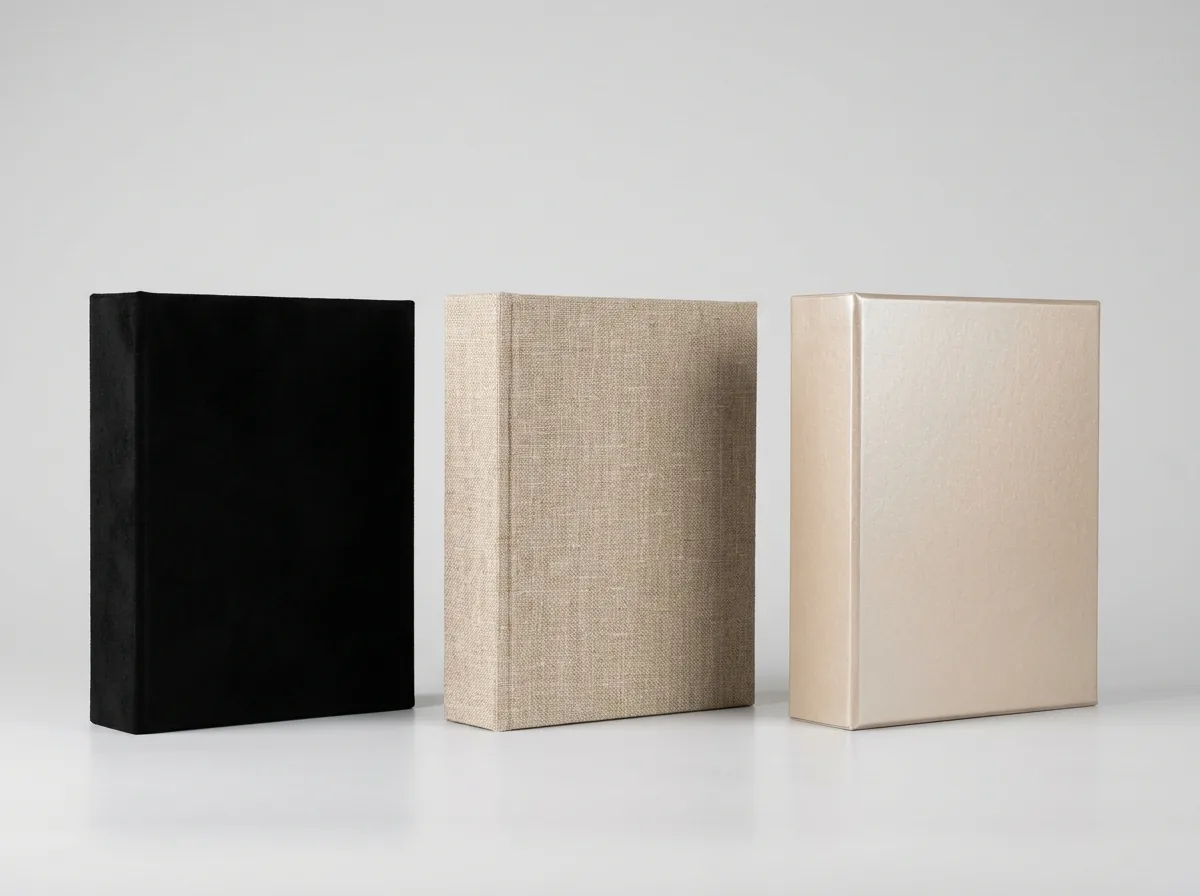
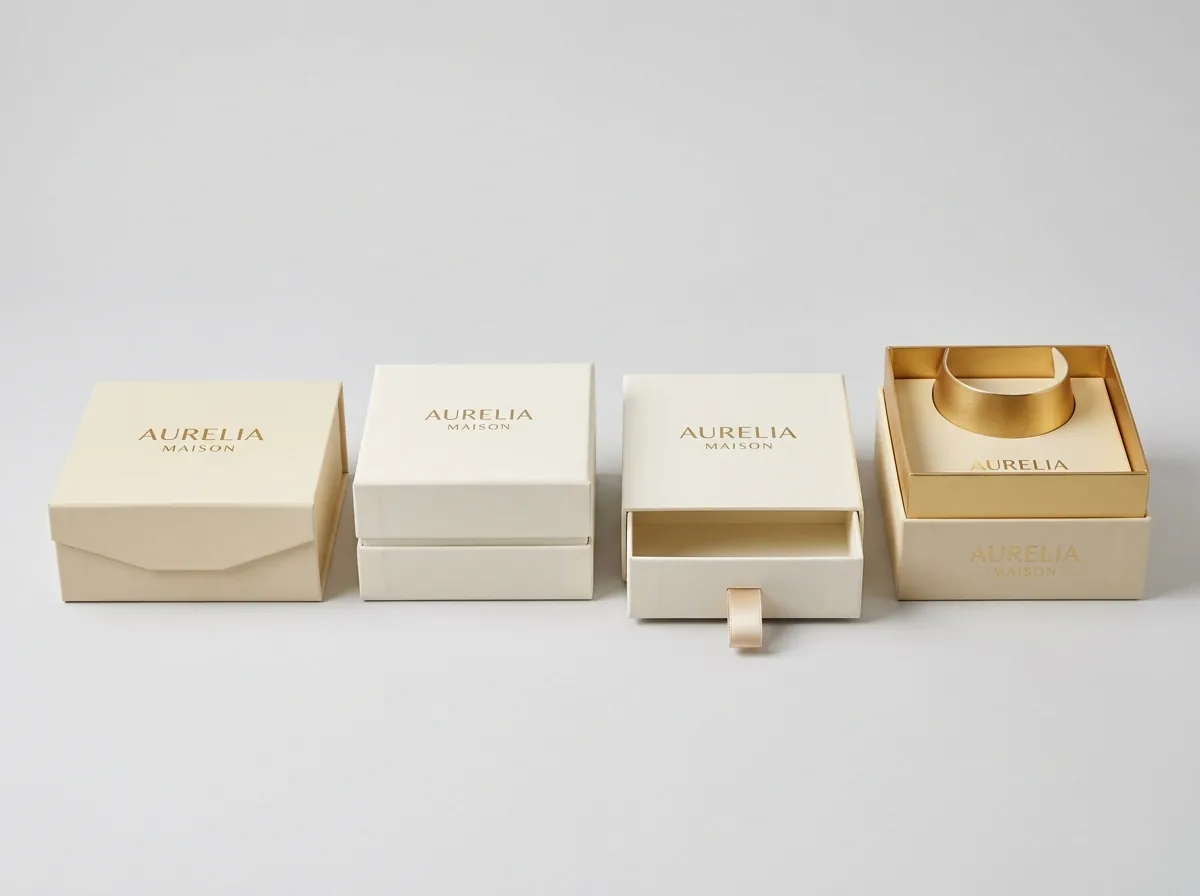
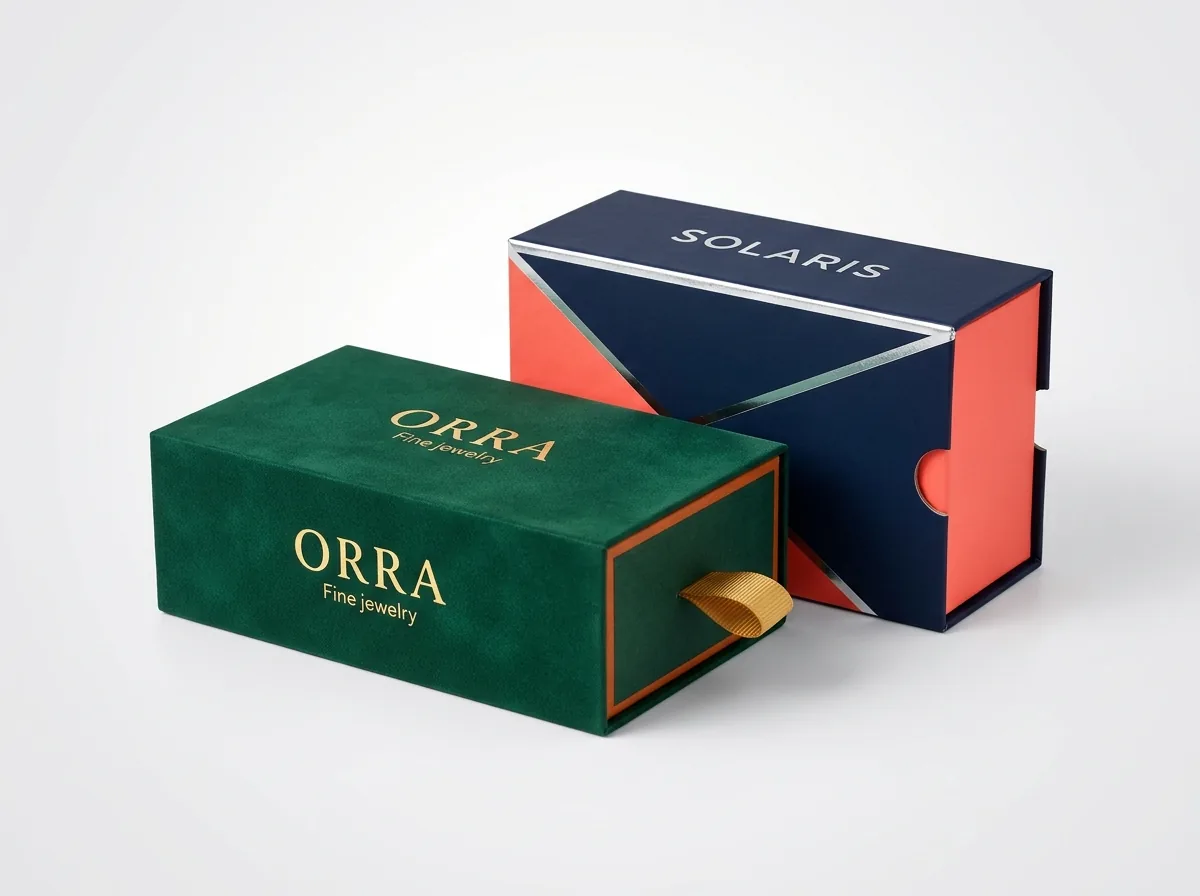
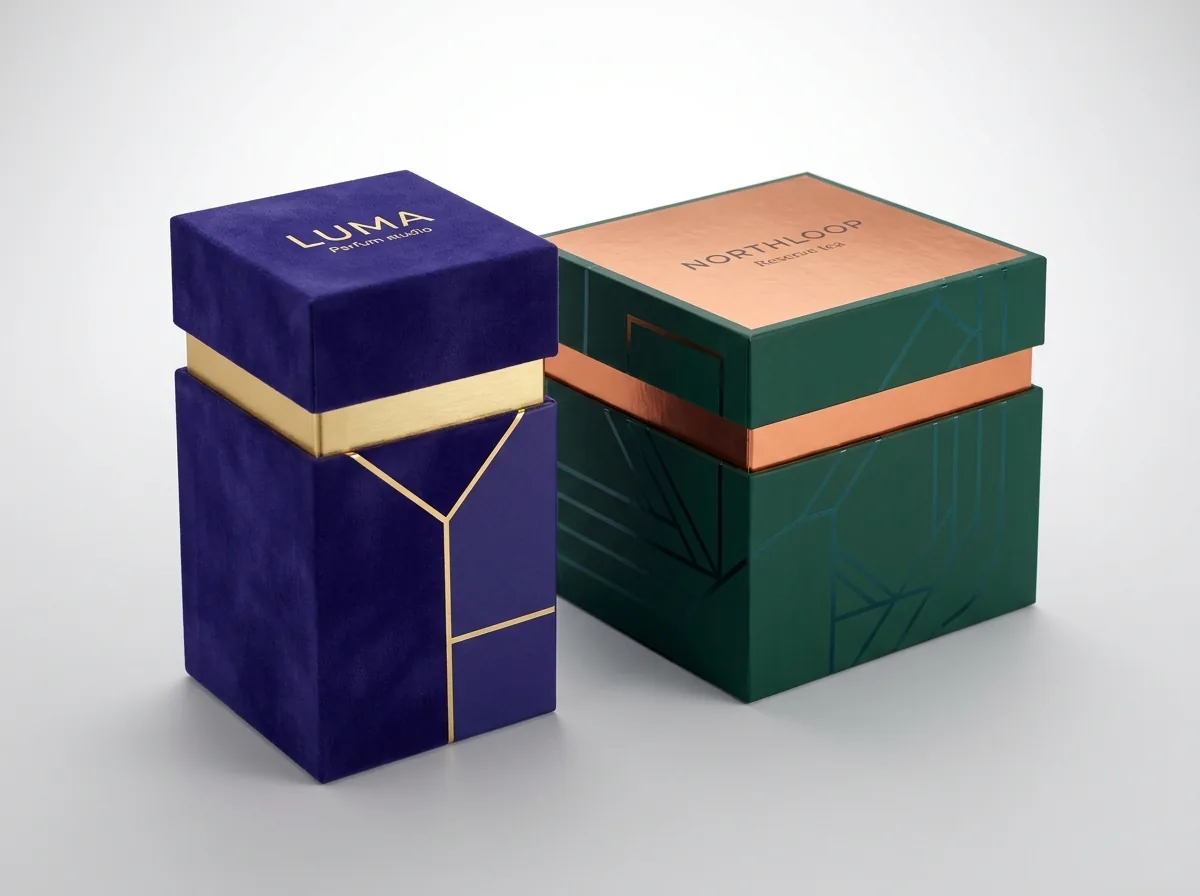
While the rigid chipboard core provides structural heft, the exterior paper wrap establishes the tactile and visual character of a luxury package. When designing custom luxury boxes, packaging specialists evaluate wrap substrates across coated art papers, textured natural linens, and metallic specialty stocks. Coated 157 gsm litho paper finished with velvet soft-touch polyurethane lamination is the premier choice for modern prestige brands, offering an irresistible non-slip hand feel that resists surface scuffing and fingerprints. For artisanal, heritage, or organic luxury collections, unvarnished woven linen and fine-ribbed laid papers impart old-world craftsmanship. In addition, metallic foils and pearlescent paper stocks reflect ambient lighting to command retail display attention. When configuring artisan luxury rigid packaging, our packaging specialists provide physical paper swatch books and free 3D digital renderings before press production. Matching wrap sheet basis weight and grain direction to V-grooved chipboard corners ensures tight 90-degree edges without paper splitting.
How does soft-touch polyurethane lamination achieve its velvet hand feel?
Soft-touch lamination is a specialized thermal converting process where a thin biaxially oriented polypropylene (BOPP) or polyurethane film is bonded to printed wrap paper under heat and high pressure. The microscopic surface of soft-touch film features millions of microscopic polymer fibrils that disperse reflected light and create a soft, velvety texture reminiscent of peach skin or fine chamois leather. Unlike conventional matte varnish that can feel chalky or dry, soft-touch lamination delivers a warm, luxurious tactile sensation that immediately engages customer touch. In addition, the durable polymer matrix protects delicate underlying dark litho inks from fingernail scratches and cosmetic oil smudges. Evaluating physical material swatches and pre-production white structural samples under D50 studio lighting before approving full production ensures that the surface texture, color saturation, and interior fit match your brand specifications across every reorder. Furthermore, testing wrapped corners and hinged spine joints through repeated opening and closing cycles verifies long-term durability for keepsake gift packaging. Requesting a pre-production wet proof on your chosen wrap stock eliminates color surprises before mass assembly.
Why do woven linen and book cloth wraps communicate artisanal heritage?
For heritage watchmakers, distilleries, and bespoke fashion houses, paper wraps that mimic or incorporate natural woven textiles convey timeless authenticity. Woven book cloth and linen-embossed specialty papers feature tactile cross-hatch textures pressed into virgin cotton and wood pulp fibers during papermaking. These textured substrates absorb light organically, providing a tactile counterpoint to sleek digital devices and modern cosmetics. Because textured linen wraps lack a clay coating, packaging printers pair them with deep blind debossing, foil stamping, or screen printing rather than fine-screen photographic halftones.
What are the printing tolerances for metallic and pearlescent specialty papers?
Metallic specialty wrap papers incorporate microscopic aluminum flakes, mica minerals, or vacuum-metalized polyester layers to create dynamic shimmering reflections. When printing over metallic substrates, standard translucent process inks allow the underlying metallic sheen to glow through the artwork, creating mesmerizing iridescent color shifts. However, because metallic papers are non-porous, conventional petroleum inks can take days to oxidize and dry. Premium packaging facilities utilize ultraviolet (UV) curing inks that solidify instantaneously under UV LED lamps, preventing ink offsetting and maintaining razor-sharp graphic registration.
Know your size? Compare pricing across up to 3 quantities.
Request a Quote →How do anti-scuff matte laminates protect dark flood coats during transit?
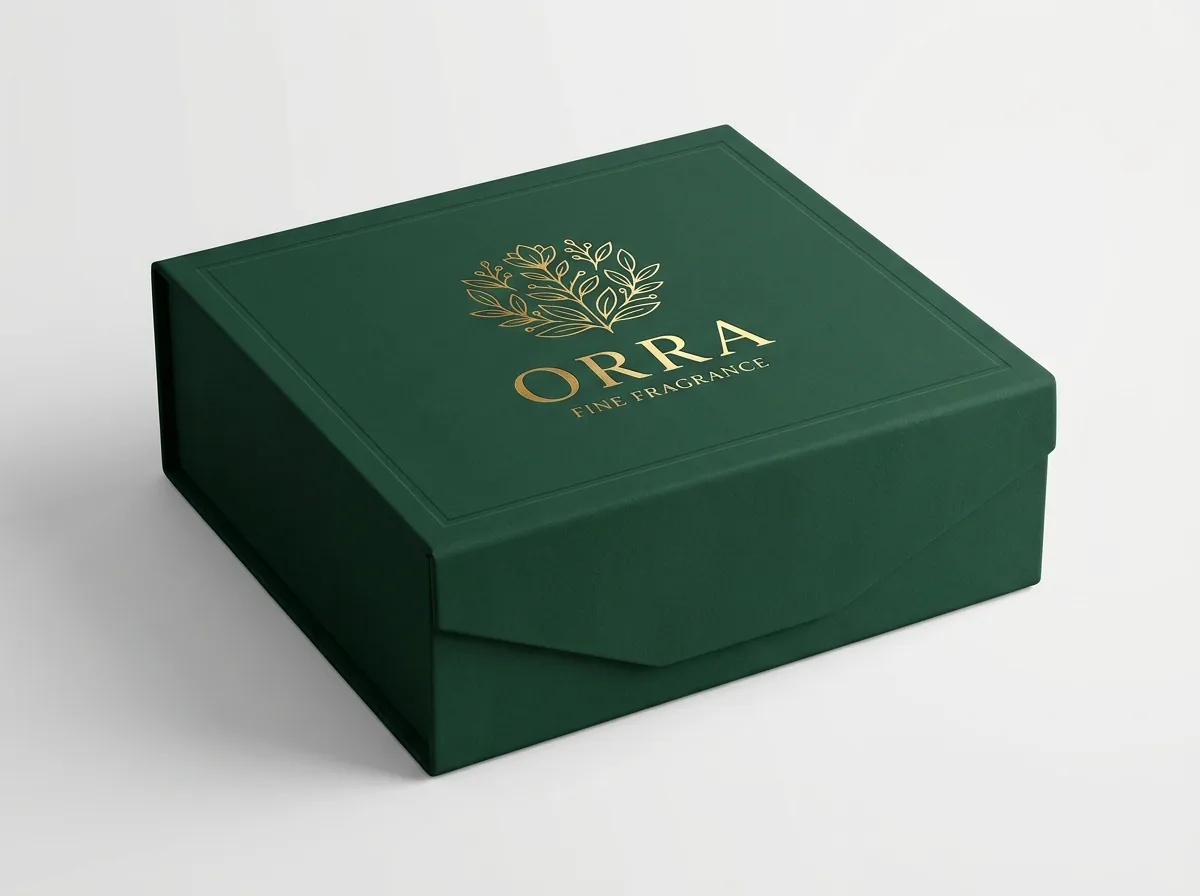
One of the most persistent packaging challenges in retail fulfillment is preventing dark matte containers from developing shiny burnish marks during transit. Standard matte BOPP lamination films can scuff when boxes rub against one another inside corrugated master cartons. Anti-scuff matte lamination incorporates hardened ceramic micro-particles or cross-linked polymers within the top surface layer. This scratch-resistant shield resists heavy courier shipping abrasion, ensuring that midnight black, deep navy, and rich forest green luxury boxes arrive in pristine showroom condition.
What wrap paper basis weight provides optimal casing flexibility?
Selecting the correct paper basis weight is vital for smooth automated box casing. If a wrap paper is too heavy (exceeding 180 gsm), it becomes stiff and brittle, leading to micro-cracking along 90-degree corner folds and refusing to turn in cleanly around interior edges. Conversely, if a wrap paper is too thin (under 120 gsm), the liquid adhesive can bleed through the fibers, and underlying dark chipboard cores may shadow through light-colored paper. Packaging engineers recommend a basis weight of 128 gsm to 157 gsm as the optimal balance between high opacity, vibrant print fidelity, and tight corner folding.
How do specialty interior lining papers complete the unboxing story?
A truly luxurious unboxing ritual does not end at the exterior lid; the interior cavity must sustain the emotional brand narrative. Luxury rigid boxes feature dedicated interior liner papers that match or tastefully contrast with exterior wraps. Liners can be flood-coated with rich corporate Pantone hues, printed with intricate repeating brand monograms, or stamped with inspirational founder quotes in metallic foil. Interior lining papers also serve a critical structural purpose: by applying paper under uniform tension to both sides of the chipboard core, moisture stresses remain balanced, preventing box walls from warping inward.
What hot foil stamping formulations adhere best to specialty wraps?
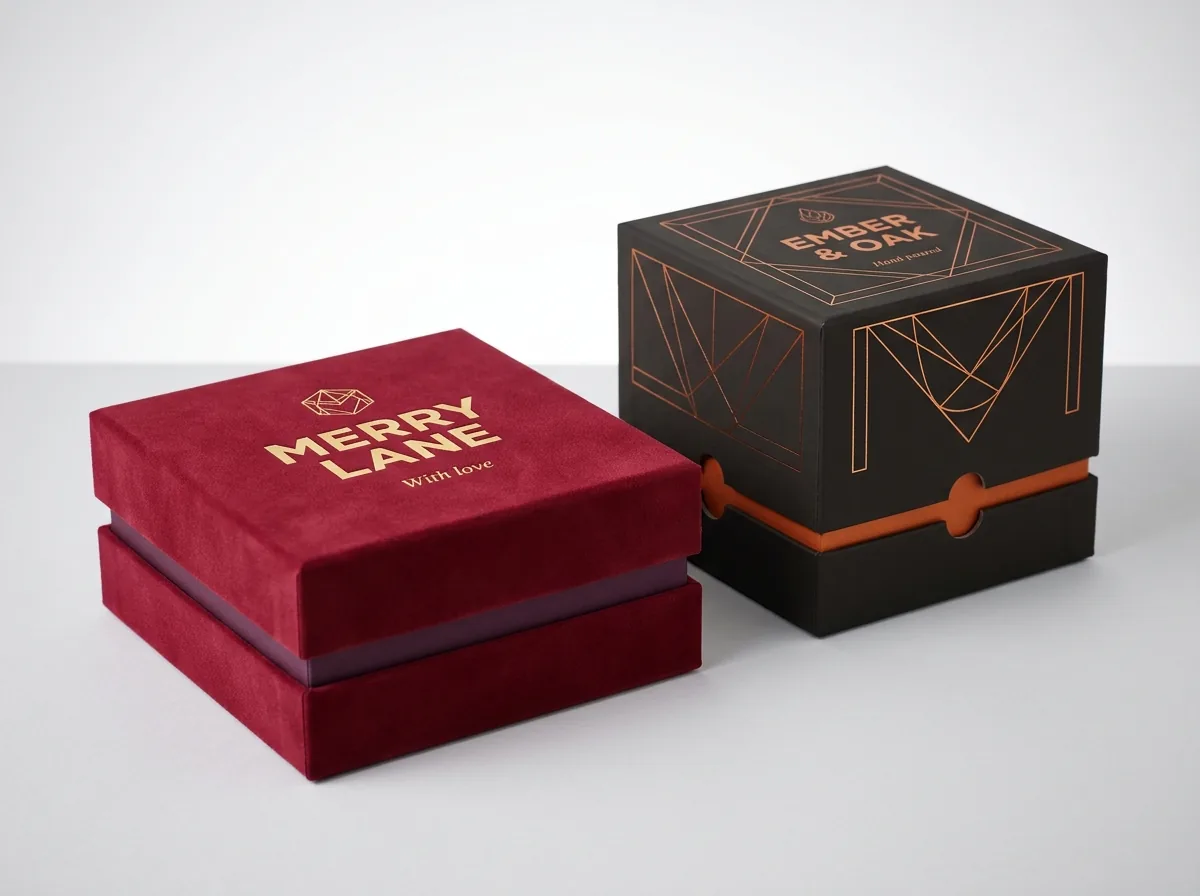
Hot stamping foils consist of five microscopic layers: a polyester carrier film, a release layer, a vacuum-metalized aluminum layer, a tint layer, and a heat-activated sizing adhesive. Different paper wrap surfaces require specialized foil sizing formulations. Coated art papers with soft-touch lamination require high-temperature foils with aggressive resin sizing to penetrate the polymer coating. Conversely, textured linen papers require soft-flowing foil adhesives that fill microscopic paper valleys without flaking. Prepress specialists test foil release properties on material strike-offs prior to full production runs. During high-speed automatic rigid box wrapping on four-side turn-in machines, the tensile elongation and wet-strength characteristics of the exterior wrap sheet determine how cleanly the corners fold into the interior wall cavity. Standard 128 gsm to 157 gsm C1S art paper laminated with a 1.2 mil soft-touch BOPP film offers high tear resistance around sharp V-grooved 90-degree edges, preventing fiber cracking even when dark charcoal, navy, or espresso flood coats wrap across the lid lip. By contrast, unlaminated cotton, pulp-dyed kraft, and woven rayon bookcloth wraps require carefully calibrated hot-melt animal glue viscosity so adhesive moisture never bleeds through the porous textile weave or leaves dark glue spots on the box face.
What are common mistakes to avoid in luxury box engineering?
Developing luxury rigid packaging requires balancing structural heft with fine aesthetic detailing. Packaging specialists identify four frequent errors
- Using heavy wrap papers exceeding 180 gsm that crack along 90-degree corner folds and refuse to adhere cleanly.
- Selecting standard matte lamination on solid black boxes instead of anti-scuff film, leading to shiny transit burnish marks.
- Failing to install an interior paper liner, leaving moisture tension unbalanced and causing rigid walls to cup inward.
- Attempting to print high-resolution photographic halftones on textured linen cloth rather than using foil stamping or debossing.
Packaging for this
Ready to order luxury boxes? Compare up to 3 quantities with a free 3D mockup.
Request a Quote →Questions about luxury boxes
What is the difference between soft-touch lamination and standard matte?
Standard matte lamination reduces glare with a smooth plastic finish. Soft-touch lamination incorporates microscopic polyurethane fibrils that produce a velvety peach-skin tactile feel and superior scratch resistance.
Can I foil stamp over soft-touch lamination?
Yes. Hot foil stamping bonds exceptionally well over soft-touch lamination, creating a brilliant reflective metallic contrast against the velvety light-absorbing background.
Are textured linen paper wraps recyclable?
Yes. Our natural linen-textured papers are crafted from 100% virgin and post-consumer wood fibers without plastic film laminations, making them fully recyclable in standard paper streams.
How do I prevent dark ink colors from rubbing off on white products?
Applying an anti-scuff matte laminate or aqueous coating completely seals printed litho pigments beneath a protective polymer shield, preventing ink transfer or rub-off.
Can you match a specific Pantone color on soft-touch wraps?
Yes. We print your exact corporate Pantone PMS spot colors using G7 certified lithographic presses before applying the soft-touch lamination film for precise brand fidelity.
Do you provide material swatch samples before ordering?
Yes. We can ship physical sample books showcasing soft-touch coated papers, linen textiles, and metallic specialty foils to assist your creative team with material selection.
Still have a question? Ask a packaging specialist.
Request a Quote →Request your luxury boxes quote
Tell us your size and quantities, and one dedicated account manager prepares pricing for each tier.
- Free design & AI-to-print studio + 3D mockup
- No die or plate charges · 4–5 day rush available
- Free shipping to all 50 states
- 10% off your first order
Researched against Paperboard Packaging Council (PPC) rigid box guidelines, Idealliance G7 Master Color specifications, and Luxury Packaging Guild engineering standards. Verified by CubitPack packaging specialists.
Sources
What changed
- November 11, 2026: Published technical engineering guide for soft-touch-lamination-linen-wraps-and-specialty-papers-for-luxury-boxes with 5 CAD SVGs and structural standards.
More guides
New packaging guides by email
Sizes, materials and design tips. Unsubscribe anytime.