
What size custom mylar bag do I need?
Short answer: Measure custom mylar bags by their outside Width × Height × Bottom Gusset in inches, then subtract ½ to ¾ inch from the width for side heat seals and 1.25 to 1.5 inches from the height for the zipper and top seal header. Match the usable interior volume to your product's bulk density rather than its dry weight alone.
On this page
- How do outside vs usable inside mylar bag dimensions work
- What are the standard custom mylar bag sizes from 3.5g to 16 oz
- How does product bulk density change the mylar bag size you need
- How do zippers, tear notches, hang holes and windows affect bag height
- How can I test-fill a custom mylar bag size before printing a full run
- Common mistakes
- FAQs
Request a custom quoteFree dieline & 3D mockup
Unlike corrugated boxes that are measured on the inside, flexible mylar bags are always specified by their flat outside dimensions: Width (left edge to right edge) × Height (bottom edge to top lip) × Bottom Gusset (the full expanded depth of the W-fold at the base). Before choosing a size from a standard ounce chart, calculate the true usable fill pocket by subtracting the perimeter welds: left and right side seals consume ¼ to ⅜ inch per edge (½ to ¾ inch total width), and the resealable zipper track, tear notches and top impulse heat-seal band consume the top 1.25 to 1.5 inches of height. Because a 4 oz fill of fluffy freeze-dried fruit takes roughly three times the cubic space of 4 oz of dense bath salts or gummies, always adjust your pouch size for bulk density and test-fill a sample bag before locking your dieline. At CubitPack, every custom mylar bag is made to your exact dimensions with no die or plate charges.
How do outside vs usable inside mylar bag dimensions work?
Rigid folding cartons and corrugated mailers are engineered around inside cavity dimensions, but flexible packaging uses the opposite rule. Across the pouch converting industry, custom printed mylar bags and custom stand-up pouches are always listed by their flat outside dimensions in the order Width (W) × Height (H) × Bottom Gusset (G). If you treat those outside numbers as usable interior space, chunky cookies, protein scoops or blister cards will jam against the side welds or stop you from closing the press-to-close zipper. To calculate the usable interior fill pocket of any stand-up or flat 3-side-seal mylar pouch, subtract three structural zones from the flat outside measurements. First, subtract the left and right vertical heat seals, which typically run ¼ to ⅜ inch wide on each side and reduce interior width by ½ to ¾ inch overall. Second, subtract the top header zone: the resealable zipper track, pre-cut tear notches and top impulse heat-seal area occupy the upper 1.25 to 1.5 inches of the pouch height. Third, remember that when a bottom gusset expands into a flat oval base, it pulls the lower front and back panels inward, reducing usable vertical height by roughly half of the gusset depth.
- Outside Width (W): measured horizontally from the outer left edge to the outer right edge of the flat pouch.
- Usable Interior Width: Outside Width minus ½ to ¾ inch for the left and right heat-seal seams.
- Outside Height (H): measured vertically from the bottom edge to the very top lip of the open header.
- Usable Fill Height: Outside Height minus 1.25 to 1.5 inches (zipper and top seal header) minus half of the bottom gusset depth.
- Bottom Gusset (G): the total expanded depth of the W-folded base on a stand-up pouch (0 inches on a flat 3-side-seal pouch).
What are the standard custom mylar bag sizes from 3.5g to 16 oz?
Most food, wellness and retail brands start with one of the six benchmark pouch footprints below. In flexible packaging, nominal ounce capacities (such as a 1 oz, 4 oz, 8 oz or 16 oz bag) are calibrated using medium-density dry goods like roasted whole-bean coffee, nuts or gummies. Because CubitPack produces every order to your custom Width × Height × Gusset with no die or plate charges, you can pick one of these industry footprints or adjust any dimension by a quarter inch to fit your shelf display or shipping box. Review the usable width and fill height column carefully before selecting your size. If your automated filling funnel or hand scoop is 3.5 inches wide, a 3.5 × 5 inch bag will be too narrow at the mouth, and stepping up to a 4 × 6 inch or 5 × 8 inch pouch will speed up your packing line.
| Bag style & nominal size | Outside W × H × G (in) | Approx usable fill pocket | Typical medium-density fill | Common products packed |
|---|---|---|---|---|
| Flat 3-side-seal mini | 3 × 4.5 × 0 in | 2.4 × 3.1 in | 3.5 g – 7 g (⅛ – ¼ oz) | Single-serve drink powders, beauty masks, gummy samples, seeds |
| Small stand-up (1–2 oz) | 3.5 × 5 × 1.5 in | 2.9 × 3.0 in | 1 oz – 2 oz (28 g – 56 g) | Trial snacks, loose-leaf tea samplers, travel bath salts, small edibles |
| Quarter-pound stand-up (4 oz) | 4 × 6 × 2 in | 3.4 × 3.7 in | 3 oz – 4 oz (85 g – 113 g) | Gourmet gummies, jerky bites, dried fruit, herbal blends, pet treats |
| Retail standard stand-up (8 oz) | 5 × 8 × 2.5 in | 4.3 × 5.4 in | 6 oz – 8 oz (170 g – 225 g) | Granola, cookies, nuts, bath soaks, ground coffee, supplement powders |
| Coffee & pantry stand-up (12 oz) | 6 × 9 × 3 in | 5.3 × 6.1 in | 10 oz – 12 oz (280 g – 340 g) | Whole-bean coffee, superfood greens, protein blends, dog chews |
| Family stand-up (16 oz / 1 lb) | 7 × 10 × 3.5 in | 6.2 × 6.8 in | 14 oz – 16 oz (400 g – 454 g) | 1 lb bath salts, oats, baking mixes, bulk snacks, multi-pack refills |
How does product bulk density change the mylar bag size you need?
The single most frequent sizing mistake in flexible packaging is ordering an "8 oz mylar bag" for an 8 oz net weight product without checking bulk density. Net weight on your nutrition label measures mass, whereas a mylar pouch holds cubic volume. Four ounces of freeze-dried strawberries, puffed rice snacks or whole chamomile blossoms occupies nearly three times the cubic volume of four ounces of mineral bath salts or dense pectin gummies. To avoid ordering a bag that overflows or looks half empty on the shelf, group your product into one of three density brackets and shift your target footprint from the benchmark chart. You also want to leave 15% to 20% empty air space between the settled product line and the underside of the zipper track. When fine powder or oily crumbs sit right up against the zipper during filling, dust coats the upper polyethylene seal layer and prevents your impulse heat sealer from making an airtight weld.
- Low-density / fluffy goods (freeze-dried fruit, puffed snacks, whole herbs, leafy teas, dehydrated jerky strips): step up 1 to 2 bag sizes above the nominal ounce rating (for example, pack 4 oz of freeze-dried fruit in a 5 × 8 × 2.5 in or 6 × 9 × 3 in pouch).
- Medium-density goods (whole-bean or ground coffee, mini cookies, nuts, granola, gummies, capsules, pet kibble): match the nominal ounce rating in the size chart directly.
- High-density / heavy goods (Epsom and Dead Sea bath salts, fine electrolyte or creatine powders, sugar scrubs, liquids in custom spout pouches): step down 1 bag size so the pouch fills to at least 65% of its height and stands upright.
Know your size? Compare pricing across up to 3 quantities.
Request a Quote →How do zippers, tear notches, hang holes and windows affect bag height?
Every functional feature added to the top header or front panel of a mylar pouch interacts with your usable fill height. Standard press-to-close resealable zippers sit roughly 1.25 to 1.5 inches below the top edge so there is room above the zipper track for left and right tear notches plus a ¼ inch impulse heat-seal weld. If your product requires child-resistant closures or specialized smell-proof zippers, the heavier locking track can use 1.5 to 1.75 inches of top header space. Adding a round or sombrero euro hang hole for retail pegboard display also adds ¼ to ⅜ inch to the top header above the heat seal. Similarly, if you are ordering custom mylar bags with a window, the position of your clear window must match your settled fill height. Granular foods and powders settle 10% to 15% during parcel vibration; keeping the top edge of your clear window at least ½ inch below the settled product level ensures shoppers see product rather than empty air through the window.
How can I test-fill a custom mylar bag size before printing a full run?
You never have to guess whether 225 grams of your granola or supplement powder plus a plastic scoop will fit inside a 5 × 8 × 2.5 inch pouch. You can verify the settled fill height in five minutes on your desk using a household freezer bag and a ruler before approving your production dieline. Take a standard quart zip-top bag, measure from one bottom corner across the base to your planned usable interior width (outside width minus ⅝ inch), and place a strip of tape vertically to pinch off the extra width. Pour in your exact net weight of product plus any scoop or desiccant packet, tap the base on the table ten times to simulate shipping settlement, and measure the vertical height of the product pile. Add 1.5 inches for the top zipper header plus half of your planned bottom gusset depth to get your ideal outside bag height. For an exact physical check, you can also order our $50 sample kit or a paid printed sample of your custom bag size, both credited toward your full order.
- Bench test width: mark Usable Width (Outside Width minus ⅝ inch) on a clear zip-top bag with tape.
- Settle test: pour in exact net weight, tap 10 times on the counter, and measure the settled product height.
- Calculate Outside Height: settled product height + ½ of bottom gusset depth + 1.5 inches for zipper and heat seal.
- Physical sample check: order the $50 CubitPack sample kit or a custom printed sample (credited to your full order) and review your free 2D dieline and 3D mockup before payment.
What are the most common custom mylar bag sizing mistakes?
Catching these five dimension errors before approving your digital dieline proof prevents filling bottlenecks and limp shelf presentation
- Treating outside Width × Height as usable interior space, forgetting that side seals take ½ to ¾ inch of width and the zipper header takes 1.25 to 1.5 inches of height.
- Sizing by dry ounce weight alone without accounting for bulk density, which leaves fluffy freeze-dried fruit or herbs overflowing a nominal 4 oz bag.
- Ordering a flat 3-side-seal pouch for a chunky or rigid item thicker than ½ inch without adding extra width to compensate for middle ballooning.
- Filling a stand-up bottom-gusset pouch to less than 60% of its usable height, which causes the upper half of the bag to flop forward on retail shelves.
- Placing a clear window too high on the front panel so post-shipping product settlement exposes empty headspace at the top of the window.
Packaging for this
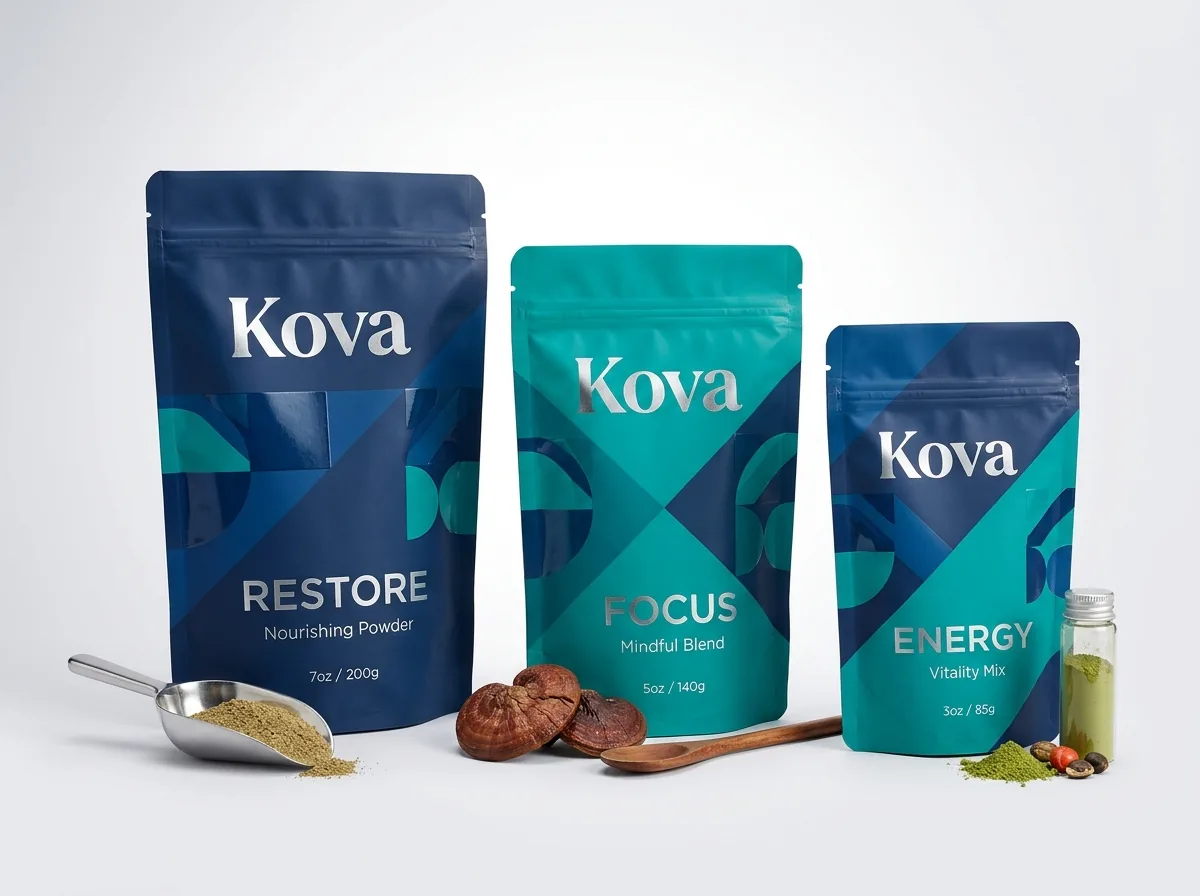
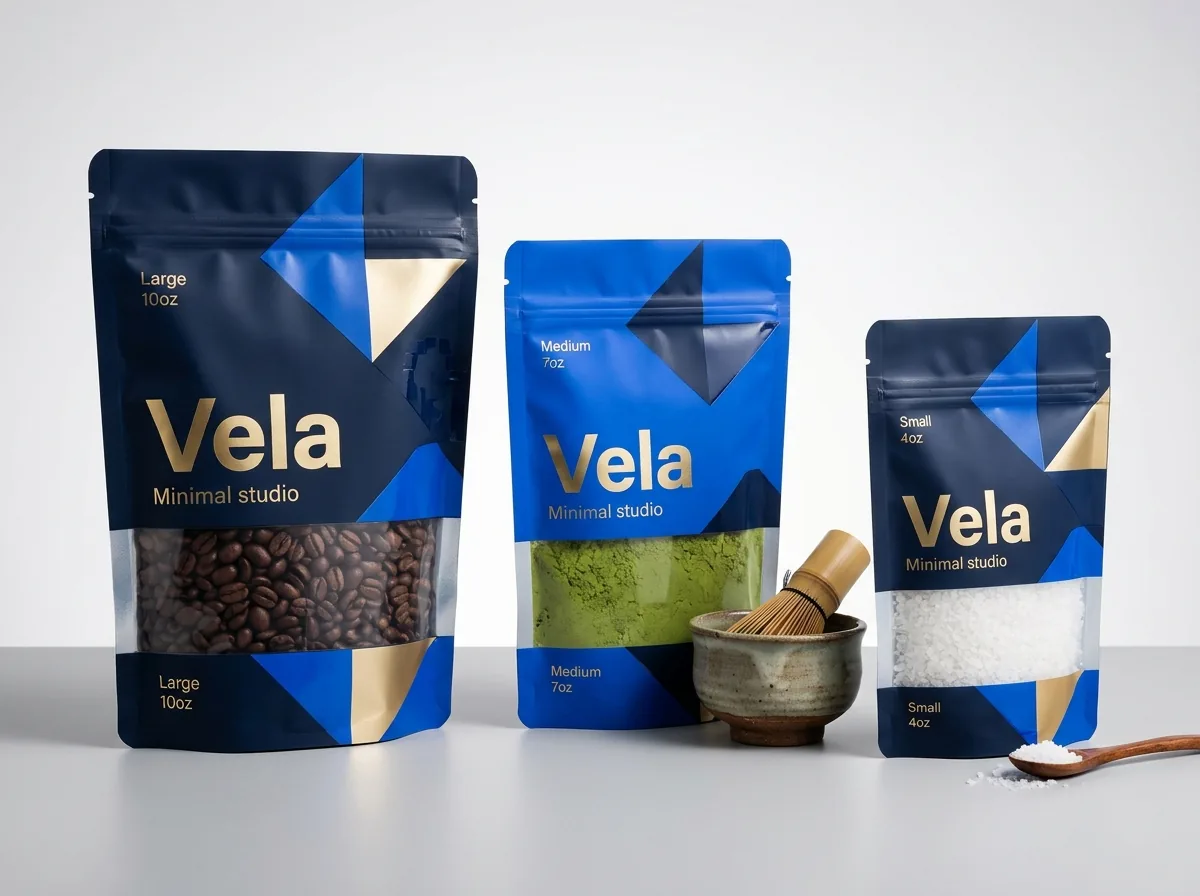
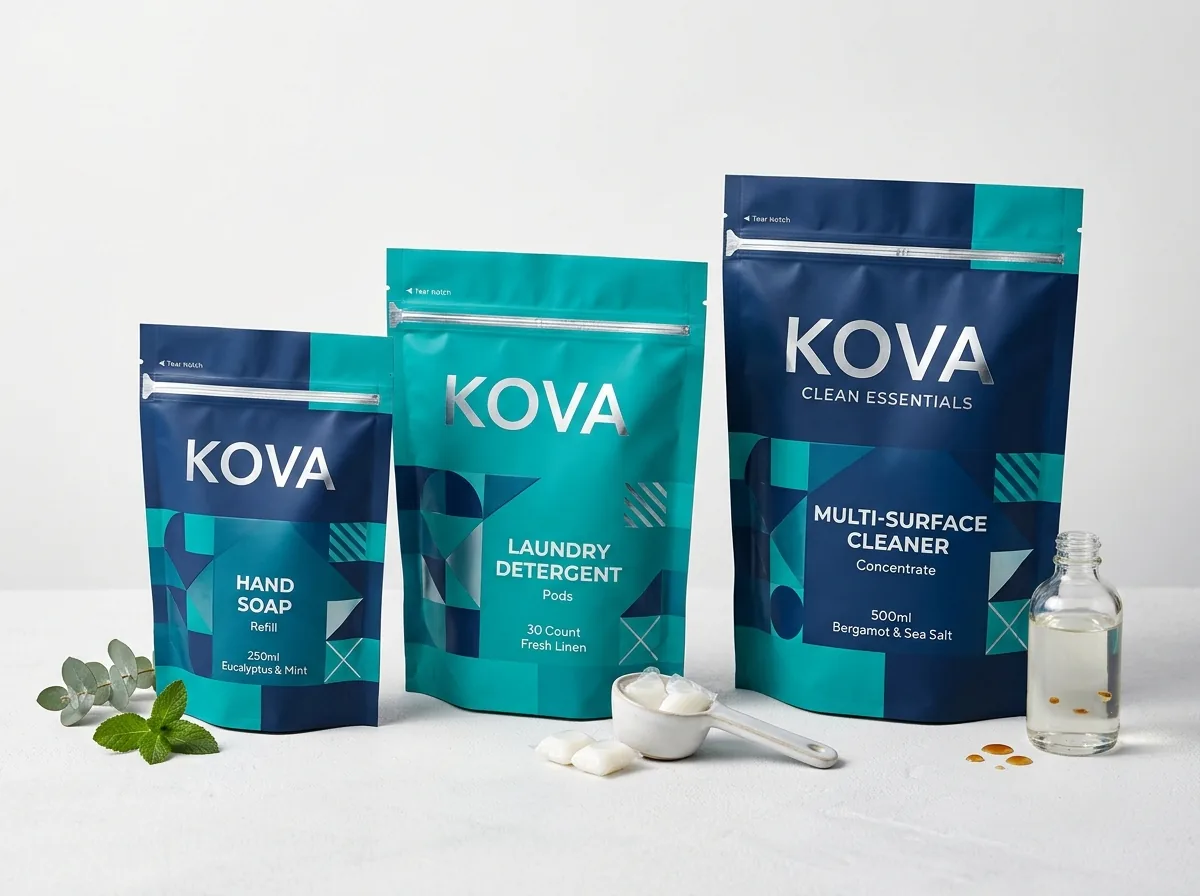
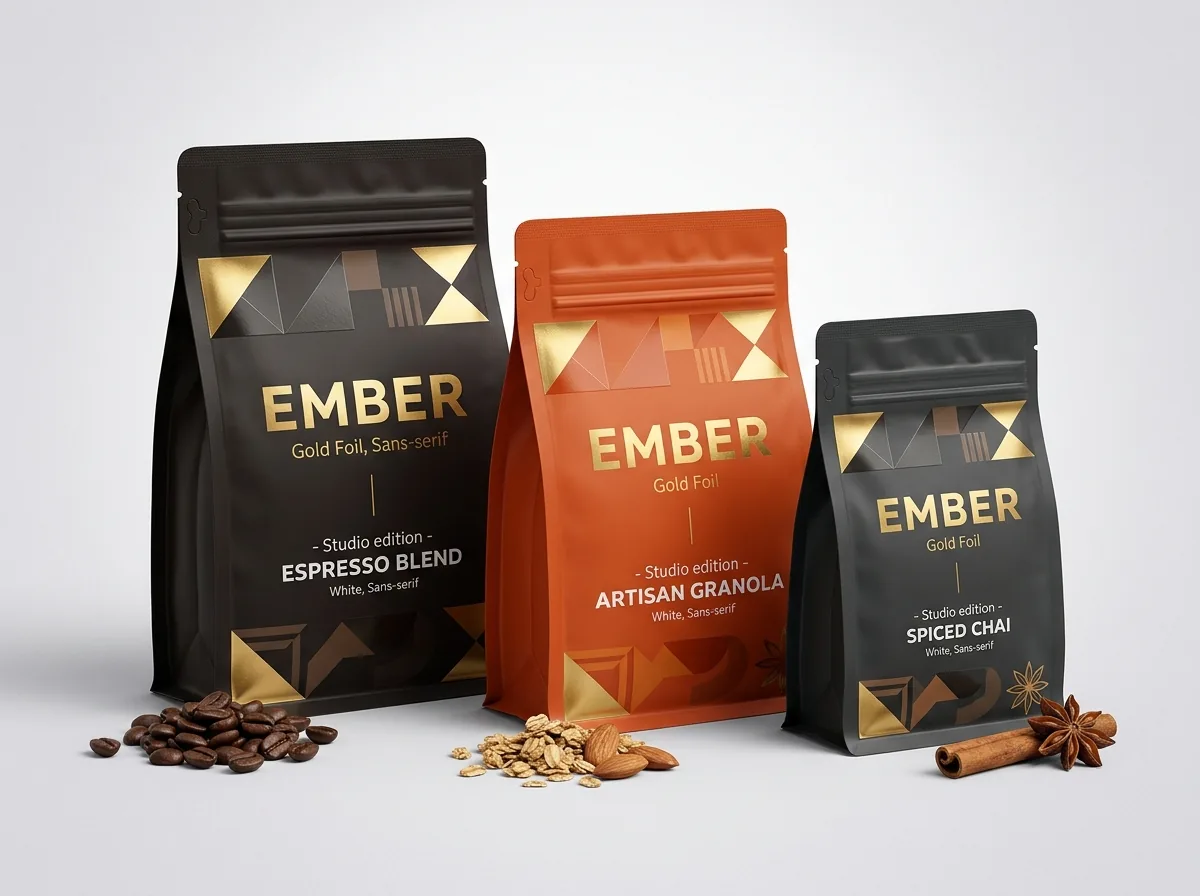
Ready to order mylar bags? Compare up to 3 quantities with a free 3D mockup.
Request a Quote →Questions about mylar bags
In what order are custom mylar bag dimensions written?
Custom mylar bags are always written as outside Width (left to right) × Height (bottom to top) × Bottom Gusset (expanded depth of the base fold) in inches. Flat 3-side-seal pouches have no bottom gusset and are written as Width × Height.
What size mylar bag do I need for 3.5 grams or 1/8 oz?
A 3.5 gram (⅛ oz) fill of dried botanicals, herbs, loose-leaf tea or sample gummies typically fits either a 3 × 4.5 inch flat 3-side-seal mylar pouch or a 3.5 × 5 × 1.5 inch small stand-up bottom-gusset bag, leaving clean headspace below the zipper.
How much space does a resealable or child-resistant zipper take up?
A standard press-to-close zipper plus the tear notches and top impulse heat-seal weld takes up 1.25 to 1.5 inches at the top of the pouch. Child-resistant zippers use a wider locking profile and typically need 1.5 to 1.75 inches of top header height.
Can I order a custom mylar bag in an exact non-standard size?
Yes. Every custom mylar bag at CubitPack is made to order to your exact Width × Height × Gusset in inches with no die or plate charges. Tell us what you pack and its net weight on your quote, and we will confirm the ideal size and send a free 2D dieline and 3D mockup before payment.
How much room do I need above the zipper for heat sealing?
Standard open-top zipper pouches leave about ⅜ to ½ inch of unsealed header film above the tear notches so you can run a hand impulse sealer or continuous band sealer across the top after filling.
Can I test my product in real sample bags before ordering a full run?
Yes. You can order our $50 sample kit to test-fill stock pouch sizes on your bench, or order a paid printed sample of your exact custom bag size. Both are credited toward your full production order.
Still have a question? Ask a packaging specialist.
Request a Quote →Request your mylar bags quote
Tell us your size and quantities, and one dedicated account manager prepares pricing for each tier.
- Free design & AI-to-print studio + 3D mockup
- No die or plate charges · 4–5 day rush available
- Free shipping to all 50 states
- 10% off your first order
The pouch dimension rules, seal allowances and bulk density brackets in this guide follow standard flexible packaging converting tolerances (outside Width × Height × Bottom Gusset). A CubitPack packaging specialist reviewed every size row. Spot something wrong? Tell us and we will fix it.
Sources
What changed
- October 22, 2026: First published.
- October 22, 2026: Updated specifications, terminology, and verified source links.
More guides
New packaging guides by email
Sizes, materials and design tips. Unsubscribe anytime.