
Waterproof BOPP vs Foil vs Paper Custom Labels: Which Material Fits Your Container?
Short answer: Choose laminated white, clear, or metallic BOPP (biaxially oriented polypropylene) film with a permanent acrylic adhesive for waterproof custom labels on rigid glass jars, beverage cans, and cosmetic dropper bottles. Choose conformable vinyl for squeezable shower tubes or outdoor gear, and reserve paper labels strictly for dry indoor packaging.
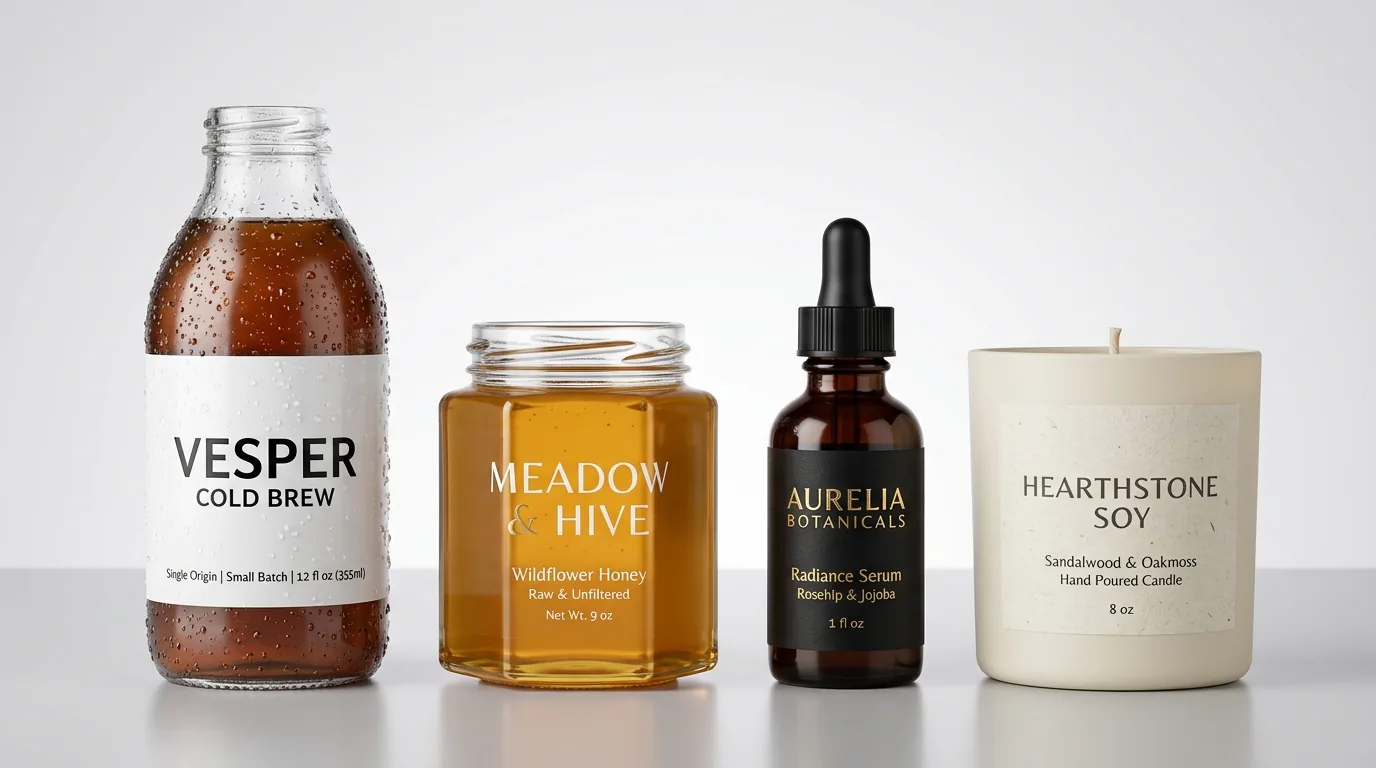
On this page
- How do BOPP, vinyl, metallic foil, and paper custom labels compare
- Why does a truly waterproof label require a 3-layer synthetic stack
- When should you choose Clear BOPP or Metallic Foil BOPP over White BOPP
- Should you use BOPP or vinyl on squeezable bottles, tubes, and curved jars
- How do you prevent waterproof labels from peeling on cold, wet, or frozen containers
- Common mistakes
- FAQs
Request a custom quoteFree dieline & 3D mockup
True waterproof performance depends on a three-part system rather than face stock alone: a non-porous synthetic film, a protective overlaminate that seals the ink, and a permanent adhesive matched to your container's surface energy and temperature range. Laminated 2.6 mil white BOPP and 2.0 mil clear BOPP are the workhorse materials for custom labels on refrigerated drinks, honey jars, essential oil droppers, sauces, and bathroom skincare because polypropylene never absorbs water, vegetable oil, or essential oils along its die-cut edges. When a container must flex repeatedly in wet hands, such as a squeezable body-wash tube, 3.4 mil conformable vinyl prevents wrinkling and edge lift. By contrast, semi-gloss, matte, and natural kraft paper stocks wick moisture through their cut edges and belong on dry candle tumblers, coffee pouches, and bakery boxes. Every CubitPack order starts at 500 pieces with no die or plate charges and free US shipping.
How do BOPP, vinyl, metallic foil, and paper custom labels compare?
Packaging buyers frequently see the terms water-resistant, weatherproof, and waterproof used interchangeably on supplier catalogs, yet those materials behave very differently once a bottle leaves a cold refrigerator and sweats on a kitchen counter. A coated paper label with a thin UV varnish can survive a brief dry-hand touch, but condensed water droplets sitting along the die-cut edge wick directly into the cellulose fibers within minutes, causing gray edge stains, bubbling, and tearing. Synthetic films such as biaxially oriented polypropylene (BOPP) and cast or calendered vinyl contain zero paper fibers, so prolonged immersion in an ice bucket or steamy shower cannot swell the stock. Use the engineering comparison table below when specifying waterproof custom labels across beverages, cosmetics, supplements, and gourmet food containers.
| Label Material Stock | Caliper & Construction | Water, Oil & Chemical Rating | Service Temp Range | Best Container Match |
|---|---|---|---|---|
| White BOPP Film + Laminate | 2.6 mil white polypropylene + 1.0 mil gloss or matte BOPP laminate | 100% waterproof; resists ice baths, carrier oils, essential oils, and mild acids | -65°F to +200°F (apply above +25°F with cold-temp adhesive) | Rigid glass jars, aluminum beverage cans, PET bottles, amber serum droppers |
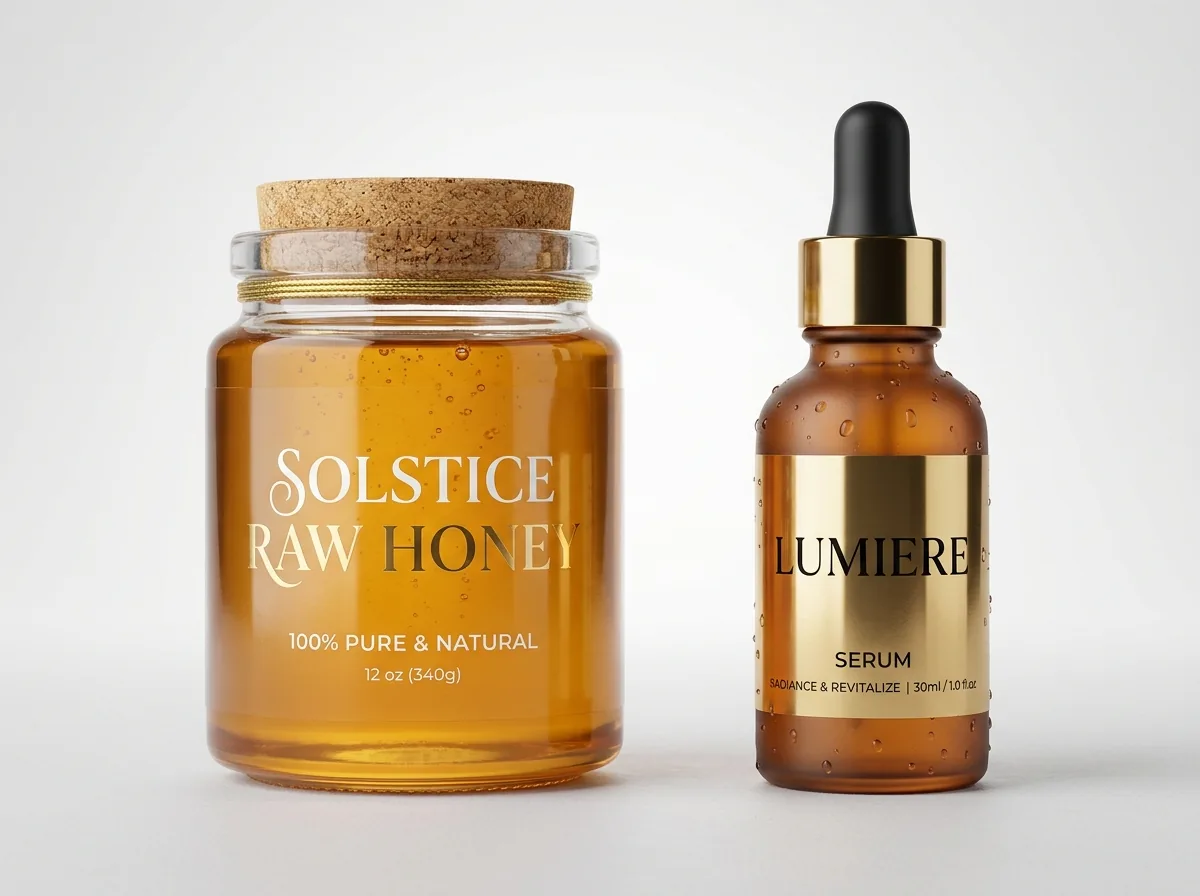
| Clear BOPP Film + White Ink | 2.0 mil transparent BOPP + 5th-color white ink underbase + clear laminate | 100% waterproof; clean no-label window appearance on clear glass | -65°F to +200°F (apply above +35°F on clean dry glass) | Clear honey and jam jars, cold-pressed juice bottles, cosmetic toner bottles |
| Silver / Gold Metallized BOPP | 2.4 mil mirror chrome or gold BOPP film + protective film overlaminate | 100% waterproof; reflective metallic highlights without hot-stamp tooling | -40°F to +180°F (apply above +35°F) | Craft beer cans, pre-workout supplement tubs, holiday food gifts, luxury oils |
| Conformable White Vinyl | 3.4 mil flexible polymeric vinyl + UV-stable weather overlaminate | 100% waterproof, flexible on squeeze walls, outdoor UV resistant | -40°F to +176°F (apply above +45°F) | Squeezable LDPE bath tubes, outdoor equipment, dishwasher-exposed bottles |
| Paper (Matte, Gloss, Kraft) | 55–60 lb litho or natural brown kraft paper with protective varnish | Dry indoor use only; absorbs moisture and oils through exposed cut edges | -20°F to +160°F (apply above +40°F) | Dry soy candle jars, coffee stand-up pouches, bakery boxes, outer carton seals |
Why does a truly waterproof label require a 3-layer synthetic stack?
Selecting a polypropylene or vinyl face stock solves only one-third of the durability equation. In commercial production, a waterproof label acts as a three-layer sandwich consisting of the top overlaminate, the synthetic film substrate with its ink layer, and the pressure-sensitive adhesive anchored to the container wall. If a printer leaves digital or flexographic CMYK inks exposed without a 1.0 mil clear polypropylene overlaminate, wet fingernails, cardboard divider friction inside shipping cases, or sanitizer sprays can rub the pigment off even though the underlying plastic label remains intact. Likewise, if a brand pairs a waterproof BOPP film with a standard dry-room emulsion adhesive and submerges the bottle in an ice chest, water creeps beneath the adhesive layer and causes the left and right edges to flag outward. Ordering custom clear labels or white film labels with a matched film overlaminate and wet-out adhesive locks all three layers against moisture.
- Top shield (1.0 mil Gloss or Matte BOPP Overlaminate): encapsulates the printed ink layer so ice crystals, essential oils, and case-pack abrasion never touch the pigment.
- Core substrate (2.0 to 2.6 mil BOPP or 3.4 mil Vinyl): provides tear resistance and dimensional stability without cellulose fibers that wick water.
- Opaque white underbase (on Clear and Metallic BOPP): sits beneath CMYK colors so typography and barcodes stay crisp against dark liquids.
- Pressure-sensitive adhesive (All-Temp or Aggressive Permanent Acrylic): wets out onto glass, PET, HDPE, or aluminum to prevent edge lifting during thermal cycling.
When should you choose Clear BOPP or Metallic Foil BOPP over White BOPP?
White BOPP is the easiest stock to design on because its bright opaque surface reflects light through CMYK inks just like premium coated paper, delivering punchy brand colors at full contrast. Clear BOPP is engineered for transparent glass honey jars, fruit preserves, sparkling beverages, and facial serums where showing the natural color and texture of the product builds immediate buyer trust. Because standard cyan, magenta, yellow, and black printing inks are translucent, printing CMYK directly onto Clear BOPP without a backing layer makes text look faint against dark liquids. Adding a fifth-channel spot white ink layer directly behind your logo, ingredient copy, and barcode box keeps typography razor-sharp while leaving the surrounding window crystal clear. When a brand wants metallic gold, rose gold, or chrome accents on custom bottle labels without giving up ice-bucket durability, silver metallized BOPP printed with transparent yellow or magenta tints turns any vector area into a waterproof foil effect.
Know your size? Compare pricing across up to 3 quantities.
Request a Quote →Should you use BOPP or vinyl on squeezable bottles, tubes, and curved jars?
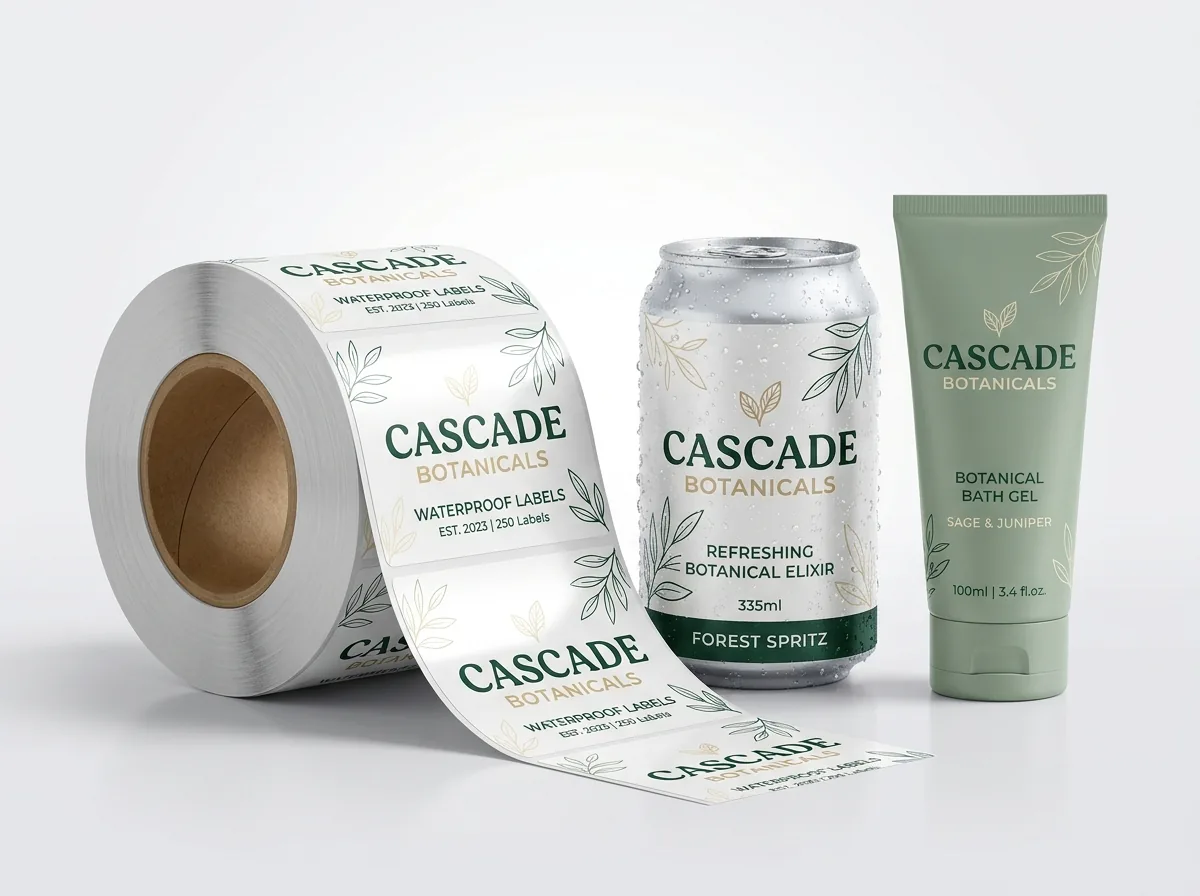
Although both BOPP and vinyl are synthetic plastics that shrug off water, they have opposite mechanical stretch profiles. Biaxially oriented polypropylene is stretched in two directions during manufacturing, which makes it thin (2.0 to 2.6 mil), crisp, and dimensionally rigid. That stiffness is a major advantage on high-speed automatic labeling machines and on rigid containers such as glass mason jars, aluminum beverage cans, PET juice bottles, and rigid HDPE supplement packers, because the label dispenses cleanly off the release liner without stretching out of registration. However, if you wrap standard rigid BOPP around a soft LDPE squeeze tube or a flexible shower bottle that customers pinch every day, the stiff film resists flexing and can form crease tunnels along the edges. For squeezable bath tubes, flexible silicone or LDPE bottles, and outdoor equipment exposed to multi-year sunlight, specify custom roll labels or die-cut stickers on conformable vinyl.
How do you prevent waterproof labels from peeling on cold, wet, or frozen containers?
Nine out of ten peeling complaints on waterproof labels happen during application rather than in the customer's refrigerator. Every pressure-sensitive adhesive has two distinct temperature ratings: its minimum application temperature (the container surface temperature when the label is pressed on) and its service temperature range (the temperatures the bond survives after curing). Even a waterproof BOPP label rated down to -65°F in service will slide or lift at the corners if it is applied onto a glass bottle that is already cold and covered in microscopic condensation beads, because the water droplets sit between the acrylic adhesive and the glass wall. For best bond strength, apply labels to clean, dry containers at room temperature (+55°F to +75°F) and allow 24 hours for the adhesive to wet out before moving containers into walk-in coolers, ice baths, or blast freezers. If your filling line must label pre-chilled bottles or frozen tubs directly, tell your account manager so we pair your custom jar labels with a cold-temperature or freezer-grade adhesive formulated for low-temperature tack.
- Wipe away filling-line splashes, oil mist, and mold-release dust with isopropyl alcohol or an air knife before the label station.
- Apply labels to dry containers at room temperature whenever possible, then wait 24 hours before ice-bath immersion.
- For small-diameter vials and 1 oz dropper bottles under 1.25 inches wide, request a tight-mandrel adhesive so wrap ends do not wing outward.
- Match roll unwind direction (1 through 8) on a 3 inch core to your tabletop or inline applicator before approving your proof.
What are the most common mistakes when ordering waterproof custom labels?
Avoiding these five specification errors prevents edge lifting, faded artwork on dark bottles, and damaged ink during refrigerated transit
- Ordering unlaminated synthetic film or varnished paper for oil-based serums and bath products, allowing essential oils and wet hands to rub away the printed ink.
- Applying waterproof BOPP labels directly onto chilled, sweating bottles without drying the glass or allowing 24 hours for adhesive wet-out before refrigeration.
- Printing CMYK artwork on Clear BOPP without a spot white ink underbase, which causes light text and logos to disappear against amber glass or dark liquids.
- Wrapping rigid BOPP around soft squeezable LDPE lotion tubes instead of selecting a conformable vinyl or squeeze-grade film.
- Placing a full-wrap waterproof label across the curved neck or base heel of a jar, forcing the stiff film to bridge over a compound curve and lift at the corners.
Find your label size
Suggested label size: 9⅛ × 2¾ in (width × height)
A typical starting point. Your account manager confirms the size on the proof.
Quote this size →Packaging for this
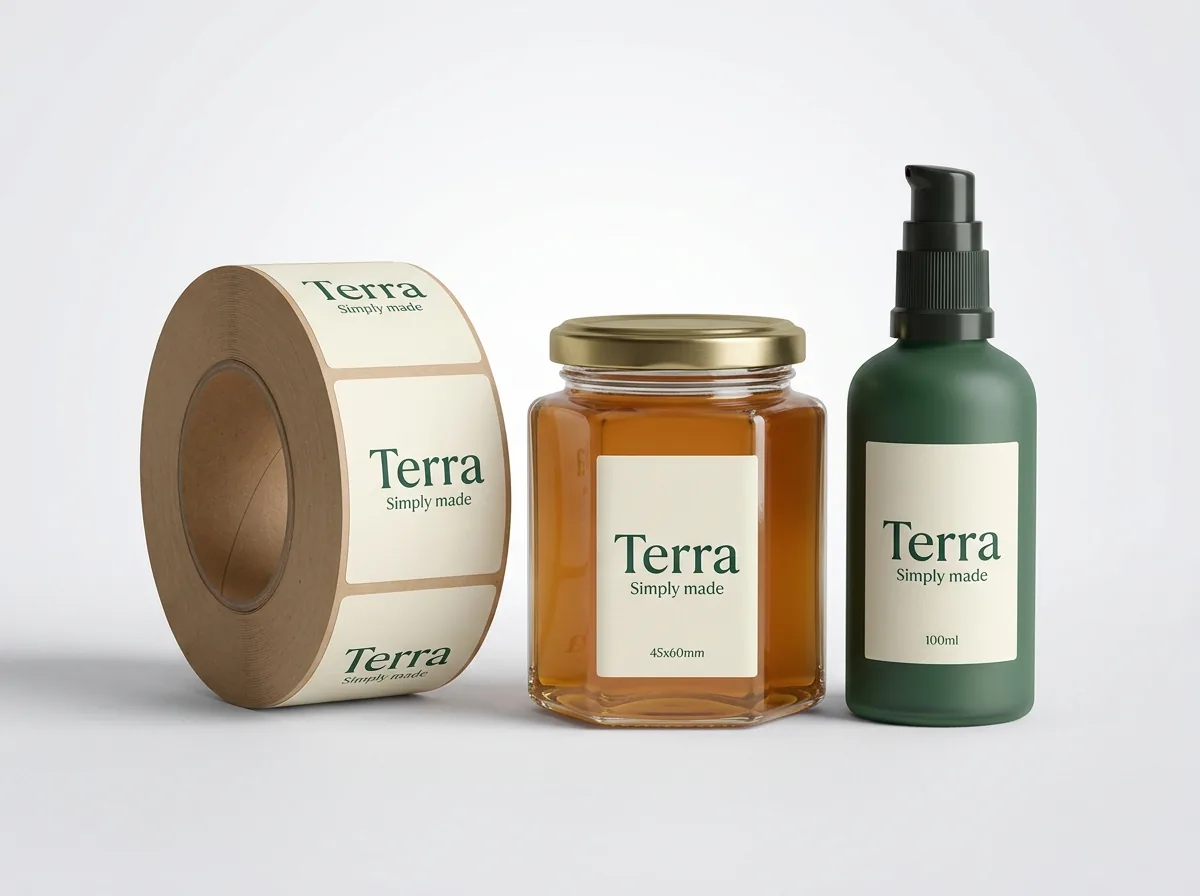
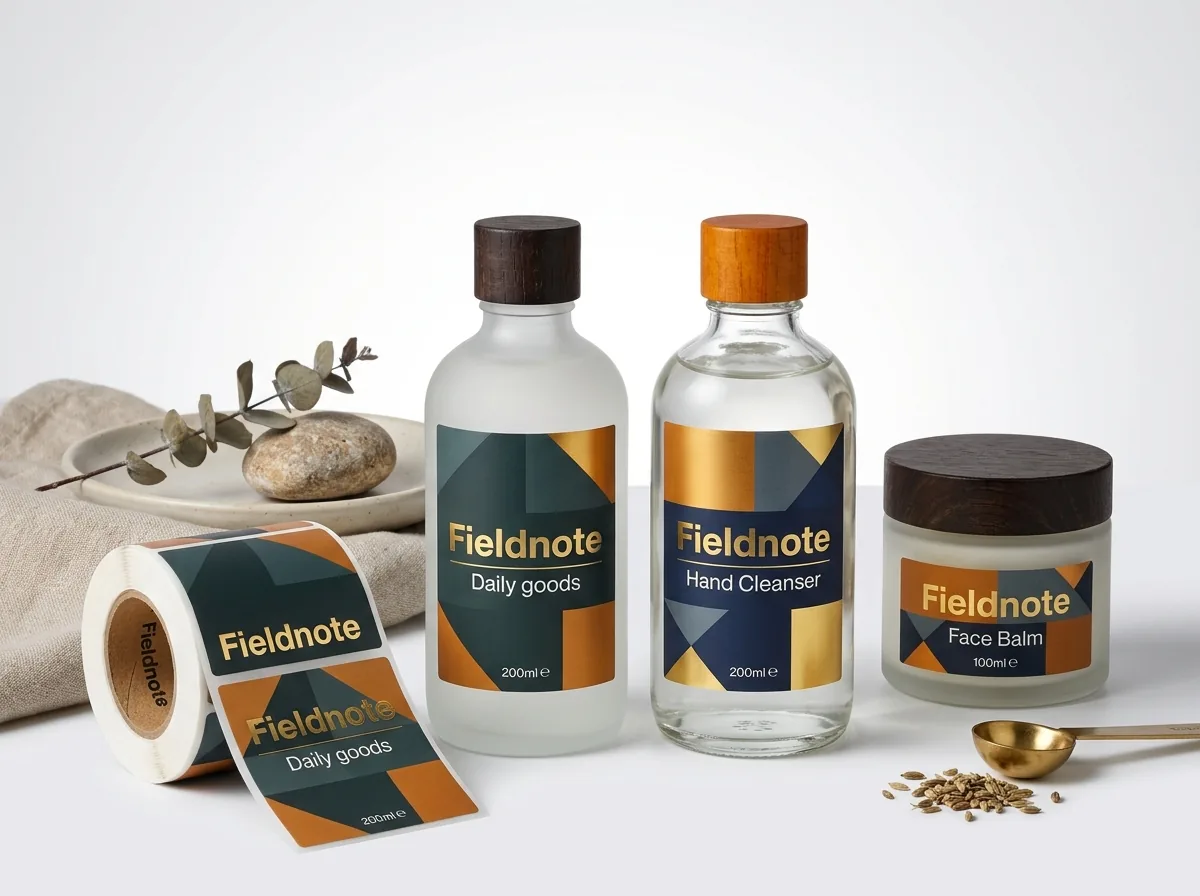
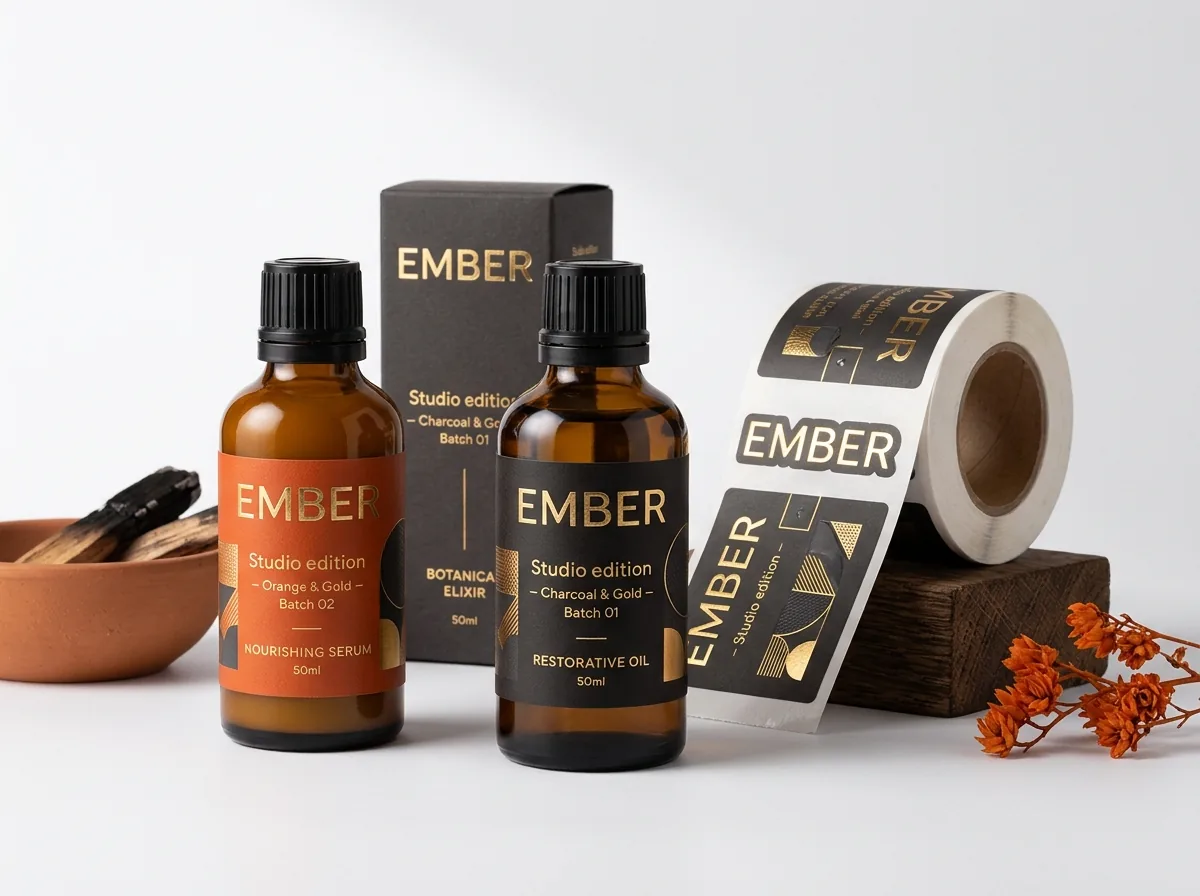
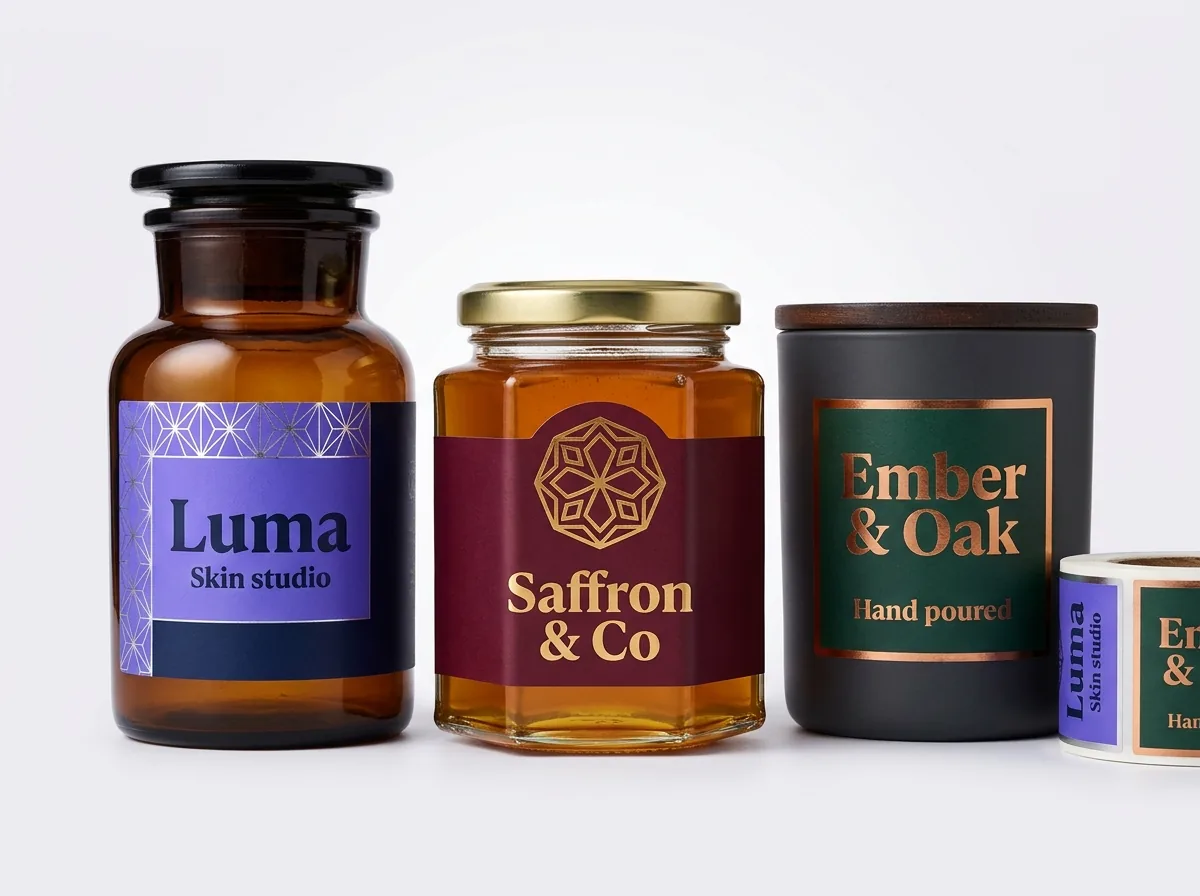
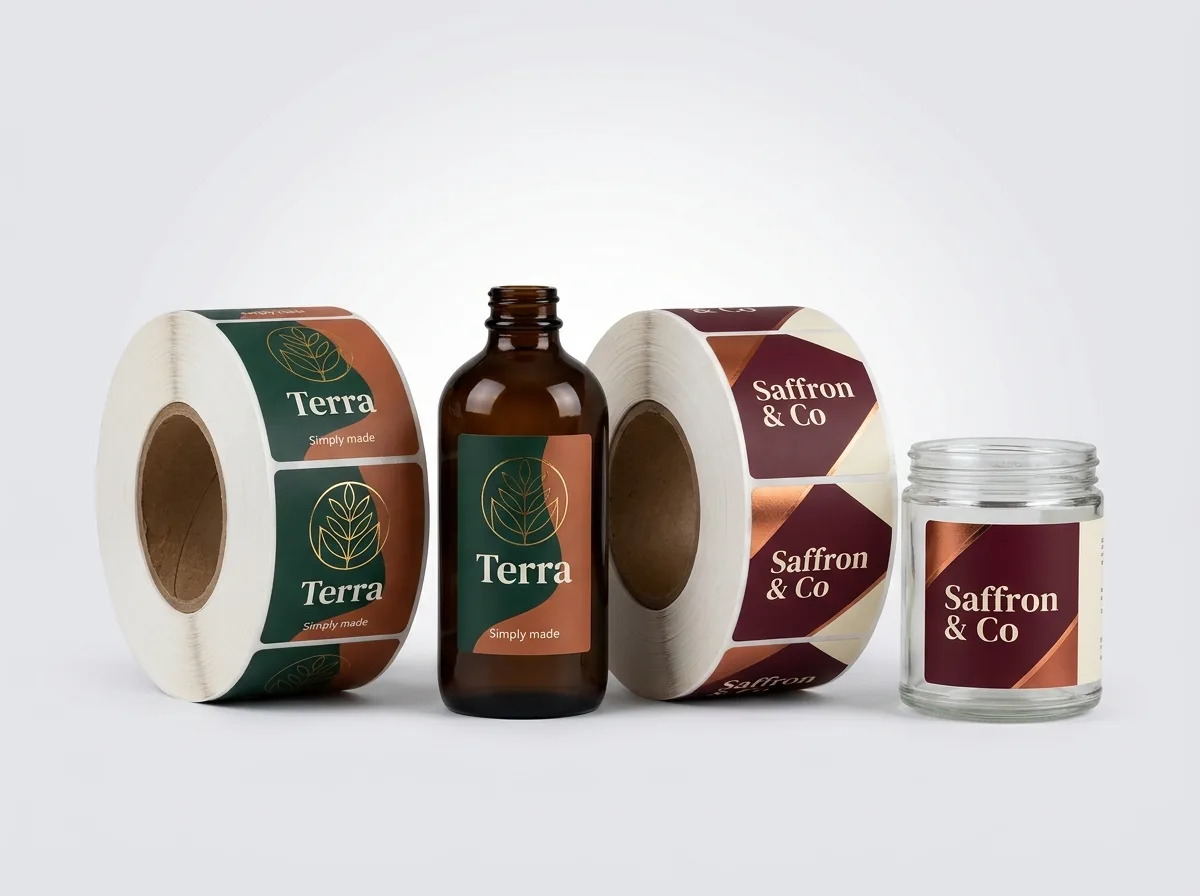
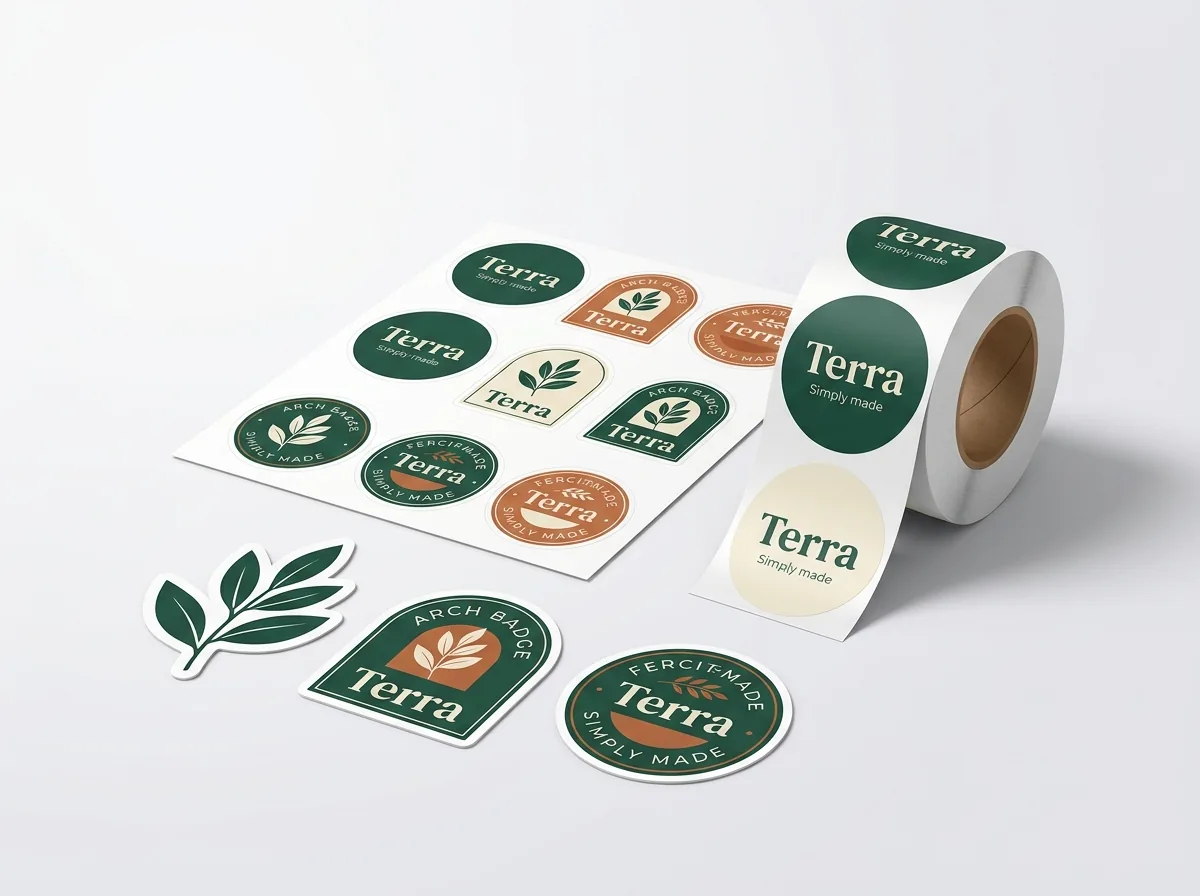
Ready to order labels? Compare up to 3 quantities with a free 3D mockup.
Request a Quote →Questions about labels
Are white BOPP and clear BOPP labels completely waterproof in ice buckets and showers?
Yes. When paired with a 1.0 mil gloss or matte polypropylene overlaminate and a permanent acrylic adhesive, both white BOPP and clear BOPP labels are 100% waterproof. Apply them to clean, dry containers at room temperature and allow 24 hours for the adhesive bond to cure before submerging in ice water or shower steam.
What is the minimum order quantity for custom waterproof BOPP or foil labels?
CubitPack's minimum order quantity for custom labels and stickers is 500 pieces. Every order is cut to your exact size and shape with no die or plate charges, a free design check and 3D mockup, and free shipping to all 50 US states.
Do waterproof BOPP labels resist essential oils, carrier oils, and alcohol splashes?
Laminated BOPP labels resist vegetable oils, cosmetic carrier oils, citrus essential oils, and brief isopropyl alcohol wipes because the clear polypropylene overlaminate creates a continuous plastic barrier over the ink. Unlaminated paper or varnish-only labels absorb oils and stain around the edges.
When should I order waterproof labels on rolls versus flat sheets?
Choose roll labels on 3 inch cores if you use a semi-automatic tabletop applicator, a high-speed inline labeling machine, or hand-dispense hundreds of jars in an assembly line. Choose sheet labels if you apply smaller batches by hand at multiple packing tables or tuck bonus labels inside orders.
Can I test waterproof BOPP, clear BOPP, and foil label finishes before placing a full order?
Yes. You can order the $50 CubitPack sample kit, which is credited toward your first production order, to feel white BOPP, clear BOPP, metallic foil, and matte or gloss laminations in person before finalizing your quote.
How fast can CubitPack produce and ship custom waterproof labels?
Standard production turnaround is 10 to 14 business days after digital proof approval and payment, and rush production is available in 4 to 5 business days for time-sensitive product launches and seasonal restocks.
Still have a question? Ask a packaging specialist.
Request a Quote →Request your labels quote
Tell us your size and quantities, and one dedicated account manager prepares pricing for each tier.
- Free design & AI-to-print studio + 3D mockup
- No die or plate charges · 4–5 day rush available
- Free shipping to all 50 states
- 10% off your first order
The material caliper ranges, adhesive application and service temperature windows, and container compatibility recommendations in this guide were cross-checked against FINAT Technical Handbook test procedures for pressure-sensitive laminates and ASTM D3330 peel adhesion standards. A CubitPack packaging specialist verified every row against our label stock specifications.
Sources
What changed
- November 15, 2026: Published complete material comparison guide covering White BOPP, Clear BOPP, Metallic Foil BOPP, Conformable Vinyl, and Paper custom labels.
More guides
New packaging guides by email
Sizes, materials and design tips. Unsubscribe anytime.