
Custom sticker sheets vs die-cut singles: which should you choose?
Short answer: Choose custom sticker sheets when you want to deliver four to ten designs on one flat collector card, mail stickers inside standard envelopes, or group multi-part container labels together. Choose die-cut singles when you need loose individual stickers for trade show bowls, retail checkout bins or single-piece box freebies.
On this page
- How do custom sticker sheets and die-cut singles compare at a glance
- Which format creates higher perceived value for merch and subscription boxes
- Why do fulfillment teams prefer sticker sheets for multi-design sets
- When are individual die-cut singles the better choice
- How do repeat sticker sheets compare with roll labels for product packaging
- Common mistakes
- FAQs
Request a custom quoteFree dieline & 3D mockup
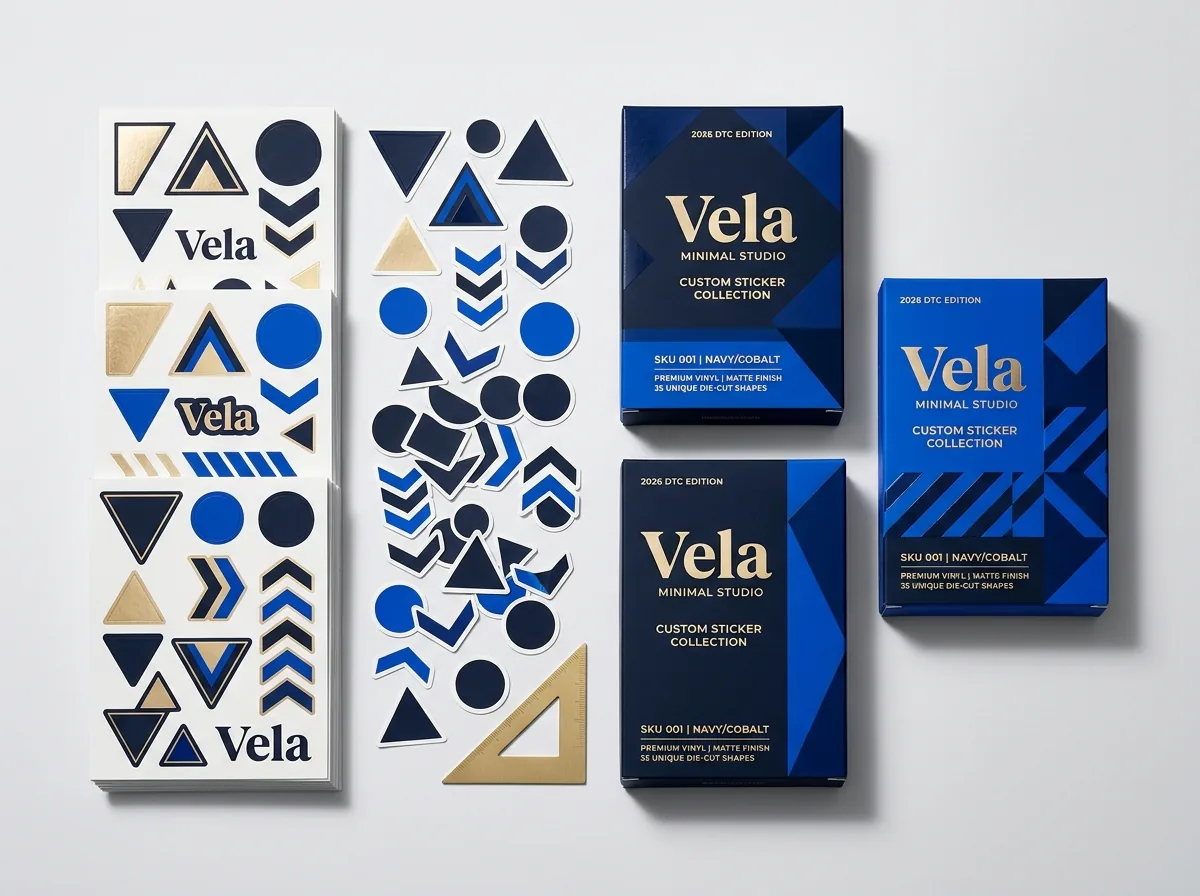
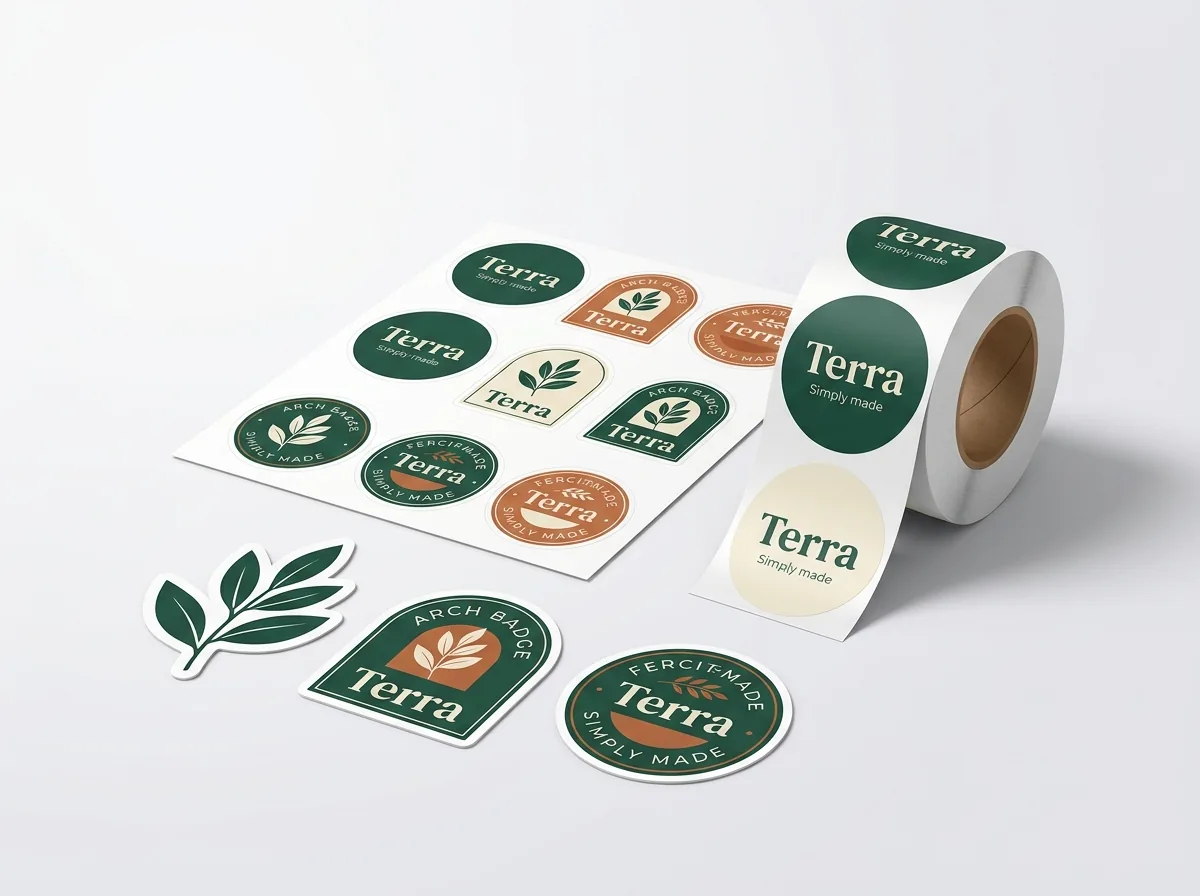
Deciding between custom sticker sheets and individual die-cut singles comes down to how many designs each customer receives and how your team packs orders. A custom sticker sheet holds multiple kiss-cut stickers on one flat rectangular card, letting you print a full-color background frame, brand header bar and five or six different illustrations on a single 4 × 6 inch or 5 × 7 inch insert. Because the sheet stays flat and rigid, packers grab one card instead of counting out five loose stickers, and the card slips into envelopes or subscription boxes without curling. Individual die-cut singles are sliced completely through both the sticker stock and the paper liner to match your artwork silhouette. They are ideal when you want to fill a trade show bowl, sell single decals at a register or drop one 3 × 3 inch mascot sticker into every order.
How do custom sticker sheets and die-cut singles compare at a glance?
Both formats use the exact same commercial CMYK and Pantone inks, stocks and protective matte or gloss finishes, and both start at a 500-unit minimum with zero die fees at CubitPack. The difference lies in how the cutting blade treats the backing liner and how the finished piece is handled by your fulfillment team and your customer. On printed kiss-cut sticker sheets, the blade slices only through the top adhesive layer around each design while leaving a shared rectangular card intact underneath. On custom die-cut stickers, the blade cuts all the way through both the sticker and the liner so each design becomes a standalone piece. Use the side-by-side table below to match the right format to your project.
| Feature or workflow | Custom sticker sheets (kiss-cut card) | Die-cut singles (through-cut pieces) |
|---|---|---|
| How the liner is cut | Inner kiss cuts stop at the liner; outer trim forms a flat card | Cut completely through sticker and liner along the artwork silhouette |
| Designs per unit | 4 to 24+ mixed or repeat stickers on one sheet | 1 design per individual loose sticker |
| Background storytelling | Full-bleed header bar, instructions, URL and art around stickers | No outer margin; the silhouette is the entire piece |
| Multi-design kitting speed | Fast: packers grab 1 flat card instead of counting 6 loose pieces | Slow for sets: requires counting and bagging loose singles by hand |
| Event & bowl handouts | Handed out as a full collector card or welcome folder insert | Best for countertop bowls where visitors grab one loose decal |
| Peeling experience | Very easy: flex the flat card and the kiss-cut corner pops right up | Peels from the edge where the blade cut flush through both layers |
| Envelope & flat mailing | 4 × 6 in card lies flat inside a No. 10 envelope without shifting | Small loose singles can slide to one corner of a flat envelope |
Which format creates higher perceived value for merch and subscription boxes?
When a customer opens a monthly subscription mailer, creator merch drop or limited-edition apparel box, presentation drives how long they keep the insert before sticking it on a laptop or notebook. A 4 × 6 inch or 5 × 7 inch collector sticker sheet feels like an illustrated art print or trading card sheet. Because the uncut matrix stays around the stickers, you can design a cohesive scene where characters, speech bubbles, mini stars and logos interact with the background illustration. You also gain prime real estate along the top or bottom border for your brand story, seasonal drop number, QR code and social media tag. Even after the buyer peels off three or four stickers to decorate their water bottle, the printed backing card often stays pinned to a desk board or tucked inside a journal. By contrast, a single loose die-cut sticker focuses 100% of attention on one bold mascot or logo silhouette. If your goal is to sell a standalone merch item in your online store or at a tour booth, a multi-design collector sheet enclosed in a clear flap bag commands a much higher retail value than a single loose sticker.
Why do fulfillment teams prefer sticker sheets for multi-design sets?
If you want every order to receive six different mini stickers, ordering six separate stacks of loose die-cut singles creates an immediate bottleneck at the packing bench. Your fulfillment crew has to pick one sticker from bin A, one from bin B, one from bin C, and so on, then slip all six loose pieces into a poly bag or drop them loose into the box where they scatter under the flaps. Printing all six designs onto one 4 × 6 inch kiss-cut sticker sheet turns a six-pick kitting job into a single one-second grab. One sheet equals one SKU in your warehouse inventory, stacks flat in a narrow tray beside your custom thank-you cards, and never scatters inside custom mailer boxes during UPS or USPS sorting. Third-party logistics (3PL) warehouses often charge a per-pick fee for every separate insert added to a box; consolidating five loose stickers onto one flat card cuts four extra pick fees from every shipment.
- One-touch picking: packers grab a single flat card instead of collating five or six loose pieces.
- No poly bagging required: a flat sheet does not need a separate plastic zip bag to keep the set together.
- Zero missing designs: every customer is guaranteed to receive the complete set on the page.
- Clean flat stacking: 500 sheets stack in a neat brick only a few inches tall on the packing shelf.
Know your size? Compare pricing across up to 3 quantities.
Request a Quote →When are individual die-cut singles the better choice?
Die-cut singles win whenever you distribute one sticker at a time rather than a multi-piece collection. At trade show booths, music festivals, coffee shop counters and skate shops, people expect to reach into a bowl or display tray and pick up one chunky 3 × 3 inch sticker trimmed to the exact silhouette of your mascot or badge. Handing out an entire multi-sticker sheet to every passerby at a busy convention burns through your inventory much faster than handing out individual decals. Die-cut singles are also the right call when you have one signature brand logo that goes into every outgoing e-commerce order as a freebie, or when you sell individual 3 inch and 4 inch stickers on a countertop display rack. Because the outer paper liner is trimmed flush with the sticker edge, a 3 × 3 inch die-cut single immediately shows off its custom contour silhouette before anyone even peels the backing. If you want to compare through-cut singles with single-piece kiss-cut backing squares, read our companion guide on custom stickers.
How do repeat sticker sheets compare with roll labels for product packaging?
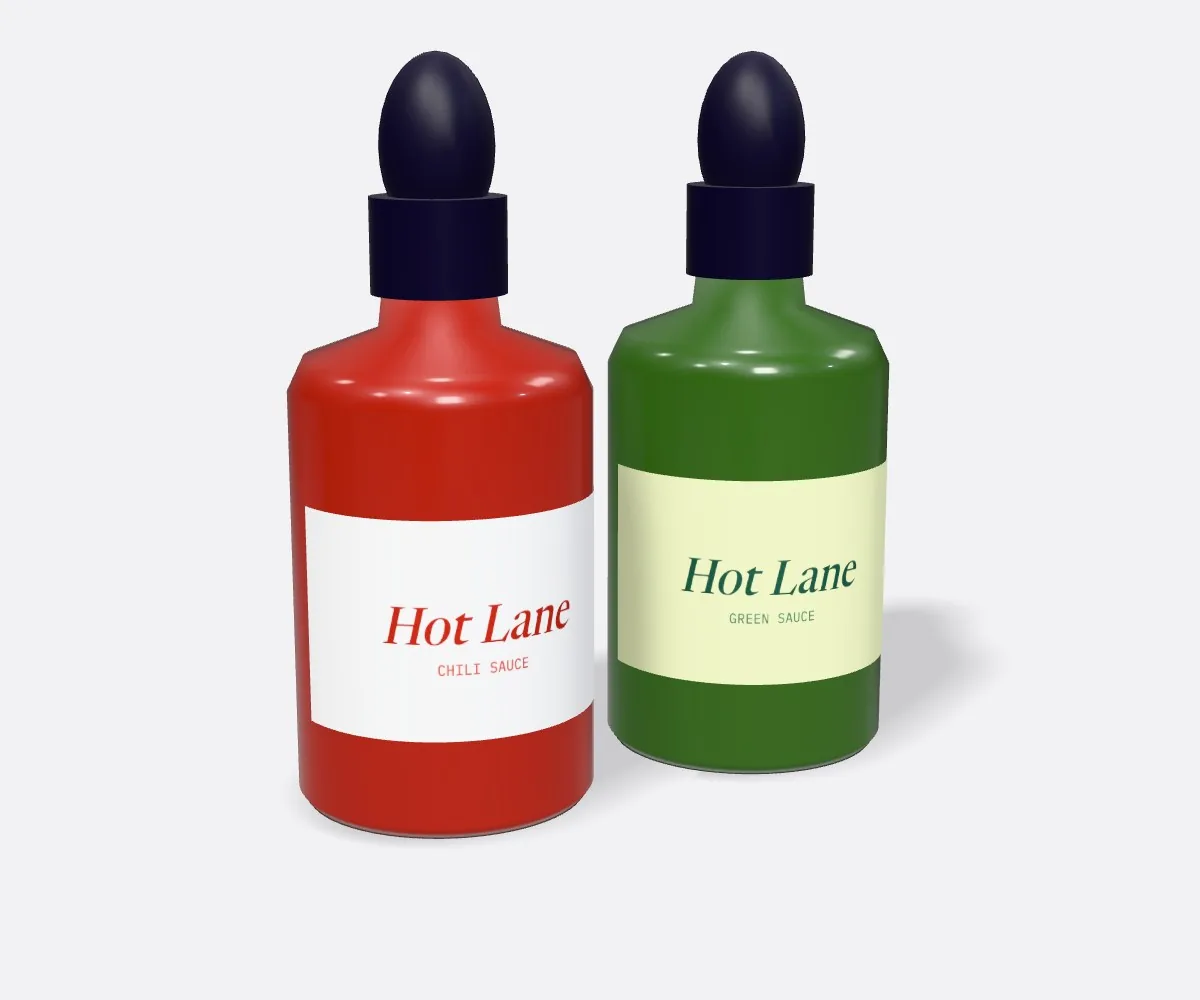
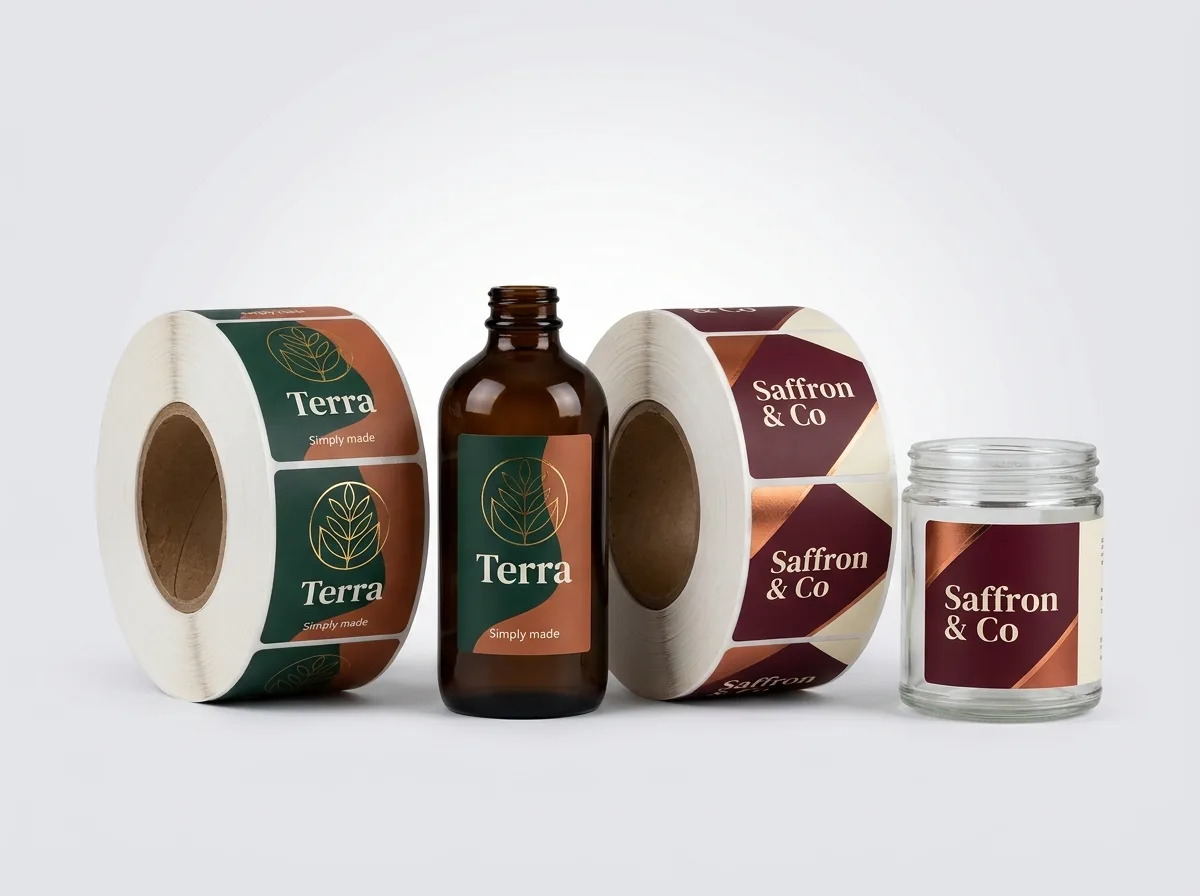
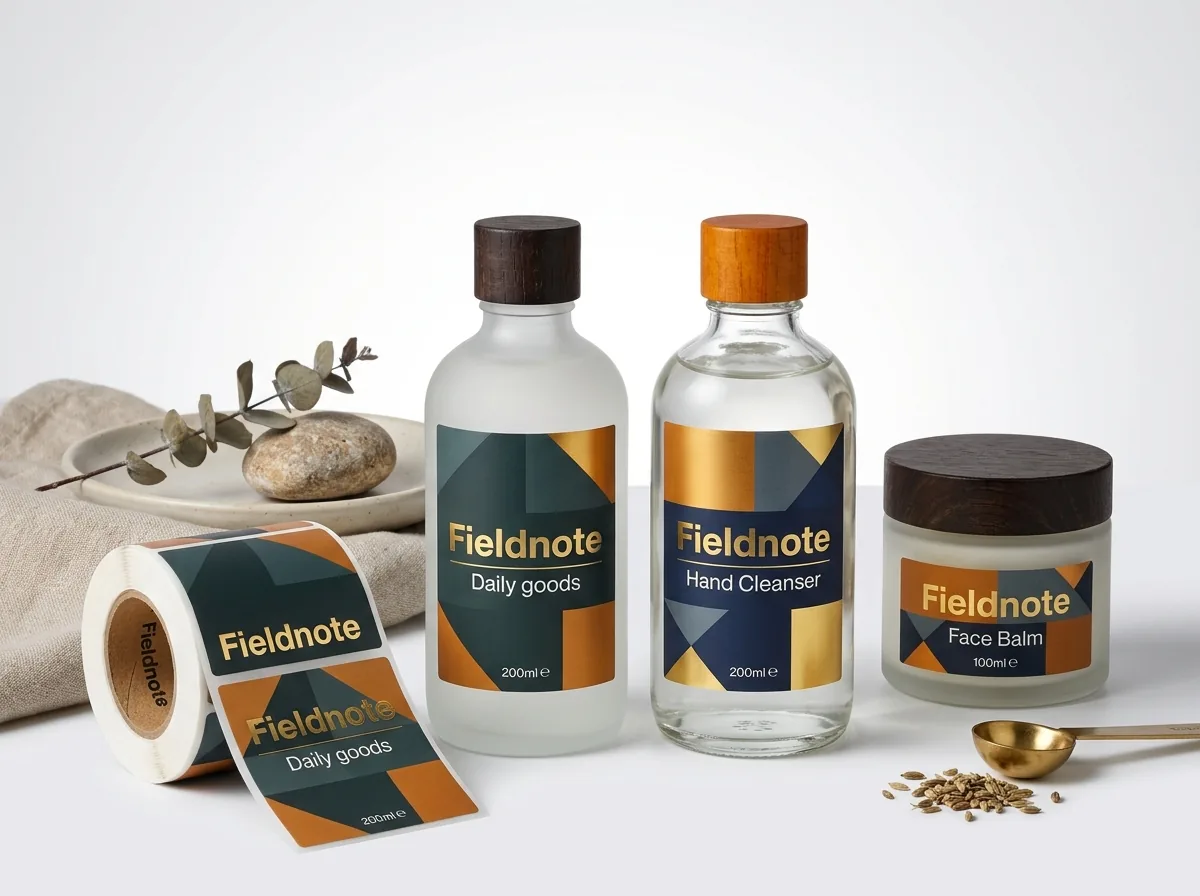
What if you are applying stickers to your own jars, pouches or bakery boxes rather than giving them to customers? Here the comparison is between flat repeat-logo sticker sheets and continuous custom roll labels. Flat repeat sheets are ideal when you pack small seasonal runs of 50 to 200 units at a desk, or when you combine a front label, back ingredient label and round lid seal for one container onto a single multi-part kitting sheet. Once your production crew labels hundreds of identical jars or pouches in a continuous session, or uses a tabletop dispenser or labeling machine, switch from flat sheets to rolls. Peeling labels off a cardboard roll core is faster for repetitive single-SKU motion and keeps all waste liner wound on one strip. On the other hand, if four staff members need to label small batches at four separate tables without buying four dispensers, dividing a stack of 8.5 × 11 inch repeat sticker sheets among the team lets everyone start peeling at once.
- Small-batch multi-table packing: divide flat 8.5 × 11 inch sheets across several packers without needing dispensers.
- All-in-one SKU kitting: put front, back, lid and tamper labels for one jar on one card to prevent labeling mismatches.
- High-speed single-SKU runs: switch to roll labels when applying hundreds of identical labels in a row or using a machine.
What are the most common mistakes when choosing between sheets and singles?
Picking the wrong delivery format can slow down your packing table or leave you with the wrong handout for an event. Avoid these five mistakes
- Ordering five separate runs of loose die-cut singles for a collector pack and paying staff to collate and bag them by hand.
- Dropping tiny 1.25 inch loose die-cut singles into a large mailer box where they slide under the bottom flaps and get thrown away.
- Ordering multi-design collector sheets for a trade show fishbowl where visitors only want to grab one quick logo decal.
- Forgetting to print your brand name and social handle on the header bar of a collector sticker sheet.
- Using flat sticker sheets on a high-speed bottling line that requires roll-fed labels on a 3 inch core.
Find your label size
Suggested label size: 9⅛ × 2¾ in (width × height)
A typical starting point. Your account manager confirms the size on the proof.
Quote this size →Packaging for this
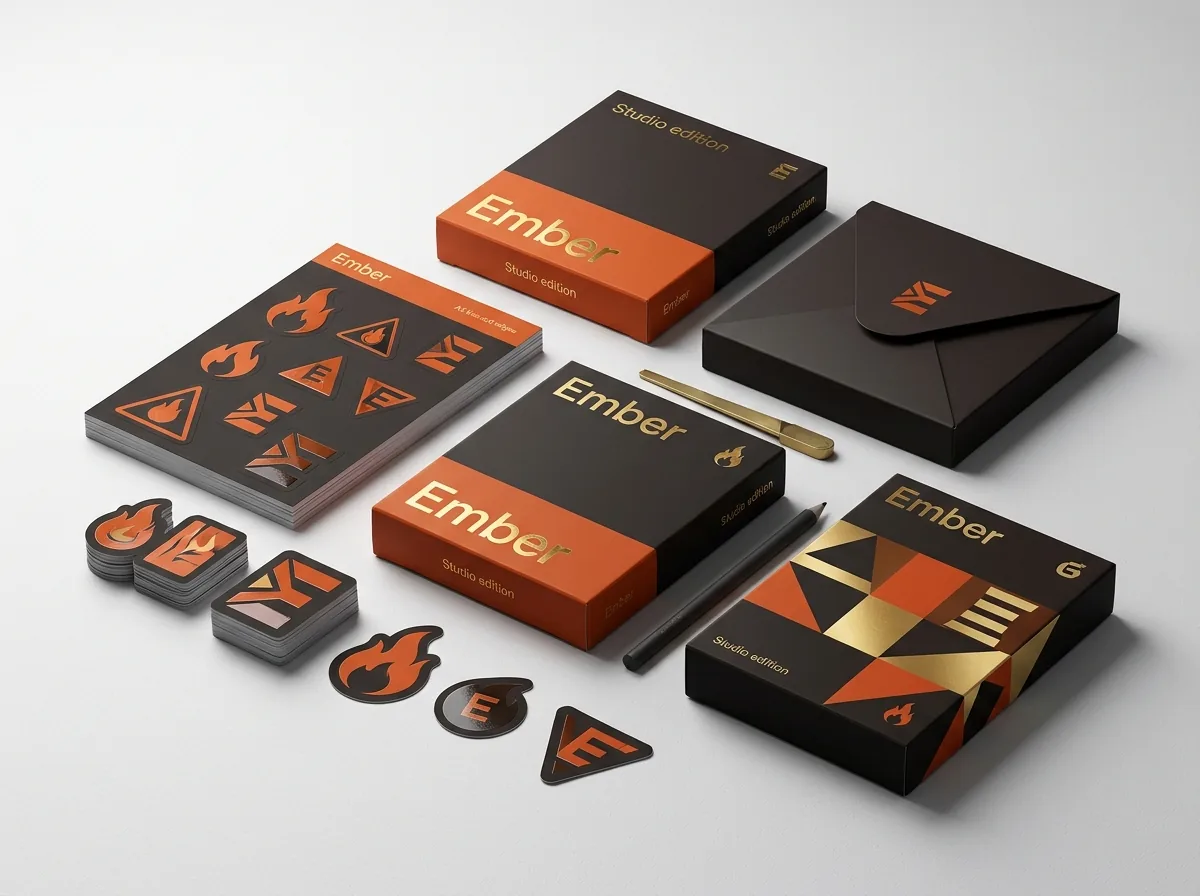
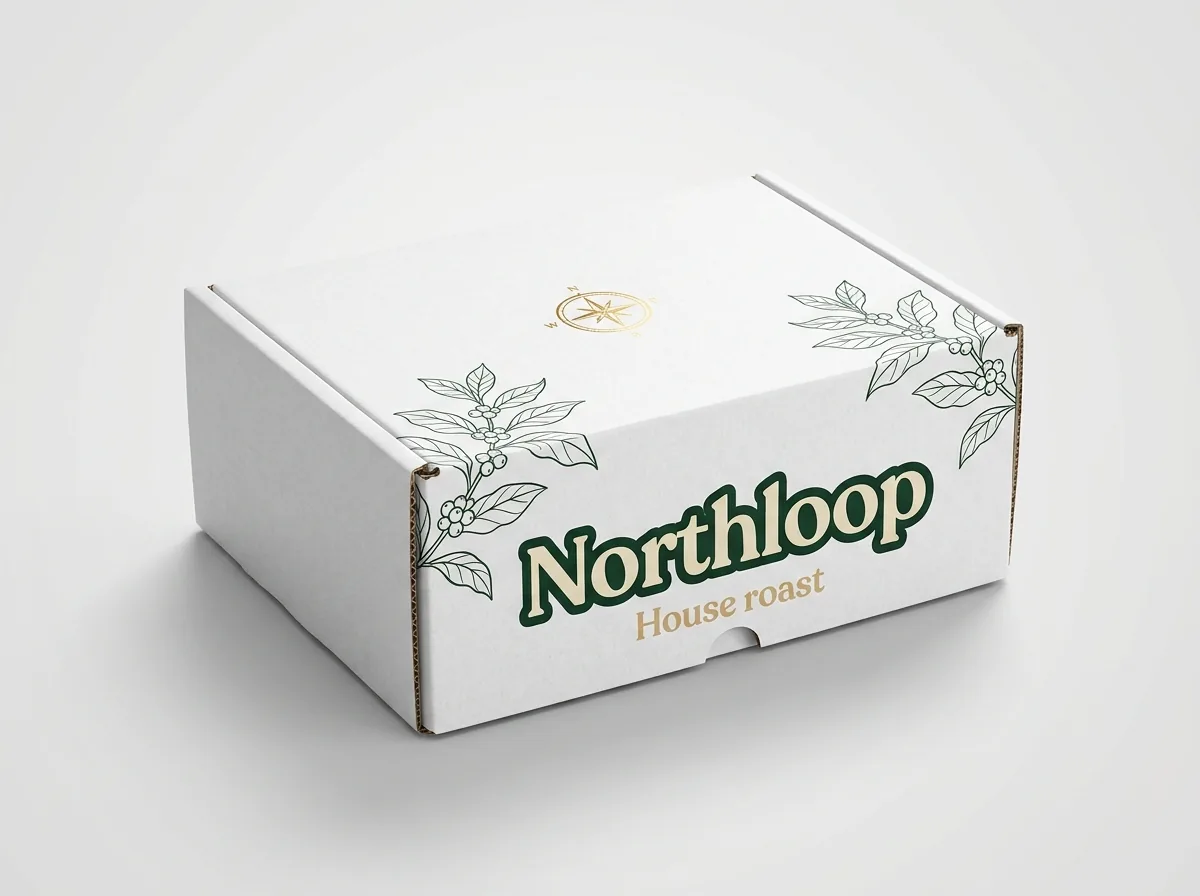
Ready to order sticker sheets? Compare up to 3 quantities with a free 3D mockup.
Request a Quote →Questions about sticker sheets
Is it cheaper to print 6 designs on one sticker sheet or as 6 separate die-cut singles?
Printing six mini designs on a single 4 × 6 inch or 5 × 7 inch sticker sheet is usually much more cost-effective than ordering six separate runs of loose die-cut singles, and it saves your fulfillment team the labor of collating and bagging six loose pieces.
Are the stickers on a custom sticker sheet die-cut or kiss-cut?
The individual stickers inside the sheet are kiss-cut, meaning the blade slices through the top sticker layer and adhesive into any custom contour shape while leaving the flat backing card intact underneath so the pieces stay together until peeled.
Do kiss-cut stickers from a sheet look identical to die-cut singles once applied?
Yes. Once you peel a contour sticker off a kiss-cut sheet and stick it onto a laptop, water bottle or jar, it looks 100% identical to a through-cut die-cut single. The only difference is the backing card it lived on before peeling.
Which format is easier for customers to peel by hand?
Kiss-cut sticker sheets are faster and easier to peel. Because the flat backing card extends past the sticker edge, bending the card slightly pops the edge of the kiss-cut sticker right up so you never have to pick at a flush corner.
Can I order both sticker sheets and die-cut singles in the same quote?
Yes. Tell your account manager in the quote notes or select multiple designs in Step 2 of the quote form. We can produce your 4 × 6 inch collector sheets and your 3 × 3 inch die-cut handouts together with matched Pantone colors.
What is the minimum order quantity for both formats at CubitPack?
Both custom sticker sheets and individual die-cut stickers start at a minimum of 500 units, made in 10-14 business days (with 4-5 day rush available), and include free design help, zero die fees and free US shipping.
Still have a question? Ask a packaging specialist.
Request a Quote →Request your sticker sheets quote
Tell us your size and quantities, and one dedicated account manager prepares pricing for each tier.
- Free design & AI-to-print studio + 3D mockup
- No die or plate charges · 4–5 day rush available
- Free shipping to all 50 states
- 10% off your first order
This comparison draws on CubitPack's decided format specs in our published product specifications and fulfillment handling comparisons across flat kiss-cut cards, through-cut singles and roll labels, checked by a packaging specialist. Spot something wrong? Tell us and we will fix it.
Sources
What changed
- October 22, 2026: First published.
- October 22, 2026: Updated specifications, terminology, and verified source links.
More guides
New packaging guides by email
Sizes, materials and design tips. Unsubscribe anytime.