
What size custom sticker sheet should I order and how many fit per page?
Short answer: A 4 × 6 inch postcard sheet is the most popular choice for subscription mailers and envelopes, holding 4 to 6 kiss-cut designs. Pick 5 × 7 inches for retail merch packs (6 to 10 designs) or 8.5 × 11 inches for packing binders. Order custom sticker sheets cut to any outer dimension.
On this page
- How do I calculate the usable kiss-cut area inside a sticker sheet
- How many kiss-cut stickers fit on standard sheet sizes
- What size sticker sheet fits inside envelopes, poly mailers and boxes
- How do I size a multi-part product label sheet for jars and bottles
- How many identical repeat logos fit on an 8.5 × 11 inch packing sheet
- Common mistakes
- FAQs
Request a custom quoteFree dieline & 3D mockup
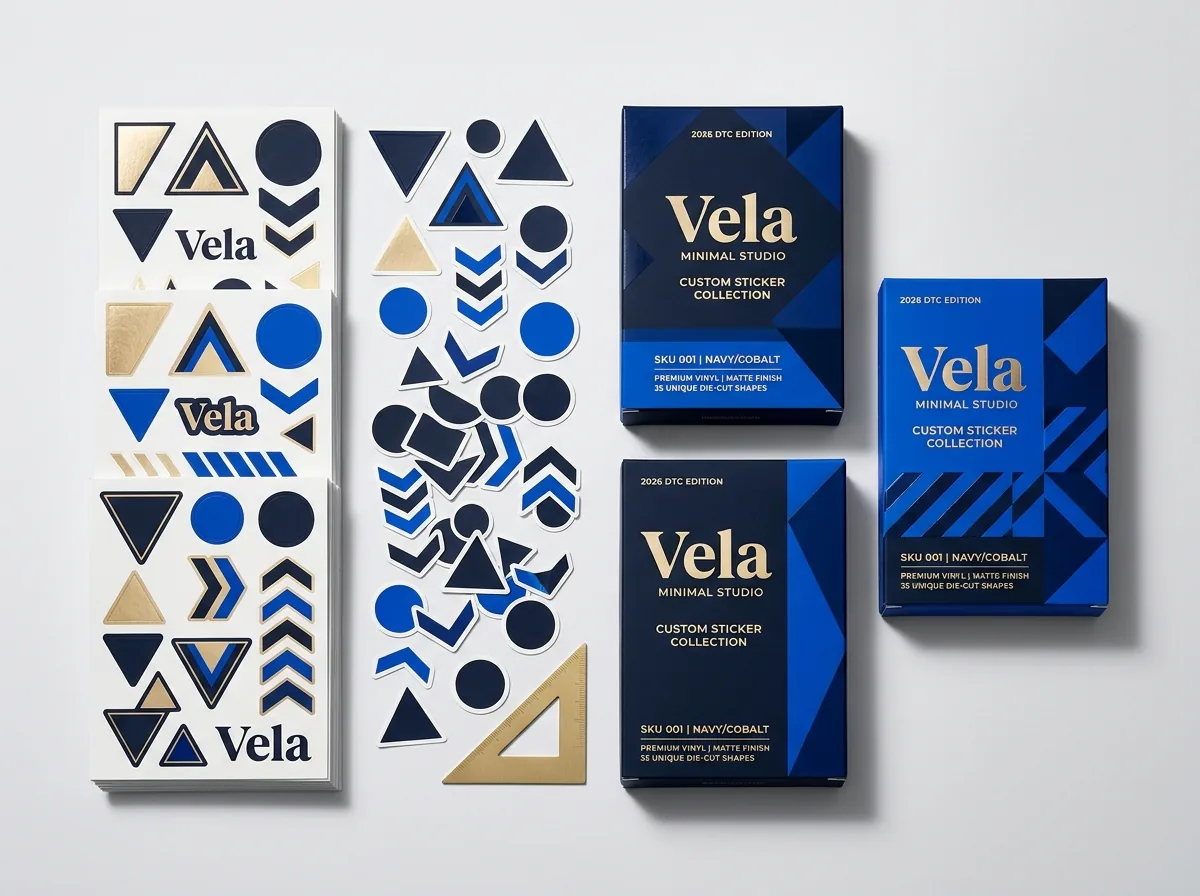
Sizing a custom sticker sheet requires balancing two sets of numbers: the outer trim dimensions of the flat card and the usable area inside the margins where your individual kiss-cut stickers live. Start by subtracting ¼ inch on all four sides for the outer frame margin, which leaves a 3.5 × 5.5 inch live zone inside a standard 4 × 6 inch postcard sheet. If you include a ¾ inch branded header bar at the top for your logo and social handle, your sticker grid area becomes 3.5 × 4.75 inches. Inside that zone, leave at least ¼ inch of uncut background bridge between every kiss-cut path so the surrounding matrix stays sturdy during peeling. That layout comfortably fits four to six 1.5 inch to 2 inch stickers on a 4 × 6 inch card, or six to ten stickers on a 5 × 7 inch card, with zero die charges at CubitPack.
How do I calculate the usable kiss-cut area inside a sticker sheet?
When you choose an outer card dimension like 4 × 6 inches or 5 × 7 inches, you cannot place kiss-cut lines all the way to the outer paper edge. A sticker sheet needs a continuous outer border of at least ¼ inch (0.25 in) on the top, bottom, left and right so the surrounding matrix holds together like a picture frame. Subtracting ¼ inch from each side reduces both total width and total height by ½ inch (0.5 in). Next, decide if your sheet needs a printed header bar along the top for your brand logo, collection title, website URL or retail hang hole. A clean header bar typically takes ¾ inch to 1 inch of vertical height. Finally, leave at least ¼ inch of uncut bridge space between every neighboring kiss-cut path inside the grid. When you order printed kiss-cut sticker sheets, our prepress team checks every margin and bridge on your free digital proof so nothing tears when customers flex the card.
- Subtract ½ inch from outer width: this gives you a ¼ inch uncut frame on both the left and right edges.
- Subtract ½ inch from outer height: this reserves a ¼ inch uncut frame at the very top and bottom trim lines.
- Reserve ¾ to 1 inch for a header bar: optional on utility sheets, but standard on collector merch cards.
- Leave ¼ inch bridges between cuts: keep at least 0.25 in of uncut background stock between neighboring kiss-cut paths.
- Nest small icons in open corners: tuck ½ inch stars or mini badges into gaps between larger irregular contours.
How many kiss-cut stickers fit on standard sheet sizes?
While CubitPack cuts sheets to any custom width and height in inches at no die cost, five card footprints account for nearly all collector packs, subscription inserts and warehouse label sheets. Use the capacity table below to see the live printable zone after subtracting margins and how many individual peel-off stickers fit comfortably. Notice how the sticker count changes depending on whether you are laying out larger 2 inch mascot illustrations or tiny 1 inch planner icons and jar lid seals. If you want to mix one large 2.5 inch centerpiece logo with five or six smaller 1.25 inch accent badges, a 4 × 6 inch or 5 × 7 inch card gives you enough breathing room to frame the hero sticker in the center.
| Outer sheet size (W × H) | Usable kiss-cut zone | Typical sticker capacity & best use |
|---|---|---|
| 3 × 4 in (Mini pocket) | 2.5 × 3.5 in | 2 to 4 mini stickers (1 to 1.5 in); jewelry pouches, cosmetic cartons, trading card sleeves |
| 4 × 6 in (Postcard) | 3.5 × 5.5 in (or 3.5 × 4.75 in w/ header) | 4 to 6 stickers (1.5 to 2 in); No. 10 envelopes, subscription boxes, order freebies |
| 5 × 7 in (Merch pack) | 4.5 × 6.5 in (or 4.5 × 5.5 in w/ header) | 6 to 10 stickers (1.5 to 2.5 in); retail peg bags, creator merch drops, apparel mailers |
| 5.5 × 8.5 in (Half-letter) | 5.0 × 8.0 in | 8 to 14 stickers; journal pockets, planner insert sets, multi-part jar label kits |
| 8.5 × 11 in (Full letter) | 8.0 × 10.5 in | 12 to 24+ stickers; packing table binders, small-batch product labels, classroom kits |
What size sticker sheet fits inside envelopes, poly mailers and boxes?
Always check the inside dimensions of the envelope, pouch or box that will carry your sticker sheet before locking in your card dimensions. A flat sheet that is even ⅛ inch too wide for its outer container will get bent at the corners by fulfillment staff, creasing the release liner and causing the kiss-cut sticker edges to pop up prematurely during transit. For flat mailings, a 4 × 6 inch postcard sheet slips effortlessly inside a standard No. 10 business envelope (4.125 × 9.5 inches) and standard A6 or A7 greeting card envelopes. If you ship orders in 6 × 9 inch or 10 × 13 inch custom poly mailers, both 4 × 6 inch and 5 × 7 inch sheets lie flat against folded clothing or soft goods. For rigid e-commerce shipping, compare your sheet against the inside length and width of your smallest custom mailer boxes and subtract at least ¼ inch on both axes so the card drops straight onto the tissue paper.
Know your size? Compare pricing across up to 3 quantities.
Request a Quote →How do I size a multi-part product label sheet for jars and bottles?
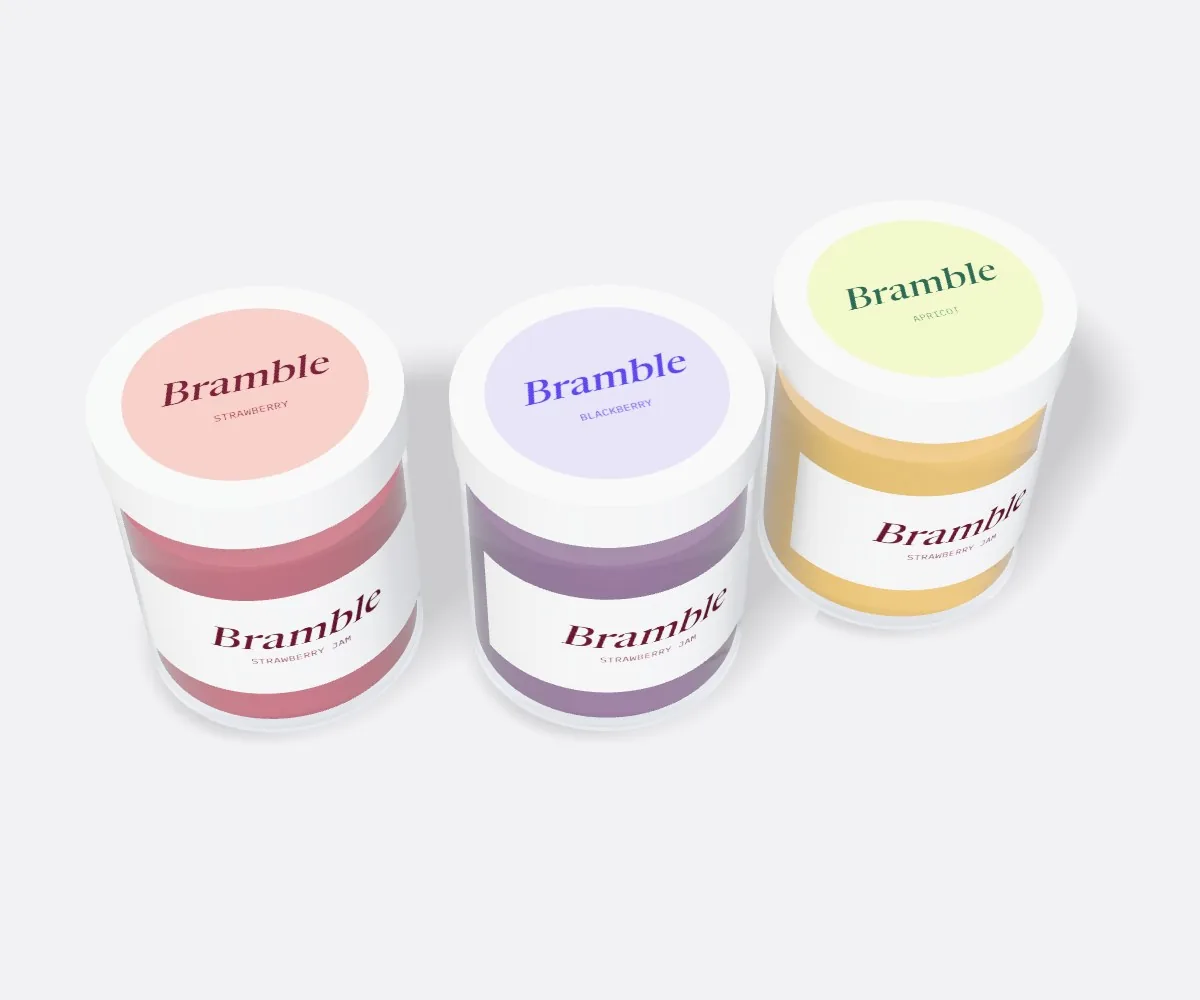
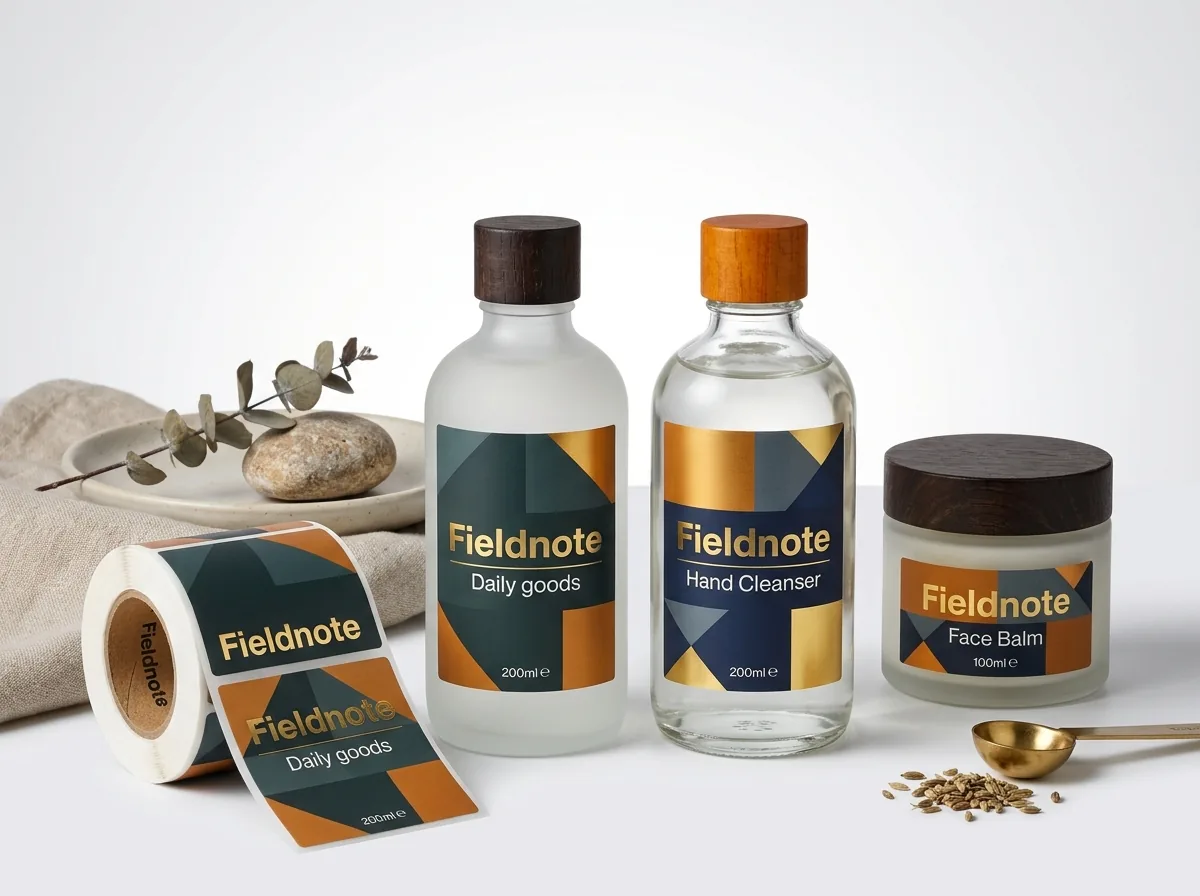
Sticker sheets are not just for promotional mascots. Many skincare, candle, honey and apothecary brands print all the labels required for a single container onto one organized kitting sheet. Instead of juggling three separate rolls at the packing bench, a packer picks up one flat sheet that holds a rectangular front brand panel, a rectangular back ingredient and barcode panel, a round lid sticker and a narrow tamper-evident strip. To size a kitting sheet, list the width and height of each container label first, add ¼ inch between every piece, and add ½ inch for the outer card margins. For example, an 8 oz jar that takes a 2.5 × 3 inch front label, a 2.5 × 3 inch back label, a 2 inch round lid seal and a 0.75 × 3 inch tamper strip fits neatly onto a single 5 × 7 inch or 5.5 × 8.5 inch card. You can check individual container wrap dimensions on our custom jar labels and custom labels pages.
How many identical repeat logos fit on an 8.5 × 11 inch packing sheet?
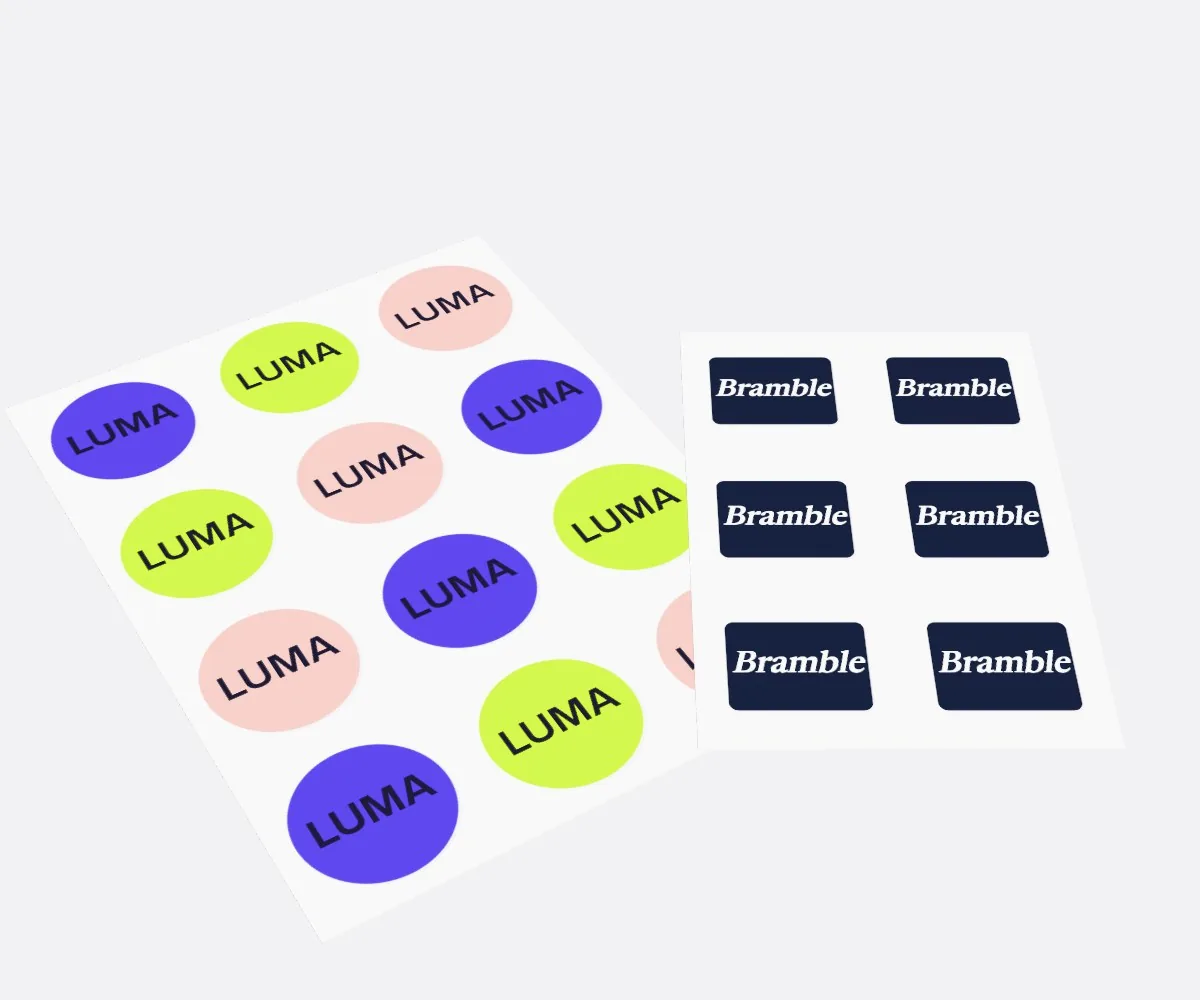
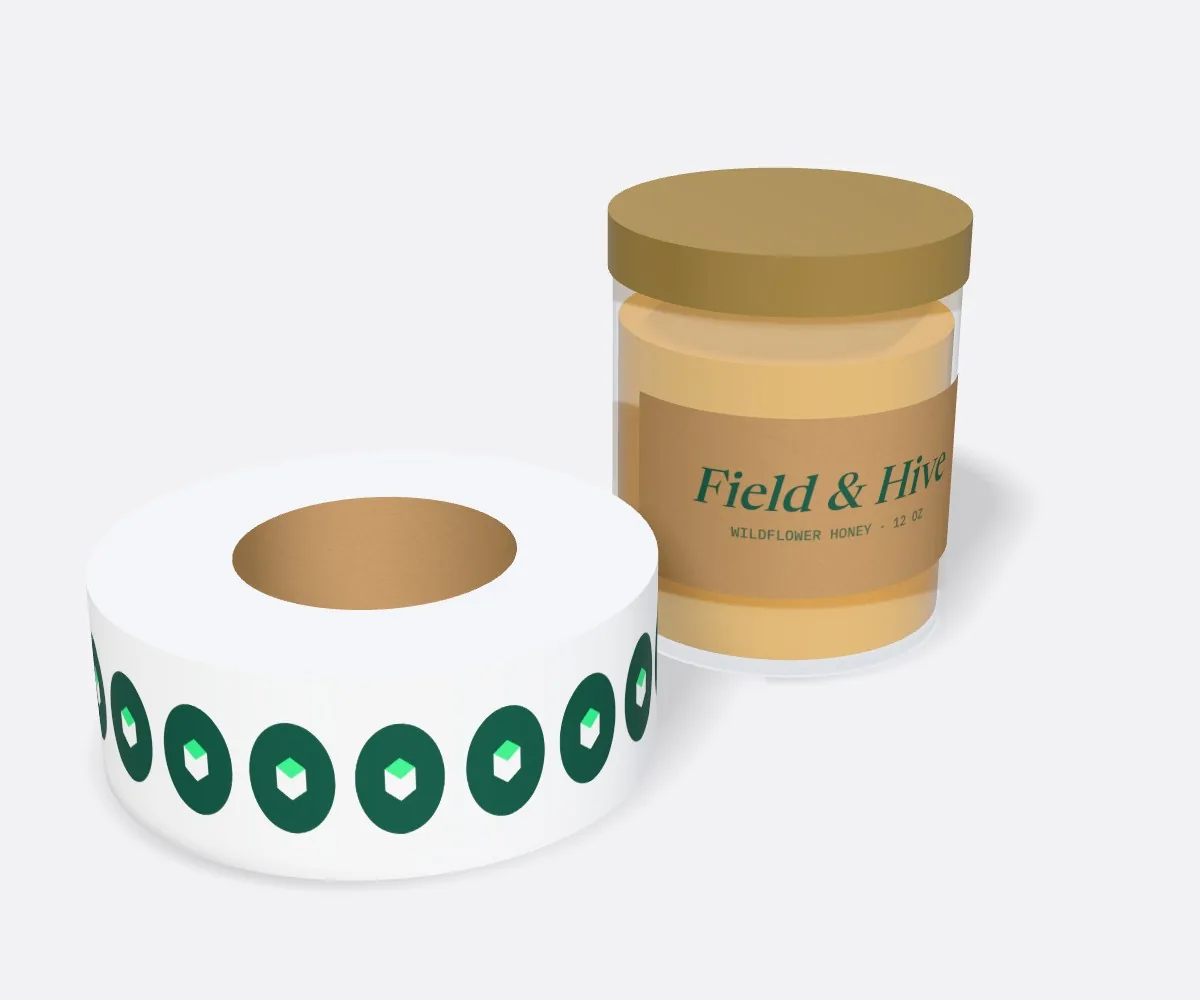
When you only need 500 to 1,500 identical circle or rectangle stickers to seal bakery boxes, tissue paper or coffee bags in small seasonal batches, ordering an 8.5 × 11 inch repeat grid sheet is a tidy alternative to rolls. The sheets store flat in a desk drawer or file folder, and you can write batch numbers or roast dates on the back of each sheet. Inside the 8.0 × 10.5 inch usable zone of an 8.5 × 11 inch page (with ¼ inch bridges between cuts), you can fit 24 round stickers at 1.5 inches in diameter (arranged in a 4 × 6 grid), 15 round or square stickers at 2 × 2 inches (arranged in a 3 × 5 grid), or 6 rectangular pouch labels at 3 × 4 inches (arranged in a 2 × 3 grid). If your seasonal batch grows to several thousand containers, compare repeat sheets against custom roll labels to see which format speeds up your table workflow.
- 1.5 × 1.5 in circles or squares: 24 stickers per 8.5 × 11 in sheet (4 columns × 6 rows).
- 2 × 2 in circles or squares: 15 stickers per 8.5 × 11 in sheet (3 columns × 5 rows).
- 2.5 × 2.5 in circles or squares: 12 stickers per 8.5 × 11 in sheet (3 columns × 4 rows).
- 3 × 4 in pouch or jar rectangles: 6 labels per 8.5 × 11 in sheet (2 columns × 3 rows).
What are the most common sticker sheet sizing mistakes?
Most sheet layout issues happen when designers calculate capacity from the outer card dimensions without subtracting margins and bridges. Avoid these five errors
- Dividing a 4 × 6 inch sheet directly into six 2 × 2 inch squares with zero margin or gap, leaving no uncut matrix frame to hold the sheet together.
- Forgetting to reserve ¾ to 1 inch at the top of a collector card for the brand header bar and retail hang hole.
- Ordering a 5 × 7 inch sheet to mail inside a standard No. 10 business envelope, which is only 4.125 inches tall.
- Placing intricate kiss-cut points closer than ¼ inch to the outer card trim line, where the through-cut blade can nick the sticker.
- Making individual peel-off stickers smaller than ½ × ½ inch, which makes them difficult for customers to peel by hand.
Find your label size
Suggested label size: 9⅛ × 2¾ in (width × height)
A typical starting point. Your account manager confirms the size on the proof.
Quote this size →Packaging for this
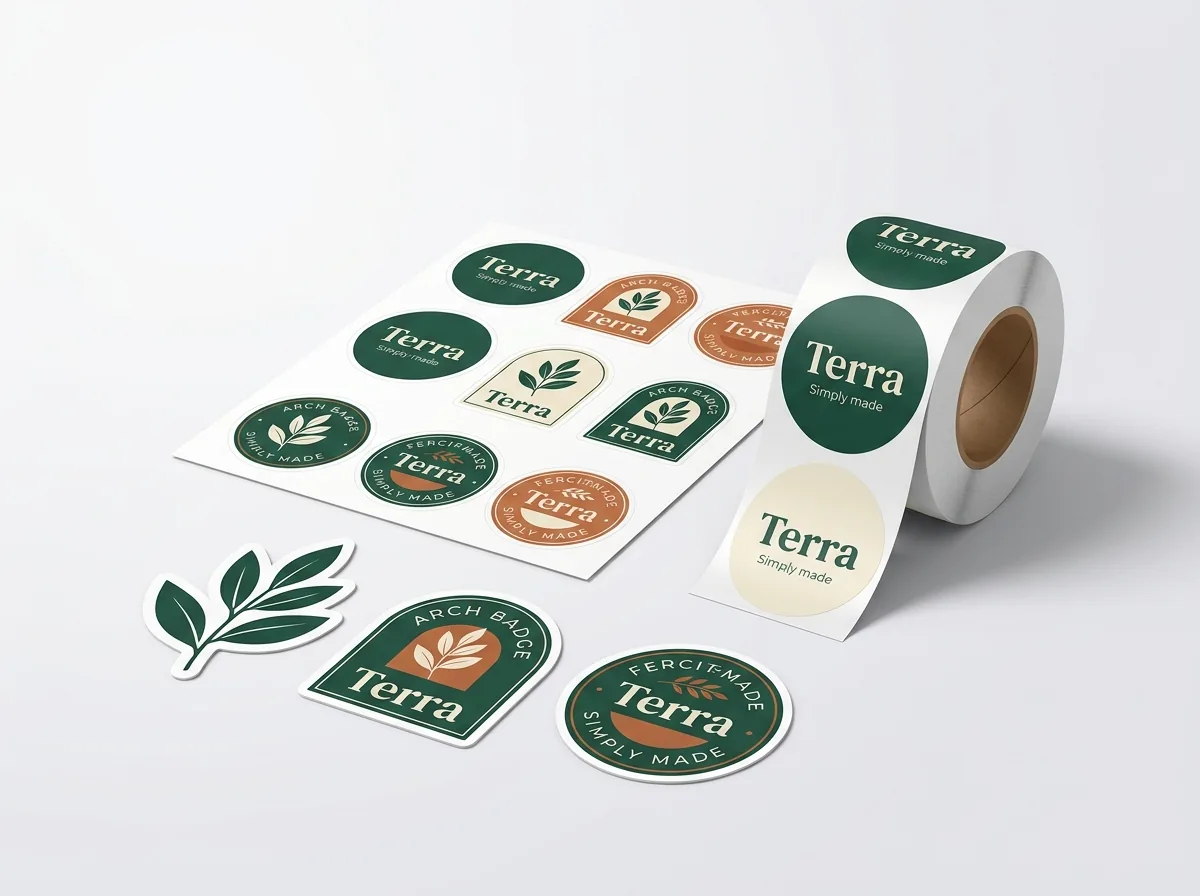
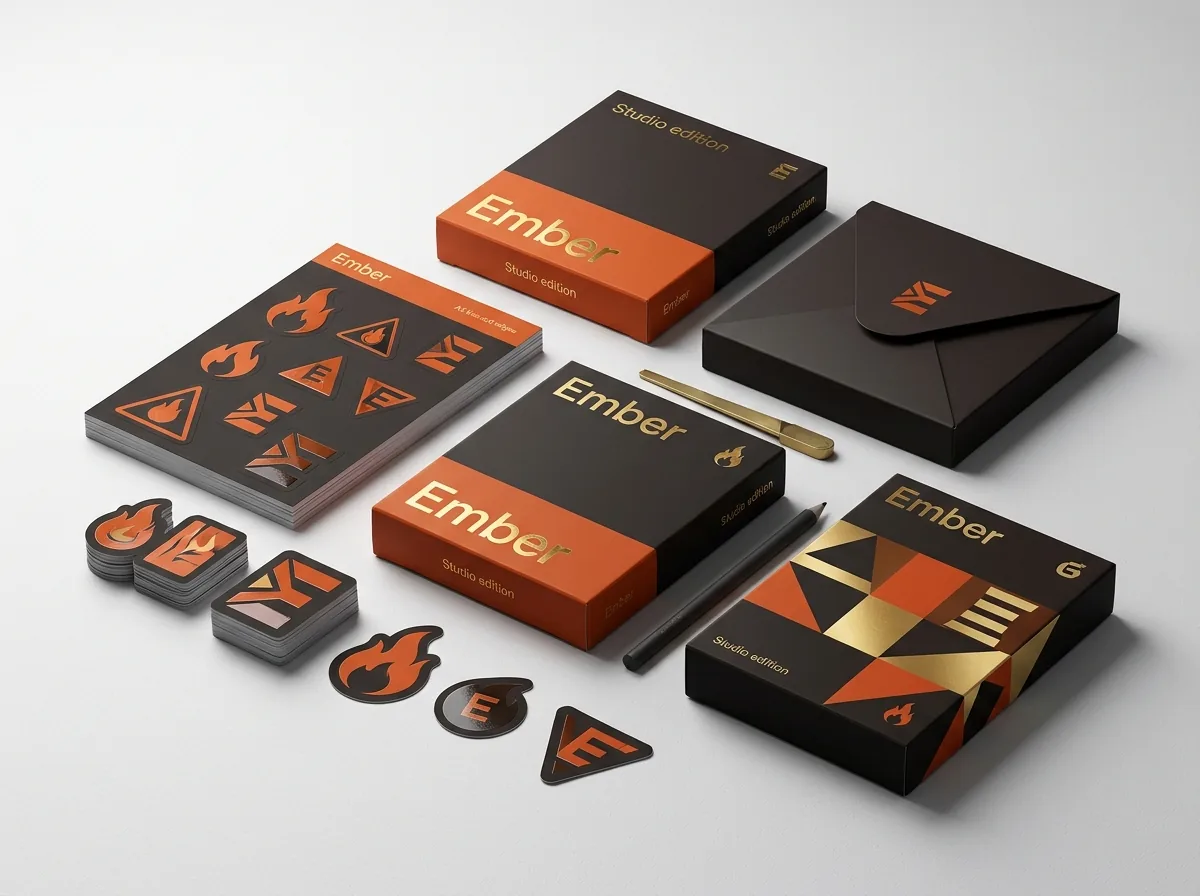
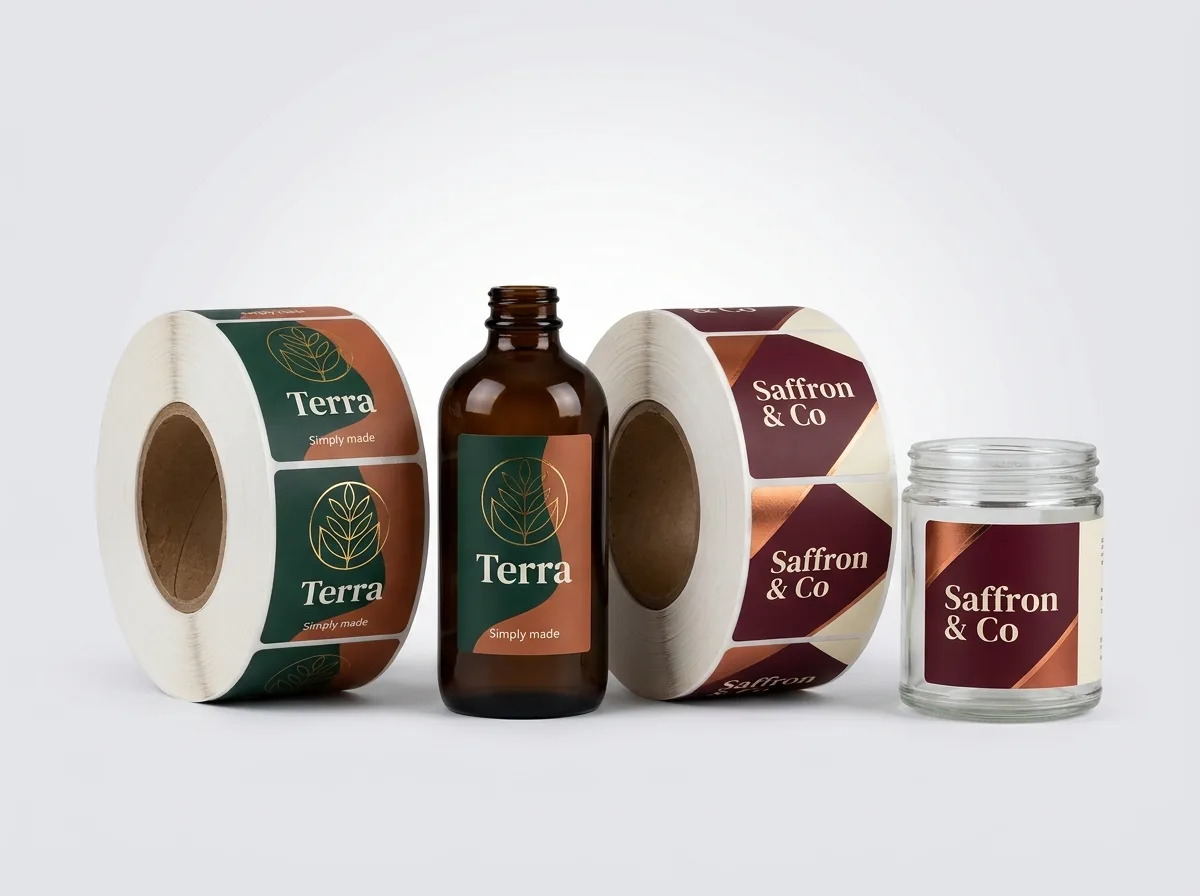
Ready to order sticker sheets? Compare up to 3 quantities with a free 3D mockup.
Request a Quote →Questions about sticker sheets
What is the most popular custom sticker sheet size for e-commerce brands?
The 4 × 6 inch postcard size is the most popular choice for e-commerce inserts, Patreon mailings and subscription boxes. It fits flat inside standard envelopes and small mailer boxes while comfortably holding four to six peel-off stickers plus a top brand header.
How much space must I leave between kiss-cut stickers on a sheet?
Leave at least ¼ inch (0.25 in) of uncut space between neighboring kiss-cut lines, and at least ¼ inch between any kiss-cut line and the outer trim edge of the sheet. That web spacing keeps the background matrix from tearing during cutting and peeling.
What is the smallest individual sticker I can include on a custom sticker sheet?
We recommend keeping individual kiss-cut stickers at least 0.5 × 0.5 inches (½ inch) in simple circles, squares or rounded shapes. Anything smaller is tricky for fingers to lift off the liner, though small accent dots work well alongside larger stickers.
Can I combine large and small stickers on the same sheet?
Yes. Mixing one large 2.5 × 2.5 inch centerpiece mascot with four or five smaller 1 inch to 1.5 inch badges and wordmarks is one of the smartest ways to use every square inch of a 4 × 6 or 5 × 7 inch collector sheet.
Does adding more kiss-cut stickers to a 4 × 6 inch sheet increase the price?
CubitPack never charges die fees, and sheet pricing is driven primarily by the outer card dimensions and total sheet quantity. Within normal collector layouts (such as 4 to 10 kiss cuts on a card), adding an extra mini badge in an open corner does not add die setup charges.
Can I order a custom outer sheet size like 4.5 × 4.5 inches or 3.5 × 8 inches?
Yes. Because we cut the outer trim card to order without pre-made die constraints, you can specify any square, narrow bookmark or custom outer card shape to match your exact box insert, folder pocket or retail bag.
Still have a question? Ask a packaging specialist.
Request a Quote →Request your sticker sheets quote
Tell us your size and quantities, and one dedicated account manager prepares pricing for each tier.
- Free design & AI-to-print studio + 3D mockup
- No die or plate charges · 4–5 day rush available
- Free shipping to all 50 states
- 10% off your first order
The usable-zone math and capacity tables in this guide apply a standard ¼ inch outer card margin and ¼ inch inter-cut bridge allowance to common US envelope and mailer sizes, verified by a CubitPack packaging specialist. Spot something wrong? Tell us and we will fix it.
Sources
What changed
- October 22, 2026: First published.
- October 22, 2026: Updated specifications, terminology, and verified source links.
More guides
New packaging guides by email
Sizes, materials and design tips. Unsubscribe anytime.