
Clear labels vs white labels: when should you use the no-label look?
Short answer: Choose custom clear labels when your glass jar or bottle holds a colorful product like golden honey, berry jam, facial oil or cold-pressed juice and you want a screen-printed no-label look. Choose white labels when you need maximum reading contrast on dark amber glass, opaque plastic tubs or dense nutrition panels.
On this page
- How do custom clear labels and opaque white labels compare at a glance
- When does the clear no-label look outperform a white label
- How do I match gloss clear vs matte frosted clear to my container
- How do clear labels vs white labels look on dark amber, cobalt or black bottles
- When is an opaque white or foil label the smarter choice
- Common mistakes
- FAQs
Request a custom quoteFree dieline & 3D mockup
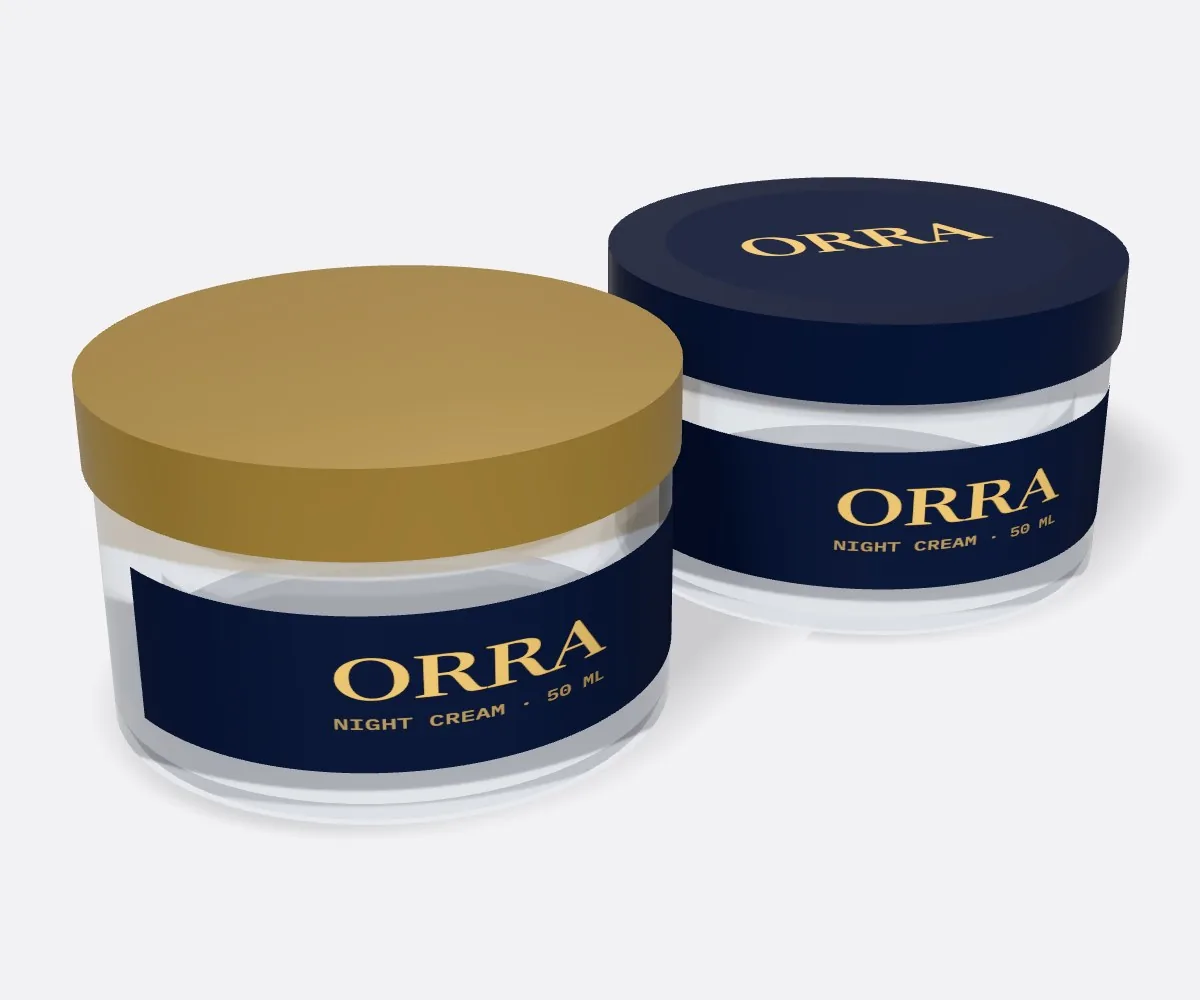
Deciding between custom clear labels and opaque white labels comes down to whether the container and the product inside are part of your visual design. Transparent clear labels disappear against smooth flint glass (with gloss clear) or sandblasted cosmetic bottles (with matte clear), making your logo and opaque white-backed typography look as if they were screen-printed directly onto the vessel. That no-label look lets golden honey, layered hot sauces, pastel bath salts, colored candle wax and vibrant cold-pressed juices shine right through the front of the package. Opaque white labels block out the container behind them to provide a bright, uniform canvas for long ingredient lists, multi-color photography and subtle pastel backgrounds. At CubitPack, both clear and white labels start at 500 pieces in 10-14 business days with zero die fees, free white-ink prepress setup and a 3D mockup before payment.
How do custom clear labels and opaque white labels compare at a glance?
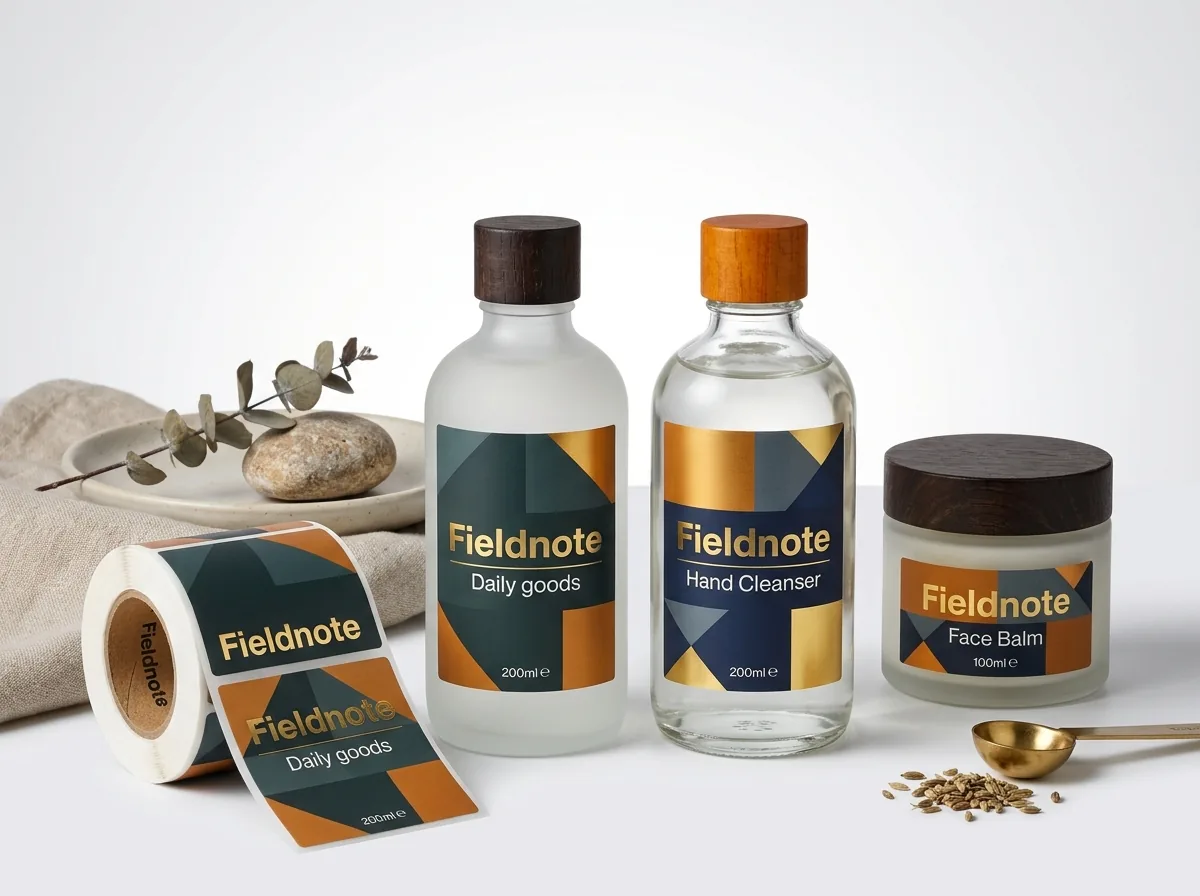
When shoppers pick up a jar or bottle on a retail shelf, the label stock sets the personality of the product in less than a second. Printed transparent clear labels create a modern, minimalist apothecary or screen-printed look where the vessel itself serves as the background. Opaque white custom labels act like a framed poster wrapped around the container, giving you total control over background color regardless of what is inside the jar. Both stocks start at 500 pieces in 10-14 business days (or 4-5 days with rush) and support full CMYK, guaranteed Pantone matching, hot foil stamping and spot UV. Compare how each stock behaves across seven packaging scenarios in the table below.
| Packaging factor | Custom clear labels (transparent stock) | Opaque white labels (white stock) |
|---|---|---|
| Visual effect on glass | No-label screen-printed look; product shows through | Defined rectangular, oval or contour label frame |
| Bright liquids & food (honey, juice, jam) | Showcases natural color, pulp, spices and fill level | Covers the product behind an opaque white panel |
| Small 5 pt to 6 pt ingredient text | Requires opaque white ink or high-contrast container color | Maximum dark-on-white reading contrast in any light |
| Full-wrap seam behavior | Must leave a ¼ in gap (overlapping clear film shows a stripe) | Can meet with a ¼ in gap or overlap cleanly at the back |
| Application tolerance | Requires clean, dust-free wall to avoid silver air bubbles | Hides minor surface dust, glass seams or tiny air pockets |
| Box & flap sealing | Clear wafer seals close cartons without hiding box print | Acts as a visible branded badge or tamper seal |
| Multi-SKU color coding | Liquid color inside the bottle differentiates each flavor | Printed background band differentiates each flavor on opaque bottles |
When does the clear no-label look outperform a white label?
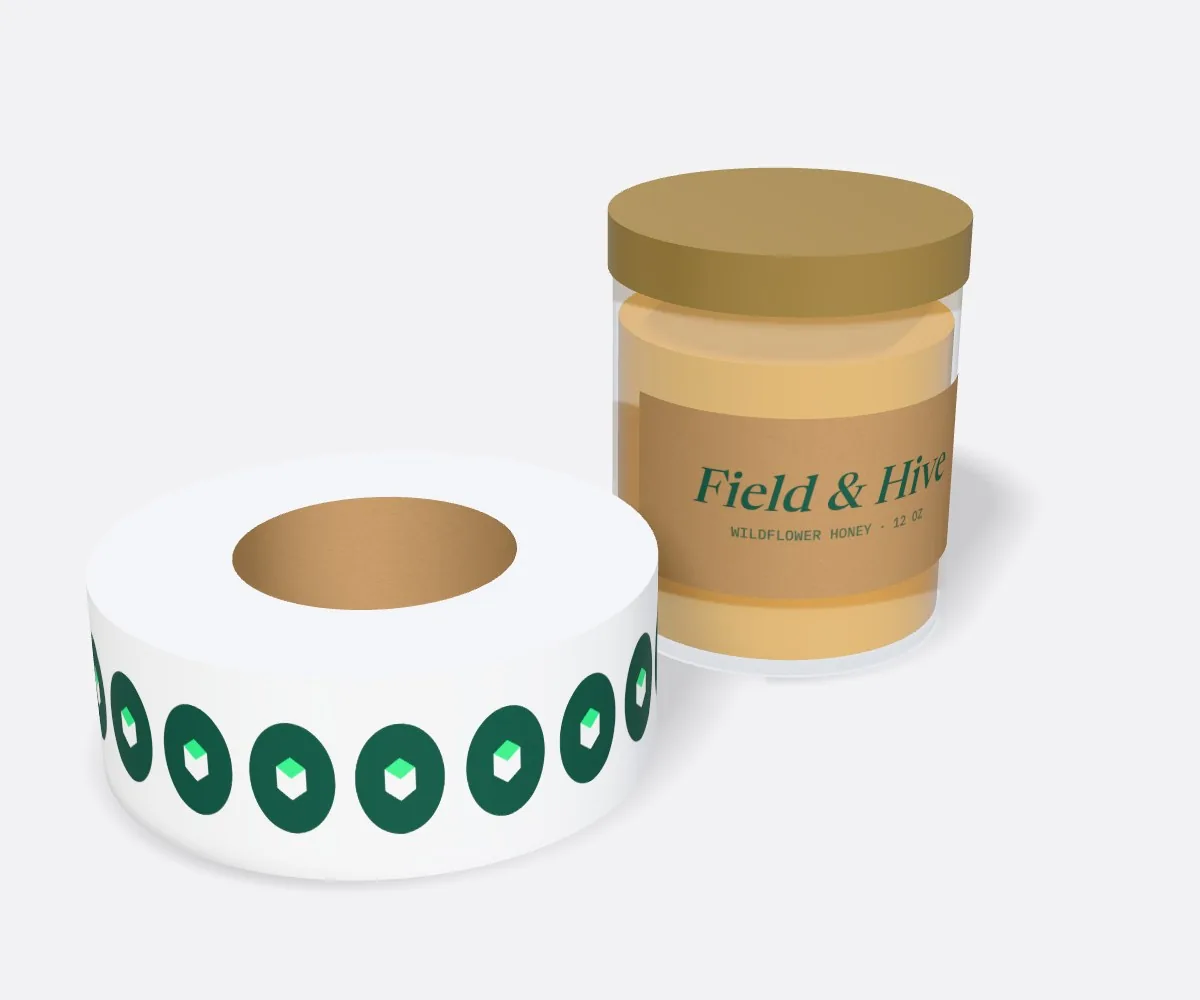
The clear no-label look wins whenever the color, clarity or texture of your product is your best selling point. Think of golden wildflower honey, ruby strawberry preserves, green cold-pressed juice, golden jojoba facial oil, layered bath salts or colored soy candle tumblers. Covering 60% of a crystal-clear glass jar with a solid white rectangle hides the very thing the shopper wants to inspect. With a custom clear label backed by selective opaque white ink, your brand mark, scent name and net weight float right in the middle of the glass while the product itself provides the rich background color. Better yet, if you sell six flavors of cold-pressed juice or four colors of bath salts in identical 8 oz or 12 oz glass containers, a single white-ink clear label design can sometimes work across multiple bright fills because each liquid color provides its own natural contrast.
How do I match gloss clear vs matte frosted clear to my container?
A clear label only achieves a true 'invisible edge' no-label look when the surface sheen of the label matches the surface sheen of the container wall. If you stick a high-gloss clear label onto a sandblasted, matte frosted skincare bottle, the shiny rectangle reflects overhead store lights and immediately gives away the outline of the sticker. Follow a simple matching rule: pair a gloss clear finish with smooth, polished flint glass jars, amber glass bottles and glossy PET beverage bottles. Pair a matte clear finish with acid-etched frosted glass dropper bottles, soft-touch cosmetic tubes, matte ceramic candle vessels and satin plastic jars. When matte clear film sits on frosted glass, the diffused light scattering matches so closely that customers have to run a fingernail across the bottle to tell whether it is a label or direct glass etching.
- Smooth flint glass jars & beverage bottles: choose Gloss clear so the optical clarity matches the polished glass.
- Frosted glass skincare droppers & lotion pumps: choose Matte clear for a diffused, etched-glass look.
- Matte black or satin colored candle tumblers: choose Matte clear with opaque white ink or hot gold foil stamping.
- Glossy white or clear PET squeeze bottles: choose Gloss clear to blend into the shiny plastic wall.
Know your size? Compare pricing across up to 3 quantities.
Request a Quote →How do clear labels vs white labels look on dark amber, cobalt or black bottles?
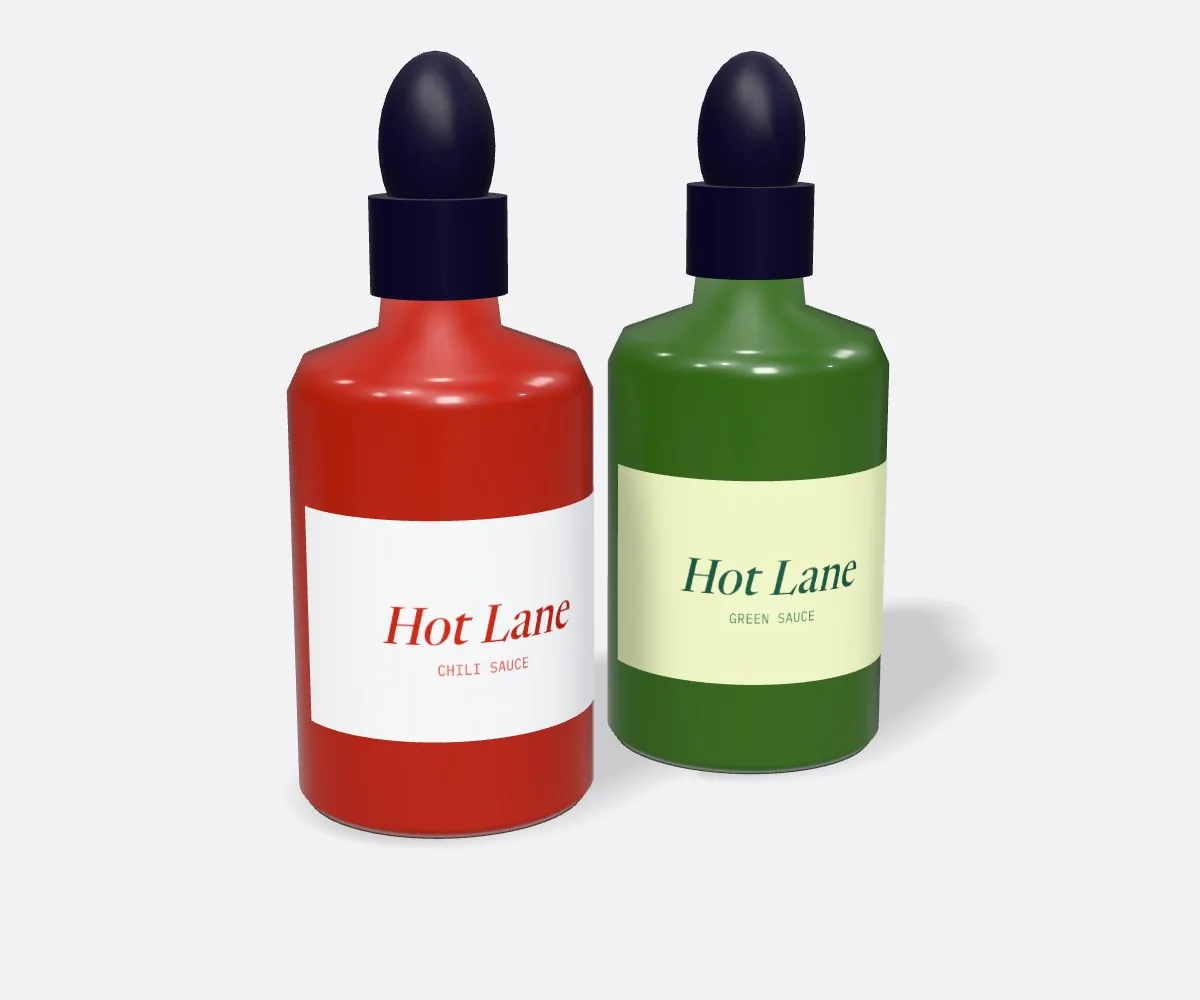
Essential oils, beard oils, herbal tinctures, apothecary serums and craft beers are almost always packed in dark amber, cobalt blue, emerald green or matte black glass to block UV light. On these dark containers, both clear labels and white labels look striking, but they create two completely different moods. A custom clear label printed with crisp opaque white ink and hot gold or silver foil stamping turns a dark 1 oz (30 ml) amber dropper bottle into a sleek, clinical apothecary vial because the warm brown glass shows uninterrupted from top to bottom. Remember, however, that dark ink (like black, navy or dark brown) printed on a clear label without a white background will disappear against dark amber glass. If your artwork relies on dark vintage typography, botanical line drawings in charcoal ink, or long 5 pt drug-facts panels, an opaque white or cream label (or a clear label with a large solid white ink panel) is much easier to read in dim bathroom lighting.
When is an opaque white or foil label the smarter choice?
Choose an opaque white label (or a metallic base from our custom foil labels page) in three situations. First, when your container is an everyday HDPE plastic jug, a stock kraft pouch or a container with visible mold seams and ridges that you want the label to hide rather than highlight. Second, when the product inside settles unevenly, separates into oil and water layers, or leaves residue clinging to the inside glass wall as the customer uses it. Third, when your label has to carry hundreds of words of multilingual ingredients, supplement facts, warnings and usage instructions in 5 pt to 6 pt type. Nothing beats black ink on a matte white background for effortless readability across all age groups. If you are ordering roll-fed labels for a bottling line, compare both material options on our custom roll labels page.
- Opaque plastic tubs and stand-up pouches: white labels provide a clean, opaque color block that hides container mold seams.
- Products that separate or cling to glass: opaque white wrap labels keep the jar looking fresh even when half empty.
- Dense 5 pt supplement and drug facts: matte white stock delivers maximum contrast for tiny regulatory text and retail barcodes.
- Hybrid front-and-back pairing: use a clear front label to showcase the product and an opaque white back label for dense text.
- Sample before deciding: order a $50 CubitPack sample kit or compare both options on your free 3D mockup before payment.
What are the most common mistakes when choosing between clear and white labels?
Testing how your artwork colors interact with the filled container prevents 90% of stock regrets. Avoid these five mistakes
- Using dark black or navy typography on a clear label applied to a dark amber bottle, cold-brew bottle or dark soy sauce jar without a white ink background.
- Applying a glossy clear label to a matte frosted glass cosmetic bottle, which creates a shiny rectangular patch on the satin glass.
- Choosing a clear label for a product that separates or leaves cloudy sediment clinging to the inside wall of the jar.
- Printing pastel colors on a clear label without an opaque white underbase, causing the colors to wash out against the container.
- Covering a crystal-clear jar of golden honey or colorful bath salts with a giant full-wrap white paper label that hides the product.
Find your label size
Suggested label size: 9⅛ × 2¾ in (width × height)
A typical starting point. Your account manager confirms the size on the proof.
Quote this size →Packaging for this
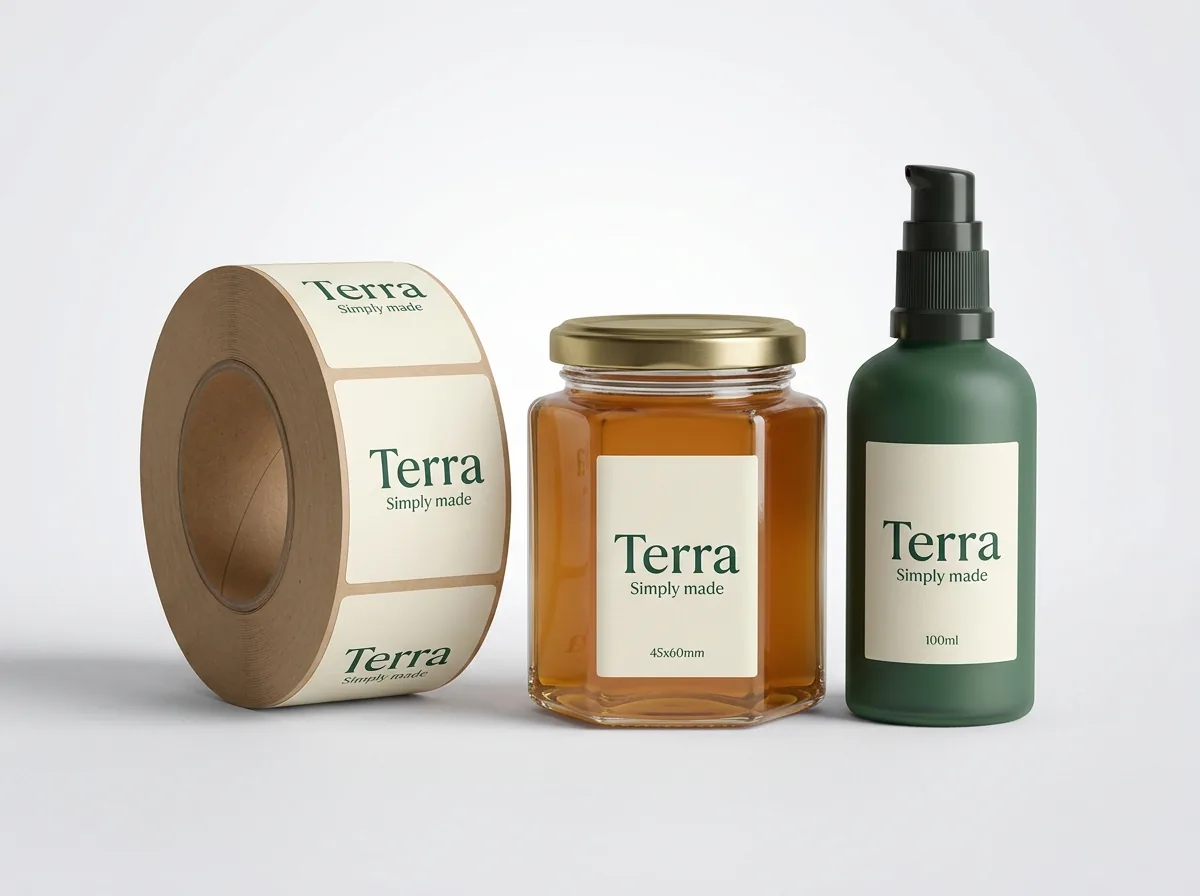
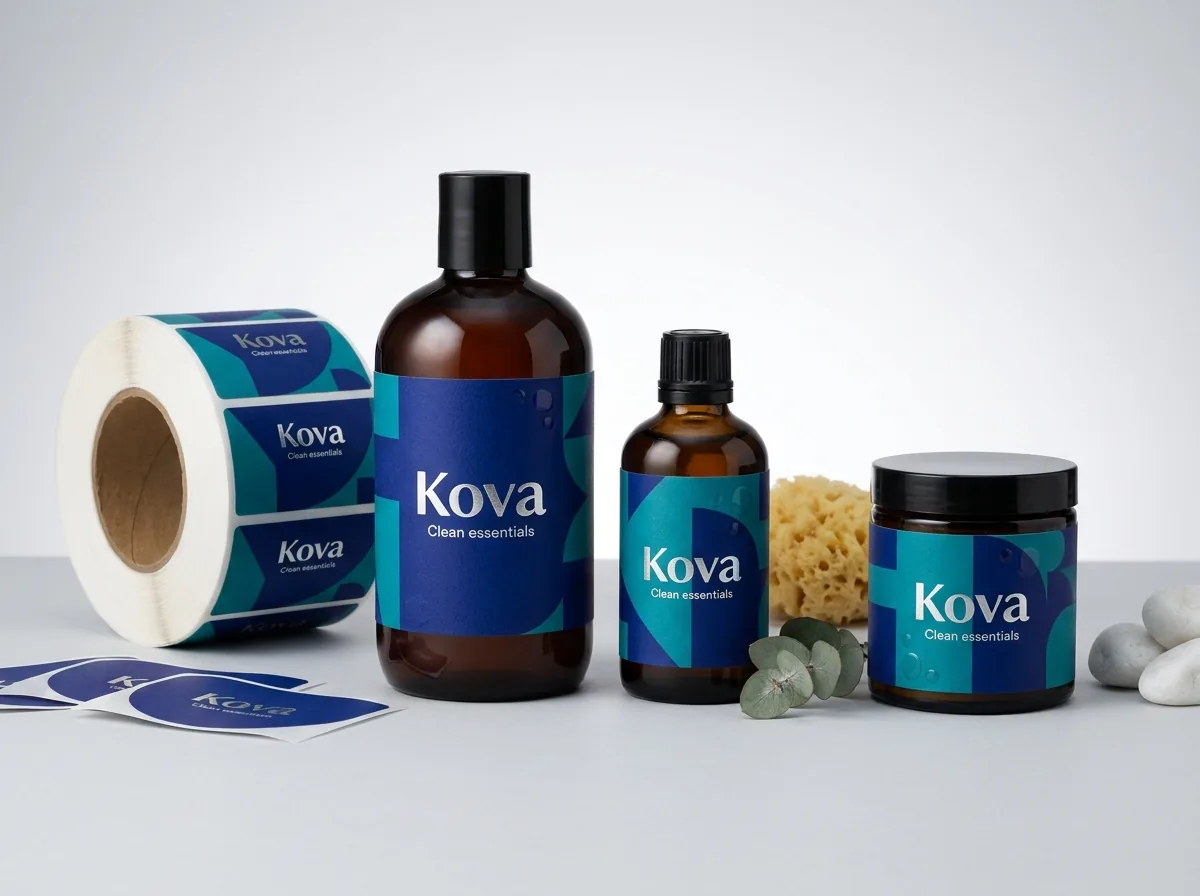
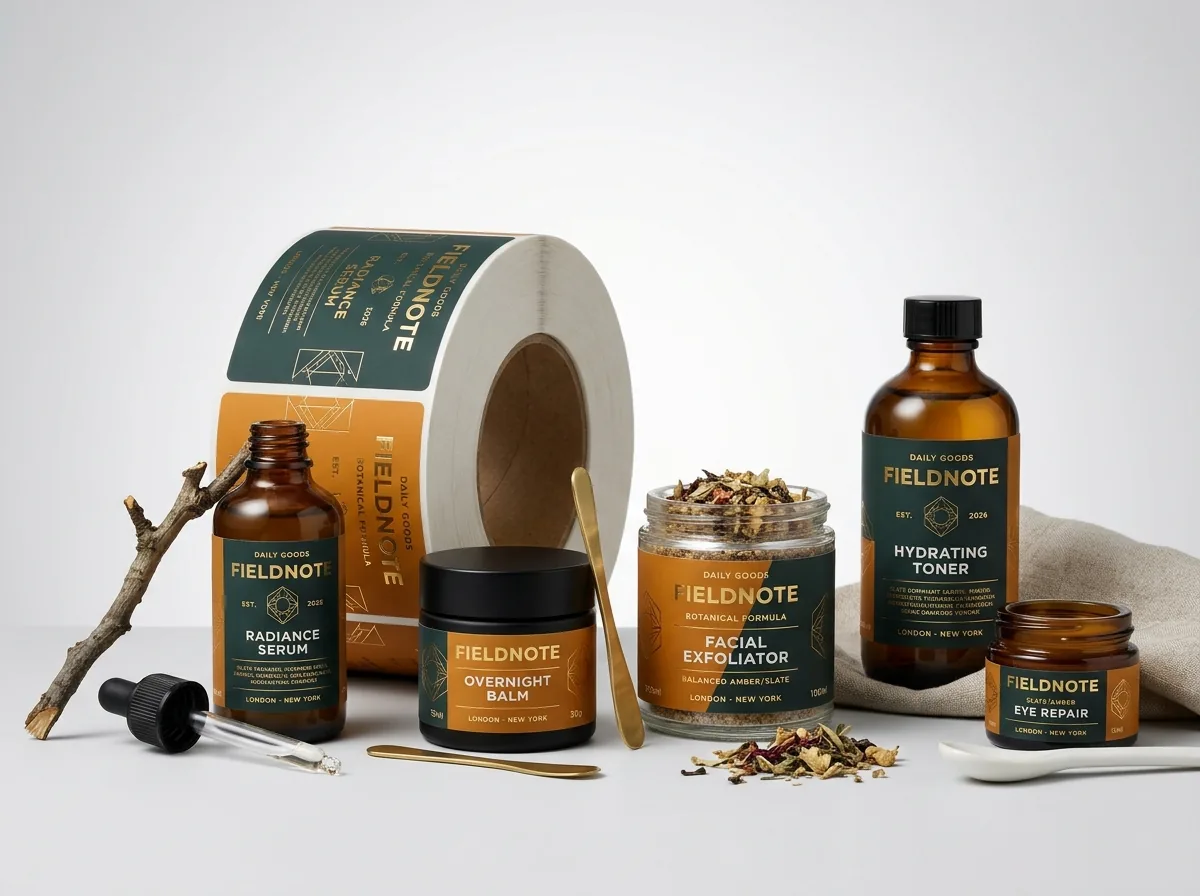
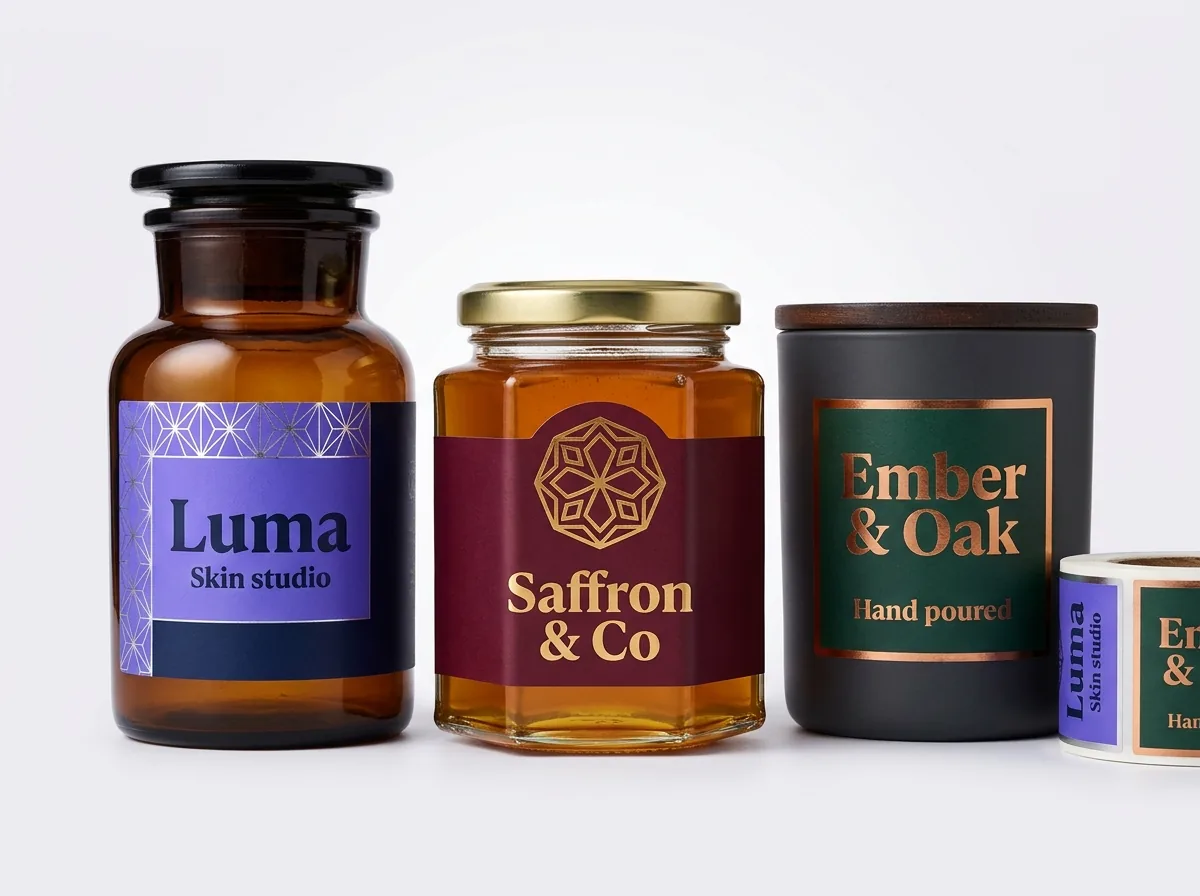
Ready to order clear labels? Compare up to 3 quantities with a free 3D mockup.
Request a Quote →Questions about clear labels
Do custom clear labels cost more than standard white labels?
Clear label film and the optional opaque white ink underbase channel add a modest material and press step compared with basic white stock, though volume price breaks at 1,000, 2,500 and 5,000+ labels keep the unit difference small. Request both options in your quote notes to compare.
Can you print both opaque white areas and transparent window areas on the same label?
Yes. With a custom clear label, we can print a solid opaque white ink panel behind your ingredient text and barcode while leaving the rest of the label completely transparent, or leave a clear cutout window inside a solid-colored label.
Which looks better on frosted glass cosmetic bottles: gloss clear or matte clear?
Matte clear looks much better on frosted glass. Its satin, non-reflective surface blends into the sandblasted texture of frosted dropper and pump bottles so the label edges practically vanish.
Will white text on a clear label look solid white or milky translucent?
We print high-opacity white ink designed specifically for transparent label film, so white typography, monograms and underbase layers look crisp and solid against amber glass, dark sauces or colored liquids.
Can I order a $50 sample kit to compare clear and white labels in person?
Yes. Our $50 sample kit includes real printed packaging and label samples across materials and finishes, and the $50 cost is credited toward your production order. You can also order a paid printed sample of your own design.
Can I combine clear front labels and white back labels in the same order?
Yes. Many beverage, skincare and gourmet food brands use a clear front label with gold foil stamping for shelf appeal and a matte white back label for dense 5 pt nutrition facts and barcodes.
Still have a question? Ask a packaging specialist.
Request a Quote →Request your clear labels quote
Tell us your size and quantities, and one dedicated account manager prepares pricing for each tier.
- Free design & AI-to-print studio + 3D mockup
- No die or plate charges · 4–5 day rush available
- Free shipping to all 50 states
- 10% off your first order
This comparison of transparent clear film vs opaque white stocks, gloss vs matte container sheen matching, and amber-glass contrast was compiled from CubitPack's material and finish options and verified by a packaging specialist. Spot something wrong? Tell us and we will fix it.
Sources
What changed
- October 22, 2026: First published.
- October 22, 2026: Updated specifications, terminology, and verified source links.
More guides
New packaging guides by email
Sizes, materials and design tips. Unsubscribe anytime.