
Waterproof and oil-resistant food labels vs paper food labels: which should you choose?
Short answer: Choose laminated paper or dry-goods stocks for room-temperature pantry items like baked goods, dry spices, tea and granola. Choose moisture- and oil-resistant stocks or custom food labels with protective finishes for salad dressings, cooking oils, cold-pressed juices, refrigerated deli tubs and frozen containers from 500 pieces.
On this page
- How do paper, film, clear and foil food labels compare by storage environment
- Why do sauces, dressings and cooking oils need oil-resistant finishes
- How do refrigerator and freezer food labels stay stuck in cold storage
- Clear vs foil and matte vs gloss: which look sells best on grocery shelves
- How can I test food label materials and finishes before placing a large run
- Common mistakes
- FAQs
Request a custom quoteFree dieline & 3D mockup
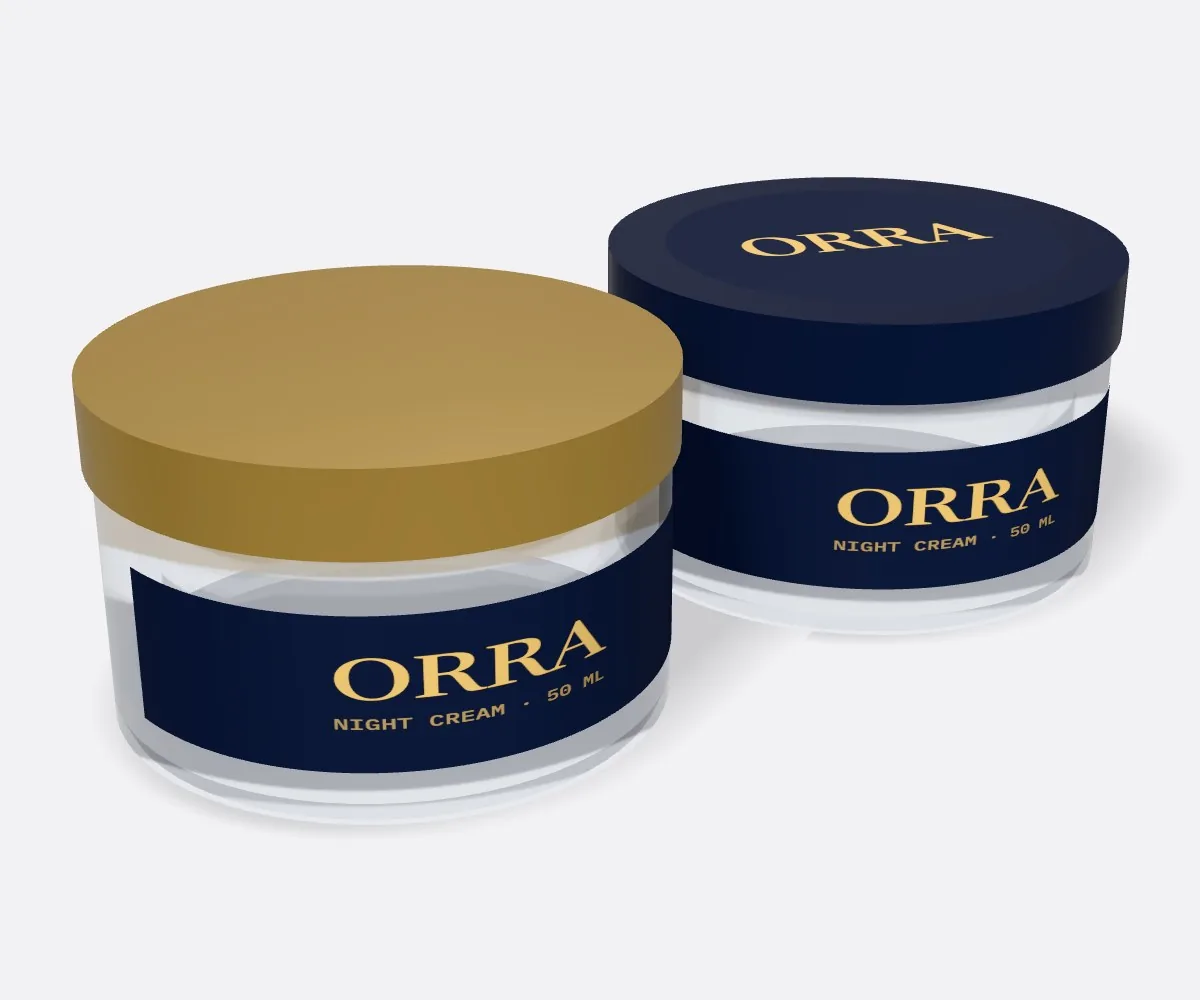
A food label faces four different environments between your kitchen and the customer's table: hot-fill bottling lines, oily kitchen hands, wet grocery cold cases, and sub-zero home freezers. Standard unlaminated paper labels work well on dry bakery boxes, cookie tins and pantry pouches, but if a drop of olive oil, chili crisp or salsa runs down the neck of a glass bottle, bare paper absorbs the oil and turns translucent. Similarly, when a chilled juice bottle or deli tub sweats in a humid grocery display case, moisture weakens unprotected paper fibers. Pairing the right clear, metallic foil, film or paper face stock with protective matte or gloss lamination keeps your artwork crisp from filling line to final serving, and we confirm the stock options with your quote. At CubitPack, custom food labels start at 500 pieces with free design help.
How do paper, film, clear and foil food labels compare by storage environment?
The fastest way to narrow down your label spec is to trace what touches the container during filling, shipping, merchandising and home use. A jar of dry cinnamon sits in a cool, dry cabinet for six months, whereas a squeeze bottle of garlic aioli gets wiped with a damp rag, squeezed repeatedly and stored in a cold refrigerator door. When a container moves from a 70°F commercial kitchen into a 38°F refrigerated display case or an insulated delivery tote packed with ice packs, moisture condenses on the outer wall. Selecting a material and finish built for that exact environment keeps your corners flat and your typography crisp. Use the comparison table below to match your food category and storage temperature to the right label material and finish family.
| Food environment | What the label faces | Recommended stock & finish approach |
|---|---|---|
| Dry pantry & bakery | Dry handling on boxes, bags and tins | Paper or kraft stock with matte or gloss finish |
| Oils, sauces & condiments | Oil drips, squeezing, wet counter wipe-downs | Oil- and water-resistant stock with protective lamination |
| Refrigerated deli & drinks | Cold-case humidity and condensation sweating | Moisture-resistant stock applied to dry containers before chilling |
| Frozen pints & meal trays | Sub-zero storage, frost crystals and thawing | Cold-temperature stock and freezer adhesive applied dry |
| Clear glass showcase jars | Showing off honey, jam, fruit or layered sauces | Transparent clear stock printed with opaque ink |
| Gourmet & gift confections | High-end shelf lighting on chocolates and oils | Metallic foil stock or matte finish with hot foil stamping |
Why do sauces, dressings and cooking oils need oil-resistant finishes?
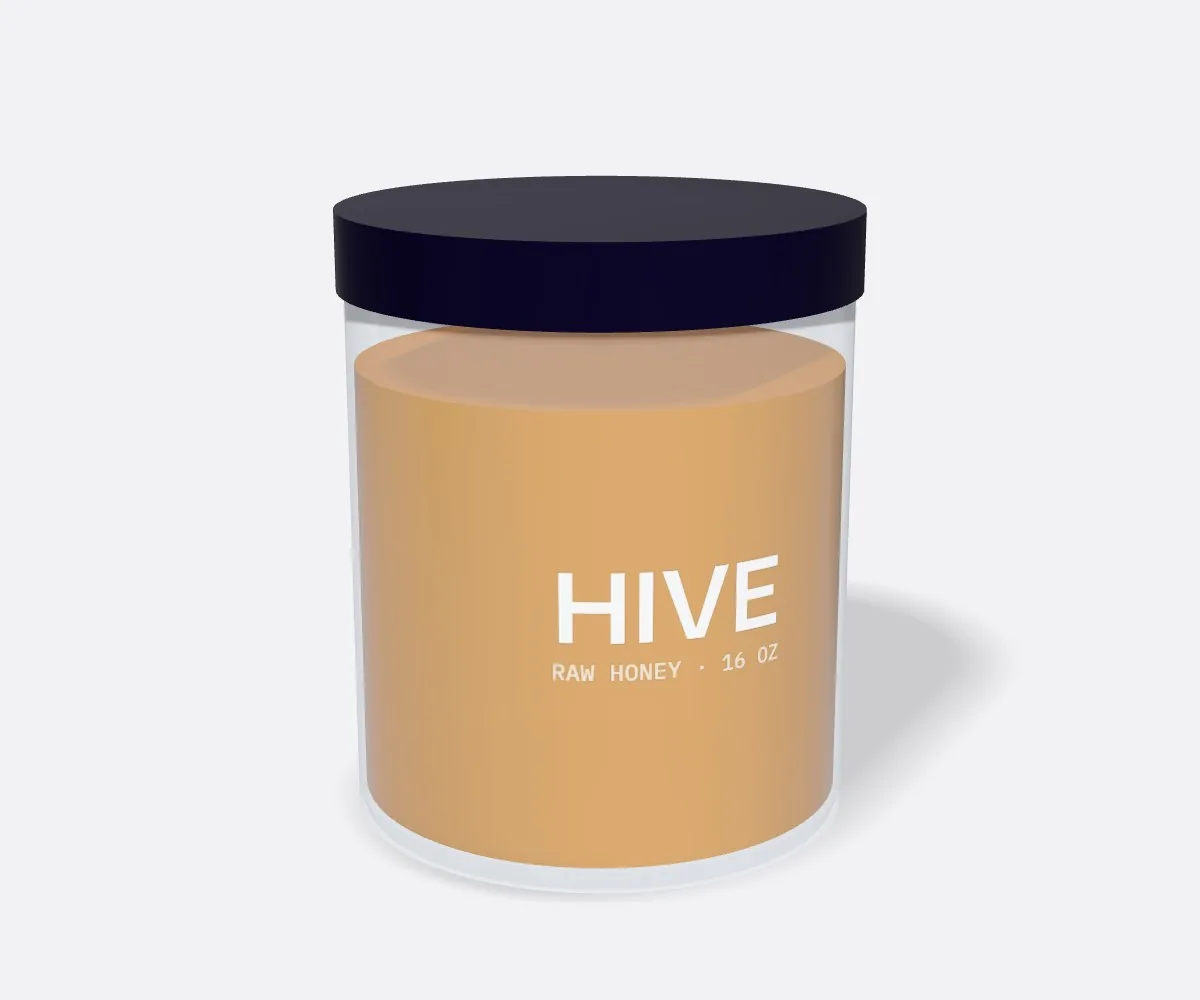
Bottles and jars holding olive oil, hot sauce, chili oil, salad dressing, marinades, nut butter or honey almost always experience a drip down the neck after the first pour. On an unlaminated paper label, cooking oil wicks sideways into the paper fibers within minutes, leaving a permanent dark grease halo around your logo and blurring the Nutrition Facts text. When ordering printed food labels for condiments, sauces and oils, two layers protect your branding: a non-absorbent face stock and a sealed top finish (matte or gloss lamination). With a laminated surface, customers and restaurant kitchen staff can wipe oil or sauce drips straight off the bottle with a damp cloth without scuffing the ink. Tell your CubitPack account manager in the quote notes if your container holds oils, vinegars or squeezable sauces so we specify the right stock and finish combination.
- Cooking oils,infused vinegars and chili crisp jars that drip along the glass rim during pouring.
- Flexible plastic squeeze bottles for ketchup, mustard, aioli and barbecue sauce that flex in the hand.
- Nut butter, tahini and honey jars where natural oils separate near the lid.
- Hot-filled salsa, pasta sauce and jam jars that pass through a warm water rinse after capping.
- Cold-pressed juice bottles, kombucha cans and iced coffee carafes stored in wet grocery ice bins.
- Prepared meal-prep trays and grab-and-go deli tubs wiped down before retail shelving.
- Honey bears, maple syrup jugs, balsamic glaze bottles, hot honey dispensers and agave squeeze bottles that develop sticky residue around the flip-top cap.
How do refrigerator and freezer food labels stay stuck in cold storage?
Many food founders assume that when a label peels off a 12 oz cold-pressed juice bottle at 38°F or an ice cream pint at 0°F in the freezer, the face material failed. In reality, 9 out of 10 cold-storage label failures happen because the label was applied to a container that was already cold or damp with condensation. Standard pressure-sensitive adhesives need a clean, dry, 65°F to 75°F room-temperature surface to wet out and form a permanent bond with glass, PET plastic or polypropylene. Whenever your production workflow allows, apply your labels to empty containers before filling, or label sealed jars and 16 oz tubs at room temperature right before moving them into the 35°F walk-in cooler or -10°F blast freezer. Allow 24 hours before submerging bottles in wet ice buckets so the adhesive reaches full bond strength. If your kitchen must label containers that are already chilled or frozen, note that temperature range in the quote form so we match the right cold-temperature adhesive.
Know your size? Compare pricing across up to 3 quantities.
Request a Quote →Clear vs foil and matte vs gloss: which look sells best on grocery shelves?
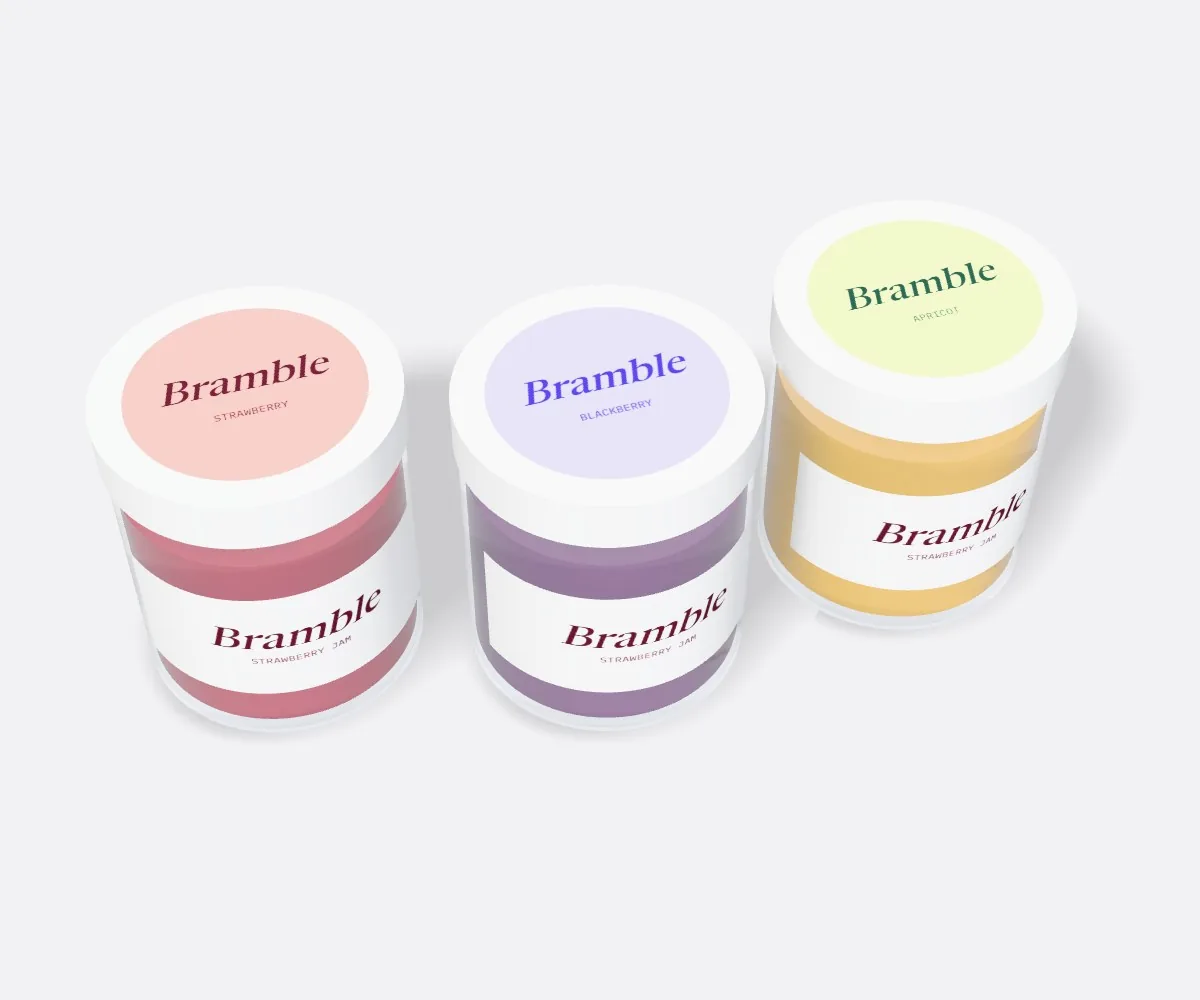
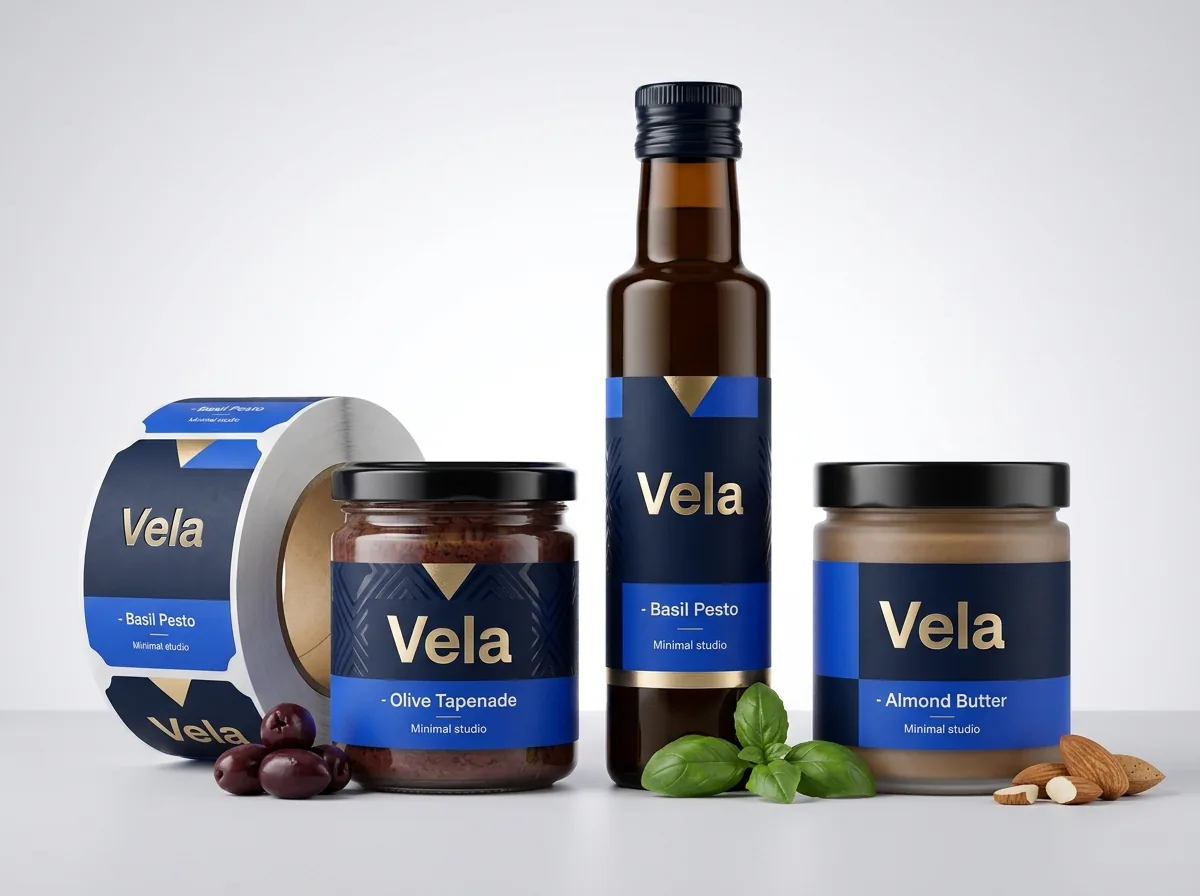
Beyond durability, your stock and finish set the visual tone of your food brand. Custom clear labels create a clean 'printed-on-glass' look on 8 oz and 16 oz jars where golden honey, bright verde salsa, pickled onions or cold-pressed green juice acts as the background canvas behind your typography. When designing for clear labels, our prepress team places a layer of opaque white ink behind your colored logo, 7 pt ingredient text and 1.25 × 0.75 inch barcode box so they stay bold and scannable against dark liquids. Custom foil labels and hot foil stamping bring metallic gold, silver or copper warmth to artisan chocolates, 250 ml and 500 ml reserve olive oils, specialty cheeses and holiday gift tins. For everyday CPG lines, choosing between matte lamination and gloss lamination comes down to lighting: matte kills overhead grocery-store glare so shoppers can read small 6 pt to 8 pt Nutrition Facts easily, while gloss deepens rich reds, greens and food photography.
How can I test food label materials and finishes before placing a large run?
If you are launching a new refrigerated beverage, frozen dessert or gourmet sauce line, you can inspect finishes and materials before committing to 5,000 or 10,000 units. Every CubitPack order includes a free digital proof and a 3D mockup showing how your artwork wraps around your exact 4 oz, 8 oz, 12 oz or 16 oz container. You can also order our $50 sample kit to feel finishes in person, or request a paid printed prototype of your exact design (credited toward your production order when you proceed). Because our minimum order starts at just 500 labels and we never charge die or plate fees, you can run a 500-label initial production batch to test your co-packer line, 40°F cooler transit and grocery shelf display in 10-14 business days (or 4-5 business days with rush). When you combine 2 or 3+ flavors of the same label size in one run, your first order is 10% off and standard shipping to all 50 US states is always free.
What mistakes cause food labels to peel, stain or smear?
Most damaged food labels come from mismatched surface finishes or moisture trapped during application. Avoid these five mistakes
- Using unlaminated paper labels on oil, dressing or sauce bottles where a single drip leaves a dark grease stain.
- Sticking labels onto cold, sweating jars or deli tubs pulled straight from a cooler instead of labeling dry room-temperature containers.
- Applying labels over a thin film of cooking oil or food dust left on the jar wall during kitchen filling.
- Printing dark text or a barcode directly on a clear label without an opaque white ink backing layer over dark sauces.
- Forgetting to tell your account manager whether your food product is hot-filled, refrigerated, frozen or pasteurized.
Find your label size
Suggested label size: 9⅛ × 2¾ in (width × height)
A typical starting point. Your account manager confirms the size on the proof.
Quote this size →Packaging for this
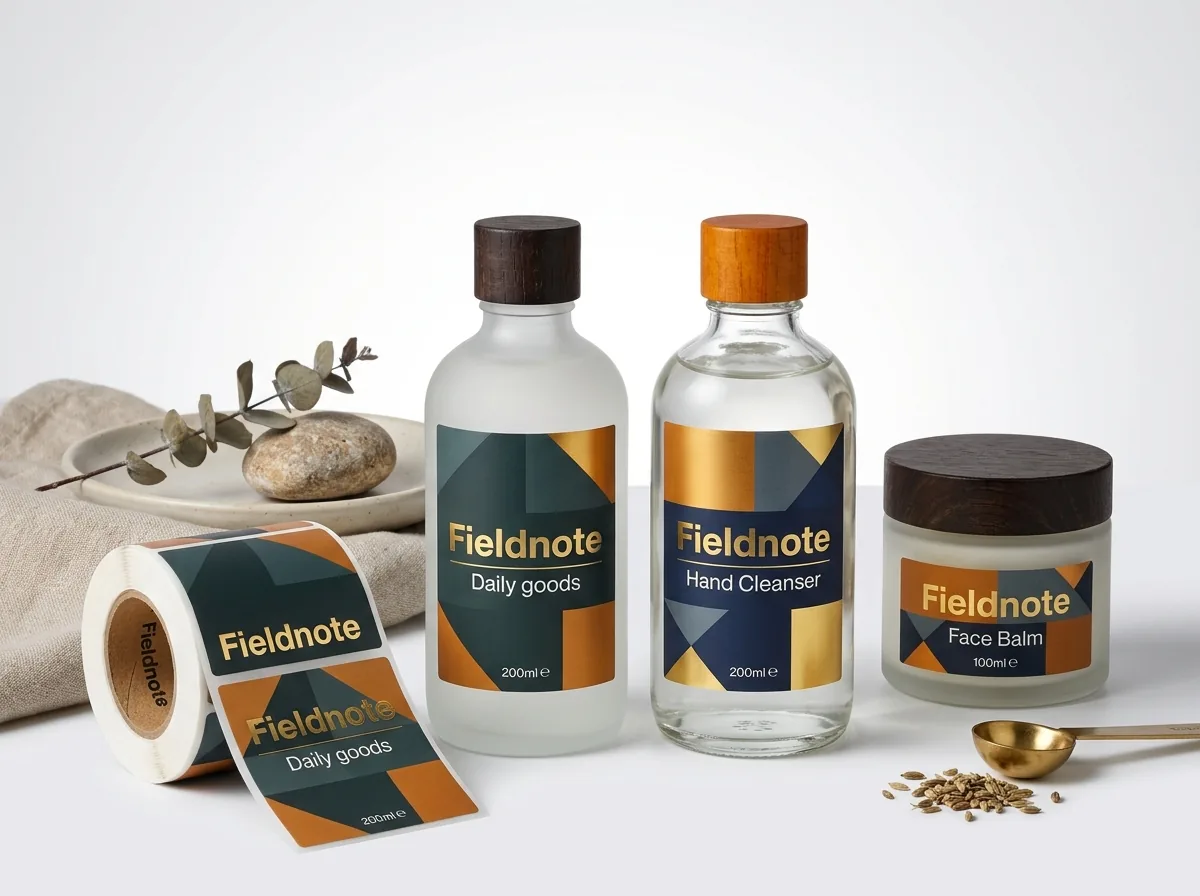
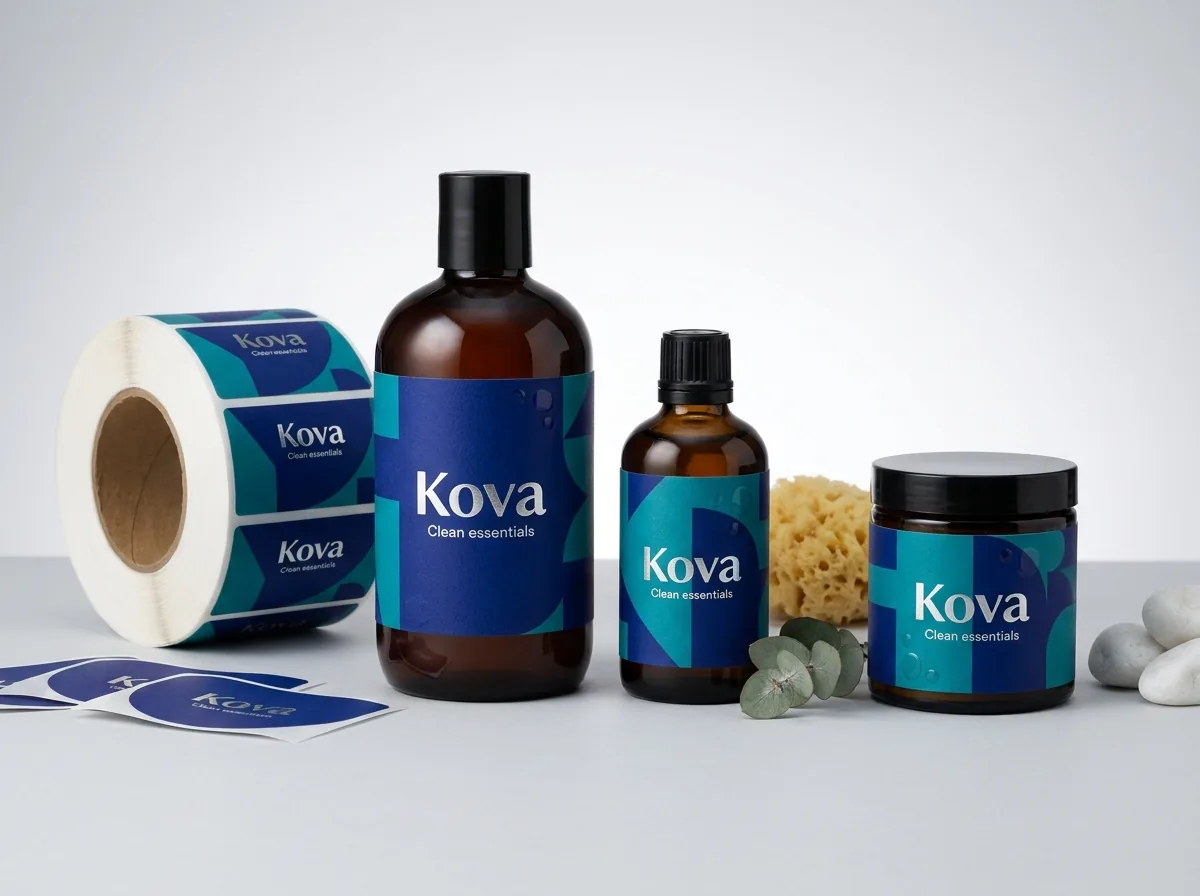
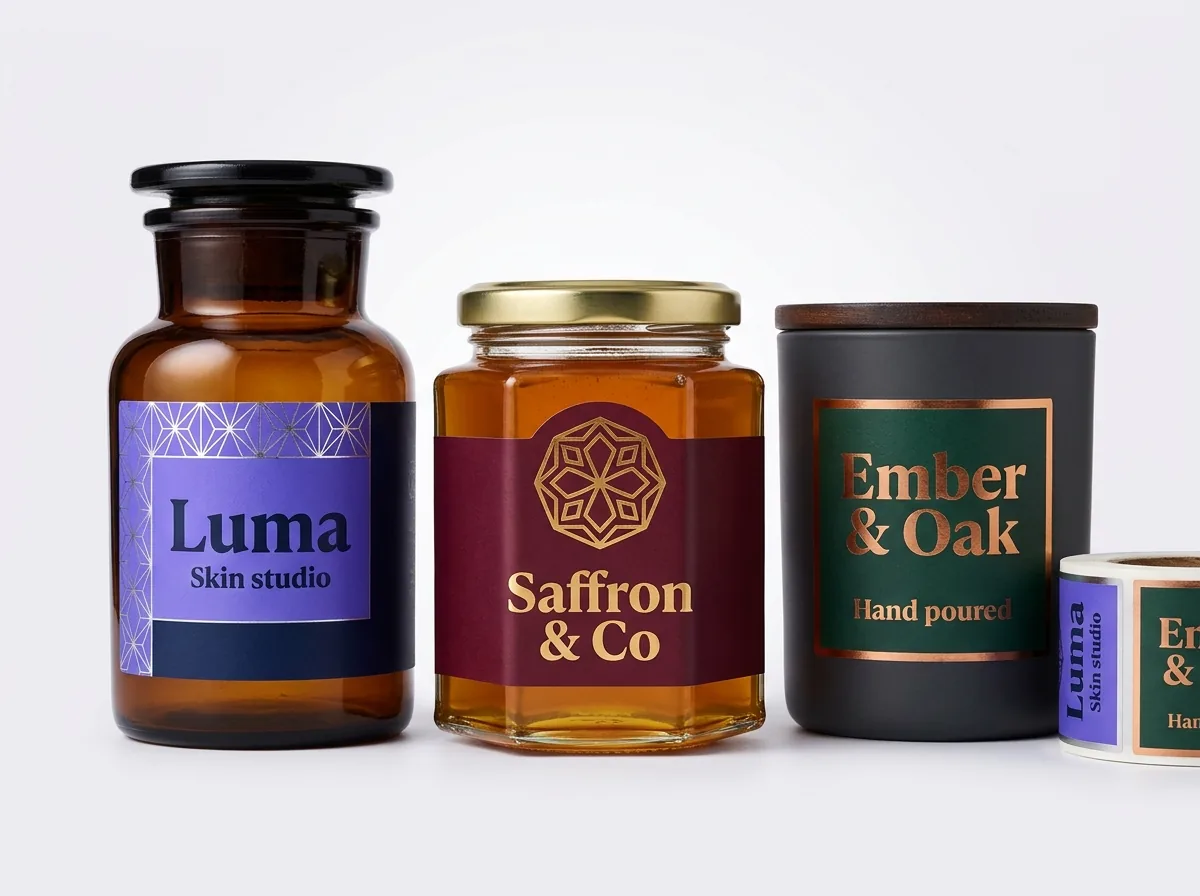
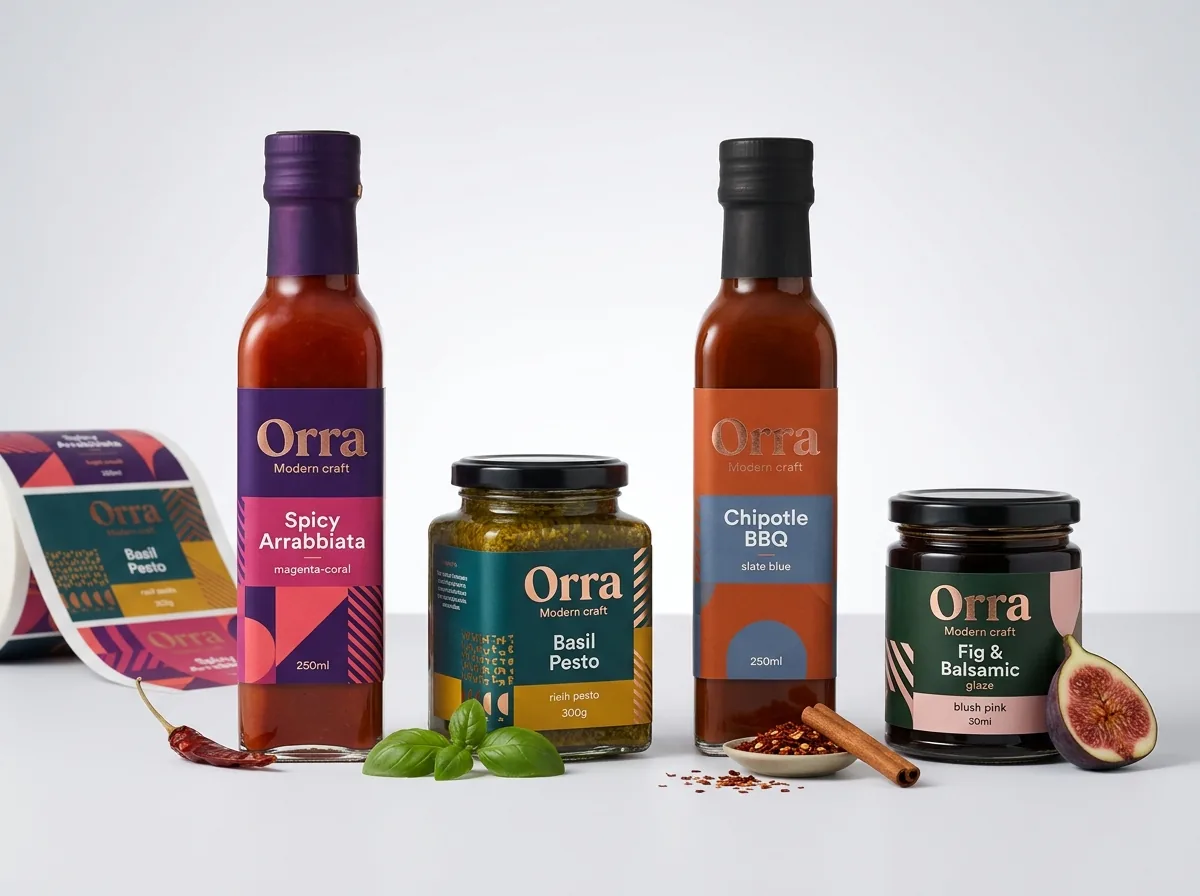
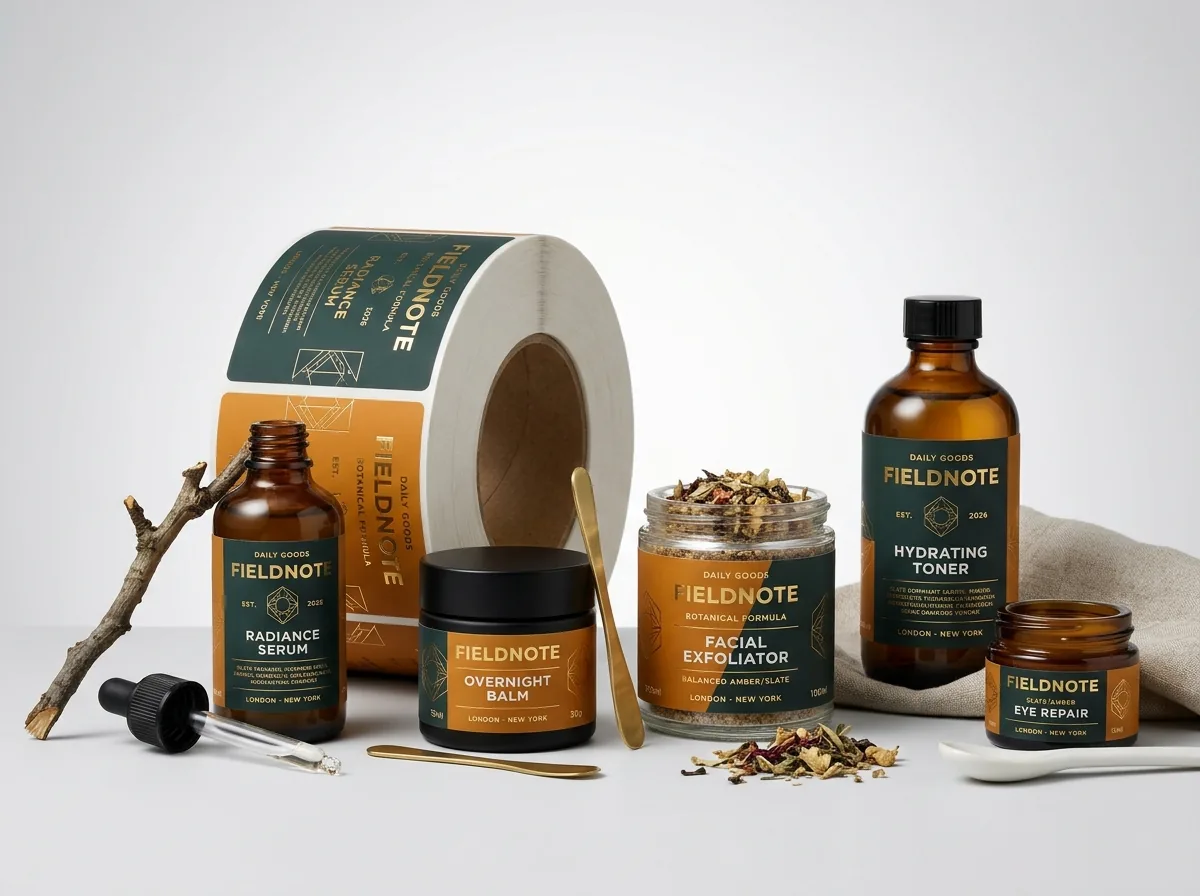
Ready to order food labels? Compare up to 3 quantities with a free 3D mockup.
Request a Quote →Questions about food labels
When is a paper food label a good choice?
Paper and kraft label stocks work well on dry-goods packaging that stays at room temperature and away from liquids, such as bakery boxes, cookie tins, dry spice jars, coffee bags, tea canisters and granola pouches. Adding a matte or gloss finish protects the print from scuffing.
What makes a food label resistant to water and cooking oil?
Water and oil resistance comes from combining a non-absorbent synthetic film, clear or foil face stock with a protective matte or gloss lamination over the ink. Oil and water bead up on the surface instead of soaking into paper fibers.
Why did my labels lift at the edges after going into the refrigerator?
Edge lifting in the cooler usually happens for one of two reasons: either the label was applied to a jar that already had microscopic condensation on the glass, or a stiff label was wrapped onto a curved bottle shoulder or a tight diameter under 1.5 inches.
Should I choose matte or gloss finish for grocery store food labels?
Matte finish gives food packaging a modern, natural shelf look and prevents bright overhead supermarket lights from glaring off small Nutrition Facts and ingredient text. Gloss finish gives a high-shine look that deepens rich colors on sauces, candies and beverages.
Do clear food labels work on dark sauces like soy sauce or cold brew?
Yes, as long as your artwork uses white ink or light colors backed by opaque white ink. Dark black or navy text printed on a clear label without a white backing will disappear against dark liquids, so our prepress team sets up the white layer on your proof.
Can I get a sample kit to compare matte, gloss, clear and foil finishes?
Yes. You can order the CubitPack sample kit for $50 to inspect our printing and finishes firsthand before placing your order, or request a paid printed sample of your own food label design that is credited toward your full order.
Still have a question? Ask a packaging specialist.
Request a Quote →Request your food labels quote
Tell us your size and quantities, and one dedicated account manager prepares pricing for each tier.
- Free design & AI-to-print studio + 3D mockup
- No die or plate charges · 4–5 day rush available
- Free shipping to all 50 states
- 10% off your first order
This comparison is based on CubitPack's decided finishes (Matte, Gloss, Foil stamping, Spot UV), clear and foil stocks, and standard commercial kitchen and cold-chain labeling practices. A packaging specialist checked every section. Spot something wrong? Tell us and we will fix it.
Sources
What changed
- October 22, 2026: First published.
- October 22, 2026: Updated specifications, terminology, and verified source links.
More guides
New packaging guides by email
Sizes, materials and design tips. Unsubscribe anytime.