
Two-piece rigid vs folding carton puzzle boxes: which suits your jigsaw puzzle?
Short answer: Choose a two-piece telescoping rigid box (from 50 units) for 500-piece and 1,000-piece adult puzzles and wooden puzzles so the lid stands upright on the table and lasts on shelves. Choose a folding carton or E-flute box (from 1,000 or 250 units) for mini favors and kids' custom puzzle boxes.
On this page
- How do two-piece rigid, magnetic book, E-flute and folding puzzle boxes compare
- Why are two-piece telescoping rigid boxes the gold standard for 500 and 1,000 piece puzzles
- When should you upgrade to a magnetic book-style or drawer puzzle box
- When do folding paperboard cartons and E-flute handle boxes make more sense
- How do I match my order quantity, warehouse space and retail channel to the right box
- Common mistakes
- FAQs
Request a custom quoteFree dieline & 3D mockup
The right puzzle box structure depends on how much your bagged pieces weigh, how players use the lid during assembly, and whether the box ships flat or set up. A 500-piece or 1,000-piece adult jigsaw puzzle weighs 1.1 to 1.8 pounds and gets opened, sorted inside the tray and stored on living room shelves for years. For those titles, a two-piece telescoping rigid box or magnetic book-style box made from 1.5 to 2.0 mm chipboard (gray board) wrapped in matte art paper is the standard choice, starting at just 50 units at CubitPack. By contrast, a 100-piece pocket impulse puzzle or museum favor weighs only 2 to 4 ounces and sells at checkout counters, making a flat-shipped folding paperboard tuck carton (from 1,000 units) far more economical. For heavy 48-piece toddler floor puzzles, an E-flute corrugated briefcase box with a carry handle bridges both worlds.
How do two-piece rigid, magnetic book, E-flute and folding puzzle boxes compare?
Unlike disposable food or cosmetic cartons, a puzzle box is part of the game hardware. Players prop the cover upright on the dining table for hours to study the artwork, use the open base tray to sort edge pieces, and slide the finished box onto a bookcase. Because each structure handles piece weight, tabletop propping and warehouse storage differently, matching the construction to your puzzle format is the first step when quoting custom printed puzzle boxes. Use the side-by-side comparison below to evaluate the four structures we produce most often for puzzle publishers, museum gift shops, wooden puzzle studios and children's toy brands.
| Structure & CubitPack minimum | Board construction & feel | Best puzzle formats |
|---|---|---|
| Two-piece telescoping rigid (from 50 boxes) | 1.5–2.0 mm chipboard (gray board) wrapped in matte, soft-touch or linen paper; ships set up | 500, 1,000 & 2,000 pc adult art jigsaws, collector sets |
| Magnetic book-style rigid (from 50 boxes) | Rigid spine-hinged shell with concealed flap magnets; shelves like a hardcover book | Bookshelf puzzle series, laser-cut wooden whimsy puzzles |
| E-flute briefcase / mailer (from 250–1,000 boxes) | Crush-resistant micro-flute corrugated with top rope handle or tuck tabs; ships flat | 36–60 pc jumbo toddler floor puzzles, DTC subscription puzzles |
| Folding paperboard carton (from 1,000 boxes) | Single-wall SBS white card or kraft board with slit-lock tuck flaps; ships flat | 100–250 pc pocket mini puzzles, party favors, greeting puzzles |
| Paperboard tube box (from 1,000 boxes) | Spiral-wound rigid cylinder with telescoping plug lid; stands upright on counters | Shaped, circular or panoramic gift puzzles, travel puzzles |
Why are two-piece telescoping rigid boxes the gold standard for 500 and 1,000 piece puzzles?
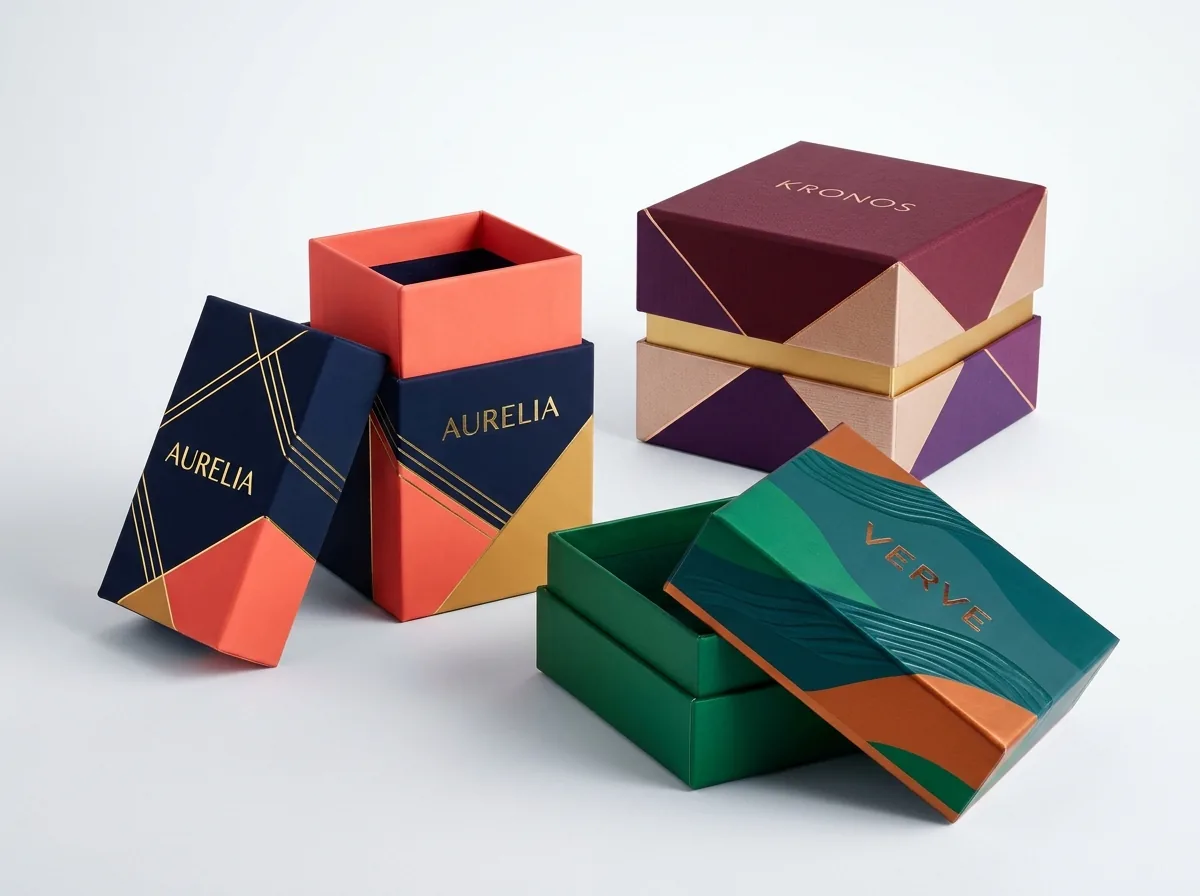
Walk into any independent bookstore or gift shop and nearly every 500-piece and 1,000-piece puzzle sits inside a custom two-piece rigid box. A two-piece rigid box consists of a separate base tray and a lift-off telescoping lid built over a solid 1.5 to 2.0 mm recycled chipboard (gray board) core, wrapped in printed matte or linen-embossed paper. Because the walls are four times stiffer than a folding carton, the flat cover will never bow outward or warp when propped at an angle against a water glass on the dining table. Just as important, two-piece telescoping boxes give two people two separate puzzle trays during assembly: one player can sort sky pieces inside the upturned lid while the other player sorts border pieces inside the base tray. And because CubitPack's rigid minimum starts at just 50 units, independent artists and museum shops can launch short-run collector puzzles without ordering 1,000 folding cartons.
- Zero wall bowing: 1.5 to 2.0 mm chipboard (gray board) stays dead flat under bookstore stacks and tabletop propping.
- Dual sorting trays: both the lift-off lid and the base tray hold loose puzzle pieces during assembly.
- Snug telescope friction: full-depth lids slide smoothly over the base and stay shut without rubber bands.
- Low 50-unit minimum: launch limited artist editions or test new illustrations with minimal inventory risk.
When should you upgrade to a magnetic book-style or drawer puzzle box?
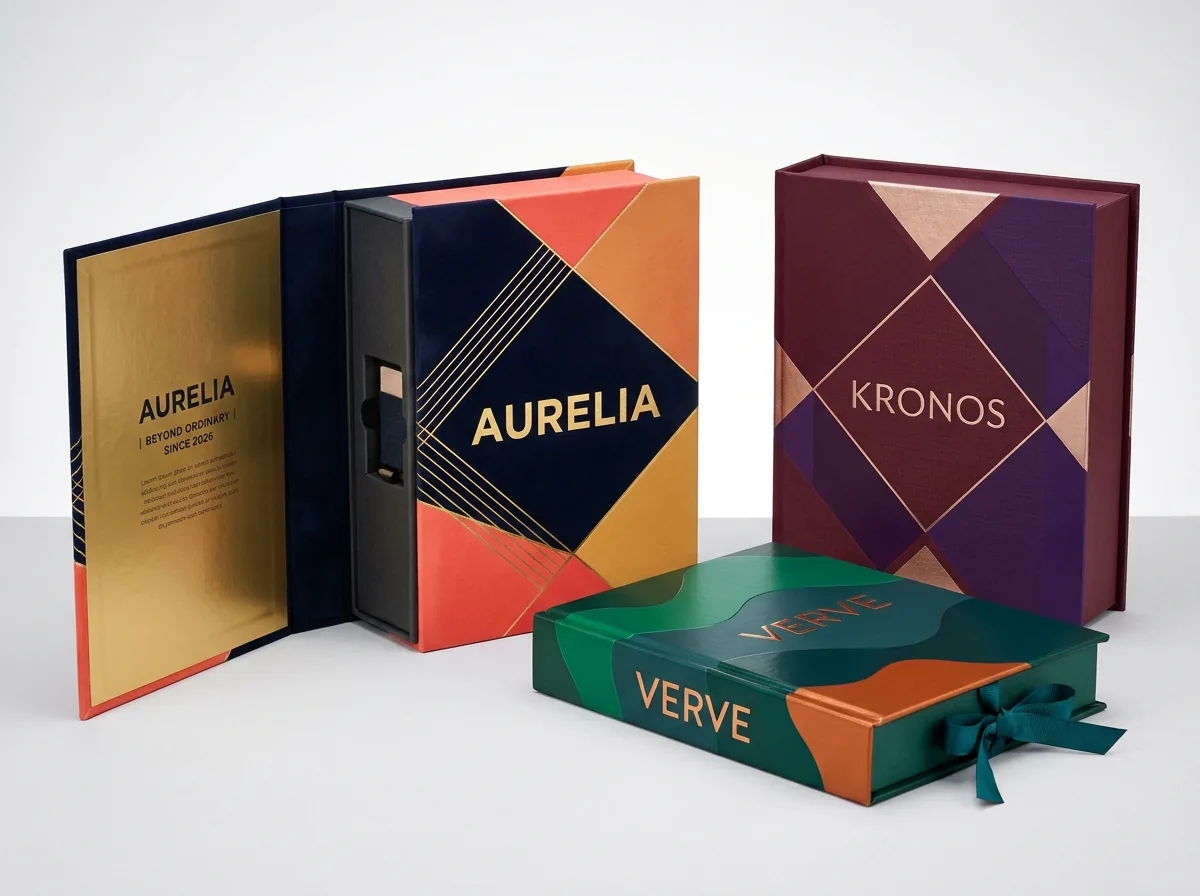
While a classic two-piece lift-off lid is ideal for tabletop sorting, some puzzle collectors store their favorite titles vertically on living room bookshelves alongside art monographs and board games. If a traditional two-piece lid is slightly loose, pulling the box off a vertical shelf by its spine can cause the base tray to slide out. A custom book style box solves that completely: the outer cover wraps around three sides like a hardcover book binding, and two concealed neodymium magnets snap the front flap shut against the side wall. For laser-cut 5 mm wooden whimsy puzzles, heirloom anniversary puzzles and corporate VIP gifts, a custom drawer box (also called a slide-out tray and sleeve rigid box) offers a different tactile reveal. Pulling a satin grosgrain ribbon tab slides the inner rigid tray out of its outer slipcase to reveal a cotton drawstring bag of wooden pieces, a wooden box-top stand, and an illustrated whimsy silhouette guide.
Know your size? Compare pricing across up to 3 quantities.
Request a Quote →When do folding paperboard cartons and E-flute handle boxes make more sense?
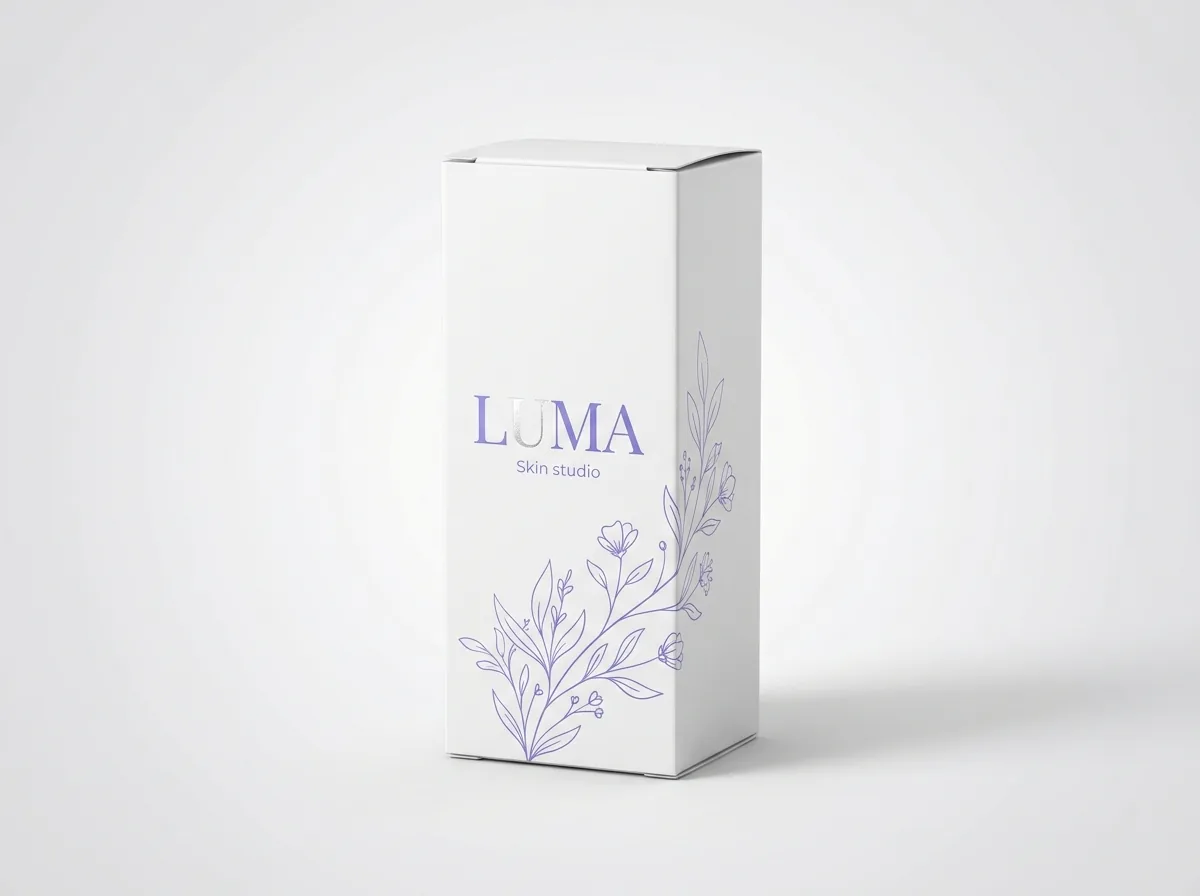
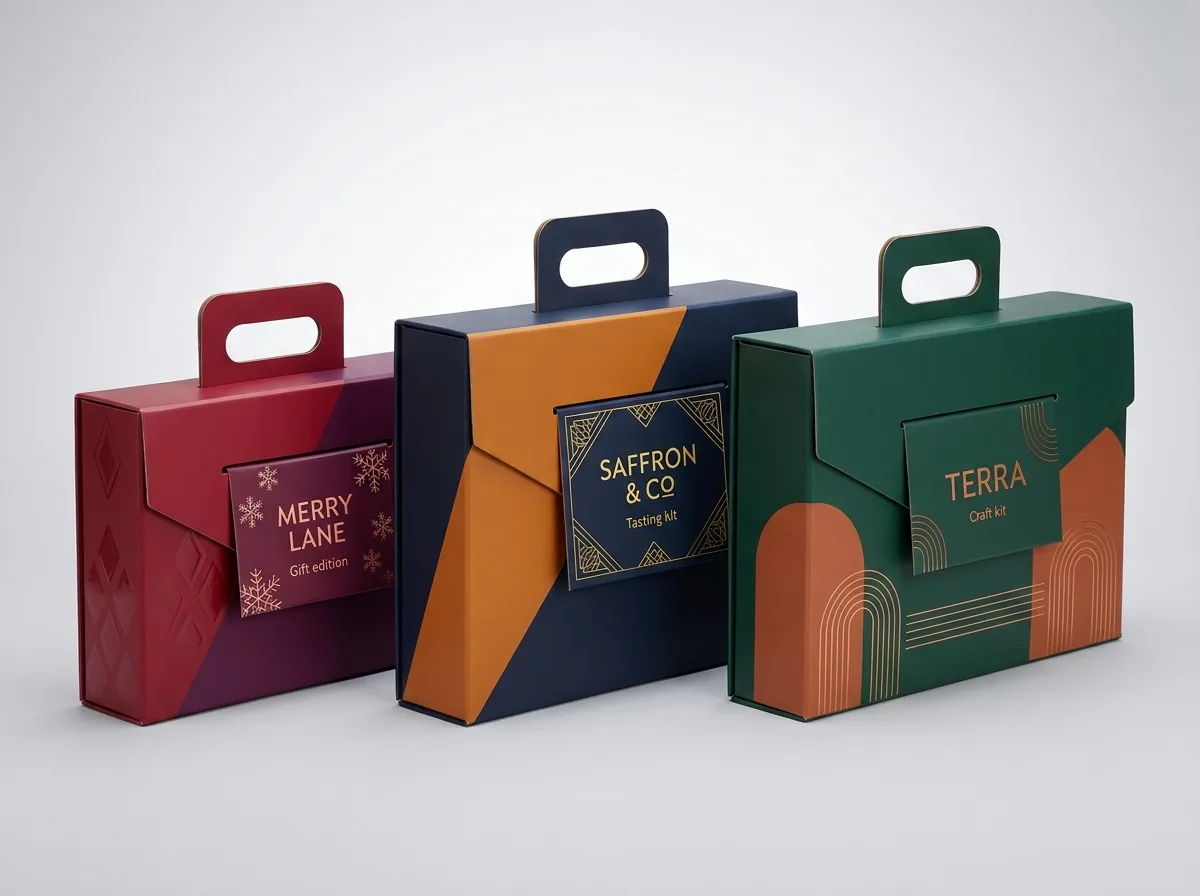
Two-piece rigid boxes ship fully set up, which means they take up more cubic space in transit and storage than flat-packed cartons. When your puzzle is small, lightweight or sold at high volume in impulse displays, a folding paperboard carton starting at 1,000 units is much faster to pack and lower in unit cost. A 100-piece or 150-piece pocket puzzle fits neatly inside a 4.0 × 3.0 × 1.5 inch straight tuck end box with slit-lock flaps that ship flat in master cases and pop open on your packing line. What if your puzzle is large and heavy, such as a 48-piece jumbo toddler floor puzzle made from 2.5 mm thick board, and needs to ship flat or include a carry handle? Standard single-wall paperboard will tear at the handle slot under 1.5 pounds of heavy floor tiles. Stepping up to E-flute micro-corrugated board in a custom briefcase box with a woven cotton rope or reinforced paperboard handle gives you flat shipping, high crush strength and a kid-friendly carry grip that survives years of classroom or playroom cleanups.
How do I match my order quantity, warehouse space and retail channel to the right box?
Start with your launch quantity and retail price point. If you are printing 50 to 500 units per title for an artist collection, museum shop, crowdfunding campaign or wooden puzzle brand, two-piece or magnetic rigid boxes are actually easier to order because they start at 50 units and require zero folding assembly when they arrive at your studio. If you are ordering 1,000 to 10,000 units of a pocket mini puzzle, advent puzzle set, wedding favor puzzle or children's activity puzzle, folding cartons and E-flute boxes store flat on a single pallet until fulfillment day. You can also mix formats across your catalog, using 8 × 8 × 2.5 inch two-piece rigid boxes for your flagship 1,000-piece titles and 4 × 3 × 1.5 inch tuck cartons for matching 100-piece impulse mini puzzles. Because CubitPack charges zero die or plate fees, testing both formats across your product line adds no tooling overhead.
- 50 to 500 units per title: pick two-piece telescoping or magnetic book-style rigid boxes (minimum 50).
- 250 to 1,000 units for DTC shipping or floor puzzles: pick E-flute corrugated mailers or handle boxes.
- 1,000+ units for pocket mini puzzles or favors: pick folding paperboard tuck cartons or round tubes that ship flat in master cases.
- Unsure how the boards feel? Order our $50 sample kit (credited toward your first order) to compare rigid chipboard (gray board), E-flute corrugated and folding card side by side in your studio.
What are the most common mistakes when choosing a puzzle box structure?
Most structural regrets come from picking a box style before testing how heavy the pieces are or how customers store the box. Avoid these five mistakes
- Packing 1.5 pounds of 1,000-piece puzzle blueboard into a thin single-wall folding tuck carton whose side walls bow outward on the shelf.
- Putting loose mini puzzle pieces directly into an unglued tuck-end carton without an inner pouch, allowing pieces to escape past the dust flaps.
- Using a shallow half-telescope lid on a vertical bookshelf puzzle box so the lid pops off when pulled from the shelf.
- Choosing thin folding card instead of E-flute corrugated board for a heavy toddler floor puzzle with a top carry handle.
- Ordering set-up rigid boxes in oversized dimensions without checking pallet storage space (use an 8 × 8 in compact rigid cube instead).
Find your size
Suggested inside size: 4.0 × 3.0 × 1.5 in
A starting point. Your account manager confirms the size with you before the proof.
Quote this size →Packaging for this
Ready to order puzzle boxes? Compare up to 3 quantities with a free 3D mockup.
Request a Quote →Questions about puzzle boxes
Why do adult 1,000-piece puzzles almost always use two-piece rigid boxes?
A 1,000-piece puzzle weighs around 1.2 to 1.8 pounds and gets opened and closed dozens of times. Two-piece rigid chipboard (gray board) boxes stay flat when propped up as a tabletop reference guide, provide two open trays for sorting pieces, and start at just 50 units.
Can I use a folding carton or E-flute box for a 500-piece or 1,000-piece puzzle?
Yes, if you want the boxes to ship flat. For 500-piece or 1,000-piece puzzles that need flat storage, we recommend an E-flute micro-corrugated roll-end tuck box or mailer rather than thin single-wall paperboard so the walls resist crushing.
What is the minimum order quantity for rigid vs folding carton puzzle boxes?
Two-piece telescoping rigid boxes, magnetic book-style boxes and rigid drawer boxes start at 50 units. E-flute corrugated mailer boxes start at 250 units, and folding paperboard cartons or round tubes start at 1,000 units.
How do you keep a two-piece puzzle box sealed at retail without plastic shrink wrap?
Many modern puzzle brands replace full-box polyolefin shrink wrap with two clear or custom-printed circular wafer seal stickers applied across the left and right edges of the telescoping lid, paired with a resealable inner piece bag.
What box structure is best for laser-cut wooden jigsaw puzzles?
Laser-cut 4 mm and 5 mm wooden puzzles pair best with magnetic book-style rigid boxes, ribbon-pull rigid drawer boxes, or deep two-piece rigid boxes wrapped in linen or soft-touch paper with gold foil stamping.
Can I compare both a rigid box and a folding carton on the same quote?
Yes. Tell your account manager in the quote notes if you want to compare a 50-unit or 250-unit two-piece rigid box against a 1,000-unit folding carton or E-flute box, and we will quote both structures in 5-7 minutes.
Still have a question? Ask a packaging specialist.
Request a Quote →Request your puzzle boxes quote
Tell us your size and quantities, and one dedicated account manager prepares pricing for each tier.
- Free design & AI-to-print studio + 3D mockup
- No die or plate charges · 4–5 day rush available
- Free shipping to all 50 states
- 10% off your first order
This comparison draws on CubitPack's decided minimums (50 rigid boxes, 250 mailers, 1,000 folding cartons) from our published product specifications and standard chipboard (gray board), E-flute and SBS paperboard structural guidelines. A packaging specialist reviewed every section. Spot an error? Tell us and we will fix it.
Sources
What changed
- October 22, 2026: First published.
- October 22, 2026: Updated specifications, terminology, and verified source links.
More guides
New packaging guides by email
Sizes, materials and design tips. Unsubscribe anytime.