
How do I design collector book boxes and subscription kits?
Short answer: Match your box finish to your dust jacket using soft-touch or matte lamination with metallic foil stamping, print maps or quotes inside the lid, and separate heavy hardcovers from merch with a cardboard divider. CubitPack builds custom book boxes from 1,000 units with free design help.
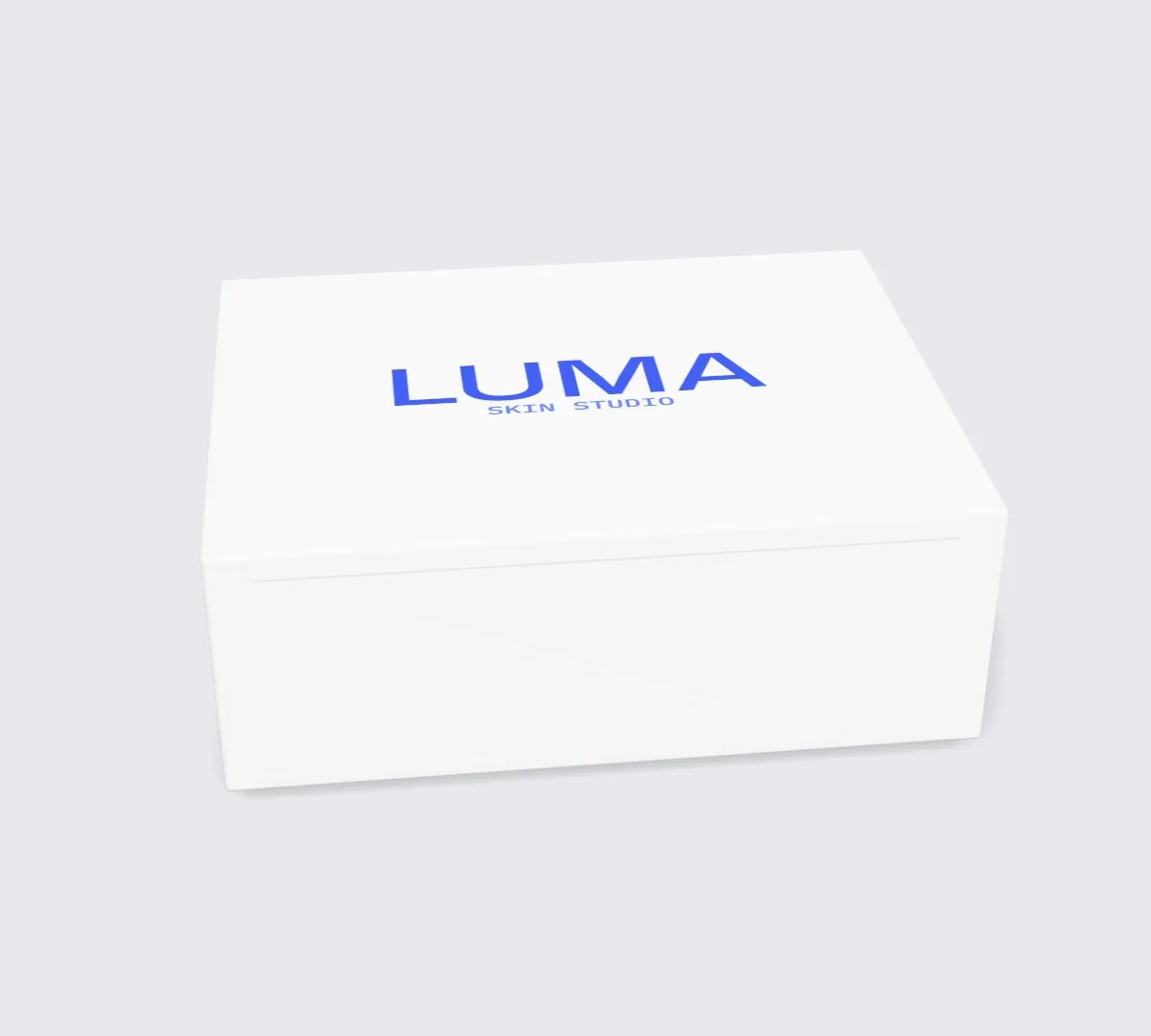
On this page
- Which finishes and printing upgrades work best on custom book boxes
- How do you lay out artwork for trilogy slipcases and spine murals
- How do book clubs design inside-printed mailers for a theater unboxing
- How do you organize bookmarks, pins and candles without denting the book
- What drives the price of collector book boxes and how can we keep cost down
- What should I check on the 2D dieline proof and 3D mockup before printing
- Common mistakes
- FAQs
Request a custom quoteFree dieline & 3D mockup
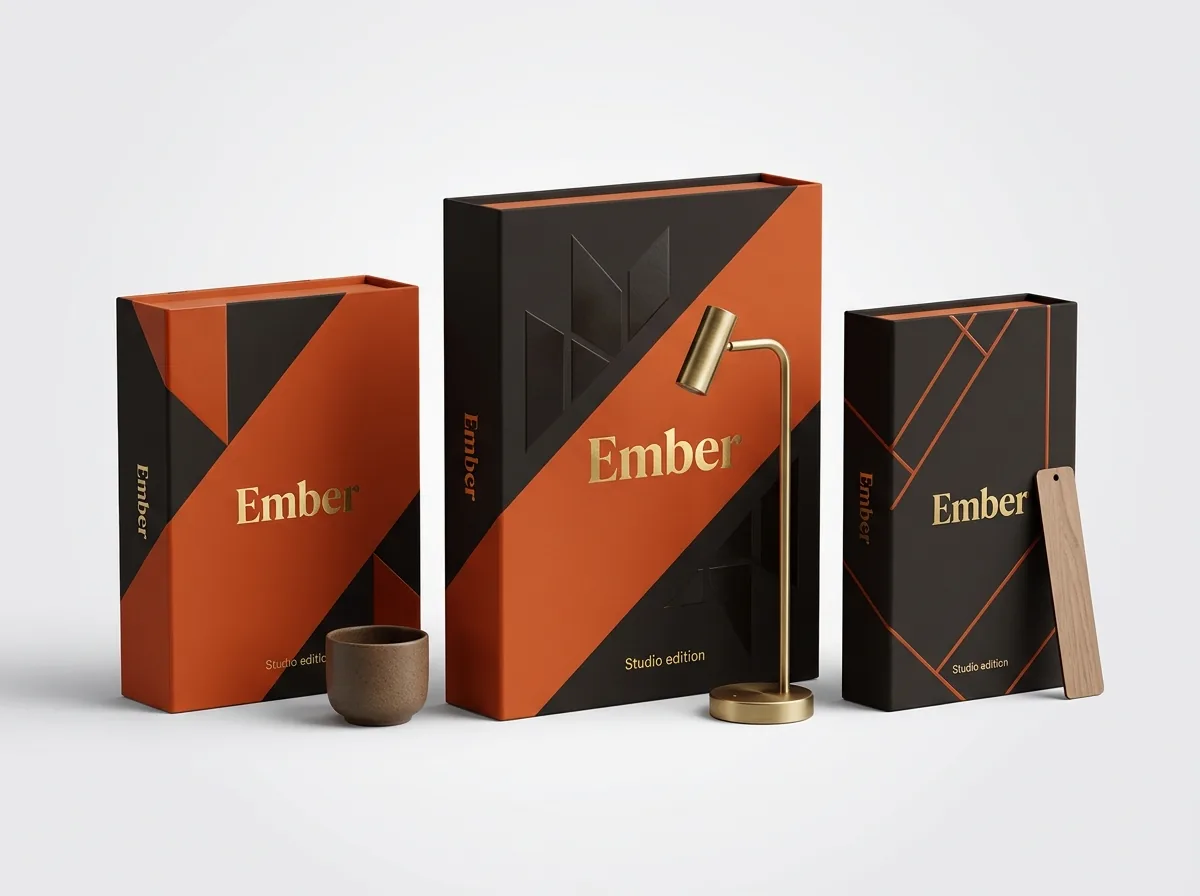
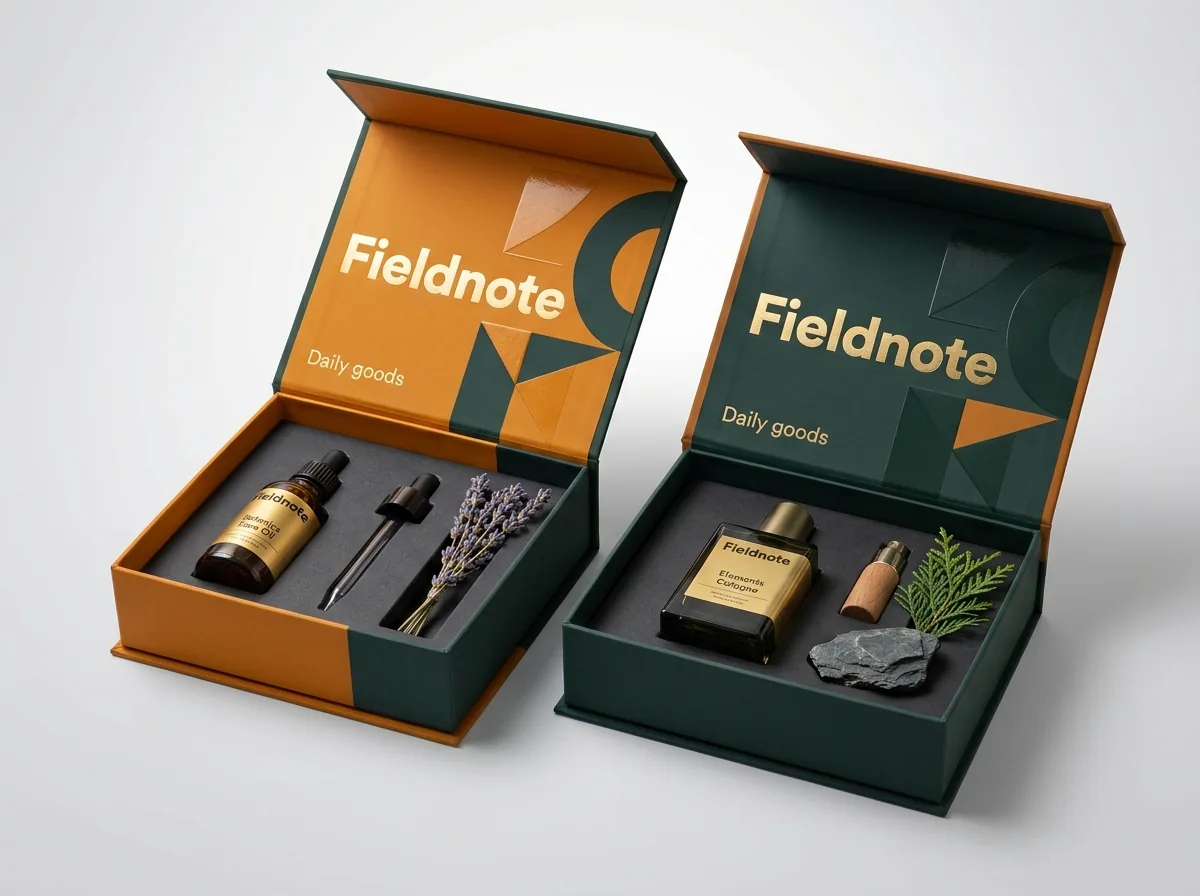
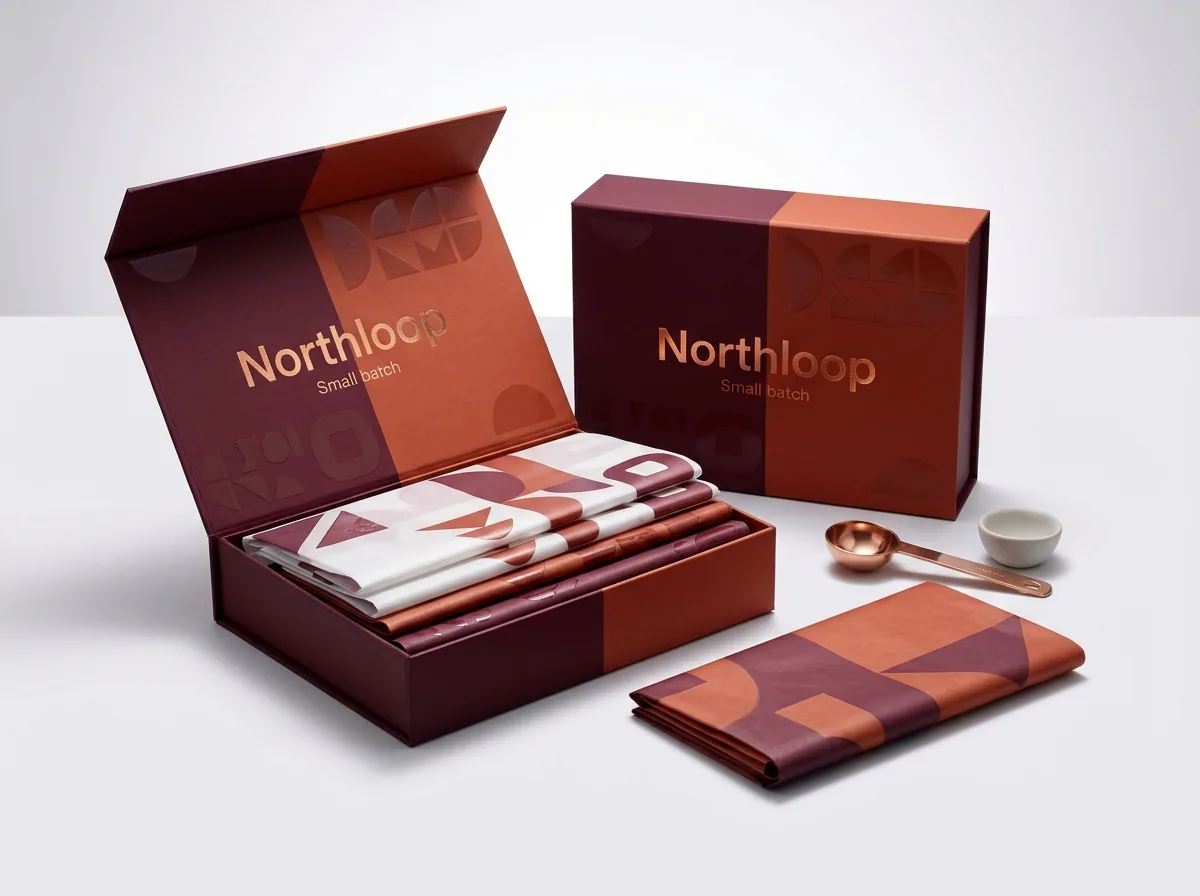
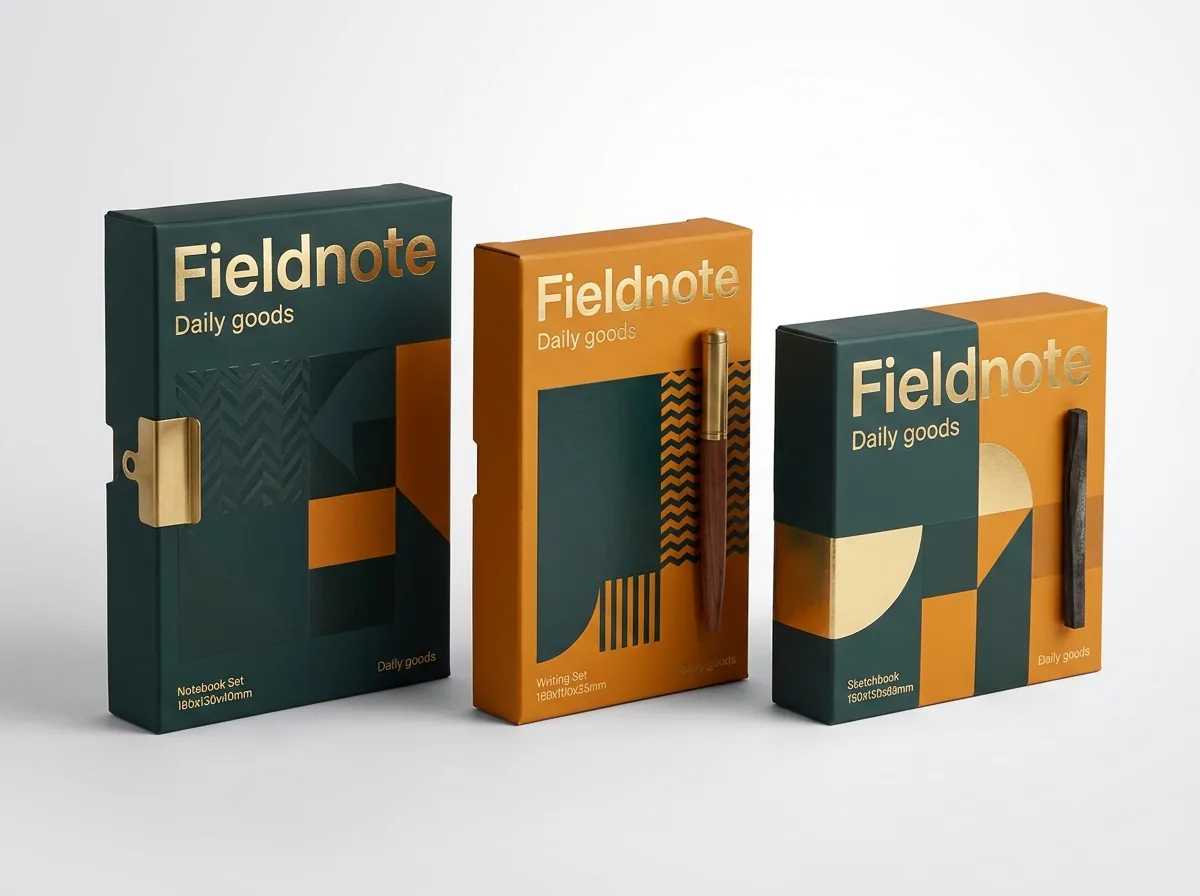
Designing a collector book box or a monthly book subscription kit means treating the packaging as an extension of the edition's cover art and world-building. On a trilogy slipcase or rigid keepsake box, start by pairing soft-touch or matte film lamination with hot foil stamping, blind embossing or spot UV so the outer housing feels just like a fine hardcover dust jacket, and lamination prevents dark inks from cracking along the fold scores. On a corrugated monthly book club mailer, keep the outer panels clean enough to survive postal sorting, then put your full-color character art, fantasy map, reading guide QR code and foil accents on the inside of the lid. Finally, engineer a fitted paperboard or foam insert that locks the heavy book in its own compartment so enamel pins, mugs or candles never dent the dust jacket.
Which finishes and printing upgrades work best on custom book boxes?
Readers judge a special edition or monthly book box the moment their fingers touch the cover. Because book buyers are already accustomed to foil-stamped cloth bindings, embossed titles and velvety dust jackets, carrying those exact finishes onto your custom printed book boxes makes the box feel like part of the library collection rather than disposable shipping material. Use the table below to pair your genre, artwork style and fulfillment channel with the right combination of board stock, protective lamination and decorative press finishes.
| Finish or upgrade | Visual & tactile effect | Best book packaging application |
|---|---|---|
| Soft-touch lamination | Velvety, petal-soft matte surface that resists fingerprints | Dark fantasy slipcases, romance deluxe sets, collector boxes |
| Hot foil stamping (gold, silver, copper) | Crisp metallic reflection sunken slightly into the board | Spine titles, author signatures, crest emblems, corner filigree |
| Blind or registered embossing | Raised 3D lettering or crest you can feel with your thumb | Hardcover trilogy slipcases and magnetic book-style cases |
| Spot UV over matte film | High-gloss shine highlighting specific symbols or titles | Thriller, sci-fi and graphic novel box sets |
| Inside-lid CMYK or Pantone print | Hidden artwork revealed when the reader opens the box | Monthly book club mailers and author preorder bundles |
| White ink on natural kraft | High-contrast opaque line art on unbleached brown board | Indie press releases, literary fiction and folklore editions |
How do you lay out artwork for trilogy slipcases and spine murals?
An open-spine slipcase gives you five connected canvas panels: the left and right main side walls (which act like front and back covers), the top head panel, the bottom tail panel, and the rear closed spine panel. When laying out your vector dieline, extend all background colors and illustrations 1/8 inch past the outer cut lines for bleed, and keep titles, barcodes and author names at least 1/8 inch inside every fold score. If your three book spines form a continuous wrap-around mural across the open face of the slipcase, leave a 1/16 inch visual buffer where the left and right slipcase walls wrap around the front edges. If you add half-moon thumb notches on the side panels so readers can grip the middle book, check the 3D mockup to be sure the notch cutout does not clip a character's face or a line of typography. Our prepress team sets up your free custom dielines and checks every fold transition before printing.
How do book clubs design inside-printed mailers for a theater unboxing?
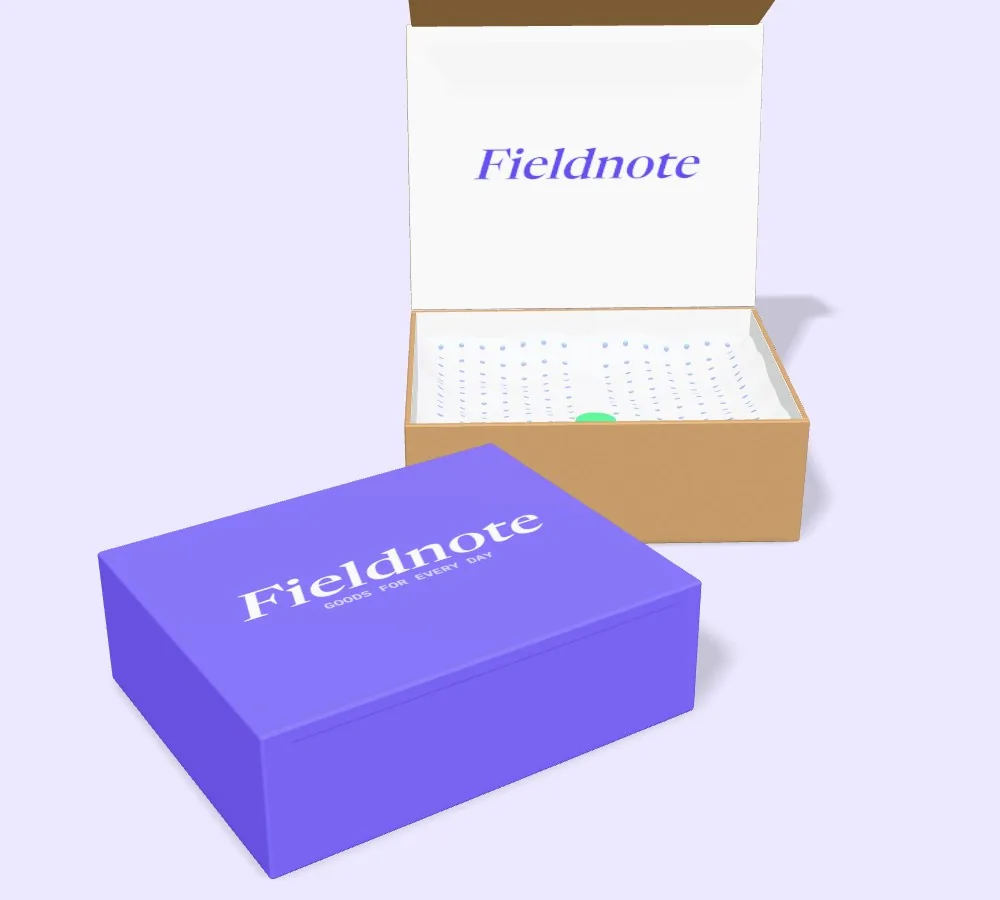
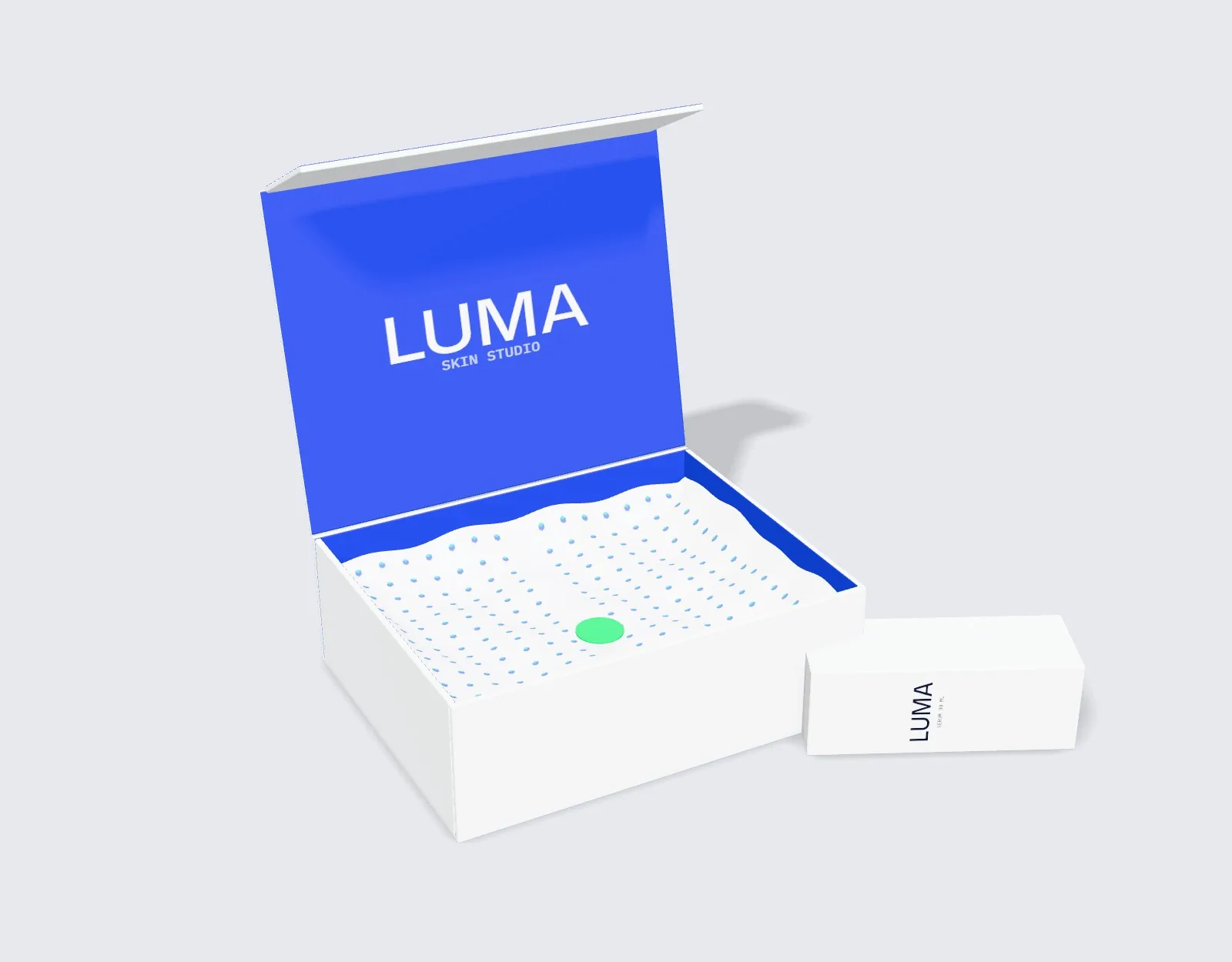
Monthly book subscription boxes live and die by the unboxing moment shared on social video. The smartest structural trick for a corrugated custom mailer box is contrasting the exterior with the interior. On the outside, postal scanners, conveyor belts and rain call for a clean, durable layout where the 4 × 6 inch shipping label has a dedicated corner rectangle that will not cover your logo. When the subscriber lifts the front tuck flap, the inside lid becomes your stage. Printing a full-coverage fantasy map, an excerpt in metallic ink, or a custom border with a QR code linking to an author Q&A turns the lid into a display backdrop. Pair that inside print with a sheet of custom-printed custom tissue paper sealed by a crest sticker so the cover of the book stays hidden until the final unwrap.
- Reserve a 4.25 × 6.25 in clear zone on the outer top or bottom panel for the postal shipping label.
- Place your main illustration, reading guide note or playlist QR code centered on the inside of the top lid.
- Use a satin ribbon pull or thumb notch under the book so subscribers can lift a snug hardcover without tilting the box.
- Match your tissue paper and seal sticker Pantone colors to the book's sprayed edges or endpapers.
Know your size? Compare pricing across up to 3 quantities.
Request a Quote →How do you organize bookmarks, pins and candles without denting the book?
A royal hardcover novel weighs between 1.2 and 2.2 pounds. If you drop that heavy volume into an open mailer alongside an enamel pin, a tin of loose-leaf tea, a ceramic mug or a glass candle jar, the first postal drop will drive the metal or glass straight into the dust jacket. Stuffing the box with loose crinkle paper rarely stops a two-pound book from shifting during cross-country transit. Instead, build a partitioned custom box insert that gives the book its own walled cradle and locks the accessories into separate cells on the side or underneath. A folded paperboard or E-flute corrugated divider costs far less than replacing dented collector hardcovers, and it presents every item face-up the moment the reader opens the box.
What drives the price of collector book boxes and how can we keep cost down?
Four factors drive the unit price of custom book packaging: board caliper and grade (folding carton vs E-flute mailer vs wrapped rigid chipboard), total flat sheet area, order quantity, and the number of special press passes such as hot foil stamping or embossing. Ordering 2,500 or 5,000 units drops the per-box cost substantially compared with a 1,000-unit minimum because press makeready is spread across more pieces. If you are publishing a multi-volume series or running a quarterly subscription club on a tight budget, ask our design team to size one master box dieline that fits all three volumes or quarters, then split your print run across multiple artwork versions. You can also bring your own cover files, ask for free design help, or use our print your AI design service where our prepress team converts AI-generated concept art into 300 DPI vector-ready print files at no extra charge.
- Standardize one dieline across multiple titles or monthly releases so you can combine volume for a lower unit cost.
- Use a single metallic foil color over natural kraft or solid Pantone board for a high-contrast collector look without four-color plates.
- Print your seasonal or monthly theme on a removable paperboard belly band or sleeve while keeping the base mailer identical year-round.
- Order a $50 sample kit or a custom physical prototype (credited toward your full order) to check foil shine and insert fit in person.
What should I check on the 2D dieline proof and 3D mockup before printing?
Before your order goes to press, CubitPack sends you a flat 2D dieline proof and an interactive 3D mockup at zero cost. Take five minutes to spin the 3D model and verify how every panel meets at the corners. Check that spine lettering reads in the same top-to-bottom direction as your bound book, confirm that barcodes sit on a flat white rectangle at least 1/4 inch away from fold scores, and verify that inside-lid illustrations appear right-side up when the front flap hinges open.
What are the most common book box design and artwork mistakes?
A great cover illustration can still fall flat if the box structure and prepress setup are not built for books. Watch out for these five design pitfalls
- Printing dark navy, black or burgundy ink across fold scores without matte or soft-touch film lamination, which causes white fiber cracking along the edges.
- Placing title lettering or character faces right across the open-edge thumb notches or tuck-flap ear locks on the dieline.
- Forgetting to leave a clean 4 × 6 inch zone for the postal label on a monthly book club mailer, forcing fulfillment staff to stick the label over your logo.
- Packing heavy hardcovers next to metal pins or glass jars with only loose tissue or crinkle paper instead of a rigid cardboard divider wall.
- Submitting RGB screen files or low-resolution raster text for foil stamping instead of a clean 100% vector spot layer.
Find your size
Suggested inside size: 5.75 × 8.75 × 1 in
A starting point. Your account manager confirms the size with you before the proof.
Quote this size →Packaging for this
Ready to order book boxes? Compare up to 3 quantities with a free 3D mockup.
Request a Quote →Questions about book boxes
What file format do I need for foil stamping and spot UV on a book box?
Supply a vector PDF, AI or EPS file with your foil stamping, embossing or spot UV areas on a separate named layer in 100% solid black vector paths. If you only have your book cover artwork or an AI image, our free design team will build the vector foil masks for you.
Can you match the exact Pantone color and finish of my hardcover dust jacket?
Yes. Give us the Pantone (PMS) color numbers from your book cover file and tell us whether your dust jacket uses matte, gloss or soft-touch lamination. We guarantee an exact Pantone match and apply the same film lamination so the box and book match.
Does printing inside a book subscription mailer add plate charges?
No. CubitPack never charges plate fees or die fees, even when you print full-color artwork on both the outside and inside of your book boxes. Inside printing is priced purely by the ink coverage and two-sided press pass.
How do I keep a snug book from getting stuck inside a two-piece collector box?
We add either half-moon thumb notches along the sides of the lid and base or a satin grosgrain ribbon pull anchored under the book cradle. Pulling the ribbon lifts the hardcover smoothly out of the recessed cavity without pinching the dust jacket.
Can I split a 1,000-box order across different book titles in a series?
Yes. If several books in your series share the exact same inside box dimensions and dieline, you can select 2 designs or 3+ designs on our quote form to split the production run across multiple cover prints while keeping the volume price break.
Do I see how my foil and inside print look before paying for the order?
Yes. Every order includes a free 2D dieline proof and an interactive 3D mockup showing your exterior print, inside lid layout and foil placement before you pay a cent. You can also request a physical printed sample credited to your order.
Still have a question? Ask a packaging specialist.
Request a Quote →Request your book boxes quote
Tell us your size and quantities, and one dedicated account manager prepares pricing for each tier.
- Free design & AI-to-print studio + 3D mockup
- No die or plate charges · 4–5 day rush available
- Free shipping to all 50 states
- 10% off your first order
This design guide combines CubitPack prepress specifications with standard book-packaging finish and divider rules, reviewed by a packaging specialist. Spot something that needs updating? Tell us and we will fix it.
Sources
What changed
- October 22, 2026: First published.
- October 22, 2026: Updated specifications, terminology, and verified source links.
More guides
New packaging guides by email
Sizes, materials and design tips. Unsubscribe anytime.