
Book slipcase vs mailer box: which suits your edition?
Short answer: Choose an open-spine slipcase when your books sit on bookstore or home library shelves and you want aligned spines visible. Choose a corrugated mailer box when shipping custom book boxes directly to readers or subscription club members so fluted walls protect the four corners.
On this page
- How do book slipcases, folding cartons, mailers and rigid boxes compare
- When is an open-spine slipcase the right choice for a book set
- When should you choose a corrugated mailer box instead
- Where do tuck-end cartons and auto-lock bottom boxes fit in
- When should you step up to a hinged book-style or two-piece rigid box
- How do I pick the right book box for my budget and order quantity
- Common mistakes
- FAQs
Request a custom quoteFree dieline & 3D mockup
Open-spine slipcases and corrugated book mailers solve two different stages of a book's life. A five-sided slipcase acts as a permanent bookcase housing that binds a trilogy or deluxe hardcover into a single collectible unit while leaving the book spines exposed for reading and shelf browsing. Because one side is open and the walls are made to sit flush with the book edges, a slipcase is not a standalone postal shipping container. A corrugated book mailer box encloses all six sides of the edition inside crush-resistant E-flute or B-flute walls with double-layered roll-end edges that absorb parcel sorting drops. Publishers selling through retail bookstores usually pick folding paperboard or rigid slipcases, while book subscription clubs, indie authors and crowdfunding campaigns use printed mailers or pack a finished slipcase inside a fitted outer mailer. Every CubitPack style is custom cut with free design help and no die charges.
How do book slipcases, folding cartons, mailers and rigid boxes compare?
Every book format places different demands on its box. A single trade paperback needs light scuff protection on a retail rack, a three-volume fantasy series needs an upright sleeve that keeps the set together on a shelf, and a monthly book club bundle needs a postal container that survives cross-country conveyor chutes. Use the comparison table below to match your sales channel and binding type to the right structure among our printed book packaging. Pay close attention to two columns: spine visibility and parcel drop protection. Structures that leave the book spines open for retail browsing cannot go into the mail stream unboxed, whereas six-sided corrugated mailers can take a shipping label directly on the outer lid while saving your full-color artwork for the inside reveal.
| Packaging structure | Best sales channel & use | Corner drop protection & MOQ |
|---|---|---|
| Paperboard slipcase (5-panel sleeve) | Bookstore paperback trilogies, boxed series | Shelf & shrink-wrap guard · From 1,000 |
| Rigid chipboard (gray board) slipcase | Deluxe hardcover sets, permanent library housing | High crush strength (needs shipper) · From 50 |
| Straight tuck or auto-lock carton | Single workbooks, flashcard books, retail kits | Light retail shelf protection · From 1,000 |
| E-flute corrugated mailer box | Monthly book clubs, direct-to-reader preorders | Built for USPS / UPS parcel drops · From 250-1,000 |
| Hinged magnetic book-style box | Crowdfunded collector editions, signed keepsakes | Heavy rigid walls (ship in outer carton) · From 50 |
When is an open-spine slipcase the right choice for a book set?
An open-spine slipcase is built to live on the reader's bookshelf forever rather than heading to the recycling bin after unboxing. Five solid walls wrap the top, bottom, fore-edge and both outer covers of the book stack, leaving only the vertical spine face open. That open face lets bookstores display a continuous three-book spine illustration while keeping shoppers from buying Volume 2 without Volumes 1 and 3. You can build a slipcase from two board families depending on weight and budget. Folding paperboard slipcases (18 pt to 24 pt card) ship flat to your bindery, fold up quickly around paperback trilogies and start at 1,000 units. Wrapped rigid slipcases use thick non-bending chipboard wrapped in printed, laminated and foil-stamped paper to hold heavy hardcover trilogies without bowing. For open-ended paperboard styles, see our custom sleeve boxes page.
When should you choose a corrugated mailer box instead?
Whenever your books travel individually through USPS Media Mail, UPS or FedEx to online buyers, a corrugated custom mailer box is the workhorse choice. Unlike a flat padded envelope that lets heavy hardcover corners take the full force of a chute drop, a roll-end tuck-front mailer folds double and triple thicknesses of fluted corrugated board along the left and right walls. Those side walls act like shock absorbers around the book's perimeter. Mailer boxes also shine for monthly book subscription clubs and author launch bundles that pair a book with bookmarks, enamel pins, candles or tea tins. By printing your brand story or a chapter map on the inside of the hinged lid and adding a partitioned custom box insert, you turn a protective postal carton into a theater-style unboxing without paying for a second outer shipping box.
- E-flute corrugated (~1/16 in thick): crisp printing and clean folds for single hardcovers and subscription kits.
- B-flute corrugated (~1/8 in thick): extra cushioning for heavy multi-volume sets, art books and omnibus editions.
- Roll-end ear locks: front locking tabs keep the lid shut in postal sorting without needing plastic tape across the front.
- Inside-lid printing: keeps the exterior discreet in the mail while giving readers a colorful reveal when opened.
Know your size? Compare pricing across up to 3 quantities.
Request a Quote →Where do tuck-end cartons and auto-lock bottom boxes fit in?
Not every book needs an open spine or a heavy postal mailer. Educational publishers, children's board-book imprints and tarot or flashcard book creators often sell enclosed retail sets on store shelves or through fulfillment warehouses that already pack orders into master shipping cartons. For a single light paperback, journal or workbook, a custom straight tuck end box gives you six printable panels, a clean spine for barcode and ISBN placement, and flat-shipped storage. Once a book set crosses two pounds, standard bottom tuck flaps can bow open when a customer lifts the carton off a shelf. Switching to a pre-glued custom auto lock bottom box solves that problem: the crash-lock base snaps flat in one second on the packing table and holds dense multi-book curriculum kits or cookbook pairs securely. You can even add a clear film window on the front panel of an auto-lock carton so retail shoppers can read the book cover while keeping dust and fingerprints off the pages.
When should you step up to a hinged book-style or two-piece rigid box?
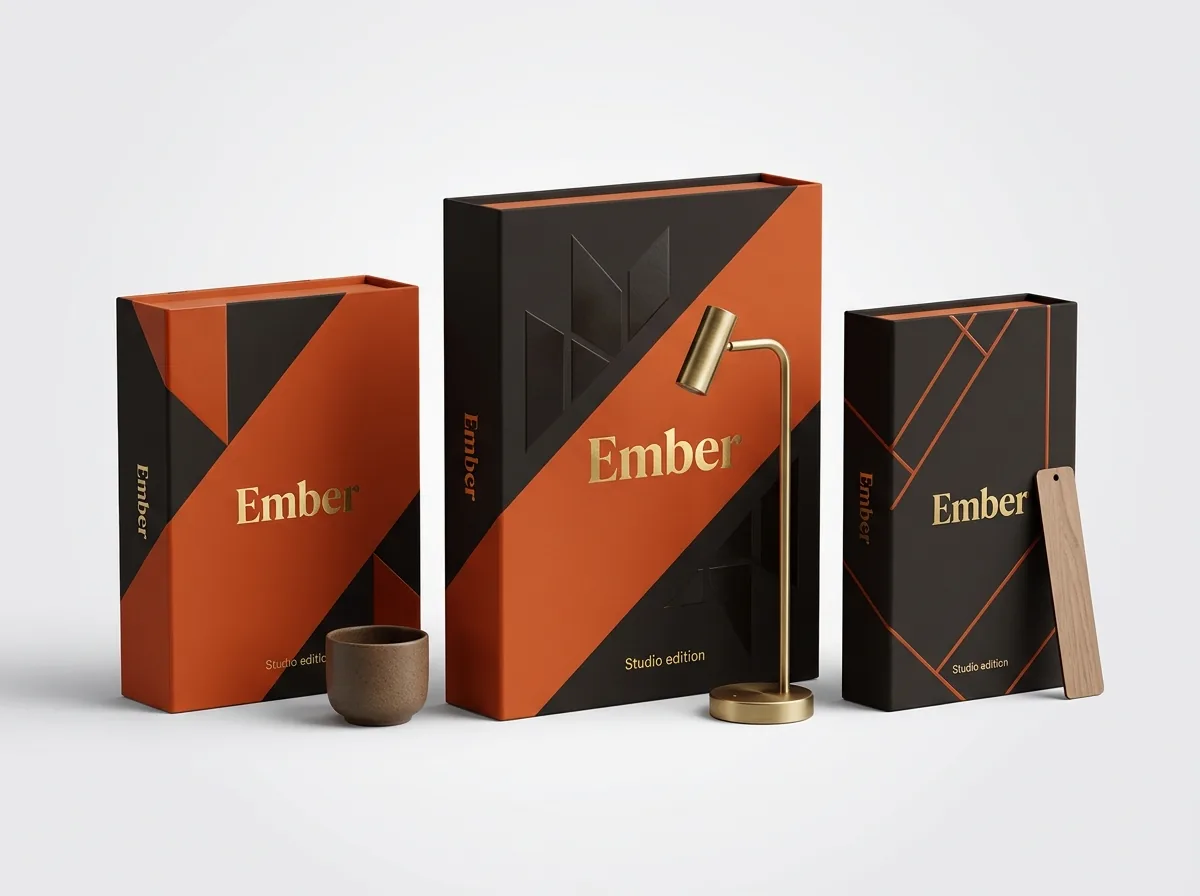
For signed anniversary releases, Kickstarter deluxe tiers and corporate commemorative books, the package itself is part of the keepsake. A custom book style box mimics an oversized hardcover tome: the outer spine hinges open like a front cover and snaps shut with concealed magnets along the fore-edge. Inside, a die-cut EVA foam or paperboard frame cradles the novel alongside numbered certificates, challenge coins or bookmarks. Two-piece telescoping boxes offer a similar presentation with a lift-off lid that slowly reveals the edition inside. Because rigid boxes are built over dense chipboard and cannot be shipped bare through parcel carriers without scuffing, always budget for an outer corrugated shipper sleeve when mailing collector editions directly to backers. Adding soft-touch lamination and metallic foil stamping on the rigid wrap paper gives the outer housing the exact same tactile feel as a fine cloth-bound hardcover.
- Hinged magnetic book-style box: opens like a front cover, ideal for signed collector hardcovers and RPG core books.
- Two-piece lift-off lid box: vertical unboxing reveal that works well for oversized art monographs and photo books.
- Rigid open-spine slipcase: built over thick chipboard (gray board) so three or four heavy hardcovers never bow the walls.
- Outer corrugated shipper: pair every rigid edition with a snug E-flute or B-flute outer carton for parcel transit.
How do I pick the right book box for my budget and order quantity?
Your production run size and fulfillment workflow narrow the choice quickly. If you are printing 1,000 or more paperback trilogies for retail bookstores or warehouse distribution, a folding paperboard slipcase or auto-lock bottom carton gives you the lowest unit cost and ships flat to your bindery. If you run a monthly subscription club or ship single books directly from your studio, an E-flute corrugated mailer starting at 250 to 1,000 units saves you from buying separate shipping cartons and void fill. For limited runs of 50 to 500 collector hardcovers, a wrapped rigid slipcase or magnetic book-style box delivers heirloom weight without requiring a four-figure minimum. Not sure which board weight your book stack needs? Enter your book dimensions on our quote form, compare up to three quantities side by side, and let our design team recommends the exact structure before you pay.
What are the most common mistakes when choosing a book box style?
Picking the wrong structure for your fulfillment workflow either leads to transit damage or forces your packing team to double-box every order. Avoid these five traps
- Slapping a postal shipping label directly onto an open-spine slipcase or foil-stamped rigid box without an outer corrugated mailer.
- Using a standard bottom-tuck folding carton for a four-pound hardcover trilogy instead of an auto-lock bottom or rigid slipcase.
- Forgetting thumb notches or a ribbon pull on a snug two-piece or slipcase box, leaving readers unable to lift the book out.
- Ordering a tall mailer box for a single book without an insert, which lets the heavy volume slam against the walls during transit.
- Skipping lamination on a dark-printed slipcase that gets pulled off and pushed back onto a bookshelf hundreds of times.
Find your size
Suggested inside size: 5.75 × 8.75 × 1 in
A starting point. Your account manager confirms the size with you before the proof.
Quote this size →Packaging for this
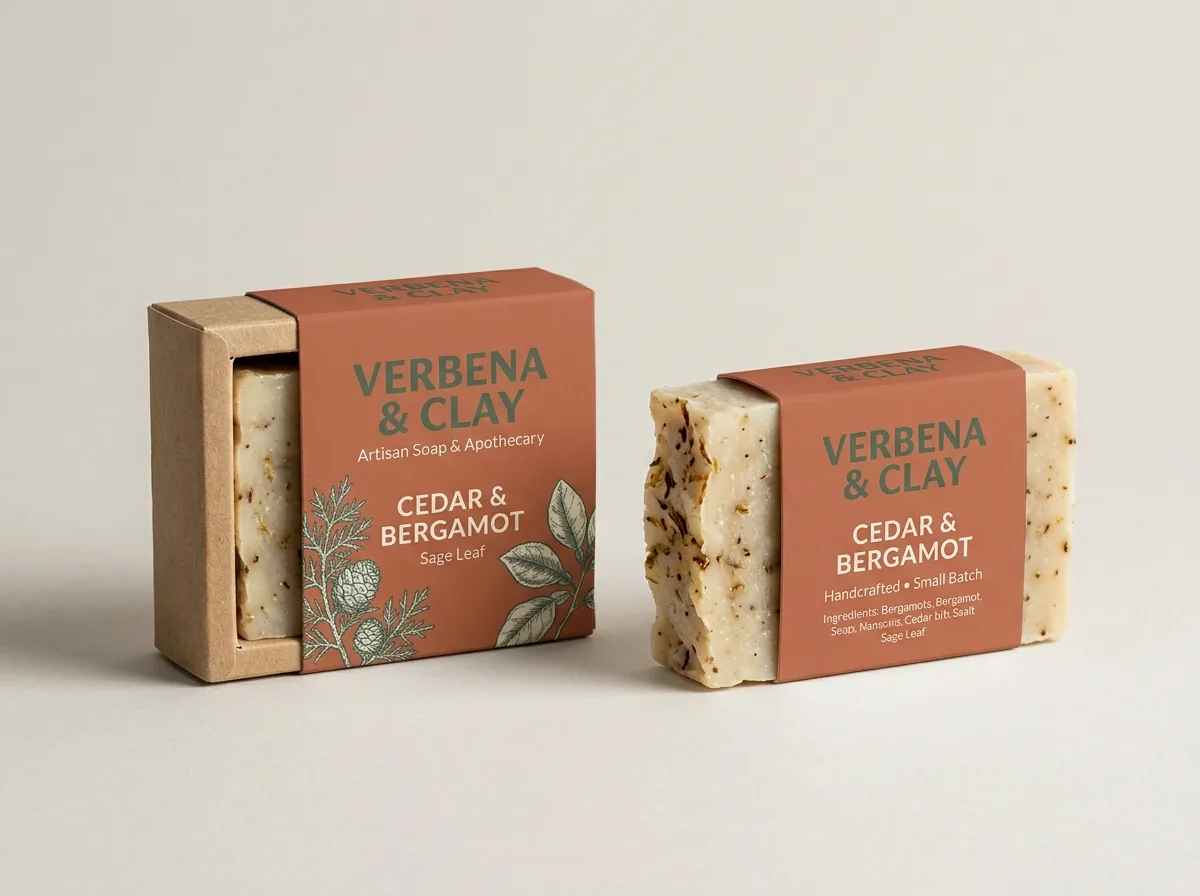
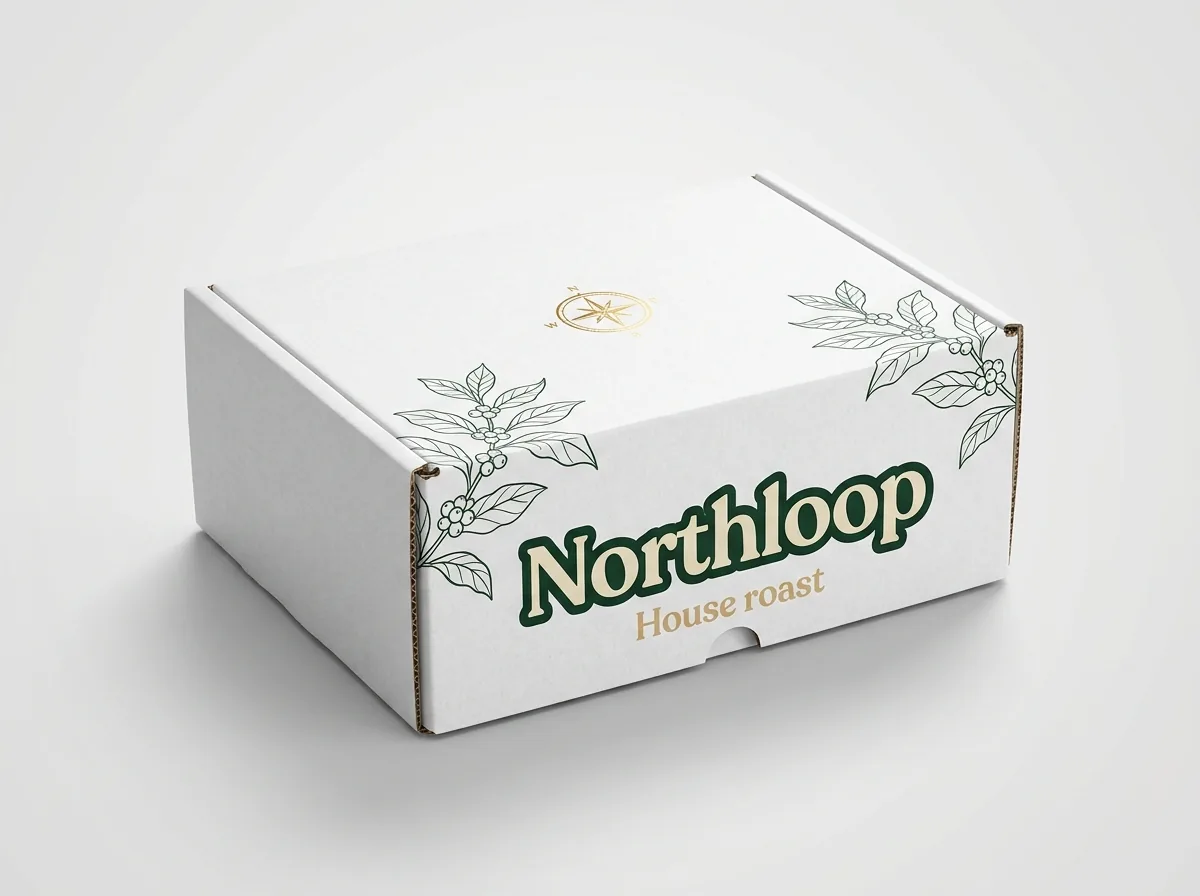
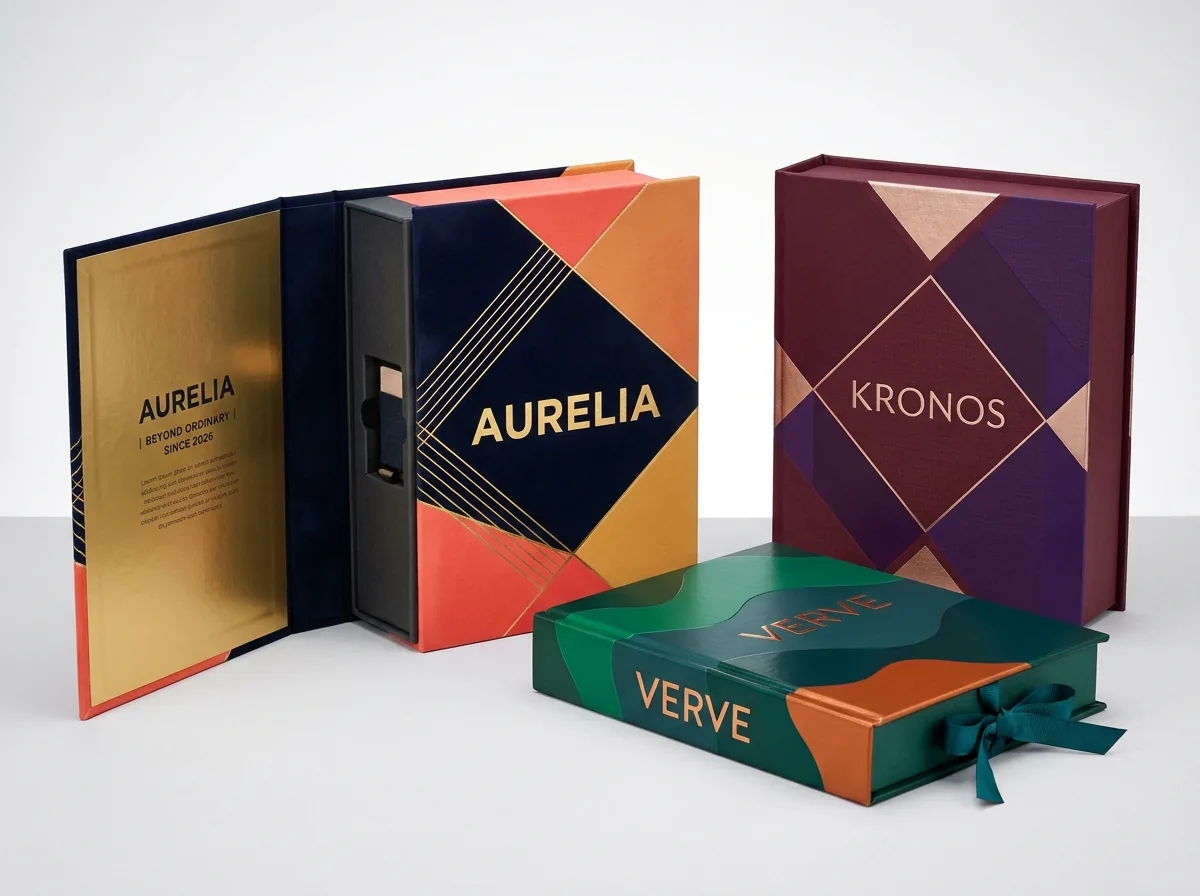
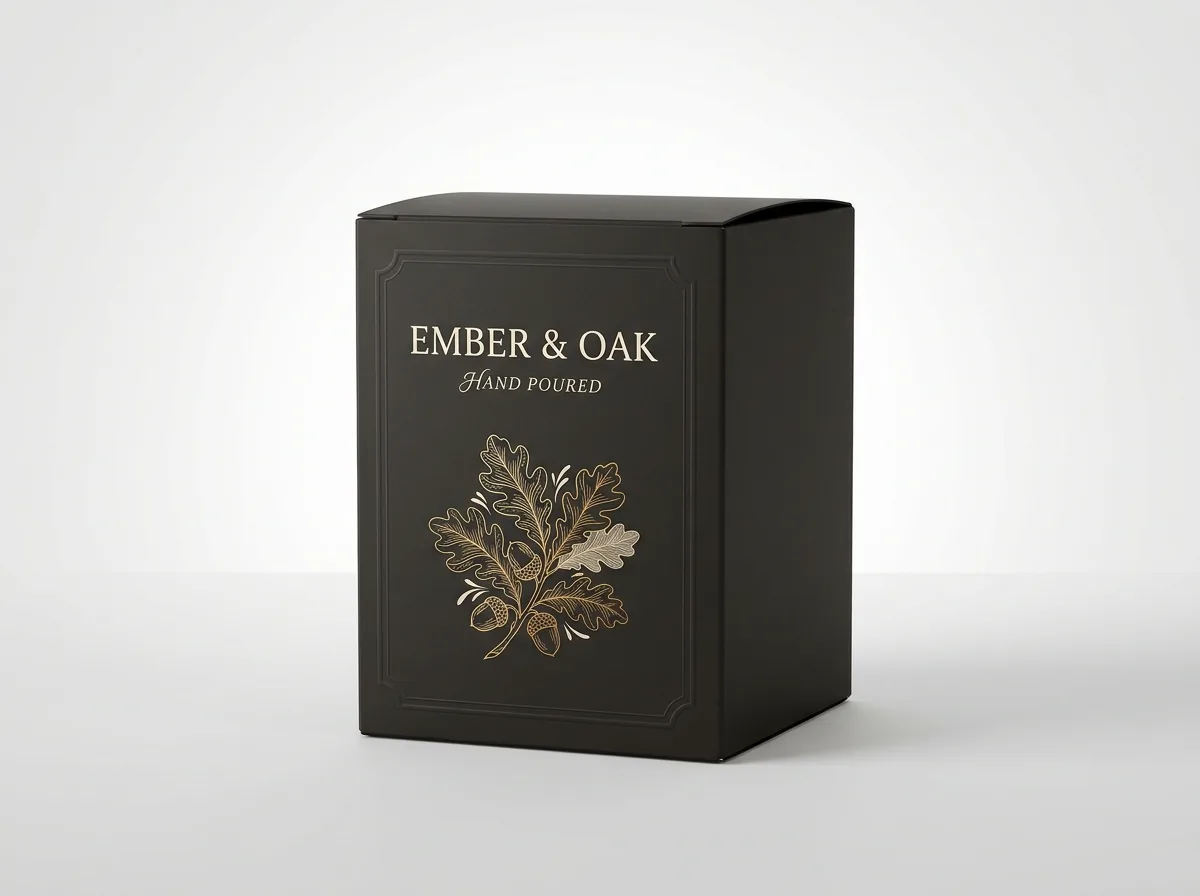
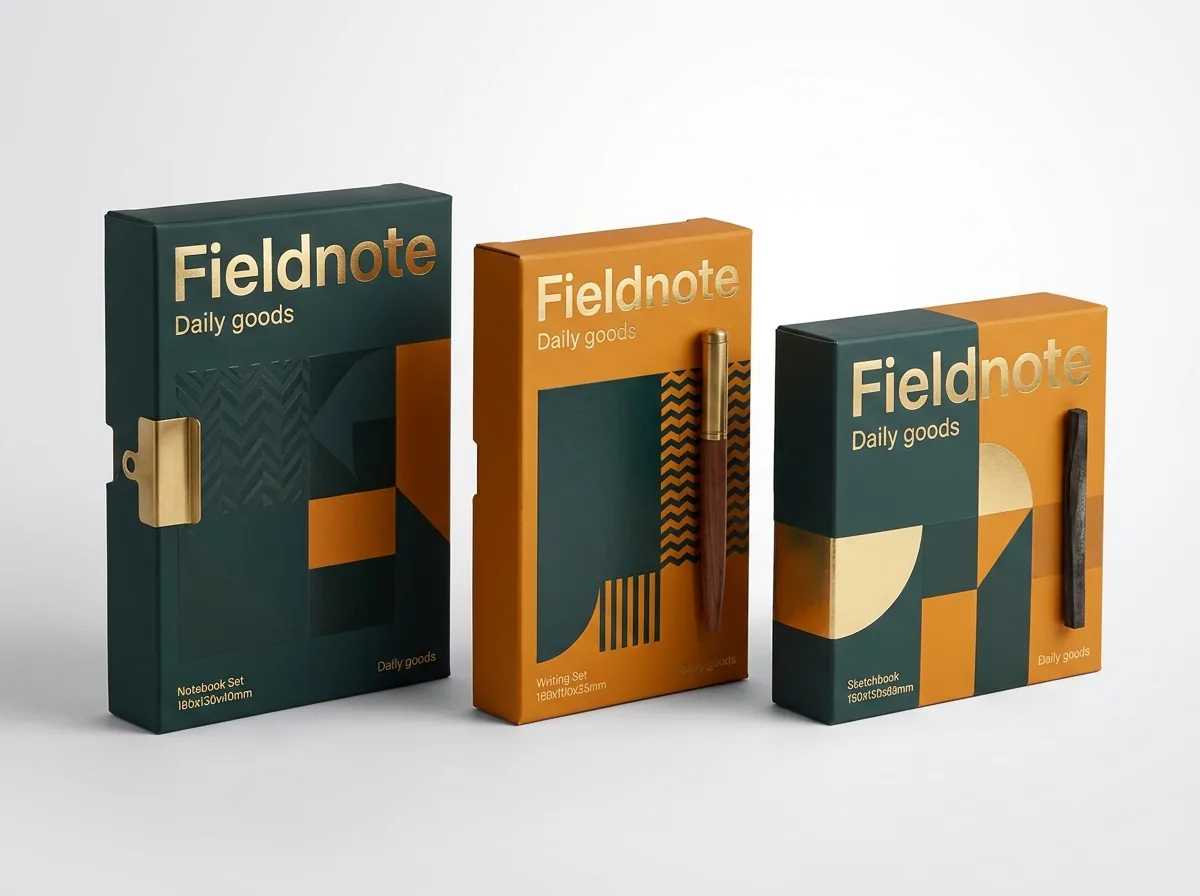
Ready to order book boxes? Compare up to 3 quantities with a free 3D mockup.
Request a Quote →Questions about book boxes
Can I ship an open-spine book slipcase through the mail without an outer box?
No. An open-spine slipcase leaves the book spines exposed on one side and has flush corners designed for bookshelf display, not conveyor drops. Always slide a finished slipcase set into a fitted corrugated mailer box or padded book wrap before mailing.
What is the minimum order for paperboard book slipcases vs corrugated mailers?
Custom paperboard slipcases and folding book cartons start at 1,000 units. Custom printed corrugated mailer boxes start at 250 units, and rigid chipboard (gray board) slipcases or magnetic book-style collector boxes start at 50 units.
Should I choose E-flute or B-flute corrugated board for a book mailer?
Choose E-flute corrugated for single hardcovers, trade paperbacks and compact monthly book club boxes where crisp graphics and a sleek profile matter. Choose thicker B-flute corrugated for heavy multi-book omnibus sets, oversized art monographs or boxes exceeding three pounds.
Do folding paperboard slipcases ship flat to my warehouse or bindery?
Yes. Paperboard slipcases and folding cartons are die-cut, scored and pre-glued along the seam, then shipped flat in cartons to save storage space. Your fulfillment or bindery crew simply pops each sleeve open and slides the book set inside.
What is the difference between a five-panel slipcase and a sleeve?
A standard sleeve is open at two opposite ends like a tunnel, whereas a five-panel book slipcase is closed at the top, bottom, back fore-edge and both side covers, leaving only the single spine face open so books cannot slide out the back.
Can I order a sample of both a slipcase and a mailer box to compare?
Yes. Every order includes a free 2D dieline proof and 3D mockup before payment, and you can order a $50 sample kit or custom physical prototypes of your book box structures, with the cost credited toward your full production order.
Still have a question? Ask a packaging specialist.
Request a Quote →Request your book boxes quote
Tell us your size and quantities, and one dedicated account manager prepares pricing for each tier.
- Free design & AI-to-print studio + 3D mockup
- No die or plate charges · 4–5 day rush available
- Free shipping to all 50 states
- 10% off your first order
This comparison draws on CubitPack structural specifications and standard parcel drop-protection practices for bound books, reviewed by a packaging specialist. Spot something off? Tell us and we will fix it.
Sources
What changed
- October 22, 2026: First published.
- October 22, 2026: Updated specifications, terminology, and verified source links.
More guides
New packaging guides by email
Sizes, materials and design tips. Unsubscribe anytime.