
Two-piece vs drawer vs window stationery boxes: which fits your paper line?
Short answer: Pick a clear-window tuck or lid box for retail greeting card packs where shoppers buy with their eyes, a two-piece telescope box for letterpress correspondence and wedding suites, and a ribbon-pull drawer box for planners and desk kits. Compare all styles on our custom stationery boxes page.
On this page
- How do two-piece lids, drawer boxes and window cartons compare
- When is a two-piece telescope box the best choice for stationery
- Why do planner and journal brands prefer drawer and sleeve boxes
- When should you use a clear-window box for greeting card sets
- Should I choose flat-shipping folding paperboard or pre-assembled rigid board
- How do I match my stationery SKU count to the right box structure
- Common mistakes
- FAQs
Request a custom quoteFree dieline & 3D mockup
Choosing between a two-piece telescope box, a slide-out drawer box and a clear-window carton comes down to how your paper goods are sold and how customers use the box at home. On a retail boutique shelf, a window box lets the top greeting card illustration do the selling while protecting the envelopes from fingerprints, and it allows one neutral box SKU to hold dozens of different seasonal card designs. For letterpress correspondence sets, monogrammed stationery and wedding invitation suites, a solid two-piece lid-and-base box creates a classic slow lift-off reveal and sits open on a writing desk as a permanent card tray. For dated spiral planners, hardcover A5 journals and multi-item desk kits, a ribbon-pull drawer box slides open like a miniature desk drawer that customers keep and reuse all year. Every style at CubitPack includes free design help and no die charges.
How do two-piece lids, drawer boxes and window cartons compare?
Each stationery box structure balances three priorities differently: retail display visibility, desktop reuse value, and warehouse storage space. A paper studio selling 30 different A2 thank-you card patterns to gift shops has very different packaging needs than a planner brand launching an annual hardcover agenda. Use the table below to compare the core structures available in our printed stationery packaging lineup. Notice that both two-piece boxes and tray-and-sleeve drawers can be manufactured either as flat-shipping folding paperboard cartons (starting at 1,000 units) or as pre-assembled wrapped rigid chipboard (gray board) boxes (starting at 50 units).
| Stationery box style | Best paper goods application | Storage & minimum order |
|---|---|---|
| Window tuck or window lid box | Retail packs of 8-12 seasonal greeting or thank-you cards | Ships flat · From 1,000 boxes |
| Folding two-piece telescope box | A2/A6/A7 note card sets, flat notepad caddies, envelopes | Ships flat, folds up · From 1,000 |
| Rigid two-piece telescope box | Cotton letterpress sets, luxury wedding invitation suites | Ships set-up · From 50 boxes |
| Folding tray and sleeve box | A5 journals, postcard collections, sticker book sets | Ships flat · From 1,000 boxes |
| Rigid ribbon-pull drawer box | Dated Wire-O planners, calligraphy kits, pen & journal sets | Ships set-up · From 50 boxes |
| Hinged magnetic closure box | Corporate welcome kits, VIP press mailers, desk gift sets | Rigid or collapsible · From 50 |
When is a two-piece telescope box the best choice for stationery?
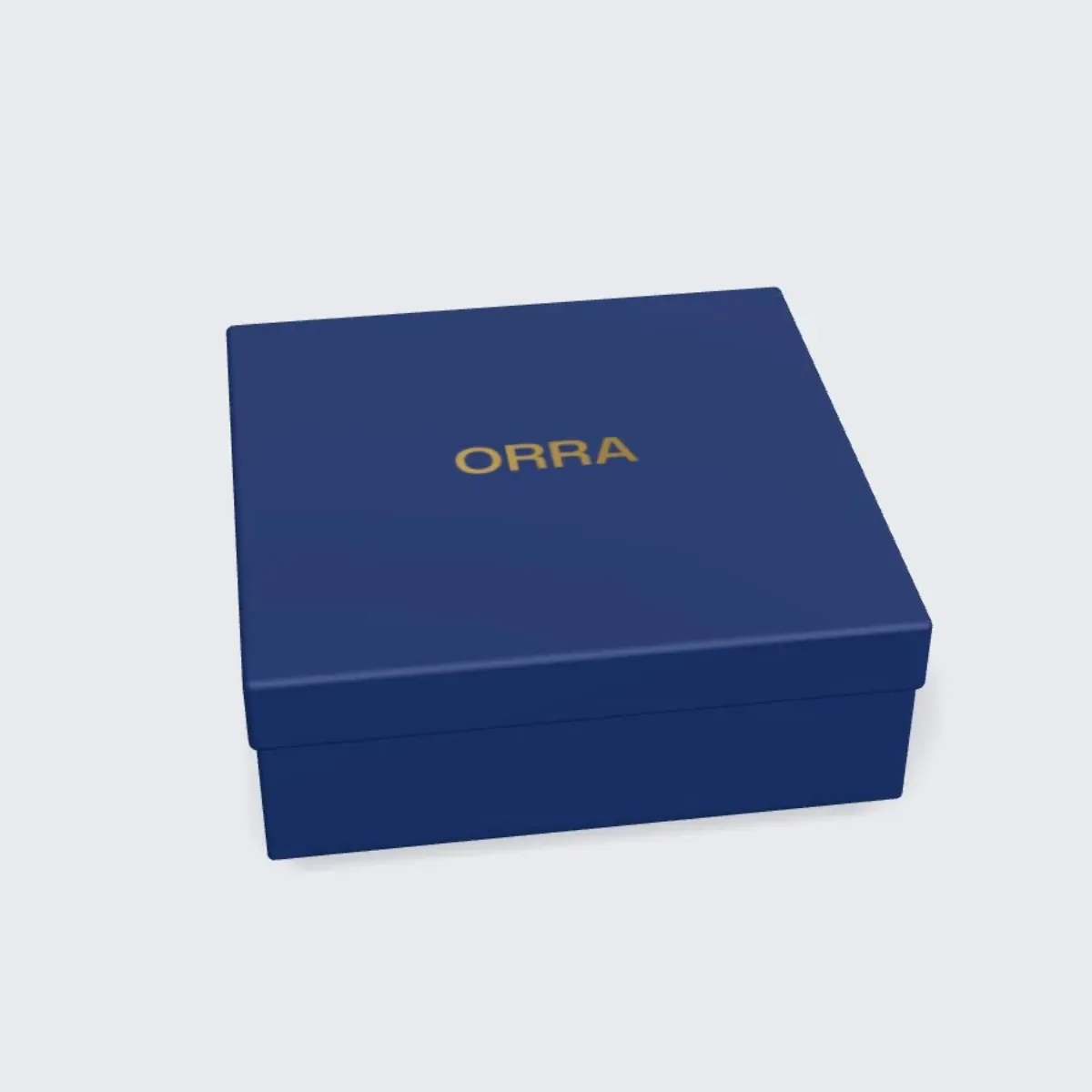
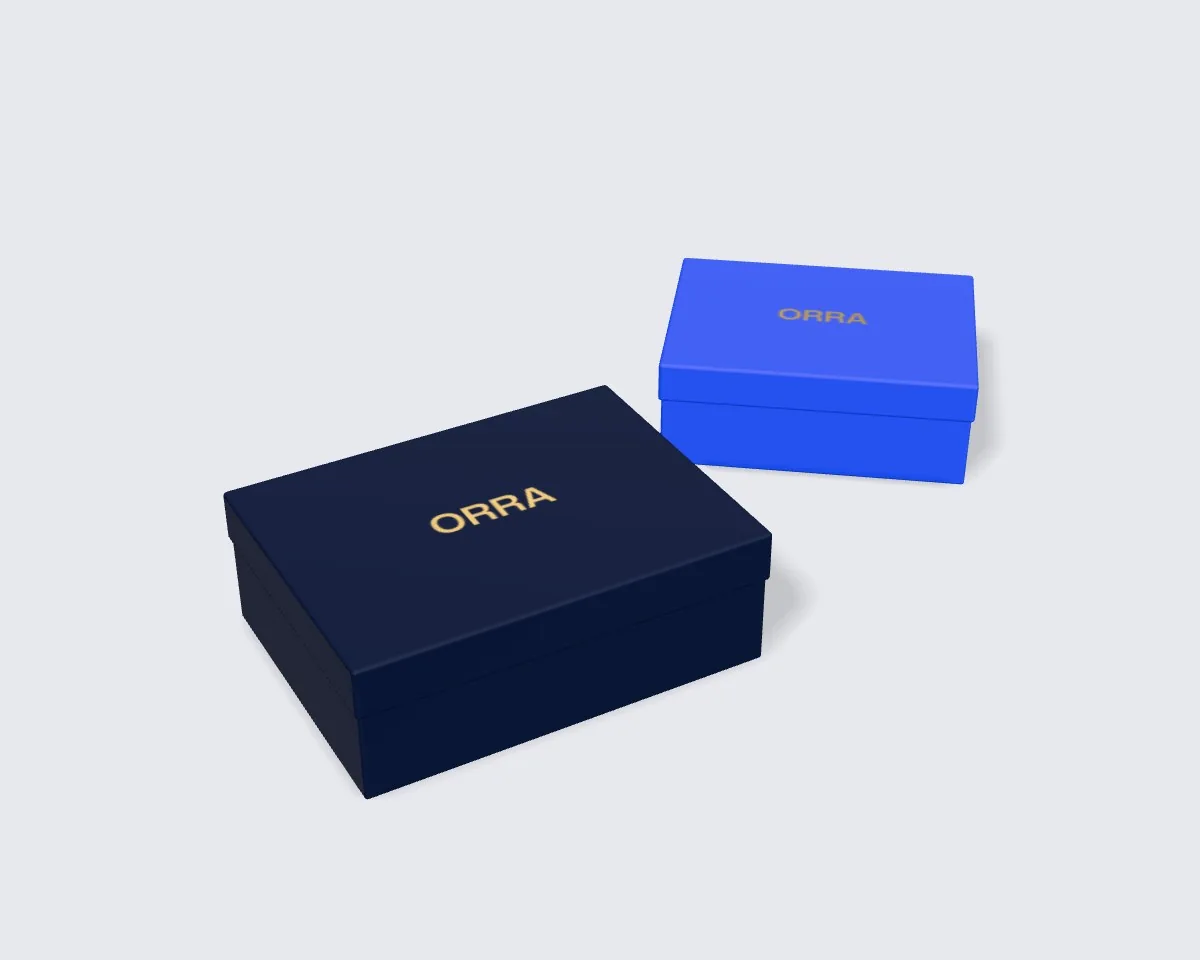
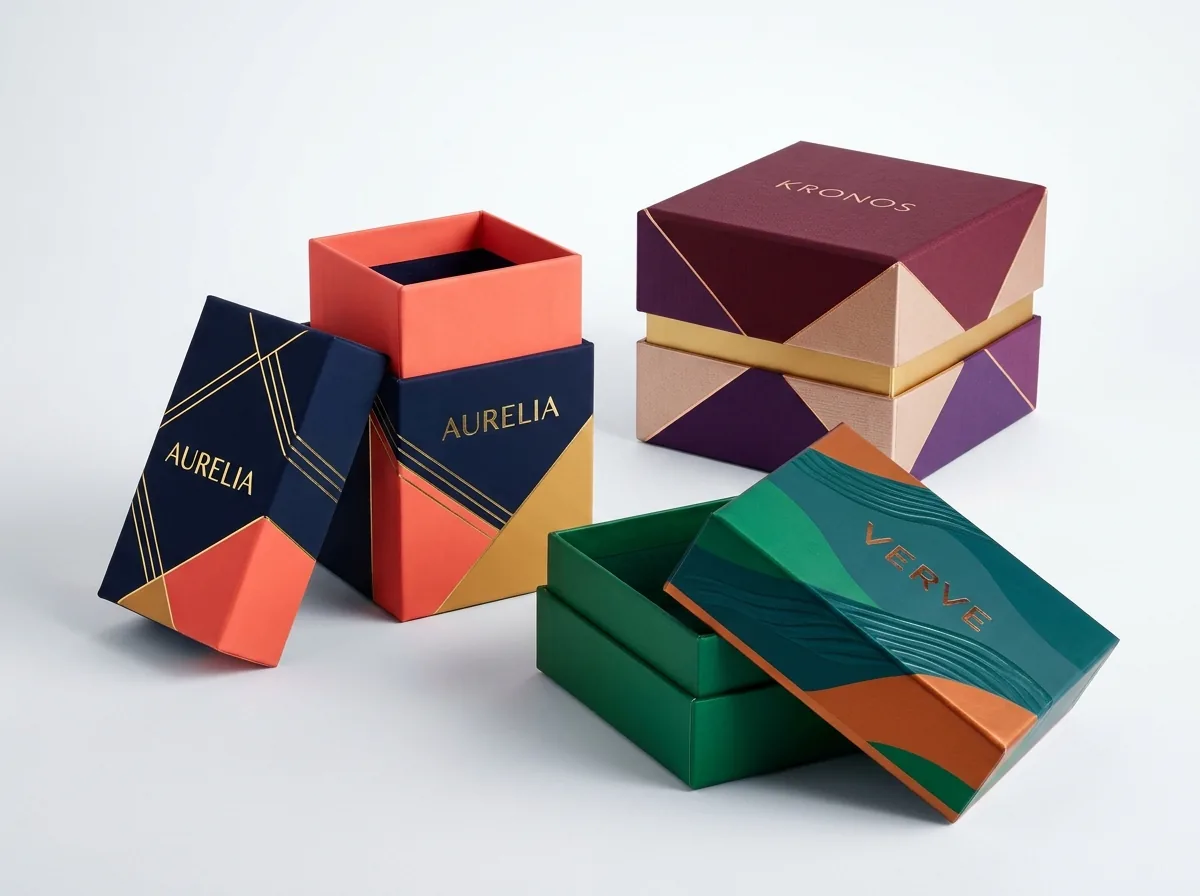
The two-piece lid-and-base box is the heritage standard of fine paper studios. When a customer lifts the telescoping top lid off the base tray, the entire stack of cotton rag cards, tissue overleaf and lined envelopes is presented flat without having to pinch or bend the paper through a narrow end flap. Once opened, the lid can tuck underneath the base tray so the box sits neatly on a writing desk until the last card is mailed. You can customize the wall profile of a custom two-piece box in three ways. A full-telescope lid extends all the way to the bottom of the base, doubling the wall thickness for maximum corner crush strength. A partial or half-telescope lid stops halfway down the base wall, revealing a contrasting color band and making the lid easy to grip without thumb notches. A shoulder-neck two-piece box adds an inner collar that stops the lid at a flush seam.
Why do planner and journal brands prefer drawer and sleeve boxes?
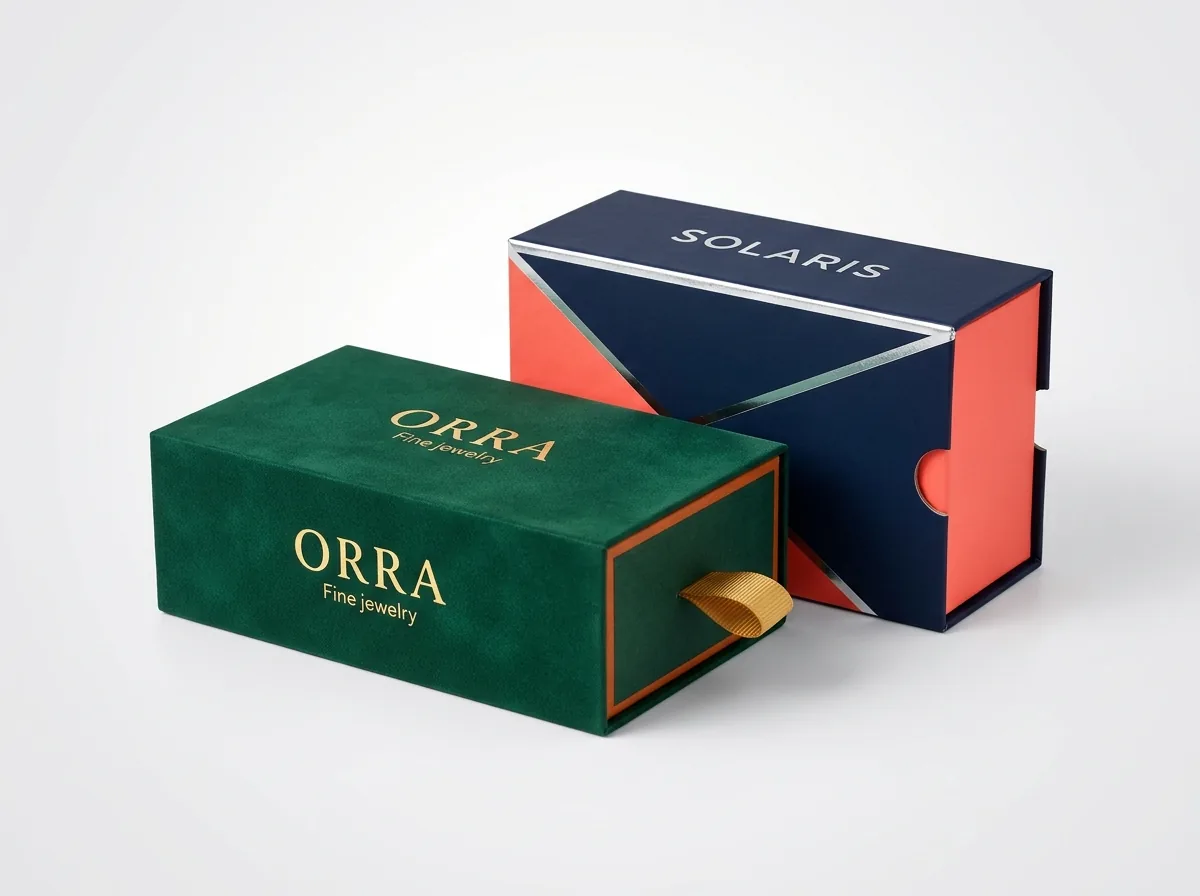
Dated daily planners, hardcover bullet journals and desk organizer sets are thicker and heavier than note card packs, and customers reach for them every morning. A custom drawer box (or its folding-carton cousin, the custom tray and sleeve box) turns the package into a functional desktop drawer. Pulling the satin ribbon tab or thumb cutout slides the inner tray smoothly out of the outer sleeve. Planner creators love drawer boxes because the rigid outer sleeve resists bowing even when a Wire-O spiral binding and brass corner hardware push outward. After the customer takes their new planner onto their desk, the slide-out drawer stays behind to hold sticker sheets, washi tape rolls, fountain pen ink cartridges and paperclips for the rest of the year.
- Ribbon-pull drawer: a satin or grosgrain ribbon threaded through the front wall gives a tactile gift reveal.
- Thumb-notch tray: a half-circle cutout on the front edge lets the drawer slide open without ribbon hardware.
- Open-ended tray and sleeve: slides open from either side and ships completely flat in folding paperboard.
- Divided accessory drawer: add a custom cardboard or foam insert inside the tray to separate pens from notebooks.
Know your size? Compare pricing across up to 3 quantities.
Request a Quote →When should you use a clear-window box for greeting card sets?
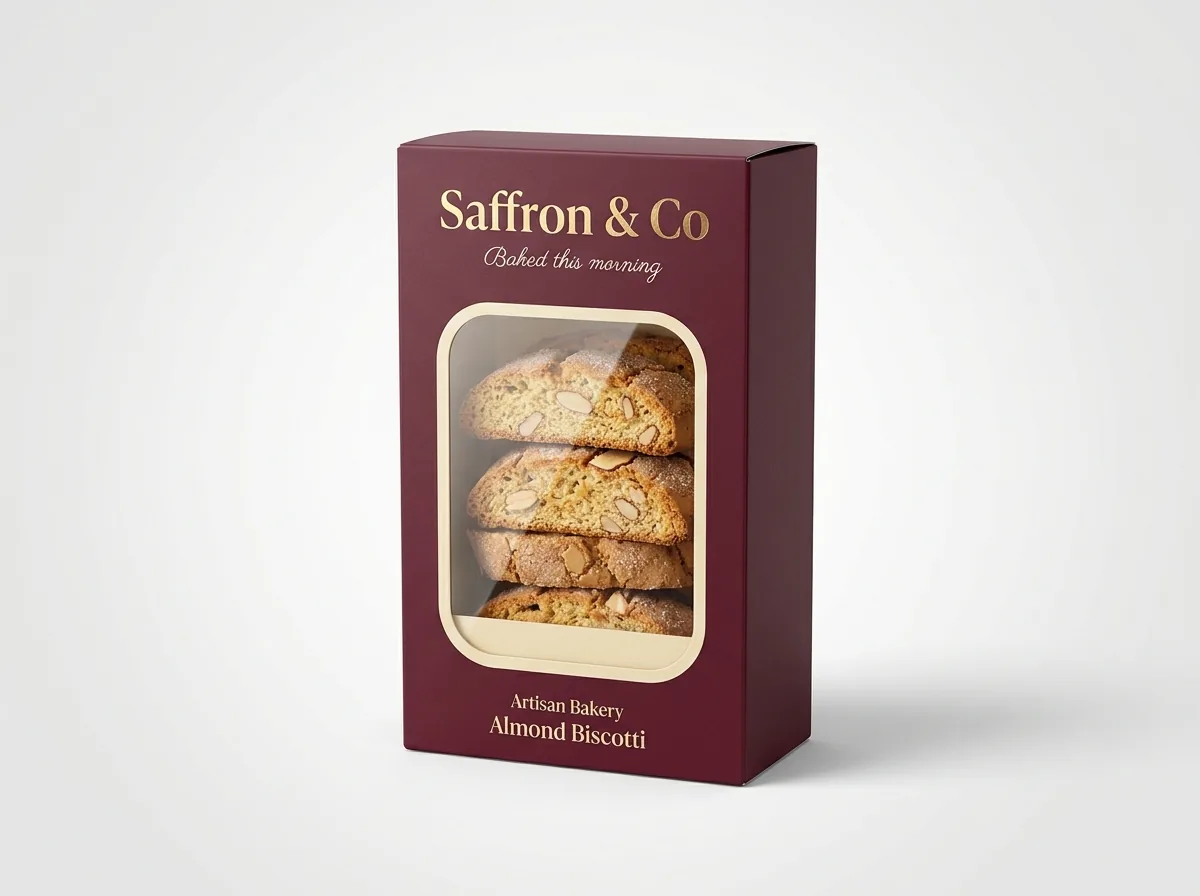
If you sell wholesale to gift shops, museum stores, bookstores or grocery floral counters, shoppers want to see the actual card artwork and read the front sentiment before buying a boxed set of eight or twelve cards. A custom window box solves that with a die-cut opening on the front panel or top lid backed by a clear protective film patch. Window boxes also unlock a major inventory advantage for multi-SKU studios. Instead of printing separate boxes for birthday cards, sympathy cards, holiday cards and thank-you notes, you can print 2,500 or 5,000 units of one neutral kraft or cream window box with your studio logo in gold foil. Whichever card design sits on top of the stack becomes the hero graphic through the window.
Should I choose flat-shipping folding paperboard or pre-assembled rigid board?
Both two-piece boxes and drawer boxes can be built from two different material families. Folding paperboard cartons (18 pt to 24 pt white card or brown kraft) ship flat in master cartons, store in a fraction of a closet, and fold into shape by hand as your team packs orders. They start at 1,000 units and offer the lowest unit cost for everyday A2 note card sets and retail stationery. Wrapped rigid boxes are built over thick, non-bending chipboard (gray board) wrapped in printed and laminated paper. They arrive fully assembled, feel weighty and permanent in the hand, and start at just 50 units. Many stationery brands use folding window or two-piece cartons for their core wholesale card line, and reserve rigid drawer or magnetic boxes for their annual dated planner launch and bespoke wedding suites.
- Folding two-piece & window cartons: ship flat in bundles, fold by hand in seconds, and start at 1,000 units.
- Folding tray and sleeve boxes: pre-glued outer sleeve pops open while the inner tray folds flat until packing day.
- Rigid two-piece & drawer boxes: arrive set up and ready to pack with zero folding labor, starting at 50 units.
- Collapsible rigid magnetic boxes: ship flat with peel-and-stick corner tape when you want rigid luxury without pallet bulk.
How do I match my stationery SKU count to the right box structure?
Start by counting how many card or notebook designs share the exact same physical footprint. If you publish 15 different A2 card illustrations, a single neutral window box or a two-piece box with interchangeable printed belly bands lets you combine all 15 designs into one 1,000-unit or 2,500-unit box order. That keeps your per-box cost low while giving boutiques a cohesive shelf display. If you are launching a flagship annual planner, a numbered letterpress collection or a corporate welcome kit with a pen and journal, step up to a ribbon-pull drawer box or magnetic closure case with a fitted insert. You can compare up to three quantities on our quote form and review a free 2D dieline proof and 3D mockup before paying.
What are the most common mistakes when picking a stationery box style?
Matching the right box style to your sales channel keeps packing fast and prevents damaged paper goods. Avoid these five mistakes
- Using a solid, windowless box for multi-design retail greeting card packs without printing the card artwork on the outside lid.
- Choosing a standard tuck-end box for thick cotton letterpress wedding suites, where pulling the stack through the end flap scuffs the edges.
- Ordering pre-assembled rigid boxes for a 5,000-unit wholesale card run without checking warehouse pallet storage space first.
- Designing a window cutout without a clear film patch when selling into busy gift shops where customers handle the boxes.
- Forgetting a ribbon pull or finger notch inside a deep drawer box, making it difficult to lift out a snug hardcover journal.
Find your size
Suggested inside size: 4.625 × 6 × 1 in
A starting point. Your account manager confirms the size with you before the proof.
Quote this size →Packaging for this
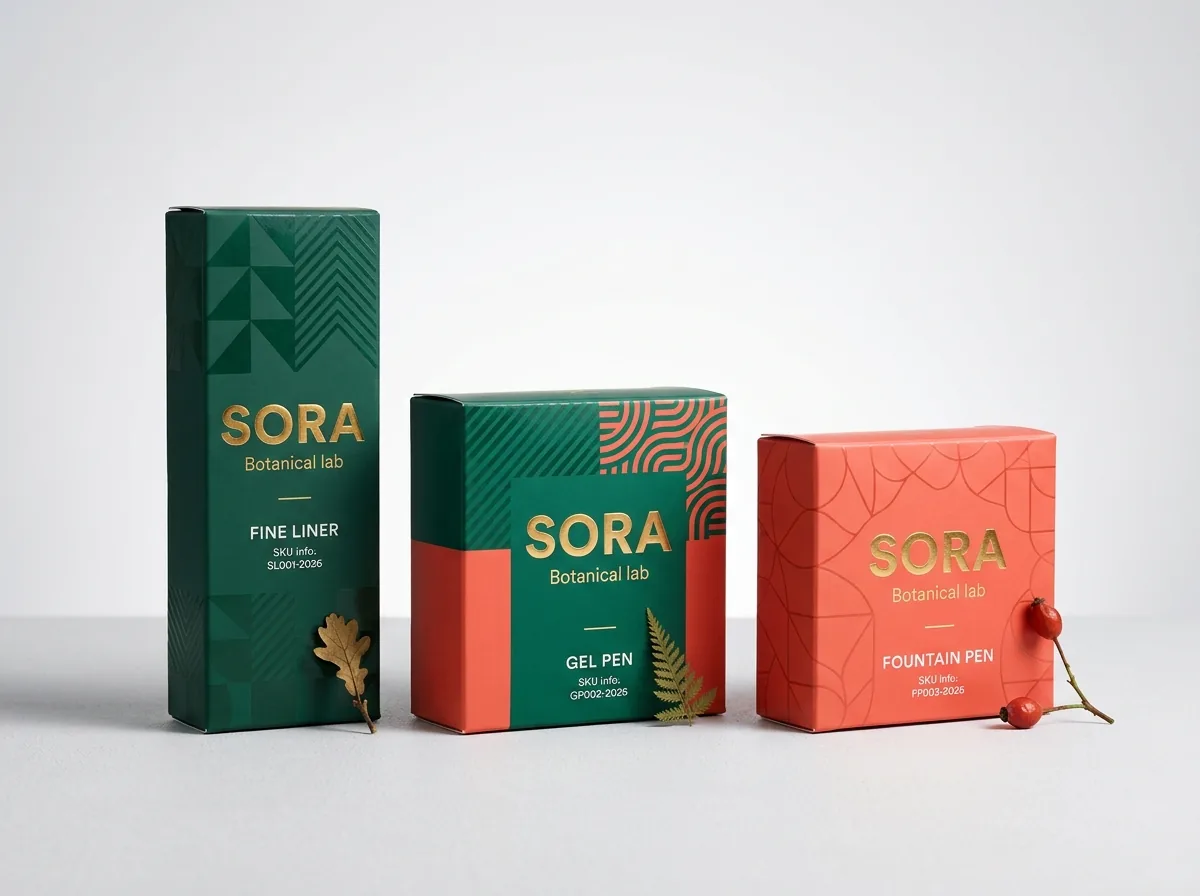
Ready to order stationery boxes? Compare up to 3 quantities with a free 3D mockup.
Request a Quote →Questions about stationery boxes
Do two-piece folding stationery boxes ship flat to save studio space?
Yes. Folding paperboard two-piece boxes are die-cut and scored so both the lids and the bases ship completely flat in stacked bundles. Your team simply folds the double-wall sides over and locks the corner tabs in seconds without glue or tape.
Can a two-piece telescope box also have a clear window in the lid?
Yes. Combining a two-piece lift-off lid with a die-cut clear film window is one of the most popular formats for boxed A2 and A6 note cards. It gives you the desk-tray reuse of a two-piece box while showing the card design.
What is the minimum order quantity for drawer boxes vs window cartons?
Folding paperboard window cartons, tray-and-sleeve boxes and folding two-piece boxes start at 1,000 units. Wrapped rigid ribbon-pull drawer boxes, rigid two-piece wedding boxes and magnetic closure cases start at 50 units.
Can I get a window box without plastic film (an open die-cut window)?
Yes. If you want a plastic-free package or want boutique shoppers to feel the cotton paper texture and letterpress impression directly with their fingertips, we can die-cut an open window in the lid without applying a clear film patch.
Which stationery box style protects heavy spiral planners best in the mail?
A rigid drawer box or a corrugated mailer box with a fitted insert protects heavy spiral planners best. If you package your planner in a decorative rigid drawer box or folding sleeve, slip it into a snug outer corrugated mailer for postal transit.
Can I compare samples of two-piece, drawer and window boxes before ordering?
Yes. Our $50 sample kit (credited toward your first order) lets you compare paperboard weights, laminations and finishes in your hands, and every order includes a free 2D dieline proof and 3D mockup before payment.
Still have a question? Ask a packaging specialist.
Request a Quote →Request your stationery boxes quote
Tell us your size and quantities, and one dedicated account manager prepares pricing for each tier.
- Free design & AI-to-print studio + 3D mockup
- No die or plate charges · 4–5 day rush available
- Free shipping to all 50 states
- 10% off your first order
This style comparison is built from CubitPack structural specifications and wholesale stationery retail requirements, checked by a packaging specialist. Spot an error? Let us know and we will fix it.
Sources
What changed
- October 22, 2026: First published.
- October 22, 2026: Updated specifications, terminology, and verified source links.
More guides
New packaging guides by email
Sizes, materials and design tips. Unsubscribe anytime.