
How do I design custom art supply boxes with swatch charts, inserts and ASTM labels?
Short answer: Print Pantone-calibrated pigment swatch bars under low-glare matte lamination with pigment codes, opacity squares and lightfastness stars, include an unvarnished DIY swatch card inside, place your ASTM D-4236 safety seal on the back panel, and match a fluted or EVA foam cradle to your custom art supply boxes.
On this page
- How do you design an accurate pigment or marker color swatch chart on the box
- Which internal insert protects each medium: fluted grooves, tube channels, EVA foam or ferrule locks
- Where do ASTM D-4236 safety marks, lightfastness keys and barcodes belong on an art box
- How can cover artwork, window cutouts and tactile finishes showcase the medium inside
- Why should every paint, pastel or marker box include a blank DIY swatch card inside
- Common mistakes
- FAQs
Request a custom quoteFree dieline & 3D mockup
Fine-art and illustration shoppers evaluate packaging differently than almost any other consumer group: before buying a box of gouache tubes, watercolor pans, colored pencils or alcohol markers, they flip the carton over to inspect the exact pigment swatch chart, lightfastness ratings, opacity symbols and ASTM D-4236 non-toxic conformity seal. Once they bring the set into the studio, the box becomes a permanent desktop tool tray where every pencil tip, pastel stick or paint tube needs its own labeled slot and finger scoop. Designing a great art supply box means combining gallery-worthy cover artwork with color-accurate Pantone swatch bars, an unvarnished test swatch card inside the lid, and plastic-free fluted paperboard or EVA foam inserts that protect delicate cores in transit. Every order of printed art supply boxes from CubitPack includes free vector dielines, free design help and guaranteed Pantone color matching.
How do you design an accurate pigment or marker color swatch chart on the box?
When a painter compares a 12-tube portrait palette against a 12-tube botanical palette, the printed swatch chart on the back or inside lid of the box is the deciding factor. If standard CMYK process printing shifts a warm Cadmium Yellow toward greenish-yellow, or if high-gloss lamination creates a mirror reflection under store lights, artists lose trust in the brand. We use CMYK paired with guaranteed Pantone color printing on neutral bright-white paperboard and finish the swatch panel with low-glare matte lamination so every hue reads true from any viewing angle. Use the five-element checklist below when laying out the swatch grid on your custom art supply packaging.
- Color name & number: print both the common color name (e.g., Ultramarine Blue) and your brand's 3-digit color number so artists can reorder open-stock singles.
- Color Index pigment code: list the international pigment codes (such as PB29, PY35 or PR101) so fine artists know whether a color is single-pigment or a hue mix.
- Lightfastness rating: display ASTM D-4303 lightfastness ratings (I = Excellent, II = Very Good) or a 1-to-3 star / plus scale.
- Opacity / transparency square: include the universal square symbol (hollow square = transparent, half-filled diagonal = semi-transparent, solid black square = opaque).
- Unvarnished DIY swatch card inside: pack a matching unvarnished heavyweight card printed with blank outlined boxes so the artist can paint real swatches with their own brush or marker.
Which internal insert protects each medium: fluted grooves, tube channels, EVA foam or ferrule locks?
Replacing brittle thermoformed PVC blister trays with engineered paperboard or closed-cell EVA foam gives your set a cleaner studio look and protects delicate media far better over years of daily use. Each art medium has a specific weak point: pencil cores fracture from side impact, pastel chalks crumble from vibration, aluminum paint tubes crimp at the tail, and brush hairs splay if they touch the top wall. Use the table below to pair your box with custom cardboard inserts or custom EVA foam inserts tailored to your medium.
| Art medium | Recommended insert structure | Key protective feature | Studio usability bonus |
|---|---|---|---|
| Colored, watercolor & graphite pencils | Fluted paperboard U-groove tray (1 to 3 tiers) | Individual 8 mm grooves prevent lead-shattering collisions | Tail-end thumb trench tilts sharpened tip up; satin lift ribbons |
| Soft pastels, oil pastels & charcoal | Die-cut closed-cell EVA foam bed + lid foam pad | 0.20 in foam walls + top pad stop chalk vibration and dust | Semicircular side finger scoops around every pastel stick |
| 5 ml, 15 ml & 37 ml paint tubes | Slotted double-wall paperboard channel tray | Isolates sharp crimped tube tails from neighbor tube bodies | Color name & swatch printed on the floor of each channel |
| Dual-tip alcohol markers & brush pens | Interlocking paperboard honeycomb cell grid | Holds each 15 mm barrel upright so markers never avalanche | Keeps all 24-60 numbered color caps visible on the desk |
| Short & long-handle artist brushes | Stepped die-cut paperboard ferrule lock collar | Clamps metal ferrule with 0.50 in open air above bristles | Plastic-free slide-out card with brush shape & care guide |
Where do ASTM D-4236 safety marks, lightfastness keys and barcodes belong on an art box?
Under the US Labeling of Hazardous Art Materials Act (LHAMA, 16 CFR 1500.14), any art or craft material sold in the United States that may pose a chronic health hazard (including paints, inks, pastels, glazes, markers and drawing media) must be reviewed by a board-certified toxicologist and carry a conformity statement on the packaging, most commonly 'Conforms to ASTM D-4236'. Reserve a clean, high-contrast rectangular block on the bottom third of your back panel (or side spine on narrow brush sleeves) for your ASTM D-4236 statement, country of origin, manufacturer address, batch code and UPC/EAN barcode. If the set is marketed for children under 12 and includes small sharpeners, erasers or beads, also place any required 16 CFR 1500.19 choking hazard triangle on the front principal display panel.
Know your size? Compare pricing across up to 3 quantities.
Request a Quote →How can cover artwork, window cutouts and tactile finishes showcase the medium inside?
Artists want to see what the medium can actually do. On closed two-piece rigid boxes and drawer sleeves, feature an original piece of artwork created with the exact set inside, crediting the featured artist on the back or inside lid. To give the cover a tactile studio feel that matches the medium, pair a cold-press watercolor paper embossing texture with Spot UV gloss over wet paint strokes or metallic foil stamping on metallic gouache and calligraphy sets. On retail pegboard items like brush sets and 12-count pencil packs, add a die-cut front window on a custom window box positioned right over the brush ferrules and bristle heads or the rainbow gradient of sharpened pencil tips, leaving at least 0.50 inch of board frame around the window so the sleeve stays rigid. Printing a brief guide to brush hair types (such as synthetic sable vs hog bristle) or pencil core softness (such as 2H to 8B) right next to the window helps studio shoppers pick the right set in seconds.
Why should every paint, pastel or marker box include a blank DIY swatch card inside?
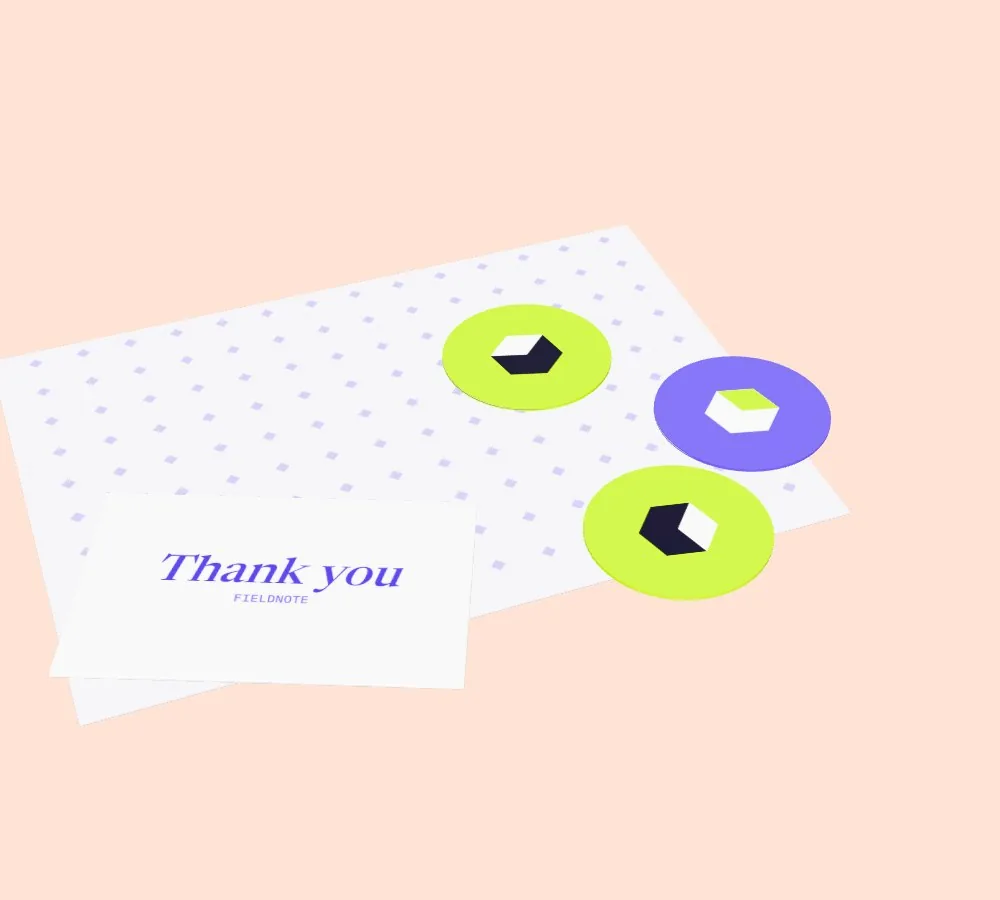
One of the simplest ways to turn an art supply unboxing into a shareable studio ritual is packing a custom-printed insert card inside the box with pre-outlined swatch rectangles, color names and pigment codes, printed on unvarnished heavyweight card stock. As soon as an artist opens the box, they fill in each blank square with the real paint, marker or pastel stick. Because the card is sized to match the inside footprint of the lid, it sits permanently on top of the tray as a true-media color reference. Many painters and illustrators post photos or short videos of themselves painting the blank swatch card on social media, turning a low-cost paperboard insert into organic word-of-mouth marketing for your art brand.
- Unvarnished surface: leave the swatch side completely unlaminated and uncoated so water-based paint, ink and pastel pigment absorb naturally.
- Pre-printed grid: print thin hairline boxes, color numbers, names and opacity icons below each blank swatch rectangle.
- Exact lid fit: size the swatch card 0.125 in smaller than the inside Length and Width of the box so it rests neatly over the top tray.
- Protective interleaving sheet: for soft pastels and charcoal, include a glassine or butter-paper sheet over the foam bed to keep pigment dust clean.
What are the most common art supply box and insert design mistakes?
Even a beautiful cover illustration can disappoint artists if the swatch colors shift or the insert damages the tips. Check these five mistakes before approving your proof
- Printing a back-panel pigment swatch chart in uncalibrated CMYK under shiny gloss lamination, which shifts hues and creates store-light glare.
- Applying matte or gloss lamination over a pack-in DIY test swatch card, preventing watercolor paint or marker ink from absorbing into the paper.
- Designing a fluted colored pencil tray without a tail-end finger trench, forcing artists to dig at the sharpened pencil points to lift them out.
- Letting paintbrush bristles touch the top end of a window sleeve instead of locking the metal ferrule in a die-cut paperboard collar.
- Forgetting to reserve a clean back-panel block for the required ASTM D-4236 conformity statement, pigment code key and barcode.
Find your size
Suggested inside size: 7.25 × 3.75 × 0.50 in
A starting point. Your account manager confirms the size with you before the proof.
Quote this size →Packaging for this
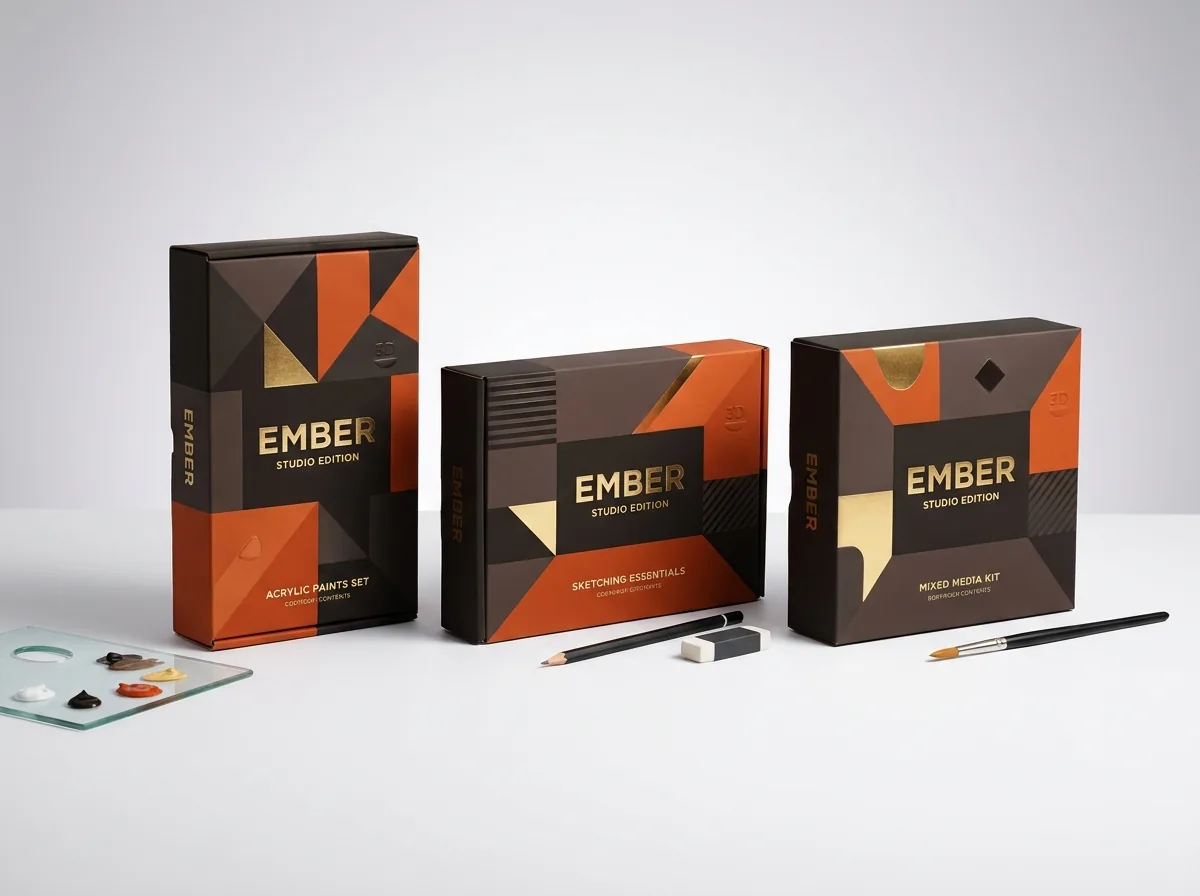

Ready to order art supply boxes? Compare up to 3 quantities with a free 3D mockup.
Request a Quote →Questions about art supply boxes
How do you guarantee that printed swatch bars match our real paint, pencil or marker colors?
CubitPack guarantees Pantone (PMS) color matching. You can specify exact Pantone spot ink codes or send physical painted drawdowns for our prepress team to match on bright-white paperboard under low-glare matte lamination, and verify the layout on your proof before payment.
Can you print an unvarnished blank swatch card to pack inside our paint or marker box?
Yes. Alongside your laminated outer box, we print uncoated heavyweight insert cards sized to fit right inside your box lid, complete with pre-labeled swatch boxes, color numbers and pigment codes so artists can swatch their new set immediately.
What does 'Conforms to ASTM D-4236' mean on an art supply box?
ASTM D-4236 is the US standard under the Labeling of Hazardous Art Materials Act (16 CFR 1500.14) requiring art materials to be evaluated by a qualified toxicologist for chronic hazards and labeled with a conformity seal and any necessary precautionary statements.
Can we replace plastic PVC thermoformed pencil and paint trays with paperboard?
Yes. We engineer multi-tier fluted paperboard U-groove trays for colored pencils and double-wall slotted paperboard channels for 5 ml, 15 ml and 37 ml paint tubes that protect better than brittle thin PVC blisters and are 100% plastic-free.
How do you keep multi-tier 36, 48 or 72 colored pencil trays easy to lift out?
We anchor satin fabric lift ribbons under the lower fluted trays and alternate the pull tabs on the left and right sides of the rigid base. Lifting the side ribbons raises the upper trays level so no pencils roll out.
Do you charge extra for custom insert dielines or Spot UV brushstroke masks?
No. CubitPack never charges die or plate fees, and our prepress team builds your outer box dieline, internal fluted or foam insert dieline and registered Spot UV or foil masks for free.
Still have a question? Ask a packaging specialist.
Request a Quote →Request your art supply boxes quote
Tell us your size and quantities, and one dedicated account manager prepares pricing for each tier.
- Free design & AI-to-print studio + 3D mockup
- No die or plate charges · 4–5 day rush available
- Free shipping to all 50 states
- 10% off your first order
The swatch-bar layout rules, ASTM D-4236 placement guidelines and insert specifications in this guide follow US LHAMA art material rules and fine-art packaging conventions. A CubitPack packaging specialist reviewed every section. Spot an error? Tell us and we will fix it.
Sources
What changed
- October 22, 2026: First published.
- October 22, 2026: Updated specifications, terminology, and verified source links.
More guides
New packaging guides by email
Sizes, materials and design tips. Unsubscribe anytime.