
Two-piece rigid vs folding carton vs corrugated board game boxes: which should you choose?
Short answer: Choose a two-piece rigid telescoping box (from 50 units) for core tabletop games with boards and heavy components, a folding paperboard carton (from 1,000 units) for card expansions and pocket party games under 12 ounces, and an E-flute mailer (from 250 units) for direct-to-player starter kits in custom board game boxes.
On this page
- How do two-piece rigid, folding carton, magnetic book and E-flute game boxes compare
- Why are two-piece rigid telescoping boxes the tabletop standard for core games
- When should you use a folding paperboard carton or sleeve box for expansions
- When does a magnetic book-style rigid box make sense for RPGs and deluxe editions
- Can an E-flute corrugated mailer work for subscription, classroom and direct-to-backer games
- Common mistakes
- FAQs
Request a custom quoteFree dieline & 3D mockup
Picking the right structure for a tabletop game comes down to three numbers: total component weight, target retail or crowdfunding channel, and run size. A flagship strategy game weighing 3 to 5 pounds with a quad-fold board, punchboard sheets and wooden meeples will bow a single-wall folding carton, so it needs a two-piece rigid setup box wrapped over dense chipboard (or a magnetic book-style rigid box for deluxe editions). By contrast, a 54-to-110 card expansion deck or pocket party game under 12 ounces packs faster and costs far less per unit in a printed folding paperboard tuck carton or drawer box. And for classroom game kits, subscription mystery games or direct-to-backer starter sets, an E-flute corrugated mailer combines structural crush strength with parcel readiness. At CubitPack, printed board game boxes cover all three constructions with free dielines and no die charges.
How do two-piece rigid, folding carton, magnetic book and E-flute game boxes compare?
Each of the four tabletop box constructions is built on a different board core and ships at a different state of assembly. Rigid two-piece and magnetic book boxes are wrapped and glued over thick chipboard (gray board) so they arrive pre-assembled and ready to pack, whereas folding paperboard cartons and E-flute mailers ship flat on pallets to save warehouse space. Use the side-by-side matrix below to match your game's weight, component count and initial print run to the right construction before requesting your custom board game packaging quote.
| Feature | Two-piece rigid / book box | Folding carton (tuck / sleeve) | E-flute corrugated mailer |
|---|---|---|---|
| CubitPack minimum | 50 boxes | 1,000 boxes | 250 boxes |
| Typical component weight | 1 lb to 8+ lbs (boards, tiles, minis) | Up to 12 oz (1-3 card decks + tokens) | 8 oz to 4 lbs (starter kits, party games) |
| Best game format | Flagship strategy, Euro, RPG & deluxe games | Card expansions, booster packs, pocket games | Direct-to-backer kits, classroom & subscription games |
| Shelf & stacking strength | Highest (dense chipboard walls never bow) | Light (meant for small footprints or PDQ trays) | High vertical crush resistance (fluted wall) |
| Ships to your warehouse | Pre-assembled (or collapsible rigid) | Flat-packed and pre-glued | Flat-packed, folds without tape |
| Inside printing & inserts | Linen wrap, trench insert or EVA foam tray | Card divider or two-compartment tray | Full inside lid print + E-flute divider grid |
Why are two-piece rigid telescoping boxes the tabletop standard for core games?
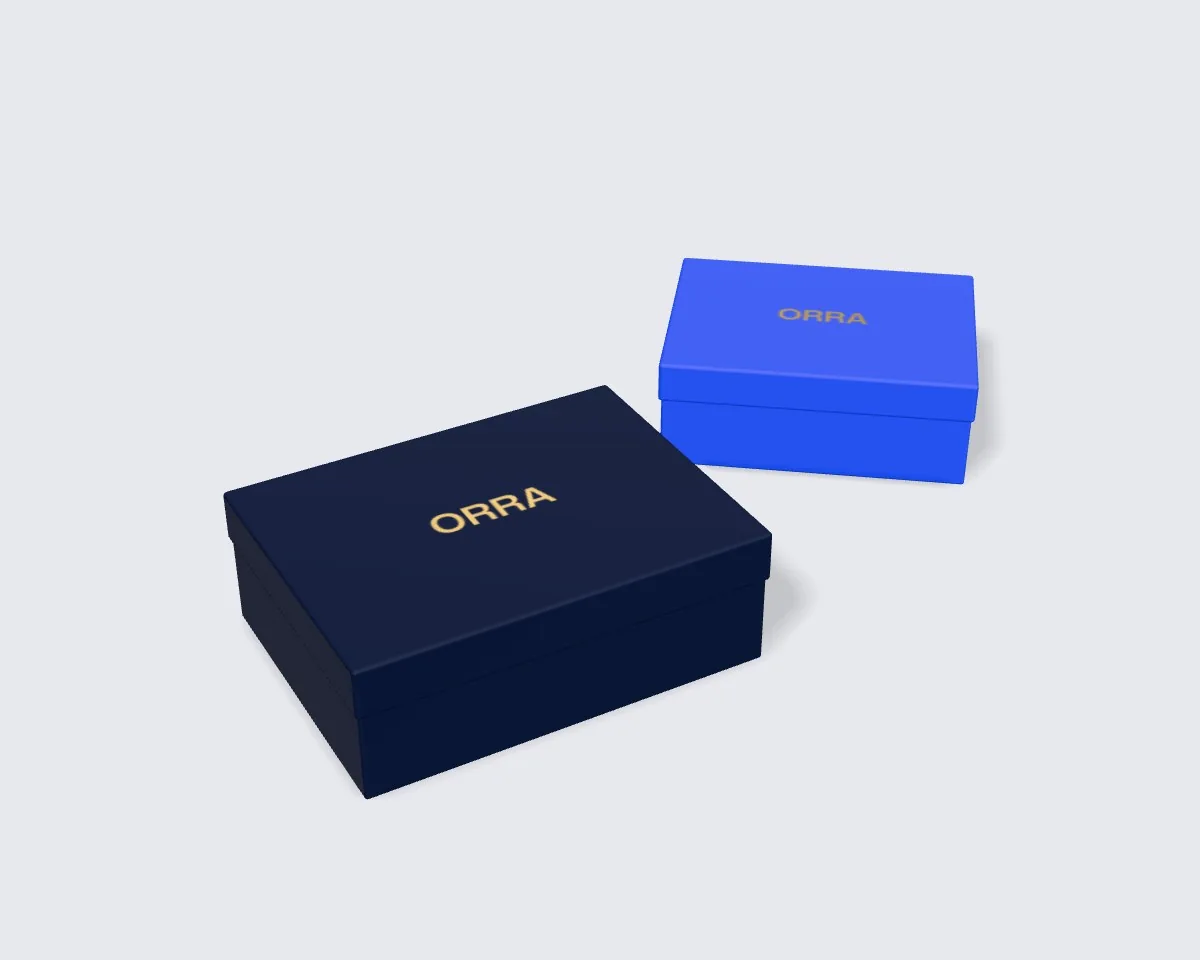
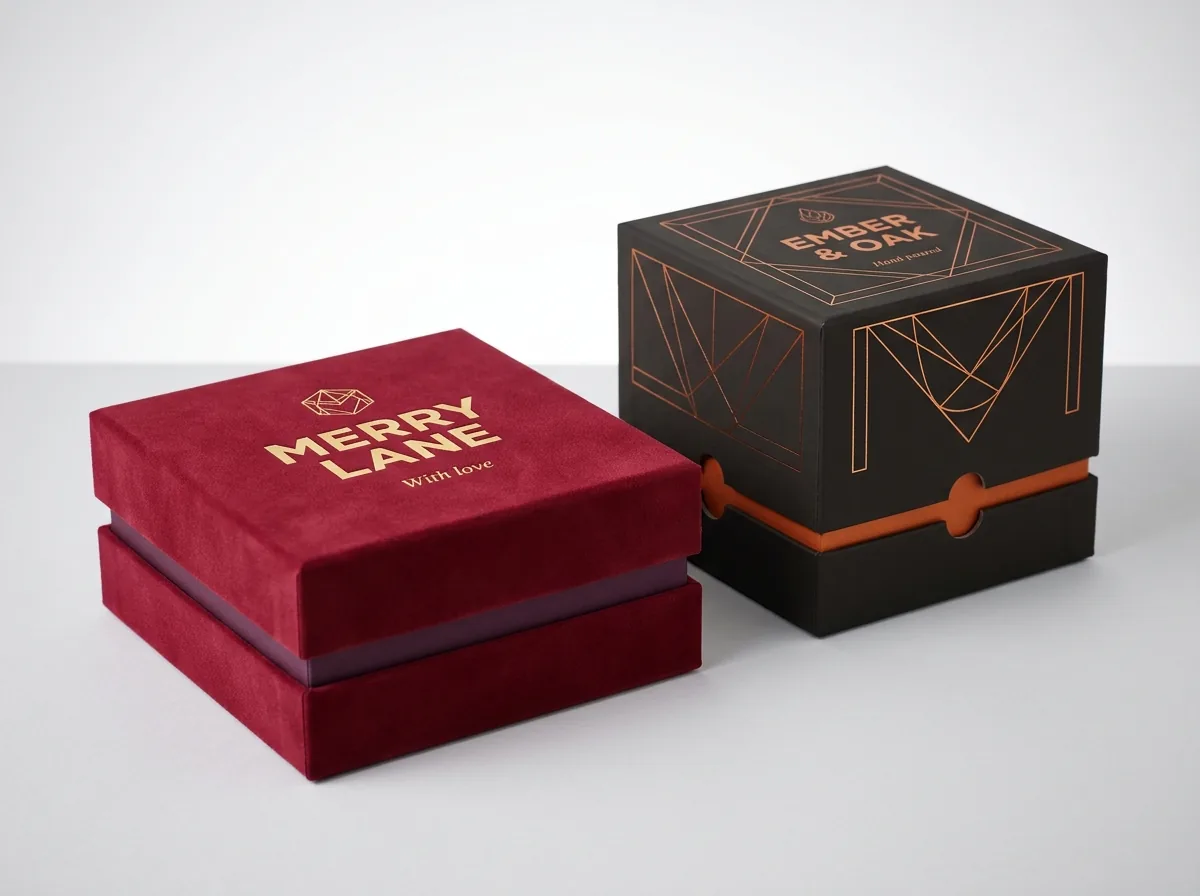
Nearly every flagship board game on hobby-store shelves uses a custom two-piece rigid box (also called a lid-and-base setup box). A rigid box is built by scoring and corner-staying a thick inner chipboard core, then wrapping it with a printed, laminated paper sheet that turns neatly over the inside rim. Because the rigid side walls do not rely on folding tuck flaps to stay closed, the box can span 11.5 × 11.5 inches or 12 × 9 inches without sagging under 4 pounds of punchboards and cards, and players can stack six games high on a shelf without crushing the bottom box. Better still, because rigid setup boxes start at just 50 units at CubitPack, indie designers and Kickstarter creators can produce short pilot runs, reviewer copies or collector tiers without committing to 1,000 units. When players lift the telescoping lid off the base, the slow air-cushion slide and square corners immediately signal a durable tabletop game built for years of replay.
When should you use a folding paperboard carton or sleeve box for expansions?
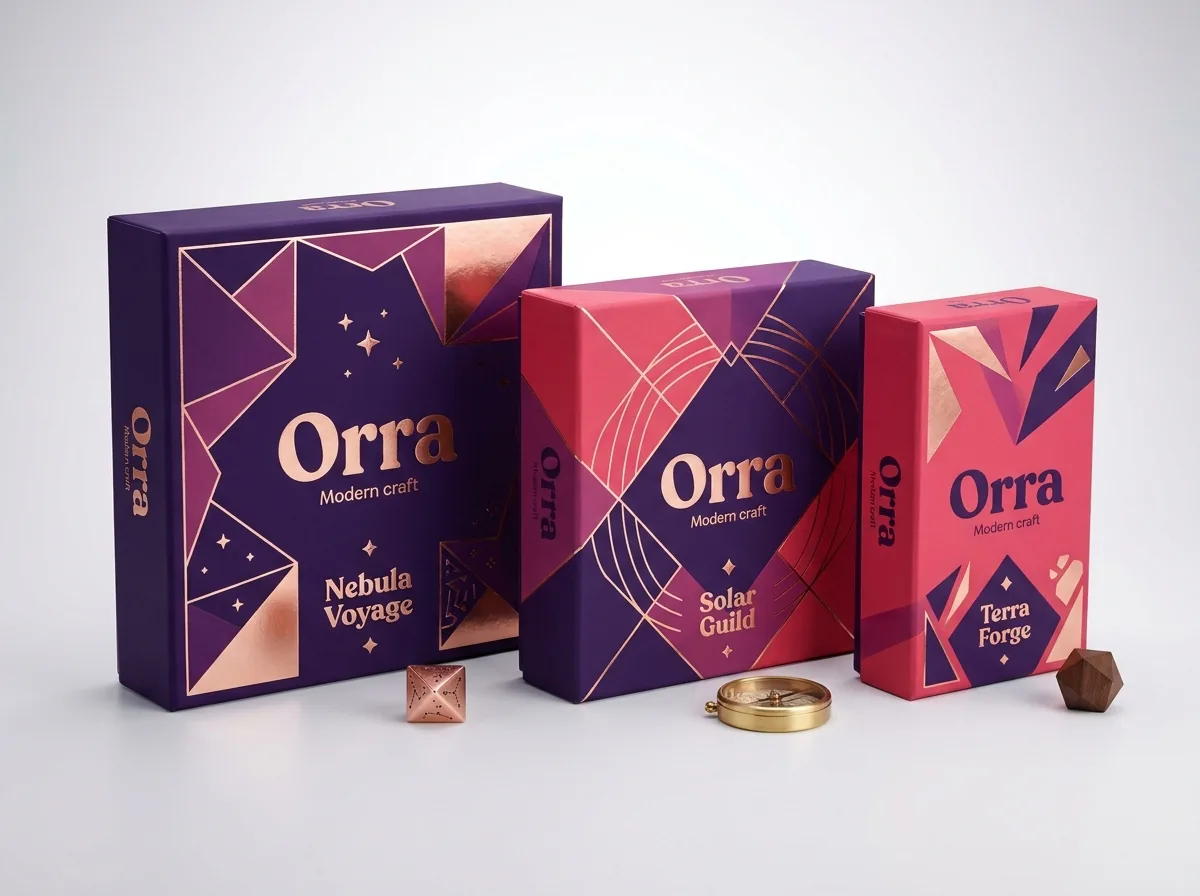
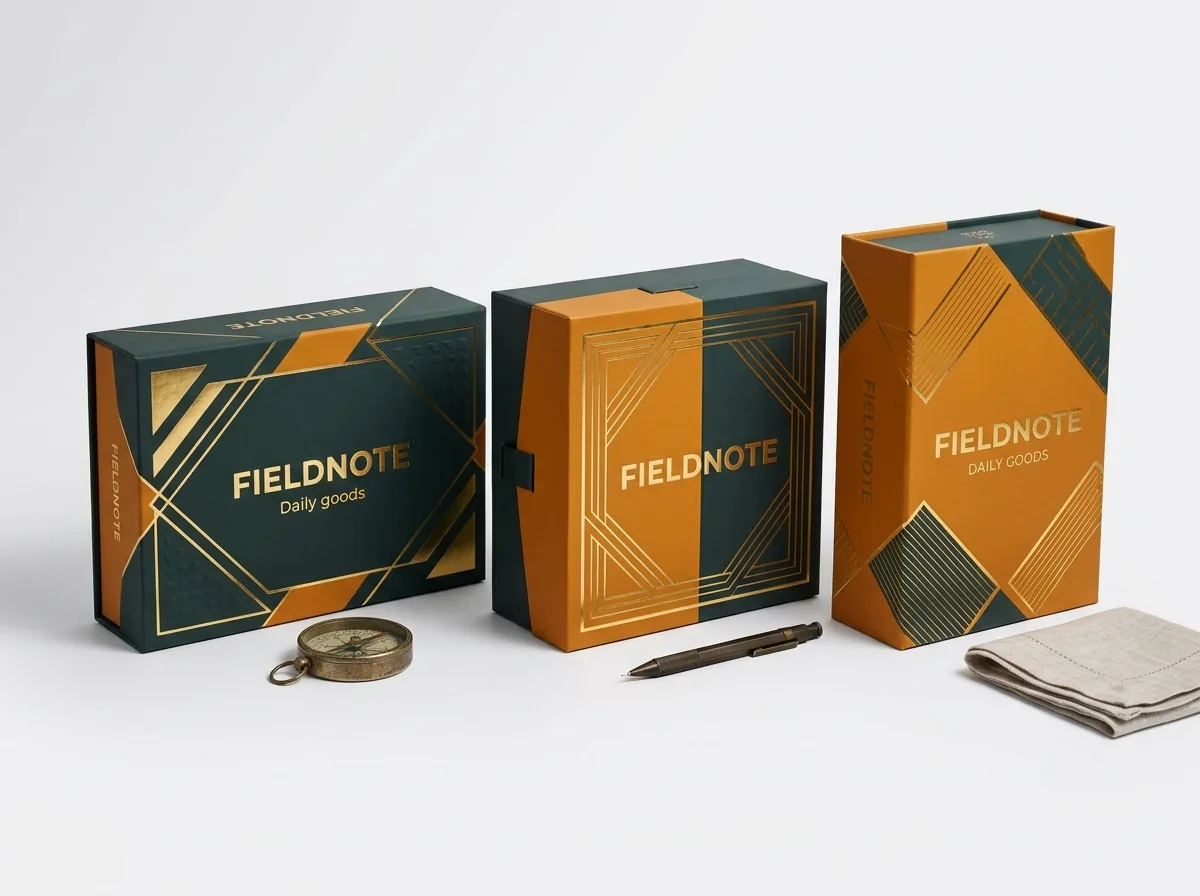
If your game or expansion consists of 54 to 160 cards, a small folded rules sheet and a handful of wooden tokens or a single mini punchboard under 12 ounces, a rigid setup box adds unnecessary bulk and freight volume. Instead, a custom straight tuck end box, auto-lock bottom carton or custom tray and sleeve box folded from smooth white paperboard keeps unit cost low at 1,000+ units and ships completely flat to your assembly line. For two-deck party games or faction expansions that need extra stiffness on the table, a paperboard drawer box (tray and sleeve) gives players a slide-out tray that holds two card stacks side by side during play. You can also pack 12 or 18 folding expansion cartons upright inside a pop-up retail counter display tray so local game stores can merchandise your expansion right next to the cash register.
- Straight tuck end carton: clean front and back panels with no raw flap edge on the cover, ideal for 54-to-110 card expansions and travel games.
- Auto-lock bottom carton: pre-glued crash-lock base that holds heavier 2-deck sets plus wooden tokens or polyhedral dice without bottom sag.
- Tray and sleeve drawer box: outer open-ended slipcase over a double-wall paperboard drawer that doubles as a tabletop card holder.
- Tuck box inside base game: many publishers size expansion tuck boxes so players can transfer the entire tuck box into the main game's trench insert.
Know your size? Compare pricing across up to 3 quantities.
Request a Quote →When does a magnetic book-style rigid box make sense for RPGs and deluxe editions?
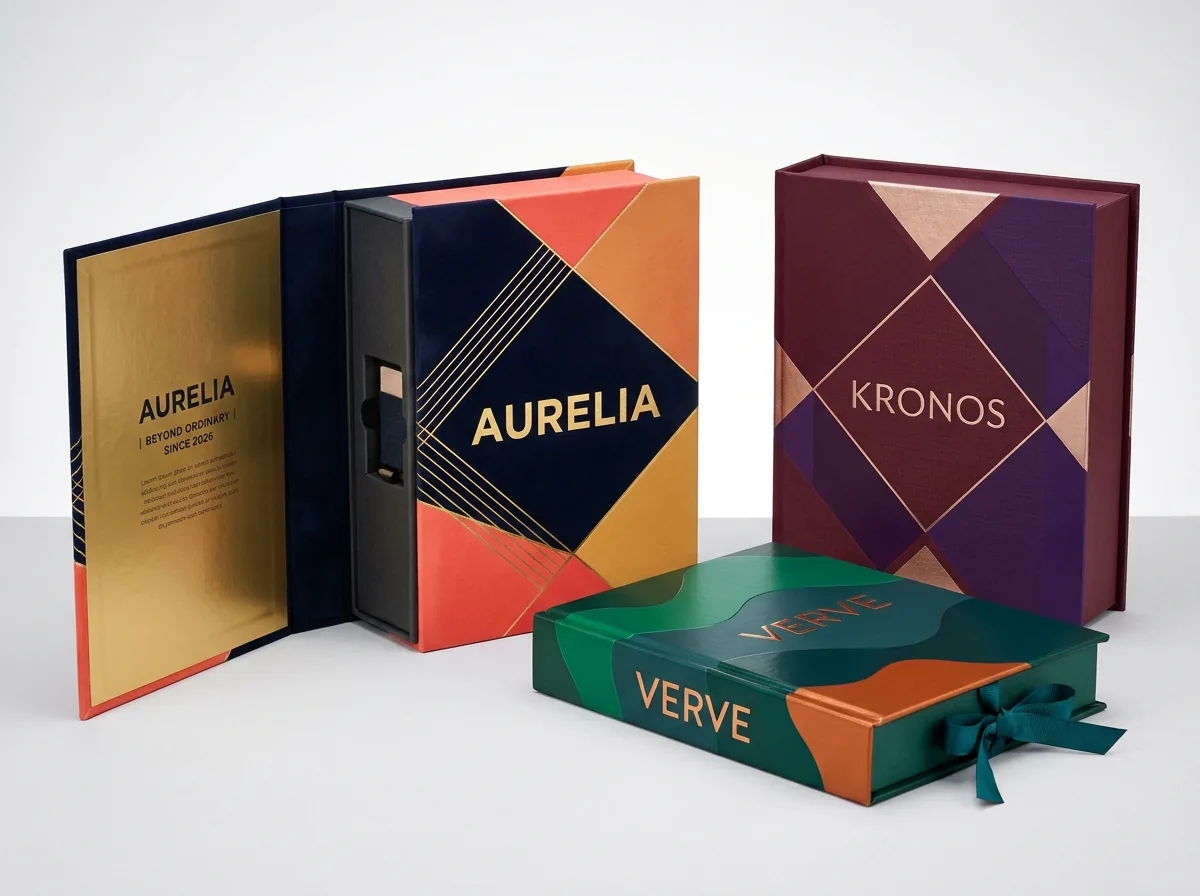
Tabletop roleplaying game (RPG) starter sets, narrative campaign games and Kickstarter collector editions often replace the lift-off telescoping lid with a custom book style box that has a hinged spine and a concealed magnetic flap on the fore-edge. Shelved vertically alongside hardcover rulebooks, the spine looks like a leather-bound or foil-stamped tome, and opening the front cover reveals an inside lore map across the left lid and a die-cut custom EVA foam insert holding polyhedral dice and miniatures on the right. If you need rigid board strength for a corporate training game or international fulfillment run where shipping empty setup boxes would take too much ocean or air volume, ask about custom collapsible rigid boxes that ship flat and pop up with corner magnets or adhesive strips. Both book-style and telescoping rigid boxes start at just 50 units, making them practical for deluxe crowdfunding pledge tiers where only 100 to 300 backers upgrade to the collector edition.
Can an E-flute corrugated mailer work for subscription, classroom and direct-to-backer games?
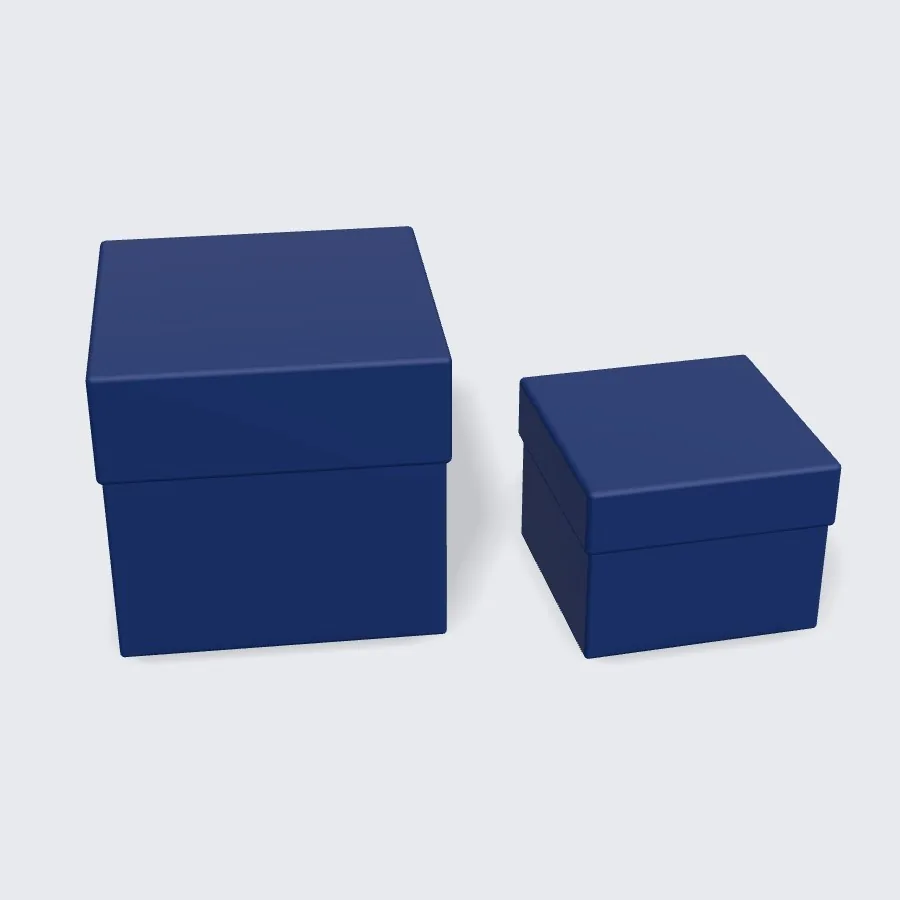
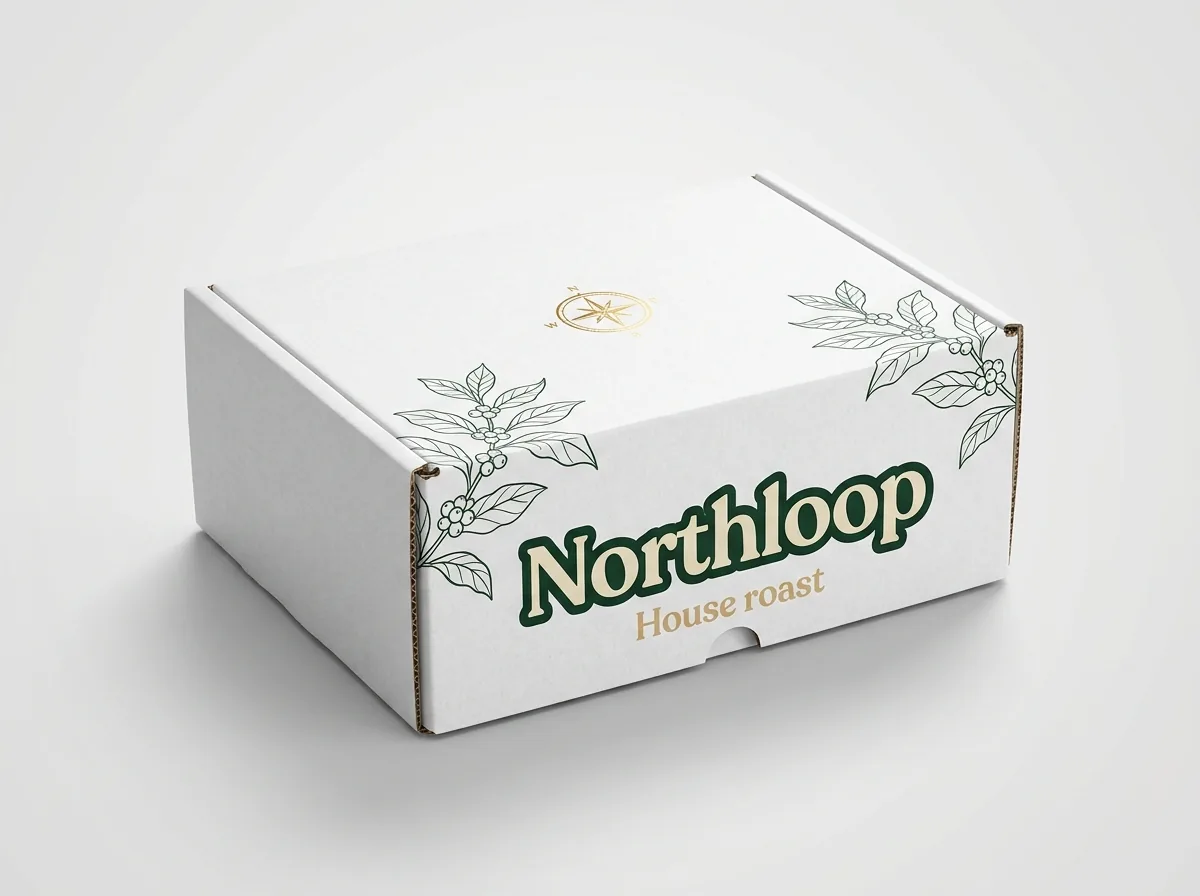
Not every tabletop game is sold shrink-wrapped on a retail shelf. Murder-mystery party boxes, escape-room envelope games, classroom math games and direct-to-consumer crowdfunding pledges often use a printed E-flute custom mailer box starting at 250 units. Fine E-flute corrugated board (~1/16 inch thick) has double-layered side walls when folded, giving it outstanding corner-drop resilience in parcel networks while still printing crisp CMYK artwork inside and out. You can print the game board or score track directly on the inside bottom of the mailer and add a slotted E-flute divider grid for cards and tokens.
- Choose a two-piece rigid box (50 min) when: your game has a quad-fold or bi-fold board, weighs over 12 oz, or sits on retail game shelves.
- Choose a magnetic book-style rigid box (50 min) when: you are building a deluxe Kickstarter tier, RPG starter tome or miniature collector set.
- Choose a folding paperboard carton (1,000 min) when: you are packing a 54-to-160 card expansion, pocket game or booster pack for PDQ counter trays.
- Choose an E-flute corrugated mailer (250 min) when: you sell escape-room, subscription or classroom games shipped direct to players.
What are the most common mistakes when choosing a board game box structure?
Picking the wrong board construction either inflates freight costs on a small card expansion or leaves a heavy strategy game with bowed walls. Avoid these five mistakes
- Packing a 2-pound board game with punchboards and wooden tiles into a single-wall folding tuck carton whose side walls bow outward when stacked.
- Ordering a 3-inch-deep rigid telescoping box for a 60-card expansion deck that belongs in a compact folding tuck carton or tray-and-sleeve box.
- Shipping a heavy two-piece rigid game box in a soft poly mailer instead of a fitted corrugated outer shipping carton with corner protection.
- Using high-gloss unlaminated paper on a dark folding expansion box without scuff-resistant lamination, causing white crease lines along the tuck score.
- Forgetting that pre-assembled two-piece rigid boxes take more warehouse pallet space than flat-packed folding cartons or E-flute mailers.
Find your size
Suggested inside size: 5.0 × 3.75 × 1.5 in
A starting point. Your account manager confirms the size with you before the proof.
Quote this size →Packaging for this

Ready to order board game boxes? Compare up to 3 quantities with a free 3D mockup.
Request a Quote →Questions about board game boxes
Why do rigid board game boxes have a 50-unit minimum while folding cartons start at 1,000?
Two-piece rigid setup boxes are wrapped and assembled over scored chipboard (gray board) cores on short-run setup lines, making runs from 50 boxes practical for indie games and Kickstarter tiers. Folding paperboard cartons run on high-speed die-cutting and folder-gluer lines where 1,000 units is the economical starting point.
Can I order a two-piece rigid box for my base game and a folding tuck box for my expansion?
Yes. Most tabletop publishers pair a two-piece rigid telescoping box (from 50 units) for the core game with a color-matched folding straight tuck end carton (from 1,000 units) for card expansions, using Pantone color matching so both boxes match on the shelf.
What is the weight limit for a folding paperboard game box before switching to rigid or E-flute?
Single-wall folding paperboard cartons work best up to roughly 10 to 12 ounces (such as 1 to 3 card decks and a mini rulebook). Once your game exceeds 12 ounces or spans wider than 6 inches, step up to an E-flute mailer or a two-piece rigid box.
Do two-piece rigid board game boxes need an outer corrugated shipping box for mail orders?
Yes. A two-piece rigid telescoping box is a retail display and storage box, not a parcel shipper. When mailing games to crowdfunding backers or online buyers, pack the shrink-wrapped rigid game box inside a fitted corrugated shipping box so the corners arrive pristine.
Can a collapsible rigid box work for a board game?
Collapsible rigid boxes work well for RPG sets, corporate training kits and lightweight tabletop games where flat storage is a priority. However, for heavy games with thick quad-fold boards and stacked punchboards, a traditional non-collapsible two-piece telescoping rigid box gives stronger corner rigidity.
Can I feel the difference between rigid, E-flute and folding card before placing my order?
Yes. You can order our $50 sample kit (credited toward your production order) to compare rigid chipboard (gray board), E-flute corrugated and white paperboard in person, and every order includes a free 2D digital proof and 3D mockup before payment.
Still have a question? Ask a packaging specialist.
Request a Quote →Request your board game boxes quote
Tell us your size and quantities, and one dedicated account manager prepares pricing for each tier.
- Free design & AI-to-print studio + 3D mockup
- No die or plate charges · 4–5 day rush available
- Free shipping to all 50 states
- 10% off your first order
This structural comparison was compiled from CubitPack's decided minimums (50 rigid boxes, 250 E-flute mailers, 1,000 folding cartons) and standard tabletop component weights. A packaging specialist verified every row. Spot an error? Tell us and we will fix it.
Sources
What changed
- October 22, 2026: First published.
- October 22, 2026: Updated specifications, terminology, and verified source links.
More guides
New packaging guides by email
Sizes, materials and design tips. Unsubscribe anytime.