
What size toy box do I need for action figures, blind boxes, plush and playsets?
Short answer: Pose the toy with its accessories first, add 0.75 to 1.25 inches around the sides and top for the window frame and scenic stage, and add 0.75 inch to the depth for a tie-down backer card. Standard custom toy boxes are 3 × 3 × 4 in for blind boxes and 5.5 × 2.5 × 9 in for 6-inch figures.
On this page
- How do I measure a toy, its accessories and its tie-down backer card
- What are standard inside box dimensions for common toy categories
- How do you size individual vinyl blind boxes and their 12-pack PDQ display tray
- How much front-to-back depth does a plastic-free tie-down stage insert need
- How should I size E-flute boxes for heavy wooden blocks and multi-part STEM kits
- Common mistakes
- FAQs
Request a custom quoteFree dieline & 3D mockup
Unlike a bottle or a candle jar that fills the entire interior of its carton, a retail toy is staged inside a three-dimensional theater frame so shoppers can see the character, vehicle or playset through a clear front window or open touch cutout. That means your inside box dimensions (Length × Width × Height in inches) are driven by the visual staging space around the toy plus the folded paperboard backer card that anchors it upright, rather than the bare toy measurements alone. On a 6-inch action figure or 11.5-inch fashion doll, you need enough horizontal Length to display swappable accessories beside the character, enough vertical Height to raise the figure on a 0.75-inch paperboard foot podium above the lower window edge, and enough front-to-back Width for the angled tie-down backer card. Every order of printed toy boxes from CubitPack is cut to your exact inside dimensions with zero die fees.
How do I measure a toy, its accessories and its tie-down backer card?
Before picking an outer box size, lay your toy on a flat table in the exact pose you want shoppers to see through the front window, and arrange any included accessories (such as a miniature pet, vehicle, wand or swappable hands) at least 0.50 inch beside the main figure. Never size a retail toy carton to the tight bounding box of the figure alone, or the outer window frame will crop off the character's head and hands when viewed from an angle in the store aisle. Next, add the structural buffers for the bottom foot podium, the side diorama wings and the rear tie-down channel so our structural team can engineer your custom toy packaging boxes and inner stage insert together.
- Posed width (Length L): measure across the posed toy plus any side-mounted accessories, then add 0.75 to 1.0 in per side for the outer window border and angled inner stage wings.
- Front-to-back depth (Width W): measure the thickest part of the toy (such as a plush belly or figure cape) and add 0.75 to 1.0 in behind the backer card so paper cord knots or twist ties fit cleanly.
- Staged height (Height H): measure the toy's standing height, add 0.75 in at the bottom for the paperboard foot-lock podium, and add 1.25 to 1.75 in at the top for the brand header above the window.
- Open touch cutout clearance: on 'try-me' plush or sound-button boxes, size the front opening at least 1.5 in narrower than the paperboard waist collar so the toy cannot be pulled out.
- Multi-cavity STEM grids: add 0.25 in for each corrugated partition wall separating motors, circuit bricks and booklets.
What are standard inside box dimensions for common toy categories?
While CubitPack cuts every carton, window opening and internal backer card to your exact sixteenth of an inch with zero die charges, most collectible figures, dolls, plush animals, wooden block sets and STEM kits fall into nine proven size brackets. Use the table below as a starting benchmark before staging your physical prototype. Notice how action figure, doll and vehicle cartons use a tall or wide aspect ratio with a shallow 2.25 to 3.25 inch depth so the toy stays close to the front window film, whereas plush boxes and wooden block sets use a deeper cube or briefcase footprint.
| Toy category & contents | Typical inside size (L × W × H) | Usual carton & insert setup |
|---|---|---|
| 3-inch collectible vinyl blind-box figure + card | 3.0 × 3.0 × 4.0 in | Seal end + top zipper tear strip |
| 12-count PDQ counter display tray (holds 3×3×4 blind boxes) | 12.25 × 9.25 × 4.25 in (+4 in header) | Pop-up counter display box (4 × 3 grid) |
| 1:64 to 1:43 die-cast collector vehicle | 4.5 × 2.25 × 2.25 in | Panoramic corner window box + wheel tray |
| 6-inch articulated action figure + 3 accessories | 5.5 × 2.5 × 9.0 in | Front window carton + scenic tie-down card |
| Seated 7-inch plush character or electronic pet | 6.0 × 5.0 × 7.5 in | Auto-lock bottom + open touch cutout & collar |
| 11.5-inch fashion doll + outfit & accessory rack | 8.0 × 3.0 × 12.75 in | Wrap-around window carton + hang tab |
| Educational flashcard, craft or slime activity kit | 8.5 × 6.5 × 2.5 in | Straight tuck or mailer + card divider |
| STEM robotics kit, coding lab or 150-piece build set | 10.0 × 8.0 × 3.5 in | E-flute mailer + multi-cavity component tray |
| Wooden Montessori block set or train track playset | 12.0 × 9.0 × 4.5 in | E-flute briefcase handle box or auto-lock |
How do you size individual vinyl blind boxes and their 12-pack PDQ display tray?
Collectible vinyl figures, mystery plush keychains and mini capsule toys are almost always sold as a two-part packaging system: sealed individual blind boxes packed inside a pop-up custom counter display box (PDQ tray) that sits by the store register. To keep the boxes from shifting or crushing in transit, the inside dimensions of the outer PDQ tray must be calculated directly from the outside dimensions of the individual blind boxes. For example, if your 3-inch vinyl figure sits inside a 3.0 × 3.0 × 4.0 inch blind box (folded from 18 pt white card with an outside footprint of roughly 3.06 × 3.06 inches), a 12-count display arranged 4 boxes wide by 3 boxes deep needs an inside PDQ tray footprint of 12.375 × 9.3125 × 4.125 inches. That leaves 1/8 inch of total breathing room across the row so customers can slide a single blind box out without lifting the neighbor boxes.
Know your size? Compare pricing across up to 3 quantities.
Request a Quote →How much front-to-back depth does a plastic-free tie-down stage insert need?
When you replace a clear PVC blister shell with a printed paperboard stage insert inside a custom window box, the inner backer card does more than just show a colorful backdrop. It folds into a three-sided U-channel with a bottom foot podium and a rear cavity behind the vertical wall where paper cords or kraft twist ties loop through die-cut slots. Always allow 0.50 to 0.75 inch of hidden channel depth behind the vertical backer wall for the tie-down knots and folded instruction sheet, plus 0.25 inch of clearance between the front of the toy and the inside of the clear window film so the toy never rubs or clouds the window during shipping.
How should I size E-flute boxes for heavy wooden blocks and multi-part STEM kits?
Wooden Montessori blocks, magnetic building tiles and STEM science kits behave very differently depending on whether the parts are stacked in an organized grid or poured loose into a bag. Loose wooden blocks take up roughly 35% to 40% more volume than blocks stacked neatly in rows. If your packing line loads blocks or parts in polybags or paper pouches, measure the natural settled heap inside a test frame rather than multiplying the geometric volume of a single block. For STEM kits with delicate circuit boards, motors and battery packs, use a multi-cavity custom cardboard insert inside an E-flute custom mailer box or custom briefcase box, adding 0.25 inch per divider wall across the Length and Width.
- Stacked wooden blocks: add 0.1875 in (3/16 in) total clearance around the block grid so children can pack blocks back into the box.
- Bagged loose building parts: add 35% volume above the solid part volume so the top lid closes flat without bulging.
- Briefcase handle headspace: allow 1.5 in of reinforced top header above the inner tray for the folding carry handle locks.
- Board game & card siblings: if your toy is a tabletop game or card deck, see our custom board game boxes and custom playing card boxes for deck and board dimension tables.
What are the most common toy box sizing mistakes?
Most toy sizing errors happen when the carton is measured tight to the toy without leaving stage space around the window or clearance behind the tie-down backer card. Avoid these five mistakes
- Measuring the bare figure height and forgetting to add 0.75 inch at the bottom for the paperboard foot podium and 1.5 inches at the top for the header.
- Forgetting the 0.50 to 0.75 inch rear channel behind a scenic tie-down backer card where paper twist ties and instruction sheets sit.
- Making an open 'touch-me' plush window cutout wider than the inner waist collar, allowing the plush toy to slip out in the store aisle.
- Sizing a 12-pack PDQ display tray to the exact inside dimensions of 4 × 3 blind boxes instead of the outside dimensions plus a 1/8-inch slide gap.
- Calculating a wooden block or brick box from solid geometric volume when the factory packs the pieces loose in bags (which needs 35% more space).
Find your size
Suggested inside size: 3.0 × 3.0 × 4.0 in
A starting point. Your account manager confirms the size with you before the proof.
Quote this size →Packaging for this


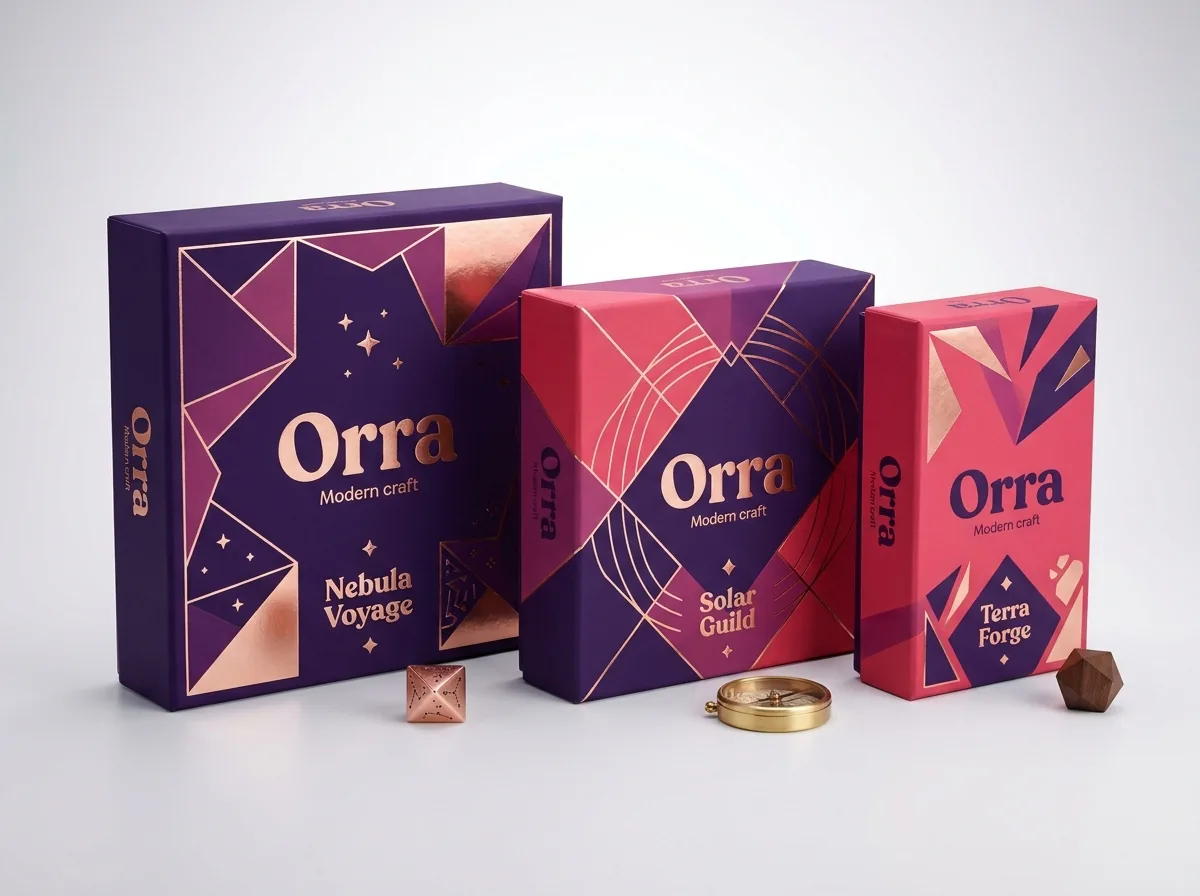
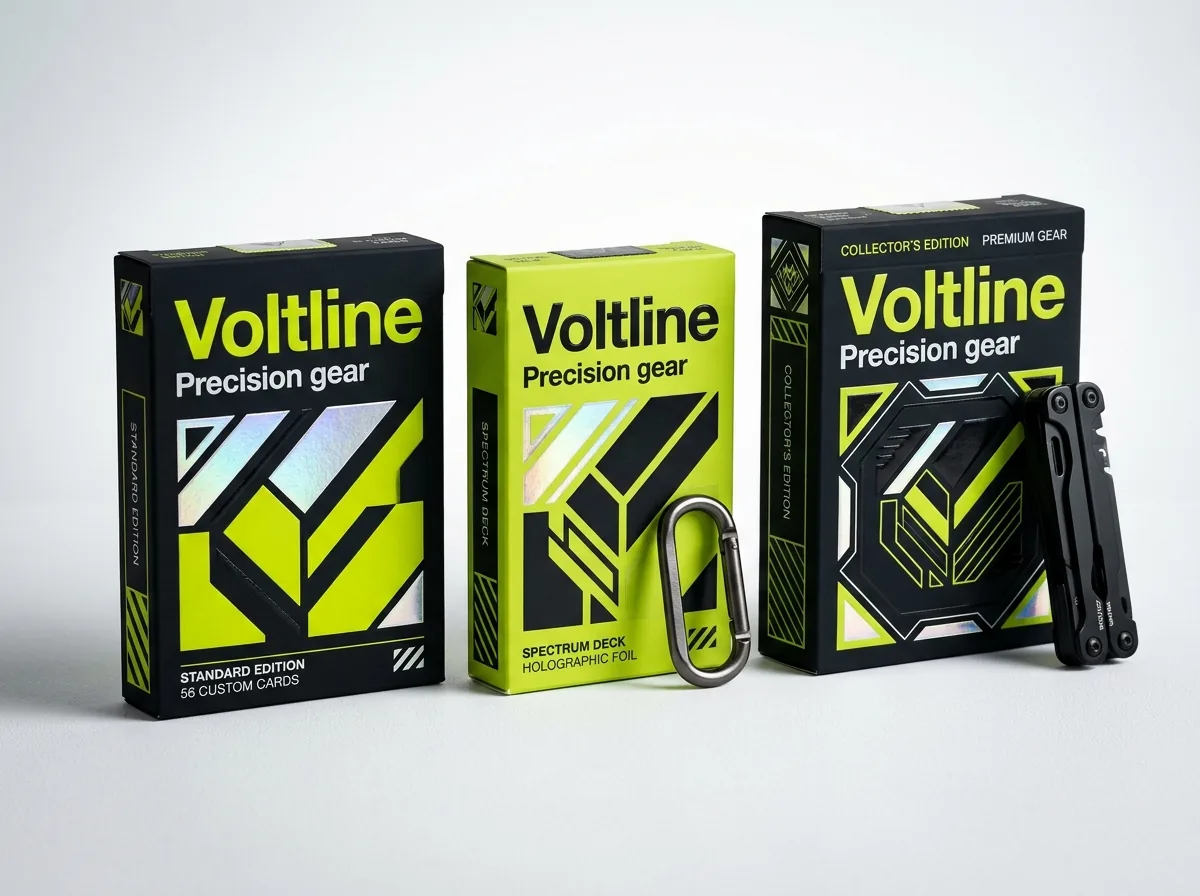
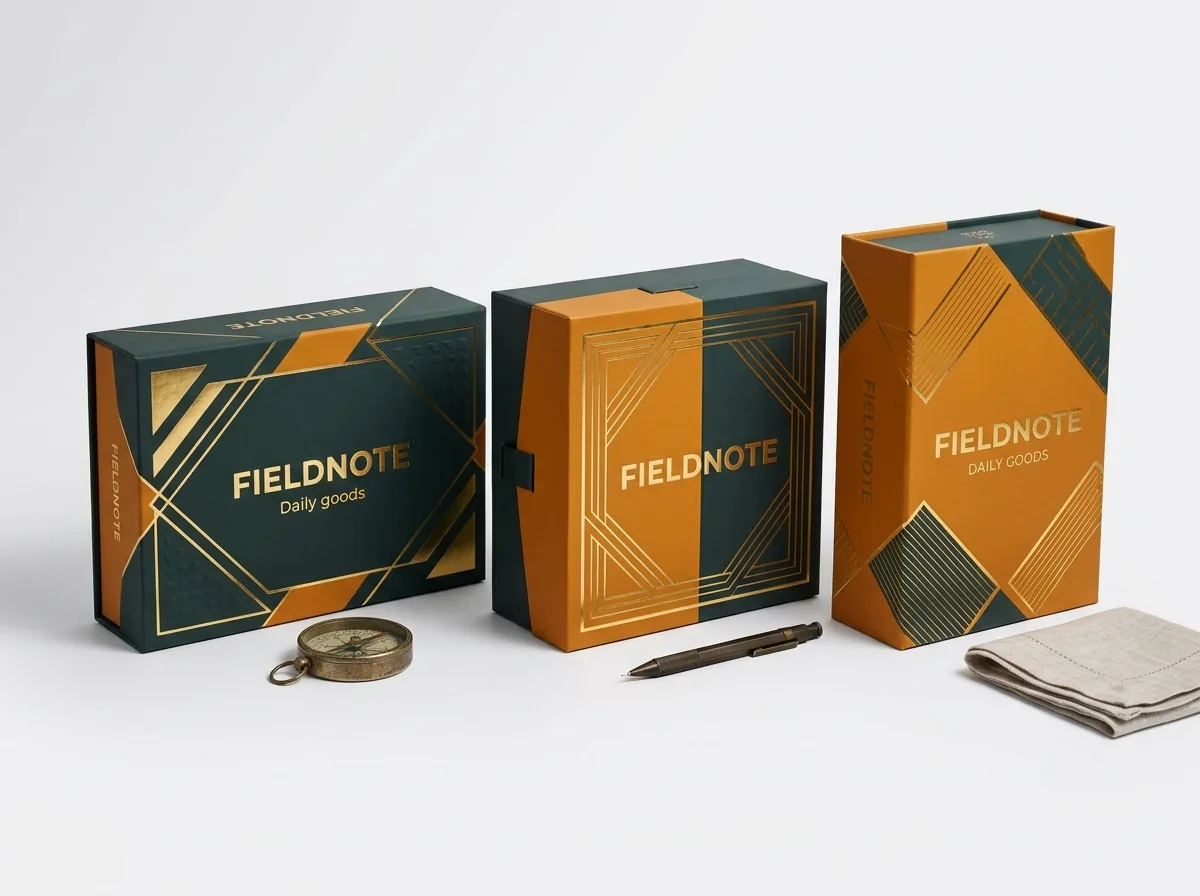
Ready to order toy boxes? Compare up to 3 quantities with a free 3D mockup.
Request a Quote →Questions about toy boxes
What size box fits a standard 6-inch action figure with accessories?
A 6-inch (1:12 scale) articulated action figure with 2 to 4 side accessories typically fits a 5.5 × 2.5 × 9.0 inch or 6.0 × 2.5 × 9.5 inch window carton. That gives room for a 0.75-inch bottom foot podium, angled diorama wings and a rear tie-down channel.
What is the standard size for a collectible vinyl blind box?
Most 3-inch to 3.5-inch collectible vinyl mystery figures use a 3.0 × 3.0 × 4.0 inch or 2.75 × 2.75 × 3.75 inch seal-end folding carton with a top zipper tear strip, packed 12 units (4 × 3) inside a matching pop-up counter display box.
Can I send my physical toy or 3D sculpt so you can size the box and tie-down card?
Yes. Share your toy dimensions or 3D sculpt measurements with your quote request, and our design team will size the outer window carton, the inner paperboard tie-down stage and any outer PDQ display tray for free.
Are custom toy box dimensions always written as inside Length × Width × Height?
Yes. Looking at the front window face of the toy box on the shelf, Length (L) is left-to-right width, Width (W) is front-to-back depth, and Height (H) is bottom-to-top height measured inside the carton walls.
Do you charge extra die fees for a custom window cutout or tie-down backer card?
No. CubitPack never charges die or plate fees. Your custom outer carton dieline, front or wrap-around corner window cutout, try-me opening and internal tie-down backer card are all engineered with zero tooling charges.
Can I test my figure or plush inside a physical prototype before running 1,000 boxes?
Yes. Every order includes free vector dielines, a 2D digital proof and a 3D mockup before payment, and you can request a custom physical prototype of your box and tie-down insert to test-fit your toy and check shelf balance.
Still have a question? Ask a packaging specialist.
Request a Quote →Request your toy boxes quote
Tell us your size and quantities, and one dedicated account manager prepares pricing for each tier.
- Free design & AI-to-print studio + 3D mockup
- No die or plate charges · 4–5 day rush available
- Free shipping to all 50 states
- 10% off your first order
The sizing formulas and category benchmarks in this guide are based on standard 3-inch vinyl blind boxes, 6-inch (1:12) action figures, 11.5-inch fashion dolls, seated plush characters and E-flute STEM playsets. A CubitPack packaging specialist checked every row. Spot an error? Tell us and we will fix it.
Sources
What changed
- October 22, 2026: First published.
- October 22, 2026: Updated specifications, terminology, and verified source links.
More guides
New packaging guides by email
Sizes, materials and design tips. Unsubscribe anytime.