
How Do Paperboard and Corrugated Fiberboard Cardboard Boxes Differ?
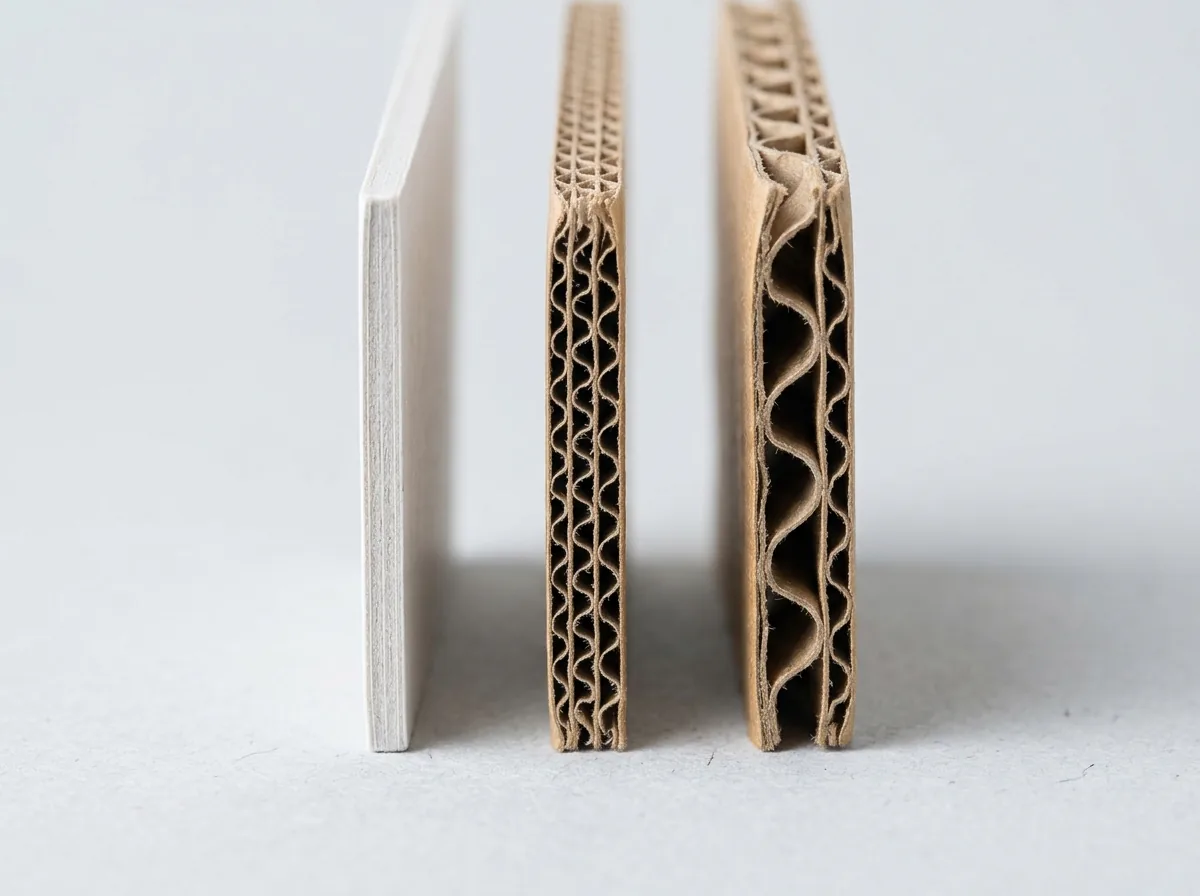
Short answer: Paperboard is a single dense sheet of 14 pt to 24 pt cardstock engineered for retail shelves and high-definition graphics. Corrugated fiberboard features an arched fluted medium between flat liners (32 ECT to 44 ECT), engineered for impact cushioning, parcel shipping, and warehouse stacking compression.
On this page
- What is the structural difference between paperboard and corrugated board
- How do board calipers and thickness measurements compare
- Which substrate delivers superior print resolution and photographic fidelity
- How do vertical compression strength and stacking limits compare
- What are the optimal retail product applications for paperboard cartons
- When is corrugated fiberboard required for transit and freight protection
- How do freight costs and warehouse storage footprints compare
- How do environmental sustainability and curbside recyclability compare
- Common mistakes
- FAQs
Request a custom quoteFree dieline & 3D mockup
Understanding the structural distinction between paperboard and corrugated fiberboard is the foundation of successful packaging procurement. While everyday consumers frequently refer to all paper packaging as cardboard, industry packaging engineers distinguish between folding paperboard cartons and fluted corrugated boxes. When specifying custom cardboard boxes, selecting the wrong substrate leads to crushed products or excessive packaging costs. Solid bleached sulfate (SBS) paperboard consists of a single layer of compressed cellulose fibers measuring 0.014 to 0.024 inches thick, presenting an ultra-smooth clay-coated surface optimized for photographic offset printing on cosmetics, dry foods, and pharmaceutical retail packaging. In contrast, corrugated fiberboard incorporates an architectural arched fluting medium glued between two kraft liners, delivering structural cushioning and high vertical column compressive strength engineered to survive rough handling, drop impacts, and top-load compression forces across parcel courier shipping networks and warehouse pallet stacks.
What is the structural difference between paperboard and corrugated board?
Paperboard is manufactured as a continuous single-sheet cellulose substrate ranging from 10 pt to 28 pt (0.010 to 0.028 inches) in thickness. The pulp fibers are compressed tightly during calendering to create a dense, uniform, non-fluted sheet. Conversely, corrugated fiberboard is a composite sandwich structure consisting of three distinct paper layers: an exterior linerboard, a wavy arched paper layer known as the fluted medium, and an interior linerboard. The trapped air spaces within the flutes provide impact shock dampening that solid paperboard cannot match. This architectural truss configuration allows corrugated boxes to absorb heavy drops during rough courier transit. Sourcing specialists inspect fiber stiffness and surface tension before authorizing full-scale production converting runs.
How do board calipers and thickness measurements compare?
Paperboard thickness is specified in 'points', where one point equals one one-thousandth of an inch (1 pt = 0.001 in). Typical retail folding cartons utilize 16 pt to 20 pt paperboard (0.016 to 0.020 inches). Corrugated fiberboard is significantly thicker: even slim E-flute measures approximately 0.0625 inches (1/16 in), B-flute measures 0.125 inches (1/8 in), and standard C-flute measures 0.1875 inches (3/16 in). Because corrugated board is three to ten times thicker than paperboard, packaging engineers must account for wall thickness when calculating inside product clearances, preventing tight loading friction that slows down fulfillment packing lines. Sourcing specialists inspect fiber stiffness and surface tension before authorizing full-scale production converting runs.
Which substrate delivers superior print resolution and photographic fidelity?
Solid paperboard provides the premier substrate for high-definition retail brand graphics. The exterior surface features a clay coating applied during papermaking, producing an ultra-smooth, non-porous face that accepts 2400 DPI offset lithographic printing, fine halftone screens up to 200 LPI, and intricate metallic foil stamping without surface distortion. While corrugated board prints cleanly with flexographic inks, coarse fluting can create minor surface washboarding unless smooth E-flute or litho-laminated top sheets are specified, ensuring clean reproduction of brand typography and fine halftone images. Sourcing specialists inspect fiber stiffness and surface tension before authorizing full-scale production converting runs.
Know your size? Compare pricing across up to 3 quantities.
Request a Quote →How do vertical compression strength and stacking limits compare?
Vertical compressive resistance protects stacked packages from crushing in transit and warehouse storage. Paperboard folding cartons support light vertical loads suitable for retail display shelving, but tall stacks of heavy items will cause paperboard sidewalls to buckle. Corrugated fiberboard derives immense column compressive strength from its vertical fluting arches, certified under Edge Crush Test (ECT) ratings from 32 ECT to 44 ECT. A standard C-flute corrugated carton can support several hundred pounds of top-load weight on pallet tiers, preventing bottom cartons from crushing during long-distance freight transit. Sourcing specialists inspect fiber stiffness and surface tension before authorizing full-scale production converting runs.
What are the optimal retail product applications for paperboard cartons?
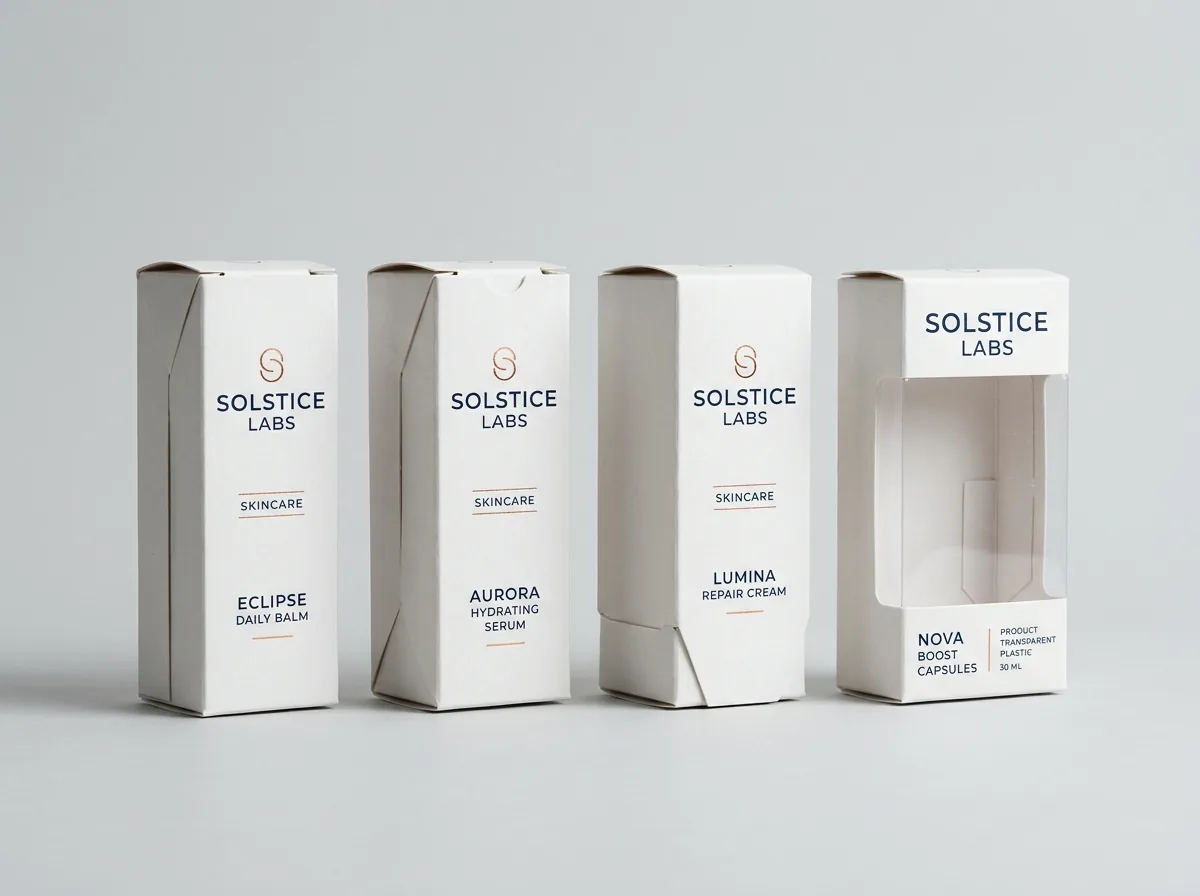
Paperboard folding cartons excel in retail environments where consumers browse shelves and examine packaging up close. Common applications include cosmetic skincare cartons, perfume boxes, dry bakery goods, pharmaceutical medicine cartons, tea boxes, and confectionery packaging. Because paperboard die-cuts with razor-sharp precision, it supports intricate structural features such as Euro-hook hang tabs, embossed brand emblems, clear plastic display windows, and curved crease geometries that stand out in boutique stores, elevating perceived retail brand value at the critical point of purchase. Sourcing specialists inspect fiber stiffness and surface tension before authorizing full-scale production converting runs.
When is corrugated fiberboard required for transit and freight protection?
Corrugated fiberboard is required whenever physical merchandise enters direct-to-consumer parcel postal networks or freight carrier consolidation. Parcel sorting facilities subject packages to dynamic drop impacts from conveyor belts, side-wall punctures from adjacent parcels, and severe vehicle vibration. The air-cushioned flutes in corrugated mailers and RSC shipping cartons absorb kinetic drop energy, preventing fragile glass bottles, electronics, hardware, and liquids from breaking during parcel delivery and automated sorting conveyor transfers across regional courier shipping hubs. Sourcing specialists inspect fiber stiffness and surface tension before authorizing full-scale production converting runs.
How do freight costs and warehouse storage footprints compare?
Warehouse storage and inbound shipping economics strongly favor lightweight paperboard cartons when products are stored flat. Because paperboard is thin, a single standard pallet can hold over 25,000 flat-packed folding cartons. In comparison, the same pallet footprint accommodates roughly 2,000 flat corrugated mailers or 1,200 RSC shipping cases. Brands operating with limited warehouse rack space achieve significant overhead savings by utilizing flat folding paperboard cartons for primary merchandise packaging, lowering overhead and accelerating high-speed automated packaging line assembly. Sourcing specialists inspect fiber stiffness and surface tension before authorizing full-scale production converting runs.
How do environmental sustainability and curbside recyclability compare?
Both solid paperboard and corrugated fiberboard represent environmentally sustainable, circular packaging choices. Manufactured from renewable cellulose fibers, unlaminated paperboard and corrugated packaging are 100% curbside recyclable in municipal paper streams across the United States. In addition, corrugated packaging utilizes between 60% and 100% recycled post-consumer waste fibers, while SBS paperboard utilizes responsibly managed virgin fibers certified by the Forest Stewardship Council. Specifying cardboard packaging boxes reinforces sustainable brand values and supports corporate environmental sustainability initiatives. Sourcing specialists inspect fiber stiffness and surface tension before authorizing full-scale production converting runs.
What common cardboard packaging mistakes should you avoid?
Developing custom cardboard packaging requires balancing structural substrate selection with precise dimensioning. Packaging specialists identify four frequent errors
- Shipping fragile retail paperboard cartons through parcel couriers without an outer corrugated box, resulting in crushed corners.
- Specifying coarse C-flute corrugated board for small cosmetics, causing fine brand typography to blur across fluting ridges.
- Confusing paperboard point calipers (0.018 in) with corrugated flute calipers (0.125 in), causing severe interior dimension errors.
- Using non-recyclable plastic coatings on cardboard packaging, preventing consumers from disposing of boxes in municipal recycling bins.
Packaging for this
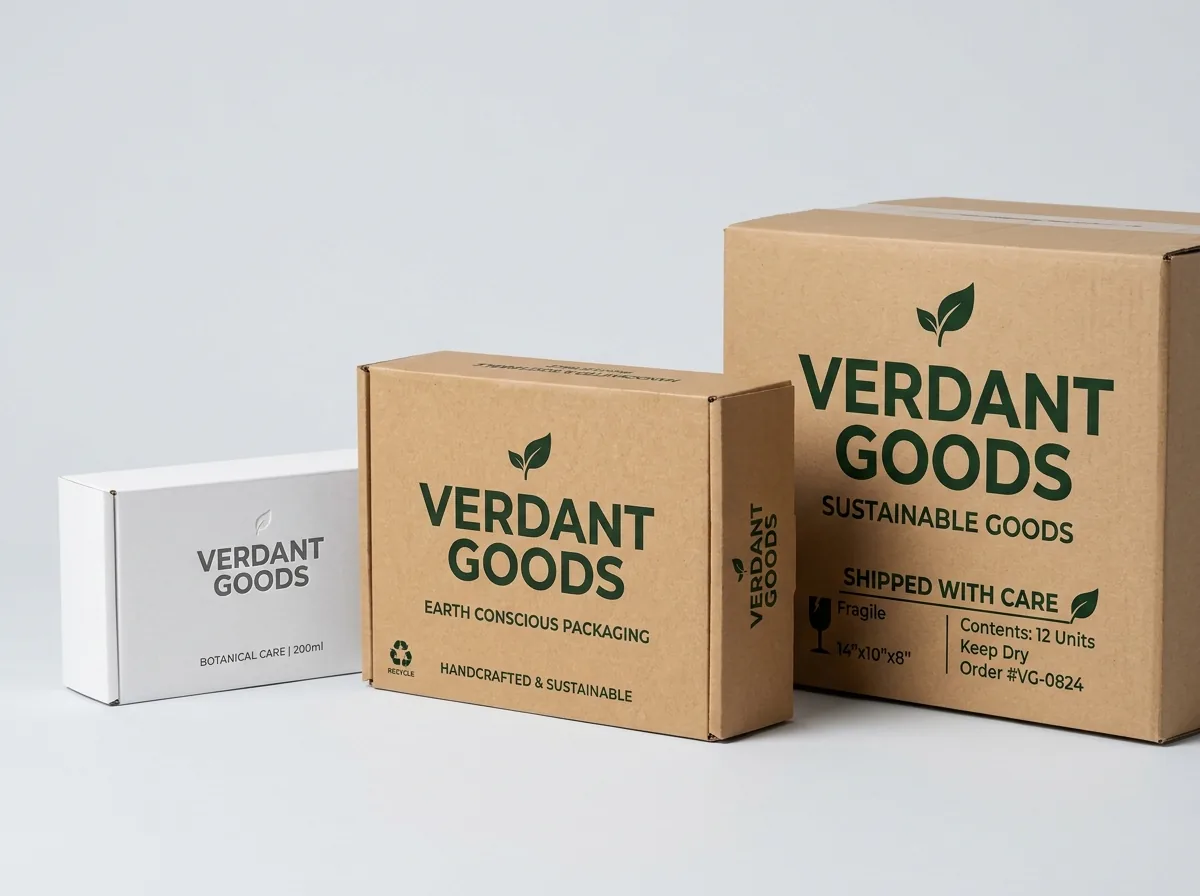

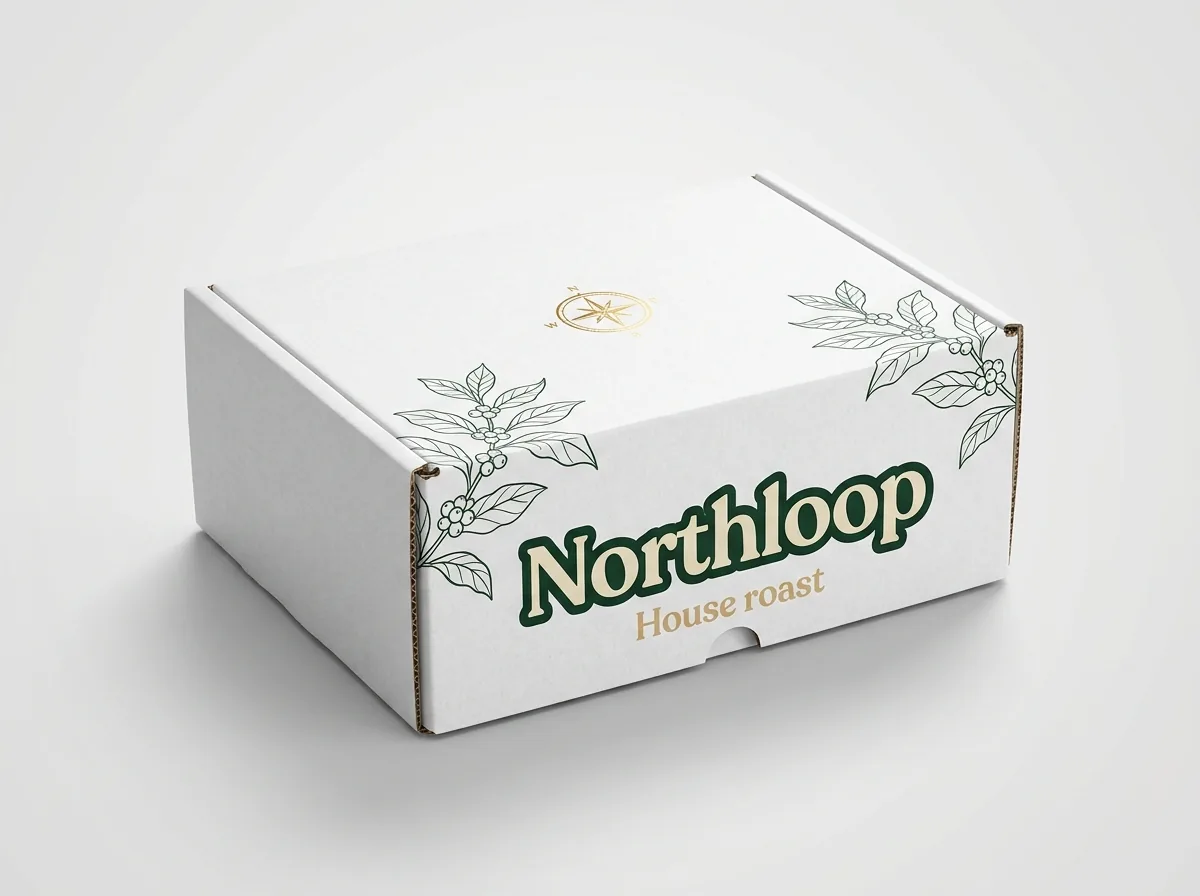
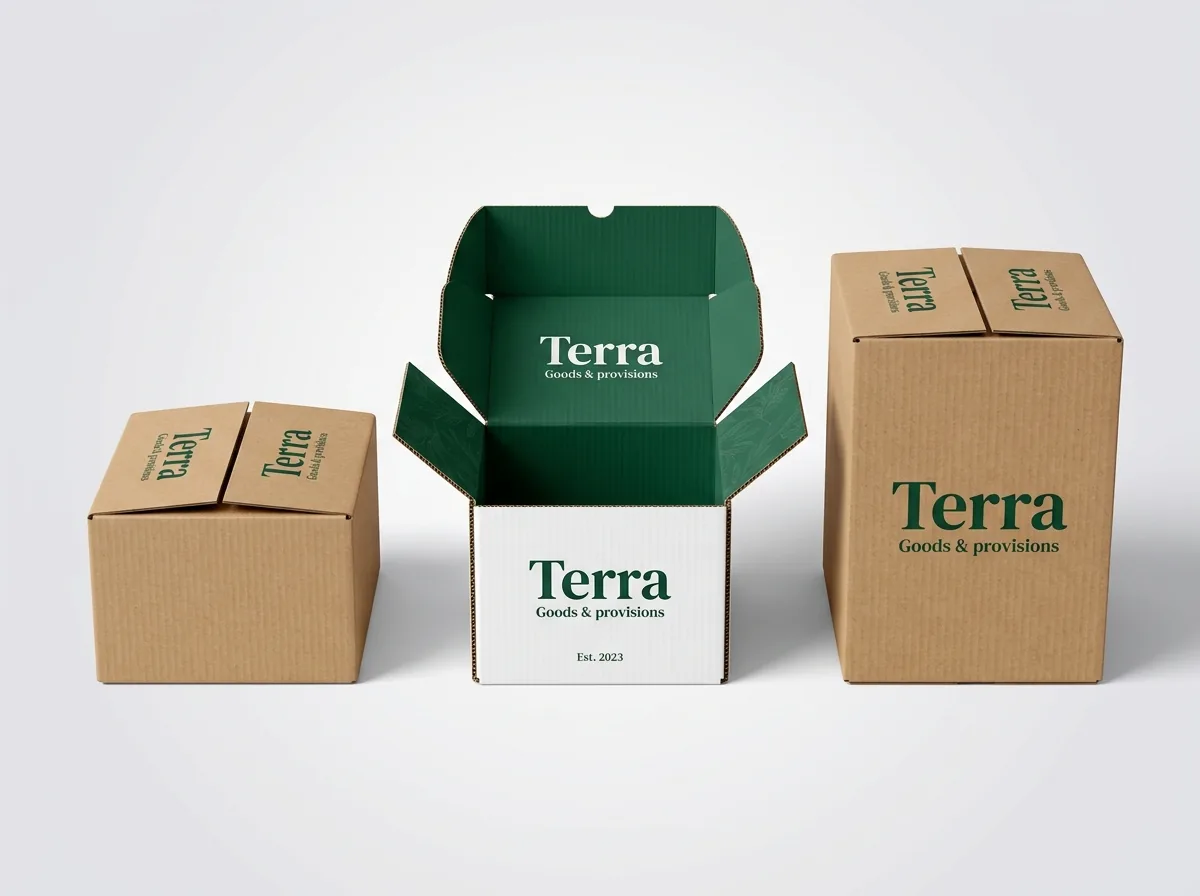

Ready to order cardboard boxes? Compare up to 3 quantities with a free 3D mockup.
Request a Quote →Questions about cardboard boxes
Is paperboard the same thing as cardboard?
Paperboard is a specific type of cardboard. It refers to single-layer dense cardstock (14 pt to 24 pt) used for retail folding cartons. Corrugated cardboard refers to multi-layer packaging with a fluted wave medium inside.
Can I ship products in paperboard folding cartons?
Paperboard cartons are designed for retail shelf display, not direct parcel shipping. For postal mailing and courier transport, place retail paperboard cartons inside an outer fluted corrugated box or mailer to prevent transit crushing.
Which material is more economical for custom retail packaging?
Paperboard folding cartons are more economical for lightweight retail goods. They require less raw material, ship flat in dense pallet bundles, and run at high speeds on automated folder-gluer converting machinery.
Can corrugated cardboard boxes look as premium as paperboard?
Yes. By specifying smooth E-flute board or litho-laminated top sheets, corrugated boxes achieve photo-quality CMYK printing, hot foil stamping, and spot gloss finishes while maintaining structural shipping strength.
How do I know which board thickness my product needs?
For lightweight retail items under 1 pound, 16 pt to 18 pt paperboard is ideal. For items weighing 1 to 5 pounds shipped by mail, 32 ECT E-flute or B-flute corrugated board provides optimal protection and stacking stiffness.
Are both paperboard and corrugated boxes recyclable?
Yes. Both solid paperboard and corrugated fiberboard are manufactured from natural cellulose fibers and water-based inks, making all unlaminated custom boxes 100% curbside recyclable in standard municipal curbside paper recycling programs nationwide without specialized separation.
Still have a question? Ask a packaging specialist.
Request a Quote →Request your cardboard boxes quote
Tell us your size and quantities, and one dedicated account manager prepares pricing for each tier.
- Free design & AI-to-print studio + 3D mockup
- No die or plate charges · 4–5 day rush available
- Free shipping to all 50 states
- 10% off your first order
Cardboard packaging specifications, paperboard calipers, and fluted fiberboard parameters were verified against Paperboard Packaging Council (PPC) and FEFCO International Fibreboard standards. Reviewed by senior packaging engineers.
Sources
- Paperboard Packaging Council (PPC) folding carton caliper standards and prepress die-cutting tolerances
- FEFCO International Fibreboard Case Code standards for corrugated box styles and flap configurations
- Idealliance G7 Master Color specifications for offset lithographic and flexographic printing on paperboard
What changed
- November 11, 2026: Published technical engineering guide analyzing paperboard vs corrugated cardboard differences for custom cardboard boxes, including 5 custom SVG diagrams.
More guides
New packaging guides by email
Sizes, materials and design tips. Unsubscribe anytime.