
Overwrapped tea envelope boxes vs unwrapped filter bag cartons: which should you choose?
Short answer: Choose cartons for individually overwrapped tea envelopes when selling essential-oil herbals (peppermint, chai, Earl Gray), hospitality dispensers, or multi-flavor samplers. Choose compact cartons with an inner barrier pouch for unwrapped tagless everyday black or green tea bags. Compare styles on our custom tea bag boxes page.
On this page
- How do overwrapped tea envelope boxes and unwrapped filter bag cartons compare
- Why do peppermint, chai and Earl Gray tea bags need individual overwraps or inner foil liners
- Why do hotels, cafés and office coffee services require overwrapped tea envelopes
- How do you build cartons for unwrapped round, square and double-chamber filter bags
- Can one tea brand offer both wrapped envelope boxes and unwrapped refill cartons
- Common mistakes
- FAQs
Request a custom quoteFree dieline & 3D mockup
Every tea bag brand faces a foundational packaging choice: seal each string-and-tag tea bag inside its own crimped paper or foil-laminated envelope before loading the outer carton, or pack unwrapped ('naked') filter bags together inside a moisture-barrier pouch or food-safe lined carton. Individually overwrapped tea envelopes lock volatile essential oils inside each packet, keep every tea bag sanitary on hotel and office breakroom counters, and stand up in neat filing rows inside a flip-top carton or vertical dispenser tower. Unwrapped round, square, or double-chamber filter bags eliminate the individual wrapper film and string tag, reducing carton volume by roughly 35% and speeding up home steeping for high-frequency daily tea drinkers. Because naked filter bags expose tea leaves directly to air once opened, their cartons pair with a heat-sealed inner foil or wax liner bag or food-safe board on request.
How do overwrapped tea envelope boxes and unwrapped filter bag cartons compare?
When tea founders and co-packers spec custom printed tea bag boxes, the inner bag format dictates everything from the carton footprint and board barrier to the opening mechanism. An individually wrapped string-and-tag tea bag acts as its own miniature hermetically crimp-sealed or fold-wrapped pouch, so the outer folding carton serves primarily as a retail billboard and pantry organizer. By contrast, unwrapped filter bags - such as British-style round tagless teabags, square pillow bags, or naked string-and-tag bags grouped in twenties - rely on a shared master barrier (either an inner foil/poly bag inside the box, or a tight outer cellophane wrap over food-safe paperboard) to protect the leaves from humidity and kitchen odors. Use the table below to compare both packaging architectures across shelf footprint, aroma retention, sales channel fit, and carton structure.
| Feature | Overwrapped Tea Envelope Box | Unwrapped Filter Bag Carton |
|---|---|---|
| Typical 20-count box size | 5.25 × 2.75 × 3.125 in (horizontal row) | 3.75 × 2.5 × 2.75 in (35% smaller volume) |
| Aroma & oil retention | Locked per bag until steeped (18–24 mo shelf life) | Shared inner pouch; aroma escapes once pouch opens |
| Hospitality & breakroom use | Required for self-serve hygiene and counter caddies | Not suitable for open public self-serve trays |
| Multi-flavor sampler flights | Can mix peppermint, chai, and chamomile in one box | Cannot mix strong flavors without cross-aroma transfer |
| Preferred carton styles | Flip-top tab lock, vertical gravity dispenser, caddy | Seal end with inner foil bag, auto-lock cube, twin-row |
| Board & liner needs | Standard 18 pt SBS or kraft (envelope is the barrier) | Inner foil/wax bag or food-safe board on request |
| CubitPack minimum | 1,000 boxes | 1,000 boxes |
Why do peppermint, chai and Earl Gray tea bags need individual overwraps or inner foil liners?
Dry tea leaves are natural sponges for moisture and ambient odors, while herbal tisanes and flavored teas contain highly volatile essential oils. Menthol in peppermint, bergamot citrus oil in Earl Gray, cinnamaldehyde in masala chai, and gingerol in ginger root readily vaporize at room temperature and migrate right through unlined porous paperboard. If you pack unwrapped peppermint or Earl Gray filter bags directly into an unlined folding carton, two things happen within weeks on a grocery shelf: the volatile oils evaporate through the carton corner gaps (leaving the brewed cup flat), and the scent transfers into neighboring boxes on the shelf. Even worse, if you build a 4-flavor wellness sampler box with unwrapped bags, every chamomile and green tea bag in the box will taste like peppermint. For essential-oil blends, either crimp-seal each tea bag in a foil-laminated envelope inside a flip-top carton, or seal 20 naked filter bags inside a metallized inner pouch before dropping the pouch into an upright custom straight tuck end boxes or custom seal end boxes carton.
- Heat-sealed foil/paper envelopes: Highest protection for peppermint, Earl Gray, chai, lemon ginger, and medicinal wellness herbs.
- Fold-wrapped paper envelopes (unsealed): Good for mild black and green teas in dry climates, though less airtight than crimped heat seals.
- Unwrapped bags in an inner foil pouch: Keeps 20 to 40 tagless everyday black or green tea bags fresh until the home drinker opens the inner bag.
- Direct carton pack: Requires food-safe board and low-migration inks on request plus an outer film overwrap.
Why do hotels, cafés and office coffee services require overwrapped tea envelopes?
If your brand sells into hotel room amenities, restaurant table presentation boxes, airline catering, hospital trays, or corporate breakrooms, individually overwrapped tea envelopes are mandatory. In self-serve foodservice settings, multiple guests touch the tea caddy throughout the day, and steam from nearby espresso machines or hot-water urns humidifies the counter. A sealed paper or foil envelope protects the filter bag from wet fingers and steam while displaying the blend name, ingredient list, caffeine level, and steeping time on every single packet so guests never have to guess which bag is decaf chamomile and which is caffeinated English Breakfast. To win hospitality and corporate office accounts, pair your wrapped envelopes with a 25- or 50-count vertical gravity custom dispenser boxes tower or a 6-compartment custom counter display boxes organizer whose hinged lid folds back into an upright menu header.
Know your size? Compare pricing across up to 3 quantities.
Request a Quote →How do you build cartons for unwrapped round, square and double-chamber filter bags?
High-volume household black teas, iced-tea family bags, and zero-waste herbal lines often skip individual envelopes and string tags to reduce packaging waste and speed up daily brewing. Because 20 or 40 unwrapped filter bags sit inside a flexible inner foil, wax-paper, or metallized cellulose bag, the outer folding carton acts as a rigid protective pantry caddy once the inner pouch is slit open. For 20- to 40-count unwrapped filter bags, a compact cube or horizontal flip-top carton with a reclosable front tab lock keeps the opened inner liner bag folded neatly inside between morning cups. On 80- and 100-count family packs, splitting the tea bags into two separate 40-count or 50-count inner foil pouches separated by a center custom cardboard inserts partition lets the household open the first 40 bags while the second 40 stay factory-sealed against kitchen humidity and cooking odors.
Can one tea brand offer both wrapped envelope boxes and unwrapped refill cartons?
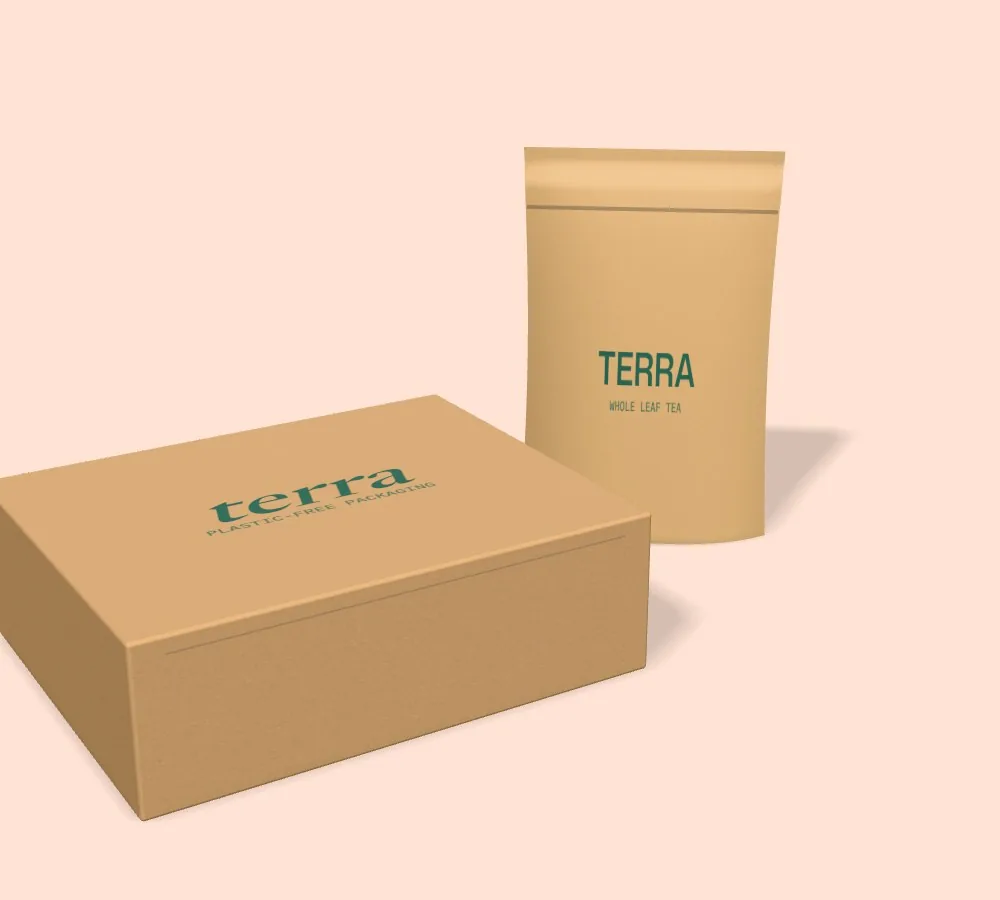
Yes - many growing tea brands use a two-tier packaging strategy across retail and direct-to-consumer channels. They pack their 20-count grocery cartons, 6-flavor gift flights, and café dispenser boxes with individually wrapped string-and-tag envelopes for maximum shelf impact, aroma isolation, and hospitality compliance. Alongside those 20-count cartons, they offer an 80-count or 100-count home refill carton (or stand-up custom tea pouches) holding unwrapped tagless filter bags in twin foil sleeves for loyal daily drinkers who steep two or three cups a day at home. Because CubitPack charges zero die or plate fees on any custom carton size, you can run a 5.25 × 2.75 × 3.125 inch 20-count flip-top box for your wrapped retail envelopes and a compact 6.25 × 5.25 × 3.0 inch twin-lane carton for your 80-count unwrapped home refills without paying separate tooling setup charges. Need exact inside dimensions for both 20-count wrapped envelope boxes and 80-count unwrapped cartons? Check our tea bag box size chart for 20-, 40- and 100-count packs, and see how to lay out tear strips and tab locks in our guide on how to design reclosable flip-top and dispenser custom tea bag boxes.
What are the five most common mistakes when choosing between wrapped and unwrapped tea bag cartons?
Avoid these five packaging mismatches before briefing your tea co-packer and carton printer
- Packing unwrapped peppermint, chai, or Earl Gray filter bags into an unlined folding carton, letting essential oils evaporate and scent neighboring blends.
- Pitching unwrapped bulk tea bags to hotel buffets, cafés, or office breakrooms where health and hygiene standards require individually sealed envelopes.
- Mixing four or six unwrapped herbal flavors inside one sampler gift box without individual foil envelopes, causing all the tea bags to taste identical.
- Using a vertical gravity-feed bottom dispenser slot for naked unwrapped filter bags, which snag on paperboard edges and tear without an outer envelope.
- Packing 80 or 100 unwrapped tea bags in one single inner pouch instead of two 40- or 50-bag inner pouches, exposing all 100 bags to kitchen humidity on day one.
Find your size
Suggested inside size: 4.25 × 2.75 × 3.125 in
A starting point. Your account manager confirms the size with you before the proof.
Quote this size →Packaging for this
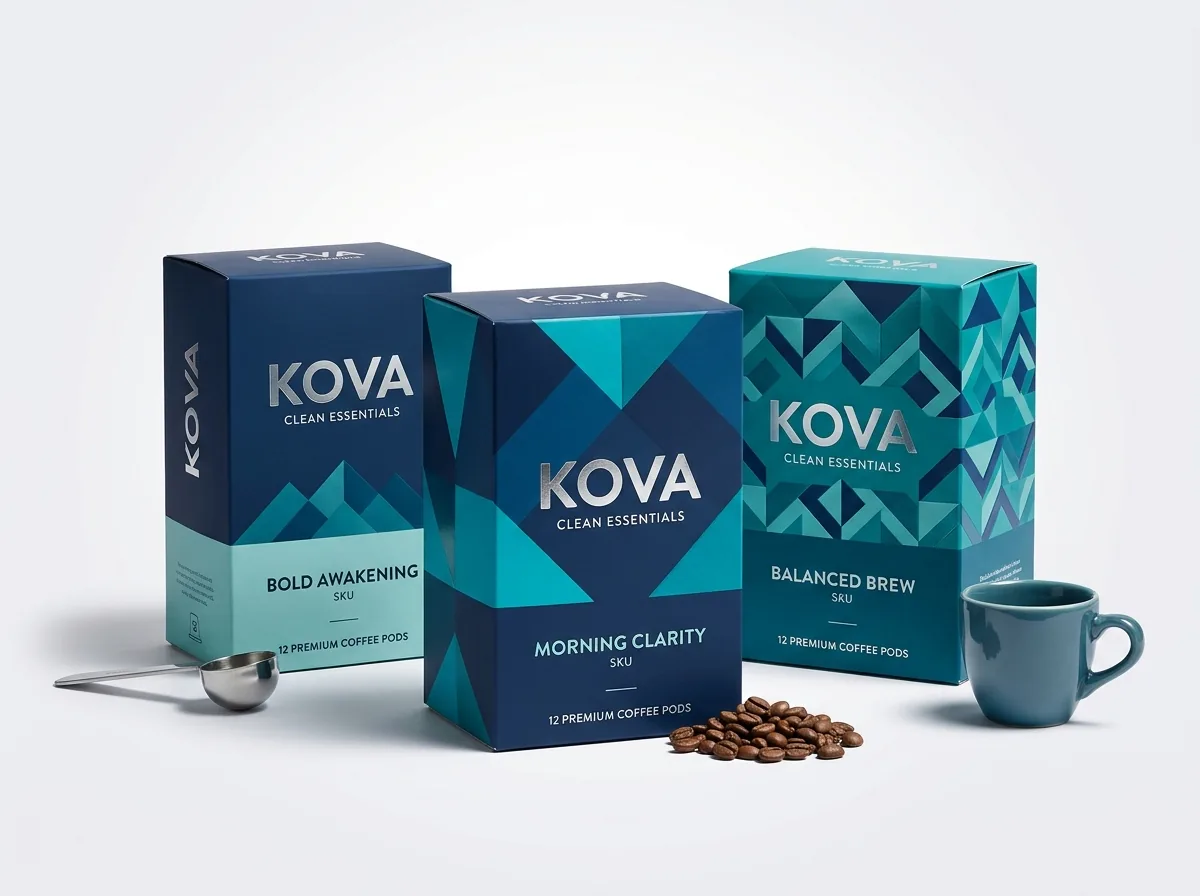
Ready to order tea bag boxes? Compare up to 3 quantities with a free 3D mockup.
Request a Quote →Questions about tea bag boxes
Do individually wrapped tea bag envelopes need a food-contact outer carton?
When each tea bag is hermetically sealed inside its own foil-laminated or coated paper envelope, the outer folding carton never touches the tea leaves directly, so standard 18 pt SBS or natural kraft board works cleanly. If your tea bags are unwrapped, we offer food-safe board and low-odor inks on request.
Why are boxes for unwrapped tea bags smaller than boxes for wrapped envelopes?
A crimped outer paper or foil envelope adds a 1/4 inch heat-sealed border around all four sides of the filter bag plus the bulk of the folded string and tag. Removing the outer wrapper shrinks a 20-count carton from 5.25 × 2.75 × 3.125 inches down to roughly 3.75 × 2.5 × 2.75 inches.
Can unwrapped tea bags go in a bottom gravity dispenser box?
No. Porous nonwoven filter paper is soft and flexible, so naked tea bags catch on die-cut edges and tangle their strings if stacked in a gravity chute. Gravity-feed dispenser boxes work exclusively with stiff, flat heat-sealed tea envelopes.
How do 80-count and 100-count unwrapped tea bag boxes keep tea fresh?
The best 80- and 100-count cartons divide the tea bags into two separate heat-sealed inner foil pouches of 40 or 50 bags each, separated by a center paperboard partition. The customer opens the first foil sleeve while the second sleeve stays sealed against air and moisture.
Which tea bag carton format is better for a multi-flavor gift sampler?
Always use individually overwrapped tea envelopes for multi-flavor sampler boxes and holiday chests. Individual foil or coated envelopes prevent strong botanicals like peppermint, ginger, and bergamot from cross-flavoring delicate green or white teas in the adjacent compartment.
Can CubitPack print cartons for both our retail wrapped line and club packs?
Yes. We manufacture custom folding cartons, dispenser towers, and twin-row club boxes starting at 1,000 units per size, with free structural dielines, free design help, and free shipping across all 50 US states.
Still have a question? Ask a packaging specialist.
Request a Quote →Request your tea bag boxes quote
Tell us your size and quantities, and one dedicated account manager prepares pricing for each tier.
- Free design & AI-to-print studio + 3D mockup
- No die or plate charges · 4–5 day rush available
- Free shipping to all 50 states
- 10% off your first order
This comparison is built on tea essential-oil volatility principles, foodservice hygiene requirements, and folding carton caliper standards. Checked by a CubitPack packaging specialist. Spot an error? Tell us and we will fix it.
Sources
What changed
- October 22, 2026: First published.
- October 22, 2026: Updated specifications, terminology, and verified source links.
More guides
New packaging guides by email
Sizes, materials and design tips. Unsubscribe anytime.